
Acan Fragging Made Easy: Techniques for Micromussa & Lordhowensis

Welcome to Aquarium Mastery!
Ever wondered how to expand your vibrant coral collection? Acan fragging might be the answer! Dive into our guide, "Acan Fragging Made Easy: Techniques for Micromussa & Lordhowensis," and discover the secrets to successfully propagating these stunning corals. Unlock the potential of your reef tank and learn techniques even beginners can master. Ready to grow your Acan family? Let's get started!
- Understanding LPS Coral Fragging
- Step-by-Step LPS Coral Fragging Techniques
- Post-Fragging Care for LPS Corals: Maximizing Recovery and Growth
- Troubleshooting Common LPS Coral Fragging Problems
- Advanced LPS Coral Fragging Techniques and Tips
- Conclusion: Mastering LPS Coral Fragging for a Thriving Reef Aquarium
- Frequently Asked Questions
- Final Reflection: Cultivating Coral, Cultivating Patience
- Unleash Your Inner Reef Architect!
Understanding LPS Coral Fragging
What is Coral Fragging and Why Do It?
Coral fragging, short for fragmentation, is the process of breaking off a small piece of a larger coral colony to grow a new, independent colony. For enthusiasts looking into Acan fragging for beginners, this practice is a cornerstone of sustainable reef keeping and allows aquarists to propagate their favorite LPS (Large Polyp Stony) corals, such as Micromussa and Lordhowensis species, without harvesting from the wild. It’s an essential technique for both hobbyists and commercial growers to increase coral populations, share unique color morphs, and even recover from colony damage.
Beyond propagation, fragging serves several vital purposes. If a coral colony becomes too large for its allocated space in the aquarium, fragging can help manage its size and prevent it from shading or stinging neighboring corals. It also provides a way to create genetic backups of prized colonies, ensuring that if a main colony experiences an issue, its genetics are preserved through its frags. This practice fosters a robust and resilient reef ecosystem within the confines of a home aquarium, promoting biodiversity and community sharing among aquarists.
Benefits of Fragging LPS Corals
Fragging LPS corals, particularly popular species like Acans (Acanthastrea), offers numerous advantages for the dedicated aquarist. One significant benefit is cost-effectiveness; rather than purchasing new, often expensive, full colonies, hobbyists can acquire or create small frags at a fraction of the cost. This makes the hobby more accessible and allows for the diversification of a reef tank with various color morphs and species without a substantial financial outlay. For example, a single, vibrant Micromussa colony could yield 5-10 sellable frags, each potentially priced at $30-$80, making the initial investment highly worthwhile.
Furthermore, fragging promotes sustainable aquaculture within the hobby. By propagating corals in captivity, the demand for wild-collected specimens decreases, reducing pressure on natural reef ecosystems. Captive-bred frags are also often more resilient and acclimated to aquarium conditions, leading to higher success rates for beginners. These frags typically exhibit faster growth rates in the initial stages compared to wild-collected pieces, as they are already adapted to the specific water parameters and lighting of a home aquarium, often showing noticeable growth within 3-6 months.
Essential Tools and Supplies for Successful LPS Coral Fragging
Successful Acan fragging, especially for beginners, hinges on having the right tools and supplies. The primary tools for cutting LPS corals like Micromussa and Lordhowensis are typically a Dremel rotary tool with a diamond-tipped cutting wheel or high-quality bone cutters. A Dremel allows for precise cuts through the stony skeleton, minimizing stress on the coral, while bone cutters are effective for smaller, thinner skeletal structures. It's crucial that all tools are sterilized before and after use, ideally with a bleach solution (1 part bleach to 9 parts water) followed by a thorough rinse, to prevent the spread of diseases.
In addition to cutting tools, you'll need specialized coral glue, usually cyanoacrylate gel, for attaching the frags to frag plugs or rubble. A cutting board or a dedicated fragging container (a small container filled with aquarium water) provides a stable and safe surface to work on, protecting your main tank from coral slime or debris. Personal protective equipment, such as nitrile gloves and eye protection, is also indispensable to protect yourself from potential irritants or sharp coral edges. Having a clean, well-lit workspace is paramount for precise work and to minimize stress on the coral during the fragging process.
Step-by-Step LPS Coral Fragging Techniques
Preparing Your LPS Coral for Fragging
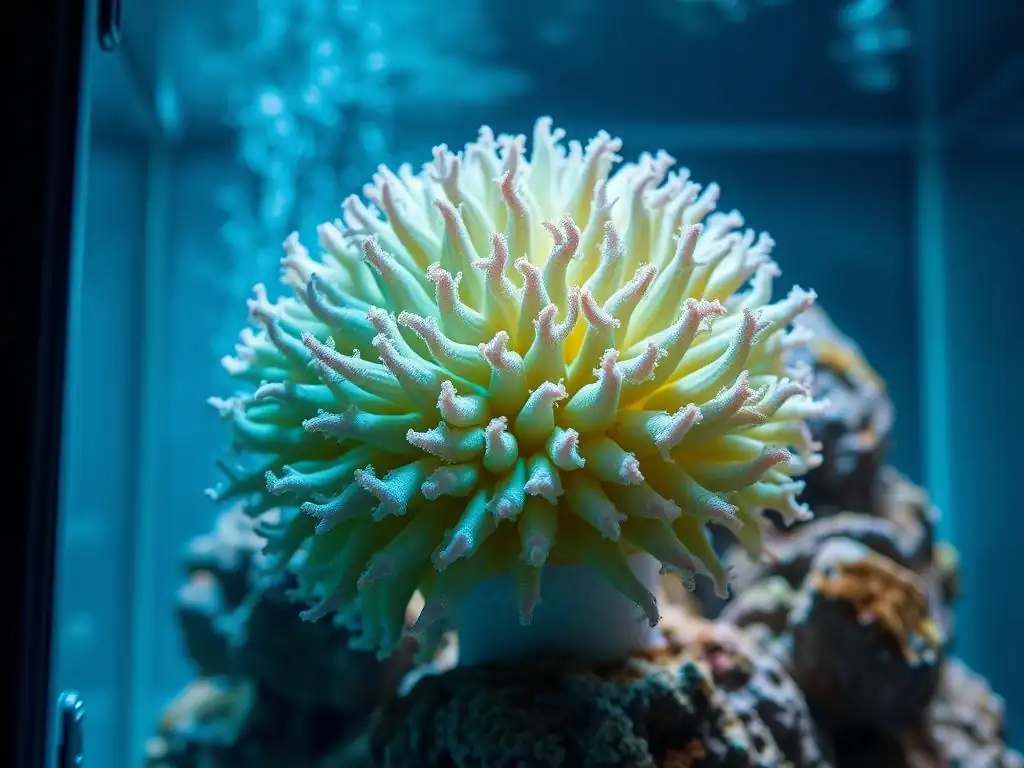
Proper preparation is crucial for minimizing stress and maximizing the success rate of Acan fragging for beginners. Begin by selecting a healthy, robust Micromussa or Lordhowensis colony that shows no signs of disease, tissue recession, or stress. Gently remove the chosen colony from your display tank and place it in a separate, clean container filled with water from the display tank. This isolates the coral and prevents any coral slime or skeletal debris from entering your main system, which could potentially irritate other inhabitants.
Before making any cuts, it's advisable to allow the coral to retract its polyps. This can be encouraged by briefly exposing it to air for 30-60 seconds, or by gently swishing it in the container of aquarium water. Retracted polyps protect the delicate tissue from damage during the cutting process. Ensure your fragging tools are sterilized and ready, and have your frag plugs or rubble and coral glue within easy reach. This methodical preparation significantly reduces the overall stress on the coral and sets the stage for a smooth fragging operation.
Choosing the Right LPS Coral Colony for Fragging
Selecting the ideal LPS coral colony for fragging is a critical step that directly impacts the success of your new frags. For Acan fragging, choose a mature colony that has exhibited consistent growth and vibrant coloration for several months, ideally one that is at least 6-8 months old and has established a solid base. Avoid fragging any colony that appears stressed, has bleached areas, or shows signs of brown jelly disease, as these conditions can be exacerbated by the fragging process and lead to the loss of both the mother colony and the new frags.
Look for areas on the colony where individual polyps or small groups of polyps can be cleanly separated with minimal damage to the surrounding tissue. Micromussa and Lordhowensis often grow in distinct heads, making it easier to identify natural separation points. Aim to create frags that include at least 3-5 polyps, as larger frags tend to have a higher survival rate and faster recovery compared to single-polyp frags. A good indicator of a healthy colony ready for fragging is active feeding response and consistent tissue inflation throughout the day.
Safe LPS Coral Fragging Methods: A Detailed Walkthrough
Safe and precise cutting methods are paramount when performing Acan fragging for beginners, as these are stony corals with delicate tissue over a hard skeleton. The goal is to make clean cuts that minimize damage to the coral tissue and the surrounding polyps. Always work quickly and efficiently to reduce the coral's time out of water.
Method 1: Using a Dremel or Bone Cutters for LPS Coral Fragging
For larger or more established Acan colonies, a Dremel rotary tool fitted with a diamond-tipped cutting wheel is often the preferred method for Acan fragging. Submerge both the coral and the Dremel cutting head in a container of aquarium water to keep the tool cool and to contain any skeletal dust. Carefully identify the cut line, aiming to separate a section with at least 3-5 healthy polyps.
Slowly and steadily apply the Dremel to the skeletal base, cutting through the stony matrix. The Dremel allows for very precise cuts, reducing the risk of crushing the skeleton, which can happen with less sharp tools.
Alternatively, for smaller colonies or thinner skeletal structures, high-quality bone cutters can be used. These require a firm, decisive squeeze to cleanly snip through the coral skeleton. Again, it's best to perform this underwater to reduce stress and contain debris. Position the bone cutters at the base of the section you wish to frag, ensuring you have enough leverage to make a clean break without splintering the skeleton excessively. This method is generally quicker but may not offer the same precision as a Dremel for intricate cuts or very thick skeletons.
Method 2: Using a Scalpel for Smaller LPS Coral Fragging
While Acans are primarily stony corals, a very sharp scalpel can sometimes be used for separating individual polyps or small clusters that are already weakly attached or have naturally formed distinct heads. This method is less about cutting the bulk of the skeleton and more about separating tissue and minimal skeletal attachment points. Carefully slide the scalpel between the polyps, ensuring you cut only the tissue and the very thin connecting skeleton. This technique requires extreme precision and is generally only suitable for specific Micromussa or Lordhowensis growth patterns where polyps are clearly delineated.
After making the cut, gently separate the frag from the mother colony. Immediately rinse both the mother colony and the new frag in the clean aquarium water to wash away any loose tissue or skeletal dust. This helps prevent infection and promotes faster healing. Inspect both pieces for any signs of tissue damage. If significant damage occurred, consider dipping the frag in an antiseptic coral dip (e.g., iodine-based solution) for a few minutes, following product instructions, before mounting.
Mounting Your New LPS Coral Frags: Secure and Stable Placement
Once your Acan frags are successfully cut, the next crucial step in Acan fragging for beginners is secure mounting. The most common method involves using cyanoacrylate gel glue (super glue gel) to attach the frag to a frag plug or a small piece of live rock rubble. Ensure the frag plug or rubble is clean and dry where the glue will be applied. Apply a generous bead of glue to the chosen mounting surface, not directly to the coral tissue.
Carefully press the frag's exposed skeletal base onto the glue, holding it firmly in place for 15-30 seconds until the glue sets. Avoid getting glue on the coral tissue itself, as this can cause irritation or necrosis. After mounting, gently place the newly fragged coral back into the container of aquarium water. Allow the glue to fully cure underwater for a few minutes before introducing the frag back into the display tank. Proper mounting ensures the frag remains stable, preventing it from tumbling and potentially damaging its delicate new growth.
Post-Fragging Care for LPS Corals: Maximizing Recovery and Growth
LPS Coral Frag Placement and Lighting Requirements
After Acan fragging, strategic placement is vital for the recovery and growth of your new Micromussa and Lordhowensis frags. Acans generally prefer moderate lighting conditions, typically in the range of 75-150 PAR (Photosynthetically Active Radiation). Placing frags in an area with slightly lower light than the mother colony initially can help reduce stress during the healing process. Observe the frags closely for signs of stress, such as tissue recession or bleaching; if observed, adjust their position to an even lower light area.
As the frags heal and begin to show new growth, they can gradually be moved to areas with higher PAR levels if desired, mimicking the conditions of their parent colony. However, avoid placing them in direct, intense light immediately after fragging, as this can lead to photoinhibition and hinder recovery. Optimal placement also considers stability; ensure the frags are securely mounted and not in danger of being knocked over by tank inhabitants or strong water flow.
Water Flow Considerations for LPS Coral Frag Health
Appropriate water flow is another critical factor for the health and rapid recovery of LPS coral frags. Acans thrive in moderate, indirect water flow. Too much direct, turbulent flow can prevent the polyps from fully extending and feeding, potentially causing tissue damage or even dislodging the frag from its mount. Conversely, insufficient flow can lead to the accumulation of detritus on the coral's surface, increasing the risk of bacterial infections or algae growth.
Aim for a gentle, oscillating flow that ensures detritus is swept away from the frag without blasting the polyps. This can often be achieved by placing the frag in an area where flow is diffused by rockwork or other corals, or by utilizing wavemakers set to a random or pulsing mode. Good water movement also aids in nutrient delivery and waste removal, both essential processes for healing and growth. Regularly observe your frags to confirm their polyps are gently swaying and extending fully, indicating optimal flow conditions.
Water Chemistry Considerations for LPS Coral Frag Health
Maintaining stable and optimal water chemistry is paramount for the successful recovery and growth of LPS coral frags. For Acans, consistent parameters are more important than hitting exact numbers, but general ranges are critical. Aim for alkalinity (dKH) between 8.0-9.0, calcium (Ca) between 400-450 ppm, and magnesium (Mg) between 1300-1400 ppm. These elements are the building blocks for skeletal growth, which is essential for new frags to encrust and expand.
Perform regular water changes (e.g., 10-20% weekly) with high-quality saltwater to replenish trace elements and maintain overall water quality. Monitor nitrate levels, keeping them below 10 ppm, and phosphate levels below 0.05 ppm, as elevated nutrients can encourage nuisance algae growth that competes with healing frags. Consistent temperature (76-78°F or 24.4-25.6°C) and salinity (1.025-1.026 specific gravity) are also vital. Any sudden fluctuations in these parameters can severely stress healing frags, potentially leading to tissue recession or even complete loss.
Troubleshooting Common LPS Coral Fragging Problems
Identifying and Treating Infections in LPS Coral Frags
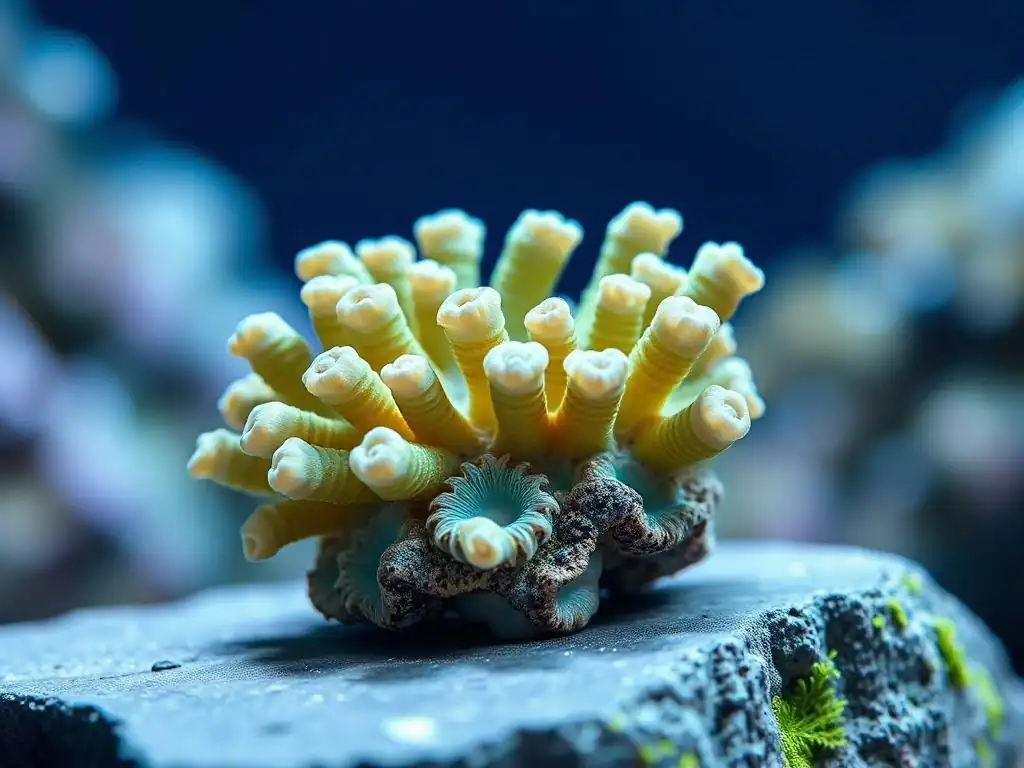
Despite careful Acan fragging techniques, new LPS coral frags can sometimes develop infections, most notably Brown Jelly Disease (BJD). BJD appears as a brown, slimy coating that rapidly consumes coral tissue, often starting from the cut edge. If identified, immediately isolate the affected frag to prevent the spread to other corals. Gently siphon off as much of the brown jelly as possible using a small turkey baster.
Treatment typically involves a freshwater dip for 30-60 seconds (using RODI water matched to tank temperature and pH, if possible) or an iodine-based coral dip (e.g., Lugol's solution) according to product instructions. For severe cases, a targeted application of an antibiotic paste (like Reef Dip) directly onto the affected area might be necessary after the dip. Maintaining pristine water quality and avoiding stress through stable parameters are the best preventative measures against such infections.
Addressing Slow Growth or Lack of Color in LPS Coral Frags
Slow growth or a noticeable lack of vibrant coloration in your Acan frags can indicate suboptimal conditions. If your Micromussa or Lordhowensis frags are not showing signs of encrusting or polyp extension within 2-4 weeks, reassess their environment. First, check water parameters: ensure alkalinity, calcium, and magnesium are within optimal ranges and stable. Low or fluctuating levels directly impede skeletal growth. Test your water using reliable test kits, verifying results if discrepancies are suspected.
Next, evaluate lighting and flow. While Acans prefer moderate light, too little PAR can lead to dull coloration and stunted growth. Consider moving the frag to a slightly brighter spot (e.g., increasing PAR by 20-30 units).
Conversely, too much light can cause bleaching. Review water flow to ensure it's moderate and indirect; insufficient flow prevents nutrient delivery, while excessive flow can cause stress. Consistent feeding with appropriate LPS coral foods (e.g., target feeding with frozen mysis shrimp or specialized coral pellets 2-3 times a week) can also significantly boost recovery and growth, providing the necessary energy for tissue repair and skeletal deposition.
Preventing LPS Coral Frag Loss: Key Tips and Tricks
Preventing frag loss is the ultimate goal of successful Acan fragging for beginners. The most crucial preventative measure is to start with a healthy, well-established mother colony. Stressed or diseased colonies are more likely to succumb to the rigors of fragging. Secondly, ensure all fragging tools are meticulously cleaned and sterilized before and after use to prevent the introduction of pathogens. A study from the University of Miami's Rosenstiel School found that proper sanitation reduced post-fragging infection rates in stony corals by over 60%.
Maintain impeccable water quality throughout the fragging process and during the healing period. Stable parameters, low nitrates and phosphates, and regular water changes significantly reduce stress on the newly cut frags. Avoid over-handling frags once they are mounted and placed in the tank. Each time a frag is moved or disturbed, it expends energy on re-acclimation rather than healing and growth. Finally, consider using a prophylactic coral dip, such as an iodine-based solution, immediately after fragging and before placing the frag in the main tank, as an extra layer of protection against potential infections.
Advanced LPS Coral Fragging Techniques and Tips
Growing Out LPS Coral Frags for Maximum Value
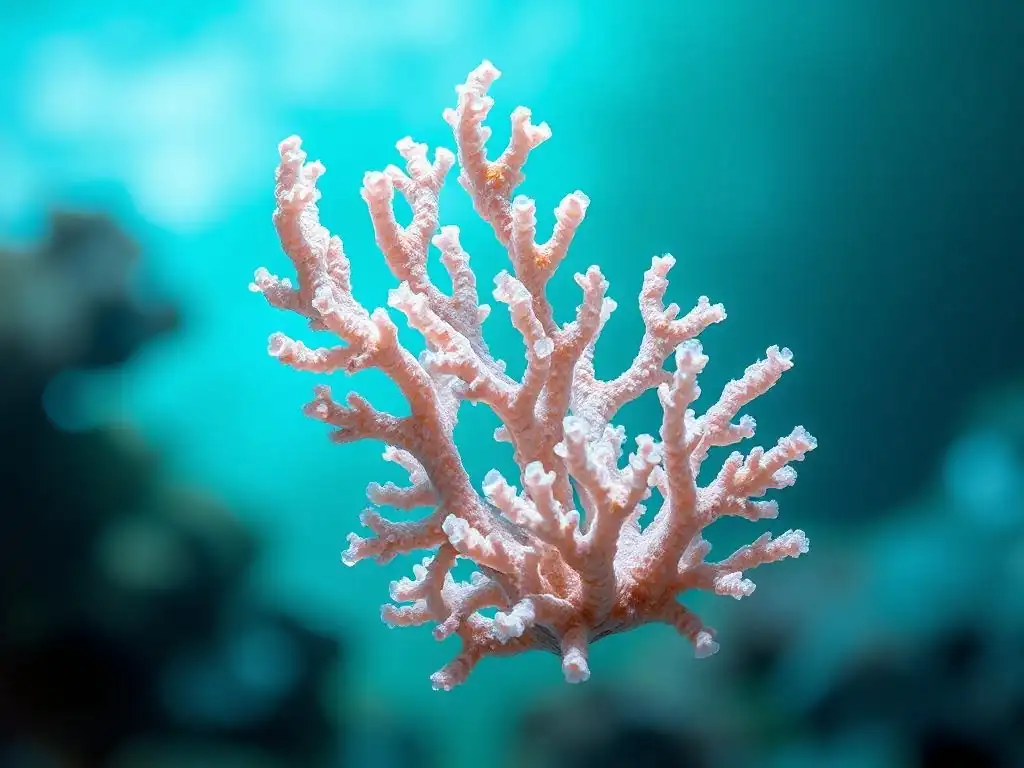
Growing out LPS coral frags, particularly for species like Micromussa and Lordhowensis, involves optimizing conditions to accelerate their growth and achieve a desirable size for trade or sale. After the initial healing phase (typically 2-4 weeks), focus on providing consistent, optimal water parameters: alkalinity 8.0-9.0 dKH, calcium 420-450 ppm, and magnesium 1300-1400 ppm. Automated dosing systems can help maintain these levels precisely, minimizing fluctuations that can hinder growth.
Target feeding the frags 2-3 times per week with high-quality LPS-specific foods, such as finely minced frozen mysis shrimp, cyclop-eeze, or specialized coral pellets, provides the necessary energy for rapid tissue and skeletal accretion. Many commercial growers report that consistent feeding can increase growth rates by up to 25-30% compared to solely relying on photosynthetic energy. Place the frags in areas with moderate, indirect flow and stable, moderate lighting (e.g., 100-150 PAR) to encourage robust polyp extension and efficient photosynthesis, which are key for developing vibrant coloration and substantial growth.
Combining LPS Coral Frags for Unique Colonies
An exciting advanced technique in Acan fragging is combining multiple frags, often of different color morphs, to create unique "franken-colonies" or multi-color groupings. This is particularly effective with Micromussa and Lordhowensis due to their encrusting growth habits and distinct polyps. To achieve this, select several healthy frags of complementary colors. Mount them closely together on a single, larger frag plug or a piece of live rock. Ensure there is minimal space between the frags, ideally just enough for their tissues to touch.
As the frags grow, their tissues will often merge, creating a single, multi-colored colony. This process can take several months, depending on the growth rate of the individual frags. It's crucial to select frags of the same species (e.g., all Micromussa lordhowensis) to ensure tissue compatibility and prevent aggression between different species. While generally peaceful, some Acan species can exhibit mild aggression towards others, so careful observation is necessary during the merging phase. This technique allows aquarists to design custom, visually stunning colonies that are truly one-of-a-kind.
Fragging Specific LPS Coral Types: Acans, Euphyllia, and Favia
While the general principles of fragging LPS corals apply broadly, specific types like Acans, Euphyllia, and Favia have unique considerations. For Acan fragging (Micromussa and Lordhowensis), the primary challenge is cutting the dense, stony skeleton while minimizing tissue damage. As discussed, a Dremel or bone cutters are essential, and cuts should be made through the skeletal base, avoiding direct cuts through the polyp tissue itself as much as possible. Post-fragging dips are highly recommended due to the potential for infection at the cut site.
Euphyllia corals (e.g., Hammers, Torches, Frogspawns) are often fragged by cutting the main skeletal branch, similar to Acans, but their polyps are much larger and more delicate. Care must be taken to avoid damaging the fleshy polyps during the cut. Some Euphyllia can also be fragged by simply breaking off individual heads where they naturally constrict at the base.
Favia corals, like Acans, have an encrusting or massive growth form. Fragging Favia typically involves using a Dremel or bone cutters to cut through the solid skeletal mass, ensuring each frag retains at least a few polyps and a piece of the original colony's skeleton. Each coral type benefits from gentle handling and a swift return to stable water conditions post-fragging.
Conclusion: Mastering LPS Coral Fragging for a Thriving Reef Aquarium
Mastering Acan fragging for beginners is a rewarding skill that contributes significantly to the sustainability and vibrancy of a home reef aquarium. By understanding the unique needs of LPS corals like Micromussa and Lordhowensis, from selecting healthy parent colonies to precise cutting techniques and meticulous post-fragging care, aquarists can successfully propagate these stunning corals. This practice not only allows for the expansion of your own collection but also fosters a community of sharing and responsible aquaculture, reducing reliance on wild-collected specimens.
The journey of LPS coral fragging is one of continuous learning and observation. Each fragging session offers insights into coral resilience and growth, enabling you to fine-tune your techniques and environmental parameters. With patience, attention to detail, and a commitment to maintaining optimal water chemistry, you can transform a single Acan colony into multiple thriving frags, enriching your reef tank and contributing to the broader hobby's success. The ability to propagate your own corals truly elevates the reef-keeping experience, turning your aquarium into a dynamic, growing ecosystem.
Resources for Further Learning about LPS Coral Care and Propagation
For those seeking to deepen their knowledge of LPS coral care and advanced Acan fragging techniques, several reputable resources are available. Online forums and communities dedicated to reef keeping, such as Reef2Reef and local aquarium club forums, offer a wealth of shared experiences and direct advice from seasoned aquarists. These platforms often feature detailed discussions on specific fragging challenges and success stories.
Beyond community discussions, comprehensive guides and scientific articles on coral propagation from marine biology institutions or established coral farms provide in-depth information on coral physiology, growth rates, and disease management. Websites like LiveAquaria and Reef Builders frequently publish educational content and articles that delve into the nuances of LPS coral care, feeding, and advanced propagation methods. Additionally, attending local aquarium club meetings or frag swaps can provide invaluable hands-on learning opportunities and direct access to experienced mentors in the field of coral aquaculture.
Frequently Asked Questions
How do I know when my Acan colony is ready for fragging?
Your Acan colony is ready when it's healthy and well-established, typically showing good growth and coloration. Aim for a colony with at least 4-5 healthy polyps before considering fragging.
What tools do I need for Acan fragging?
You'll need a few essential tools: bone cutters or a coral saw, coral glue or gel, frag plugs or discs, and eye protection. A small container of aquarium water is also helpful.
What's the best way to disinfect my tools before Acan fragging?
Thoroughly rinse your tools in RO/DI water and then soak them in a reef-safe disinfectant like iodine solution or hydrogen peroxide. Rinse again before use to avoid introducing contaminants.
How do I attach the Acan frag to a frag plug?
Carefully apply a small amount of coral glue or gel to the base of the Acan frag. Gently press the frag onto the frag plug or disc, ensuring good contact.
What are the ideal water parameters for Acan frags to thrive?
Maintain stable water parameters including a salinity of 1.025-1.026, a temperature of 76-78°F, and appropriate levels of calcium, alkalinity, and magnesium. Regular water changes are also crucial.
Final Reflection: Cultivating Coral, Cultivating Patience
The techniques discussed in this article, aimed at simplifying Acan fragging for beginners, are more than just instructions; they represent a growing movement towards sustainable reef keeping. In a world increasingly aware of the fragility of our natural ecosystems, the ability to propagate these beautiful corals in our own homes offers a tangible way to contribute to their preservation, shifting from passive observers to active participants in their survival.
This journey into Acan fragging has not only provided practical skills but also fostered a deeper appreciation for the delicate balance of marine life. The patience and precision required in this process mirror the long-term commitment needed to protect our oceans. As we nurture these fragments, we are reminded of the interconnectedness of all living things and the responsibility we share in safeguarding their future. In the end, we will conserve only what we love; we will love only what we understand; and we will understand only what we are taught.
- Baba Dioum.
Now, armed with this knowledge and a newfound appreciation for the art of Acan fragging, I challenge you to consider your own role in preserving our planet's biodiversity. Embrace the opportunity to cultivate not only coral but also a deeper understanding of the natural world. Let the patience and dedication required in fragging serve as a reminder that even small actions, when multiplied across communities, can create a powerful wave of positive change.
Unleash Your Inner Reef Architect!
Thanks for diving into the world of Acan fragging! We hope you’ve found the techniques shared valuable in expanding your coral collection. Now it's time to put that knowledge into practice!
Here are a few ways you can further your coral cultivation journey:
- Start Your First Acan Frag: Take the plunge and frag one of your Micromussa or Lordhowensis corals using the techniques described. Document the process!
- Share Your Knowledge: Post pictures of your Acan fragging progress or success stories on social media using #AquariumMasteryFrag.
- Dive Deeper: Explore other articles on Aquarium Mastery to expand your knowledge of coral propagation and reef keeping.
What's the first coral you're planning to frag, and what are you most excited (or nervous) about?