
Acan Water Parameters: The Sweet Spot for Lordhowensis & Other Morphs

Welcome to Aquarium Mastery!
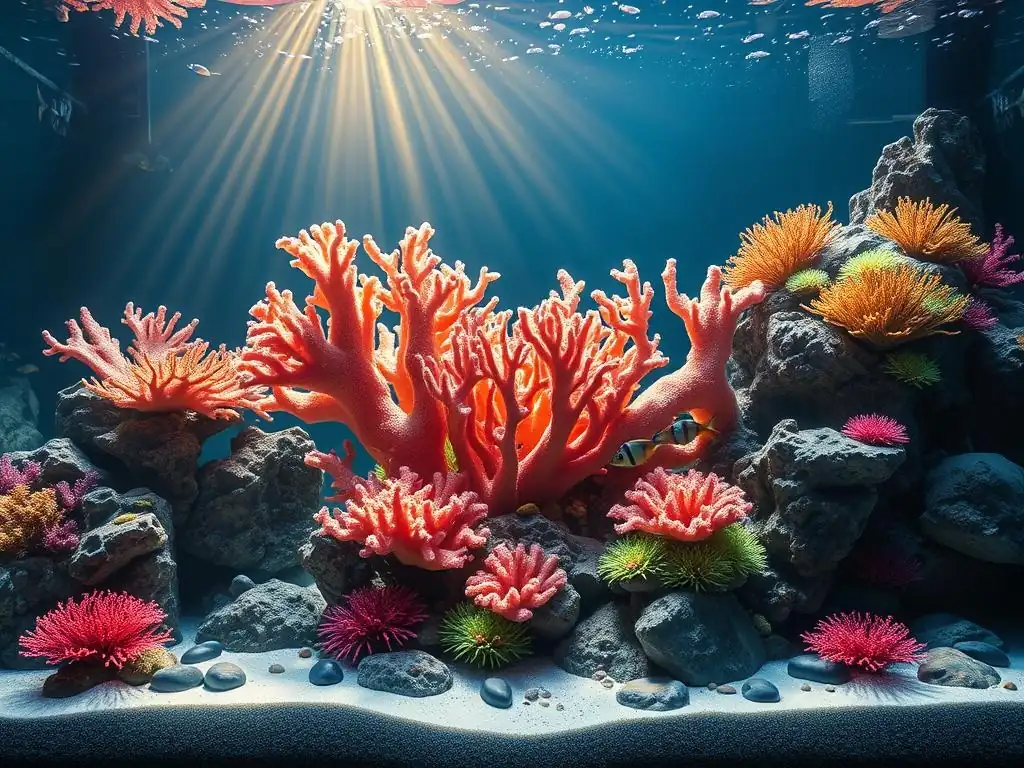
Ever wondered what it really takes to make your Acan coral thrive, radiating vibrant color and robust health? We're diving deep into the often-overlooked world of Acan coral ideal water parameters. Discover the sweet spot for your Lordhowensis and other stunning morphs, and unlock the secrets to a flourishing reef tank. Ready to see your Acans truly shine? Let's get started!
- Understanding Acan Coral Water Chemistry Needs for Optimal Health
-
Key Water Parameters for Thriving Acan Corals
- Alkalinity: Maintaining a Stable Carbonate System for Acans
- Calcium: Essential for Acan Skeleton Formation
- Magnesium: A Crucial Element for Acan Coral Health
- pH: The Importance of a Stable pH for Acan Corals
- Salinity: Getting Salinity Right for Acan Corals
- Temperature: Maintaining a Consistent Temperature for Acan Health
- Nitrate and Phosphate: Keeping Nutrient Levels in Check for Acans
- Testing Your Water: Ensuring Proper Acan Coral Water Parameters
- Maintaining Ideal Water Parameters for Acan Corals
- Troubleshooting Common Water Parameter Issues in Acan Coral Aquariums
- Acan Coral Water Parameter Checklist: A Quick Reference Guide
-
Frequently Asked Questions
- How critical are stable water parameters for Acan corals?
- What are the generally accepted ideal ranges for alkalinity, calcium, and magnesium for Acan corals?
- How often should I test my aquarium water when keeping Acan corals?
- What are some common signs that my Acan coral is stressed due to improper water parameters?
- Besides alkalinity, calcium, and magnesium, what other water parameters should I monitor for Acan corals?
- Final Reflection: Cultivating Thriving Acan Colonies
- Unlock Vibrant Colors: Dive Deeper into Acan Care!
Understanding Acan Coral Water Chemistry Needs for Optimal Health
Why Water Parameters Matter for Acan Coral Growth and Coloration
Acan corals, including popular morphs like Acanthastrea lordhowensis and other vibrant Acanthastrea species, are captivating large polyp stony (LPS) corals that thrive in stable environments. Their stunning coloration and unique patterns are directly influenced by the precise chemical composition of their surrounding water. Maintaining the Acan coral ideal water parameters is not just about survival; it's about providing the building blocks for robust skeletal growth and the metabolic pathways that produce their characteristic, vivid pigments, transforming a basic tank into a thriving reef display.
Consistent and appropriate water chemistry ensures that Acans can efficiently absorb the necessary ions—such as calcium and carbonates—from the water column. This absorption is critical for calcification, the process by which they build their aragonite skeletons. Furthermore, stable conditions reduce physiological stress, allowing the coral to allocate more energy towards growth and the expression of their full genetic potential for color, rather than expending resources on recovery. This emphasis on consistent Acan coral ideal water parameters is what distinguishes a struggling colony from a flourishing one.
The Impact of Unstable Water on Acan Health and Longevity
Unstable water parameters pose a significant threat to the health and longevity of Acan corals. Rapid fluctuations, even within seemingly acceptable ranges, can shock the coral's delicate cellular machinery. For instance, a sudden drop in alkalinity from 8.0 dKH to 6.0 dKH can halt calcification, leading to tissue recession and, in severe cases, the dissolution of the coral's skeletal structure. This stress makes them highly susceptible to bacterial infections, parasitic infestations, and bleaching events, where they expel their symbiotic zooxanthellae.
Chronic instability, where parameters are constantly drifting or oscillating, prevents Acans from fully acclimatizing and thriving. This can manifest as stunted growth, muted coloration, and a general lack of vitality. Unlike some hardier soft corals, LPS corals like Acans require a consistent environment to maintain their intricate biological processes. Ensuring stable Acan coral ideal water parameters is a continuous commitment that pays dividends in the form of resilient, colorful, and long-lived colonies that can be a focal point of any reef aquarium.
Key Water Parameters for Thriving Acan Corals
Alkalinity: Maintaining a Stable Carbonate System for Acans
Ideal Alkalinity Range for Acan Lordhowensis and Other Morphs
Alkalinity, often measured in dKH (degrees of carbonate hardness), is arguably one of the most critical parameters for Acan coral health and calcification. It represents the water's buffering capacity, its ability to neutralize acids and maintain a stable pH. For Acanthastrea lordhowensis and other Acan morphs, an ideal alkalinity range typically falls between 7.0 and 9.0 dKH. Many experienced aquarists aim for the mid-to-high end of this range, such as 8.0 to 8.5 dKH, finding it provides ample carbonates for growth without risking precipitation issues.
Maintaining this specific alkalinity range ensures that Acan corals have a consistent supply of carbonate ions, which are essential building blocks for their aragonite skeletons. Fluctuations outside this target zone can severely impact their ability to grow and maintain their structure. Consistent monitoring and careful supplementation are key to achieving the Acan coral ideal water parameters for alkalinity, supporting robust and vibrant colonies.
The Effects of Low and High Alkalinity on Acan Tissue
Both excessively low and excessively high alkalinity levels can be detrimental to Acan corals. Low alkalinity (below 7.0 dKH) starves the coral of essential carbonate ions, leading to slowed or halted calcification, visible tissue recession, and a general decline in health. The coral may appear "pinched" or shriveled, and its vibrant colors can fade as it struggles to maintain its structure. Prolonged exposure to low alkalinity can lead to irreversible damage and even colony loss.
Conversely, very high alkalinity (above 10.0 dKH) can also be problematic. While it might seem beneficial, it can lead to calcium carbonate precipitation, where calcium and carbonates combine to form a cloudy precipitate in the water or on equipment. This not only depletes available calcium for the coral but can also cause tissue irritation and "burning" in some corals, though Acans are generally more tolerant than SPS corals. The primary risk is often related to the instability high alkalinity can cause, emphasizing the importance of balancing Acan coral ideal water parameters.
Calcium: Essential for Acan Skeleton Formation
Recommended Calcium Levels for Acan Coral Growth
Calcium is a fundamental element for all stony corals, including Acans, as it is the primary component of their aragonite skeletons. Without sufficient calcium, Acan corals cannot grow, repair damage, or maintain their structural integrity. The recommended calcium levels for thriving Acan corals typically range from 400 to 450 ppm (parts per million). Maintaining calcium within this range ensures a readily available supply for the calcification process, supporting healthy growth rates and robust skeletal development.
Regular testing is crucial to monitor calcium consumption, as actively growing Acans will deplete calcium from the water. For a tank with several mature Acan colonies, a daily drop of 5-10 ppm in calcium might be observed if not supplemented. Achieving these Acan coral ideal water parameters for calcium contributes significantly to the long-term success and visual appeal of your reef.
Balancing Calcium and Alkalinity in Acan Tanks
Achieving the Acan coral ideal water parameters for calcium and alkalinity requires a delicate balance. These two elements are intrinsically linked: calcium ions combine with carbonate ions (which contribute to alkalinity) to form calcium carbonate, the material of the coral skeleton. If one is too high or too low relative to the other, it can lead to precipitation issues or inhibit calcification. For example, if calcium is at 450 ppm and alkalinity is consistently above 9.0 dKH, there's an increased risk of calcium carbonate precipitating out of solution, forming a white film on heaters or pump intakes.
The goal is to maintain both parameters within their respective ideal ranges simultaneously. This often means adjusting dosing of calcium and alkalinity supplements in tandem, based on the specific consumption rates of your Acan corals and other calcifying inhabitants. Consistent testing and a methodical approach to supplementation are essential to prevent imbalances and ensure the continuous, healthy growth of your Acanthastrea colonies.
Magnesium: A Crucial Element for Acan Coral Health
Optimal Magnesium Concentration for Acan Corals
Magnesium plays a vital, though often overlooked, role in the health and calcification of Acan corals. While not directly incorporated into the coral's skeleton in large quantities, it is crucial for maintaining the solubility of calcium and alkalinity in seawater. The optimal magnesium concentration for Acan corals, and reef tanks in general, is typically between 1250 and 1350 ppm. Levels below this range can lead to difficulty in maintaining stable calcium and alkalinity, even with consistent dosing, as these elements may precipitate out of solution prematurely.
For instance, if magnesium drops to 1100 ppm, you might find that your alkalinity drops rapidly even after dosing, or that calcium levels are difficult to elevate. This is because magnesium helps prevent the unwanted precipitation of calcium carbonate, keeping these essential ions available for the coral. Ensuring magnesium is within the Acan coral ideal water parameters is a foundational step for overall water stability.
Magnesium's Role in Calcium and Alkalinity Stability
Magnesium acts as a buffer, preventing the premature precipitation of calcium carbonate within the aquarium water. Without adequate magnesium, calcium and carbonate ions are more prone to binding together and falling out of solution, making it difficult for corals to absorb them. This phenomenon is often observed when aquarists struggle to maintain stable calcium and alkalinity despite regular dosing; the issue is frequently traced back to low magnesium levels.
By keeping magnesium levels within the 1250-1350 ppm range, you ensure that calcium and carbonates remain dissolved and readily available for your Acan corals to utilize for skeletal growth. It essentially optimizes the efficiency of your calcium and alkalinity supplementation, making it a cornerstone for maintaining overall Acan coral ideal water parameters and a stable reef environment.
pH: The Importance of a Stable pH for Acan Corals
Target pH Range for Acan Coral Aquariums
pH measures the acidity or alkalinity of the water and is a critical indicator of water quality for Acan corals. While pH can fluctuate naturally throughout the day due to photosynthesis and respiration, maintaining it within a stable range is paramount. For Acan coral aquariums, the target pH range is typically 8.0 to 8.4. A pH below 8.0 can inhibit calcification and stress corals, while a pH consistently above 8.4 can also indicate underlying issues, such as excessively high alkalinity or CO2 depletion.
Consistent pH within this range supports the coral's physiological processes, including nutrient uptake and waste expulsion. Large, rapid swings in pH are far more detrimental than a slightly off but stable reading. Achieving the Acan coral ideal water parameters for pH requires attention to the carbonate system and overall water quality.
Factors Affecting pH and How to Control Them
Several factors influence pH in a reef aquarium, making its control a multifaceted challenge. The primary drivers are alkalinity (as discussed), carbon dioxide (CO2) levels, and the activity of photosynthetic organisms. High CO2 levels in the air (e.g., from human respiration in a closed room) or within the tank can lower pH, as CO2 dissolves in water to form carbonic acid. Conversely, strong photosynthesis during the day consumes CO2, causing pH to rise.
To control pH and keep it within the Acan coral ideal water parameters, strategies include ensuring good gas exchange (e.g., strong surface agitation, protein skimmer), maintaining stable alkalinity, and providing fresh air to the aquarium area (e.g., opening windows, running an air line from outside to the skimmer's air intake). Kalkwasser (calcium hydroxide) dosing can also help raise and stabilize pH while adding calcium and alkalinity.
Salinity: Getting Salinity Right for Acan Corals
Appropriate Salinity Levels for Acan Coral Systems
Salinity, the measure of dissolved salts in water, is a fundamental parameter that directly impacts the osmotic balance of Acan corals. Maintaining a stable and appropriate salinity level is crucial for preventing stress and ensuring proper cellular function. For Acan coral systems, the appropriate salinity range is typically 1.024 to 1.026 specific gravity (SG), which translates to approximately 34 to 35 ppt (parts per thousand).
This range closely mimics natural seawater conditions where Acanthastrea species thrive. Using a high-quality refractometer or a reliable conductivity meter is essential for accurate measurement. Consistent salinity is one of the most straightforward yet impactful Acan coral ideal water parameters to maintain.
The Impact of Salinity Fluctuations on Acan Stress
Salinity fluctuations are highly stressful for Acan corals. Corals are osmoconformers to some extent, meaning their internal cellular fluid balance is closely tied to the surrounding water's salinity. Rapid or significant drops in salinity (e.g., from a large freshwater top-off without proper mixing) can cause cells to swell and burst, leading to tissue damage and even death. Conversely, sudden increases in salinity can cause cells to shrink and dehydrate.
Even gradual but persistent changes can lead to chronic stress, manifesting as retracted polyps, muted colors, and susceptibility to disease. Maintaining stability within the 1.024-1.026 SG range by using an auto top-off (ATO) system with RO/DI water and performing regular, well-mixed water changes are key practices to ensure Acan coral ideal water parameters for salinity.
Temperature: Maintaining a Consistent Temperature for Acan Health
Ideal Temperature Range for Acan Coral Aquariums
Temperature is another critical environmental factor for Acan corals, influencing their metabolic rate and overall physiological well-being. The ideal temperature range for Acan coral aquariums is generally 76 to 79°F (24.4 to 26.1°C). Within this range, Acans can efficiently carry out their biological processes, including photosynthesis by their symbiotic zooxanthellae and calcification.
Maintaining a stable temperature is more important than hitting an exact number within this range. A high-quality heater with a reliable controller, or a chiller if ambient temperatures are high, is essential for consistency. These Acan coral ideal water parameters for temperature contribute significantly to the coral's long-term health and vitality.
The Risks of Temperature Spikes and Dips
Temperature spikes or dips can be incredibly detrimental to Acan corals. A sudden increase in temperature, even by a few degrees (e.g., from 78°F to 82°F), can stress the coral's zooxanthellae, leading to bleaching events where the coral expels its symbiotic algae. This leaves the coral pale and highly vulnerable, as it loses its primary food source. Prolonged exposure to high temperatures can cause irreversible damage and colony death.
Conversely, sudden drops in temperature can slow down the coral's metabolism, making it sluggish and susceptible to disease. Consistent temperature is crucial for the stability of all biochemical reactions within the coral. Therefore, avoiding significant temperature fluctuations is a cornerstone of maintaining Acan coral ideal water parameters and ensuring their survival and thriving.
Nitrate and Phosphate: Keeping Nutrient Levels in Check for Acans
Acceptable Nitrate Levels for Acan Corals
Nitrates (NO3) are a byproduct of the nitrogen cycle and are generally considered less harmful to corals in low concentrations compared to phosphates. For Acan corals, acceptable nitrate levels are typically below 10 ppm. Many advanced reefers aim for even lower levels, ideally 0-5 ppm, believing that ultra-low nutrient environments (ULNS) can enhance coral coloration, particularly for certain Acan morphs.
While Acans are somewhat tolerant of slightly higher nitrates than SPS corals, consistently elevated levels (above 15-20 ppm) can lead to duller colors, reduced growth rates, and an increased risk of nuisance algae outbreaks. Monitoring and managing nitrate levels are key components of maintaining Acan coral ideal water parameters for aesthetic and health reasons.
Acceptable Phosphate Levels for Acan Corals
Phosphates (PO4) are far more problematic for stony corals like Acans than nitrates, even in very small concentrations. Phosphates can directly inhibit calcification, slowing down or even halting the coral's ability to build its skeleton. The acceptable phosphate levels for Acan corals are extremely low, ideally below 0.03 ppm, with many aiming for undetectable levels using sensitive test kits.
Even slightly elevated phosphate levels (e.g., 0.1 ppm) can significantly suppress coral growth and lead to brown-out, where the coral's vibrant colors fade to a dull brown due to an overgrowth of zooxanthellae. Strict control of phosphates is paramount for ensuring the Acan coral ideal water parameters for vibrant coloration and healthy calcification.
Balancing Nutrients for Acan Color and Growth
Achieving a balance between nitrates and phosphates is crucial for Acan color and growth. While ultra-low nutrient systems (ULNS) can promote stunning coloration by stressing the zooxanthellae to produce more vibrant pigments, driving nutrients too low (e.g., zero nitrates and phosphates for prolonged periods) can also starve the coral and its symbiotic algae, leading to bleaching or tissue loss.
The "sweet spot" for Acan coral ideal water parameters regarding nutrients often involves maintaining very low but detectable levels of nitrates (1-5 ppm) and near-undetectable phosphates (0.01-0.03 ppm). This provides enough sustenance without promoting nuisance algae or inhibiting calcification. Strategies like careful feeding, regular water changes, and effective filtration are essential for striking this delicate balance.
Testing Your Water: Ensuring Proper Acan Coral Water Parameters
Choosing the Right Test Kits for Acan Coral Aquariums
Accurate and reliable water testing is the cornerstone of maintaining the Acan coral ideal water parameters. Investing in high-quality test kits is non-negotiable. For the essential parameters—alkalinity, calcium, and magnesium—reputable titration-based test kits (e.g., Salifert, Hanna, Red Sea) provide precise results. For nitrates and phosphates, colorimetric test kits are common, but for very low levels, a Hanna Checker or similar digital colorimeter offers superior accuracy.
For pH, a reliable pH monitor with a probe or a high-quality liquid test kit is recommended. Salinity should be checked with a calibrated refractometer or a digital conductivity meter. Avoid cheap, inaccurate test strips, as they can lead to misdiagnosis of issues and potentially harm your Acans. The initial investment in quality testing equipment is vital for long-term success in keeping Acan corals.
Regular Water Testing Schedule for Acan Coral Success
A consistent water testing schedule is crucial for understanding your tank's chemistry and anticipating problems before they impact your Acans. For a maturing reef tank with Acan corals, a typical schedule might look like this:
- Daily: Temperature, Salinity (if not using an ATO or after large water top-offs)
- 2-3 times per week: Alkalinity (most frequently consumed)
- Weekly: Calcium, Magnesium, pH, Nitrate, Phosphate
This schedule allows you to track trends in your Acan coral ideal water parameters, adjust dosing regiments, and identify potential issues early. For example, if alkalinity consistently drops by 0.5 dKH every two days, you know your dosing needs to increase. During initial setup or when troubleshooting, testing might need to be more frequent.
Interpreting Your Water Test Results for Acan Health
Interpreting your water test results involves more than just comparing numbers to a chart; it's about understanding the relationships between parameters and what they indicate about your Acan's health. For instance, if alkalinity is low but calcium is high, it suggests a dosing imbalance or perhaps an issue with magnesium. If nitrates and phosphates are consistently rising, it points to overfeeding or insufficient filtration.
Observe your Acan corals closely when reviewing test results. Are their polyps extended? Are their colors vibrant? Is there new growth? Corals are often the first indicators of subtle shifts in Acan coral ideal water parameters. Combining diligent testing with careful observation allows you to proactively adjust your maintenance routine, ensuring your Acanthastrea colonies continue to thrive.
Maintaining Ideal Water Parameters for Acan Corals
Water Changes: A Cornerstone of Acan Coral Care
Frequency and Volume of Water Changes for Acan Tanks
Regular water changes are a fundamental practice for maintaining Acan coral ideal water parameters and overall water quality. They help replenish essential trace elements, remove accumulated nitrates and phosphates, and dilute unwanted pollutants that filtration alone might miss. For an established Acan tank, a typical water change regimen involves replacing 10-20% of the tank's total volume every 1-2 weeks.
The exact frequency and volume can vary based on tank inhabitants, feeding habits, and filtration efficiency. For example, a heavily stocked tank with robust feeding might benefit from weekly 20% changes, while a lightly stocked tank with excellent nutrient export might only need 10% every two weeks. Consistency is key, ensuring the Acan corals experience minimal fluctuations.
Choosing the Right Salt Mix for Acan Corals
The quality of your salt mix directly impacts the stability and composition of your Acan coral ideal water parameters. Not all salt mixes are created equal; some are formulated for fish-only tanks, while others are specifically designed for reef environments with high calcification demands. For Acan corals, choose a high-quality, reputable "reef" or "pro" grade salt mix that consistently mixes to natural seawater levels for alkalinity, calcium, and magnesium.
Look for brands that provide consistent batch quality and dissolve cleanly without excessive residue. It's often beneficial to stick with one brand to minimize variations. Mixing the salt thoroughly with RO/DI water and allowing it to aerate for several hours (or overnight) before use ensures proper dissolution and stability, preventing any shock to your Acans during the water change.
Dosing: Supplementing Essential Elements for Acan Growth
When and How to Dose Calcium, Alkalinity, and Magnesium
As Acan corals grow and calcify, they deplete calcium, alkalinity (carbonates), and magnesium from the water. To maintain Acan coral ideal water parameters, supplementation through dosing becomes necessary in most established reef tanks. The "when" is determined by your water testing results; when levels consistently drop below the target range, it's time to dose.
The "how" depends on your tank's consumption rate and your preference. Options include:
- Two-part solutions: Separate solutions for calcium and alkalinity, dosed daily or multiple times a day using dosing pumps. This is a popular and effective method.
- Kalkwasser (limewater): A saturated solution of calcium hydroxide, typically dripped slowly into the sump during top-offs, providing calcium, alkalinity, and helping stabilize pH.
- Calcium reactor: An advanced method that uses CO2 to dissolve calcium carbonate media, precisely maintaining calcium and alkalinity.
Magnesium is typically dosed less frequently, perhaps weekly or bi-weekly, as its consumption rate is lower. Always dose slowly and monitor parameters to avoid overdosing.
The Importance of Balanced Dosing for Acan Health
Balanced dosing is crucial for maintaining the delicate equilibrium of Acan coral ideal water parameters. Dosing calcium without adequate alkalinity, or vice versa, can lead to precipitation, making the elements unavailable to the coral and potentially causing localized pH swings. For example, if you dose calcium without considering alkalinity, you might find calcium levels remain high but Acans show signs of stress because carbonates are too low for calcification.
Using a two-part system or a calcium reactor that provides both calcium and alkalinity in balanced ratios is often the most effective approach. Regular testing allows you to fine-tune your dosing regimen, ensuring that all essential elements are replenished proportionately to your Acan corals' consumption, fostering consistent growth and vibrant coloration.
Filtration: Removing Waste and Maintaining Water Quality for Acans
The Role of Protein Skimmers in Acan Coral Aquariums
Protein skimmers are indispensable tools for maintaining Acan coral ideal water parameters by efficiently removing organic waste before it breaks down into nitrates and phosphates. They work by creating a mass of fine bubbles that attract and collect dissolved organic compounds, forming a waste-filled foam that is then removed. For an Acan aquarium, a properly sized and efficient protein skimmer is paramount.
A good skimmer will produce a dark, thick skimmate, indicating effective waste removal. By reducing the organic load, skimmers help keep nutrient levels low, which is crucial for preventing nuisance algae and maintaining the vibrant colors of your Acanthastrea colonies. They also aid in oxygenation and gas exchange, contributing to overall water quality.
Mechanical and Chemical Filtration for Acan Tanks
Beyond protein skimming, mechanical and chemical filtration play complementary roles in maintaining Acan coral ideal water parameters. Mechanical filtration, typically in the form of filter socks, sponges, or filter floss, physically removes suspended particulate matter from the water column. This prevents detritus from settling and breaking down into undesirable nutrients. Regular cleaning or replacement of mechanical media (at least weekly) is vital to prevent them from becoming nitrate factories themselves.
Chemical filtration, primarily using activated carbon and granular ferric oxide (GFO), targets specific impurities. Activated carbon removes dissolved organic compounds that cause water discoloration and can irritate corals, improving water clarity. GFO is highly effective at adsorbing phosphates, which, as discussed, are detrimental to Acan growth and color. Using these forms of filtration in conjunction with regular water changes and effective skimming provides a comprehensive approach to water quality management for thriving Acan corals.
Lighting and its Indirect Impact on Acan Water Parameters
How Lighting Influences Nutrient Uptake and Alkalinity
While not a water parameter itself, lighting has a significant indirect impact on Acan coral ideal water parameters, particularly nutrient uptake and alkalinity. Acan corals host symbiotic zooxanthellae, which are photosynthetic algae. The intensity and spectrum of light provided directly influence the photosynthetic activity of these algae. Higher light intensity can drive increased photosynthesis, leading to greater consumption of CO2 (which can slightly raise pH) and faster depletion of alkalinity and calcium as the coral grows more rapidly.
Conversely, insufficient lighting can lead to reduced photosynthetic activity, slower growth, and less demand on the water's calcium and alkalinity reserves. It can also cause the zooxanthellae to become less efficient or even diminish, impacting the coral's health and coloration. Therefore, understanding your lighting's output and how it correlates with your Acan's growth rate is essential for fine-tuning your dosing and maintenance strategies to meet the demands created by a well-lit reef.
Troubleshooting Common Water Parameter Issues in Acan Coral Aquariums
Identifying the Causes of Alkalinity Swings
Alkalinity swings are among the most common and damaging water parameter issues for Acan corals. Identifying their causes is crucial for correction.
- Rapid drops often stem from high coral calcification rates (tank is consuming more than being replenished), insufficient dosing, or a sudden influx of acidic compounds (e.g., CO2 from a faulty reactor, or prolonged low pH).
- Rapid increases can be due to overdosing, improper mixing of salt water, or an imbalance in two-part solutions where the alkalinity component is too strong relative to calcium.
- Inconsistent levels can also result from irregular dosing schedules or unreliable test kits. For instance, if your Acan lordhowensis looks stressed and alkalinity has dropped from 8.5 dKH to 7.0 dKH overnight, check your dosing pump settings and recent consumption rates.
Correcting Low Calcium Levels in Acan Tanks
Low calcium levels (below 400 ppm) inhibit Acan coral growth and can lead to brittle skeletons.
- The most common cause is insufficient supplementation to match the coral's uptake. If your Acans are growing rapidly, their calcium demand will increase.
- Another factor can be imbalanced alkalinity, where high alkalinity causes calcium to precipitate out of solution.
- Dilution from large, frequent water changes with a low-calcium salt mix or too much RO/DI top-off can also contribute.
To correct, increase calcium dosing gradually, monitoring levels daily until they stabilize within the 400-450 ppm range. Always check alkalinity and magnesium simultaneously, as these elements are interdependent for maintaining Acan coral ideal water parameters.
Addressing High Nitrate and Phosphate Levels
High nitrates (above 10 ppm) and phosphates (above 0.03 ppm) are detrimental to Acan health and color.
- The primary causes are overfeeding, which introduces excess organic waste; insufficient water changes; ineffective protein skimming; or overstocked tanks.
- Poor mechanical filtration maintenance (e.g., dirty filter socks) can also be a significant contributor, as trapped detritus breaks down into nutrients.
To address:
- Reduce feeding: Feed less frequently or smaller amounts.
- Increase water change frequency/volume: More frequent 10-20% water changes can help dilute nutrients.
- Optimize skimming: Ensure your protein skimmer is properly sized, cleaned, and producing dark skimmate.
- Employ chemical media: Use GFO for phosphates and activated carbon for general organics.
- Consider nutrient export methods: Such as refugiums with macroalgae (e.g., Chaetomorpha) or biopellets. Consistently bringing these levels down to the Acan coral ideal water parameters will greatly improve coral health and vibrancy.
Acan Coral Water Parameter Checklist: A Quick Reference Guide
- Alkalinity: 7.0 – 9.0 dKH (aim for 8.0 – 8.5 dKH)
- Calcium: 400 – 450 ppm
- Magnesium: 1250 – 1350 ppm
- pH: 8.0 – 8.4
- Salinity: 1.024 – 1.026 SG (34 – 35 ppt)
- Temperature: 76 – 79°F (24.4 – 26.1°C)
- Nitrate: <10 ppm (ideally 0 – 5 ppm)
- Phosphate: <0.03 ppm (ideally undetectable)
Frequently Asked Questions
How critical are stable water parameters for Acan corals?
Extremely important! Acans are particularly sensitive to fluctuations. Maintaining stable water chemistry is crucial for their health and growth.
What are the generally accepted ideal ranges for alkalinity, calcium, and magnesium for Acan corals?
While specific needs vary, a good starting point is alkalinity between 8-11 dKH, calcium around 420-450 ppm, and magnesium around 1250-1350 ppm. Consistent monitoring is key.
How often should I test my aquarium water when keeping Acan corals?
Regular testing is a must. Aim to test alkalinity, calcium, and magnesium at least once a week to catch any parameter drifts early.
What are some common signs that my Acan coral is stressed due to improper water parameters?
Signs of stress include tissue recession, loss of color, and a generally unhealthy appearance. Act quickly if you observe these.
Besides alkalinity, calcium, and magnesium, what other water parameters should I monitor for Acan corals?
Monitor nitrates and phosphates. Keeping these as close to zero as possible is essential for preventing algae growth and promoting coral health.
Final Reflection: Cultivating Thriving Acan Colonies
The intricate dance of water parameters, once a daunting task for reef aquarists, is now becoming increasingly accessible through focused research and shared knowledge, as highlighted in this exploration of Acan coral ideal water parameters. Understanding these nuances is not merely about keeping corals alive; it's about fostering vibrant, thriving ecosystems within our own homes, mirroring the beauty and complexity of the natural reef.
This journey into the specific needs of Acanthastrea corals, particularly the coveted Lordhowensis morph, underscores the delicate balance required for success in reef keeping. It reminds us that our actions, however small, have a direct impact on the health and well-being of these living organisms. In the end, we will conserve only what we love; we will love only what we understand; and we will understand only what we are taught.
- Baba Dioum. This quote resonates deeply, urging us to continue learning and sharing our knowledge to ensure the future of these magnificent creatures.
Now, armed with a deeper understanding of Acan coral ideal water parameters, I invite you to reflect on your own aquariums and practices. Are you providing the sweet spot for your Acans to flourish? Consider this an opportunity to refine your approach, to experiment responsibly, and to contribute to the growing body of knowledge that empowers us all to become better stewards of the reef. Let's work together to ensure these vibrant corals continue to grace our tanks and inspire awe for generations to come.
Unlock Vibrant Colors: Dive Deeper into Acan Care!
Thanks for exploring the secrets to stunning Acan corals! Now that you understand the critical water parameters, it's time to take your reef keeping to the next level.
Here are a few ways to continue your Acan journey:
- Begin meticulously testing your water with a reliable test kit, focusing on alkalinity, calcium, and magnesium over the next week. Track your results daily to establish a baseline.
- Share your favorite Acan morph on social media and tag three fellow reefers to spark a discussion about coral care challenges.
- Explore alternative feeding methods, like targeted feeding with coral-specific foods, to see how it impacts your Acan's growth and coloration.
What specific water parameter are you most excited to master to see a dramatic improvement in your Acan's vibrancy?