
Acropora, Montipora, Seriatopora: Decoding the Kings of the HighEnergy Reef Tank

Welcome to Aquarium Mastery!
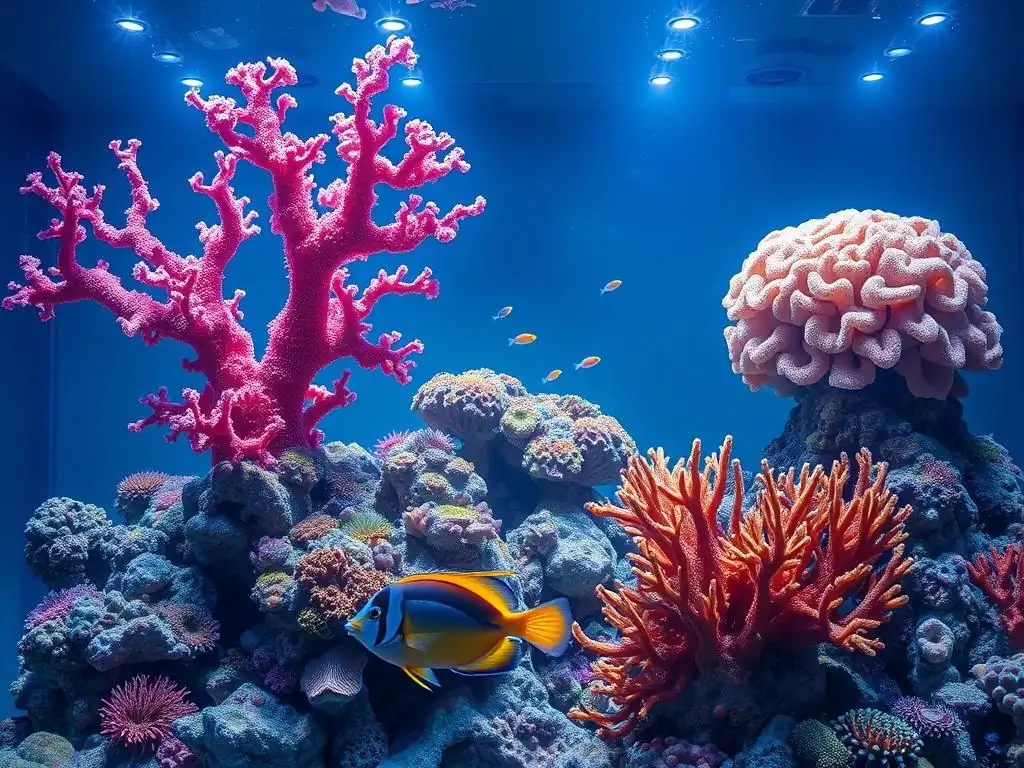
Ever wondered how to unlock the vibrant, thriving beauty of a high-energy reef tank, brimming with the most stunning corals? You've come to the right place. Dive in with us as we unravel the secrets to successfully keeping Acropora, Montipora, and Seriatopora, the kings of the reef, healthy and flourishing in your own slice of the ocean. Let's decode the mysteries and cultivate a breathtaking underwater paradise together!
- Understanding High-Energy Reef Tanks and Their Coral Demands
- Acropora Corals: The Pinnacle of High-Energy Reef Keeping
- Montipora Corals: Vibrant Colors and Diverse Growth Forms for High-Energy Reefs
- Seriatopora Corals: Delicate Beauty in the High-Energy Reef Environment
- Optimizing Water Chemistry for High-Energy SPS Corals
- Troubleshooting Common Problems in High-Energy SPS Coral Tanks
- Advanced Techniques for Enhancing High-Energy Reef Tank Coral Growth and Color
- Selecting the Right Equipment for a Thriving High-Energy SPS Reef
- Conclusion: Mastering the Art of the High-Energy Reef Tank with Acropora, Montipora, and Seriatopora.
-
Frequently Asked Questions
- What are "high-energy reef tank corals" and why are Acropora, Montipora, and Seriatopora considered "kings" of this type of environment?
- What specific water parameters are crucial for maintaining Acropora, Montipora, and Seriatopora corals in a high-energy reef tank?
- Besides strong flow and intense lighting, what other factors contribute to the success of these corals in a high-energy reef tank?
- What are some common problems aquarists face when keeping Acropora, Montipora, and Seriatopora corals, and how can these be addressed?
- What are some beginner-friendly Acropora, Montipora, or Seriatopora species that are relatively easier to keep in a high-energy reef tank?
- Final Reflection: Embracing the Dynamic Reef
- Ignite Your Reef: Unleash the Potential of High-Energy Coral!
Understanding High-Energy Reef Tanks and Their Coral Demands
What Defines a High-Energy Reef Aquarium?
A high-energy reef aquarium is a specialized marine environment designed to replicate the dynamic conditions found in the upper reaches of natural coral reefs, such as reef crests and shallow fore-reef zones. These areas are characterized by intense sunlight, powerful and turbulent water movement, and exceptionally stable and pristine water chemistry. Aquarists aiming for a high-energy setup commit to providing these precise conditions to support the specific coral species that thrive there.
The defining characteristics include very high Photosynthetically Active Radiation (PAR) levels, often ranging from 300 to over 600 PAR at the coral level, achieved through powerful lighting systems. Additionally, robust and varied water flow, typically exceeding 20-40 times the tank's volume per hour, is crucial to mimic natural wave action and currents. Maintaining ultra-low nutrient levels (ULNS) for nitrates and phosphates, alongside consistent alkalinity, calcium, and magnesium, completes the demanding profile of these advanced reef systems.
The Crucial Role of Lighting and Water Flow in High-Energy Systems
Lighting is paramount for high-energy reef tank corals as it fuels their zooxanthellae, the symbiotic algae living within their tissues, responsible for photosynthesis. Intense PAR ensures optimal energy production for coral growth and calcification. Modern LED fixtures are often preferred for their ability to deliver high PAR, specific spectrum control (especially the blue and violet wavelengths for vibrant coloration and fluorescence), and programmable photoperiods, typically 8-10 hours of intense light per day, mimicking tropical daylight cycles.
Equally vital is strong and turbulent water flow, which serves multiple functions for SPS corals. It prevents detritus accumulation on coral tissues, delivers essential nutrients and trace elements, and removes metabolic waste products. Turbulent flow also strengthens the coral's skeletal structure, making it more resilient. Achieving this requires strategically placed powerheads or gyre pumps that create varying, non-laminar flow patterns, ensuring all parts of the coral receive adequate movement without being constantly blasted by a single stream.
Why Choose Acropora, Montipora, and Seriatopora for High-Energy Setups?
Acropora, Montipora, and Seriatopora are the quintessential high-energy reef tank corals because their natural habitats are precisely these turbulent, brightly lit reef environments. Their compact, often branching or plating skeletal structures are evolutionarily adapted to withstand strong currents, allowing them to efficiently capture light and nutrients from the water column. Unlike many LPS or soft corals that prefer lower flow and light, these SPS genera flourish under high-energy conditions, exhibiting rapid growth and intense coloration.
These corals primarily rely on photosynthesis for their energy needs, making intense lighting a non-negotiable requirement for their survival and vibrant health. Their high calcification rates demand stable and elevated levels of calcium, alkalinity, and magnesium, which are maintained through robust dosing or calcium reactor systems. Selecting these species for a high-energy setup allows aquarists to create a truly representative and breathtaking display of a thriving natural reef crest ecosystem.
Acropora Corals: The Pinnacle of High-Energy Reef Keeping
Acropora Species Spotlight: Acropora millepora
Acropora millepora is a highly sought-after species within the Acropora genus, often considered a gateway Acropora for aquarists transitioning to more advanced SPS keeping in high-energy reef tanks. It typically exhibits a bushy, branching growth form, with short, compact branches densely covered in polyps. Its popularity stems from its striking coloration, which can range from vibrant reds, pinks, and oranges to brilliant greens and blues, often with contrasting polyp colors.
While somewhat more forgiving than some other Acropora species, A. millepora still demands stringent conditions. It thrives under very high PAR levels, often requiring 400-600 PAR at its placement, and robust, turbulent water flow to prevent detritus buildup and promote healthy polyp extension. Maintaining stable water parameters, particularly alkalinity around 8.0 dKH, calcium at 420 ppm, and magnesium at 1350 ppm, is crucial for its moderate yet consistent growth rate and brilliant color development.
Meeting Acropora's Demanding Lighting Requirements
For Acropora corals, lighting is not merely about intensity but also about spectrum. These high-energy reef tank corals require a high Photosynthetically Active Radiation (PAR) output, typically in the range of 400-600 PAR, to fuel their photosynthetic zooxanthellae. Modern LED fixtures are highly recommended, specifically those with multiple channels that allow for fine-tuning of the spectrum, emphasizing blue and violet wavelengths (e.g., 420-470nm). These specific wavelengths enhance both coral growth and the vibrant fluorescent proteins responsible for their stunning coloration.
Placement within the aquarium is equally critical. Acropora species should generally be positioned higher in the tank, closer to the light source, where they can receive the most intense PAR. It is advisable to use a PAR meter to map out light intensity across the tank, ensuring that specific Acropora colonies are receiving their optimal light levels. A photoperiod of 8-10 hours of intense light, with gradual ramp-up and ramp-down periods, mimics natural conditions and prevents light shock.
Optimizing Water Flow for Acropora Health and Growth
The importance of water flow for Acropora cannot be overstated; it is as critical as lighting in a high-energy reef tank. Strong, turbulent, and varied flow patterns are essential for preventing the accumulation of detritus on the coral's delicate tissue, which can lead to tissue necrosis. Furthermore, consistent flow ensures that essential nutrients, trace elements, and food particles are delivered to the coral's polyps, while metabolic waste products are efficiently carried away.
To achieve optimal flow, aquarists typically employ multiple high-quality powerheads or gyre pumps strategically placed to create opposing or random currents. The goal is to generate flow that causes the coral polyps to gently "dance" and sway, indicating active feeding and respiration, without being constantly blasted or retracted. A general guideline for Acropora is a total tank turnover rate of 40-60 times the tank volume per hour, distributed throughout the display to minimize dead spots and maximize nutrient exchange.
Acropora Coloration and the Importance of Trace Elements
The spectacular coloration of Acropora corals is a hallmark of a healthy, thriving high-energy reef tank. This vibrancy is influenced by a complex interplay of factors, including light spectrum, ultra-low nutrient levels (nitrates ideally below 2 ppm, phosphates below 0.05 ppm), and the availability of specific trace elements. When these conditions are met, Acropora can display a breathtaking array of blues, greens, pinks, reds, and purples, often with contrasting growth tips.
Trace elements, although required in minute quantities, are vital for various biological processes within Acropora, including skeletal formation, enzyme function, and the production of colored proteins. Key elements include potassium, boron, iodine, iron, and manganese. While some are replenished through regular water changes, heavily stocked high-energy reef tanks often benefit from targeted supplementation. Regular ICP-OES (Inductively Coupled Plasma Optical Emission Spectrometry) testing, perhaps every 2-3 months, can precisely identify deficiencies, allowing for accurate and safe dosing without the risks of over-supplementation.
Montipora Corals: Vibrant Colors and Diverse Growth Forms for High-Energy Reefs
Exploring Montipora Growth Forms: Encrusting, Plating, and Branching
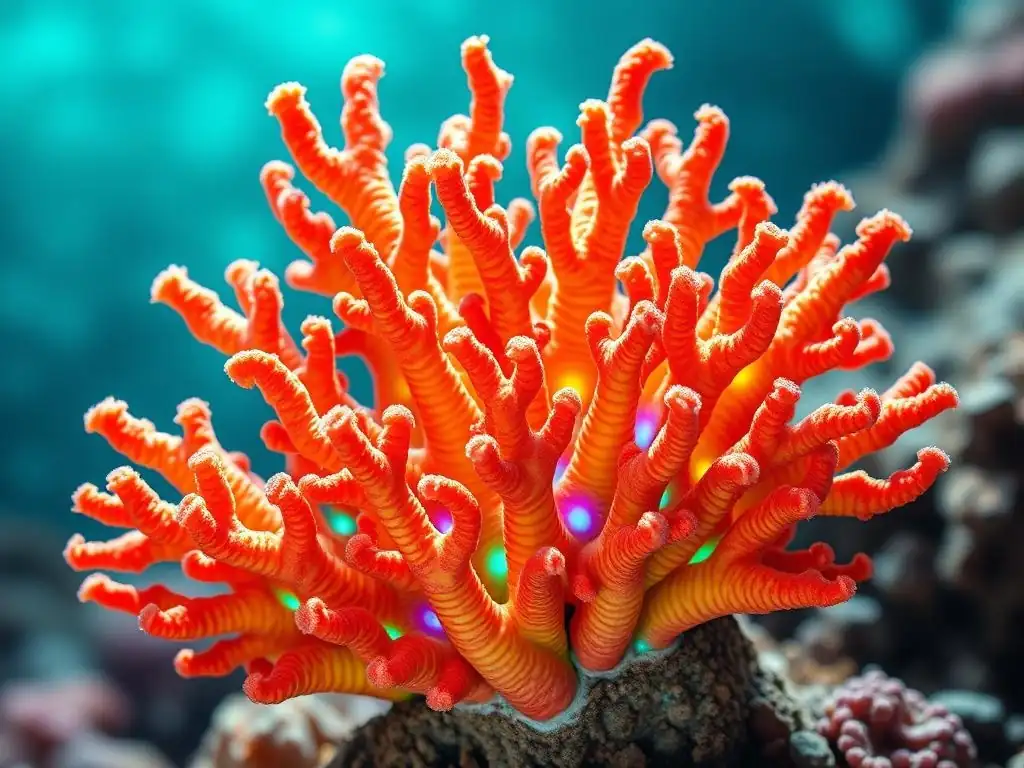
Montipora corals are a diverse genus within the SPS family, celebrated for their wide array of growth forms and vibrant colors, making them excellent choices for many high-energy reef tank aquascapes. They primarily exhibit three distinct growth patterns: encrusting, plating, and branching. Encrusting Montipora species, such as Montipora capricornis, spread thinly over rockwork, creating stunning colorful mats that can cover large surfaces.
Plating Montipora, also often Montipora capricornis, grows outwards in flat, shelf-like structures, creating dramatic overhangs and architectural elements within the tank. These plates can develop intricate layers, adding significant visual depth. Branching Montipora, exemplified by Montipora digitata, forms delicate, finger-like branches, similar in structure to some Acropora but typically with smaller polyps. This diversity allows aquarists to select Montipora species that perfectly fit their aesthetic vision and available space in a high-energy reef tank.
Montipora Lighting Needs: Striking a Balance for Optimal Coloration
While Montipora corals thrive in the high-energy environment, their lighting requirements are generally a bit less demanding than those of Acropora, making them slightly more forgiving for aquarists. They typically flourish under Photosynthetically Active Radiation (PAR) levels ranging from 250 to 450 PAR. Providing too little light can lead to a dull, brownish appearance as the coral tries to maximize its zooxanthellae, while excessive light can cause bleaching, where the coral expels its symbiotic algae due to stress.
Strategic placement in the mid-to-upper regions of a high-energy reef tank is often ideal for Montipora. Similar to Acropora, a balanced spectrum with a strong emphasis on blue and violet wavelengths is crucial for bringing out their spectacular natural colors, which span a wide palette including brilliant oranges, deep reds, electric greens, and rich purples. Gradual acclimation to new lighting conditions is also important to prevent shock and ensure optimal coloration.
Maintaining Ideal Water Parameters for Montipora Success
Like all high-energy reef tank corals, Montipora species demand stable and precise water parameters to thrive, although they might tolerate slight fluctuations better than some Acropora. The cornerstone parameters for their calcification and overall health are alkalinity, calcium, and magnesium. Target ranges include alkalinity between 7.5 and 8.5 dKH, calcium between 400 and 450 ppm, and magnesium between 1300 and 1400 ppm. Consistency within these ranges is more critical than hitting exact numbers.
Furthermore, Montipora requires very low nutrient levels to maintain their vibrant coloration and prevent nuisance algae growth. Nitrates should ideally be kept below 5 ppm, and phosphates below 0.05 ppm, with many advanced aquarists aiming for even lower levels (e.g., 0.01-0.03 ppm phosphates). Regular water changes, efficient protein skimming, and robust biological filtration are essential strategies to maintain these pristine conditions, ensuring the long-term success of Montipora in a high-energy setup.
Preventing and Treating Common Montipora Ailments
Despite their relative hardiness compared to Acropora, Montipora corals are susceptible to specific pests and ailments that can rapidly compromise their health in a high-energy reef tank. The most notorious include Montipora Eating Nudibranchs (MEN) and Montipora Eating Flatworms (MEFW). Signs of infestation typically include unexplained tissue loss, especially from the base or edges, and the visible presence of these pests, which are often camouflaged to match the coral's color. MEN, for instance, are small, bumpy nudibranchs that graze on Montipora tissue.
Prevention is paramount, and quarantining all new Montipora corals for several weeks is highly recommended. During quarantine, repeated dips using coral-safe pest control products (e.g., Coral Rx, Revive Coral Cleaner) can effectively eliminate many common pests. For established infestations in the display tank, manual removal of visible pests using tweezers, coupled with targeted dips of affected colonies, may be necessary. In severe cases, some aquarists resort to specific chemical treatments, but these should be used with extreme caution and only after careful research, as they can impact other tank inhabitants.
Seriatopora Corals: Delicate Beauty in the High-Energy Reef Environment
Seriatopora Hystrix: The Needle Coral's Unique Appeal
Seriatopora hystrix, commonly known as the Needle Coral or Birdsnest Coral, is a widely popular SPS coral among high-energy reef tank enthusiasts. Its unique appeal lies in its extremely fine, delicate, and often densely packed branches, which give it a spiky or "bird's nest" appearance. The polyps are typically small and extend prominently, adding a soft, fuzzy texture to its rigid skeleton. S. hystrix is known for its relatively fast growth rate compared to many other SPS corals, making it a rewarding species to observe.
This species is available in a striking array of colors, with vibrant pinks, greens, and purples being particularly common and sought after. Its delicate structure serves as an excellent indicator of water flow and quality; healthy S. hystrix will exhibit full polyp extension and robust growth, while stressed colonies may show retracted polyps or tissue recession. Its ability to thrive in high-energy conditions, coupled with its rapid growth and aesthetic appeal, makes it a staple in advanced reef aquariums.
Achieving Optimal Flow and Placement for Seriatopora
While Seriatopora hystrix is undeniably a high-energy reef tank coral, its delicate branching structure necessitates a nuanced approach to water flow. It requires strong, turbulent water movement to prevent detritus buildup and ensure nutrient delivery, but direct, blasting flow can be detrimental, potentially causing tissue damage or even stripping tissue from the skeleton. The ideal scenario involves indirect, random, and varied flow that gently sways the coral's fine polyps without causing them to retract constantly.
Strategic placement is key. Seriatopora can be positioned in mid-to-upper tank regions where it receives ample light and good water movement. However, ensuring it has sufficient space to grow is crucial due to its rapid growth rate. As it expands, it can quickly shade or even sting neighboring corals, so providing adequate clearance is important. Observing the polyp extension and overall health of the coral will indicate if the flow and placement are optimal.
Seriatopora Lighting Requirements: Preventing Bleaching
Seriatopora hystrix thrives under strong lighting conditions, similar to Montipora, with ideal Photosynthetically Active Radiation (PAR) levels typically ranging from 250 to 450 PAR. This intensity is crucial for driving the photosynthesis of its symbiotic zooxanthellae, which are the primary energy source for these high-energy reef tank corals. However, like many SPS corals, Seriatopora can be susceptible to bleaching if exposed to light that is suddenly too intense or if kept under insufficient lighting for prolonged periods.
To prevent bleaching, particularly when introducing new frags or colonies, gradual acclimation to the tank's lighting is essential. This can involve placing the coral lower in the tank initially and slowly moving it higher over several weeks, or by reducing the light intensity or photoperiod and gradually increasing it. Observing the coral's coloration is a good indicator: browning often suggests insufficient light, while paling or stark white patches can signal too much light. Maintaining a stable light spectrum, particularly with strong blue components, also contributes to its vibrant coloration.
Strategies for Propagating Seriatopora Frags
Seriatopora hystrix is one of the easiest SPS corals to propagate, making it a popular choice for fragging among high-energy reef tank enthusiasts. Its branches are relatively brittle, allowing for clean breaks, and its rapid growth rate means new frags can establish quickly. Fragging benefits both the aquarist and the coral: it allows for the creation of new colonies, helps manage the coral's growth in the display tank, and can even encourage bushier growth in the parent colony.
To frag Seriatopora, simply use a clean pair of bone cutters or sharp clippers to snip a branch that is at least 1-2 inches long. Ensure the cut is clean to minimize stress to the parent colony. The frag can then be attached to a frag plug or a piece of live rock using cyanoacrylate gel (super glue) or epoxy.
After fragging, place the new frag in a stable area of the tank with good, indirect flow and appropriate lighting. Providing a consistent environment will help the frag heal and begin to encrust onto its new base within a few weeks.
Optimizing Water Chemistry for High-Energy SPS Corals
The Importance of Alkalinity, Calcium, and Magnesium Balance
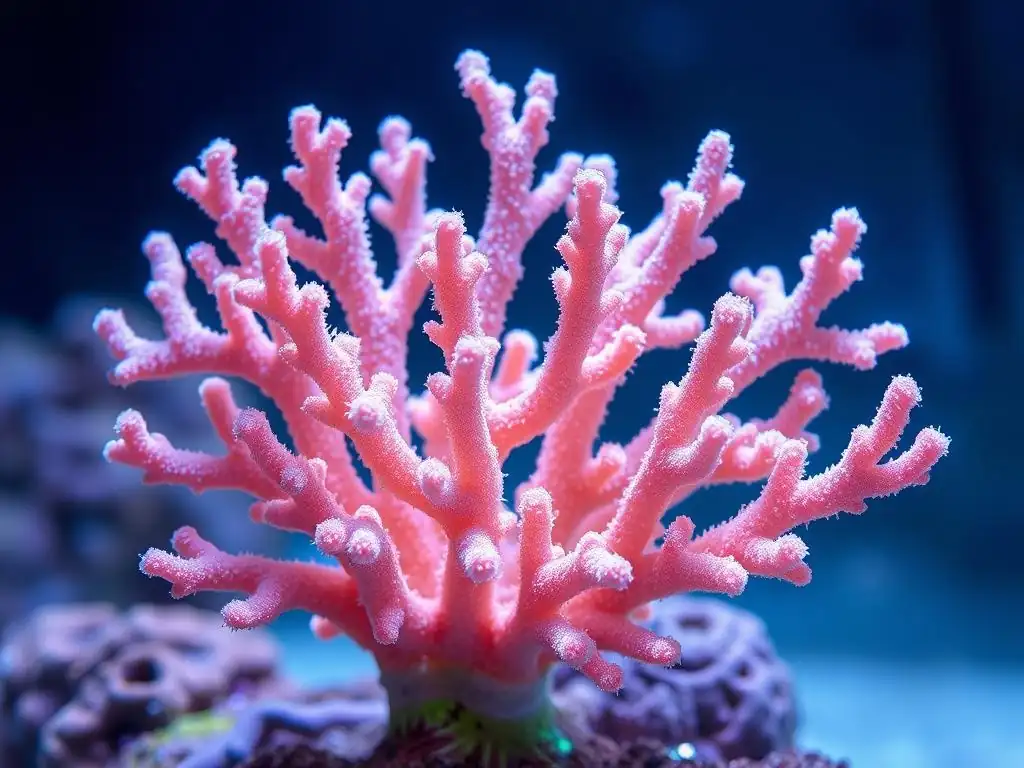
For high-energy reef tank corals like Acropora, Montipora, and Seriatopora, maintaining a precise and stable balance of alkalinity, calcium, and magnesium is absolutely fundamental. These three parameters are the building blocks for the corals' stony skeletons, directly impacting their calcification rates and overall growth. Alkalinity (carbonate hardness, typically measured in dKH) provides the carbonate ions necessary for calcification, while calcium is the primary mineral component of the coral skeleton.
Magnesium plays a crucial supporting role by preventing calcium from precipitating out of solution, ensuring its bioavailability for coral uptake. Target ranges for these parameters are typically: Alkalinity 7.5-8.5 dKH (with 8.0 dKH being a popular sweet spot), Calcium 400-450 ppm (e.g., 420 ppm), and Magnesium 1300-1400 ppm (e.g., 1350 ppm). Due to high consumption rates in SPS-dominated tanks, daily testing of alkalinity and regular testing of calcium are often necessary, followed by precise two-part dosing systems or a calcium reactor to maintain stability.
Maintaining Stable Salinity in High-Energy Reef Tanks
Salinity, the measure of dissolved salts in the water, is a critical parameter that must be kept exceptionally stable in high-energy reef tanks. Fluctuations in salinity can cause severe osmotic stress to SPS corals, leading to tissue damage, polyp retraction, and potentially even death. The ideal specific gravity for most reef tanks, mimicking natural ocean conditions, is between 1.025 and 1.026 (equivalent to 35 parts per thousand or ppt).
Maintaining this stability primarily involves compensating for evaporation, which removes only freshwater, thus increasing salinity over time. An Auto Top-Off (ATO) system is indispensable for automatically replacing evaporated water with fresh reverse osmosis/deionized (RO/DI) water. Regular, accurate salinity checks using a properly calibrated refractometer are crucial, as hydrometers are often less precise. Consistent salinity ensures that the coral's internal fluid balance is maintained, promoting long-term health and growth.
Nitrate and Phosphate Levels: Finding the Sweet Spot
Maintaining ultra-low nutrient (ULN) levels for nitrates and phosphates is a cornerstone of successful high-energy reef tank keeping. While corals do require trace amounts of these nutrients, elevated levels can lead to several problems: browning of corals due to an overpopulation of zooxanthellae, reduced calcification rates, and outbreaks of nuisance algae (e.g., green hair algae, dinoflagellates). The goal is to find a "sweet spot" where nutrients are present in very low concentrations, enough to support coral health without promoting undesirable growth.
For nitrates, advanced aquarists typically aim for levels below 5 ppm, with many striving for 0.2-2 ppm. Phosphates are even more critical, with targets usually below 0.05 ppm, ideally in the 0.01-0.03 ppm range. Achieving these levels involves a multi-pronged approach: efficient protein skimming, regular water changes, careful feeding practices, and the use of chemical media like GFO (Granular Ferric Oxide) or biological methods such as carbon dosing or refugiums.
Utilizing a Refugium for Nutrient Control in High-Energy Systems
A refugium is an invaluable component of a comprehensive filtration system for a high-energy reef tank, particularly for effective nutrient control. It is typically a separate compartment within the sump designed to host macroalgae, such as Chaetomorpha or Ulva, and provide a safe haven for beneficial microfauna like copepods and amphipods. The primary function of the macroalgae is to absorb nitrates and phosphates directly from the water column as they grow, effectively exporting these nutrients when the algae are periodically harvested.
Beyond nutrient export, a refugium offers several additional benefits. If lit on a reverse daylight photoperiod (lights on when the main display lights are off), it helps stabilize pH fluctuations by consuming CO2 during the night, mitigating the natural pH drop. The microfauna population nurtured within the refugium can also serve as a continuous live food source for corals and fish in the main display, contributing to a more robust and resilient ecosystem for high-energy reef tank corals.
Troubleshooting Common Problems in High-Energy SPS Coral Tanks
Identifying and Addressing Coral Bleaching
Coral bleaching is a severe stress response where corals expel their symbiotic zooxanthellae, leading to a loss of color and often a stark white appearance. It is a critical indicator of environmental stress in a high-energy reef tank and, if prolonged, can lead to coral death. Common causes include sudden or extreme fluctuations in temperature (e.g., consistently above 82°F or below 74°F), excessive or insufficient light intensity, drastic changes in water chemistry, or prolonged exposure to high levels of nitrates/phosphates.
Upon identifying bleaching, immediate action is necessary. First, accurately identify the root cause. If light is too intense, raise the light fixture, reduce its intensity, or shade the affected coral. If temperature is the issue, address heating or cooling systems. If water parameters are unstable, correct them slowly and carefully. Consistent stability is key to recovery; a bleached coral can take weeks or even months to regain its color and health, provided the stressors are removed and pristine conditions are maintained.
Dealing with Rapid Tissue Necrosis (RTN) and Slow Tissue Necrosis (STN)
Rapid Tissue Necrosis (RTN) and Slow Tissue Necrosis (STN) are devastating conditions that can quickly decimate SPS corals in a high-energy reef tank. RTN is characterized by extremely fast tissue loss, often appearing overnight, where the coral tissue sloughs off the skeleton, typically starting from the base and progressing upwards. STN is a similar process but occurs much more slowly, with progressive tissue recession over days or weeks. Both are usually indicative of severe stress, bacterial infections, or extreme environmental shifts.
Intervention for RTN is often challenging due to its rapid progression. If caught early, fragging healthy tissue above the affected area may save a small piece of the colony. For both RTN and STN, the primary course of action is to meticulously check and stabilize all water parameters, ensuring alkalinity, calcium, magnesium, salinity, and temperature are within optimal ranges and stable.
Improving water quality through larger water changes and ensuring robust flow can sometimes help. While some aquarists try coral dips or antibiotics for suspected bacterial causes, prevention through consistent pristine conditions is the best defense for high-energy reef tank corals.
Controlling Algae Growth in High-Energy Reef Aquariums
While some harmless microalgae are natural in any aquarium, excessive growth of nuisance algae (e.g., green hair algae, dinoflagellates, cyanobacteria) in a high-energy reef tank is a clear sign of an imbalance, typically elevated nutrient levels (nitrates and phosphates) or insufficient water flow. These algae compete with corals for light and space, and can smother delicate SPS colonies, hindering their growth and health.
Effective control strategies involve a multi-faceted approach. First, reduce nutrient input by feeding less, using high-quality foods, and ensuring efficient protein skimming. Second, enhance nutrient export through regular water changes (e.g., 10-15% bi-weekly), using chemical filtration media like GFO (Granular Ferric Oxide) or activated carbon, and maintaining a robust refugium. Third, ensure powerful and turbulent water flow throughout the tank to prevent detritus accumulation. Finally, introducing a diverse cleanup crew of herbivorous snails (e.g., Trochus, Turbo snails) and fish (e.g., tangs, blennies) can help manage existing algae.
Recognizing and Treating Coral Pests and Diseases
SPS corals in a high-energy reef tank can be vulnerable to various pests and diseases that, if left unchecked, can lead to significant coral loss. Common pests include Acropora Eating Flatworms (AEFW), Montipora Eating Nudibranchs (MEN), and Red Bugs (Tegastes acroporanus). AEFW leave characteristic bite marks and often lay distinctive egg spirals on Acropora branches, while MEN are tiny nudibranchs that camouflage on Montipora and cause tissue loss. Red Bugs are small, reddish copepods that irritate Acropora polyps, causing retraction and reduced growth.
Prevention starts with rigorous quarantine of all new corals for at least 4-6 weeks, coupled with prophylactic dips using coral-safe pest control products (e.g., Coral Rx, Revive Coral Cleaner). For existing infestations, manual removal (e.g., siphoning AEFW eggs), targeted chemical treatments (following manufacturer instructions carefully), or introducing natural predators (e.g., certain wrasse species for Red Bugs) may be necessary. Multiple treatments are often required to break the pests' life cycles. Maintaining excellent water quality and stable parameters also strengthens the corals' natural defenses against disease.
Advanced Techniques for Enhancing High-Energy Reef Tank Coral Growth and Color
Utilizing Amino Acid Supplementation for Enhanced Coloration
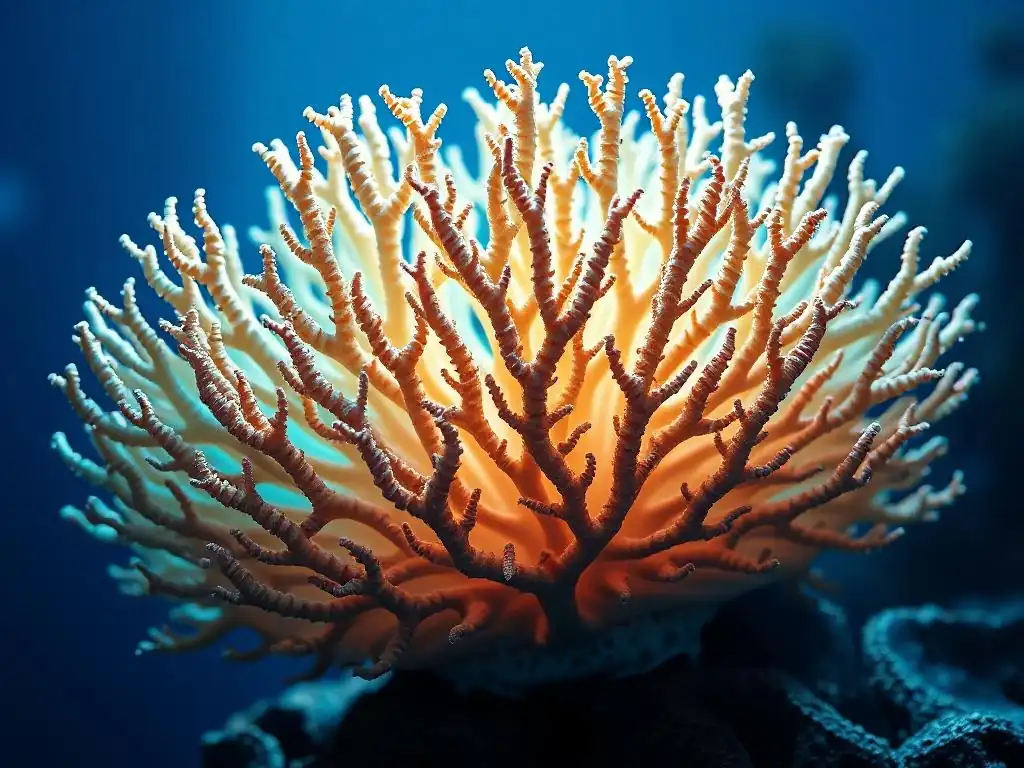
In high-energy reef tanks, particularly those maintained with ultra-low nutrient (ULN) systems, amino acid supplementation can play a significant role in enhancing the growth and vibrant coloration of SPS corals. Amino acids are the fundamental building blocks of proteins, which corals utilize for tissue growth, repair, and the production of their colorful fluorescent pigments. In systems with minimal organic matter, corals may not acquire sufficient amino acids through natural feeding alone.
When introducing amino acid supplements, it is crucial to start with very low doses, typically 0.5-1ml per 25 gallons weekly, and gradually increase while observing coral response. Overdosing can lead to undesirable nutrient spikes and promote nuisance algae growth. High-quality commercial amino acid solutions specifically formulated for reef aquariums are recommended. Many aquarists report noticeable improvements in polyp extension, tissue density, and the intensity of coral colors, especially in species like Acropora millepora and Montipora that rely heavily on photosynthesis.
Exploring the Benefits of Carbon Dosing for Nutrient Control
Carbon dosing is an advanced technique widely employed in high-energy reef tanks to achieve and maintain ultra-low nutrient (ULN) conditions, which are essential for the health and vibrant coloration of SPS corals. This method involves adding a controlled amount of a carbon source (e.g., vodka, vinegar, or commercial carbon supplements) to the aquarium water. This carbon acts as a food source for beneficial bacteria, encouraging them to multiply rapidly. As these bacteria proliferate, they consume nitrates and phosphates from the water column.
The nutrient-laden bacteria are then removed from the system primarily through efficient protein skimming, effectively exporting nitrates and phosphates from the water. While highly effective, carbon dosing requires careful monitoring and precision. Overdosing can lead to bacterial blooms, cloudy water, oxygen depletion, and even coral stress. It is an advanced technique best suited for experienced aquarists with robust skimming and aeration, and should be started with very low doses, increasing gradually while closely monitoring nutrient levels.
The Role of Trace Elements in SPS Coral Health and Vigor
Beyond the major elements like alkalinity, calcium, and magnesium, trace elements are indispensable for the long-term health, growth, and vibrant coloration of high-energy reef tank corals. These elements, including potassium, boron, strontium, iodine, iron, and manganese, are consumed by corals for various metabolic processes, skeletal formation, and the production of their unique colored proteins. While present in natural seawater, they are depleted in closed systems, especially those with high coral biomass.
Regular water changes replenish some trace elements, but for heavily stocked SPS tanks, targeted supplementation based on actual consumption is often necessary. The most precise way to determine deficiencies is through ICP-OES (Inductively Coupled Plasma Optical Emission Spectrometry) water testing, which provides a detailed breakdown of element concentrations. This allows aquarists to precisely dose only the elements that are depleted, avoiding potential imbalances or toxic accumulation that can occur with indiscriminate supplementation, ensuring the vigor of Acropora, Montipora, and Seriatopora.
Maintaining a Consistent Maintenance Schedule for Long-Term Success
Consistency in maintenance is the single most critical factor for achieving long-term success with high-energy reef tank corals. These demanding species thrive on stability, and even minor fluctuations in their environment can trigger stress or disease. A well-defined and rigorously followed maintenance schedule ensures that water parameters remain pristine, equipment functions optimally, and potential issues are identified and addressed before they escalate.
A typical schedule for a thriving SPS tank might include: daily visual inspection of corals and equipment, daily feeding of fish and corals (if applicable); weekly testing of alkalinity and calcium, glass cleaning, and emptying skimmer cup; bi-weekly or monthly water changes (e.g., 10-15%), testing of magnesium, and cleaning of powerheads; and quarterly comprehensive checks, including ICP tests and deep cleaning of sumps. Adhering to this routine provides the stable foundation necessary for Acropora, Montipora, and Seriatopora to flourish and display their full potential.
Selecting the Right Equipment for a Thriving High-Energy SPS Reef
Choosing Powerful and Efficient Lighting Systems
For a thriving high-energy reef tank dominated by SPS corals, the choice of lighting system is paramount. These corals demand very high Photosynthetically Active Radiation (PAR) levels, typically ranging from 300 to over 600 PAR at the coral level, to fuel their photosynthetic needs. Modern LED fixtures are widely considered the gold standard due to their high PAR output, energy efficiency, and precise control over spectrum and intensity. Leading brands offer multi-channel LEDs that allow aquarists to fine-tune blue and violet wavelengths, which are crucial for coral coloration and health.
Hybrid lighting systems, combining LEDs with T5 fluorescent bulbs, are also popular for their ability to provide broad, even light spread and excellent color rendition. When selecting a system, prioritize fixtures with robust heat dissipation, programmable features for gradual light transitions (ramp-up/ramp-down), and a proven track record of supporting SPS growth. Investing in a quality PAR meter to accurately measure light intensity at various depths is highly recommended to ensure optimal placement for your high-energy reef tank corals.
Selecting High-Quality Water Pumps for Optimal Flow
Achieving the turbulent and varied water flow essential for high-energy reef tank corals like Acropora, Montipora, and Seriatopora requires powerful and controllable water pumps. This includes both the main return pump, which circulates water from the sump back to the display tank, and in-tank powerheads or wavemakers that create the dynamic currents. Insufficient or stagnant flow can lead to detritus buildup, nutrient deficiencies, and tissue necrosis in SPS corals.
DC-controllable pumps are highly favored for their ability to adjust flow rates, create diverse flow patterns (e.g., random, pulse, gyre), operate quietly, and offer energy efficiency. Brands like Ecotech Marine (VorTech pumps) and Maxspect (Gyre pumps) are popular choices among advanced aquarists for their robust performance and reliability. Strategically positioning multiple pumps to create opposing or chaotic flow will effectively mimic natural reef currents, ensuring all parts of the coral receive optimal water movement without being constantly blasted.
The Importance of a Reliable Protein Skimmer
A high-quality, reliably performing protein skimmer is a non-negotiable piece of equipment for any high-energy reef tank. In these systems, maintaining ultra-low nutrient levels (ULNS) is critical for the vibrant health and coloration of SPS corals. A protein skimmer works by removing dissolved organic compounds (DOCs) from the water before they can break down into nitrates and phosphates. Given the often high bio-load from feeding high-energy reef tank corals and fish, an efficient skimmer is essential for nutrient export.
When selecting a protein skimmer, it is generally advised to choose one rated for a tank size larger than your actual aquarium volume to ensure maximum efficiency. Look for models with powerful, quiet pumps, a high rate of air intake, and a design that produces a fine, consistent foam. Ease of maintenance, including simple collection cup removal and cleaning, is also an important consideration. A well-tuned protein skimmer is a cornerstone of maintaining the pristine water quality demanded by advanced SPS systems.
Implementing an Effective Filtration System
Beyond the protein skimmer, an effective filtration system for a high-energy reef tank incorporates several layers to maintain pristine water quality. Mechanical filtration, typically achieved through filter socks or filter floss, is crucial for removing particulate matter and detritus from the water column. This prevents organic material from breaking down and contributing to nutrient spikes. These mechanical filters should be cleaned or replaced very frequently, often every 2-3 days, to prevent them from becoming a source of nitrates and phosphates themselves.
Chemical filtration is another vital component, primarily using activated carbon and Granular Ferric Oxide (GFO). Activated carbon effectively removes dissolved organic pollutants, yellowing compounds, and some toxins, improving water clarity and reducing the potential for coral stress. GFO is specifically used to adsorb phosphates, a critical nutrient to control in ULNS setups. These media are typically placed in media reactors or mesh bags within the sump and replaced regularly (e.g., carbon monthly, GFO every 2-4 weeks depending on phosphate levels) to maintain their efficacy.
Conclusion: Mastering the Art of the High-Energy Reef Tank with Acropora, Montipora, and Seriatopora.
Mastering the art of the high-energy reef tank with Acropora, Montipora, and Seriatopora represents the pinnacle of marine aquarium keeping, demanding unwavering dedication and a deep understanding of coral physiology. These magnificent high-energy reef tank corals thrive under precise conditions: intense lighting, robust and turbulent water flow, and exceptionally stable and ultra-low nutrient water chemistry. Success hinges on a meticulous approach to equipment selection, daily monitoring, and a consistent maintenance schedule, ensuring every parameter is within optimal range.
The reward for this commitment is a breathtakingly vibrant and dynamic underwater landscape, a living testament to the beauty and complexity of natural coral reefs. By providing the specific environmental demands of Acropora, Montipora, and Seriatopora, aquarists can cultivate a stunning array of colors and intricate growth forms, creating a truly spectacular display. Patience, diligent observation, and continuous learning are the ultimate keys to unlocking the full potential of these iconic high-energy reef tank corals and achieving long-term success in this rewarding endeavor.
Frequently Asked Questions
What are "high-energy reef tank corals" and why are Acropora, Montipora, and Seriatopora considered "kings" of this type of environment?
High-energy reef tank corals refer to species that thrive in environments with strong water flow and intense lighting. Acropora, Montipora, and Seriatopora are considered "kings" because they exhibit rapid growth and vibrant coloration under these conditions, when other corals may struggle.
What specific water parameters are crucial for maintaining Acropora, Montipora, and Seriatopora corals in a high-energy reef tank?
Maintaining stable calcium, alkalinity, and magnesium levels is critical. Regular testing and adjustments are essential to prevent coral bleaching and ensure skeletal growth.
Besides strong flow and intense lighting, what other factors contribute to the success of these corals in a high-energy reef tank?
Proper nutrient management is essential, balancing the need for some nutrients with the risk of algae blooms. Maintaining a stable temperature and pH are also crucial for their health.
What are some common problems aquarists face when keeping Acropora, Montipora, and Seriatopora corals, and how can these be addressed?
Common issues include coral bleaching due to unstable water parameters or insufficient lighting, and pests such as Acropora-eating flatworms (AEFW). Regular observation and proactive treatment are key.
What are some beginner-friendly Acropora, Montipora, or Seriatopora species that are relatively easier to keep in a high-energy reef tank?
Some relatively easier options include Montipora digitata and certain Seriatopora hystrix varieties, as they are generally more tolerant of slight parameter fluctuations compared to some Acropora species. However, all require stable conditions.
Final Reflection: Embracing the Dynamic Reef
The journey through the vibrant world of Acropora, Montipora, and Seriatopora has revealed the intricate dance between these corals and the high-energy reef tank environment. Understanding their specific needs and the delicate balance required to cultivate them is not just about replicating nature; it's about pushing the boundaries of what's possible in our own homes, creating miniature ecosystems that thrive with life.
The allure of these "kings" extends beyond their aesthetic beauty; it's a testament to our dedication and understanding of the marine world. The commitment required to maintain a high-energy reef tank, and the satisfaction derived from witnessing these corals flourish, speaks volumes about our connection to nature and our desire to nurture life. In the end, we will conserve only what we love; we will love only what we understand; and we will understand only what we are taught.
- Baba Dioum. This quote resonates deeply, reminding us that knowledge is the key to appreciation and, ultimately, conservation.
As we conclude this exploration, I invite you to reflect on your own role in the reef-keeping community. Consider how you can contribute to the ongoing understanding and responsible cultivation of these magnificent corals. Let the knowledge gained here inspire you to create not just a visually stunning aquarium, but a thriving ecosystem that reflects your passion and commitment to the delicate balance of our planet's oceans.
Ignite Your Reef: Unleash the Potential of High-Energy Coral!
Thanks for diving deep into the world of high-energy reef tanks and their magnificent SPS corals. We hope you've gained valuable insights into nurturing Acropora, Montipora, and Seriatopora to their full, vibrant potential. Now, let's translate that knowledge into action!
- Boldly reprogram your lighting schedule to match the specific needs of your SPS corals and witness their colors explode!
- Connect with fellow reef enthusiasts in our community forum to share your experiences and learn from others' successes (and challenges! ).
- Challenge yourself to experiment with a new trace element dosing regime to unlock even greater growth and coloration in your reef.
What's the first adjustment you're planning to make to your high-energy reef tank after reading this?