
Aquarium Mastery: Essential Favia Care – Lighting, Flow & Ideal Placement

Welcome to Aquarium Mastery!
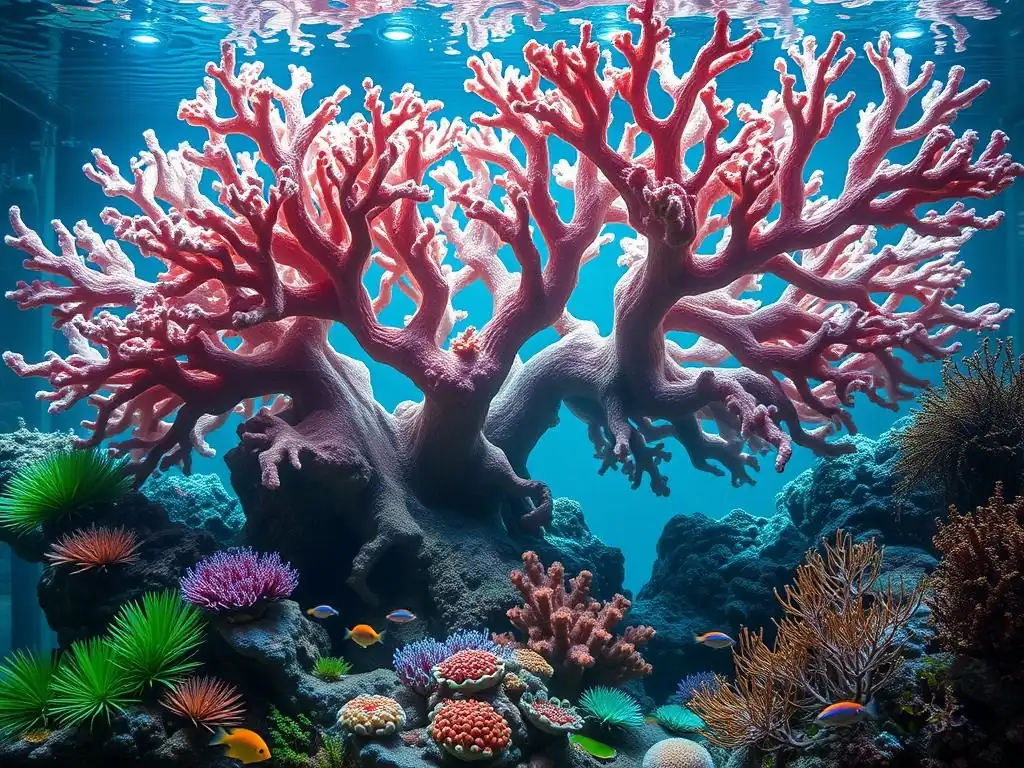
Ever wondered how to unlock the vibrant potential of your Favia coral? Dive in to discover the secrets of optimal lighting for your Favia, along with crucial guidance on water flow and ideal placement. This isn't just about keeping your coral alive; it's about helping it thrive. Keep reading to master the art of Favia coral care lighting and create a truly stunning reef environment!
- Favia Coral Care: Lighting, Flow & Placement for Optimal Growth
- Understanding Favia Corals: An Introduction to Their Care Requirements
- Favia Coral Care: Essential Elements for a Thriving Reef Tank
- Lighting for Favia Corals: Achieving the Perfect Balance
- Water Flow for Favia Corals: Providing the Ideal Environment
- Favia Coral Placement: Choosing the Right Spot in Your Reef Tank
- Feeding Favia Corals: Supplementing Their Diet
- Common Favia Coral Problems and Solutions
- Maintaining a Healthy Favia Coral: A Long-Term Care Guide
- Advanced Favia Coral Care: Fragging and Propagation
- Troubleshooting Favia Coral Issues: A Quick Reference Guide
-
Frequently Asked Questions
- What are the ideal lighting conditions for Favia coral?
- What type of water flow is best for Favia coral?
- What are the key water parameters I need to monitor for Favia coral care?
- Where is the ideal placement for Favia coral in my aquarium?
- What are some common problems encountered with Favia coral and how can I prevent them?
- Final Reflection: Illuminating the Beauty of Favia
- Ignite Your Favia's Brilliance!
Favia Coral Care: Lighting, Flow & Placement for Optimal Growth
Understanding Favia Corals: An Introduction to Their Care Requirements
What are Favia Corals and Why are They Popular in Reef Aquariums?
Favia corals, often referred to as "Brain Corals" or "Pineapple Corals," are a diverse genus of large polyp stony (LPS) corals highly prized in reef aquariums for their vibrant colors and distinctive growth forms. Originating from the Indo-Pacific region, they typically inhabit varied depths on natural reefs, from shallow, turbulent areas to deeper, more sheltered zones. Their popularity stems from their relative hardiness compared to some other LPS corals, making them an excellent choice for intermediate aquarists looking to expand their collection.
These corals form massive, encrusting, or dome-shaped colonies, characterized by their fleshy polyps that extend, particularly at night, to feed. Their robust nature and striking appearance, ranging from deep reds and greens to brilliant blues and purples, often with contrasting "eyes" or mouths, contribute significantly to the aesthetic appeal and biodiversity of a home reef tank. Their ability to thrive in a range of conditions, provided basic care requirements are met, further solidifies their status as a staple in the reef keeping hobby.
Key Characteristics of Favia Corals: Growth Patterns, Color Variations & ID
Favia corals exhibit fascinating growth patterns, primarily growing as massive, encrusting colonies that spread across rockwork, or occasionally forming distinct boulder-like structures. Each individual polyp, or corallite, is typically polygonal or circular in shape and often shares a common wall with its neighbors, creating the characteristic "brain-like" appearance that gives them their common name. As the colony grows, new polyps bud from existing ones, slowly expanding the coral's footprint.
The spectrum of color variations in Favia corals is truly remarkable. You can find specimens boasting single, uniform colors like electric green or fiery red, while others display striking multi-color combinations, such as green bodies with contrasting red or blue centers. Identifying Favia often involves observing these distinct, interconnected corallites and the way their mouths are arranged. The fleshy polyps, which are usually retracted during the day, will extend significantly during the night, revealing their feeding tentacles and adding dynamic movement to the nocturnal reef scape.
Favia Coral Care: Essential Elements for a Thriving Reef Tank
Optimal Water Parameters for Favia Health: Temperature, Salinity, Alkalinity
Maintaining stable and optimal water parameters is the cornerstone of successful Favia coral care. The ideal temperature range for Favia corals is between 76-82°F (24.4-27.8°C), with consistency being more critical than hitting an exact number. Sudden temperature fluctuations can induce significant stress, leading to tissue recession or bleaching. Salinity should be maintained at a specific gravity of 1.025-1.026, or 35 parts per thousand (ppt), which closely mimics natural ocean conditions and ensures proper osmotic balance for the coral.
Alkalinity, a measure of the water's buffering capacity, is crucial for Favia's skeletal growth and should be kept within the range of 8-12 dKH, with many successful aquarists aiming for a stable 8-9 dKH. Alongside alkalinity, calcium levels are vital for calcification, ideally maintained between 400-450 ppm, and magnesium, which helps stabilize alkalinity and calcium, should be between 1300-1400 ppm. Consistent monitoring and small, regular adjustments are far more beneficial than large, infrequent corrections.
The Importance of Stable Water Chemistry for Favia Corals: Preventing Stress and Disease
Stability in water chemistry is paramount for Favia corals, even more so than hitting precise target numbers, although optimal ranges are certainly beneficial. Favia corals, like all stony corals, are highly sensitive to rapid shifts in parameters such as temperature, salinity, pH, alkalinity, calcium, and magnesium. Sudden drops or spikes can severely stress the coral, leading to a cascade of negative effects including tissue recession, loss of color (bleaching), and increased susceptibility to opportunistic diseases.
When parameters fluctuate, the symbiotic zooxanthellae within the coral's tissue can become stressed, impairing their photosynthetic efficiency and potentially leading to their expulsion, which is the root cause of bleaching. Moreover, an unstable environment hinders the coral's ability to calcify and grow its skeleton, making it weaker and more vulnerable. Consistent, weekly testing and a disciplined approach to dosing and water changes are essential to prevent these issues and foster a thriving environment for your Favia coral.
Lighting for Favia Corals: Achieving the Perfect Balance
Understanding Favia Coral Lighting Needs: PAR, Spectrum, and Intensity
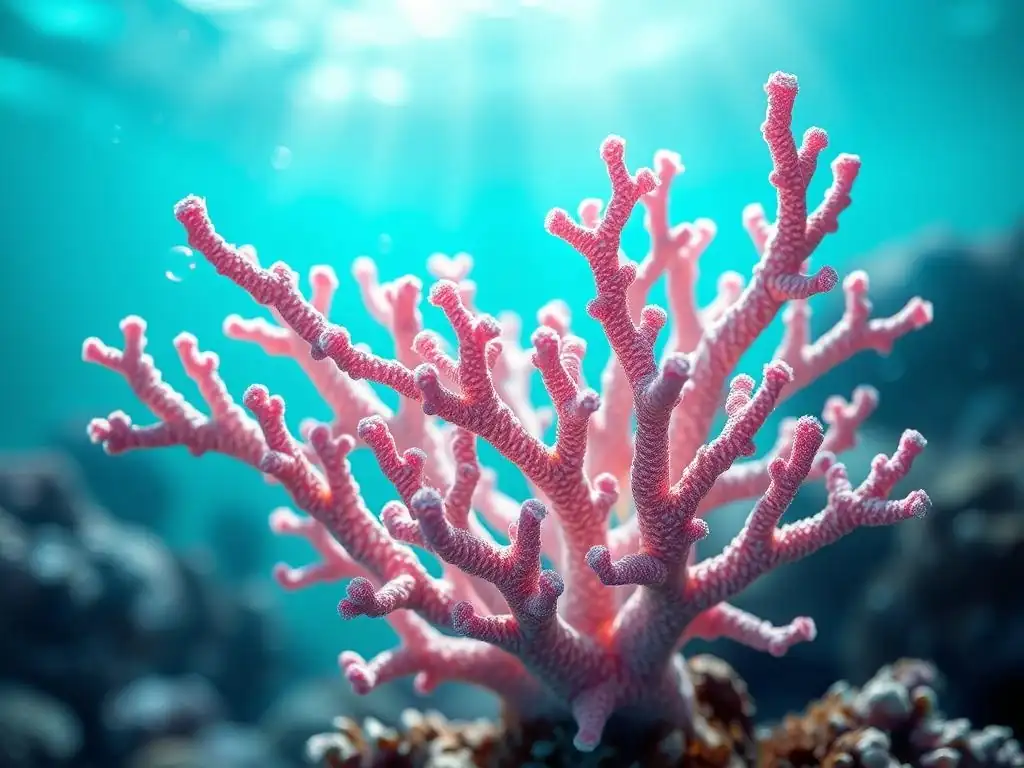
Favia corals are photosynthetic, relying heavily on their symbiotic zooxanthellae to convert light energy into food. Therefore, understanding their lighting needs is a critical aspect of Favia coral care lighting. These corals generally thrive under moderate Photosynthetically Active Radiation (PAR) levels, typically ranging from 75 to 150 PAR, depending on the specific species and its placement within the tank. Too little light can lead to browning or fading, while excessive intensity can cause bleaching or tissue damage.
The spectrum of light is equally important. A full spectrum light with an emphasis on blue and actinic wavelengths (around 420-470nm) is highly beneficial, as these wavelengths are most efficiently absorbed by zooxanthellae and also enhance the vibrant coloration of the coral. White light (6500K-10000K) provides the necessary broader spectrum for overall health and visual appeal. Balancing the spectrum and intensity is key to promoting healthy growth and maintaining the coral's brilliant hues.
Recommended Lighting Options for Favia Tanks: LEDs
For modern reef tanks, Light Emitting Diodes (LEDs) are overwhelmingly the recommended choice for providing optimal Favia coral care lighting. High-quality LED fixtures, such as those from brands like Kessil, EcoTech Marine Radion, or AquaIllumination (AI) Hydras, offer unparalleled control over both spectrum and intensity. This programmability allows aquarists to fine-tune the light output to perfectly match the Favia's needs, creating custom photoperiods and gradual acclimation schedules.
While T5 fluorescent lights can also provide excellent, diffused light for Favia corals, they lack the pinpoint intensity and spectral customization of modern LEDs. When selecting an LED fixture, consider its power, spread, and the ability to adjust individual color channels. Adequate light spread is crucial to prevent "hot spots" directly above the coral, which can lead to localized bleaching, and to ensure even illumination across the entire colony.
Acclimation to New Lighting: Gradual Increase to Prevent Bleaching
One of the most crucial steps in successful Favia coral care lighting is the proper acclimation of new corals or corals moved into a tank with upgraded lighting. Favia corals are highly susceptible to light shock, which can manifest as rapid bleaching if exposed to significantly higher PAR levels than they are accustomed to. To prevent this, always begin with a lower intensity setting or place the Favia coral lower in the tank, further from the light source.
A recommended approach is to start with your lights at 50-60% of their target intensity, or place the coral on the sand bed if your target PAR is higher up. Then, gradually increase the intensity by a small increment, such as 5-10% per week, while closely observing the coral for any signs of stress. Look for vibrant color, good polyp extension, and healthy tissue. If the coral begins to pale or retract excessively, pause the increase or even slightly reduce intensity until it recovers, ensuring a smooth transition to its ideal lighting environment.
Water Flow for Favia Corals: Providing the Ideal Environment
The Role of Water Flow in Favia Coral Health and Growth: Nutrient Delivery and Waste Removal
Water flow is an indispensable element for the health and growth of Favia corals, playing a multifaceted role beyond just aesthetic sway. Primarily, adequate water movement ensures the constant delivery of essential nutrients, such as calcium, alkalinity, magnesium, and various trace elements, directly to the coral's polyps, which are crucial for calcification and metabolic processes. Without sufficient flow, a boundary layer of depleted water can form around the coral, hindering nutrient uptake.
Equally important, water flow is vital for the efficient removal of waste products. Favia corals produce mucus as a protective layer and also generate metabolic waste. Proper flow prevents the accumulation of detritus and shed mucus on the coral's tissue, which can lead to localized areas of hypoxia (lack of oxygen), tissue necrosis, and encourage the growth of nuisance algae or even bacterial infections. Turbulent flow helps to keep the coral's surface clean and oxygenated, promoting overall vitality.
Recommended Flow Rates and Patterns for Favia Corals: Moderate, Indirect Flow
Favia corals generally thrive in moderate, indirect, and turbulent water flow. The key is to avoid direct, laminar (straight-line) blasts of water that can damage the coral's delicate tissue or prevent its polyps from fully extending and feeding. Instead, aim for a chaotic, randomized flow pattern that gently sways the coral's polyps without causing them to retract violently or expose their skeleton.
Achieving this ideal flow often involves using multiple powerheads or wavemakers strategically placed throughout the aquarium. These devices can be programmed to create alternating currents or pulsating patterns, mimicking the natural, unpredictable flow found on a reef. A good indicator of appropriate flow is when the Favia's polyps are gently swaying and extending well, without appearing flattened or constantly retracted.
Avoiding Excessive or Insufficient Flow: Tissue Recession and Algae Buildup
Both excessive and insufficient water flow can have detrimental effects on Favia corals. Too much direct or turbulent flow can cause constant physical stress, leading to tissue recession, particularly along the edges of the colony, or prevent the polyps from extending properly to capture food. In severe cases, it can even contribute to the onset of "brown jelly disease" by compromising the coral's integrity.
Conversely, insufficient flow is a common culprit behind several Favia coral problems. Without adequate water movement, detritus and shed mucus can settle on the coral's surface, leading to localized tissue necrosis and creating ideal conditions for nuisance algae, such as diatoms or cyano bacteria, to proliferate directly on the coral. Lack of flow also limits the delivery of vital nutrients and oxygen, slowly starving the coral and making it more vulnerable to disease.
Favia Coral Placement: Choosing the Right Spot in Your Reef Tank
Determining the Ideal Location for Favia Based on Lighting and Flow: Lower to Mid-Tank
When considering Favia coral placement, the primary factors are their moderate lighting and flow requirements. Given these needs, Favia corals typically thrive in the lower to mid-sections of a reef tank. In this zone, they can receive adequate but not overwhelming Photosynthetically Active Radiation (PAR) from your lighting system, generally within the 75-150 PAR range, depending on your fixture's intensity and tank depth.
It's crucial to observe how your specific lighting system distributes light. If you have very powerful LEDs, starting a Favia lower in the tank and gradually moving it up, if necessary, as it acclimates, is a wise strategy. Similarly, ensure that the chosen spot receives moderate, indirect water flow that gently sways the polyps without blasting them. Proper placement is key to optimizing both Favia coral care lighting and flow.
Preventing Aggression from Other Corals: Maintaining Safe Distances
Favia corals, like many other large polyp stony (LPS) corals, possess potent sweeper tentacles that they extend, particularly at night, to defend their territory or capture food. These tentacles are armed with nematocysts (stinging cells) and can inflict significant damage or even kill neighboring corals if they come into contact. The reach of these sweeper tentacles can vary, but it's common for them to extend several inches, sometimes up to 5-10 cm or more.
To prevent inter-coral aggression, it is imperative to maintain adequate spacing between your Favia colony and other corals in the tank. A safe distance of at least 6-12 inches (15-30 cm) from more sensitive corals, such as SPS (Small Polyp Stony) corals or other LPS species, is generally recommended. Always observe your Favia's nocturnal behavior to gauge the full extent of its sweeper tentacles and adjust placement accordingly.
Considering Substrate and Rockwork: Stable Placement to Prevent Tipping
The physical stability of your Favia coral's placement is another critical consideration. Favia corals can be quite heavy, especially larger colonies, and an unstable base can lead to the coral tipping over. A fallen coral can not only damage its own tissue by landing on sharp rockwork or another coral but can also sting or crush other inhabitants.
Ensure that the Favia frag or colony is securely seated on stable rockwork. For smaller frags, using reef-safe super glue gel or epoxy to attach them firmly to a frag plug or a piece of live rock is highly recommended. Larger colonies can often be placed directly on the sand bed if they have a flat, stable base, provided the sand bed is clean and experiences good flow to prevent detritus accumulation around the coral. Always aim for a placement that prevents accidental dislodgment during tank maintenance or by curious tank inhabitants.
Feeding Favia Corals: Supplementing Their Diet
Understanding Favia Coral Nutritional Needs: Microplankton and Dissolved Organics
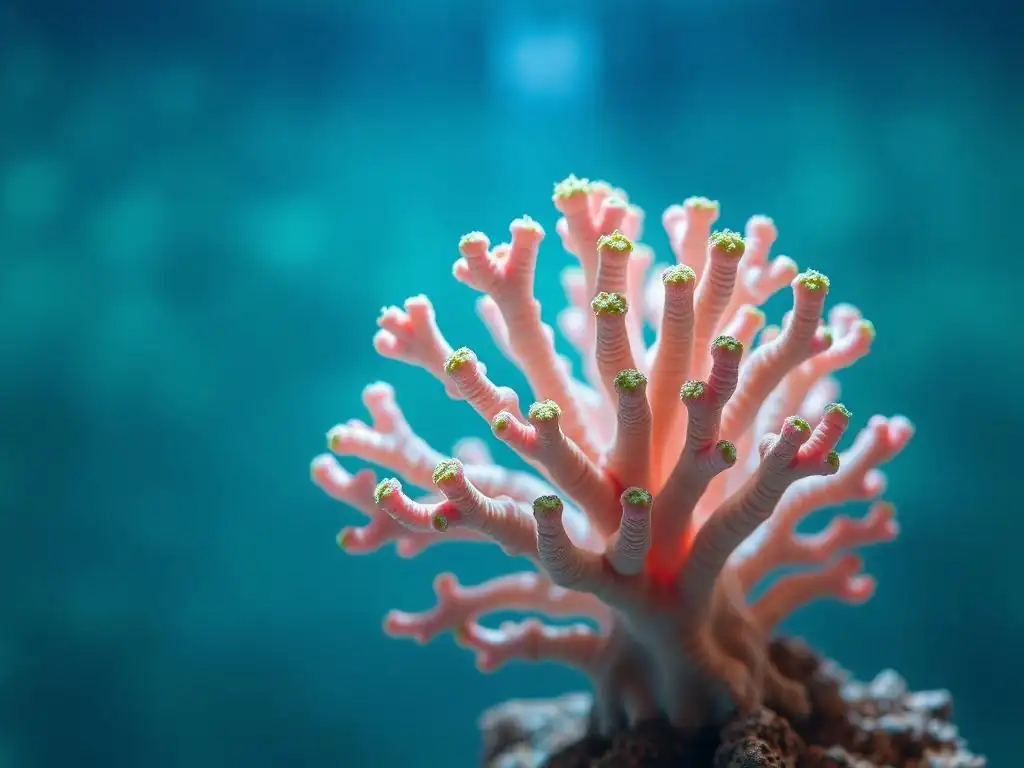
While Favia corals host symbiotic zooxanthellae and derive a significant portion of their energy from photosynthesis, they are also facultative feeders, meaning they actively capture and consume food from the water column. This supplemental feeding is crucial for their long-term health, vibrant coloration, and accelerated growth. Their natural diet consists primarily of microplankton, small invertebrates, and dissolved organic matter (DOM).
The polyps of Favia corals are equipped with nematocysts that they use to sting and capture prey. They will extend their tentacles, especially during the darker hours, to maximize their feeding opportunities. Relying solely on photosynthesis can lead to slower growth and potentially less vibrant coloration compared to corals that receive regular supplemental feedings.
Recommended Feeding Methods and Food Types: Target Feeding with Reef-Specific Foods
Target feeding is the most effective method for ensuring your Favia coral receives adequate nutrition. This involves using a turkey baster or a specialized coral feeding pipette to deliver food directly to the coral's extended polyps. Feeding 1-2 times per week is generally sufficient for healthy growth and color enhancement.
When it comes to food types, Favia corals will readily accept a variety of reef-specific foods. Excellent choices include marine snow, copepods, rotifers, and finely chopped frozen foods such as mysis shrimp or brine shrimp nauplii. Commercially prepared LPS coral foods, like Fauna Marin LPS Grow and Reef-Roids, are also highly effective, formulated with particle sizes suitable for Favia's small mouths. Ensure the food particles are small enough to be easily ingested by the polyps.
Avoiding Overfeeding: Maintaining Water Quality and Preventing Algae Blooms
While supplemental feeding is beneficial, it is crucial to avoid overfeeding Favia corals. Excess uneaten food can rapidly decompose in the aquarium, leading to a spike in undesirable nutrients such as nitrates and phosphates. High nutrient levels not only degrade overall water quality but also create an ideal environment for nuisance algae blooms, which can smother corals and detract from the tank's aesthetics.
To prevent overfeeding, feed sparingly and observe your coral to ensure all food is consumed within 15-20 minutes. If food remains uneaten, reduce the quantity during the next feeding session. Regular water changes are also vital for exporting any accumulated excess nutrients from the system, helping to maintain pristine water parameters and a healthy environment for your Favia coral.
Common Favia Coral Problems and Solutions
Identifying and Addressing Favia Coral Bleaching: Check Water Parameters and Lighting
Favia coral bleaching, characterized by the loss of vibrant color and a pale or white appearance, is a clear sign of severe stress. This occurs when the symbiotic zooxanthellae within the coral's tissue are expelled, often due to unfavorable environmental conditions. Common culprits include sudden temperature fluctuations (e.g., above 84°F or below 74°F), rapid salinity changes, or, critically, inappropriate Favia coral care lighting – either too much intensity or too little.
Upon noticing bleaching, the immediate action is to thoroughly test all water parameters: temperature, salinity, alkalinity, calcium, magnesium, nitrate, and phosphate. If lighting is suspected, assess the PAR levels at the coral's location. If PAR is too high, gradually reduce the light intensity or move the coral to a lower, shadier spot in the tank. If parameters are off, correct them slowly and consistently, aiming for stability rather than rapid adjustments.
Dealing with Algae Growth on Favia Corals: Improve Water Flow and Reduce Nutrients
The appearance of nuisance algae, such as diatoms, hair algae, or cyanobacteria, directly on the Favia coral's tissue is a strong indicator of elevated nutrient levels (nitrate typically above 10 ppm, phosphate above 0.1 ppm) and/or insufficient water flow. Algae can smother the coral, depriving it of light and potentially causing tissue necrosis.
To combat algae growth, first verify your nutrient levels through testing. Implement measures to reduce nitrates and phosphates, such as increasing the frequency or volume of water changes (e.g., 20% weekly), reducing feeding amounts, or utilizing nutrient export methods like GFO (granular ferric oxide) or a refugium. Simultaneously, assess and improve water flow around the Favia. Ensure there's enough turbulent flow to prevent detritus from settling on the coral's surface. Gentle manual removal of algae with a soft brush can also be performed, but addressing the underlying causes is paramount.
Recognizing and Treating Coral Diseases Affecting Favias: Bacterial Infections
Favia corals, despite their hardiness, can be susceptible to various coral diseases, with bacterial infections being among the most concerning. One of the most common and rapidly progressing is "Brown Jelly Disease" (BJD). This manifests as a slimy, brown, jelly-like substance rapidly consuming the coral's tissue, often accompanied by tissue recession and eventual death of the affected area if left untreated.
Upon identifying a bacterial infection, immediate action is crucial. If possible, frag off the affected portion of the coral to prevent spread. Isolate the infected coral in a quarantine tank if available. Many aquarists have found success with coral dips containing iodine-based solutions (e.g., Lugol's solution) or coral-specific antibiotic dips. Always follow manufacturer instructions carefully. Addressing underlying stressors such as poor water quality, unstable parameters, or insufficient flow can help prevent future outbreaks and strengthen the coral's natural defenses.
Maintaining a Healthy Favia Coral: A Long-Term Care Guide
Regular Observation and Monitoring: Color, Polyp Extension, and Tissue Health
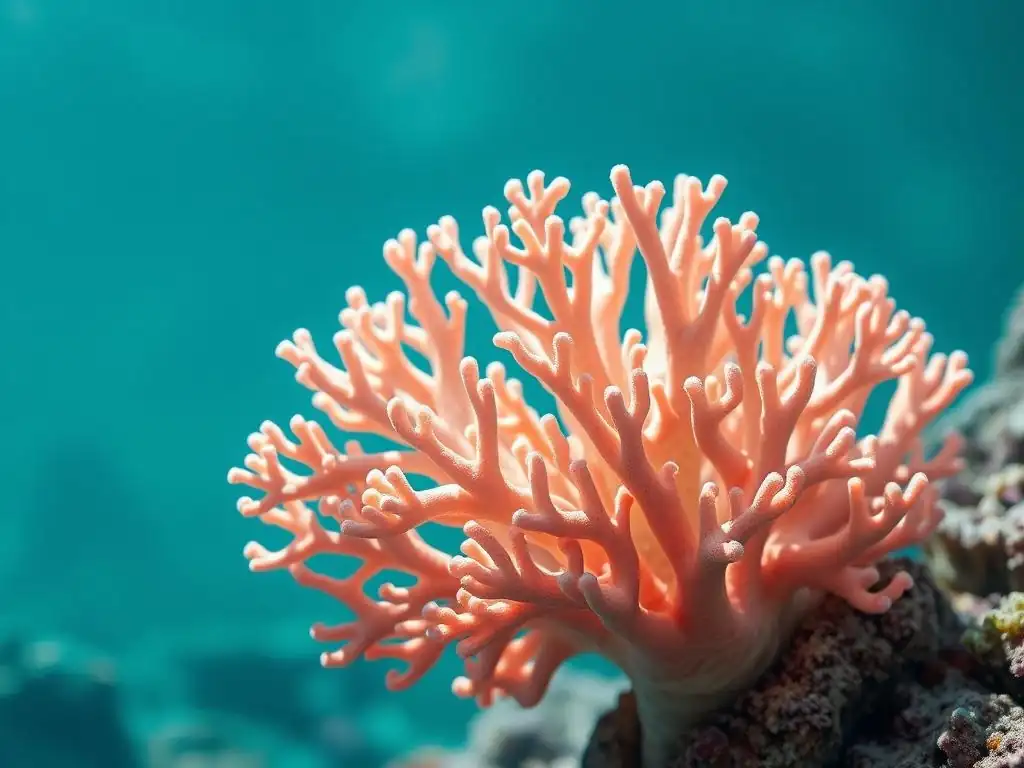
Consistent and diligent observation is arguably the most powerful tool in long-term Favia coral care. Daily visual checks of your Favia colony can provide early warnings of potential issues, allowing for timely intervention. Pay close attention to its coloration; vibrant, consistent hues indicate good health, while paling, browning, or splotchy discoloration can signal stress.
Observe polyp extension, particularly during the evening hours when Favia corals are most active in feeding. Full, plump polyp extension is a sign of a happy coral, whereas retracted or shriveled polyps often indicate a problem. Finally, examine the coral's tissue health. Look for any signs of recession, lesions, or the presence of nuisance algae or brown jelly. Early detection of these subtle changes can make the difference between a minor adjustment and a lost coral.
Adjusting Parameters as Needed: Maintaining Stability
Maintaining long-term stability in water chemistry is paramount for Favia coral health, even more so than hitting precise target numbers. Regular water testing (e.g., weekly or bi-weekly) for key parameters such as salinity, alkalinity, calcium, magnesium, nitrate, and phosphate is essential. This allows you to track trends and identify any deviations before they become critical.
When adjustments are necessary, implement them slowly and incrementally. For instance, if alkalinity is consistently low, a gradual increase in dosing or water change frequency over several days is preferable to a large, sudden correction. The goal is to keep parameters within their optimal ranges with minimal fluctuation, providing a consistent and stress-free environment for the Favia to thrive and grow.
Bi-Weekly Water Changes: 10-20% Water Change
Regular water changes are a cornerstone of effective Favia coral care and overall reef tank health. Performing bi-weekly water changes, typically in the range of 10-20% of the total tank volume, offers multiple benefits. Firstly, it replenishes essential trace elements that are consumed by corals and other inhabitants, which are often difficult to dose accurately.
Secondly, water changes effectively export accumulated nitrates and phosphates, which can build up over time from feeding and waste, helping to maintain low nutrient levels that are crucial for stony corals. Lastly, they refresh the overall water quality, removing dissolved organic compounds and other undesirable substances. This consistent export and replenishment strategy directly contributes to stable parameters and a clean environment, vital for the long-term vitality of your Favia coral.
Advanced Favia Coral Care: Fragging and Propagation
Fragging Favia Corals: A Step-by-Step Guide to Creating New Colonies
Fragging Favia corals is a rewarding aspect of advanced coral husbandry, allowing aquarists to propagate their colonies, share them with others, or prune overgrown sections. Due to their massive and encrusting growth forms and dense skeletons, fragging Favia requires specific tools and care. The primary method involves making clean cuts through the stony skeleton.
The step-by-step process typically includes: 1. Carefully removing the Favia colony from the aquarium and placing it in a separate container filled with tank water to minimize stress. 2. Using a specialized cutting tool, such as a wet band saw designed for corals or a Dremel tool fitted with a diamond cutting wheel.
3. Making a precise cut through the skeleton, ensuring that each resulting frag piece has healthy tissue, at least one or more polyps, and ideally a portion of the original colony's base. 4. Dipping the freshly cut frag in an antiseptic solution, such as an iodine-based coral dip, for the recommended duration to prevent bacterial infection at the cut site.
Propagating Favia Corals: Expanding Your Collection and Sharing with Others
Propagating Favia corals through fragging serves multiple purposes within the reef keeping hobby. For the individual aquarist, it provides an excellent means to expand their personal collection, creating new colonies from existing ones without the need to purchase additional corals. This can be particularly satisfying when you have a highly desirable or rare Favia morph.
Beyond personal collection expansion, propagation facilitates sharing and trading with other aquarists, fostering community engagement and the exchange of unique coral strains. More broadly, it contributes to sustainable aquaculture practices, reducing the reliance on wild-collected corals and lessening the environmental impact on natural reefs. After fragging, the new pieces are typically mounted on ceramic frag plugs or small pieces of live rock and placed in a recovery area of the tank with moderate light and flow, allowing them to heal and encrust.
Using a Diamond Blade Saw for Clean Cuts and Preventing Infection
When fragging Favia corals, the use of a diamond blade saw is highly recommended due to the density and hardness of their stony skeletons. Tools such as a wet tile saw or a Dremel rotary tool equipped with a diamond cutting wheel provide the precision and power necessary to make clean, efficient cuts. Unlike bone cutters or nippers, which can crush and damage the coral tissue, a diamond blade creates a smooth cut, minimizing trauma to the coral.
Clean cuts are paramount not only for the structural integrity of the frag but, more importantly, for preventing bacterial infections. A jagged or crushed cut surface creates more tissue damage, making the coral more vulnerable to pathogens like brown jelly disease. Always ensure your cutting tools are thoroughly cleaned and sterilized before and after use. Additionally, wearing appropriate safety gear, such as eye protection and gloves, is essential during the fragging process to protect yourself from coral toxins and debris.
Troubleshooting Favia Coral Issues: A Quick Reference Guide
Common Problems (Bleaching, Tissue Recession, Algae Growth) and Solutions (Adjust Lighting, Improve Flow, Correct Water Parameters)
| Problem | Description | Primary Causes | Solutions
Frequently Asked Questions
What are the ideal lighting conditions for Favia coral?
Favia corals thrive under moderate lighting, typically provided by LED fixtures or T5 fluorescent bulbs. Too much light can bleach them, while too little can hinder their growth. It's crucial to gradually acclimate them to higher light levels.
What type of water flow is best for Favia coral?
Favia corals prefer moderate water flow. This helps to deliver nutrients and remove waste products. Avoid placing them in areas with direct, strong currents that could damage their tissues.
What are the key water parameters I need to monitor for Favia coral care?
Maintaining stable water parameters is crucial. Key parameters include salinity, temperature (around 72-78°F), alkalinity, calcium, and magnesium. Regularly test your water and make necessary adjustments to keep these within the appropriate ranges.
Where is the ideal placement for Favia coral in my aquarium?
The best placement is in the middle to lower areas of the tank. This provides them with the appropriate light intensity and water flow. Avoid placing them too close to aggressive corals that could sting them.
What are some common problems encountered with Favia coral and how can I prevent them?
Common issues include bleaching (due to high light or temperature), tissue recession (due to poor water quality or pests), and brown jelly disease. Prevent these by maintaining stable water parameters, providing proper lighting and flow, and regularly inspecting your coral for signs of stress.
Final Reflection: Illuminating the Beauty of Favia
The journey into Favia coral care reveals not just the intricacies of maintaining a thriving reef ecosystem, but also the profound connection between light, flow, and life itself. Understanding the delicate balance required to nurture these vibrant creatures underscores the responsibility we bear as stewards of our planet's aquatic wonders. The principles of careful observation, informed decision-making, and consistent dedication, so crucial for Favia, resonate far beyond the confines of the aquarium.
This exploration of Favia coral care has undeniably influenced my appreciation for the delicate ecosystems we strive to replicate in our homes. Witnessing the vibrant colors and intricate patterns of a healthy Favia colony is a constant reminder of the beauty and fragility of the natural world. In nature, nothing exists alone.
- Rachel Carson. This quote perfectly encapsulates the interconnectedness of all living things, a principle that is vividly demonstrated in the symbiotic relationships within a reef aquarium.
Now, as you consider the lessons learned about lighting, flow, and placement, I invite you to reflect on the broader implications. How can you apply the principles of careful observation and mindful stewardship to other aspects of your life? Embrace the challenge of creating environments, both within and beyond your aquarium, where life can flourish, and let the vibrant beauty of Favia inspire you to cultivate a world of balance and harmony.
Ignite Your Favia's Brilliance!
Thanks for diving into the world of Favia coral care with us! We hope you’ve found the insights you need to help your Favia thrive. Now, let's translate that knowledge into action and watch your reef aquarium flourish!
- Start implementing your newfound knowledge of lighting and flow today! Observe your Favia closely for any signs of stress and adjust accordingly.
- Share your Favia success story! Post a picture of your thriving Favia on social media and tag us at Aquarium Mastery.
- Explore other reef-safe corals to add even more vibrancy to your underwater world.
What's the first adjustment you'll make to your Favia's environment based on what you've learned?