
Calcium for SPS Corals: Maintaining the Essential Building Blocks for Robust Skeletal Growth


Welcome to Aquarium Mastery!
Ever wondered how to unlock the secrets to vibrant, thriving SPS corals? Maintaining the perfect balance of essential elements is key, and few are as crucial as calcium. Dive in and discover everything you need to know about SPS coral calcium supplementation. Are you ready to ensure robust skeletal growth and unparalleled color in your prized SPS corals? Let's explore!
- Understanding the Vital Role of Calcium in SPS Coral Growth
- Diagnosing Calcium Deficiencies in SPS Corals
- Effective SPS Coral Calcium Supplementation Strategies
- Maintaining Optimal Calcium Levels for SPS Coral Health
- Addressing Common Issues with SPS Coral Calcium Supplementation
- Advanced Techniques for SPS Coral Calcium Management
- Best Practices for SPS Coral Acclimation and Calcium Management
-
Frequently Asked Questions
- What is SPS coral and why is calcium supplementation important?
- How does calcium depletion occur in an SPS coral aquarium?
- What are the signs of calcium deficiency in SPS corals?
- What methods can be used to supplement calcium in an SPS coral aquarium?
- How often should I test calcium levels in my SPS coral aquarium?
- Final Reflection: The Enduring Strength of Coral Reefs
- Ignite Coral Growth: Fuel Your SPS Tank Today!
Understanding the Vital Role of Calcium in SPS Coral Growth
Why Calcium is Crucial for SPS Coral Skeletal Development
Calcium is the fundamental building block for the robust skeletal structures of Small Polyp Stony (SPS) corals, such as Acropora, Montipora, and Seriatopora. These corals engage in a process called calcification, where they absorb calcium ions (Ca2+) and carbonate ions (CO3 2-) from the surrounding water to form calcium carbonate (CaCO3), primarily in the form of aragonite. This process is continuous and energy-intensive, directly supporting their rapid growth and structural integrity. Without sufficient calcium, SPS corals cannot form new skeletal material, leading to stunted growth and weakened colonies.
The demand for calcium in an SPS-dominated reef tank is significantly higher compared to tanks housing only soft corals or Large Polyp Stony (LPS) corals. For instance, a healthy Acropora valida colony can exhibit growth rates of several inches per year in optimal conditions, adding substantial skeletal mass. This rapid accretion of calcium carbonate means that the natural processes within the aquarium, such as water changes, are often insufficient to replenish the consumed calcium, necessitating consistent SPS coral calcium supplementation.
The Interplay of Calcium, Alkalinity, and Magnesium in Reef Aquariums
While calcium is the primary component of coral skeletons, its availability and the efficiency of calcification are intrinsically linked to two other vital parameters: alkalinity and magnesium. Alkalinity, often measured in dKH (degrees of carbonate hardness), represents the water's buffering capacity and the concentration of carbonate and bicarbonate ions. These ions are consumed alongside calcium during calcification. Maintaining stable alkalinity (typically 7-9 dKH) is as crucial as maintaining stable calcium levels for healthy SPS growth.
Magnesium plays a critical role in preventing the premature precipitation of calcium carbonate from the water column. If magnesium levels are too low (e.g., below 1200 ppm), calcium and alkalinity can combine to form calcium carbonate before corals can utilize it, leading to cloudy water or a white film on tank equipment and rockwork. Optimal magnesium levels, generally between 1300-1400 ppm, ensure that calcium remains soluble and readily available for coral uptake, thereby maximizing the effectiveness of any SPS coral calcium supplementation efforts.
Diagnosing Calcium Deficiencies in SPS Corals

Visual Indicators of Low Calcium Levels in SPS Corals
Detecting low calcium levels in an SPS coral tank often begins with visual observation of the corals themselves. One of the most common signs of calcium deficiency is stunted growth, where corals appear to stop adding new skeletal material. This can manifest as a lack of new growth tips on Acropora branches or a general cessation of colony expansion. Another indicator is pale coloration, particularly in the tips, as the coral may divert energy from pigment production to basic survival functions due to the stress of insufficient building blocks.
In more severe cases, SPS corals may exhibit tissue recession, starting from the base or tips, or show signs of brittleness. For example, a delicate Seriatopora hystrix might become unusually fragile, with branches breaking off easily during minor disturbances. While these symptoms can also point to other issues like nutrient deficiencies or inappropriate lighting, when combined with a lack of new growth, they strongly suggest a need to investigate calcium levels and the overall SPS coral calcium supplementation regimen.
Testing Your Reef Tank Water for Optimal Calcium Levels
Accurate and regular water testing is paramount for diagnosing and managing calcium levels in an SPS reef tank. Hobbyists typically use titration-based test kits, which provide a reliable estimate of calcium concentration. For more precise measurements, especially in high-demand systems or for diagnostic purposes, Inductively Coupled Plasma Optical Emission Spectrometry (ICP-OES) testing services are available, offering highly accurate readings for calcium and a wide array of other trace elements.
The frequency of testing depends on the tank's maturity, coral biomass, and the chosen SPS coral calcium supplementation method. In a newly established SPS tank or one with rapidly growing corals, daily or every-other-day testing might be necessary to understand consumption rates. For stable, established systems, weekly testing is often sufficient. A quality hobbyist titration kit can measure calcium with an accuracy of approximately +/- 10-20 ppm, which is generally adequate for routine monitoring and adjustment.
Understanding Calcium Consumption Rates of SPS Corals
The rate at which SPS corals consume calcium varies significantly based on several factors, including the total biomass of corals, their growth rates, light intensity, and water flow. A tank densely packed with rapidly growing Acropora species under intense LED lighting will consume far more calcium than a sparsely populated tank with lower light levels. Understanding your tank's specific consumption rate is crucial for effective SPS coral calcium supplementation.
To determine consumption, measure your calcium level at a specific time, then measure it again 24 hours later without adding any supplements. The difference will indicate your daily calcium consumption. For example, a heavily stocked 100-gallon SPS dominant tank might consume 20-50 ppm of calcium daily, while a smaller, less densely populated system might only deplete 5-10 ppm per day. This empirical data allows you to calculate the precise amount of supplement needed to maintain stable levels, preventing both deficiencies and over-supplementation.
Effective SPS Coral Calcium Supplementation Strategies
Choosing the Right Calcium Supplement for Your SPS Coral Tank
Selecting the appropriate SPS coral calcium supplementation strategy depends on several factors, including tank size, coral density, budget, and the desired level of automation. The most common methods include two-part calcium and alkalinity solutions, Kalkwasser (calcium hydroxide) dosing, and calcium reactors. Each method has its advantages and disadvantages regarding cost, ease of use, and impact on other water parameters.
For smaller tanks or those with moderate SPS coral loads, two-part solutions or Kalkwasser can be effective and relatively inexpensive. Larger, heavily stocked SPS tanks often benefit from the stability and automation provided by a calcium reactor. Regardless of the chosen method, it is crucial to use high-purity chemicals or reputable commercial products to avoid introducing unwanted contaminants into the reef system.
Calcium Chloride (CaCl2) Supplementation: A Detailed Guide
Calcium chloride (CaCl2) is a common and effective compound used for direct SPS coral calcium supplementation. It is typically used as part of a "two-part" system, where a calcium chloride solution is dosed separately from a sodium bicarbonate/carbonate solution (alkalinity). This method allows for precise control over calcium levels without significantly impacting alkalinity in the short term, provided both parts are dosed in appropriate ratios.
To prepare a calcium chloride solution, dissolve anhydrous CaCl2 or CaCl2 dihydrate in RODI water. For instance, to raise calcium by 10 ppm in a 100-gallon system, approximately 1.3 grams of anhydrous calcium chloride or 2 grams of dihydrate calcium chloride are needed. Dosing should be done slowly and in a high-flow area of the sump to prevent localized precipitation. While effective, this method introduces chloride ions, which can accumulate over time, though regular water changes typically mitigate this.
Kalkwasser (Calcium Hydroxide) Dosing for SPS Coral Growth
Kalkwasser, a saturated solution of calcium hydroxide (Ca(OH)2), is a popular and cost-effective method for SPS coral calcium supplementation. When added to the aquarium, Kalkwasser reacts with carbon dioxide (CO2) to form calcium carbonate, simultaneously raising both calcium and alkalinity while also helping to maintain pH stability, especially during the night when CO2 levels can rise due to coral respiration.
A major benefit of Kalkwasser is its ability to precipitate phosphates from the water column, aiding in nutrient control. However, it is a highly alkaline solution (pH typically above 12) and must be dosed slowly and cautiously, often via a drip system or automated doser, to avoid rapid pH swings that can stress corals. A typical saturated Kalkwasser solution contains approximately 800 ppm of calcium and 2.5 meq/L (7 dKH) of alkalinity, making it a powerful tool for maintaining optimal parameters in many reef tanks.
The Benefits of Using a Calcium Reactor for SPS Coral Reefs
For large, densely stocked SPS coral tanks with high calcium and alkalinity demands, a calcium reactor is often the most stable and automated SPS coral calcium supplementation solution. A calcium reactor works by dissolving calcium carbonate media (typically aragonite or crushed coral) using carbon dioxide (CO2) to lower the pH within the reactor chamber. The effluent, rich in calcium, alkalinity, and trace elements, is then slowly dripped back into the main display or sump.
Calcium reactors offer unparalleled stability, as they continuously replenish consumed elements without the need for daily manual mixing or dosing of two-part solutions. They also replenish various trace elements naturally present in the media, which are beneficial for coral health.
While the initial investment for a calcium reactor, CO2 tank, and regulator is higher, the long-term benefits of automation, stability, and reduced maintenance make it an ideal choice for serious SPS enthusiasts. A well-tuned calcium reactor can maintain stable parameters in tanks up to thousands of gallons, processing media at a rate that can replenish 50-100 ppm of calcium per day.
Maintaining Optimal Calcium Levels for SPS Coral Health
Target Calcium Levels for Thriving SPS Corals
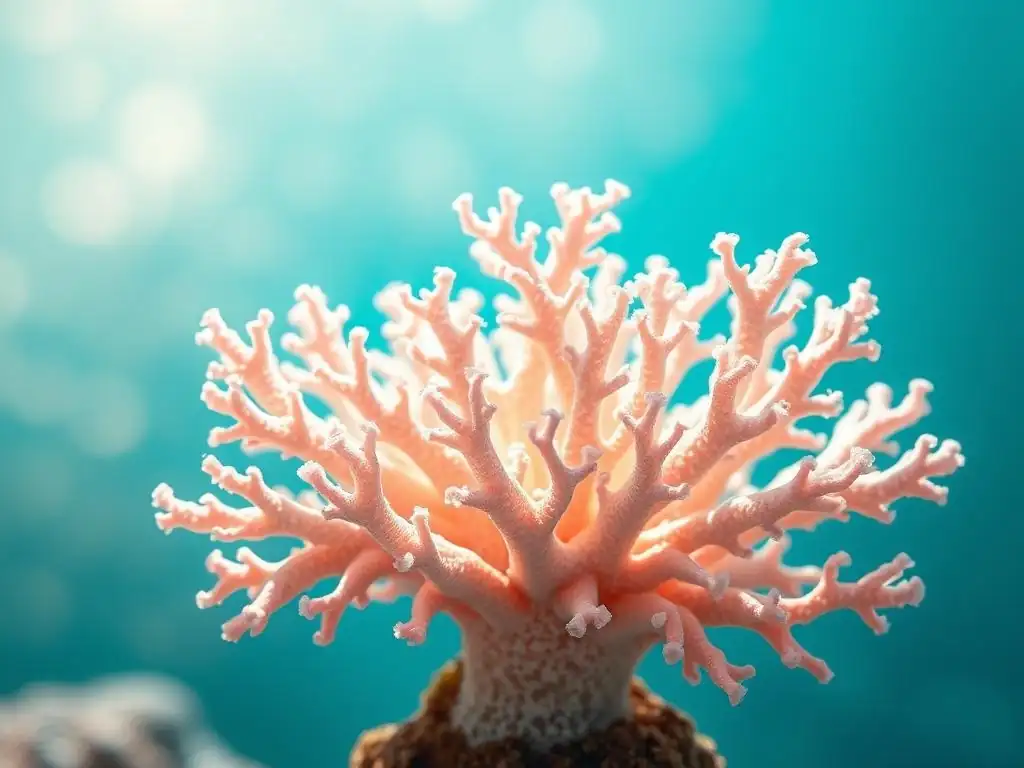
For optimal growth and health of SPS corals, maintaining calcium levels within a specific target range is crucial. The generally accepted optimal range for calcium in a reef aquarium is between 400-450 ppm. While some aquarists may successfully maintain levels slightly outside this range, staying within these parameters ensures that calcium is readily available for calcification without increasing the risk of precipitation or stressing the corals.
Aiming for the middle of this range, such as 420-430 ppm, often provides a comfortable buffer against minor fluctuations that can occur between testing or dosing events. Consistent levels within this range support robust skeletal growth, vibrant coloration, and overall resilience in species like Acropora millepora and Montipora capricornis, maximizing the benefits of diligent SPS coral calcium supplementation.
Regular Water Testing and Adjustment Schedules
Maintaining optimal calcium levels requires a disciplined approach to water testing and adjustment. The frequency of testing should align with your tank's consumption rate, but at a minimum, weekly testing is recommended for established SPS tanks. Daily testing may be necessary for tanks with very high consumption or when initially dialing in a new SPS coral calcium supplementation regimen.
Based on test results, adjustments to your dosing schedule or calcium reactor settings should be made incrementally. For example, if your calcium level drops by 10 ppm over a week, you'll need to increase your weekly calcium supplement by an amount calculated to replenish that 10 ppm. Keeping a detailed log of your test results and dosing adjustments helps to identify trends and fine-tune your approach, ensuring long-term stability.
The Importance of Consistent Alkalinity and Magnesium Balance
The success of SPS coral calcium supplementation hinges not only on calcium levels but also on the consistent balance of alkalinity and magnesium. These three parameters are interdependent, and an imbalance in one can negatively affect the others and the overall health of your SPS corals. Maintaining alkalinity between 7-9 dKH and magnesium between 1300-1400 ppm is critical for preventing calcium carbonate precipitation and ensuring efficient calcification.
If alkalinity is too high (e.g., above 12 dKH), or magnesium is too low (e.g., below 1200 ppm), calcium can precipitate out of solution, forming a visible haze or crust. Conversely, if alkalinity drops too low (below 6 dKH), calcification rates will slow dramatically, even if calcium levels are adequate. Consistent monitoring and adjustment of all three parameters are essential for a thriving SPS reef, reflecting a holistic approach to water chemistry management.
Addressing Common Issues with SPS Coral Calcium Supplementation
Preventing Calcium Precipitation and Alkalinity Imbalance
One of the most common issues arising from SPS coral calcium supplementation is calcium precipitation, often appearing as a fine white dust or cloudiness in the water, or a crust on heaters and pumps. This usually occurs when calcium and alkalinity are added too quickly or in too high concentrations, or when magnesium levels are insufficient. For instance, rapidly adding a large dose of alkalinity can cause a localized pH spike, leading to instant precipitation of calcium carbonate.
To prevent precipitation, always add calcium and alkalinity supplements slowly and in areas of high water flow, such as the sump. If using a two-part system, dose the calcium and alkalinity solutions at separate times or in different locations to prevent them from reacting directly. Ensuring magnesium levels are consistently within the optimal range (1300-1400 ppm) is also crucial, as magnesium acts as an anti-precipitant, keeping calcium and alkalinity soluble for coral uptake.
Dealing with Over-Supplementation and its Effects on SPS Corals
Over-supplementation of calcium can lead to several problems beyond just precipitation. Excessively high calcium levels (e.g., above 500 ppm) can stress corals, potentially leading to tissue recession or a dull appearance, as the super-saturated conditions make it harder for corals to regulate their internal calcification processes. Coupled with high alkalinity, over-supplementation can also lead to an unnaturally high pH, which is detrimental to coral health.
If over-supplementation occurs, the immediate steps are to cease all SPS coral calcium supplementation and perform a large water change (e.g., 20-30%) to dilute the elevated levels. Retest calcium, alkalinity, and magnesium after the water change and adjust your dosing regimen downwards based on the tank's actual consumption rate. Gradual reduction is key; avoid drastic changes, as stability is more important than hitting an exact number.
Troubleshooting Common Calcium Supplementation Problems
Several issues can arise during SPS coral calcium supplementation. One common problem is calcium levels consistently dropping despite dosing. This often indicates a higher consumption rate than estimated, or it could point to low magnesium levels preventing calcium from remaining in solution. In this scenario, verify your magnesium, increase your dosing volume, or consider a more robust supplementation method like a calcium reactor.
Another issue is erratic pH swings, particularly with Kalkwasser dosing. This can be mitigated by dosing Kalkwasser slowly and primarily during the night, when the tank's pH naturally dips due to respiration, allowing the Kalkwasser to buffer the pH upwards. If cloudy water persists after dosing, it's a clear sign of precipitation, suggesting either too rapid dosing, an overdose, or insufficient magnesium. Each problem requires a systematic approach to identify the root cause and implement the appropriate corrective action.
Advanced Techniques for SPS Coral Calcium Management

Utilizing Automated Dosing Systems for Precise Calcium Control
For advanced aquarists managing high-demand SPS reef tanks, automated dosing systems offer unparalleled precision and stability in SPS coral calcium supplementation. Peristaltic dosing pumps are commonly used, allowing for the precise and consistent delivery of two-part solutions or Kalkwasser over a 24-hour period. This continuous, small-volume dosing mimics natural reef conditions and minimizes the large parameter swings that can occur with manual, once-daily dosing.
Automated systems reduce manual labor significantly and ensure that corals receive a steady supply of calcium and alkalinity, promoting optimal growth and coloration. A high-quality peristaltic pump can deliver solutions with an accuracy of +/- 0.1 mL, enabling extremely fine-tuned adjustments to match the tank's exact consumption rate. This level of control is invaluable for maintaining the tight parameter stability that SPS corals thrive on.
Monitoring Calcium Consumption Based on SPS Coral Growth Rates
Beyond simply maintaining a target calcium level, advanced SPS coral calcium supplementation involves monitoring the actual growth rates of your corals as an indicator of their calcium uptake and overall health. Actively growing SPS corals, such as Acropora with noticeable tip growth (e.g., 1-2 cm per month) or Montipora showing rapid encrustation, signify high calcium consumption. This visual cue can complement your test kit data.
If growth rates appear to slow down despite stable calcium and alkalinity numbers, it might indicate that the corals' demand is increasing, or that other limiting factors are at play. Conversely, if growth is exceptionally rapid, you may need to increase your dosing to keep up with the demand. Integrating visual observation with precise water testing allows for a more dynamic and responsive approach to managing calcium levels, optimizing the environment for peak coral performance.
The Role of Trace Elements in Calcium Uptake by SPS Corals
While calcium is the primary building block, several trace elements play an important, albeit secondary, role in the calcification process and overall coral health. Elements like Strontium, Boron, and Iodine are incorporated into the aragonite structure or assist in metabolic processes that facilitate calcium uptake. For instance, Strontium is chemically similar to calcium and is incorporated into the coral skeleton, contributing to its strength and integrity.
Many SPS coral calcium supplementation strategies, particularly the use of calcium reactors with high-purity media, naturally replenish some of these trace elements. However, in heavily stocked or long-term systems, specific trace element supplementation may be beneficial. While direct data on the precise impact of each trace element on calcium uptake is complex, maintaining a balanced trace element profile, often monitored via ICP-OES testing, ensures that corals have all the necessary components for efficient calcification and robust growth.
Best Practices for SPS Coral Acclimation and Calcium Management
Acclimating New SPS Corals to Your Tank's Calcium Levels
Proper acclimation of new SPS corals is a critical first step in successful long-term calcium management. Introducing a new coral to a tank with significantly different water parameters, especially calcium and alkalinity, can cause severe stress or even death. Drip acclimation is the preferred method, allowing the coral to slowly adjust to your tank's salinity, temperature, and chemical parameters over an extended period.
Aim for a drip acclimation period of at least 30-60 minutes, or longer if the difference in parameters between the shipping water and your tank is substantial. For example, if the shipping water's calcium is 380 ppm and your tank is at a stable 430 ppm, a slower, more gradual introduction over several hours in a dedicated acclimation container might be beneficial. This gentle transition minimizes shock and allows the coral's internal systems to adapt, setting the stage for successful calcification in its new home.
Adjusting Calcium Supplementation Based on Coral Appearance and Growth
Effective SPS coral calcium supplementation is an ongoing process that requires continuous observation and fine-tuning. Beyond just numerical test results, paying close attention to the visual cues from your corals is essential. Healthy SPS corals will exhibit good polyp extension, vibrant coloration, and clear signs of new growth. If corals appear dull, their polyps are retracted, or growth has slowed, it could indicate a need to re-evaluate your calcium levels and supplementation.
Conversely, if corals are growing exceptionally fast, their demand for calcium might have outpaced your current dosing regimen, necessitating an increase. This iterative process of testing, observing, adjusting, and re-observing allows you to dial in your SPS coral calcium supplementation to perfectly match the unique needs of your evolving reef system, ensuring that your corals always have the essential building blocks for robust skeletal growth.
Long-Term Calcium Management Strategies for a Healthy SPS Coral Reef
The ultimate goal of SPS coral calcium supplementation is to establish and maintain a stable, thriving SPS coral reef for the long term. This involves integrating all the best practices: regular and accurate water testing, consistent and precise dosing, careful observation of coral health, and a proactive approach to troubleshooting. Stability in calcium, alkalinity, and magnesium levels is far more important than hitting an exact number.
For instance, maintaining calcium consistently within a 420-430 ppm range, with daily automated dosing, will yield better results than fluctuating between 380 ppm and 480 ppm. Establishing a routine, such as a weekly comprehensive water test and a daily check of automated dosing systems, ensures that parameters remain within optimal ranges. A well-managed 200-gallon SPS reef, supported by diligent calcium management, can flourish for over a decade, showcasing the profound benefits of a consistent and informed approach.
Frequently Asked Questions
What is SPS coral and why is calcium supplementation important?
SPS corals, or Small Polyp Stony corals, are reef-building corals known for their vibrant colors and intricate structures. Calcium is a crucial component of their skeletons, and supplementation is necessary for healthy growth and coloration.
How does calcium depletion occur in an SPS coral aquarium?
SPS corals constantly absorb calcium from the water to build their skeletons. This continuous consumption, combined with other biological processes, can quickly deplete calcium levels, especially in heavily stocked aquariums. Regular water changes may not be sufficient to replenish the calcium used.
What are the signs of calcium deficiency in SPS corals?
Signs of calcium deficiency include slow or stunted growth, a dulling of coloration, and even tissue necrosis (tissue death). You might also observe poor polyp extension and a general lack of vitality in your corals.
What methods can be used to supplement calcium in an SPS coral aquarium?
Common methods include using calcium chloride additives, kalkwasser (calcium hydroxide solution), and calcium reactors. The best method depends on the size of your tank, the coral load, and your personal preference.
How often should I test calcium levels in my SPS coral aquarium?
It's recommended to test your aquarium's calcium levels at least once a week, and ideally two to three times per week, when first establishing an SPS coral system. This helps you establish a baseline and determine the appropriate supplementation schedule. After that, once a month may be sufficient, based on your needs.
Okay, here's a final reflection designed to close your article "Calcium for SPS Corals: Maintaining the Essential Building Blocks for Robust Skeletal Growth," optimized for the keyword "SPS coral calcium supplementation" and following your requested structure:
Final Reflection: The Enduring Strength of Coral Reefs
The information presented throughout this article underscores the critical role of calcium in the health and vitality of SPS corals. Understanding the nuances of SPS coral calcium supplementation isn't just about maintaining a beautiful reef tank; it's about actively participating in the preservation of these vital ecosystems, even on a micro-scale within our homes. The delicate balance required highlights the interconnectedness of all living things, and the responsibility we bear to maintain that balance.
This journey into the science of calcium and SPS corals has profoundly influenced my own perspective on reef keeping. It's moved beyond mere aesthetics to a deeper appreciation for the intricate biological processes at play. The health of our reefs, both in the wild and in our tanks, depends on our commitment to understanding and replicating the conditions that allow them to thrive. In the end, we will conserve only what we love; we will love only what we understand; and we will understand only what we are taught.
- Baba Dioum. This quote resonates deeply, reminding us that education and understanding are the cornerstones of conservation.
Now, I invite you to reflect on your own role in this delicate ecosystem. Consider how you can apply the knowledge gained here to not only improve the health of your SPS corals, but also to advocate for responsible reef keeping practices. Let's all strive to be informed stewards, ensuring the vibrant beauty and ecological importance of coral reefs endure for generations to come.
Ignite Coral Growth: Fuel Your SPS Tank Today!
Thanks for diving deep into the world of SPS coral calcium! Now that you're equipped with the knowledge to maintain optimal calcium levels, it's time to put that expertise into action and witness explosive growth in your reef tank.
Here's how you can supercharge your SPS coral's health:
- Implement a consistent calcium testing schedule. Don't just guess; know your numbers! Aim for at least weekly testing using a reliable test kit to proactively address any fluctuations.
- Explore alternative calcium supplementation methods. Research and compare different options, like calcium reactors, kalkwasser, or two-part solutions, to discover what best suits your tank's needs and your budget.
- Share your calcium management strategies with the community. Post photos of your thriving SPS corals and detail your methods on aquarium forums or social media groups to inspire and help fellow reef keepers.
What innovative techniques are you using to maintain perfect calcium levels in your SPS reef? Share your secrets in the comments below!