
Seriatopora Lighting & Flow: The Delicate Balance for Dense, Colorful Branch Growth

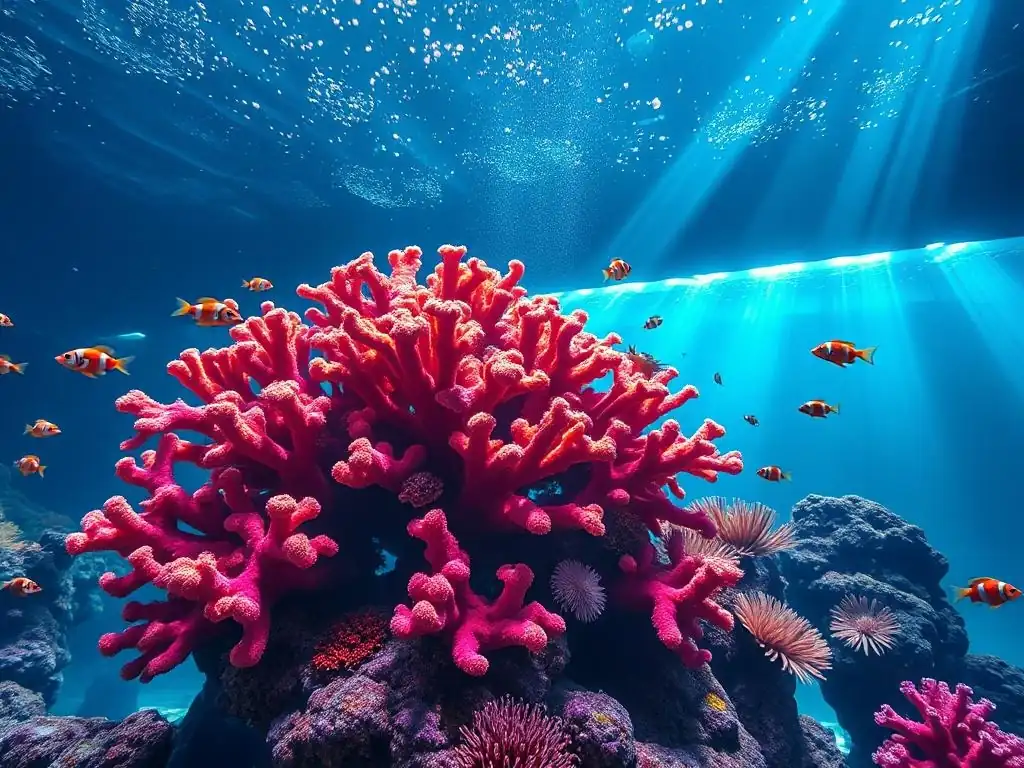
Welcome to Aquarium Mastery!
Curious about achieving vibrant, dense branching in your Seriatopora coral? Unlocking the secrets to perfect lighting and flow is crucial. Dive into our comprehensive guide, " Seriatopora Lighting & Flow: The Delicate Balance for Dense, Colorful Branch Growth," and discover how to create the ideal environment for this stunning SPS coral. Let's explore the nuances together and transform your reef tank! Ready to learn more?
- Seriatopora Coral: Lighting and Flow for Optimal Growth & Color
- Understanding Seriatopora Coral Needs
- Optimizing Lighting for Seriatopora Coloration
- Mastering Flow for Seriatopora Health
- The Relationship Between Lighting and Flow
- Achieving Dense Growth in Seriatopora
- Advanced Techniques for Seriatopora
- Conclusion: The Keys to a Healthy Seriatopora
-
Frequently Asked Questions
- How critical is proper lighting for Seriatopora coral in an aquarium?
- What type of water flow is best for Seriatopora coral?
- What happens if Seriatopora doesn't receive enough light?
- Can I have too much flow for my Seriatopora coral?
- What are the key signs that my Seriatopora coral is not getting enough light or flow?
- Final Reflection: Cultivating Vibrant Reefs
- Ignite Your Reef: Cultivate a Seriatopora Masterpiece!
Seriatopora Coral: Lighting and Flow for Optimal Growth & Color
Understanding Seriatopora Coral Needs
Introduction to Seriatopora: Birdsnest Coral
Seriatopora, commonly known as Birdsnest coral, is a popular small polyp stony (SPS) coral cherished by reef aquarists for its delicate, branching structure and vibrant coloration. These corals can exhibit a wide array of hues, including pink, green, purple, and yellow, often with contrasting polyp colors. Their relatively fast growth rate and unique aesthetic make them a staple in many mixed reef aquariums, offering a dynamic visual appeal as they mature into dense colonies.
Originating from the shallow to moderate depths of the Indo-Pacific reefs, Seriatopora species like Seriatopora hystrix and Seriatopora caliendrum are known for their resilience compared to some other SPS corals, often considered a good entry point for aquarists venturing into SPS keeping. However, their long-term health and optimal coloration are heavily dependent on precise environmental conditions, particularly regarding Seriatopora lighting and flow. Mastering these two critical factors is paramount for cultivating a thriving and visually stunning Birdsnest colony.
The Importance of Lighting and Flow for Seriatopora
Lighting is the lifeblood of Seriatopora corals, as they are primarily photosynthetic organisms. Their tissues host symbiotic dinoflagellates called zooxanthellae, which convert light energy into food for the coral. Proper Seriatopora lighting not only fuels their growth but also plays a direct role in enhancing their vibrant colors through the production of various pigments. Insufficient light can lead to dull coloration and slow growth, while excessive or improper light can cause significant stress, including bleaching.
Equally vital is water flow. Seriatopora corals require strong, turbulent Seriatopora flow to thrive. This constant water movement serves multiple purposes: it delivers essential nutrients and trace elements to the coral polyps, facilitates the removal of metabolic waste products, and prevents detritus from settling on the coral's delicate tissue, which can lead to tissue necrosis or disease. A well-designed Seriatopora coral lighting flow scheme ensures that the coral receives both the energy it needs and the clean, nutrient-rich environment necessary for dense, colorful branch growth.
Optimizing Lighting for Seriatopora Coloration
PAR Levels for Seriatopora: Finding the Ideal Range
PAR, or Photosynthetically Active Radiation, measures the amount of light available for photosynthesis. For Seriatopora corals, an ideal PAR range typically falls between 200 and 400 µmol·m⁻²·s⁻¹. Corals placed higher in the aquarium, closer to the light source, will naturally receive higher PAR levels. While some well-acclimated colonies can tolerate PAR levels up to 450 µmol·m⁻²·s⁻², starting at the lower end of the recommended range and gradually increasing intensity is crucial to prevent stress.
Monitoring PAR levels with a dedicated PAR meter is the most accurate way to ensure your Seriatopora coral is receiving appropriate light. Without a meter, estimating PAR can be challenging, but general guidelines suggest placing Seriatopora in the upper to middle sections of the tank under modern LED or T5 lighting systems. Inadequate PAR (below 150 µmol·m⁻²·s⁻¹) often results in pale colors, slow growth, and an overall lack of vitality, indicating a need to adjust your Seriatopora lighting setup.
Light Spectrum and Seriatopora Growth: Blue vs. White Light
The spectrum of light is as important as its intensity for Seriatopora growth and coloration. Blue light, specifically in the 450-470 nanometer (nm) range, is particularly effective at stimulating the fluorescent pigments within the coral, enhancing its "pop" and vibrancy. This wavelength also plays a significant role in the photosynthetic efficiency of zooxanthellae. However, a purely blue spectrum is not sufficient for long-term health and robust growth.
A balanced full-spectrum light, incorporating white light (e.g., 10,000K to 20,000K appearance) along with actinic blues, is essential for comprehensive photosynthesis and overall coral health. Many successful reef aquarists use a spectrum that appears predominantly blue, often achieved with a higher ratio of blue LEDs to white, such as 70% blue to 30% white. This balance provides both the aesthetic appeal of vibrant coloration and the necessary wavelengths for optimal physiological function, ensuring your Seriatopora coral lighting is truly effective.
Recommended Lighting Systems: LEDs and T5s
Modern reef aquarists primarily utilize two types of lighting systems for SPS corals like Seriatopora: Light Emitting Diodes (LEDs) and Fluorescent Tubes (T5s). LEDs offer unparalleled control over intensity and spectrum, allowing for precise customization of the Seriatopora lighting environment. Brands like EcoTech Marine Radion, Kessil, and AquaIllumination (AI) Prime are popular choices, known for their energy efficiency, long lifespan (often exceeding 50,000 hours), and ability to create a shimmering effect on the water.
T5 fluorescent lighting, while offering less individual control than LEDs, provides incredibly even light distribution across the entire tank, minimizing shadowing and ensuring uniform light exposure for all corals. High-output T5 bulbs from brands such as ATI and Giesemann are often used in conjunction with LEDs in "hybrid" systems, combining the even spread of T5s with the spectral customization and intensity of LEDs. This hybrid approach is frequently considered by advanced hobbyists seeking the ultimate Seriatopora coral lighting solution, achieving both optimal growth and stunning coloration.
Acclimation to New Lighting: Preventing Shock
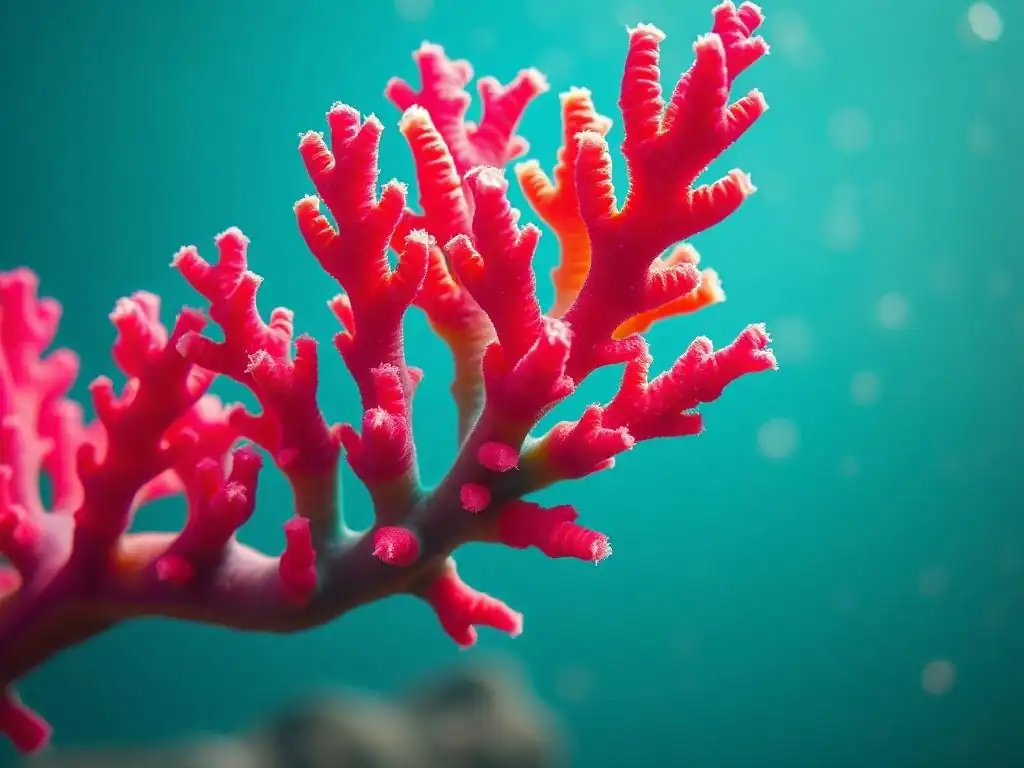
Introducing Seriatopora to new or upgraded lighting requires a careful acclimation period to prevent light shock, which can manifest as bleaching or rapid tissue necrosis. Corals, like plants, need time to adjust their zooxanthellae populations and protective pigments to changes in light intensity and spectrum. A sudden increase in PAR can overwhelm the zooxanthellae, leading to their expulsion and the coral turning pale.
To acclimate Seriatopora, begin by placing the coral lower in the tank, where PAR levels are reduced, or by dimming your lights significantly (e.g., to 50-60% of target intensity). Gradually increase the light intensity by 10-15% per week over a period of 4 to 6 weeks. Observing the coral's response—such as polyp extension, color, and signs of stress—is crucial during this phase. This slow, methodical approach to Seriatopora lighting adjustment helps the coral adapt gracefully, preserving its health and vibrancy.
Recognizing Lighting Stress: Bleaching and Browning
Recognizing signs of lighting stress in Seriatopora is critical for timely intervention. Bleaching, characterized by the coral losing its color and appearing pale white or translucent, is a severe symptom of excessive light. It occurs when the zooxanthellae, overwhelmed by too much light, produce harmful reactive oxygen species and are expelled by the coral. If left unaddressed, prolonged bleaching can lead to coral death as it loses its primary food source.
Conversely, browning can indicate either too little or, less commonly, too much light. When Seriatopora is exposed to insufficient Seriatopora lighting, the zooxanthellae may proliferate and increase their pigment density to maximize light absorption, causing the coral to appear brown. In some cases, extreme over-lighting can also cause the zooxanthellae to darken as a protective mechanism. Distinguishing between these causes requires careful observation of other symptoms and environmental parameters, but both scenarios signal a need to adjust your Seriatopora coral lighting.
Mastering Flow for Seriatopora Health
Ideal Flow Rates: Balance and Circulation
Seriatopora corals thrive in strong, turbulent water flow that mimics their natural reef environment. While a general rule of thumb for overall tank circulation might be 20-40 times the tank volume per hour, the key for Seriatopora is not just volume but the quality of the flow directly around the coral. They require vigorous, random, and indirect water movement to ensure all their polyps are constantly bathed in fresh, nutrient-rich water and to prevent detritus from settling on their delicate branches.
Insufficient Seriatopora flow can lead to "dead spots" where waste accumulates, causing tissue recession, algae growth on the coral, and poor gas exchange. On the other hand, excessive laminar (unidirectional) flow directly pointed at a single spot on the coral can cause tissue erosion, often referred to as "sandblasting." The aim is to create chaotic, multidirectional flow patterns that gently yet firmly agitate the coral's polyps without causing physical damage, achieving the perfect Seriatopora coral lighting flow.
Types of Flow: Laminar and Turbulent
Understanding the difference between laminar and turbulent flow is essential for optimizing Seriatopora health. Laminar flow is a smooth, straight, and uninterrupted current, often created by a single powerhead pointed directly at a coral. While it moves water efficiently, a constant, strong laminar flow can be detrimental to Seriatopora, leading to tissue damage and an inability for the coral to properly exchange gases and nutrients across its entire surface.
Turbulent flow, conversely, is chaotic, multidirectional, and unpredictable. This type of flow is highly beneficial for Seriatopora as it constantly changes direction, ensuring that all parts of the coral receive fresh water and that waste products are efficiently swept away. Achieving turbulent Seriatopora flow typically involves using multiple powerheads with varying angles, or employing wavemakers that create oscillating or random flow patterns. This dynamic water movement is crucial for the coral's respiration, feeding, and overall vitality.
Powerhead Placement: Optimizing Water Movement
Strategic placement of powerheads is fundamental to achieving optimal Seriatopora flow. Instead of pointing powerheads directly at the coral, which can create damaging laminar flow, aim them towards the back glass, side walls, or opposite corners of the tank. This technique creates indirect currents that bounce off surfaces, generating the desired turbulent and chaotic water movement throughout the aquarium.
Consider using two or more powerheads on opposing sides of the tank, perhaps on a alternating or random flow setting, to create a dynamic environment. For a 4-foot reef tank, two powerful wavemakers like EcoTech Marine VorTech MP40s or similarly sized Gyre pumps can provide ample Seriatopora flow. For smaller tanks (e.g., 20-40 gallons), smaller oscillating powerheads such as Hydor Koralia pumps can also be effective in creating the necessary water movement without being overly powerful or creating "dead zones."
Addressing Dead Spots: Maintaining Water Quality
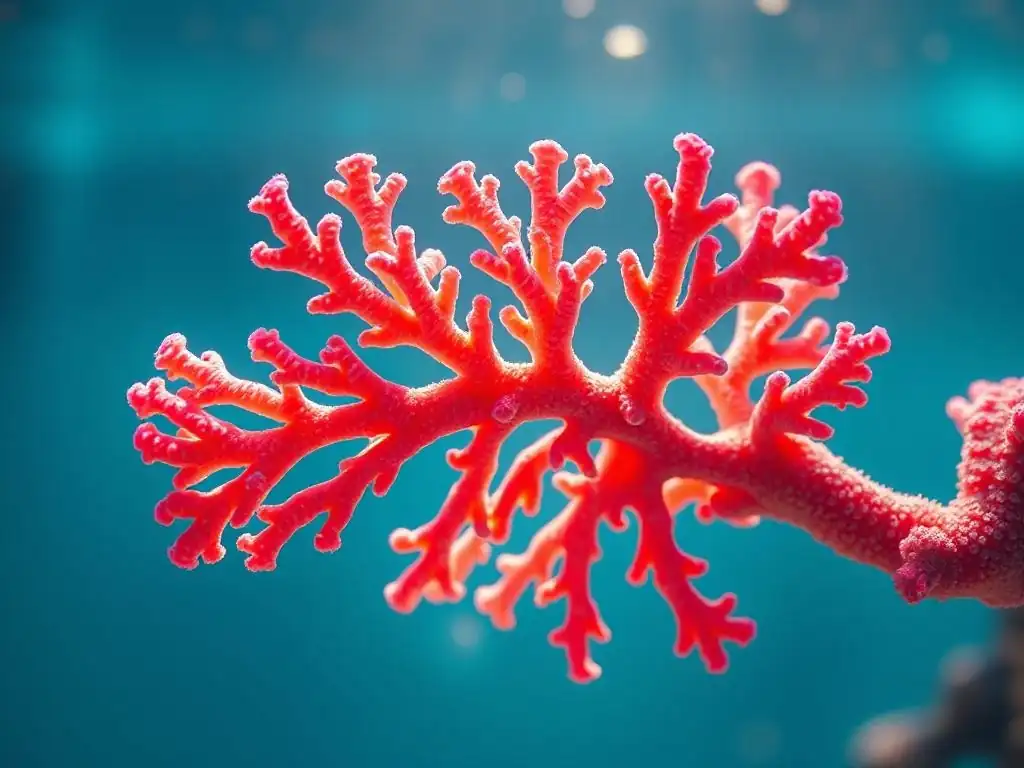
Dead spots are areas within the aquarium where water flow is minimal or non-existent, leading to the accumulation of detritus, uneaten food, and other organic waste. For Seriatopora corals, dead spots are particularly problematic as they can lead to localized poor water quality, foster nuisance algae growth on the coral's skeleton, and even cause tissue necrosis due to lack of oxygen and nutrient delivery.
Regularly observing your tank, perhaps by watching the movement of fine detritus or food particles, can help identify these problematic areas. Adjusting powerhead angles, adding smaller circulation pumps in strategic locations, or even manually stirring the substrate during water changes can help eliminate dead spots. Ensuring consistent Seriatopora flow throughout the entire reef system is vital for maintaining pristine water quality and preventing issues that could compromise your coral's health.
Flow and Algae Prevention: Keeping Corals Clean
Proper Seriatopora flow plays a significant role in nuisance algae prevention, both directly and indirectly. Directly, strong water movement prevents detritus and organic matter from settling on the coral's delicate tissue. This organic buildup can smother polyps, block their access to light, and provide a substrate for opportunistic nuisance algae to colonize directly on the coral branches, leading to tissue loss.
Indirectly, robust Seriatopora flow helps transport dissolved nutrients and suspended particulate matter towards the aquarium's filtration system, such as protein skimmers and mechanical filters. By efficiently moving these algae-fueling compounds out of the water column, optimal flow aids in maintaining lower nitrate and phosphate levels, thereby reducing the overall fuel available for nuisance algae growth throughout the tank. This contributes to a cleaner, healthier environment where your Seriatopora coral can thrive without competition from unwanted algae.
The Relationship Between Lighting and Flow
How Flow Enhances Lighting Effectiveness
The symbiotic relationship between Seriatopora coral lighting flow is profound. Strong, turbulent flow directly enhances the effectiveness of your lighting by keeping the coral's polyps fully extended and free of any settled detritus. When polyps are extended, they maximize their surface area for light absorption, allowing the zooxanthellae within their tissues to conduct photosynthesis more efficiently. Detritus, if allowed to settle, can shade parts of the coral, effectively reducing the PAR reaching those areas.
Furthermore, dynamic water movement ensures a constant replenishment of dissolved gases and nutrients at the coral's tissue surface. This includes bringing in fresh carbon dioxide (CO2) for photosynthesis and efficiently whisking away oxygen (O2) produced as a byproduct. This constant exchange optimizes the internal environment for the zooxanthellae, allowing them to make the most of the available Seriatopora lighting, leading to more robust growth and vibrant coloration.
How Lighting Supports Flow Benefits
While flow enhances lighting, optimal Seriatopora lighting also supports the benefits of good flow. A healthy, well-lit Seriatopora coral will exhibit strong, dense skeletal growth. This robust skeletal structure is better equipped to withstand the vigorous, turbulent Seriatopora flow that these corals prefer. Weak or spindly growth, often a result of insufficient light, makes the coral more susceptible to breakage or tissue damage from strong water movement.
Moreover, corals that receive appropriate Seriatopora lighting are generally more vital and resilient. Their metabolic processes are running optimally, making them better equipped to handle the physical demands of strong flow and minor environmental fluctuations. The combination of proper Seriatopora coral lighting flow creates a synergistic effect, where each element supports and amplifies the benefits of the other, leading to a truly thriving and visually stunning Seriatopora colony.
Troubleshooting Lighting and Flow Problems
Identifying and resolving issues related to Seriatopora coral lighting flow requires careful observation and systematic troubleshooting. Common signs of combined stress include tissue recession (especially from the base upwards), bleaching or browning despite otherwise stable water parameters, unusual polyp extension (either excessively retracted or overly extended), or visible detritus accumulation on the coral branches.
When troubleshooting, it's best to adjust one variable at a time and observe the coral's response over several days. First, confirm your PAR levels using a meter if possible; if not, consider raising or lowering the light fixture slightly. Second, observe your flow patterns; introduce a small amount of fine food or detritus near the coral to visualize the water movement. If flow appears too laminar or there are dead spots, adjust powerhead angles or add another pump. Patience is key, as corals respond slowly, and abrupt changes can cause further stress.
Achieving Dense Growth in Seriatopora
Nutrient Levels: Nitrate and Phosphate Balance
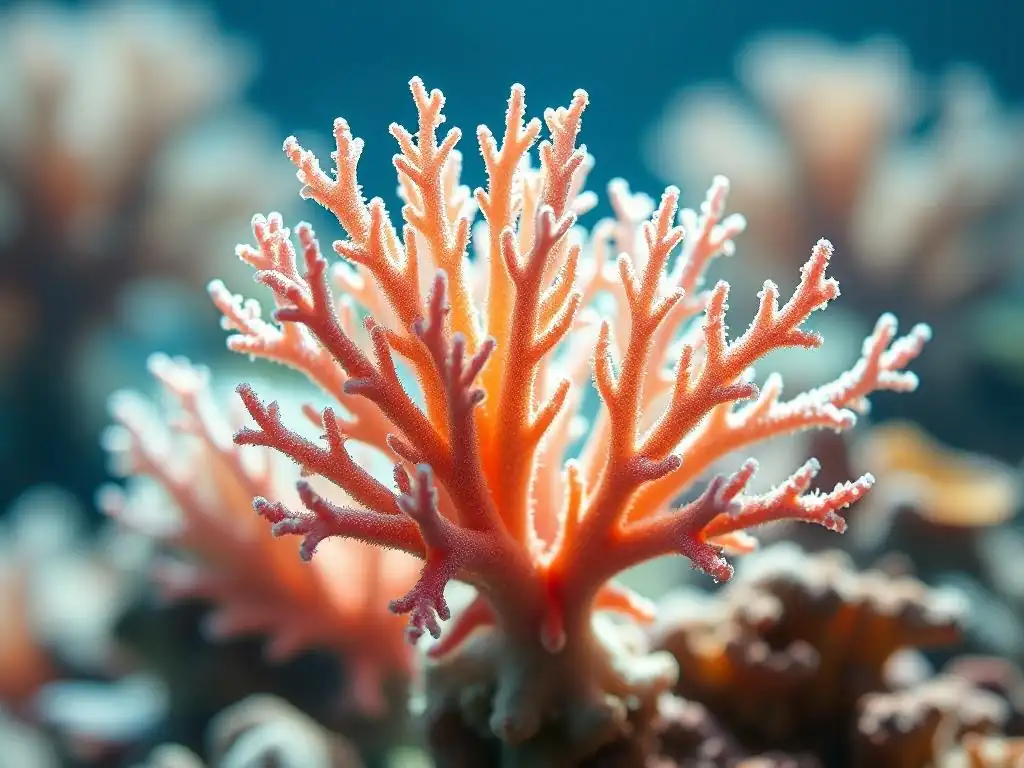
For dense and vibrant Seriatopora growth, maintaining ultra-low nutrient (ULN) levels is crucial, but not absolute zero. Ideal nitrate levels typically range from 0.2 to 5 ppm, and phosphates from 0.01 to 0.05 ppm. These levels provide just enough nitrogen and phosphorus for the zooxanthellae without fueling nuisance algae growth or causing browning of the coral tissue. Levels that are too high can lead to dull coloration and browning, while levels that are too low can starve the coral, leading to bleaching and tissue loss.
Achieving this delicate balance involves a combination of strategies: regular small water changes (e.g., 10% weekly), efficient protein skimming, the use of biological filtration like refugiums, and potentially chemical filtration media such as granular ferric oxide (GFO) for phosphates and carbon for organics. Careful feeding practices, avoiding overfeeding fish and corals, are also essential to minimize nutrient input and maintain stable parameters for optimal Seriatopora coral lighting flow.
Alkalinity, Calcium, and Magnesium: Maintaining Stability
Alkalinity (dKH), Calcium (ppm), and Magnesium (ppm) are the fundamental building blocks for Seriatopora's aragonite skeleton. Maintaining stable levels within their optimal ranges is paramount for consistent growth and overall health. Ideal ranges are generally: Alkalinity 7.5-8.5 dKH, Calcium 400-450 ppm, and Magnesium 1250-1350 ppm. Fluctuations in these parameters, especially alkalinity, can cause significant stress, leading to tissue recession or "burnt tips."
As Seriatopora grows, it consumes these elements from the water column. Regular testing (daily for alkalinity in heavily stocked tanks, weekly for calcium and magnesium) and consistent supplementation are necessary. Dosing pumps, Kalkwasser, or two-part solutions are common methods to replenish these elements. Maintaining stability is more important than hitting exact numbers; a consistent 8.0 dKH is better than wildly fluctuating between 7.0 and 9.0 dKH, ensuring the coral can continuously build its dense skeleton.
Trace Elements: Iodine and Strontium
While required in much smaller quantities than the major elements, certain trace elements are believed to contribute to Seriatopora health, coloration, and skeletal integrity. Iodine, for instance, is thought to play a role in coral pigmentation and overall vitality, though its exact mechanisms are still being researched. Strontium is another trace element that is incorporated into the coral's aragonite skeleton, potentially aiding in calcification.
Many high-quality salt mixes provide a baseline level of these trace elements, and regular water changes often replenish enough for many systems. However, in heavily stocked SPS tanks with significant coral growth, supplementation of specific trace elements might be beneficial. Caution is advised, as over-dosing can be detrimental. Always follow manufacturer guidelines for any trace element supplements, and observe your Seriatopora's response to ensure you are not causing more harm than good, indirectly supporting their Seriatopora coral lighting flow needs.
Monitoring and Adjustment: Maintaining a Thriving Reef
Maintaining a thriving Seriatopora reef is an ongoing process of diligent monitoring, informed adjustment, and keen observation. Regular testing of all key water parameters—including temperature (e.g., 77-79°F), salinity (1.025-1.026 SG), pH (8.0-8.4), nitrates, phosphates, alkalinity, calcium, and magnesium—is non-negotiable. Invest in reliable test kits and ensure they are not expired.
Beyond numbers, observing the coral's physical appearance is crucial. Look for vibrant coloration, full polyp extension, and active growth tips. Any deviation from these signs warrants investigation. A successful reef keeper makes small, incremental adjustments to Seriatopora coral lighting flow, water parameters, and husbandry practices based on the coral's feedback, rather than making drastic changes. This proactive and responsive approach ensures a stable and optimal environment for your Seriatopora to flourish.
Advanced Techniques for Seriatopora
Fragging Seriatopora: Propagation
Fragging Seriatopora is a straightforward process due to its delicate, branching structure, making it an excellent coral for propagation. To frag, use a sharp pair of bone cutters or specialized coral pliers to snap off a healthy branch, typically 1 to 2 inches in length. Aim for a clean break to minimize stress on the mother colony and the frag. Always wear appropriate eye protection and gloves.
Once the frag is separated, attach it to a frag plug or a small piece of live rock using cyanoacrylate gel glue. Allow the glue to cure in the air for 10-20 seconds before returning the frag to the water. Place the newly fragged Seriatopora in an area of the tank with stable, moderate Seriatopora lighting and flow, allowing it to heal and encrust before moving it to its final display location. Fragging can also encourage the mother colony to branch out, promoting a bushier growth form.
Pest Control: Addressing Acropora Eating Flatworms (AEFW)
While their name suggests a primary affinity for Acropora, Acropora Eating Flatworms (AEFW, Amakusaplana acroporae) can occasionally infest other SPS corals, including Seriatopora, although it is less common. Signs of an AEFW infestation include unexplained tissue loss, particularly on the underside of branches, visible bite marks, or the presence of the flatworms themselves (small, brown, oval-shaped) and their distinctive spiral egg masses on the coral's skeleton.
Treatment typically involves dipping the affected Seriatopora in a commercially available coral dip solution, such as CoralRx or ReVive, following the manufacturer's instructions carefully. The dip helps to dislodge or kill the flatworms. After dipping, gently rinse the coral in tank water before returning it to the display. Multiple dips over several weeks may be necessary to break the life cycle of the pest. Quarantining all new SPS corals for at least 4-6 weeks and performing prophylactic dips is the best defense against introducing AEFW to your main display, preserving your Seriatopora coral lighting flow optimized environment.
Case Study: Successful Seriatopora Growth in a Mixed Reef
Consider a 120-gallon mixed reef aquarium, established for three years, featuring a vibrant Seriatopora hystrix colony. The tank is illuminated by a hybrid lighting system, combining a high-end LED fixture with two T5 bulbs. The Seriatopora, positioned in the upper-middle section of the tank, consistently receives 320 PAR, with the LED program set to a 16,000K appearance (70% blue, 30% white) for 10 hours daily. Flow is provided by two EcoTech Marine VorTech MP40 powerheads, set to "Reef Crest" mode, generating turbulent, oscillating Seriatopora flow estimated at 30-40 times the tank volume per hour.
Water parameters are meticulously maintained: Alkalinity at 8.2 dKH, Calcium at 430 ppm, Magnesium at 1300 ppm, Nitrates at 2 ppm, and Phosphates at 0.02 ppm, all maintained via a daily automated dosing system. Over 18 months, a 2-inch frag of Seriatopora grew into a stunning, dense 9-inch diameter bush, exhibiting brilliant pink branches with contrasting white polyps. This success story highlights the critical role of consistent parameters, combined with optimal Seriatopora coral lighting flow, in achieving exceptional growth and coloration in a mixed reef environment.
Conclusion: The Keys to a Healthy Seriatopora
Summarizing Lighting and Flow Requirements
To cultivate a thriving Seriatopora colony with dense, colorful branch growth, the precise management of lighting and flow is paramount. Seriatopora corals require strong, turbulent water movement to ensure nutrient delivery, waste removal, and to prevent detritus accumulation. This means employing multiple powerheads or wavemakers to create chaotic, multidirectional flow patterns throughout the tank, avoiding direct, laminar currents that can damage the coral tissue.
In terms of Seriatopora lighting, these SPS corals flourish under moderate to high PAR levels, typically ranging from 200 to 400 µmol·m⁻²·s⁻². A balanced light spectrum, leaning towards blues (e.g., 16,000K to 20,000K appearance), is crucial for enhancing coloration and supporting the photosynthetic activity of their symbiotic zooxanthellae. Gradual acclimation to new Seriatopora lighting is essential to prevent stress. The synergy between optimal Seriatopora coral lighting flow and stable water parameters is the cornerstone of their long-term health and vibrant display.
Continued Learning and Observation
Successful Seriatopora husbandry, like all advanced reefkeeping, is an ongoing journey of learning and meticulous observation. Every aquarium is a unique ecosystem, and what works perfectly in one setup may require fine-tuning in another. Continuously monitor your coral's appearance, polyp extension, color, and growth rate, as these are the most direct indicators of its health and whether your Seriatopora coral lighting flow and water parameters are ideal.
Patience is a virtue in reef aquaria; corals respond slowly to changes, so allow several days to a week to observe the effects of any adjustments. Engaging with the wider reefing community, researching new techniques, and consistently applying the principles of stable water chemistry, appropriate Seriatopora lighting, and robust Seriatopora flow will lead to a rewarding experience and a flourishing Seriatopora colony that enhances the beauty of your reef tank for years to come.
Frequently Asked Questions
How critical is proper lighting for Seriatopora coral in an aquarium?
Lighting is absolutely critical. Seriatopora relies heavily on light for photosynthesis and growth. Insufficient light leads to bleaching and eventual death.
What type of water flow is best for Seriatopora coral?
Seriatopora requires strong and turbulent water flow. This ensures adequate nutrient delivery and waste removal, preventing dead spots and promoting healthy growth.
What happens if Seriatopora doesn't receive enough light?
Insufficient light will cause the coral to lose its color and eventually bleach. This is due to the loss of zooxanthellae, its symbiotic algae, leading to starvation and death.
Can I have too much flow for my Seriatopora coral?
Yes, while strong flow is important, excessive and direct flow can stress the coral. Aim for turbulent flow that varies to avoid damaging the delicate branches.
What are the key signs that my Seriatopora coral is not getting enough light or flow?
Signs of inadequate lighting or flow include paleness, slow growth, and tissue recession. Also, look for algae growth on the coral indicating poor water parameters and flow.
Final Reflection: Cultivating Vibrant Reefs
The intricacies of Seriatopora coral lighting and flow are not merely technical details for reef aquarists; they represent a microcosm of the delicate balance inherent in all ecosystems. Understanding and replicating these conditions in our home aquariums allows us to appreciate the fragility and resilience of these underwater wonders, and underscores the importance of responsible reef keeping in a world facing unprecedented environmental challenges.
The pursuit of dense, colorful branch growth in Seriatopora is a testament to our desire to connect with nature and create beauty. This journey, fraught with challenges and rewards, has profoundly shaped my understanding of the interconnectedness of life within a reef environment. In the end, we will conserve only what we love; we will love only what we understand; and we will understand only what we are taught.
- Baba Dioum. This quote resonates deeply, highlighting the crucial role of education and hands-on experience in fostering a genuine appreciation for the natural world.
Now, armed with a deeper understanding of Seriatopora's needs, consider how you can apply these principles of balance and attention to detail in other areas of your life. Whether it's nurturing a garden, fostering a healthy relationship, or simply striving for inner harmony, remember the lessons learned from cultivating vibrant reefs: patience, observation, and a commitment to creating an environment where life can flourish. Embrace the challenge, and watch as your own corner of the world blossoms with color and vitality.
Ignite Your Reef: Cultivate a Seriatopora Masterpiece!
Thank you for diving into the world of Seriatopora corals! We hope you've gained valuable insights into nurturing their vibrant growth and color. Now, let's translate that knowledge into action and watch your reef flourish.
Here's how you can take the next step:
- Fine-tune your lighting and flow: Experiment with subtle adjustments to your light intensity and flow patterns, documenting the effects on your Seriatopora's coloration and polyp extension.
- Share your success: Post a picture of your Seriatopora on your favorite reefing forum or social media channel, tagging Aquarium Mastery and inspiring others with your progress.
- Consider a PAR meter rental: Rent a PAR meter to precisely measure light intensity in your tank, ensuring your Seriatopora receives optimal lighting conditions.
What subtle change will you make this week to optimize your Seriatopora's environment?