
Creating a Leather Coral Dominated Tank: Aquascaping Ideas

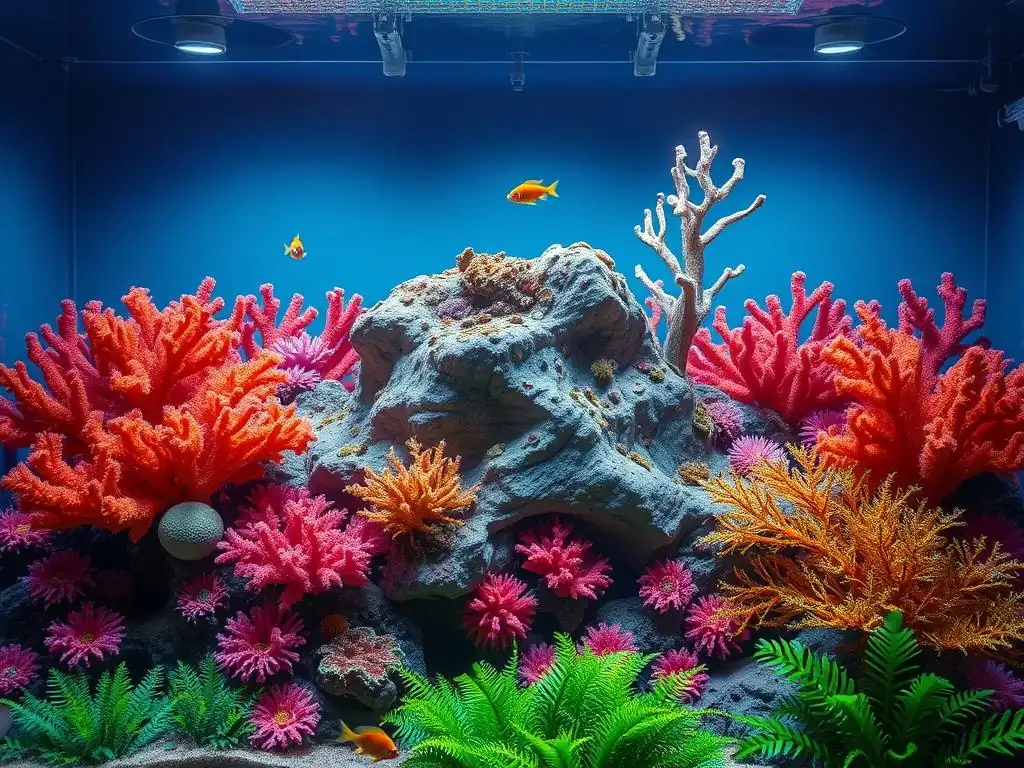
Welcome to Aquarium Mastery!
Ever dreamt of a vibrant, flowing reef dominated by the elegance of leather corals? Unsure where to start with the aquascaping? You're in the right place! Dive into our guide on Leather Coral Tank Aquascaping and discover how to create a stunning and thriving underwater landscape. Read on to unlock the secrets of a captivating leather coral display!
- Creating a Soft Coral Dominated Tank: Aquascaping Ideas for Reef Aquariums
- Introduction to Soft Coral Tanks: A Dynamic Aquascaping Approach
- Planning Your Soft Coral Tank Aquascape: Essential Steps
- Soft Coral Tank Aquascaping Ideas: Design and Layout
- Rockwork and Substrate for Soft Coral Dominance
- Placement Strategies for Optimal Soft Coral Growth
- Maintaining Your Soft Coral Aquascape: Long-Term Success
- Soft Coral Fragging and Propagation within Your Aquascape
- Showcasing Your Soft Coral Reef: Photography and Documentation
- Conclusion: Mastering the Art of Soft Coral Tank Aquascaping
-
Frequently Asked Questions
- What are the key considerations when aquascaping a leather coral tank?
- How much water flow do leather corals typically need in an aquarium?
- What type of lighting is best suited for a leather coral dominated tank?
- How can I prevent chemical warfare between leather corals and other corals in the tank?
- What are some beginner-friendly leather coral species to consider for a new aquascape?
- Final Reflection: Embracing the Fluidity of the Reef
- Ignite Your Reef: Design Your Dream Leather Coralscape Now!
Creating a Soft Coral Dominated Tank: Aquascaping Ideas for Reef Aquariums
Introduction to Soft Coral Tanks: A Dynamic Aquascaping Approach
Understanding the Appeal of Soft Coral Aquariums
Soft coral aquariums offer a unique blend of vibrant color, graceful movement, and relative ease of care, making them incredibly appealing to both novice and experienced aquarists. Unlike their rigid SPS and LPS counterparts, soft corals, such as the popular leather corals, sway and pulse with the water flow, creating a dynamic, ever-changing seascape.
This constant motion, combined with their often striking textures and diverse forms—from the smooth, leathery folds of a toadstool leather to the delicate polyps of a tree coral—provides a captivating visual experience that many find more natural and less static than a hard coral dominated tank.
The aesthetic of a soft coral aquascape is often described as fluid and organic, with corals that grow into natural, flowing shapes rather than rigid structures. This allows for more creative freedom in rockwork and placement, as the corals themselves contribute significantly to the overall topography and visual interest. For instance, a large Sarcophyton (toadstool leather) can become a central focal point, its cap expanding to provide shade and shelter for smaller inhabitants, while a colony of pulsing Xenia adds a mesmerizing, rhythmic element to the display.
Why Choose Soft Corals for Your Reef Tank?
Choosing soft corals for your reef tank, particularly for a leather coral tank aquascaping project, comes with several distinct advantages. One primary reason is their remarkable resilience and adaptability. Soft corals generally tolerate a wider range of water parameters compared to many SPS or LPS corals, making them more forgiving for those still mastering water chemistry. For example, while SPS corals demand very stable alkalinity (e.g., 8.0-8.5 dKH) and calcium (e.g., 420-450 ppm), many soft corals can thrive with slightly more fluctuation, often performing well with alkalinity levels between 7-11 dKH and calcium around 380-450 ppm.
Furthermore, soft corals often have lower lighting and water flow requirements, which can simplify equipment selection and reduce initial setup costs. Many species, including various leather corals ( Sarcophyton, Sinularia, Lobophytum), thrive under moderate PAR levels, typically ranging from 50 to 150 PAR, making them suitable for tanks with less intense lighting. Their growth rates can also be quite impressive, with some species like Capnella (Kenya Tree) or Cladiella (Colt Coral) growing several inches per month under optimal conditions, quickly filling out a soft coral aquascape and providing a lush, mature appearance in a relatively short timeframe.
Key Considerations Before Starting Your Soft Coral Aquascape
Before embarking on your soft coral aquascape, careful planning is paramount to ensure long-term success and a visually stunning display. The initial phase involves understanding the specific needs and growth patterns of the soft corals you intend to keep, especially for a dedicated leather coral tank aquascaping. For instance, a large Sarcophyton toadstool leather can grow to over 12 inches in diameter, requiring significant open space, while a Sinularia leather may branch outwards, needing clearance from other corals. Neglecting these growth patterns can lead to overcrowding, shading, and even chemical warfare as corals compete for space and resources.
Another critical consideration is the tank's size and overall design. While soft corals are generally less demanding, a stable environment is still key. A tank of at least 40 gallons is often recommended for a diverse soft coral aquascape, providing ample water volume for stability and space for coral growth.
Planning your rockwork layout from the outset is also crucial. Consider creating distinct zones for different flow and light requirements, ensuring adequate space for future coral expansion. This forward-thinking approach will prevent the need for disruptive rearrangements later and contribute significantly to the harmony and health of your soft coral reef.
Planning Your Soft Coral Tank Aquascape: Essential Steps
Determining Your Soft Coral Species Selection and Compatibility
The success of your soft coral aquascape hinges significantly on the thoughtful selection and compatibility of the species you introduce. While many soft corals are generally peaceful, some can exhibit allelopathic tendencies, releasing chemicals (terpenes) into the water to inhibit the growth of competitors. Examples include certain Sarcophyton (leather corals) and Sinularia species.
Therefore, it's wise to research the specific growth habits and potential chemical output of each coral. A common strategy for a leather coral tank aquascaping project is to primarily focus on leather corals, then introduce other soft corals like various mushrooms ( Discosoma, Rhodactis), zoanthids, or pulsing Xenia in areas with good water movement and sufficient spacing, ideally a minimum of 4-6 inches between different coral types, especially if they are known to be aggressive.
Beyond chemical compatibility, consider the physical space requirements and growth rates. Some soft corals, such as Capnella (Kenya Tree Coral), grow exceptionally fast, potentially shading out slower-growing neighbors or quickly filling available real estate. Others, like many Lobophytum (devil's hand leather), grow more slowly but can attain considerable size. Planning for these growth patterns by providing ample initial spacing—for example, allocating a 10-12 inch diameter zone for a mature toadstool leather ( Sarcophyton)—will prevent overcrowding and ensure each coral has room to flourish, contributing to a balanced and aesthetically pleasing soft coral aquascape.
Understanding Soft Coral Growth Habits and Space Requirements
A deep understanding of soft coral growth habits is perhaps the most critical aspect of successful soft coral tank aquascaping. Unlike hard corals that grow by calcification, soft corals typically expand by increasing their tissue mass, often forming large, flowing colonies.
For instance, a small Sarcophyton leather coral frag, initially the size of a golf ball, can expand to a dinner plate size (6-8 inches in diameter) within 12-18 months under optimal conditions. Other soft corals, like Sinularia species, often develop into intricate, branching structures that can easily span 8-10 inches across, while pulsing Xenia can colonize rockwork rapidly, sometimes doubling its colony size in just a few weeks.
This rapid and often expansive growth necessitates strategic placement from the outset. When planning your leather coral tank aquascaping, visualize the mature size of each coral and allocate space accordingly, ensuring they won't overshadow or physically touch neighboring corals. Overcrowding not only hinders growth but also exacerbates chemical warfare.
Consider creating "islands" of rockwork or distinct zones for different coral types. For example, fast-growing Xenia might be placed on an isolated rock to prevent it from overrunning slower-growing leathers or mushrooms. Proper spacing, often requiring 6-12 inches of clearance for larger soft corals, allows for optimal water flow around each colony, promoting health and preventing the buildup of detritus.
Essential Equipment for a Thriving Soft Coral Reef Tank
While soft corals are generally more forgiving than hard corals, providing the right equipment is crucial for their long-term health and vibrant appearance in your soft coral aquascape. Lighting is a primary concern; most soft corals thrive under moderate PAR (Photosynthetically Active Radiation) levels, typically ranging from 50 to 150 PAR. Modern LED fixtures, such as those from reputable brands like Kessil or EcoTech Marine, are excellent choices as they offer adjustable spectrums and intensity, allowing you to fine-tune conditions for specific soft coral species, enhancing their natural coloration and growth in your leather coral tank aquascaping.
Water movement is another vital component. Soft corals benefit from moderate, turbulent, and varied flow patterns that prevent detritus from settling on their surfaces and help them shed their protective waxy cuticle. A good starting point is 10-20 times the tank's volume per hour in total flow.
For a 75-gallon tank, this means 750-1500 GPH. Multiple powerheads, such as two Hydor Koralia 850 GPH pumps in a 75-gallon setup, positioned to create opposing or oscillating flow, are often more effective than a single high-flow pump. Lastly, robust filtration is essential, including a protein skimmer to remove organic waste and regular use of activated carbon (e.g., replacing 1 cup of high-grade carbon every 2-4 weeks for a 75-gallon tank) to absorb allelopathic chemicals released by soft corals, maintaining water clarity and preventing chemical warfare within your soft coral aquascape.
Soft Coral Tank Aquascaping Ideas: Design and Layout
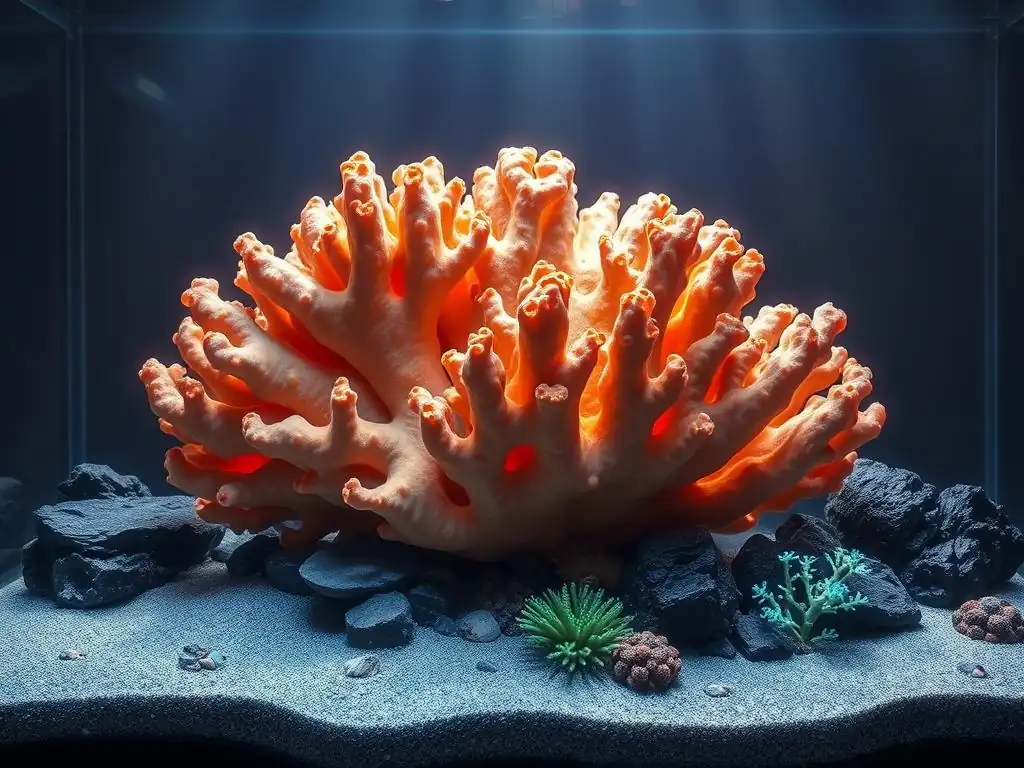
The "Pillar Reef" Aquascape: Emphasizing Vertical Growth
The "Pillar Reef" aquascape is an excellent design choice for a soft coral dominated tank, particularly when aiming for a dramatic, vertical display. This style involves creating tall, narrow rock structures that extend significantly upwards within the tank, resembling natural coral pillars or bommies.
By building upwards, you maximize the vertical water column, providing ample surface area for attaching soft corals that benefit from elevated placement and varied flow. This design is particularly effective for cascading soft corals like Sarcophyton elegans (long-polyp leather corals) or Briareum (green star polyps) that can drape beautifully over the rockwork, creating a lush, flowing effect.
To execute a successful Pillar Reef, focus on stability by securely stacking live rock or using reef-safe epoxy to create robust, interconnected structures. Ensure there are plenty of ledges and crevices for coral attachment. For instance, in a 60-gallon cube tank (24x24x24 inches), you might build two or three distinct pillars, each reaching within 6-8 inches of the water surface.
Place larger, more robust leather corals ( Sarcophyton, Lobophytum) on the upper, higher-flow sections of the pillars, while smaller, more delicate soft corals or mushrooms can be tucked into lower, more shaded areas. This vertical emphasis not only adds depth but also allows for efficient use of space, showcasing the natural growth forms of various soft corals in your leather coral tank aquascaping.
The "Lagoon" Aquascape: A Relaxed and Flowing Design
The "Lagoon" aquascape offers a more open, relaxed, and flowing design, ideal for showcasing larger, solitary soft corals and creating expansive sand flats. This style typically features lower, more dispersed rockwork, often concentrated around the back or sides of the tank, leaving a significant open area of substrate in the foreground.
The emphasis is on gentle slopes and natural-looking formations that mimic shallow reef areas or calm lagoons. This design provides ample space for large, mature soft corals like a grand Sarcophyton toadstool leather, which can spread its cap widely (e.g., 10-15 inches in diameter), becoming a magnificent centerpiece without being constrained by dense rockwork.
In a Lagoon aquascape, the open sand bed becomes an integral part of the soft coral aquascape, suitable for placing sand-dwelling soft corals such as various mushroom polyps ( Discosoma, Ricordea) or even some types of gorgonians that prefer lower flow. You can strategically place small, isolated rocks in the sand to act as anchor points for these corals, creating "islands" of color and texture.
The lower, more spread-out rockwork also allows for gentler water flow patterns, which can be beneficial for soft corals that prefer less turbulent conditions, allowing them to sway gracefully and display their full polyp extension. This design promotes a sense of tranquility and emphasizes the natural, organic beauty of a soft coral reef.
The "Mixed Reef" Aquascape: Combining Soft Corals with LPS Corals
A "Mixed Reef" aquascape, combining soft corals with LPS (Large Polyp Stony) corals, can create a visually diverse and captivating display, but it requires careful planning to mitigate potential chemical warfare and physical stinging. While soft corals are generally less aggressive than SPS or LPS, some, like certain Sarcophyton or Sinularia species, can release terpenes that inhibit the growth of other corals.
LPS corals, on the other hand, possess powerful stinging tentacles that can extend significantly, especially at night. For instance, a Euphyllia (e.g., Hammer or Torch coral) can extend its tentacles 4-6 inches, potentially stinging a nearby leather coral.
To successfully combine these two coral types in your soft coral aquascape, ample spacing is non-negotiable. A minimum of 6-12 inches of clearance between soft corals and any LPS coral is often recommended, depending on the LPS species' aggression and tentacle extension.
Strategic placement is key: aggressive LPS corals should be positioned where their sweepers cannot reach soft corals, perhaps on isolated rock islands or at the very top of the aquascape. Crucially, maintaining excellent water quality with robust filtration, including consistent use of high-quality activated carbon (e.g., replacing 1 cup per 50 gallons every 3-4 weeks), is vital to absorb allelopathic chemicals released by soft corals, minimizing their impact on LPS corals and ensuring a harmonious mixed reef environment.
Utilizing Color Contrast for Visual Impact
One of the most effective strategies in soft coral tank aquascaping is the deliberate use of color contrast to create visual impact and highlight individual specimens. While soft corals might not possess the extreme fluorescent hues of some SPS corals, they offer a rich palette of greens, browns, yellows, and even some reds and purples.
By strategically placing corals with complementary or contrasting colors next to each other, you can make each one pop and enhance the overall vibrancy of your soft coral aquascape. For example, a bright green Sarcophyton (toadstool leather) positioned adjacent to a deep red Rhodactis mushroom can create a striking visual dynamic that immediately draws the eye.
Consider the interplay of textures and forms as well. A smooth, leathery Lobophytum (devil's hand leather) placed near a colony of fuzzy, pulsing Xenia provides both color and textural contrast, adding depth and interest. Similarly, a vibrant yellow Cladiella (Colt Coral) can stand out beautifully against a darker, more muted background of brown Sinularia branching corals.
Don't shy away from incorporating different shades of the same color, such as various green leather corals ranging from lime to olive, to create subtle variations that add sophistication. The thoughtful arrangement of these natural elements transforms your tank from a collection of corals into a cohesive and captivating underwater artwork.
Rockwork and Substrate for Soft Coral Dominance
Choosing Porous Rockwork for Optimal Soft Coral Attachment
The foundation of any successful soft coral aquascape, particularly a leather coral tank aquascaping project, lies in the quality and structure of your rockwork. Choosing porous rockwork is paramount for optimal soft coral attachment and overall system health. Live rock or high-quality dry rock (such as aquacultured aragonite rock) provides an extensive surface area internally and externally, which is essential for the colonization of beneficial nitrifying and denitrifying bacteria. This natural biological filtration is crucial for maintaining stable water parameters, especially managing nitrates and phosphates, which directly impact soft coral health and coloration.
Soft corals, unlike many LPS or SPS corals, do not grow directly onto the rock via calcification but rather attach their base (foot) to the surface. Porous, irregular rock surfaces with numerous crevices and textured areas offer ideal attachment points. For example, a Sarcophyton leather coral or a Sinularia will readily anchor itself to a rough patch of rock within a few days to weeks.
Conversely, smooth, dense rocks can make initial attachment difficult, potentially causing the coral to detach and tumble. When selecting rock, aim for pieces with natural nooks and crannies, and ensure they are stable and securely stacked to prevent accidental collapses that could damage your delicate soft coral aquascape.
Creating Caves and Overhangs for Visual Diversity
Incorporating caves and overhangs into your soft coral aquascape is a highly effective way to enhance visual diversity, add depth, and create varied micro-environments within the tank. These architectural features break up the linearity of flat rock walls, inviting the viewer's eye to explore the hidden spaces and varying light conditions.
Caves, formed by stacking rocks to create enclosed or semi-enclosed spaces, provide shaded areas that are ideal for certain light-sensitive soft corals, such as some gorgonians or specific mushroom species that prefer lower PAR levels (e.g., 30-70 PAR). They also offer sheltered retreats for fish and invertebrates, contributing to a more natural and active ecosystem.
Overhangs, where rockwork extends outwards creating a ceiling-like structure, serve a similar purpose while also adding a dramatic element to your soft coral aquascape. These areas often experience reduced direct light and altered flow patterns, allowing for the placement of corals that might not thrive in direct, intense conditions.
For instance, a small colony of Discosoma mushrooms might flourish on the underside of an overhang, displaying richer colors due to the lower light. When designing these features for your leather coral tank aquascaping, ensure they are structurally sound and do not impede water circulation excessively, as stagnant areas can lead to detritus accumulation and poor coral health.
Substrate Selection and its Impact on Water Chemistry
The choice of substrate plays a significant role in both the aesthetics and the underlying water chemistry of your soft coral aquascape. Aragonite sand, derived from fossilized coral and shells, is the most common and recommended substrate for reef tanks due to its ability to help buffer alkalinity and calcium levels.
A layer of 1 to 3 inches of live aragonite sand, with a grain size typically ranging from 0.5mm to 2mm, is often ideal. This depth allows for the establishment of beneficial anaerobic bacteria within the deeper layers, which contribute to denitrification and further assist in maintaining stable water parameters crucial for soft coral health.
While a deep sand bed (DSB) of 4 inches or more can provide enhanced denitrification, it requires careful maintenance to prevent the buildup of hydrogen sulfide and anaerobic zones that can be detrimental. For most soft coral aquascapes, a shallower bed is sufficient and easier to manage.
The grain size also impacts water flow and detritus accumulation; finer sands (e.g., 0.5-1mm) can be easily stirred by strong powerheads, potentially irritating soft corals or clouding the water, while coarser sands (e.g., 2-4mm) might trap more detritus. For a vibrant leather coral tank aquascaping, selecting a substrate that complements your planned water flow and allows for easy cleaning is key to long-term success and a pristine appearance.
Placement Strategies for Optimal Soft Coral Growth
Providing Varied Water Flow for Different Soft Coral Species
Optimal water flow is a cornerstone of a thriving soft coral aquascape, and understanding the varied needs of different species is critical for strategic placement. Most soft corals, including the majority of leather corals ( Sarcophyton, Sinularia), prefer moderate to strong, turbulent, and indirect water flow.
This type of flow helps them shed their waxy cuticle (a natural process for soft corals to remove accumulated waste and algae), delivers nutrients, and prevents detritus from settling on their surfaces. For example, a large toadstool leather will benefit significantly from having a powerhead positioned to create a swirling, indirect current around its cap, helping it stay clean and extend fully.
Conversely, some soft corals, such as certain mushroom polyps ( Discosoma, Rhodactis) and zoanthids, prefer lower flow areas. Too much direct, laminar flow can cause them to retract, remain closed, or even detach from their substrate. Therefore, when designing your soft coral aquascape, strategically place powerheads to create zones of varying flow.
Aim for an overall tank turnover of 10-20 times the tank volume per hour, but use multiple, adjustable pumps to create a chaotic, non-directional flow pattern. Placing robust leather corals in higher flow zones (e.g., near the top of rockwork) and delicate mushrooms in lower flow areas (e.g., in crevices or on the sand bed) ensures each coral receives its preferred conditions, maximizing their growth and coloration in your leather coral tank aquascaping.
Lighting Considerations for Soft Coral Coloration and Health
Lighting is a fundamental factor influencing the health, growth, and coloration of soft corals in your aquascape. While generally less demanding than SPS corals, soft corals still rely heavily on light for photosynthesis, primarily through their symbiotic zooxanthellae algae.
Most soft corals thrive under moderate PAR levels, typically ranging from 50 PAR at the sand bed to 150 PAR at the top of the aquascape. Providing the correct light spectrum is also crucial; a spectrum rich in blues (450-470nm) enhances the natural fluorescence and vibrant coloration of many soft corals, while a balanced white light provides overall illumination and promotes healthy growth.
When setting up your soft coral aquascape, particularly for a leather coral tank aquascaping project, consider the specific light requirements of each coral species. For instance, a Sarcophyton leather coral will appreciate being placed in a medium to high light zone (e.g., 100-150 PAR), whereas some Ricordea mushrooms might prefer slightly lower light (e.g., 70-100 PAR).
Acclimation is key for new corals; gradually increase light intensity over several weeks to prevent bleaching or shock. Modern LED fixtures with programmable dimming and spectrum control allow for precise customization, enabling you to create an optimal lighting environment that brings out the best in every soft coral in your tank.
Preventing Soft Coral Chemical Warfare: Placement and Carbon Filtration
One of the most important, yet often overlooked, aspects of maintaining a thriving soft coral aquascape is preventing chemical warfare, also known as allelopathy. Many soft corals, particularly certain species of leather corals ( Sarcophyton, Sinularia, Lobophytum), release chemical compounds (terpenes) into the water column.
These chemicals are a natural defense mechanism, designed to inhibit the growth of competing corals by slowing their calcification or even causing tissue necrosis. While this is a natural process, in the confines of a reef tank, these chemicals can accumulate and negatively impact the health and growth of other corals, even other soft corals, if not properly managed.
Strategic placement is the first line of defense. Ensure ample space between different soft coral colonies, especially between known chemical producers. A minimum of 4-6 inches of clearance is often recommended, and more for larger, mature leather corals. However, the most effective mitigation strategy is the consistent use of high-quality activated carbon.
Activated carbon effectively absorbs these harmful organic compounds from the water column. For a soft coral dominated tank, it is highly recommended to run activated carbon passively in a media bag or actively in a media reactor, replacing it regularly—typically 1 cup per 50 gallons of tank water every 2-4 weeks—to maintain its efficacy. Regular water changes (10-20% bi-weekly) also help dilute these chemicals, contributing to a healthy and harmonious leather coral tank aquascaping environment.
Maintaining Your Soft Coral Aquascape: Long-Term Success
Regular Water Testing and Parameter Adjustments
Consistent and accurate water testing is the backbone of long-term success for any soft coral aquascape. While soft corals are generally more forgiving than SPS, stable water parameters are still crucial for their vibrant health and growth. Key parameters to monitor regularly include:
- Salinity: Maintain a specific gravity of 1.025-1.026. Daily checks with a refractometer or swing arm hydrometer are recommended.
- Temperature: Keep stable between 75-78°F. Fluctuations greater than 2°F in 24 hours can stress corals.
- Alkalinity (dKH): Aim for 8-10 dKH. Test weekly. This parameter is vital for buffering pH and is consumed by corals.
- Calcium (ppm): Maintain 400-450 ppm. Test bi-weekly. While soft corals don't build skeletons, they do utilize calcium for various biological processes.
- Magnesium (ppm): Keep between 1250-1350 ppm. Test monthly. Magnesium helps maintain alkalinity and calcium solubility.
- Nitrates and Phosphates (ppm): Keep low, ideally below 10 ppm for nitrates and below 0.03 ppm for phosphates. Test weekly. High levels can lead to nuisance algae and inhibit coral growth.
Based on your test results, make small, gradual adjustments. For instance, if alkalinity consistently drops, consider dosing a two-part solution or kalkwasser slowly to bring it back into range. Consistency in these parameters is far more important than hitting exact target numbers, as rapid swings can be detrimental to your soft coral aquascape.
Proper Feeding and Supplementation for Soft Corals
While many soft corals, including most leather corals, are primarily photosynthetic and derive a significant portion of their energy from their symbiotic zooxanthellae, supplemental feeding and targeted supplementation can significantly enhance their health, growth, and coloration in your soft coral aquascape. Many soft corals are facultative filter feeders, capable of consuming small particulate matter from the water column. Regularly feeding phytoplankton (e.g., Nannochloropsis, Tetraselmis) or liquid coral foods designed for soft corals (e.g., Brightwell Aquatics CoralAmino, Reef Roids in diluted form) 2-3 times per week can provide essential nutrients not solely met by light.
Beyond direct feeding, certain trace elements and compounds are beneficial. Iodine is particularly important for soft corals, especially leather corals, as it plays a role in their shedding process (cuticle shedding). Dosing iodine (e.g., 0.06 ppm weekly for a 75-gallon tank) as part of a comprehensive trace element supplement regimen can promote healthy shedding and overall vitality.
Other trace elements like strontium, potassium, and various vitamins are also utilized by soft corals. While these are often replenished through regular water changes, a high-quality all-in-one trace element solution can ensure optimal levels, contributing to the lushness and resilience of your leather coral tank aquascaping.
Addressing Common Soft Coral Problems: Algae Control and Pests
Even in a well-maintained soft coral aquascape, you may encounter common problems like nuisance algae or, less frequently, pests. Nuisance algae (e.g., diatoms, green hair algae, cyanobacteria) are typically indicative of elevated nutrients (nitrates and phosphates) or imbalances in the tank.
To combat this, ensure you are using RO/DI water with a TDS (Total Dissolved Solids) of 0, perform regular weekly or bi-weekly water changes (10-20% of tank volume), and avoid overfeeding. A robust cleanup crew, including snails (e.g., Astrea, Nassarius) and hermit crabs, can also help graze on algae, while a protein skimmer and activated carbon will remove organic waste contributing to nutrient buildup.
Pests are less common with soft corals compared to SPS/LPS, but vigilance is still necessary. The most common soft coral pests are certain types of nudibranchs (e.g., Phyllodesmium species) that specifically prey on soft corals like Xenia or Cladiella. Inspect any new coral additions thoroughly for hitchhikers, and consider dipping new corals in a reef-safe iodine or commercially available coral dip solution (e.g., Revive, CoralRx) for 5-10 minutes prior to introduction.
If you spot a pest, manual removal is often the first step. Maintaining pristine water quality and a balanced ecosystem will generally keep your soft coral aquascape resilient to most common issues, allowing your leather coral tank aquascaping to flourish.
Soft Coral Fragging and Propagation within Your Aquascape
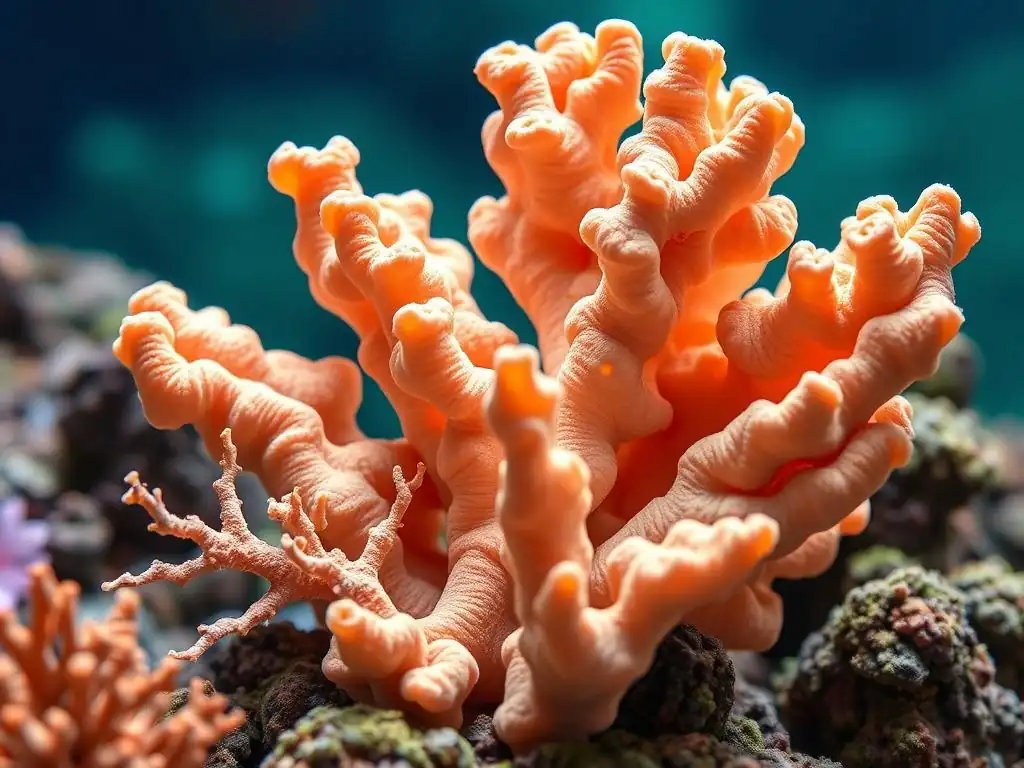
Fragging Soft Corals: Methods and Best Practices
Fragging soft corals is an excellent way to propagate your colonies, share with other hobbyists, or manage growth within your soft coral aquascape. The methods vary depending on the coral type, but generally involve clean, precise cuts. For leather corals like Sarcophyton (toadstool leathers) or Sinularia, a common technique is to use a clean, sharp razor blade or surgical scalpel to cut a small piece from the cap or a branch.
Aim for a piece that is at least 1-2 inches in size to ensure it has enough tissue to survive. For mushroom polyps ( Discosoma, Rhodactis), you can often cut a piece of the foot or the disc, ensuring a portion of the mouth is included, or simply let them naturally bud off.
Regardless of the method, always ensure your tools are sterilized (e.g., with rubbing alcohol or a bleach solution, then thoroughly rinsed) to prevent the spread of diseases. Perform fragging outside the main display tank in a separate container of tank water to minimize the release of coral slime and potential allelopathic compounds into your main soft coral aquascape.
After cutting, the frags should be allowed to heal for a few minutes in the temporary container before being attached. This process, when done correctly, causes minimal stress to the mother colony and allows for the sustainable expansion of your leather coral tank aquascaping.
Attaching Soft Coral Frags to Rockwork or Plugs
Once a soft coral frag has been cut, the next crucial step is securely attaching it to a frag plug or directly to the rockwork within your soft coral aquascape. The most common and effective method for soft corals is using cyanoacrylate gel super glue, which is reef-safe.
Apply a generous bead of glue to the base of the frag or the frag plug, then firmly press the frag onto the desired surface (rock or plug) for 10-20 seconds. Ensure the frag is placed in an area with good, but not overly turbulent, water flow to allow the glue to set without the frag being dislodged.
For larger or more challenging soft coral frags, especially those from a leather coral tank aquascaping project that might have a waxy coating, alternative methods can be employed. Rubber bands can be gently used to secure a frag to a small piece of rubble rock or a frag plug, allowing it to naturally attach over several days to weeks. Once the coral has firmly adhered, the rubber band can be carefully removed.
Some hobbyists also use plastic mesh or netting, secured with a small rock, to hold a frag in place until it attaches. Patience is key; it can take anywhere from a few days to several weeks for a soft coral frag to fully encrust and establish itself.
Maintaining Water Quality During Soft Coral Fragging
Maintaining excellent water quality is paramount during and immediately after soft coral fragging, as the process can release various substances into the water column that might negatively impact the soft coral aquascape. When a soft coral is cut, it often releases a significant amount of slime, which contains cellular debris and, in the case of allelopathic species like many leather corals, defensive chemical compounds (terpenes). If fragging is done directly in the display tank, these substances can quickly accumulate, leading to water cloudiness, increased organic load, and potential stress to other corals.
Therefore, it is highly recommended to perform all fragging procedures in a separate container filled with water from your main display tank. This isolates the release of slime and chemicals. After fragging, regardless of where it was done, it is a good practice to perform a small water change (e.g., 5-10% of tank volume) within 24 hours.
Crucially, ensure your filtration system is robust, particularly your activated carbon. Running fresh, high-quality activated carbon (e.g., 1 cup per 50 gallons) in a media reactor or filter sock for a few days post-fragging will effectively absorb any released toxins and help maintain crystal-clear water, safeguarding the health of your entire leather coral tank aquascaping.
Showcasing Your Soft Coral Reef: Photography and Documentation
Tips for Capturing Stunning Photos of Your Soft Coral Tank
Capturing stunning photographs of your soft coral tank allows you to showcase the beauty and dynamic nature of your soft coral aquascape, and share your passion with others. One of the most important tips is to ensure your tank glass is impeccably clean, both inside and out, as smudges or algae will significantly detract from the image quality. Lighting is another critical element; photograph your tank when your lights are at their peak intensity, typically during the mid-day cycle.
Using a camera with manual white balance settings is highly recommended, as the strong blue light from reef tank LEDs can make photos appear overly blue without correction. Experiment with different white balance settings (e.g., 10,000K or custom settings) to achieve natural-looking colors.
For a sharp image, use a tripod to eliminate camera shake, especially in lower light conditions. Focus on individual corals to highlight their intricate textures and polyp extension, or step back to capture the entire soft coral aquascape, emphasizing the flow and design of your leather coral tank aquascaping.
If your camera has a polarizing filter attachment, use it to reduce glare and reflections from the glass, allowing for clearer shots of the corals. Patience is key; wait for the corals to be fully extended and for fish to be in a desirable position to capture the most compelling images of your thriving reef.
Documenting the Growth and Evolution of Your Aquascape
Documenting the growth and evolution of your soft coral aquascape is a rewarding practice that provides invaluable insights into the health and development of your reef. Regularly taking photos of your tank, ideally from the same angle and distance, allows you to create a visual timeline of your soft coral tank aquascaping journey.
For instance, taking a full tank shot every month or quarter will clearly illustrate the expansion of your leather corals, the spread of mushroom polyps, and the overall maturation of your aquascape. These consistent visual records can help you identify subtle changes in coral health or growth patterns that might otherwise go unnoticed.
Beyond photographs, maintaining a detailed logbook is highly beneficial. Record key information such as:
- Coral Additions: Date, species, source, and initial placement.
- Water Parameters: Weekly or bi-weekly readings of salinity, temperature, alkalinity, calcium, magnesium, nitrates, and phosphates.
- Maintenance: Dates of water changes, filter media replacements (e.g., activated carbon), and equipment cleaning.
- Observations: Notes on coral health, feeding responses, any signs of pests or algae outbreaks, and the effectiveness of your soft coral aquascape design.
This comprehensive documentation serves as a practical guide for troubleshooting issues, optimizing care routines, and celebrating the continuous progress of your soft coral reef.
Conclusion: Mastering the Art of Soft Coral Tank Aquascaping
Mastering the art of soft coral tank aquascaping is a journey that blends scientific understanding with creative vision, culminating in a vibrant and dynamic underwater masterpiece. From the initial planning stages, where thoughtful species selection and an understanding of soft coral growth habits are paramount, to the meticulous execution of rockwork and strategic coral placement, every decision contributes to the overall health and aesthetic appeal of your soft coral aquascape. Embracing design principles like vertical emphasis or open lagoon layouts, and leveraging color contrast, allows you to create a truly captivating display.
Long-term success hinges on consistent maintenance, including vigilant water parameter monitoring, appropriate feeding, and proactive problem-solving. Furthermore, the ability to frag and propagate your soft corals not only helps manage growth but also fosters a deeper connection to your living ecosystem. Ultimately, a well-executed leather coral tank aquascaping project is a testament to patience, dedication, and a profound appreciation for the natural beauty of soft corals, offering a continuously evolving and endlessly rewarding reefkeeping experience.
Frequently Asked Questions
What are the key considerations when aquascaping a leather coral tank?
When aquascaping, prioritize water flow, lighting, and coral placement. Ensure adequate space for growth and prevent chemical warfare with other corals.
How much water flow do leather corals typically need in an aquarium?
Leather corals generally prefer moderate to high water flow. This aids in shedding mucus, delivering nutrients, and preventing algae buildup.
What type of lighting is best suited for a leather coral dominated tank?
Generally, moderate lighting is appropriate for most leather corals. Evaluate specific needs of the species you plan to keep, as some may require higher or lower intensity.
How can I prevent chemical warfare between leather corals and other corals in the tank?
Employ a protein skimmer and use activated carbon to remove toxins. Ensure adequate water changes and appropriate spacing between different coral species.
What are some beginner-friendly leather coral species to consider for a new aquascape?
Consider Sarcophyton (Toadstool Leather), Sinularia (Finger Leather), and Cladiella (Colt Coral). These are generally hardy and adaptable to various tank conditions.
Final Reflection: Embracing the Fluidity of the Reef
The journey of crafting a leather coral dominated tank, as we've explored, is more than just arranging rocks and corals; it's about creating a thriving ecosystem. The principles of harmonious aquascaping discussed are not merely aesthetic choices, but fundamental to the health and longevity of the reef environment we aim to replicate. The success of a leather coral tank hinges on understanding the delicate balance between flow, light, and space, and how these elements contribute to the well-being of these fascinating invertebrates.
This journey into leather coral tank aquascaping has highlighted the profound connection between art and science in reef keeping. It's a reminder that our tanks are not static displays, but dynamic, evolving ecosystems that demand constant observation and adaptation. The sea, once it casts its spell, holds one in its net of wonder forever.
- Jacques Cousteau. This quote perfectly encapsulates the captivating nature of reef keeping and the endless possibilities for creativity and learning it offers.
Now, as you embark on your own leather coral tank adventure, remember that the most beautiful aquascapes are those that prioritize the health and happiness of their inhabitants. Let the principles of flow, light, and space guide your design, and allow your creativity to flourish. Embrace the challenges, celebrate the successes, and above all, cultivate a deep appreciation for the incredible beauty and resilience of the reef. Your journey to a thriving leather coral tank awaits!
Ignite Your Reef: Design Your Dream Leather Coralscape Now!
Thank you for diving into the fascinating world of leather coral aquascaping! We hope you've gained valuable insights into creating a stunning and thriving reef ecosystem. Ready to transform your tank?
Here are a few things you can do next:
- Start sketching! Visualize your dream leather coral arrangement and plan your aquascape based on flow and lighting considerations.
- Explore local reefing groups for inspiration and seek advice on compatible tank mates for your future leather coral inhabitants.
- Surprise yourself: Research unconventional aquascaping materials – beyond traditional live rock – to add a unique twist to your leather coral biotope.
What's the first unconventional material you're considering for your leather coral reef, and why?