
The Definitive Euphyllia Care Guide: Lighting, Flow & Placement Secrets

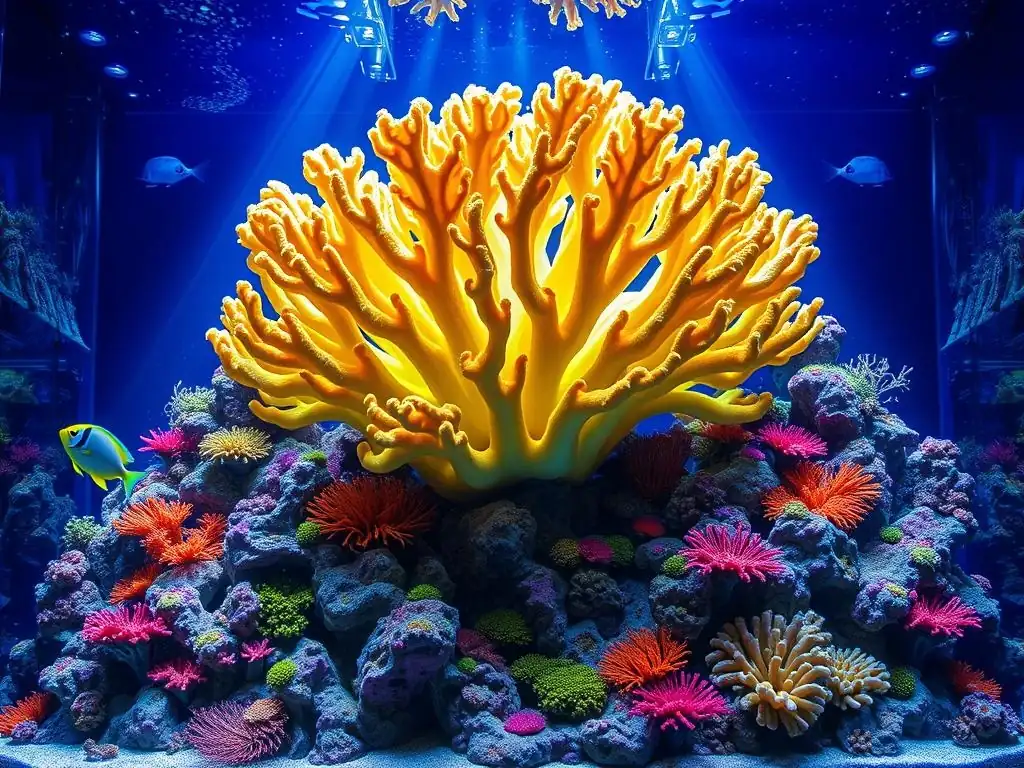
Welcome to Aquarium Mastery!
Ever wondered how to unlock the vibrant beauty of your Euphyllia coral? This guide dives deep into the secrets of lighting, flow, and placement to help your Euphyllia thrive. Prepare to discover the key factors that will transform your reef tank and witness your Euphyllia flourish like never before. Intrigued? Let's get started!
- Understanding Euphyllia Corals: An Introduction
- Optimizing Euphyllia Lighting for Growth and Color
- Mastering Water Flow for Thriving Euphyllia
- Strategic Euphyllia Placement in Your Reef Tank
- Essential Water Parameters for Euphyllia Health
- Feeding Your Euphyllia: Supplementing Their Diet
- Common Euphyllia Problems and Solutions
- Fragging Euphyllia: Propagating for Growth and Trade
- Choosing the Right Euphyllia for Your Reef Tank
- Advanced Euphyllia Care Techniques
- Conclusion: Mastering Euphyllia Care for a Vibrant Reef
-
Frequently Asked Questions
- What are the ideal lighting requirements for Euphyllia corals in a reef aquarium?
- What is the recommended water flow for maintaining healthy Euphyllia corals?
- How should I place my Euphyllia coral in my aquarium to ensure its long-term health?
- What are some common signs of stress in Euphyllia corals, and how can I address them?
- What water parameters are most important to monitor for successful Euphyllia care?
- Final Reflection: Illuminating the Path to Euphyllia Flourishing
- Ignite Your Coral's Radiance: Dive Deeper Now!
Understanding Euphyllia Corals: An Introduction
What are Euphyllia Corals? A Beginner's Guide
Euphyllia corals, often referred to as LPS (Large Polyp Stony) corals, are a highly sought-after group in the reef aquarium hobby due to their vibrant colors and mesmerizing, flowing polyps. These corals are characterized by their large, fleshy polyps that extend from a calcified skeleton, creating a dynamic and visually appealing addition to any reef tank. They are known for their photosynthetic capabilities, hosting zooxanthellae algae within their tissues, which provide a significant portion of their nutritional needs.
Originating primarily from the Indo-Pacific region, Euphyllia species thrive in diverse reef environments, often found in sheltered areas with moderate water movement. Their popularity stems not only from their aesthetic appeal but also from their relatively robust nature compared to some other coral types, making them a good choice for intermediate aquarists looking to expand their coral collection. Understanding their basic biology and environmental preferences is the first step towards successful Euphyllia lighting, flow, and placement.
Popular Euphyllia Species: Torch, Hammer, Frogspawn & Octospawn
Among the various Euphyllia species, Torch (Euphyllia glabrescens), Hammer (Euphyllia ancora), Frogspawn (Euphyllia paradivisa), and Octospawn (Euphyllia cristata) are the most common and beloved by aquarists. Each species possesses distinct polyp shapes and growth patterns, offering a wide array of visual textures for a reef aquascape. Torch corals are recognized by their long, single-tipped tentacles that sway gracefully, while Hammer corals feature hammer-shaped or T-shaped tips.
Frogspawn corals display multiple rounded tips on each polyp, resembling frog eggs, hence their name. Octospawn corals, a less common but equally captivating variant, have polyps with eight distinct tips. While their aesthetic differences are clear, their fundamental care requirements regarding Euphyllia lighting, water flow, and strategic placement are largely similar, allowing aquarists to mix and match these species in a single display if ample space is provided.
Euphyllia Care Difficulty: Is it Right for Your Reef Tank?
Euphyllia corals are generally considered to be of moderate difficulty to care for, making them suitable for aquarists who have some experience with maintaining stable reef tank parameters. They are more forgiving than delicate SPS (Small Polyp Stony) corals but still require consistent water quality, appropriate Euphyllia lighting, and specific water flow conditions to thrive. Beginners with a well-established and stable reef tank can certainly succeed with Euphyllia, provided they commit to diligent monitoring and maintenance.
Key factors that contribute to their care difficulty include their susceptibility to certain diseases like Brown Jelly Disease (BJD) and their aggressive sweeper tentacles, which necessitate careful Euphyllia placement. A mature tank, typically six months or older, with stable parameters and a good understanding of coral husbandry, will offer the best environment for these beautiful LPS corals to flourish. Proper Euphyllia lighting flow placement is paramount to their long-term health and vibrant coloration.
Optimizing Euphyllia Lighting for Growth and Color
The Importance of Proper Lighting for Euphyllia Health
Proper Euphyllia lighting is one of the most critical factors influencing the health, growth, and coloration of these photosynthetic corals. Like most stony corals, Euphyllia species host symbiotic zooxanthellae algae that convert light energy into food for the coral. Insufficient light can lead to fading colors, slow growth, and eventual recession, as the coral cannot produce enough energy. Conversely, excessive or incorrect light can cause bleaching, where the coral expels its zooxanthellae, leading to a loss of color and, if not addressed, death.
The spectrum and intensity of light directly impact the photosynthetic efficiency of the zooxanthellae. A balanced spectrum, often leaning towards the blue end, is crucial for promoting vibrant coloration and robust growth. Monitoring the light intensity, typically measured in PAR (Photosynthetically Active Radiation), and understanding the specific needs of your Euphyllia species is vital for preventing stress and ensuring optimal health in your reef aquarium setup.
PAR Levels for Euphyllia: What's Ideal?
For most Euphyllia species, a PAR (Photosynthetically Active Radiation) range of 50 to 150 is generally considered ideal for robust growth and vibrant coloration. Corals placed towards the lower end of this range, such as 50-80 PAR, might exhibit less intense coloration but can still thrive, particularly if they are newly introduced or are accustomed to lower light. More established colonies or those specifically exhibiting intense coloration often benefit from PAR levels in the 100-150 range.
It is important to note that these are general guidelines, and individual corals may respond differently based on their specific genetic lineage and prior acclimation. For instance, a Euphyllia previously grown under 200 PAR in a frag tank might bleach if suddenly moved to a 50 PAR spot without proper acclimation. Always use a PAR meter to accurately measure light intensity at different depths and locations in your tank, ensuring precise Euphyllia lighting conditions.
Best Lighting Types for Euphyllia: LEDs, T5s, and Metal Halides
Modern reef aquariums primarily utilize three main types of lighting for Euphyllia: LEDs (Light Emitting Diodes), T5 fluorescent bulbs, and Metal Halides. Each type offers distinct advantages and disadvantages regarding cost, efficiency, spectrum control, and longevity. LEDs are highly popular due to their energy efficiency, controllability of spectrum and intensity, and the ability to create shimmering effects, mimicking natural sunlight. Many high-end LED fixtures allow users to program daily light cycles and adjust individual color channels, providing precise Euphyllia lighting.
T5 fluorescent bulbs, often used in conjunction with LEDs or as a standalone fixture, are known for their broad, even light spread and excellent color rendition. They are a reliable choice for achieving consistent PAR levels across a wider area, reducing shadowing. Metal Halides, while less common now due to their heat output and higher energy consumption, provide incredibly intense light and excellent penetration, often preferred by advanced hobbyists for very deep tanks or demanding SPS corals, but can also be used effectively for Euphyllia if managed correctly to prevent overheating and excessive PAR.
Acclimation to Lighting: Preventing Bleaching and Stress
Acclimating new Euphyllia corals to your tank's lighting is a critical step to prevent bleaching and stress, especially if the coral is coming from a tank with significantly different light intensity. Bleaching occurs when the coral expels its symbiotic zooxanthellae due to environmental stress, often from too much light too quickly. A common strategy involves starting the new coral in a lower light area of your tank, perhaps on the sand bed or in a shaded spot, where PAR levels are considerably reduced.
Over a period of several weeks, gradually move the coral higher up or to a brighter spot until it reaches its desired permanent Euphyllia lighting placement. This slow acclimation allows the zooxanthellae to adjust to the new light conditions. Observing the coral for signs of stress, such as paling, tissue recession, or retracted polyps, is essential during this period. If signs of stress appear, move the coral back to a lower light area and slow down the acclimation process.
Mastering Water Flow for Thriving Euphyllia
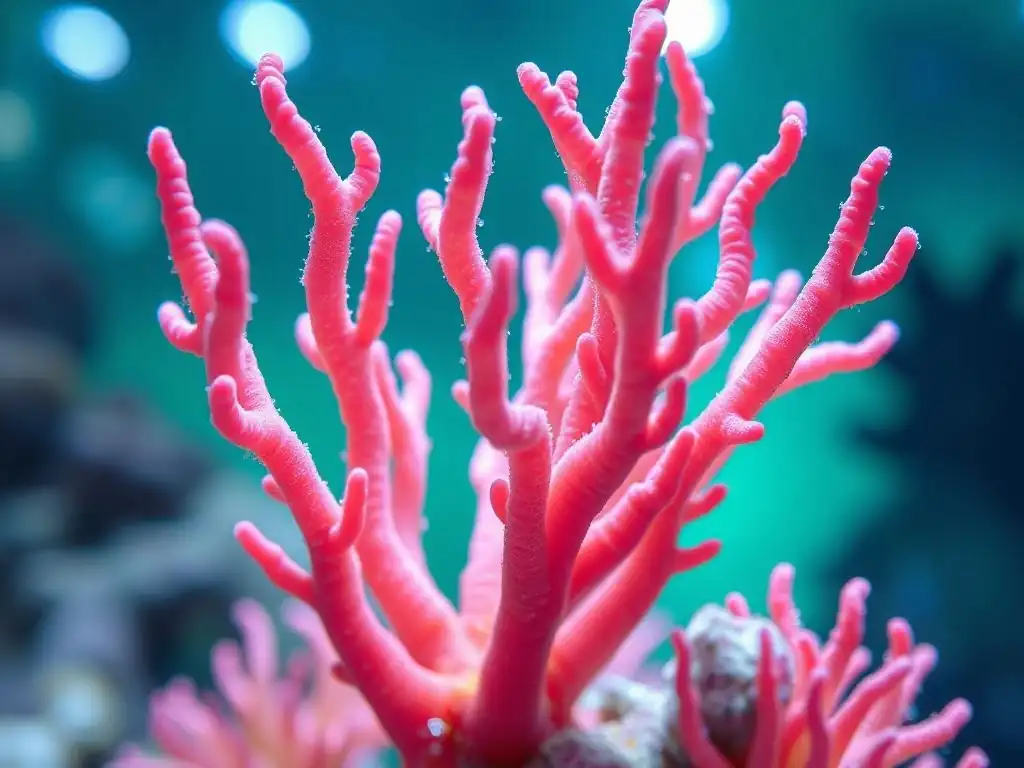
Why Water Flow Matters for Euphyllia Corals
Water flow is another indispensable environmental factor that significantly impacts the health and vitality of Euphyllia corals. Adequate water movement serves multiple critical functions: it delivers essential nutrients like calcium, alkalinity, and magnesium to the coral polyps; it carries away metabolic waste products, preventing their accumulation around the coral tissue; and it helps keep the coral's surface clean by preventing detritus and algal growth. Without proper Euphyllia flow, corals can starve, become smothered, or succumb to diseases like Brown Jelly Disease.
Moreover, the correct water flow pattern encourages the natural expansion of the coral's polyps, which is crucial for maximizing their surface area for light absorption and feeding. Stagnant water can lead to tissue necrosis and the proliferation of harmful bacteria, while overly strong, direct flow can damage the delicate polyps, causing them to retract permanently or even tear. Therefore, achieving the right balance and pattern of water movement is as important as optimal Euphyllia lighting.
Ideal Water Flow Patterns for Euphyllia: Gentle and Varied
The ideal water flow for Euphyllia corals is generally described as gentle, indirect, and varied. Unlike some SPS corals that thrive in strong, turbulent flow, Euphyllia prefer a less aggressive environment where their polyps can gently sway without being blasted. A laminar, or direct, flow can cause the polyps to retract or even damage their delicate tissue, leading to stress and potential tissue loss. Instead, aim for a chaotic or turbulent flow that mimics natural reef conditions, where water moves in multiple directions rather than a single stream.
This varied flow ensures that all parts of the coral receive fresh water and nutrients, and waste is efficiently removed. Achieving this can be done through the strategic placement of multiple powerheads or wavemakers that are angled to create opposing currents or use random flow generators. Observing the polyp extension and movement will provide clear indications of whether the Euphyllia flow is appropriate – healthy polyps will extend fully and sway gently, not retract or appear "blown out."
Powerhead Placement for Optimal Euphyllia Flow
Strategic powerhead placement is key to achieving optimal Euphyllia flow within your reef tank. Instead of pointing powerheads directly at the corals, aim them towards tank walls, rockwork, or the water surface to create indirect, turbulent flow patterns. For instance, placing two powerheads on opposite sides of the tank, angled slightly towards the front glass or towards each other, can generate a gyre-like flow that provides gentle, multi-directional water movement.
Consider using powerheads with wide flow patterns or those that incorporate random flow technology to avoid consistent, direct blasts on any single coral. Positioning powerheads at different heights can also help distribute flow evenly throughout the water column. Regularly observe your Euphyllia corals; if polyps appear constantly retracted or are being violently pushed, adjust the powerhead's direction or intensity. Effective Euphyllia lighting, flow, and placement are interconnected, requiring careful consideration of each element.
Signs of Insufficient or Excessive Water Flow
Recognizing the signs of improper water flow is crucial for maintaining healthy Euphyllia corals. Insufficient water flow often manifests as detritus accumulating on the coral's polyps or skeleton, leading to tissue necrosis or the growth of undesirable algae. The polyps may appear listless, fail to fully extend, or even begin to recede, as they are not receiving adequate nutrients or waste removal. Brown Jelly Disease (BJD) is also more prevalent in areas of low flow, as the pathogenic bacteria thrive in stagnant conditions.
Conversely, excessive or direct water flow can cause the Euphyllia polyps to remain constantly retracted, appearing "deflated" or "blown out." In severe cases, the strong flow can physically damage the delicate tissue, leading to tears or abrasions on the polyps, which can then become entry points for infection. Observing your coral's polyp extension and movement is the best indicator; healthy Euphyllia will have fully extended, gently swaying polyps. Adjusting Euphyllia lighting, flow, and placement based on these visual cues is essential for their well-being.
Strategic Euphyllia Placement in Your Reef Tank
Euphyllia Placement Considerations: Space and Aggression
Strategic Euphyllia placement is paramount not only for their own health but also for the well-being of other corals in your reef tank. Euphyllia corals are known for their aggressive "sweeper tentacles," which can extend significantly, particularly at night, to sting and damage neighboring corals. The reach of these tentacles can vary by species and individual colony size, but it's not uncommon for them to extend 4 to 6 inches, and sometimes up to 10 inches or more, depending on the species like Torch corals.
Therefore, when considering Euphyllia placement, ample spacing around the coral is critical. A general rule of thumb is to allow at least 6-8 inches of clear space around your Euphyllia colony, especially from other LPS or SPS corals. This separation helps prevent chemical warfare and physical damage, ensuring a harmonious and thriving reef environment. Overcrowding can lead to constant stress for all corals involved, impacting their growth and coloration.
Preventing Sweeper Tentacle Warfare: Euphyllia Placement Strategies
To effectively prevent sweeper tentacle warfare, thoughtful Euphyllia placement strategies must be employed. One common approach is to place Euphyllia corals on isolated islands of rockwork or at the ends of rock structures, far from other sensitive corals. This creates a natural buffer zone, allowing their sweeper tentacles to extend without coming into contact with other inhabitants. Some aquarists even dedicate a specific section of their tank solely to Euphyllia species, creating a visually stunning "Euphyllia garden" while minimizing inter-coral aggression.
Another strategy involves creating a physical barrier, such as a piece of inert rock or an acrylic divider, if space is extremely limited, although this is less ideal than generous spacing. Regular observation, especially after lights out when sweepers are most active, will help identify any potential conflicts. If a coral shows signs of irritation or tissue damage from a nearby Euphyllia, immediate relocation is necessary. Careful Euphyllia lighting, flow, and placement are key to a peaceful reef.
Euphyllia Placement Based on Lighting and Flow Requirements
The optimal Euphyllia placement within your reef tank should also directly correlate with their specific lighting and flow requirements. As discussed, Euphyllia generally prefer moderate lighting (50-150 PAR) and gentle, indirect water flow. This often means placing them in the mid-to-lower sections of the tank, away from the direct blast of powerheads or the most intense light from the fixture. For instance, in a tank with high-intensity LED lighting, Euphyllia might thrive best on the sand bed or on lower rock shelves where the PAR is within their preferred range.
Consider the depth and light penetration of your specific lighting system when deciding on vertical placement. For water flow, position your Euphyllia where they receive a gentle sway, indicating adequate, non-damaging flow. Avoid placing them in dead spots where detritus can accumulate, or in areas of extreme turbulence. A well-thought-out Euphyllia lighting, flow, and placement plan ensures the coral receives the necessary conditions for photosynthesis, nutrient uptake, and waste removal without undue stress.
Mounting Euphyllia: Secure and Natural-Looking Placement
Securely mounting Euphyllia corals is essential for their stability and to prevent them from being dislodged by water flow or tank inhabitants. Most Euphyllia frags come with a small frag plug, which can be easily wedged into crevices in your rockwork or glued directly to a larger piece of live rock using cyanoacrylate gel glue (super glue) or epoxy putty. For larger colonies, ensure the base is stable on the sand bed or securely attached to a rock structure to prevent tipping.
When mounting, try to achieve a natural-looking placement that integrates seamlessly with your aquascape. Consider the angle at which the polyps will extend and ensure they have ample room to expand without touching the glass or other corals. For instance, placing a Torch coral on a slight incline can allow its long tentacles to cascade beautifully without resting on the substrate. A secure and aesthetically pleasing Euphyllia lighting, flow, and placement strategy contributes significantly to the overall beauty and health of your reef display.
Essential Water Parameters for Euphyllia Health
Maintaining Stable Alkalinity, Calcium, and Magnesium
Maintaining stable water parameters is foundational for the long-term health and growth of all stony corals, including Euphyllia. Alkalinity, calcium, and magnesium are the "building blocks" that Euphyllia corals use to construct their calcium carbonate skeletons. Optimal ranges are typically: Alkalinity (dKH) 7.0-9.0, Calcium (Ca) 400-450 ppm, and Magnesium (Mg) 1250-1350 ppm. Fluctuations in these parameters, especially alkalinity, can cause stress, slow growth, and even tissue recession or "burnt tips."
To maintain these levels, regular dosing with a balanced two-part solution, Kalkwasser, or operating a calcium reactor is often necessary, particularly in tanks with a high coral load. Daily testing of alkalinity, followed by calcium and magnesium weekly, is recommended to monitor consumption and adjust dosing accordingly. Consistency is far more important than hitting exact numbers; a stable dKH of 8.0 is preferable to fluctuations between 7.0 and 9.0.
The Role of Nitrates and Phosphates in Euphyllia Growth
While often seen as undesirable, nitrates and phosphates play a complex and essential role in the health and growth of Euphyllia corals. These nutrients, when present in very low but detectable quantities, are beneficial as they serve as a food source for the coral's zooxanthellae. Ideal ranges for Euphyllia are typically 2-10 ppm for nitrates and 0.02-0.08 ppm for phosphates. Zero nitrates and phosphates (ULNS - Ultra Low Nutrient System) can lead to coral starvation, pale coloration, and reduced growth rates, often referred to as "bleaching out" due to nutrient deficiency.
Conversely, excessively high levels can lead to nuisance algae outbreaks, tissue necrosis, and reduced calcification rates. Striking the right balance is key. Regular water changes, appropriate feeding, and potentially the use of a refugium or biopellets can help manage these nutrient levels. Understanding the interplay between Euphyllia lighting, flow, placement, and nutrient levels is crucial for a thriving reef.
Regular Water Testing: Ensuring Optimal Water Chemistry
Regular and accurate water testing is the cornerstone of successful Euphyllia care. It allows aquarists to monitor the stability of critical parameters and identify any deviations before they negatively impact the corals. Key parameters to test frequently include alkalinity (daily or every other day), calcium and magnesium (weekly), salinity (daily), pH (daily), and nitrates and phosphates (weekly). Using reliable test kits from reputable brands is crucial for obtaining accurate readings.
Beyond the major parameters, occasional testing for trace elements like iodine, strontium, and potassium can be beneficial, though these are often replenished through regular water changes and quality salt mixes. Maintaining detailed logs of your test results helps identify trends and allows for proactive adjustments to your dosing regimen or maintenance schedule. Consistent monitoring of water chemistry, alongside careful Euphyllia lighting, flow, and placement, creates the optimal environment for these magnificent corals.
Feeding Your Euphyllia: Supplementing Their Diet
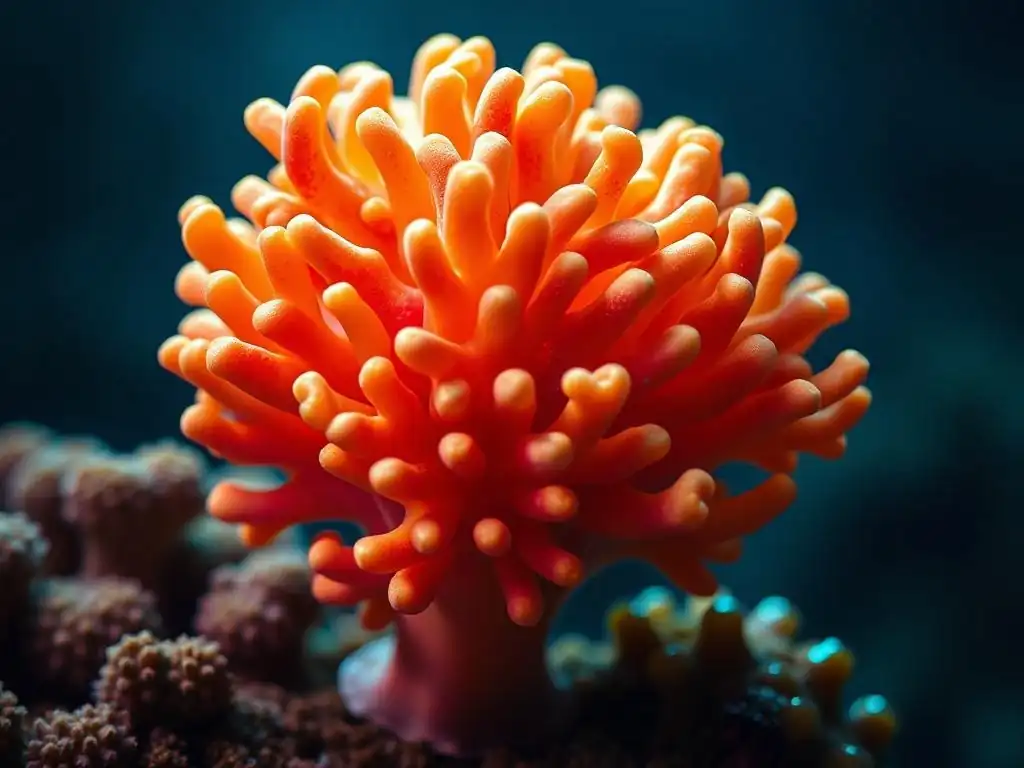
Is Direct Feeding Necessary for Euphyllia?
While Euphyllia corals primarily rely on their symbiotic zooxanthellae for nutrition through photosynthesis (absorbing energy from Euphyllia lighting), direct feeding can significantly enhance their growth, coloration, and overall vitality. The zooxanthellae provide approximately 70-80% of the coral's energy needs, but supplemental feeding offers essential amino acids, fatty acids, and other nutrients not readily available through photosynthesis alone. This is particularly true for larger colonies or those in very low-nutrient systems.
Direct feeding becomes more necessary if you notice slower growth, less vibrant coloration, or reduced polyp extension, which can indicate a nutrient deficiency. Even in well-lit tanks, providing a varied diet can boost their health. Many aquarists observe a noticeable improvement in polyp plumpness and extension within days of beginning a regular feeding regimen, complementing the benefits derived from optimal Euphyllia lighting, flow, and placement.
Best Foods for Euphyllia: Reef Roids, Coral Frenzy, and More
A variety of coral-specific foods are available that are highly beneficial for Euphyllia. Popular choices include powdered foods like Reef Roids and Coral Frenzy, which are blends of marine proteins, lipids, and carbohydrates designed for filter-feeding invertebrates. These fine powders, when mixed with tank water, create a suspension that Euphyllia polyps can easily capture. Other effective options include frozen copepods, rotifers, or even finely minced pieces of mysis shrimp or krill for larger polyps.
Some aquarists also use liquid coral foods or amino acid supplements, which are absorbed directly by the coral tissue. It's advisable to offer a varied diet rather than sticking to a single type of food to ensure a full spectrum of nutrients. Feeding frequency can range from once or twice a week to every other day, depending on your tank's nutrient levels and the observable response of your corals.
Target Feeding Techniques for Maximum Absorption
Target feeding is the most efficient way to ensure your Euphyllia corals receive the maximum benefit from supplemental foods. This technique involves using a turkey baster, a long pipette, or a specialized coral feeder to deliver the food directly to the coral's polyps. Before feeding, it's often beneficial to turn off powerheads and return pumps for 15-30 minutes to reduce water movement, allowing the food to settle on the polyps without being immediately washed away.
Mix the chosen powdered food with a small amount of tank water to create a slurry. Gently squirt the mixture over the extended polyps of the Euphyllia. You should observe the polyps retracting slightly as they capture the food. For larger pieces of frozen food, place them directly onto the polyps. Feeding at night, after the main lights have been off for an hour or two, can also be effective as many corals extend their feeding tentacles more readily in the dark.
Common Euphyllia Problems and Solutions
Identifying and Treating Brown Jelly Disease (BJD)
Brown Jelly Disease (BJD) is a highly virulent and rapidly progressing ailment that can devastate Euphyllia corals, along with other LPS and SPS species. It manifests as a brownish, slimy coating that consumes the coral tissue, often starting from one point and quickly spreading. The "jelly" is a bacterial infection, often triggered by stress from poor water quality, physical damage, or inadequate Euphyllia lighting, flow, or placement. If left untreated, BJD can kill a colony within 24-48 hours.
Immediate action is crucial for BJD. If possible, remove the affected coral from the main display tank to prevent the spread of the infection. Use a siphon or turkey baster to gently remove as much of the brown jelly as possible.
A freshwater dip (using RODI water matched to tank temperature and pH, for 30-60 seconds) or a coral dip product specifically designed to combat bacterial infections can be effective. In severe cases, fragging off unaffected parts of the colony may be the only option to save a portion of the coral. Ensuring stable water parameters and optimal Euphyllia lighting, flow, and placement can help prevent BJD outbreaks.
Recognizing and Addressing Euphyllia Bleaching
Euphyllia bleaching is a common stress response where the coral expels its symbiotic zooxanthellae, leading to a loss of color and a pale, translucent appearance. While often associated with excessive Euphyllia lighting or rapid changes in light intensity, bleaching can also be caused by drastic fluctuations in water temperature, salinity, or other water parameters, as well as prolonged periods of very low nutrients. If the stressor is not removed, the coral will eventually starve and die.
Addressing bleaching requires identifying and rectifying the underlying cause. If it's light-related, move the coral to a lower light area of the tank or reduce the light intensity gradually. If water parameters are unstable, focus on bringing them into the optimal range and maintaining consistency. Ensuring proper Euphyllia lighting, flow, and placement, along with stable water chemistry and appropriate feeding, provides the best chance for recovery. Mildly bleached corals can often recover if the stress is alleviated promptly.
Dealing with Pest Infestations: Flatworms and Nudibranchs
Euphyllia corals can occasionally fall victim to pest infestations, with flatworms and nudibranchs being among the most common. Euphyllia-eating flatworms (e.g., Waminoa sp.) are small, brown, disc-shaped worms that can proliferate on the coral's surface, irritating the polyps and potentially leading to tissue recession. Euphyllia-eating nudibranchs (e.g., Phestilla melanobrachia) are more insidious, as they often camouflage perfectly with the coral and directly consume its tissue, leaving characteristic bite marks or receding areas.
Regular inspection of your Euphyllia, especially when purchasing new frags, is essential for early detection. For flatworms, freshwater dips can help dislodge them, and certain commercial coral dips are effective. For nudibranchs, manual removal with tweezers is often the primary method, though they can be very difficult to spot. Quarantining new corals for several weeks before introducing them to the main display tank is the best preventative measure against these pests. Maintaining optimal Euphyllia lighting, flow, and placement helps keep corals robust enough to resist minor infestations.
Preventing Euphyllia Recession: Addressing Underlying Issues
Euphyllia recession, characterized by the gradual shrinking or "peeling back" of the coral tissue from its skeleton, is a serious sign of prolonged stress or illness. It can be caused by a multitude of factors, including chronic poor water quality (e.g., unstable alkalinity, high nitrates/phosphates), insufficient Euphyllia lighting or excessive light, inadequate water flow, nutrient starvation, pest infestations, or bacterial infections. Identifying the root cause is critical for successful intervention.
A systematic approach to troubleshooting is required. First, re-test all major water parameters to ensure they are within optimal ranges and stable. Check your Euphyllia lighting and ensure it's not too intense or too dim. Evaluate the Euphyllia flow around the coral – is it gentle and varied, or too strong/stagnant? Inspect the coral closely for any signs of pests or disease. If a specific issue is identified, address it immediately. Sometimes, increasing target feeding or adding amino acid supplements can help a receding coral recover, provided the underlying stressors related to Euphyllia lighting, flow, and placement are resolved.
Fragging Euphyllia: Propagating for Growth and Trade
Why Frag Euphyllia Corals?
Fragging Euphyllia corals offers several compelling benefits for the reef aquarist. Firstly, it's an excellent way to propagate your existing colonies, creating new frags to share with fellow hobbyists, trade, or sell, contributing to a sustainable hobby. Secondly, fragging can be a management tool for larger colonies that are outgrowing their space or encroaching on other corals, allowing you to maintain desired aquascape aesthetics and prevent inter-coral warfare.
Furthermore, fragging can be a life-saving measure for a diseased or damaged colony. If a portion of a Euphyllia colony is afflicted with Brown Jelly Disease or tissue necrosis, fragging off the healthy sections can isolate the problem and save the unaffected parts. It also allows for experimentation with different Euphyllia lighting, flow, and placement conditions for the new frags, potentially leading to varied growth forms or coloration.
Step-by-Step Guide to Fragging Euphyllia
Fragging Euphyllia requires careful technique to minimize stress to the coral. Always wear appropriate eye protection and gloves.
- Preparation: Gather your tools: a Dremel rotary tool with a diamond cutting wheel (or sharp bone cutters for smaller, thinner branches), a container of tank water for dipping the coral, frag plugs or small pieces of live rock, and cyanoacrylate gel glue.
- Isolation: Carefully remove the Euphyllia colony from your tank and place it in the container of tank water.
- Cutting: Identify a branch or head you wish to frag. For Euphyllia, you typically cut the calcified skeleton. If using a Dremel, submerge both the coral and the cutting wheel underwater to minimize bone dust and heat, which can damage tissue. Make a clean, swift cut through the skeleton, ensuring each frag has a distinct polyp attached.
- Dipping: After cutting, dip the new frag and the mother colony in a coral dip solution for the recommended time to prevent infection and help with healing.
- Mounting: Apply a small amount of gel super glue to the base of the frag plug or rock. Gently press the cut end of the Euphyllia frag onto the glue, holding it in place for 10-20 seconds until it adheres.
- Placement: Place the newly fragged Euphyllia back into your tank, ideally in a lower flow, lower Euphyllia lighting area for initial recovery before moving it to its permanent Euphyllia lighting, flow, and placement spot.
Caring for New Euphyllia Frags: Ensuring Survival
Caring for new Euphyllia frags is crucial for their survival and successful integration into your reef tank. Freshly fragged corals are stressed and vulnerable, so providing optimal conditions is paramount. Place new frags in a stable, lower-flow area of your tank where they receive gentle, indirect water movement. This prevents physical damage to the healing tissue and allows them to expend less energy fighting strong currents.
Regarding Euphyllia lighting, it's generally best to start new frags in a lower PAR zone, typically 50-80 PAR, even if the mother colony was in higher light. This allows the frag to recover from the stress of fragging without being overwhelmed. Gradually acclimate them to higher light levels over several weeks. Maintain pristine water quality and consider target feeding the frags a few times a week to provide additional nutrients for healing and growth. Observe them closely for signs of recession or infection, and be prepared to intervene if necessary.
Choosing the Right Euphyllia for Your Reef Tank
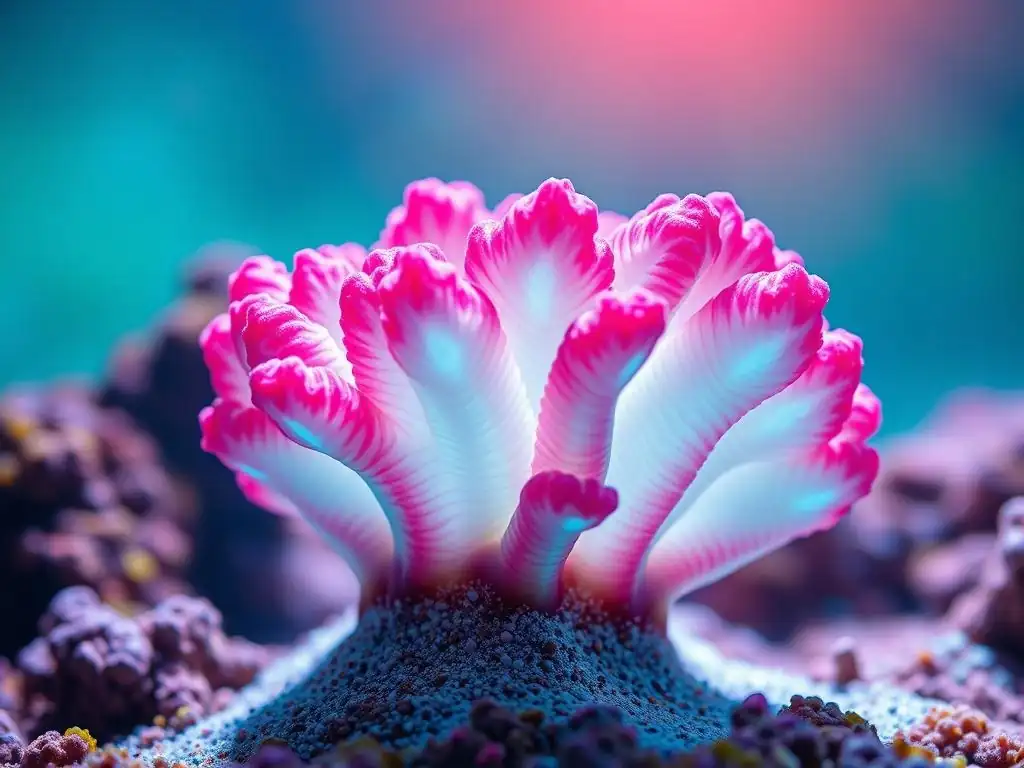
Factors to Consider When Selecting Euphyllia
When selecting Euphyllia corals for your reef tank, several factors should be considered to ensure a successful and healthy addition. First, assess your tank's maturity and stability. Euphyllia thrive in established systems with consistent parameters. Second, evaluate your tank's existing Euphyllia lighting and flow conditions. Do you have areas that meet their preferred moderate light and gentle flow requirements? If not, are you willing to adjust your setup?
Third, consider the available space and potential for aggression. Remember their sweeper tentacles, which necessitate ample room between Euphyllia and other corals. Finally, think about the aesthetic appeal and desired species. Do you prefer the long tentacles of a Torch, the unique shape of a Hammer, or the multi-tipped polyps of a Frogspawn? Matching your choice to your tank's environment and your long-term vision for the aquascape is key.
Matching Euphyllia to Your Tank's Conditions
Successfully integrating Euphyllia into your reef tank largely depends on matching the chosen coral to your specific tank conditions, particularly concerning Euphyllia lighting, flow, and placement. If your tank has very high-intensity lighting, opt for a Euphyllia that has been grown under similar conditions or be prepared to place it in a lower light area and acclimate it very slowly. Conversely, if your lighting is on the lower side, select a Euphyllia that is known to tolerate or even prefer less intense PAR.
Similarly, evaluate your tank's water movement. If you have areas of very strong, direct flow, these are unsuitable for Euphyllia. Identify spots with gentle, indirect, and varied flow. Consider your existing coral population and the potential for Euphyllia aggression. If you have delicate SPS corals nearby, ensure there is more than adequate space. Thoughtful Euphyllia lighting, flow, and placement choices from the outset will prevent many common problems.
Sourcing Healthy Euphyllia from Reputable Vendors
Sourcing healthy Euphyllia corals from reputable vendors is crucial for minimizing the risk of introducing diseases, pests, or stressed corals into your established reef tank. Reputable local fish stores (LFS) or online retailers will typically have well-maintained holding tanks and knowledgeable staff who can provide information on the coral's origin and care history. Look for corals that have fully extended polyps, vibrant coloration, and no visible signs of tissue recession, brown jelly, or pests.
Ask about their quarantine procedures and their return policy. When receiving corals, inspect them thoroughly before adding them to your display tank. A preventative dip in a coral dip solution is highly recommended for all new additions, even from trusted sources, to eliminate any potential hitchhikers. Prioritizing healthy specimens from the start, along with providing optimal Euphyllia lighting, flow, and placement, sets the stage for a thriving coral.
Advanced Euphyllia Care Techniques
Utilizing Amino Acids and Coral Foods for Enhanced Growth
Beyond basic feeding, advanced Euphyllia care often involves the strategic use of amino acid supplements and specialized coral foods to further enhance growth, coloration, and overall vitality. While Euphyllia are primarily photosynthetic, they can greatly benefit from a diverse range of organic nutrients. Amino acids, in particular, are the building blocks of proteins and can be directly absorbed by the coral tissue, promoting faster tissue growth and improved color saturation, especially in blues and greens.
Many aquarists dose liquid amino acid solutions several times a week. Similarly, high-quality coral foods rich in zooplankton, phytoplankton, and other marine organisms provide a broader spectrum of nutrients than photosynthesis alone. These supplements, when combined with optimized Euphyllia lighting, flow, and placement, can push your corals to exhibit their best potential, leading to plumper polyps and more robust colonies.
Implementing Trace Element Supplementation
Trace elements, although required in minute quantities, are vital for the metabolic processes and calcification of Euphyllia corals. Elements like iodine, strontium, potassium, and iron are consumed by corals and other inhabitants over time. While regular water changes with a high-quality salt mix replenish many of these, in heavily stocked or fast-growing tanks, supplementation may be necessary to prevent deficiencies.
Symptoms of trace element deficiencies can include pale coloration, slower growth, or even tissue necrosis. However, it's crucial to test for these elements before dosing, as overdosing can be detrimental. Using ICP-OES (Inductively Coupled Plasma - Optical Emission Spectrometry) testing services can provide a comprehensive analysis of your tank water's trace element profile, allowing for precise and targeted supplementation, complementing the benefits of ideal Euphyllia lighting, flow, and placement.
Monitoring and Adjusting Parameters for Optimal Results
Advanced Euphyllia care moves beyond simply maintaining stable parameters to actively monitoring and fine-tuning them for optimal growth and coloration. This involves more frequent and precise testing, often daily for alkalinity and pH, and using high-quality, calibrated test kits or automated monitoring systems. It also includes closely observing your corals' responses to adjustments in Euphyllia lighting, flow, and placement.
For example, if a Euphyllia shows slightly pale coloration despite adequate light, you might consider slightly increasing nitrates or phosphates, or boosting amino acid dosing. If growth seems slow, a slight increase in alkalinity or calcium may be beneficial, always watching for negative reactions. This proactive, data-driven approach, coupled with keen observation, allows experienced aquarists to push the boundaries of Euphyllia health and vibrancy, creating truly spectacular reef displays.
Conclusion: Mastering Euphyllia Care for a Vibrant Reef
Mastering Euphyllia care is a rewarding endeavor that culminates in a vibrant and dynamic reef aquarium. The journey involves a deep understanding of their fundamental needs, with particular emphasis on optimizing Euphyllia lighting, flow, and placement. These three pillars are inextricably linked, each playing a critical role in the coral's photosynthetic efficiency, nutrient uptake, waste removal, and overall physical well-being. Achieving the right balance ensures robust growth, stunning coloration, and resilience against common ailments.
Beyond these core elements, consistent water parameter stability, appropriate supplemental feeding, and diligent pest management form the bedrock of successful Euphyllia husbandry. By applying the detailed insights provided in this guide, from understanding their species-specific traits to advanced care techniques, aquarists can cultivate thriving Euphyllia colonies that become the undisputed stars of their reef tank. The dedication to precise Euphyllia lighting, flow, and placement, combined with attentive care, will undoubtedly lead to a flourishing and visually spectacular reef environment.
Frequently Asked Questions
What are the ideal lighting requirements for Euphyllia corals in a reef aquarium?
Euphyllia corals generally prefer moderate lighting, around 75-150 PAR. Too much light can cause bleaching, while too little can hinder growth.
What is the recommended water flow for maintaining healthy Euphyllia corals?
Moderate, indirect flow is best for Euphyllia. This provides sufficient gas exchange and prevents detritus buildup around the coral's polyps.
How should I place my Euphyllia coral in my aquarium to ensure its long-term health?
Placement is crucial. Avoid direct, intense light and ensure adequate space around the coral to allow for its growth and prevent stinging other corals.
What are some common signs of stress in Euphyllia corals, and how can I address them?
Common signs include receding tissue, lack of polyp extension, and bleaching. Address these issues by checking water parameters, adjusting lighting, and ensuring proper flow.
What water parameters are most important to monitor for successful Euphyllia care?
Maintaining stable alkalinity, calcium, and magnesium levels is essential. Regularly test your water and make adjustments to keep parameters within the ideal range for coral health.
Final Reflection: Illuminating the Path to Euphyllia Flourishing
The preceding guide has illuminated the crucial elements of Euphyllia care, emphasizing the symbiotic relationship between lighting, flow, and placement as the cornerstones of their health and vibrant growth. Today, as reef keeping becomes increasingly accessible, understanding these nuances is more critical than ever to ensure the ethical and sustainable propagation of these stunning corals.
This journey into Euphyllia care has not only highlighted the scientific principles at play but also underscored the artistic element of creating a thriving reef ecosystem. The delicate balance required to mimic their natural habitat reminds us of the interconnectedness of all life. In nature, nothing exists alone.
- Rachel Carson. This quote resonates deeply when considering the intricate web of interactions within a reef tank, where each element, from lighting spectrum to water flow, plays a vital role in the well-being of its inhabitants.
Now, armed with this knowledge, I invite you to reflect on your own reef keeping practices. Consider how you can fine-tune your approach to create an environment where your Euphyllia not only survive but truly flourish. Embrace the challenge of mastering lighting, flow, and placement, and witness the breathtaking beauty that unfolds when you unlock the secrets to their optimal care. Let your tank be a testament to your dedication and a vibrant celebration of the ocean's wonders.
Ignite Your Coral's Radiance: Dive Deeper Now!
Thanks for exploring the secrets to Euphyllia success! You’ve now unlocked the knowledge to help these beautiful corals thrive. Let's put that expertise into action:
- Expert Level: Implement the specific lighting adjustments discussed in this guide tailored to your Euphyllia's current health and color. This is your primary mission!
- Share this guide with a fellow reef keeper and discuss your planned implementation; getting a second opinion can be priceless.
- Look beyond! Use the information learned here about Euphyllia flow and lighting to observe and understand the specific needs of other coral types in your reef tank.
Ready to transform your tank and witness the vibrant growth of your Euphyllia?