
The Euphyllia Lighting Spectrum: What Your Torches & Hammers Crave

Welcome to Aquarium Mastery!
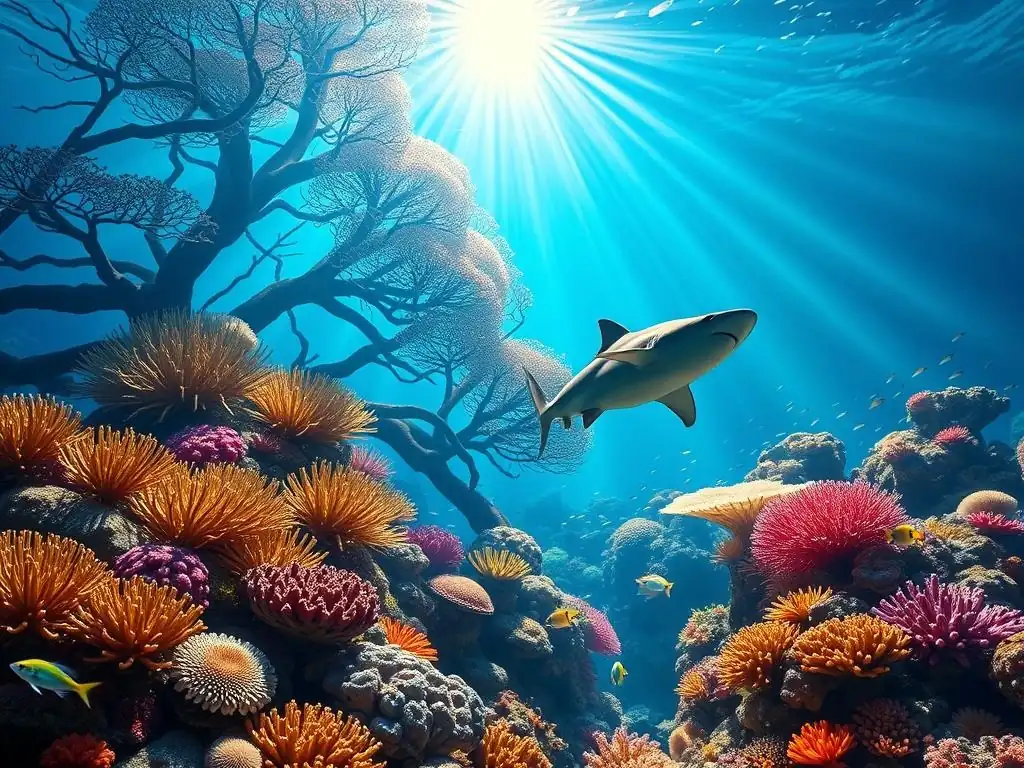
Ever wondered if your Euphyllia corals are truly thriving, or just surviving? Dive into our comprehensive guide on the Euphyllia coral lighting spectrum and unlock the secrets to vibrant torches and hammers. We'll explore the specific light requirements that will transform your LPS corals, and leave you wondering why you hadn't discovered this sooner. Ready to illuminate the path to healthier, more colorful corals? Let's begin!
- Euphyllia Coral Lighting: A Comprehensive Guide
- Understanding Euphyllia Coral Lighting Needs
- Decoding the Ideal Euphyllia Coral Lighting Spectrum
- Recommended Lighting for Different Euphyllia Species
- Selecting the Right Lighting System for Your Euphyllia Tank
- Fine-Tuning Your Euphyllia Coral Lighting Schedule
- Beyond Lighting: Essential Factors for Euphyllia Health
- Troubleshooting Lighting-Related Issues in Euphyllia
- Conclusion: Achieving Optimal Euphyllia Health Through Proper Lighting
-
Frequently Asked Questions
- What is the ideal lighting spectrum for Euphyllia corals, such as torches and hammers?
- Why is the lighting spectrum so important for the health of Euphyllia corals?
- How can I determine if my current lighting is adequate for my Euphyllia corals?
- What type of lighting is generally recommended for Euphyllia corals in a home aquarium?
- Can too much light be harmful to Euphyllia corals?
- Final Reflection: Illuminating the Depths of Understanding
- Ignite Your Reef: Unleash the True Colors of Your Euphyllia!
Euphyllia Coral Lighting: A Comprehensive Guide
Understanding Euphyllia Coral Lighting Needs
Why Proper Lighting is Crucial for Euphyllia Health
Proper lighting is not merely an aesthetic choice for Euphyllia corals; it is fundamental to their very survival and long-term health. These Large Polyp Stony (LPS) corals host symbiotic algae called zooxanthellae within their tissues. These microscopic algae perform photosynthesis, converting light energy into sugars, amino acids, and other organic compounds that supply up to 90% of the coral's nutritional needs. Without adequate light, the zooxanthellae cannot photosynthesize effectively, leading to a severe energy deficit for the coral, akin to starvation.
Insufficient or inappropriate Euphyllia coral lighting spectrum can lead to a cascade of negative effects, including weakened immune response, susceptibility to diseases like Brown Jelly Disease, and eventual tissue recession. For instance, a Euphyllia colony receiving less than 50 PAR (Photosynthetically Active Radiation) over an extended period may exhibit sluggish polyp extension and a gradual loss of color, indicating a lack of energy production. Conversely, excessive light can cause the coral to expel its zooxanthellae, a phenomenon known as bleaching, which leaves the coral white and highly vulnerable.
The Impact of Light on Euphyllia Coloration and Growth
The intensity and specific Euphyllia coral lighting spectrum directly influence both the vibrant coloration and the robust growth of these popular corals. Different wavelengths of light penetrate water at varying depths and are utilized by zooxanthellae and the coral's own pigments in distinct ways. For example, blue and violet wavelengths (around 400-470 nm) are crucial for stimulating the production of fluorescent proteins within the coral tissue, which are responsible for the striking greens, yellows, and purples seen in varieties like the "Dragon Soul" Torch or the "Toxic Green" Hammer.
Beyond aesthetics, light drives the calcification process, which is essential for skeletal growth. Under optimal lighting conditions, a healthy Euphyllia colony can exhibit measurable growth, sometimes expanding by 1 to 2 centimeters per month in terms of skeletal structure, especially in fast-growing branching species. This growth is a direct result of the energy produced through photosynthesis. If the Euphyllia coral lighting spectrum is not optimized, growth can slow dramatically, and colors may appear muted or brown, as the coral struggles to produce the necessary energy for both daily metabolic functions and calcification.
Decoding the Ideal Euphyllia Coral Lighting Spectrum
PAR (Photosynthetically Active Radiation) for Euphyllia
PAR, or Photosynthetically Active Radiation, quantifies the amount of light within the visible spectrum (400 to 700 nanometers) that is usable for photosynthesis. For Euphyllia corals, the ideal PAR range is generally considered to be moderate, typically between 75 and 150 PAR. While some well-acclimated colonies can tolerate up to 200-250 PAR, starting at the lower end of this range and gradually increasing is always recommended to prevent stress.
Measuring PAR at various depths and locations within your aquarium is crucial, as light intensity diminishes significantly with water depth and can vary across the tank's footprint. For instance, a light fixture producing 300 PAR directly under the surface might only deliver 120 PAR at a depth of 18 inches. Ensuring your Euphyllia are placed in areas receiving appropriate PAR levels is vital for their health; too little PAR (e.g., below 50 PAR) can lead to starvation, while excessive PAR without proper acclimation can cause bleaching.
Kelvin (Color Temperature) and Its Effect on Euphyllia
Kelvin (K) is a unit of measurement used to describe the color temperature of light. For marine aquariums, particularly those housing Euphyllia corals, the preferred Kelvin range typically falls between 10,000K and 20,000K. A 10,000K light appears as a crisp, bright white, closely mimicking natural sunlight at midday on the equator, which is excellent for overall growth. However, many aquarists opt for higher Kelvin temperatures, such as 14,000K or 20,000K, which lean towards a bluer spectrum.
These bluer light settings are often favored because they enhance the natural fluorescence of Euphyllia corals, making their vibrant greens, purples, and yellows "pop" under the actinic glow. Moreover, the blue wavelengths (specifically around 450-470 nm) are highly efficient for photosynthesis by the zooxanthellae. While a pure 20,000K spectrum might appear too blue for some, a balanced blend, often achieved by combining white and blue channels in LED fixtures, provides both optimal growth and stunning visual appeal for the Euphyllia coral lighting spectrum.
PUR (Photosynthetically Usable Radiation) for Euphyllia
While PAR measures the total light available for photosynthesis, PUR (Photosynthetically Usable Radiation) is a more refined concept that focuses on the specific wavelengths of light that corals and their symbiotic zooxanthellae can actually utilize most efficiently for photosynthesis. Not all PAR is created equal; zooxanthellae primarily absorb light in the blue (approximately 400-480 nm) and red (approximately 620-680 nm) regions of the spectrum.
Therefore, a lighting system optimized for PUR will deliver a higher proportion of its energy within these specific ranges, even if its overall PAR reading is lower than a broader spectrum light. For Euphyllia, this means that fixtures emitting strong peaks in the royal blue and violet spectrum, sometimes supplemented with a small amount of red, can be more effective than a generic full-spectrum light with the same PAR output.
Focusing on PUR ensures that the energy consumed by the lighting system is efficiently converted into biological energy for the coral, potentially leading to better growth and coloration with less wasted light energy.
Recommended Lighting for Different Euphyllia Species
Torch Coral Lighting: Intensity and Spectrum
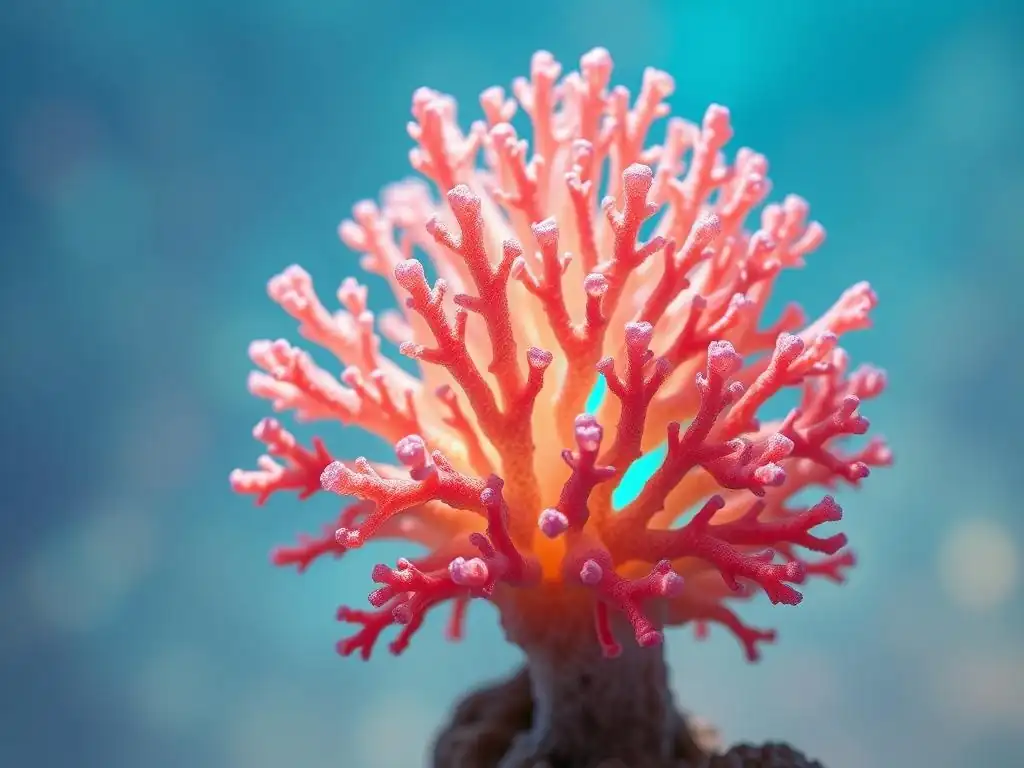
Torch corals (Euphyllia glabrescens) are prized for their long, flowing polyps and distinct tips. They generally thrive under moderate to high light conditions, making their Euphyllia coral lighting spectrum needs quite specific. A PAR range of 100 to 200 is typically ideal for Torch corals, allowing them to extend fully and display vibrant coloration. Placing them in the mid to upper sections of the aquarium, depending on the light fixture's intensity, usually provides optimal conditions.
In terms of spectrum, Torch corals respond exceptionally well to a strong blue component, particularly in the 14,000K to 20,000K range. This emphasis on blue wavelengths (royal blue, violet, and UV) not only enhances their striking fluorescence, making greens and golds more intense, but also supports the photosynthetic efficiency of their zooxanthellae. Many successful torch tanks utilize LED fixtures with a high ratio of blue diodes, often with supplemental white and violet to create a balanced yet visually appealing Euphyllia coral lighting spectrum that promotes both health and aesthetic brilliance.
Hammer Coral Lighting: Optimal Conditions
Hammer corals (Euphyllia ancora and Euphyllia parancora), recognizable by their distinct hammer-shaped or branching polyps, prefer moderate lighting conditions, somewhat similar to torches but often thriving with slightly less intensity. An optimal PAR range for Hammer corals is generally between 75 and 150. They are quite adaptable but will show signs of stress, such as retracted polyps or pale coloration, if light is too intense without proper acclimation.
Like other Euphyllia, Hammer corals benefit significantly from a blue-heavy Euphyllia coral lighting spectrum, typically in the 14,000K to 20,000K range. This spectrum enhances their natural coloration, from deep greens to various shades of brown and gold, and promotes robust health. When positioning Hammer corals, it's often best to place them in the middle or lower sections of the tank, or in areas with some indirect light, to prevent potential photoinhibition or bleaching. Ensuring a stable Euphyllia coral lighting spectrum helps maintain their characteristic bubbly appearance and vibrant hues.
Frogspawn Coral Lighting: Replicating Natural Reefs
Frogspawn corals (Euphyllia divisa and Euphyllia paradivisa), known for their branching structure and "frogspawn" shaped polyps, are also moderate light corals. They generally thrive in a PAR range of 75 to 150, similar to Hammer corals. These corals are often found in areas of the reef with slightly less direct light, making them excellent candidates for the mid-to-lower sections of your reef tank. Their branching nature also means that light needs to penetrate the entire colony, not just the top.
A balanced Euphyllia coral lighting spectrum is beneficial for Frogspawn corals, with many aquarists finding success with color temperatures between 10,000K and 14,000K, often with a significant blue component to enhance fluorescence. While they appreciate blues, a slightly whiter spectrum can also promote good growth without causing stress. Replicating the natural reef environment means providing a consistent photoperiod, typically 8-10 hours, and ensuring the light is not overly intense, which could lead to recession or bleaching of their delicate polyps.
Selecting the Right Lighting System for Your Euphyllia Tank
LED Lighting for Euphyllia: Fixture Selection
LED lighting systems have become the most popular choice for Euphyllia tanks due to their exceptional controllability, energy efficiency, and longevity. Modern LED fixtures allow precise control over the Euphyllia coral lighting spectrum, enabling aquarists to fine-tune individual color channels (e.g., royal blue, cool white, violet, red, green) to achieve the perfect balance of growth and aesthetics. Many high-end units feature multiple clusters of diodes and sophisticated programming capabilities, including sunrise/sunset modes and lunar cycles.
When selecting an LED fixture for Euphyllia, consider models known for their even PAR distribution to avoid hot spots that can stress corals. Reputable brands like EcoTech Marine Radion, Kessil A360X, or AI Hydra series are popular choices, offering excellent spectral control and high PAR output suitable for Euphyllia.
Look for fixtures with a high proportion of blue and violet diodes, which are crucial for Euphyllia coloration and photosynthetic efficiency. While the initial investment might be higher, the low energy consumption and long lifespan (often exceeding 50,000 hours before significant degradation) make LEDs a cost-effective solution in the long run.
T5 Lighting for Euphyllia: Considerations
T5 fluorescent lighting, while a more traditional option, remains a highly effective choice for growing Euphyllia corals, particularly for those seeking a broad, even spread of light across their tank. T5 fixtures utilize multiple fluorescent bulbs, each designed to emit specific wavelengths, allowing for a customized Euphyllia coral lighting spectrum by combining different bulb types. A common combination for Euphyllia might include a mix of "Blue Plus" (actinic blue), "Coral Plus" (balanced white/blue), and "Actinic" (deep blue) bulbs.
The primary advantage of T5s is their ability to provide very even PAR distribution without the "disco ball" effect or shadowing often seen with point-source LEDs. However, T5 bulbs need to be replaced every 9 to 12 months, as their spectral output degrades over time, which adds to the ongoing cost. They also produce more heat than LEDs, potentially requiring active cooling for the tank. Despite these considerations, a well-configured T5 setup can produce exceptionally vibrant Euphyllia and consistent growth, making them a viable option for many aquarists.
Metal Halide Lighting for Euphyllia: Advanced Reef Keeping
Metal Halide (MH) lighting systems are a powerful, albeit less common, choice for advanced reef keepers, particularly those with very large or deep tanks where intense light penetration is required. MH bulbs deliver a broad, intense spectrum that results in an unparalleled "shimmer" effect on the water surface, mimicking natural sunlight. For Euphyllia, MH can provide excellent growth and vibrant coloration, especially when combined with supplemental T5 or LED actinic lighting to enhance the blue spectrum.
The main drawbacks of metal halide systems include their high energy consumption, significant heat output (necessitating robust cooling solutions like chillers), and the need for bulb replacement every 6 to 12 months. They also tend to be bulky fixtures. However, for aquarists aiming for the highest PAR levels and a broad, natural Euphyllia coral lighting spectrum across a wide area, MH can be a very effective solution. When using MH, careful acclimation and placement of Euphyllia are paramount due to the high intensity, often starting them lower in the tank and gradually raising them if needed.
Fine-Tuning Your Euphyllia Coral Lighting Schedule
Acclimation: Introducing Euphyllia to New Lighting
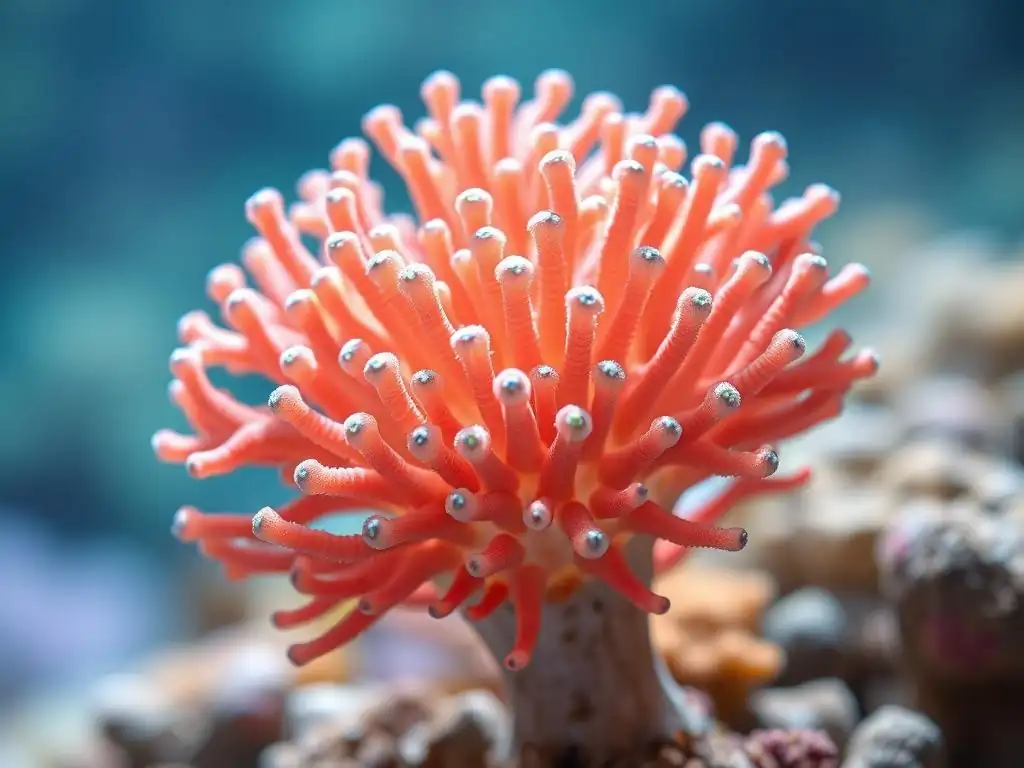
Proper acclimation is a critical step when introducing new Euphyllia corals to your tank or upgrading your lighting system. Euphyllia are sensitive to sudden changes in light intensity and spectrum. To prevent stress and bleaching, it's recommended to start with a significantly lower light intensity than your target PAR. For instance, if your target PAR for a new Torch coral is 120, begin by exposing it to only 40-60 PAR for the first week.
Gradually increase the light intensity by 5-10% each week over a period of 3 to 6 weeks, carefully observing the coral's response. Signs of successful acclimation include full polyp extension, vibrant coloration, and no signs of tissue recession. If the coral appears stressed (pale, retracted, or showing white spots), reduce the intensity and slow down the acclimation process. This patient approach allows the zooxanthellae within the coral to adapt to the new Euphyllia coral lighting spectrum without being overwhelmed.
Monitoring Euphyllia Response to Lighting
Consistent monitoring of your Euphyllia corals is essential to ensure their Euphyllia coral lighting spectrum and intensity are optimal. Healthy Euphyllia will typically exhibit full polyp extension throughout the day, often swaying gently in the current. Their colors should be vibrant and consistent with their species type; for example, a "Toxic Green" Hammer should maintain a bright green hue. Observe for any signs of tissue recession, which might indicate too much light, or browning, which could suggest too little.
Growth is another key indicator. Healthy Euphyllia will show noticeable skeletal growth over weeks and months, often forming new heads or expanding their base. Using a PAR meter (e.g., an Apogee MQ-510) to periodically check light levels at the coral's position provides objective data, allowing you to make informed adjustments. Regular observation, combined with PAR readings, helps fine-tune your Euphyllia coral lighting spectrum and schedule for long-term success.
Avoiding Common Lighting Problems: Bleaching and Browning
Two of the most common lighting-related issues in Euphyllia are bleaching and browning, both of which indicate an imbalance in the Euphyllia coral lighting spectrum or intensity. Bleaching occurs when the coral expels its zooxanthellae, often due to excessive light or rapid changes, leaving the coral tissue pale or stark white. If you observe bleaching, immediately reduce the light intensity (e.g., by 20-30%) or move the coral to a shadier area of the tank.
Browning, conversely, typically indicates insufficient light or, sometimes, excessively high nutrient levels. In this scenario, the zooxanthellae proliferate to compensate for low light, making the coral appear darker and duller. To address browning, gradually increase the light intensity over several weeks and ensure your nutrient levels (nitrate, phosphate) are within optimal ranges (e.g., nitrates below 10 ppm, phosphates below 0.05 ppm). Maintaining a consistent photoperiod, typically 8-10 hours, and avoiding sudden, drastic changes in your Euphyllia coral lighting spectrum or intensity are crucial preventative measures.
Beyond Lighting: Essential Factors for Euphyllia Health
Water Parameters and Their Influence on Euphyllia
While a precisely tuned Euphyllia coral lighting spectrum is paramount, it is only one component of a thriving Euphyllia habitat. Stable water parameters are equally critical for their health and growth. Euphyllia corals require consistent levels of alkalinity, calcium, and magnesium for skeletal growth. Optimal ranges are typically 8-12 dKH for alkalinity, 400-450 ppm for calcium, and 1250-1350 ppm for magnesium. Fluctuations in these parameters can cause significant stress, leading to tissue recession or slowed calcification.
Furthermore, maintaining low levels of nitrates (ideally under 10 ppm) and phosphates (under 0.05 ppm) is vital. While some aquarists aim for undetectable levels, a small amount of these nutrients can actually be beneficial for coral health. Salinity should be kept stable between 1.025 and 1.026 specific gravity. Regular testing (at least weekly) and consistent dosing or water changes are necessary to ensure these parameters remain within their ideal ranges, allowing the coral to thrive under its optimal Euphyllia coral lighting spectrum.
Proper Water Flow for Euphyllia Growth
Appropriate water flow is another non-negotiable factor for Euphyllia health and growth, working in concert with the Euphyllia coral lighting spectrum. Euphyllia corals prefer moderate, indirect water movement. This flow is essential for several reasons: it prevents detritus and waste from settling on the coral's tissues, which can lead to infection and tissue necrosis; it delivers essential nutrients and trace elements to the coral; and it facilitates the removal of metabolic waste products.
Too strong or direct flow can cause the coral's polyps to retract or even damage delicate tissue, leading to "flow burn." Conversely, insufficient flow can lead to "dead spots" where detritus accumulates, potentially causing localized tissue death. Aim for a flow rate that gently sways the coral's polyps without causing them to constantly retract or appear "blown out." For an average tank, a total flow turnover of 10-20 times the tank volume per hour, distributed by wavemakers or powerheads, is often effective.
Feeding and Supplementation for Euphyllia
Although Euphyllia corals derive the majority of their energy from photosynthesis under their optimal Euphyllia coral lighting spectrum, supplemental feeding and targeted supplementation can significantly enhance their health, growth, and coloration. Euphyllia are opportunistic feeders and will readily consume small meaty foods. Target feeding mysis shrimp, brine shrimp, copepods, or specialized liquid coral foods 1-2 times per week can provide additional nutrients not entirely supplied by their zooxanthellae.
Beyond direct feeding, dosing essential trace elements and amino acids can also be beneficial. Elements like iodine, strontium, and potassium are often depleted in reef tanks and play roles in coral health and coloration. Amino acid solutions can support tissue repair and growth, contributing to more vibrant colors. While not strictly necessary for survival, a balanced feeding and supplementation regimen, alongside stable water parameters and proper Euphyllia coral lighting spectrum, creates the most robust environment for these beautiful LPS corals.
Identifying and Addressing Euphyllia Bleaching
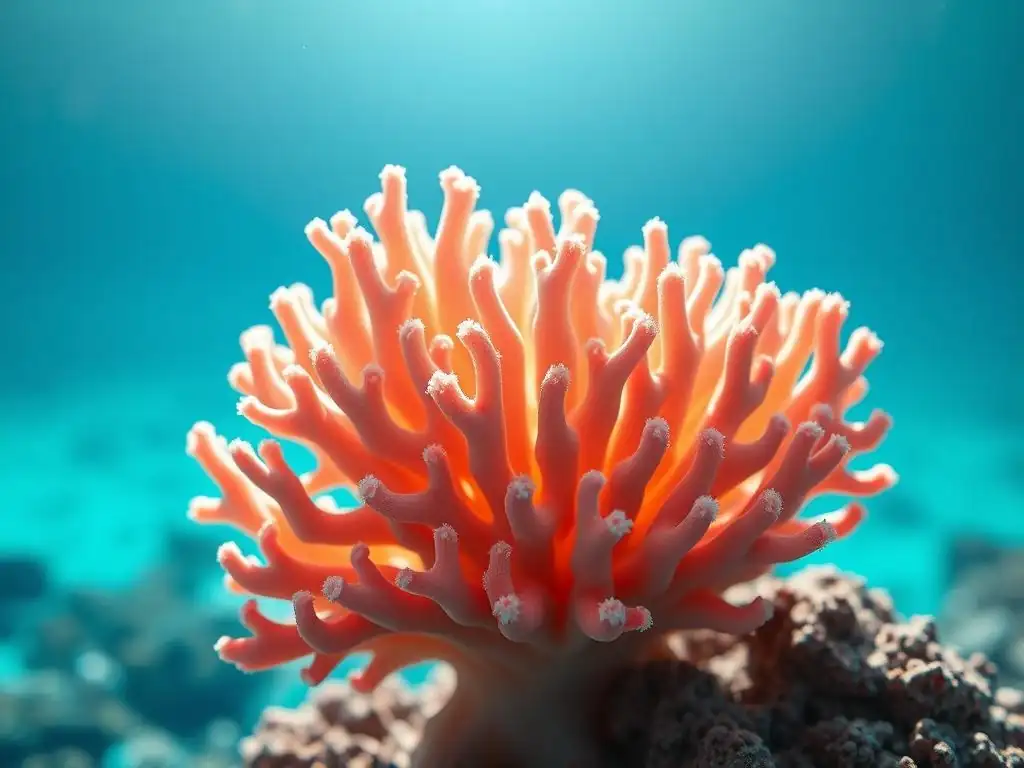
Euphyllia bleaching is a stark warning sign that your coral is under severe stress, often due to an overly intense or rapidly changed Euphyllia coral lighting spectrum. The most obvious symptom is the coral's tissue turning pale, translucent, or stark white, indicating the expulsion of its symbiotic zooxanthellae. This leaves the coral vulnerable and starving. If you notice bleaching, immediate action is required to prevent irreversible damage.
First, reduce the light intensity significantly, often by 20-30%, or move the affected coral to a shadier, lower-PAR area of the tank. Ensure all other water parameters (temperature, salinity, alkalinity, calcium, magnesium) are stable and within optimal ranges, as these can also contribute to stress. Gradual acclimation to any future light changes is crucial. If caught early, Euphyllia can often recover from bleaching over several weeks to months, slowly regaining their color as zooxanthellae repopulate their tissues.
Reversing Euphyllia Browning: Restoring Color
Euphyllia browning, characterized by a dull, brownish, or overly dark appearance and sometimes reduced polyp extension, is typically a sign of insufficient light or, less commonly, very high nutrient levels. In this scenario, the zooxanthellae within the coral's tissue multiply excessively in an attempt to capture more light, leading to the brown coloration. While less immediately life-threatening than bleaching, browning indicates the coral is not thriving under its current Euphyllia coral lighting spectrum.
To reverse browning, gradually increase the light intensity over several weeks. For instance, increase your light's output by 10% each week until the coral's natural vibrant colors begin to return. Simultaneously, check your nitrate and phosphate levels; if they are elevated, implement water changes or nutrient export methods (like GFO or refugiums) to bring them down. Browning is generally easier to reverse than bleaching, and with proper adjustments to the Euphyllia coral lighting spectrum and intensity, your corals should regain their brilliant hues.
Addressing Slow Growth in Euphyllia Due to Lighting
Slow or negligible growth in Euphyllia corals can be a frustrating issue for aquarists, and often, the Euphyllia coral lighting spectrum is a primary culprit. If your coral is not showing new skeletal growth, or its polyps appear smaller and less vigorous than expected, it could indicate insufficient PAR or a suboptimal spectrum for photosynthesis. While Euphyllia are not as fast-growing as some SPS corals, healthy colonies should show consistent, measurable expansion over time.
To address slow growth, first, measure the PAR at the coral's location and compare it to the recommended range (e.g., 75-150 PAR for most Euphyllia). If PAR is too low, gradually increase light intensity. Evaluate your Euphyllia coral lighting spectrum; ensure there are sufficient blue and violet wavelengths, which are crucial for photosynthetic efficiency. Also, double-check all other essential factors: stable water parameters, adequate water flow, and a consistent feeding regimen, as these elements work synergistically with lighting to promote robust growth.
Conclusion: Achieving Optimal Euphyllia Health Through Proper Lighting
Achieving optimal health and vibrant coloration in your Euphyllia corals hinges significantly on understanding and providing the correct Euphyllia coral lighting spectrum. This comprehensive guide has detailed the critical role of PAR, Kelvin temperature, and PUR in supporting the photosynthetic needs of these magnificent LPS corals. From selecting the appropriate LED, T5, or metal halide system to meticulously fine-tuning your lighting schedule, every step contributes to their well-being.
Remember, consistent monitoring and patient acclimation are paramount to preventing common issues like bleaching and browning. While lighting forms the cornerstone of Euphyllia care, it is inextricably linked with other vital factors such as stable water parameters, appropriate water flow, and supplemental feeding. By meticulously managing all these elements, aquarists can cultivate a thriving reef environment, allowing their Torch, Hammer, and Frogspawn corals to display their full, breathtaking beauty.
Frequently Asked Questions
What is the ideal lighting spectrum for Euphyllia corals, such as torches and hammers?
Euphyllia corals thrive under a blue-heavy lighting spectrum, typically between 14,000K and 20,000K. This spectrum promotes optimal photosynthesis and vibrant coloration. Consider this lighting spectrum when determining what is ideal for your corals.
Why is the lighting spectrum so important for the health of Euphyllia corals?
The lighting spectrum directly affects the photosynthetic activity of the zooxanthellae algae living within the coral tissue. These algae provide the coral with essential nutrients and energy. Proper lighting is vital.
How can I determine if my current lighting is adequate for my Euphyllia corals?
Observe your corals for signs of stress or bleaching. Pale coloration or a lack of polyp extension can indicate insufficient or incorrect lighting. Also, consider testing water parameters to avoid any other issues.
What type of lighting is generally recommended for Euphyllia corals in a home aquarium?
LED lighting is widely recommended due to its tunability and efficiency. Look for LED fixtures that allow you to adjust the blue-to-white ratio and intensity. LEDs are energy efficient as well.
Can too much light be harmful to Euphyllia corals?
Yes, excessive light intensity can cause coral bleaching and tissue damage. Gradually acclimate new Euphyllia corals to your lighting system to prevent photo-shock. Monitor your corals to avoid issues.
Final Reflection: Illuminating the Depths of Understanding
The intricacies of the Euphyllia coral lighting spectrum might seem like a niche topic, confined to the passionate world of reef keeping. However, understanding these nuances reveals a deeper truth: that even seemingly specialized knowledge can unlock a greater appreciation for the delicate balance of our planet's ecosystems and the interconnectedness of life. This exploration into the specific needs of Torch and Hammer corals serves as a microcosm for understanding the broader challenges of environmental stewardship and the importance of informed action.
This journey into the spectral preferences of Euphyllia has not only deepened our understanding of these captivating corals, but also highlighted the ongoing need for meticulous research and responsible reef keeping practices. The health and vibrancy of these organisms are a direct reflection of our commitment to providing them with the optimal conditions, mirroring the larger responsibility we have to protect the fragile marine environments they inhabit. In the end, we will conserve only what we love; we will love only what we understand; and we will understand only what we are taught.
- Baba Dioum. This quote encapsulates the essence of our exploration: understanding the specific needs of Euphyllia fuels our passion for their preservation.
Now, armed with this knowledge of the Euphyllia coral lighting spectrum, I invite you to reflect on your own impact on the world around you. Consider how even small, informed choices – whether in your reef tank or in your daily life – can contribute to a healthier, more vibrant future for our planet. Let the lessons learned from illuminating the depths of Euphyllia's needs inspire you to illuminate the path towards a more sustainable and compassionate world.
Ignite Your Reef: Unleash the True Colors of Your Euphyllia!
Thanks for diving into the world of Euphyllia lighting! We hope you're now equipped to bring out the best in your torches and hammers. Ready to see them thrive like never before?
Here's how you can take the next step:
- Fine-tune your lighting spectrum today! Start by adjusting your light settings to mimic the recommended parameters, and observe your Euphyllia's reaction over the next few weeks.
- Share your success! Post before-and-after photos of your Euphyllia on social media, tagging us @AquariumMastery, and inspire other reef keepers.
- Dive deeper! Research the specific needs of your other coral species and create a customized lighting plan for your entire reef aquarium.
What subtle color changes are you hoping to unlock in your Euphyllia with optimized lighting?