
Can Leather Corals Sting? Understanding Their Defensive Mechanisms

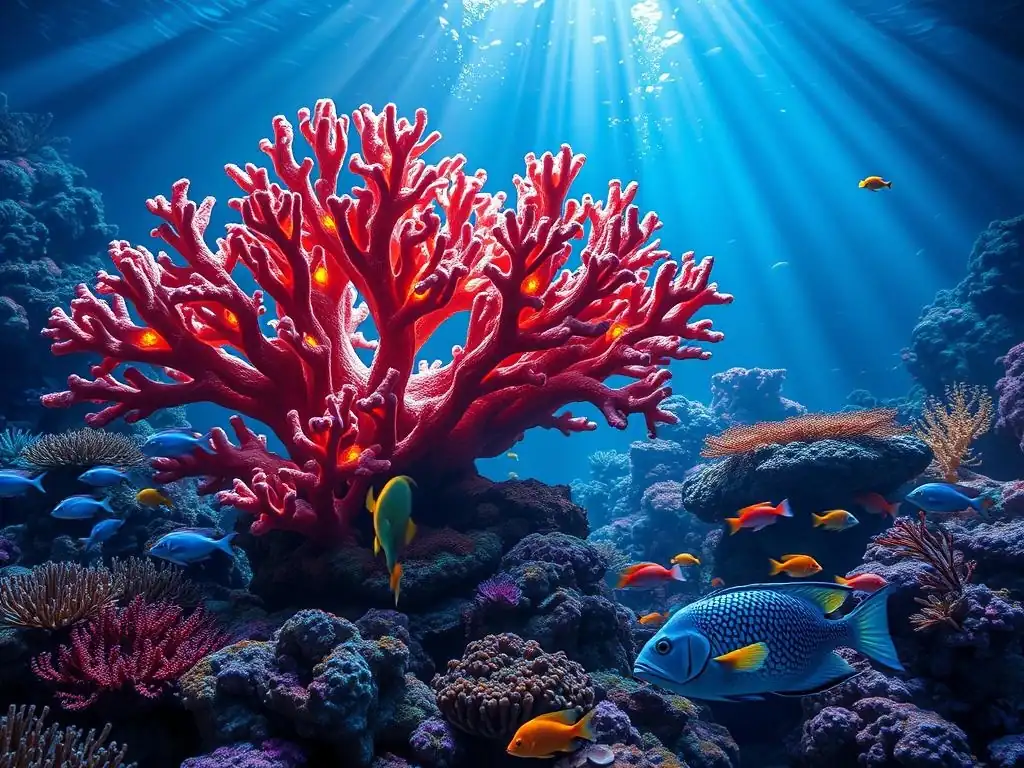
Welcome to Aquarium Mastery, where we dive deep into the fascinating world beneath the waves!
Ever wondered about the secret lives of corals in your reef tank? Get ready to unravel the mysteries of Leather Corals and their intriguing ability to defend themselves. In this article, we'll explore the leather coral stinging defense mechanisms they employ, and what it means for your aquarium's ecosystem. Curious to learn how these soft corals protect their territory and coexist with other inhabitants? Let's explore!
- Introduction to Leather Coral Defensive Mechanisms
- The Defensive Capabilities of Leather Corals: Chemical Warfare
- Understanding Terpenoids: Leather Corals' Primary Defense Mechanism
- Other Defensive Strategies Employed by Leather Corals
- Identifying Signs of Leather Coral Stress and Chemical Defense
- Minimizing the Impact of Leather Coral Chemical Defense in Your Aquarium
- Safe Handling Practices for Leather Corals
- Coexistence Strategies: Selecting Tank Mates That Can Withstand Leather Coral Defenses
- Conclusion: Mastering Leather Coral Care and Understanding Their Chemical Defense
- Frequently Asked Questions
- Final Reflection: The Subtle Power of Defense
- Unleash Your Reefkeeping Potential!
Introduction to Leather Coral Defensive Mechanisms
Why Understanding Leather Coral Defense is Crucial for Reef Tank Keepers
Understanding the defensive mechanisms of leather corals is paramount for any reef tank keeper aiming for a thriving and harmonious marine ecosystem. While often perceived as hardy and less demanding than their SPS or LPS counterparts, leather corals possess unique defensive strategies that, if not properly managed, can significantly impact the health and vitality of other corals in a mixed reef environment. Ignorance of these mechanisms can lead to a cascade of issues, from stunted growth and tissue recession in sensitive corals to outright necrosis, ultimately compromising the overall stability and aesthetic appeal of the aquarium.
The primary concern revolves around the chemical warfare employed by leather corals, a subtle yet potent form of competition for space and resources. Without adequate mitigation strategies, these chemical releases can create an inhibitory environment that suppresses the growth of desirable corals, particularly delicate small polyp stony (SPS) corals like Acropora and Montipora. Recognizing the signs of this chemical stress and implementing preventative measures is essential for preventing costly coral losses and maintaining the delicate balance of a captive reef, ensuring that the tank remains a vibrant display of marine life rather than a battleground of chemical warfare.
Leather Corals: An Overview of Sarcophyton, Sinularia, and Lobophytum
Leather corals, belonging to the family Alcyonacea, are a popular choice among aquarists due to their diverse forms, vibrant colors, and general hardiness. Three of the most commonly encountered genera in the hobby are Sarcophyton (often called Toadstool Leather Corals), Sinularia (known for their branching or encrusting forms), and Lobophytum (resembling cauliflower or finger-like structures). Unlike stony corals, leather corals lack a hard calcium carbonate skeleton, instead deriving their structure from sclerites embedded within their soft tissues, giving them a distinct leathery texture.
These soft corals are highly adaptable and can thrive in a range of lighting and flow conditions, making them suitable for both beginner and experienced reef keepers. Their unique growth patterns and swaying polyps add dynamic movement and visual interest to a reef tank. However, their success in the wild, and consequently in the aquarium, is partly attributed to their effective defensive capabilities, which allow them to compete aggressively for space against other sessile invertebrates.
The Defensive Capabilities of Leather Corals: Chemical Warfare
Dispelling Misconceptions: Leather Corals Don't Sting with Nematocysts
A common misconception among aquarists, particularly those new to the hobby, is that leather corals "sting" other corals in the same way an anemone or a stony coral might. This is largely untrue. While all cnidarians, including leather corals, possess nematocysts (specialized stinging cells), the nematocysts of leather corals are generally very small and not potent enough to cause a significant "sting" to humans or other corals. Their primary function is typically for capturing very small planktonic food or for minor self-defense against direct physical contact.
Therefore, when discussions arise about leather coral stinging defense, it's crucial to clarify that the threat isn't from direct physical stinging via nematocysts, but rather from a much more insidious and widespread form of warfare: chemical allelopathy. This distinction is vital for understanding how to manage them in a mixed reef environment, as physical barriers alone are often insufficient to prevent their impact on neighboring corals.
The Role of Chemical Defense in Leather Coral Survival
The true power behind the leather coral stinging defense lies in their sophisticated chemical arsenal. Leather corals primarily defend themselves and compete for space through the release of biochemical compounds into the water column. This process, known as allelopathy, involves the secretion of secondary metabolites that are toxic or inhibitory to other organisms, particularly other corals. These compounds act as growth inhibitors, deterring competitors from encroaching on their territory and helping the leather coral dominate available substrate.
In their natural reef habitats, this chemical warfare allows leather corals to thrive in highly competitive environments, ensuring their access to light, nutrients, and space. In a confined aquarium, however, these secreted compounds can accumulate to detrimental levels, negatively impacting the health and growth of more sensitive corals. This chemical strategy is a highly effective, energy-efficient method of defense and competition, showcasing the complex ecological interactions that occur on a coral reef.
Understanding Terpenoids: Leather Corals' Primary Defense Mechanism
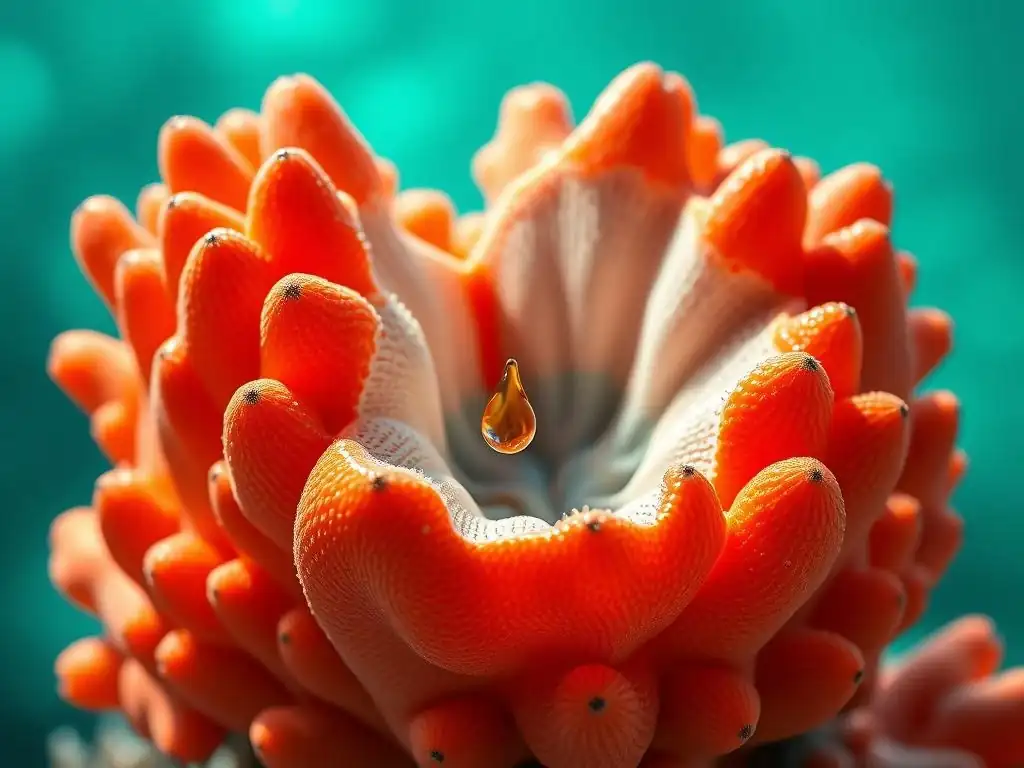
What are Terpenoids and How Do Leather Corals Synthesize Them?
Terpenoids, also known as isoprenoids, constitute a vast and diverse class of organic compounds primarily produced by plants, but also by various marine invertebrates, including leather corals. These compounds are secondary metabolites, meaning they are not directly involved in the essential processes of growth, development, or reproduction, but rather play crucial roles in ecological interactions, such as defense against predators, attraction of symbionts, or, in the case of leather corals, chemical competition. Leather corals synthesize terpenoids through complex biochemical pathways, often involving the cyclization and modification of isoprene units.
One well-studied example is sarcophytoxide, a potent diterpene produced by Sarcophyton species. These compounds are typically stored within the coral's tissues and released into the water column, particularly under stress, during shedding, or as a continuous low-level secretion. The specific types and concentrations of terpenoids can vary significantly between different genera and even within species of leather corals, contributing to their varied allelopathic effects on other tank inhabitants.
The Effects of Terpenoids on SPS Corals, Zoanthids, and Other Invertebrates
The release of terpenoids by leather corals can have significant and often detrimental effects on other corals and invertebrates in a confined reef system. Small Polyp Stony (SPS) corals, such as Acropora, Montipora, and Seriatopora, are particularly susceptible due to their delicate polyps and reliance on stable water chemistry for calcification. Exposure to terpenoids can lead to polyp retraction, reduced growth rates (with studies showing growth inhibition of up to 50% in Acropora when exposed to high concentrations), tissue recession, bleaching, and even complete tissue necrosis.
Less sensitive corals, including some Large Polyp Stony (LPS) corals and other soft corals like zoanthids ( Palythoa, Zoanthus) and mushroom corals ( Rhodactis, Ricordea), can also be negatively impacted, exhibiting reduced expansion, dulling of color, or a general "unhappy" appearance. While mobile invertebrates like shrimp and snails are generally less affected as they can move away from concentrated areas, prolonged exposure to high levels of these compounds can still contribute to overall stress in the aquarium environment, making a robust leather coral stinging defense mitigation strategy essential.
Identifying Signs of Terpenoid Release in Your Reef Tank: Coral Recession and Irritation
Identifying the signs of terpenoid release in your reef tank requires careful observation of your corals' behavior and appearance. The most common indicators are seen in sensitive corals located downstream or in close proximity to leather corals. Symptoms often include persistent polyp retraction, where corals remain closed for extended periods, even during optimal conditions. You may also observe tissue recession, where the coral tissue pulls back from its skeleton, particularly noticeable at the base or tips of SPS corals.
Other signs of irritation can include excessive mucus production from the affected corals (not the leather coral itself), a dulling or loss of vibrant coloration, and a general lack of vigor. In severe cases, a subtle, almost oily film might be visible on the water surface, though this is less common with good filtration. Recognizing these subtle cues early allows aquarists to intervene quickly, preventing widespread damage and maintaining the health of their entire reef ecosystem, highlighting the importance of managing the leather coral stinging defense.
Other Defensive Strategies Employed by Leather Corals
Mucus Production: A Physical Barrier Against Predators and Algae
Beyond their chemical warfare, leather corals employ several physical defensive strategies. One prominent method is the copious production of mucus. This thick, slimy layer serves multiple purposes. Primarily, it acts as a physical barrier against potential predators, making the coral less palatable or difficult to grasp for certain fish or invertebrates that might otherwise attempt to graze on its tissues.
Additionally, the mucus layer helps to prevent the settlement and growth of nuisance algae and other undesirable epibionts on the coral's surface. By creating a slippery, unstable substrate, it discourages the attachment of competing organisms. This constant production and sloughing off of mucus also plays a role in the coral's overall hygiene, helping to remove trapped detritus and sediment from its delicate polyp surfaces, contributing to its robust leather coral stinging defense.
Shedding: A Method of Removing Algae and Epibionts
Leather corals are well-known for their periodic shedding process, a remarkable adaptation that serves as an effective defensive and cleaning mechanism. During shedding, the coral will retract its polyps, deflate, and begin to slough off its outer epidermal layer. This process can take several days, during which the coral may appear unhealthy or stressed, often covered in a milky film of shed tissue.
The primary purpose of shedding is to remove accumulated algae, detritus, and any small invertebrates or epibionts that have settled on the coral's surface. By regularly replacing its outer layer, the leather coral effectively cleanses itself, preventing overgrowth by competing organisms and maintaining optimal light exposure for its symbiotic zooxanthellae. This regular self-cleaning contributes significantly to the leather coral's resilience and its ability to thrive in competitive reef environments, reinforcing its overall leather coral stinging defense.
Allelopathy: Competing for Resources Through Chemical Inhibition
Allelopathy, as discussed previously, is a broad term encompassing the chemical inhibition of one organism by another. For leather corals, this strategy is paramount in their competition for vital resources such as light and physical space on the reef. By continuously or intermittently releasing terpenoids and other bioactive compounds into the surrounding water, leather corals actively suppress the growth and health of neighboring corals.
This chemical inhibition allows leather corals to establish and maintain their territory, preventing faster-growing stony corals from overshadowing them or encrusting over their base. In a natural reef, this is a dynamic interaction, but in the confines of an aquarium, the concentrated effects of allelopathy can become a significant challenge for aquarists attempting to maintain a diverse coral collection. Understanding this fundamental aspect of leather coral stinging defense is key to successful mixed reef management.
Identifying Signs of Leather Coral Stress and Chemical Defense
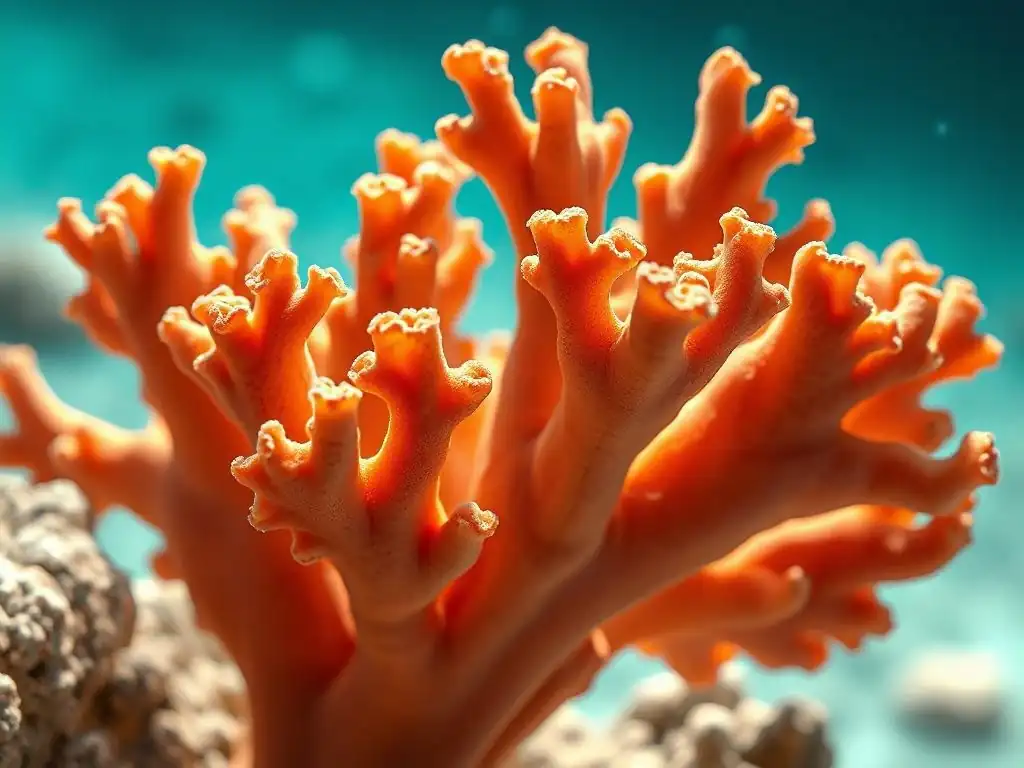
Recognizing the Symptoms of Chemical Warfare in Your Reef Tank: Closed Polyps and Tissue Necrosis
When chemical warfare is underway in your reef tank due to the leather coral stinging defense, the symptoms can be quite alarming. The most immediate and common sign is the persistent closing or retraction of polyps on nearby sensitive corals, especially SPS varieties. Unlike temporary retraction due to feeding or minor disturbances, this closure will be prolonged, often lasting for days. Following this, you may observe tissue recession, where the coral tissue begins to pull away from the skeleton, typically starting from the base or tips.
In more severe or prolonged exposure, the affected coral's tissue may begin to bleach, losing its vibrant coloration as the symbiotic zooxanthellae are expelled or die. Ultimately, if the chemical stress is not alleviated, parts or the entire coral colony can undergo tissue necrosis, leading to irreversible tissue death. This process can be rapid, sometimes occurring within a few days, underscoring the urgency of identifying and addressing the source of irritation.
Observing Changes in Coral Behavior and Appearance: Sliming and Color Changes
Beyond polyp retraction and tissue recession, other subtle changes in coral behavior and appearance can indicate stress from leather coral chemical defense. Affected corals may produce excessive amounts of mucus as a protective mechanism, attempting to slough off the irritating compounds. This sliming can be visible as cloudy patches on the coral's surface or as strands drifting in the water column.
Additionally, observe any dulling or fading of vibrant colors in your corals. While bleaching (complete loss of color) is a severe symptom, a general lack of vibrancy or a washed-out appearance can be an early indicator of chronic stress. Sometimes, corals may also exhibit unusual growth patterns, such as stunted growth or malformed polyps, as their energy is diverted towards combating the chemical irritants rather than healthy development.
Testing Your Water Parameters: Monitoring pH, Alkalinity, and Nitrate Levels
While standard aquarium test kits cannot directly measure terpenoid concentrations, consistently monitoring your water parameters is crucial for assessing overall tank health and coral resilience against chemical stress. Regular testing of pH, alkalinity, calcium, and nitrate levels can reveal indirect impacts of a struggling ecosystem. For instance, stressed corals may exhibit reduced calcification, leading to less uptake of alkalinity and calcium, potentially causing these parameters to rise if not properly managed.
Conversely, a tank under chronic chemical stress might see elevated nitrate or phosphate levels if corals are dying or shedding excessively, contributing to the organic load. Maintaining stable and optimal parameters (e.g., pH 8.1-8.4, alkalinity 7-11 dKH, calcium 400-450 ppm, nitrates below 10 ppm) is fundamental for ensuring corals are robust enough to withstand environmental challenges, including low-level chemical irritation. Regular monitoring provides a baseline and helps identify any deviations that might signal underlying issues exacerbated by leather coral allelopathy.
Minimizing the Impact of Leather Coral Chemical Defense in Your Aquarium
Proper Tank Placement: Ensuring Adequate Water Flow and Separation
To mitigate the impact of leather coral stinging defense through chemical release, proper tank placement is paramount. Leather corals should ideally be positioned in areas with strong, turbulent water flow. This vigorous flow helps to rapidly dissipate any released terpenoids, preventing them from accumulating in concentrated pockets and reducing their contact time with sensitive corals. Placing them near the outlet of a powerhead or return pump can be effective.
Furthermore, physical separation is crucial. Aim to place leather corals at least 6 to 12 inches (approximately 15 to 30 cm) away from sensitive SPS and LPS corals. In smaller tanks, or with particularly large leather corals, even greater separation may be necessary. Consider placing them downstream from sensitive corals or in a dedicated section of the tank where their chemical output will have minimal impact on other inhabitants.
The Importance of Water Changes and High-Quality Activated Carbon
Regular and substantial water changes are indispensable for diluting and removing accumulated allelochemicals from the aquarium water. Performing weekly or bi-weekly water changes of 10-20% of the tank volume helps to refresh the water chemistry and reduce the concentration of dissolved organic compounds, including terpenoids. This simple yet effective practice is a cornerstone of maintaining a healthy reef environment.
Complementing water changes with high-quality activated carbon is equally vital. Activated carbon possesses a highly porous structure that excels at adsorbing dissolved organic compounds, including the terpenoids released by leather corals. It acts like a sponge, effectively pulling these harmful chemicals out of the water column. For optimal performance, replace activated carbon every 2-4 weeks, as its adsorption capacity becomes saturated over time. A common guideline is to use approximately 1 gram of activated carbon per gallon of aquarium water for continuous filtration.
Protein Skimming: Removing Organic Compounds and Improving Water Clarity
Protein skimming is another highly effective method for reducing the impact of leather coral stinging defense by removing dissolved organic compounds (DOCs) from the water column before they can break down or accumulate to harmful levels. Protein skimmers work by using fine air bubbles to create foam, which attracts and collects organic waste products, including some terpenoids, which are then physically removed from the system.
An efficiently operating protein skimmer can significantly reduce the overall organic load in a reef tank, improving water clarity and reducing the potential for chemical warfare. Regular cleaning of the skimmer collection cup (daily to every few days) ensures maximum efficiency. While not all terpenoids are readily removed by skimming, the reduction in overall DOCs contributes to a healthier environment where corals are more resilient to any remaining chemical irritants.
Macroalgae Refugiums: Nutrient Export and Terpenoid Reduction
Incorporating a macroalgae refugium into your filtration system can provide an additional layer of defense against leather coral allelopathy. A refugium is a separate chamber or sump section dedicated to growing macroalgae, such as Chaetomorpha (Chaeto) or Caulerpa. These macroalgae actively absorb nitrates, phosphates, and other dissolved organic compounds from the water, effectively exporting nutrients and potentially some allelochemicals when harvested.
While macroalgae may not directly target terpenoids with high efficiency, their overall contribution to nutrient export and the creation of a more biologically diverse system can indirectly help mitigate the effects of chemical warfare. A healthier, more stable environment with lower nutrient levels generally leads to more resilient corals that are better equipped to withstand minor chemical stresses, making a refugium a valuable component in a mixed reef tank with leather corals.
Safe Handling Practices for Leather Corals
Protecting Yourself from Potential Irritants: Gloves and Eye Protection
When handling leather corals, particularly during fragging or tank maintenance, it is crucial to protect yourself from potential irritants. Although leather corals do not possess potent stinging cells like anemones, their mucus and the chemicals they release (terpenoids) can cause skin irritation or allergic reactions in sensitive individuals. Always wear nitrile or latex gloves to create a barrier between your skin and the coral's tissues and mucus.
Additionally, consider wearing eye protection, especially if you are fragging or performing tasks that might cause water or coral mucus to splash. Splashing these substances into the eyes can lead to irritation or discomfort. Prioritizing personal safety ensures that you can enjoy maintaining your reef tank without adverse health effects, making the handling of leather corals a safe and manageable task.
Recommended Tools and Equipment: Coral Cutters and Handling Containers
To ensure both your safety and the health of the coral, using the right tools and equipment is essential when handling leather corals. For fragging (propagating) leather corals, sharp, clean coral cutters or a surgical scalpel are recommended. These tools allow for precise cuts, minimizing tissue damage to the parent colony and the frag. Always sterilize your tools before and after use to prevent the spread of diseases.
It is also highly advisable to use a dedicated container, such as a small plastic tub or bucket, to hold the leather coral when it is removed from the main display tank for handling or fragging. This practice prevents the direct release of large amounts of mucus and allelochemicals into your main aquarium water, which can trigger an immediate stress response in other corals. After handling, a brief rinse of the coral in a separate bucket of tank water can further help remove excess mucus before returning it to the display.
Avoiding Direct Skin Contact with Leather Coral Mucus: Potential for Allergic Reactions
Direct skin contact with leather coral mucus should be avoided whenever possible, even if you are not prone to allergies. While the effects are generally mild for most people, ranging from a slight itch to temporary redness, some individuals can experience more pronounced allergic reactions, including dermatitis, rashes, or localized swelling. The chemicals within the mucus, particularly the terpenoids, are the likely culprits for these irritant responses.
If accidental skin contact occurs, immediately wash the affected area thoroughly with soap and warm water. For individuals with known sensitivities or a history of allergic reactions, it is wise to exercise extra caution and perhaps even double-glove when handling these corals. Being mindful of these precautions ensures a safer and more enjoyable experience for all aquarists managing the leather coral stinging defense in their tanks.
Coexistence Strategies: Selecting Tank Mates That Can Withstand Leather Coral Defenses
Choosing Fish and Invertebrates That Are Less Susceptible to Terpenoids: Certain Fish Species
When planning a mixed reef aquarium that includes leather corals, selecting tank mates that are less susceptible to their chemical defenses is a key coexistence strategy. Fortunately, most fish species commonly kept in reef tanks are generally quite tolerant of the terpenoids released by leather corals. Unlike sessile corals, fish are mobile and can swim away from areas of higher chemical concentration if they find it irritating.
Hardy and active fish such as clownfish ( Amphiprioninae), many species of wrasses ( Labridae), damselfish ( Pomacentridae), and tangs ( Acanthuridae) typically coexist well with leather corals without showing signs of stress from their chemical output. These fish are generally robust and their constant movement in the water column helps to maintain good flow, indirectly aiding in the dissipation of allelochemicals. Avoiding very delicate or specialized fish that are known to be sensitive to water quality fluctuations is always a good practice.
Avoiding Overcrowding to Minimize Stress and Competition
Overcrowding is a significant exacerbating factor for chemical warfare in a reef tank. When too many corals, especially those with allelopathic capabilities like leather corals, are packed into a confined space, the concentration of released terpenoids can quickly reach detrimental levels. This increased density intensifies competition for space, light, and nutrients, leading to higher stress levels for all inhabitants.
Maintaining appropriate stocking densities based on the tank's size and filtration capacity is crucial. Giving each coral ample room to grow and thrive minimizes the need for aggressive chemical defense and reduces the overall chemical load in the water. A good rule of thumb is to ensure there is adequate physical separation between corals, allowing for growth and maintaining good water circulation around each specimen, which helps to dilute the effects of leather coral stinging defense.
Specific Tank Mate Recommendations: Clownfish, Certain Shrimp Species, and Hardy Snails
For successful coexistence with leather corals, specific tank mate recommendations can guide aquarists.
- Clownfish: Many species of clownfish are excellent tank mates. They are hardy, tolerant of various conditions, and some may even host in certain soft corals, including leather corals, without ill effects from the chemical output.
- Shrimp: Popular shrimp species such as Peppermint Shrimp ( Lysmata wurdemanni), Skunk Cleaner Shrimp ( Lysmata amboinensis), and Blood Red Fire Shrimp ( Lysmata debelius) are generally robust and unaffected by leather coral allelopathy. They also contribute to tank cleanliness.
- Snails: Herbivorous snails like Turbo Snails ( Turbo fluctuosa), Nassarius Snails ( Nassarius vibex), and Astrea Snails ( Astrea tecta) are excellent detritivores and algae eaters. They are typically very hardy and show no adverse reactions to leather coral chemicals, making them invaluable members of the clean-up crew.
While most common reef invertebrates are compatible, it's always wise to research specific species sensitivities if you plan to introduce particularly delicate or specialized filter feeders into a tank with allelopathic corals.
Conclusion: Mastering Leather Coral Care and Understanding Their Chemical Defense
Key Takeaways: Maintaining a Healthy Reef Ecosystem with Leather Corals
Mastering the care of leather corals, particularly understanding their chemical defense mechanisms, is fundamental to maintaining a healthy and thriving reef ecosystem. The primary takeaway is that leather corals do not "sting" with potent nematocysts in the traditional sense, but rather employ a sophisticated chemical warfare strategy, primarily through the release of terpenoids. These compounds, while crucial for their survival and competition in the wild, can be detrimental to other sensitive corals in the confined environment of a home aquarium, leading to issues like polyp retraction, tissue recession, and even necrosis.
To mitigate the impact of this leather coral stinging defense, aquarists must implement a multi-faceted approach. This includes strategic tank placement with ample water flow and physical separation from other corals, diligent use of high-quality activated carbon for chemical adsorption, robust protein skimming to remove dissolved organic compounds, and regular, substantial water changes to dilute accumulated toxins. By proactively managing these factors, aquarists can successfully integrate leather corals into mixed reefs, allowing their unique beauty to enhance the tank without compromising the health of other inhabitants.
Further Resources for Learning About Leather Coral Care and Tank Compatibility
For aquarists keen to deepen their knowledge of leather coral care and tank compatibility, continuous learning and observation are invaluable. Reputable online forums and dedicated reef keeping communities provide platforms for sharing experiences and seeking advice from seasoned hobbyists. Additionally, scientific journals and marine biology resources often publish research on coral allelopathy and chemical ecology, offering deeper insights into these complex interactions.
Exploring other sections of Aquarium Mastery, particularly those detailing water chemistry, coral physiology, and specific species profiles, can further enhance an aquarist's understanding. By staying informed and attentively observing the behavior and health of all tank inhabitants, reef keepers can create a balanced and resilient ecosystem where leather corals and their diverse tank mates can coexist harmoniously, leading to a truly captivating and sustainable marine display.
Frequently Asked Questions
Can Leather Corals Actually Sting Aquarium Inhabitants?
Yes, leather corals can sting, though their sting is typically mild compared to some other corals. The sting is a defensive mechanism used to protect their territory.
What is the "stinging" mechanism that Leather Corals utilize?
Leather corals use specialized cells called nematocysts located on their surface. These cells contain a coiled, venom-filled thread that is ejected upon contact to irritate or injure nearby organisms.
Are Leather Coral stings dangerous to humans?
Generally, leather coral stings are not dangerous to humans. They may cause a mild rash or irritation upon contact, but serious reactions are rare.
How far can a Leather Coral's stinging reach?
The stinging range of a leather coral is relatively short, usually only a few inches. It's a localized defense mechanism intended for creatures in close proximity.
What can I do to minimize the risk of stinging other corals in my aquarium?
Ensure adequate spacing between your leather coral and other corals. Also, strong water flow can help dilute any toxins released and prevent them from affecting neighboring inhabitants.
Final Reflection: The Subtle Power of Defense
The intricacies of Leather coral stinging defense are more than just a scientific curiosity; they represent a fundamental aspect of survival in a complex ecosystem. Understanding these mechanisms allows us to appreciate the delicate balance within coral reefs and the constant struggle for dominance that shapes these vibrant underwater landscapes. This knowledge is particularly relevant today, as coral reefs face unprecedented threats from climate change and human activity, making the preservation of their defensive capabilities crucial for their long-term survival.
The ability of Leather corals to defend themselves, even through seemingly gentle contact, highlights the ongoing influence of subtle power in nature. It reminds us that strength isn't always about brute force, but often about carefully calibrated chemical defenses and strategic positioning. In nature, nothing is created, nothing is destroyed, everything is transformed.
- Antoine Lavoisier. This quote perfectly encapsulates the Leather coral's approach; it transforms its environment through chemical interactions, defending its territory and ensuring its survival.
Now, consider how this principle of subtle defense might apply to your own life. How can you harness your unique strengths, even those that seem insignificant, to protect what you value and thrive in a challenging environment? Embrace the power of understanding, observation, and strategic action, and you too can navigate the complexities of life with resilience and grace.
Unleash Your Reefkeeping Potential!
Thanks for diving into the fascinating world of leather corals with us! We hope you’ve gained a deeper understanding of their defensive strategies. Now, let's put that knowledge into action!
Here are some ways to continue your reef aquarium journey:
- Carefully observe your leather coral: Spend extra time this week watching for signs of stinging interactions within your tank. Note any behaviors and adjust placement accordingly.
- Share this article! Help other reefers by passing this knowledge along to your reef aquarium groups.
- Brainstorm: can you creatively adapt a household object as a reef safe barrier to keep coral separated?
Ready to apply what you've learned and create a thriving reef environment?