
Favia Flow Requirements: Balancing Gentle Currents for Happy Corals

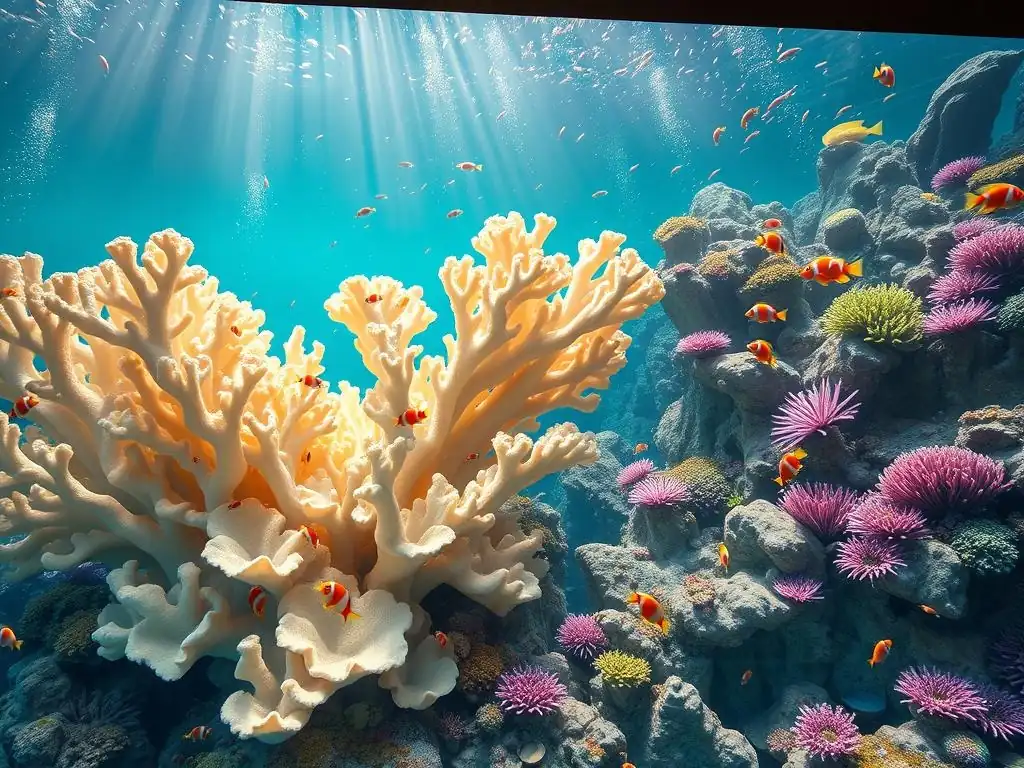
Welcome to Aquarium Mastery!
Ever wondered how to achieve that perfect gentle sway for your favia coral, ensuring vibrant health and stunning growth? You've come to the right place. This guide dives deep into the essential art of creating the ideal gentle current for coral, unlocking the secrets to keeping your favia thriving. Ready to learn more and witness the beauty of a truly happy coral? Let's explore!
- Montipora Flow Requirements: Optimizing Circulation for Growth and Color
- Understanding Montipora Coral Needs: An Introduction to Water Movement
- Deciphering "Moderate and Turbulent": What Does it Mean for Montipora?
- Setting Up Ideal Flow for Montipora Corals in Your Reef Tank
- Signs of Incorrect Flow: Recognizing Flow-Related Issues in Montipora Corals
- Maintaining Consistent Flow: Long-Term Considerations for Montipora Health
- Flow and Montipora Coloration: How Circulation Impacts Pigmentation
- Complementary Factors: Water Quality and Lighting in Montipora Care
- Troubleshooting Flow Problems: Addressing Common Issues in Montipora Tanks
- Choosing the Right Montipora: Considering Flow Needs Before Purchase
- Advanced Flow Techniques: Enhancing Montipora Health with Gyre and Surge
- Conclusion: Achieving Optimal Montipora Health Through Balanced Flow
-
Frequently Asked Questions
- What exactly is a "gentle current" in the context of Favia coral care?
- Why is a gentle current so important for Favia coral health?
- How can I determine if my aquarium's current is gentle enough for Favia coral?
- What types of equipment can I use to create a gentle current in my aquarium?
- What are some common signs that the water current is too strong for my Favia coral?
- Final Reflection: The Delicate Dance of Life
- Dive Deeper: Cultivate Thriving Favia in Your Reef!
Montipora Flow Requirements: Optimizing Circulation for Growth and Color
Understanding Montipora Coral Needs: An Introduction to Water Movement
Why Proper Water Flow is Crucial for Montipora Coral Health
Proper water flow is a cornerstone of successful Montipora coral husbandry, directly influencing their health, growth, and vibrant coloration. These Small Polyp Stony (SPS) corals, known for their rapid growth and diverse forms, rely on consistent and appropriate water movement for a multitude of vital biological processes. Without adequate circulation, Montipora corals can suffer from detritus accumulation, nutrient deficiencies, and impaired gas exchange, leading to stress and eventual decline. An optimal, gentle current for coral that is also turbulent ensures a stable micro-environment for these delicate organisms.
Effective water flow ensures that essential nutrients, trace elements, and microscopic food particles are delivered directly to the coral polyps, facilitating their feeding and metabolic functions. Simultaneously, it aids in the efficient removal of metabolic waste products, such as carbon dioxide and excess mucus, preventing their buildup around the coral tissue. This continuous exchange is critical for maintaining the coral's physiological balance and supporting the symbiotic relationship with their zooxanthellae, which are responsible for much of their energy production through photosynthesis.
Montipora Corals in the Reef Environment: Natural Flow Variations
In their natural habitats across the Indo-Pacific, Montipora corals are found in diverse reef zones, from sheltered lagoons to exposed reef crests, experiencing a wide spectrum of water movement. While some species thrive in areas with very strong, surging currents, many plating and branching forms are typically found in zones characterized by moderate to strong, yet highly turbulent and chaotic, flow patterns. This natural variability underscores the importance of replicating a similar dynamic environment within a home aquarium, moving beyond simple unidirectional flow.
The inherent randomness of natural reef currents prevents dead spots and ensures that all parts of the coral colony receive consistent exposure to fresh water. This constant, non-laminar movement is crucial for Montipora, as it mimics the natural ebb and flow of tides and waves, which constantly refresh the water column around the coral. Recreating this complex, multidirectional flow is key to promoting robust growth and preventing issues like tissue necrosis at the base of the colony, which can occur when detritus settles due to insufficient water movement.
Deciphering "Moderate and Turbulent": What Does it Mean for Montipora?
Defining Moderate and Turbulent Flow: Avoiding Stagnant or Direct Currents
For Montipora corals, "moderate and turbulent" flow describes a water movement pattern that is sufficiently strong to keep detritus from settling on the coral tissue and facilitate nutrient exchange, but not so direct or laminar that it causes tissue damage. Moderate flow typically translates to water velocities that gently sway the coral polyps without causing them to retract or appear stressed. This differs significantly from a completely gentle current for coral that might be suitable for very soft corals, as Montipora require more dynamic movement.
Turbulence, on the other hand, refers to the chaotic, multidirectional nature of the water movement. Instead of a steady, unidirectional stream, turbulent flow involves water moving from various angles, creating eddies and swirls. This prevents the formation of "dead spots" where water stagnates and detritus accumulates. Achieving this often involves using multiple powerheads pointed at opposing angles or employing wave-making devices that create oscillating flow patterns, ensuring the entire coral colony benefits from the dynamic water movement.
The Role of Water Movement in Montipora Nutrient Uptake and Gas Exchange
Water movement plays a pivotal role in the nutrient uptake and gas exchange processes vital for Montipora coral survival and growth. The flow of water constantly brings dissolved organic matter, phytoplankton, and zooplankton – primary food sources for Montipora – into contact with their polyps. Without adequate flow, these essential nutrients would be quickly depleted from the immediate vicinity of the coral, leading to starvation and stunted growth.
Furthermore, efficient water circulation is crucial for the coral's respiration and photosynthesis. It ensures a continuous supply of oxygen for the coral's metabolic needs and removes carbon dioxide, a byproduct of respiration, preventing its accumulation to toxic levels. During photosynthesis, the zooxanthellae within the coral tissue consume carbon dioxide and release oxygen; proper flow helps dissipate this oxygen, preventing supersaturation and ensuring a fresh supply of CO2 for continued photosynthetic activity. This constant exchange is critical for maintaining the health of the symbiotic algae and, by extension, the coral host.
Setting Up Ideal Flow for Montipora Corals in Your Reef Tank
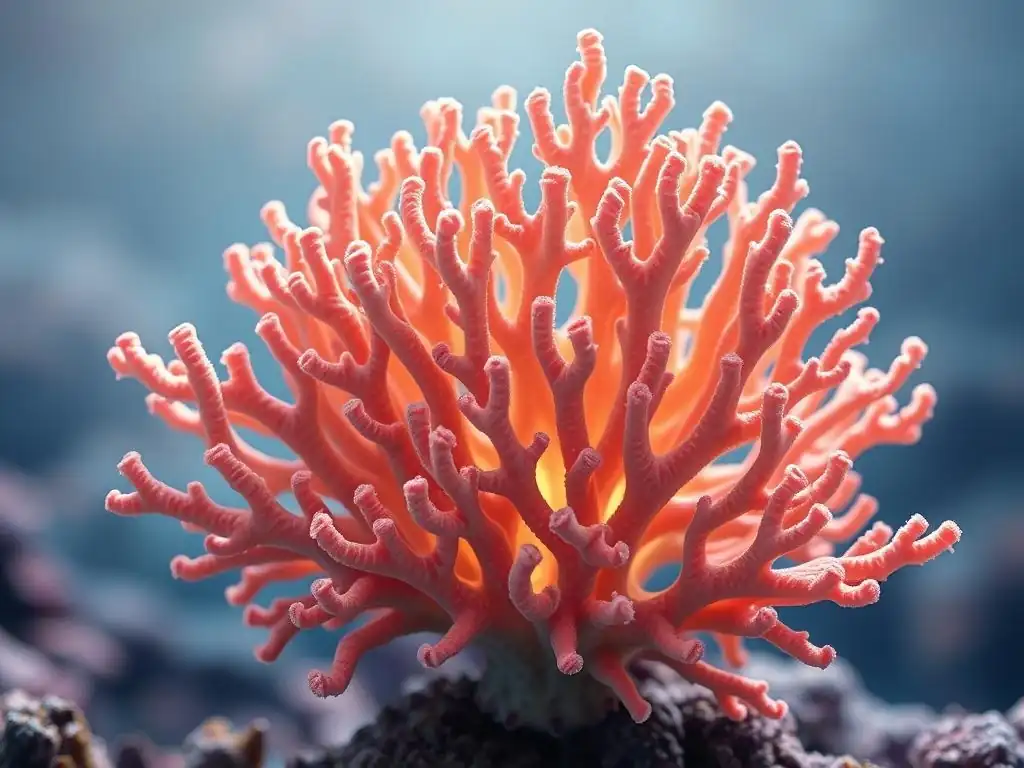
Equipment Choices: Powerheads, Wave Makers, and Circulation Pumps for Montipora
Selecting the right equipment is fundamental to establishing optimal flow for Montipora corals. High-quality powerheads and wave makers are essential, as they provide the necessary water movement without generating excessive heat or consuming too much energy. Brands like EcoTech Marine's VorTech pumps, Tunze Turbelle stream pumps, and Jebao wave makers are popular choices among aquarists due to their reliability, adjustability, and ability to create diverse flow patterns. For a 75-gallon reef tank with a good Montipora collection, two pumps rated for 1,000-2,000 GPH each, positioned strategically, can often provide sufficient and varied flow.
When choosing pumps, consider those with features like variable speed control, multiple flow modes (e.g., pulse, random, constant), and even wireless synchronization capabilities. These features allow for precise tuning of the flow to meet the specific needs of your Montipora colonies and other tank inhabitants, ensuring a dynamic environment that mimics natural reef conditions. Investing in durable, reef-safe pumps designed for continuous operation is crucial for long-term success and maintaining a consistently gentle current for coral that is also robust.
Powerhead Placement: Achieving Random and Alternating Flow Patterns
Strategic powerhead placement is paramount for creating the ideal random and alternating flow patterns that Montipora corals thrive in. Instead of pointing all pumps in one direction, aim to create opposing or cross-currents. For example, in a rectangular tank, placing a powerhead at each end, angled towards the center front glass, can generate a broad, sweeping flow. Another effective strategy is to place one pump high and another lower on the opposite side, creating vertical and horizontal turbulence.
Consider using three or more smaller pumps in larger tanks to maximize flow diversity. For instance, in a 120-gallon tank, three 800 GPH pumps positioned at different heights and angles can create a highly chaotic and beneficial flow profile. By utilizing wave-making modes or controllers that alternate pump activity, you can simulate the ebb and flow of natural tides, preventing stagnant areas and ensuring all parts of your Montipora colonies receive consistent, oxygenated water. Regularly observe detritus accumulation and polyp extension to fine-tune placement.
Fine-Tuning Flow: Observing Your Montipora's Polyp Extension and Growth
Observing your Montipora corals is the most effective way to fine-tune water flow. Healthy Montipora polyps should be fully extended and gently swaying in the current. If polyps are constantly retracted, pinched, or show signs of tissue recession (especially at the base), the flow might be too strong or too laminar in that specific spot. Conversely, if detritus is accumulating on the coral's surface or around its base, or if polyps appear limp and not actively extending, the flow is likely insufficient.
Adjustments should be made incrementally, observing the coral's response over several hours or days. For instance, if a Montipora digitata shows signs of stress from direct flow, slightly re-angle the powerhead or reduce its intensity. If a plating Montipora is collecting detritus, increase the flow slightly or introduce more turbulent patterns. Consistent monitoring of growth rates and overall coloration also provides long-term indicators of whether your flow regime is supporting optimal Montipora health.
Identifying Signs of Insufficient Flow: Tissue Recession and Algae Growth
Insufficient water flow is a common culprit behind several problems in Montipora corals. One of the most telling signs is tissue recession, particularly at the base or shaded areas of the colony. This occurs because waste products accumulate, and essential nutrients cannot reach these areas effectively. Over time, this stress can lead to the death of the affected tissue, often appearing as white or bare skeletal patches.
Another clear indicator of insufficient flow is the accumulation of detritus and the subsequent growth of nuisance algae, such as cyanobacteria (red slime algae) or dinoflagellates, directly on the coral's surface or in crevices. These algae thrive in low-flow, nutrient-rich environments. If you observe patches of algae forming on your Montipora or notice a buildup of particulate matter that doesn't get swept away, it's a strong signal that your current flow setup is inadequate and needs adjustment to provide a more effective gentle current for coral that prevents stagnation.
Recognizing Signs of Excessive Flow: Tissue Damage and Polyp Retraction
While Montipora generally prefer strong flow, excessive or direct laminar flow can be equally detrimental. One of the most immediate signs of excessive flow is constant polyp retraction. If your Montipora polyps remain tightly closed or barely extended, even during lights-on periods, the current might be too intense for their comfort. Prolonged exposure to overly strong, direct flow can also lead to physical tissue damage, appearing as white patches where the tissue has been stripped from the skeleton.
In severe cases, entire sections of the coral can bleach or undergo rapid tissue necrosis due to the constant stress and physical abrasion from the water current. For example, a powerhead pointed directly at a delicate Montipora capricornis for an extended period could cause its plating edges to fray and recede. If you notice these symptoms, it's crucial to immediately re-angle or reduce the intensity of the offending powerhead, or consider adding a flow diffuser to create a broader, less concentrated stream.
Maintaining Consistent Flow: Long-Term Considerations for Montipora Health
Regular Equipment Maintenance: Ensuring Consistent Water Movement
Consistent water movement is paramount for the long-term health of Montipora corals, and this consistency hinges on regular maintenance of your flow equipment. Powerheads and circulation pumps can accumulate detritus, biofilm, and calcified deposits over time, which reduces their efficiency and can even lead to complete failure. A pump that originally provided 1,500 GPH might drop to 800 GPH if not regularly cleaned, leading to insufficient flow in the tank.
It is recommended to disassemble and clean powerheads every 1-3 months, depending on the bioload of your tank and the hardness of your water. Soaking impellers and pump housings in a vinegar or citric acid solution for a few hours effectively dissolves calcification and removes slime. This routine maintenance ensures that your pumps operate at their optimal capacity, providing the steady and turbulent flow that Montipora corals require, and maintaining that beneficial gentle current for coral throughout the tank.
Monitoring Flow Patterns: Adapting to Coral Growth and Tank Changes
As Montipora corals grow, their larger colonies can significantly alter existing flow patterns within the aquarium. A Montipora capricornis that has encrusted a large rock or a Montipora digitata that has branched extensively can create new shaded areas or obstruct established flow paths, leading to dead spots or areas of reduced circulation. Therefore, continuous monitoring of flow patterns is essential.
Periodically observe detritus accumulation and polyp extension around your growing corals. If you notice new areas of stagnation or stress, you may need to adjust the angle of existing powerheads, increase their intensity, or even add a new pump to compensate for the altered hydrodynamics. Similarly, any changes to rockwork, the addition of new corals, or even the placement of new equipment (like skimmers or reactors) can necessitate a re-evaluation and adjustment of your tank's flow strategy to maintain optimal conditions for your Montipora.
Flow and Montipora Coloration: How Circulation Impacts Pigmentation
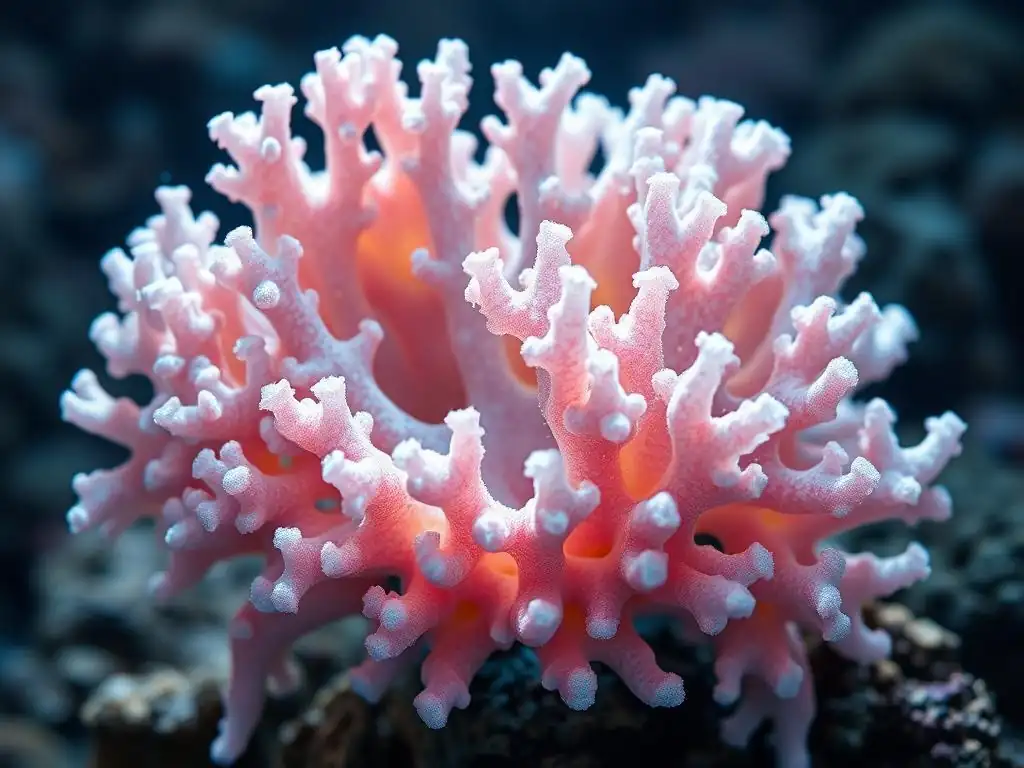
The Relationship Between Water Flow and Montipora Coral Color
The vibrant coloration of Montipora corals is not solely dependent on lighting; water flow plays a significant, albeit often underestimated, role. Optimal flow ensures that essential nutrients, trace elements (like iron and iodine), and vital carbonates reach the coral tissue efficiently. These elements are crucial for the health of the zooxanthellae within the coral, which produce the majority of the coral's energy and contribute significantly to its pigmentation.
When flow is insufficient, nutrient delivery is hampered, and waste products accumulate, stressing the zooxanthellae. This stress can lead to the expulsion of these symbiotic algae, resulting in bleaching or a dulling of the coral's natural colors. Conversely, excessive flow can also stress the coral, causing it to retract polyps and potentially bleach as a defense mechanism. A balanced, gentle current for coral that is turbulent and consistent allows the zooxanthellae to thrive, promoting robust health and, consequently, more intense and stable coloration.
Optimizing Flow for Enhanced Color Expression in Montipora
To optimize flow for enhanced Montipora coloration, the goal is to provide consistent, varied, and turbulent water movement that prevents detritus buildup and facilitates efficient nutrient exchange without causing stress. This means avoiding direct, blasting flow on any single spot, and instead aiming for a broad, sweeping, and oscillating current that reaches all parts of the colony. For example, a purple Montipora undata might display deeper, richer hues when consistently bathed in a gentle, turbulent flow compared to one in a stagnant zone.
Consider using multiple smaller pumps or a single larger pump with a wide flow pattern. Implementing gyre-style flow, which creates a broad, circular motion of water throughout the tank, can be particularly beneficial for large Montipora colonies. This type of flow ensures that nutrients are evenly distributed and waste is efficiently removed from the entire water column, allowing the coral's polyps to fully extend and absorb light and nutrients, ultimately leading to more vibrant and stable pigmentation.
Complementary Factors: Water Quality and Lighting in Montipora Care
The Importance of Stable Water Parameters for Montipora Health
While water flow is critical, it operates in conjunction with other vital parameters to ensure Montipora coral health. Stable water quality is non-negotiable. This includes consistent levels of alkalinity (8-11 dKH), calcium (400-450 ppm), and magnesium (1250-1350 ppm), which are the building blocks for their skeletal growth. Fluctuations in these parameters can stress Montipora, making them more susceptible to disease and less resilient to changes in flow. Regular testing and consistent dosing are essential.
Furthermore, maintaining low levels of nitrates (typically below 10 ppm) and phosphates (below 0.03 ppm) is crucial. High nutrient levels can lead to nuisance algae outbreaks, which compete with Montipora for space and light, especially in areas with less than ideal flow. A robust filtration system, including protein skimming, refugiums, and regular water changes, supports stable water chemistry, creating an environment where Montipora can thrive under an optimized gentle current for coral.
Matching Lighting Intensity to Montipora's Flow Environment
Lighting is another symbiotic factor with water flow, especially for photosynthetic Montipora corals. These corals generally require moderate to high intensity lighting, with PAR (Photosynthetically Active Radiation) levels typically ranging from 200 to 400 PAR, depending on the species and its placement in the tank. However, the perceived intensity of light can be influenced by water movement.
In areas with strong, turbulent flow, light can be diffused and scattered, effectively reducing the direct intensity reaching the coral. Conversely, in very low flow areas, light can be more concentrated, potentially leading to bleaching if the PAR is too high. Therefore, when optimizing flow, it's important to consider how it interacts with your lighting. A Montipora capricornis placed higher in the tank under intense lighting will benefit from strong, turbulent flow to help dissipate localized heat and ensure efficient gas exchange, preventing photoinhibition. Adjusting light intensity or duration may be necessary after significant flow changes to maintain balance.
Troubleshooting Flow Problems: Addressing Common Issues in Montipora Tanks
Dealing with Dead Spots: Improving Circulation Behind Rocks and Decorations
Dead spots, areas of stagnant water where detritus accumulates, are a common problem in reef tanks and particularly detrimental to Montipora corals. These often occur behind large rock structures, inside crevices, or beneath extensive coral colonies. A tell-tale sign is the persistent accumulation of uneaten food, fish waste, or brown detritus in specific areas, even after the main flow is established.
To combat dead spots, strategic placement of smaller, lower-GPH powerheads can be highly effective. For example, a small 200-300 GPH pump discreetly placed behind a large piece of live rock or aimed into a problematic crevice can dislodge accumulated debris and improve localized circulation. Additionally, periodically blasting these areas with a turkey baster during water changes can help manually remove detritus. Re-evaluating your aquascape to promote better water movement around and through rockwork can also significantly reduce dead spots, ensuring a more uniform and gentle current for coral throughout the tank.
Mitigating Excessive Turbulence: Reducing Direct Flow on Sensitive Species
While Montipora corals generally prefer strong, turbulent flow, even they can be overwhelmed by excessive or direct laminar flow, especially when first introduced to a tank or if they are particularly delicate specimens. Signs of excessive turbulence include constantly retracted polyps, tissue recession, or white patches where tissue has been stripped from the skeleton. This is distinct from the beneficial, chaotic turbulence; it's more like a constant, damaging blast.
To mitigate excessive turbulence, first check the angle of your powerheads. Often, simply re-angling a pump slightly away from the affected coral can make a significant difference. If the pump is too powerful for the area, consider reducing its intensity (if it has variable speed control) or replacing it with a lower-GPH model. Using flow diffusers or attaching a wider nozzle to the pump outlet can help spread the flow over a larger area, reducing its direct impact and transforming a harsh blast into a more beneficial, gentle current for coral that still provides adequate movement.
Choosing the Right Montipora: Considering Flow Needs Before Purchase
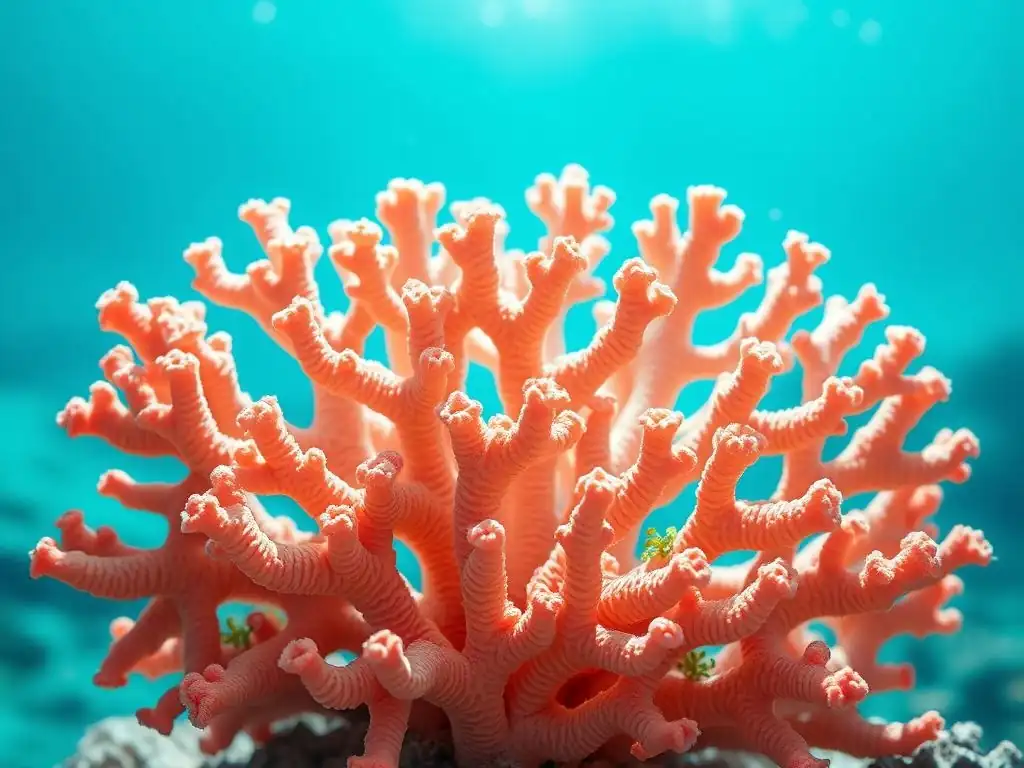
Understanding Flow Requirements for Different Montipora Growth Forms
Montipora corals exhibit a wide array of growth forms, and their specific flow requirements can vary subtly based on these morphologies. Plating Montipora (e.g., Montipora capricornis, Montipora undata) generally prefer strong, turbulent flow that sweeps over their broad surfaces, preventing detritus accumulation. However, direct, laminar flow on the edges of their plates can cause tissue recession. These forms benefit from a broad, sweeping gentle current for coral that is also robust.
Branching Montipora (e.g., Montipora digitata, Montipora setosa) also thrive in strong, turbulent flow, as the water can easily pass through their intricate branches, facilitating nutrient exchange and waste removal. Encrusting Montipora forms (e.g., many Montipora spongodes variants) are typically found in areas with very strong, surging flow in the wild, as their low profile allows them to withstand intense currents. When selecting Montipora, research the specific species' natural habitat and growth form to match it with your tank's existing flow capabilities.
Selecting Montipora Corals Suitable for Your Tank's Current Capabilities
Before purchasing a Montipora coral, it is crucial to honestly assess your existing tank's flow capabilities. Attempting to force a high-flow demanding Montipora into a tank with insufficient water movement is a recipe for disappointment and coral loss. If your tank is smaller (e.g., 20-40 gallons) or has limited pump options, you might be better off starting with Montipora species known to tolerate slightly less aggressive flow, or those that are more forgiving of minor flow inconsistencies.
Conversely, if you have a large, well-equipped reef tank with multiple powerful wave makers, you can confidently choose Montipora species that demand very high flow. Always consider the mature size of the coral and how it might impact flow patterns as it grows. For instance, a small M. capricornis frag might fit anywhere initially, but a dinner-plate sized colony will significantly alter flow. Matching the coral's long-term flow needs to your tank's potential ensures a thriving environment and a genuinely gentle current for coral that promotes health, not stress.
Advanced Flow Techniques: Enhancing Montipora Health with Gyre and Surge
Implementing Gyre Flow: Utilizing Wave Makers for Broad Water Movement
Gyre flow represents an advanced water movement technique that can significantly benefit Montipora corals, particularly in larger reef tanks. Unlike traditional powerheads that create more localized streams, gyre-style wave makers (e.g., Maxspect Gyre, IceCap Gyre) are designed to produce a broad, laminar sheet of water flow that travels the length of the aquarium, hits the opposing wall, and then returns. This creates a circular, "gyring" motion that encompasses the entire water column.
The primary advantage of gyre flow for Montipora is its ability to eliminate dead spots and provide uniform, consistent water movement across a wide area. This broad, sweeping gentle current for coral ensures that all parts of large Montipora colonies, including those in shaded or less accessible areas, receive fresh, nutrient-rich water and efficient waste removal. It mimics the large-scale water movement found in natural reef environments, promoting robust growth and vibrant coloration throughout the entire colony.
Surge Devices: Mimicking Natural Reef Conditions for Montipora
Surge devices are another advanced flow technique aimed at replicating the powerful, intermittent water movement found in exposed reef crests and surge zones. While less common in typical home aquariums due to their complexity and potential for significant water movement, they can be highly beneficial for Montipora species that naturally inhabit high-energy environments. These devices typically involve a chamber that fills with water and then rapidly releases it, creating a powerful, short-duration wave or surge.
For species like encrusting Montipora or those from very exposed areas, a controlled surge can provide the intense, naturalistic flow they thrive in. This intermittent blast of water helps to dislodge detritus, stimulate polyp activity, and provide a truly dynamic environment. While a full surge device might be overkill for most Montipora in a mixed reef, understanding the concept highlights how natural, powerful, yet intermittent, flow can contribute to the specific needs of certain coral species, going beyond a simple gentle current for coral to provide true natural simulation.
Conclusion: Achieving Optimal Montipora Health Through Balanced Flow
Key Takeaways: Providing Moderate and Turbulent Flow for Thriving Montipora Corals
Achieving optimal health and vibrant growth in Montipora corals hinges significantly on providing a balanced water flow regime. This means moving beyond a simple gentle current for coral and aiming for moderate to strong, yet turbulent and random, water movement. This dynamic flow ensures efficient nutrient delivery, effective waste removal, and proper gas exchange, all critical processes for these beautiful SPS corals. Without it, Montipora can suffer from detritus accumulation, tissue recession, and dull coloration.
Successful Montipora husbandry requires careful selection and placement of powerheads, regular maintenance of equipment, and continuous observation of the corals' response. By understanding the specific flow needs of different Montipora growth forms and adapting your tank's circulation accordingly, you can create an environment that closely mimics their natural reef habitats. This detailed attention to water movement, combined with stable water parameters and appropriate lighting, will allow your Montipora colonies to flourish, displaying their full potential in terms of growth, polyp extension, and stunning coloration.
Frequently Asked Questions
What exactly is a "gentle current" in the context of Favia coral care?
A gentle current for Favia coral refers to water movement that's neither stagnant nor too forceful. It's a low to moderate flow that allows the coral to efficiently receive nutrients and expel waste, without being stressed by excessive turbulence.
Why is a gentle current so important for Favia coral health?
Favia corals rely on water flow for several crucial functions. This includes nutrient uptake, waste removal, and oxygen delivery. Insufficient flow can lead to algae buildup and tissue necrosis, while excessive flow can damage the coral.
How can I determine if my aquarium's current is gentle enough for Favia coral?
Observe your Favia coral closely. Look for moderate polyp extension and natural swaying. Avoid signs of retracted polyps, excessive slime production, or tissue recession, which can indicate flow issues.
What types of equipment can I use to create a gentle current in my aquarium?
Several options exist, including wave makers, powerheads (with adjustable flow), and circulation pumps. Position these devices carefully to avoid direct, forceful flow onto the Favia coral.
What are some common signs that the water current is too strong for my Favia coral?
Signs of excessive flow include tissue recession, bleaching, and polyp retraction. You might also observe the coral being physically buffeted by the current. Adjust your flow devices immediately if these signs appear.
Final Reflection: The Delicate Dance of Life
The intricate dance between Favia corals and their environment, as explored throughout this article, highlights the crucial role of gentle current for coral health and vitality. Understanding and replicating these natural conditions within our aquariums is not merely a matter of aesthetics; it's a commitment to fostering thriving ecosystems that mirror the beauty and balance of the ocean itself. The success of our coral reefs, both natural and artificial, hinges on our ability to appreciate and respect these subtle, yet powerful, forces.
The concept of "gentle current" extends beyond the physical realm; it represents a broader understanding of symbiotic relationships and the delicate balance within ecosystems. My own journey into reef keeping has underscored the profound interconnectedness of all living things, reminding me that even the smallest adjustments can have significant impacts. In nature, nothing exists alone.
- Rachel Carson. This quote perfectly encapsulates the essence of reef keeping, where every parameter, every organism, plays a vital role in the overall health and stability of the system.
As you consider the information presented in this article, I encourage you to reflect on your own role in preserving these delicate ecosystems. Whether you are a seasoned reef keeper or simply an admirer of the ocean's wonders, remember that every action, no matter how small, can contribute to a more sustainable and vibrant future for our coral reefs. Embrace the challenge of creating a nurturing environment, not just for your corals, but for all life that depends on the ocean's gentle currents.
Dive Deeper: Cultivate Thriving Favia in Your Reef!
Thank you for exploring the nuances of Favia flow requirements! We hope this guide has illuminated the path to creating a thriving reef environment for these captivating corals. Now, let's translate knowledge into action.
Here's how you can immediately enhance your Favia's environment:
- Implement a Gentle, Varied Flow: Experiment with different pump placements and wavemakers to find the optimal flow pattern for your Favia. Observe its polyp extension to gauge its satisfaction.
- Share Your Successes (and Challenges!):Connect with fellow reef keepers on forums or social media to exchange insights and learn from each other's experiences.
- Unleash Your Inner Scientist: Track your Favia's growth and coloration over time under different flow conditions. Document your observations to refine your approach and contribute to the reefing community's collective knowledge.
What unexpected flow patterns have yielded the best results for your Favia corals?