
Propagating Mushroom Corals: Simple Techniques for Explosive Growth

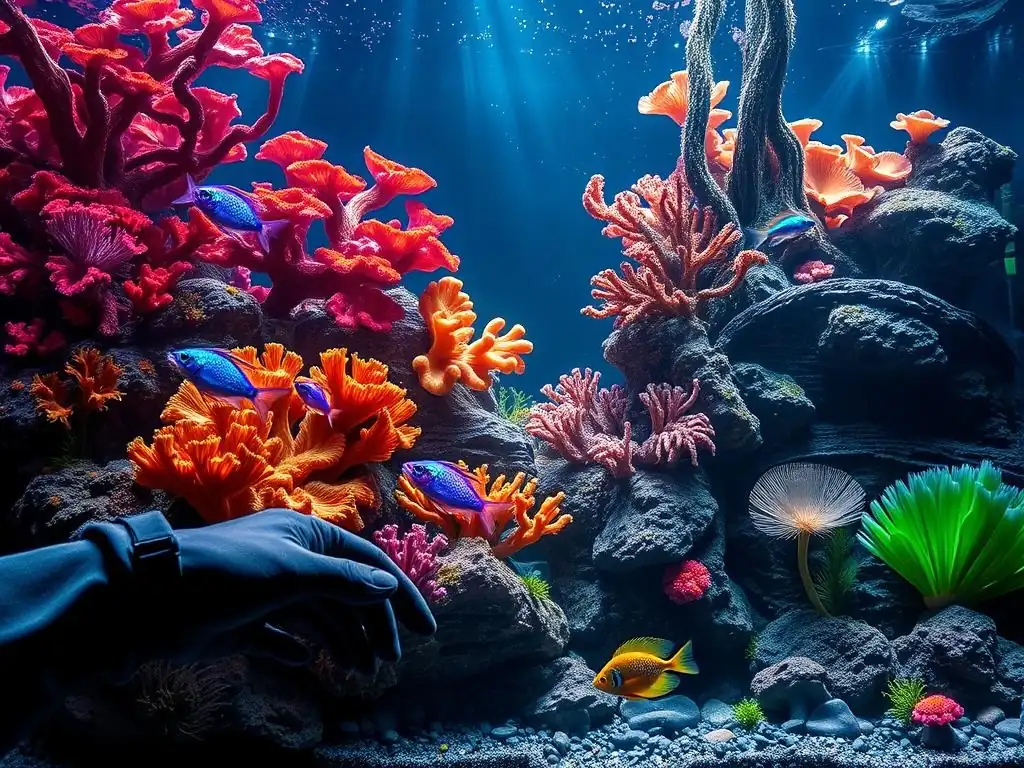
Welcome to Aquarium Mastery, where your underwater dreams come to life!
Ever wondered how to expand your coral garden and create a vibrant reefscape brimming with life? Dive into our guide and unlock the secrets of mushroom coral propagation techniques. We'll show you simple yet effective methods to achieve explosive growth and multiply your prized specimens. Ready to cultivate your own colony? Let's explore!
- Understanding Mushroom Corals and Their Growth
- Essential Mushroom Coral Propagation Techniques for Aquarists
- Optimizing Your Reef Tank for Mushroom Coral Propagation Success
- Troubleshooting Common Issues in Mushroom Coral Propagation
- Advanced Mushroom Coral Propagation Methods
- Conclusion: Mastering Mushroom Coral Propagation
-
Frequently Asked Questions
- How can I tell if my mushroom coral is ready for propagation?
- What are the most common methods for propagating mushroom corals?
- What tools do I need to propagate mushroom corals successfully?
- How long does it take for a propagated mushroom coral to attach to a new surface?
- What water parameters are essential for successful mushroom coral propagation and growth?
- Final Reflection: Cultivating Underwater Gardens
- Unleash the Coral Garden Within!
Understanding Mushroom Corals and Their Growth
Introduction to Mushroom Corals (Rhodactis, Discosoma, Ricordea)
Mushroom corals, belonging primarily to the genera Discosoma, Rhodactis, and Ricordea, are popular soft corals known for their vibrant colors, ease of care, and diverse textures. Unlike many stony corals, mushroom corals do not have a calcified skeleton, making them less susceptible to alkalinity swings and easier to propagate. Their unique appearance, ranging from smooth, undulating discs to frilly, textured polyps, adds significant aesthetic value to a reef aquarium. These corals are often found in various depths in the wild, typically in areas with lower light and moderate flow, adapting well to a range of tank conditions.
These fascinating invertebrates reproduce both sexually and asexually in the wild. Asexual reproduction, through processes like budding, fission (splitting), or pedal laceration (where pieces of the foot detach and grow into new polyps), is particularly common and forms the basis for most mushroom coral propagation techniques in captivity. Their resilience and ability to regenerate from small fragments make them ideal candidates for aquarists looking to expand their coral collection or even engage in a small-scale fragging operation. Understanding these natural growth patterns is crucial for successful propagation.
Factors Influencing Mushroom Coral Growth in Reef Aquariums
The growth rate of mushroom corals in a reef aquarium is influenced by several key environmental factors. Optimal water parameters are paramount; this includes stable salinity (around 1.025 specific gravity), a consistent temperature range (typically 74-78°F or 23-26°C), and low levels of nitrates and phosphates. While some mushroom species are more tolerant of elevated nutrients, maintaining pristine water quality generally promotes healthier and more robust growth, reducing stress and susceptibility to disease.
Lighting and water flow also play significant roles. Most mushroom corals thrive under moderate to low lighting conditions, with PAR (Photosynthetically Active Radiation) values often ranging from 50 to 150 µmol·m⁻²·s⁻¹. Excessive light can cause them to shrink, bleach, or exhibit dull coloration. Similarly, moderate, indirect water flow is preferred, as strong, direct flow can prevent them from fully extending or even detach them from their substrate. Providing a stable environment that mimics their natural habitat will encourage more rapid growth and natural mushroom coral propagation.
Why Propagate Mushroom Corals? Benefits for Your Reef Tank
Propagating mushroom corals offers numerous benefits for both the individual aquarist and the broader hobby. For the hobbyist, it's an excellent way to expand a coral collection without continuously purchasing new specimens, saving significant costs. A single healthy mushroom can, over time, multiply into a vibrant colony, allowing for creative aquascaping and filling out empty spaces in the reef tank. This self-sufficiency also fosters a deeper understanding of coral biology and care.
Beyond personal collection expansion, successful mushroom coral propagation techniques contribute to the sustainability of the marine aquarium hobby. By growing corals in captivity, the demand for wild-collected specimens is reduced, lessening the environmental impact on natural reef ecosystems. Propagating and sharing or selling frags also creates a community among aquarists, fostering knowledge exchange and the spread of desirable coral morphs. It's a rewarding aspect of reef keeping that combines artistry with conservation.
Essential Mushroom Coral Propagation Techniques for Aquarists
The Fragging Method: A Suitable Approach
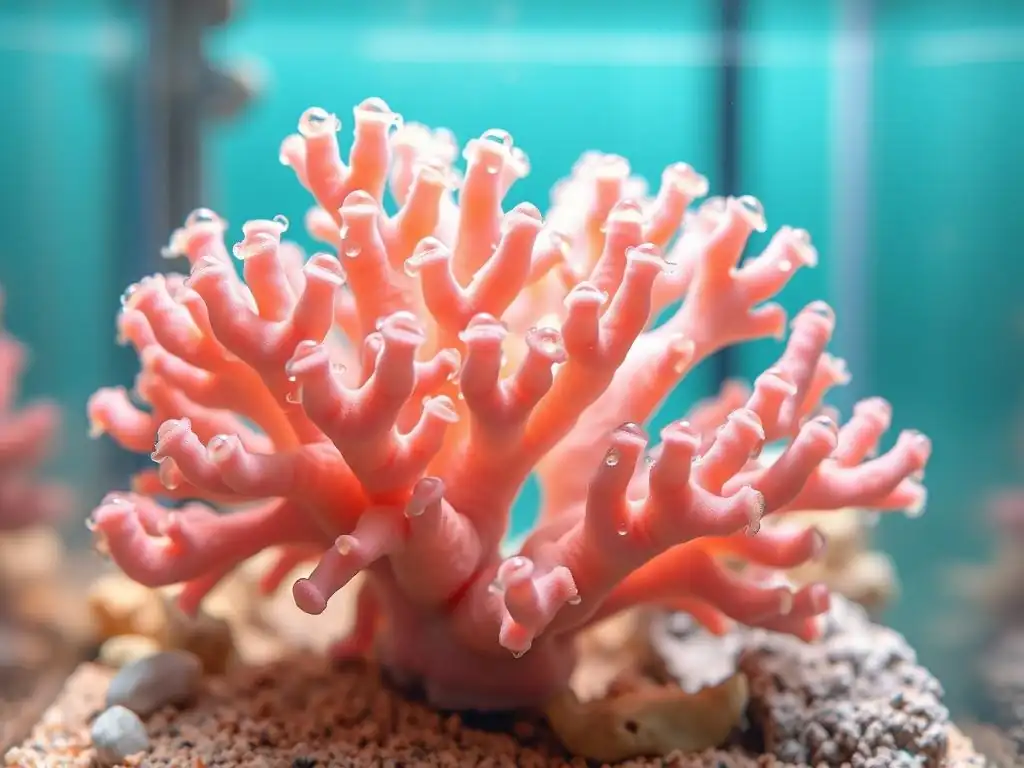
The fragging method, involving the intentional cutting or division of a mushroom coral, is one of the most effective mushroom coral propagation techniques. This method allows aquarists to create multiple new polyps from a single parent, accelerating colony expansion significantly faster than natural reproduction alone. While seemingly daunting, with the right tools and precautions, it's a straightforward process that can yield high success rates.
Successful fragging ensures that each new piece has enough tissue to regenerate into a full, healthy mushroom. The key is to minimize stress on the parent coral and provide optimal conditions for the frag to heal and attach to a new substrate. This technique is particularly useful for species that readily detach or for creating specific arrangements within the aquarium.
Choosing Healthy Mushroom Corals for Fragging
Selecting healthy parent mushroom corals is crucial for successful propagation. Look for corals that are fully extended, vibrant in color, and show no signs of recession, tears, or disease. Avoid fragging corals that appear stressed, shrunken, or have any visible lesions, as these may not heal properly and could potentially introduce pathogens to your fragging station or other corals. A healthy parent coral will have a higher chance of producing resilient frags.
Additionally, consider the size of the parent mushroom. Larger, well-established polyps typically handle the fragging process better and yield more viable fragments. For instance, a Discosoma mushroom with a diameter of 3-4 inches (7.5-10 cm) can often be divided into two or three smaller pieces, each with a good chance of survival, whereas smaller specimens might struggle to recover from the trauma. Prioritizing robust parent stock ensures a higher success rate in your mushroom coral propagation techniques.
Tools and Equipment Needed for Mushroom Coral Fragging
Proper tools are essential for safe and efficient mushroom coral fragging. You will need a sharp, clean razor blade or a scalpel for precise cuts, as dull instruments can cause excessive tissue damage. A small cutting board or a flat, non-porous surface, like a piece of acrylic or a dedicated fragging tray, is necessary to work on. It's also advisable to have a container of tank water readily available to rinse corals and tools.
For mounting the frags, super glue gel (cyanoacrylate) is the most common adhesive, along with frag plugs or small pieces of inert rock rubble. Nitrile or latex gloves are highly recommended to protect your hands from potential irritants released by corals, such as palytoxin from some Palythoa species (though less common in true mushrooms, caution is always wise). Finally, a pair of tweezers can be useful for handling delicate frags. Having all these items prepared beforehand streamlines the mushroom coral propagation process.
Step-by-Step Guide to Mushroom Coral Fragging
The process of fragging mushroom corals typically involves a few key steps. First, gently remove the parent mushroom from its substrate, if necessary, being careful not to tear the foot. Place the mushroom on your cutting surface.
Using your sharp razor blade or scalpel, make a clean cut through the oral disc and foot of the mushroom. For many Discosoma and Rhodactis species, a single cut down the middle, creating two halves, is sufficient. For larger specimens, you might be able to create three or four sections, ensuring each piece has a portion of the central mouth or at least a significant amount of the pedal disc.
Immediately after cutting, rinse the fragged pieces in a separate container of clean tank water to remove any released mucus or tissue. Then, gently dab the bottom of each frag on a paper towel to remove excess moisture, which helps the super glue adhere. Apply a small amount of super glue gel to a frag plug or a piece of rubble, then press the cut side of the mushroom firmly onto the glue for about 10-20 seconds.
It's crucial that the cut edge makes good contact with the glue. Once attached, place the newly fragged mushrooms in a low-flow, low-light area of your quarantine or display tank for healing. This methodical approach is key to successful mushroom coral propagation techniques.
Post-Fragging Care: Ensuring Successful Healing
After fragging, proper post-fragging care is paramount to ensure the successful healing and growth of new mushroom corals. Place the freshly fragged mushrooms in an area of your tank with very low to moderate flow and subdued lighting. This minimizes stress, allowing the coral to allocate energy towards healing rather than struggling against strong currents or intense light. A typical healing period can range from one to four weeks, depending on the species and the size of the frag.
During this healing phase, monitor the frags closely for any signs of infection, recession, or failure to attach. Maintaining stable water parameters is critical; ensure alkalinity, calcium, magnesium, and salinity levels are within optimal ranges. While mushroom corals are generally hardy, keeping nitrates and phosphates low will further aid recovery. Some aquarists also opt to dip frags in an iodine-based coral dip solution before placing them in the tank, which can help prevent bacterial infections. Patience and consistent monitoring are vital components of effective mushroom coral propagation techniques.
The Rock Splitting Method: A Recommended Technique
While less common for individual mushroom polyps, the rock splitting method can be a viable mushroom coral propagation technique when a colony of encrusting mushroom corals, such as some Ricordea florida or large Rhodactis mats, has grown extensively over a single piece of live rock. Instead of detaching individual polyps, this method involves carefully breaking the rock itself to create smaller, manageable pieces, each bearing a portion of the mushroom colony. This approach minimizes direct manipulation of the coral tissue, potentially reducing stress.
This method is particularly effective for species that are difficult to peel off their substrate without causing significant damage or for creating larger frag pieces with multiple polyps already established. It leverages the coral's natural adherence to the rock, ensuring a secure base for the new frag.
Identifying Suitable Rocks with Mushroom Colonies
To employ the rock splitting method effectively, you must first identify suitable rocks heavily encrusted with mushroom colonies. Look for rocks where the mushroom polyps have grown densely together, forming a continuous mat or a large cluster that covers a significant portion of the rock surface. The rock should ideally be small enough to handle safely but large enough to yield several viable frag pieces once split. Avoid rocks with other delicate corals or invertebrates that could be damaged during the splitting process.
Rocks that are irregularly shaped or have natural fissures can be easier to split along, reducing the effort required and minimizing the risk of uncontrolled breakage. For instance, a Ricordea florida colony that has spread across a 6-inch (15 cm) piece of base rock could be a prime candidate, allowing you to create two or three smaller frag pieces, each with several established polyps. Careful selection of the host rock is paramount for successful application of this mushroom coral propagation technique.
Carefully Splitting Rocks to Encourage Propagation
Once a suitable rock is identified, carefully splitting it requires precision and the right tools. A chisel and a hammer are typically used for this purpose. Submerge the rock in a bucket of tank water to minimize stress on the corals and prevent them from drying out. Place the chisel along a natural seam or a desired breaking point on the rock, ensuring it avoids direct contact with the mushroom tissue as much as possible. With controlled, gentle taps of the hammer, apply pressure to the chisel, aiming to split the rock cleanly.
The goal is to create new, smaller rock pieces, each with an intact portion of the mushroom colony attached. After splitting, immediately inspect the newly created frags for any signs of damage or detached polyps. Rinse the frags briefly in fresh tank water to remove any rock dust or debris. These new rock-mounted frags can then be placed directly into your display tank or a frag rack. This method, while more impactful on the rock, can be a highly efficient mushroom coral propagation technique for large, encrusting colonies.
Creating Optimal Conditions for New Mushroom Growth
After splitting the rocks, providing optimal conditions is key to encouraging new mushroom growth on the smaller fragged pieces. Place the newly created frags in an area of your tank with low to moderate water flow, ensuring they are not blasted by direct currents. This allows the mushrooms to remain fully extended and begin the healing process. Lighting should also be moderate, mimicking the conditions where mushroom corals thrive.
Maintain stable and pristine water parameters, including stable salinity (1.024-1.026), temperature (75-78°F or 24-26°C), and low levels of nitrates and phosphates. While mushroom corals are tolerant, consistent water quality reduces stress and promotes faster healing and growth. Within a few weeks, if conditions are favorable, you should observe the mushrooms fully extending and potentially even beginning to bud new polyps, indicating successful implementation of these mushroom coral propagation techniques.
Mushroom Coral Propagation via Natural Spreading
Mushroom corals are renowned for their ability to reproduce naturally within the aquarium, making natural spreading one of the most passive yet effective mushroom coral propagation techniques. This involves the parent polyp either budding off smaller clones from its base (pedal laceration) or undergoing fission, where it splits into two or more distinct polyps. This process is less invasive than fragging and often occurs spontaneously in well-established, healthy colonies.
Encouraging natural spreading is often a goal for aquarists who want to fill specific areas of their tank with mushroom colonies without manual intervention. It requires providing consistent, favorable environmental conditions that allow the corals to thrive and direct their energy towards reproduction. This method is particularly satisfying as it demonstrates the natural vitality of your reef ecosystem.
Recognizing Natural Spreading Signs in Mushroom Corals
Recognizing the signs of natural spreading in mushroom corals allows aquarists to optimize conditions for further propagation. For species that reproduce by fission, you might observe a parent polyp elongating and then gradually constricting in the middle, eventually splitting into two distinct, smaller polyps. This process can take several days to weeks. In the case of pedal laceration, small, translucent fragments may be seen detaching from the base or foot of the parent mushroom. These fragments, often no larger than a grain of sand, will then slowly grow into miniature polyps.
Another common sign is the appearance of tiny, new mushroom polyps emerging from the substrate surrounding an established colony. These are often miniature clones of the parent, indicating successful budding or regeneration from detached pedal fragments. Observing these subtle changes is key to understanding and facilitating natural mushroom coral propagation techniques within your aquarium. For example, a single Discosoma mushroom can produce 2-3 new small polyps via pedal laceration over a period of 6-12 months under ideal conditions.
Optimizing Placement for New Growth After Spreading
Once natural spreading begins, optimizing the placement of the parent colony can significantly influence where new growth occurs. If you want new mushrooms to colonize a specific area, ensure the parent mushroom is positioned so that any naturally detached fragments or budding polyps have a suitable, stable surface to settle on. This often means placing the parent coral on a small piece of rubble or directly on the sand bed in a low-flow area where fragments won't be swept away.
For instance, if a Rhodactis mushroom is showing signs of pedal laceration, placing it near porous rockwork or a bed of small, clean rubble can encourage the detached fragments to settle and reattach. Ensure these areas have moderate lighting and very gentle flow. If you desire a "mushroom garden" effect, allowing them to spread naturally across a flat rock or the sand bed can create a stunning visual. Thoughtful placement supports the natural mushroom coral propagation techniques and guides the expansion of your colony.
Optimizing Your Reef Tank for Mushroom Coral Propagation Success
Water Parameter Considerations for Enhanced Growth
Maintaining stable and optimal water parameters is the bedrock of successful mushroom coral propagation techniques. While mushroom corals are generally forgiving, consistent parameters minimize stress, allowing the corals to direct their energy towards growth and reproduction rather than survival. Fluctuations in key parameters can inhibit growth and even lead to recession or bleaching, particularly in newly fragged specimens.
Regular testing and precise adjustments are crucial. Aim for parameters that mimic natural reef environments, creating a comfortable and conducive habitat for your mushroom corals to thrive and multiply. This foundational care ensures the long-term health and prolific nature of your mushroom coral collection.
Maintaining Ideal Alkalinity, Calcium, and Magnesium Levels
While mushroom corals do not build calcified skeletons like stony corals, maintaining stable alkalinity, calcium, and magnesium levels is still beneficial for their overall health and growth. Alkalinity, ideally between 7-9 dKH, helps stabilize pH and supports general coral metabolism. Calcium levels, typically 400-450 ppm, and magnesium levels, around 1300-1400 ppm, contribute to the stability of the water chemistry and the cellular processes within the coral.
Although these elements are not consumed in large quantities by mushroom corals, consistent levels prevent stress and ensure that the water column is well-balanced. For example, a stable dKH range of 8.0-8.5 can promote slightly faster growth and more vibrant coloration in Discosoma mushrooms compared to tanks with fluctuating alkalinity. Regular testing, perhaps weekly or bi-weekly depending on tank stability, will help maintain these critical parameters for effective mushroom coral propagation techniques.
The Importance of Stable Salinity and Temperature
Stability in salinity and temperature is paramount for the health and propagation of mushroom corals. Salinity should be maintained consistently within a narrow range, typically 1.025-1.026 specific gravity (or 35 ppt). Fluctuations, even by a few points, can cause osmotic stress, leading to retraction, tissue damage, or even death, particularly in newly fragged or recovering corals. An auto top-off (ATO) system is highly recommended to prevent salinity swings caused by evaporation.
Temperature stability is equally vital, ideally kept between 75-78°F (24-26°C). Rapid temperature changes, even by a couple of degrees, can shock corals and hinder their growth and propagation efforts. Using a reliable heater with a controller and ensuring good water circulation will help maintain a consistent temperature throughout the tank. Maintaining these stable conditions significantly reduces stress, allowing mushroom corals to thrive and exhibit their natural mushroom coral propagation techniques.
Nitrates, Phosphates, and Their Impact on Mushroom Coral Health
While some mushroom corals are known for their tolerance to slightly elevated nutrient levels compared to SPS corals, maintaining low nitrates and phosphates is still crucial for optimal health and vibrant coloration, which in turn supports propagation. High levels of nitrates (above 10-20 ppm) and phosphates (above 0.05-0.1 ppm) can lead to dull coloration, reduced growth rates, and increased susceptibility to nuisance algae growth, which can outcompete and smother mushroom corals.
Ideal levels for nitrates are typically below 5-10 ppm, and phosphates below 0.03 ppm. Achieving these levels often involves regular water changes, efficient protein skimming, and the use of nutrient export methods like refugiums or GFO (Granular Ferric Oxide). For example, a Rhodactis mushroom in a tank with nitrates consistently below 5 ppm and phosphates below 0.02 ppm will likely show faster budding and more intense coloration than one in a tank with higher nutrient loads. Managing these parameters is a key aspect of successful mushroom coral propagation techniques.
Lighting and Flow Requirements for Mushroom Coral Propagation
Appropriate lighting and water flow are critical environmental factors that directly influence the success of mushroom coral propagation techniques. Providing the right balance ensures that corals receive sufficient energy for photosynthesis and nutrient uptake without experiencing stress from excessive light or turbulent flow. Both parameters should be tailored to the specific species of mushroom coral being propagated.
Understanding the specific needs of your mushroom corals in terms of light intensity and water movement will significantly enhance their growth rates and encourage natural or assisted propagation. Too much or too little of either can hinder their ability to thrive and reproduce.
Selecting Appropriate Lighting for Different Mushroom Coral Species
Selecting the appropriate lighting is essential for encouraging mushroom coral growth and propagation. Most mushroom corals, including Discosoma, Rhodactis, and Ricordea, thrive under moderate to low light conditions. Excessive light can cause them to shrink, lose color (bleach), or even detach from their substrate. For Discosoma and Rhodactis, PAR levels between 50-100 µmol·m⁻²·s⁻¹ are often ideal, while Ricordea florida might prefer slightly higher, up to 150 µmol·m⁻²·s⁻¹.
When fragging, it's particularly important to place new frags in an even lower light area initially, allowing them to recover from the stress before gradually moving them to their final desired intensity. For instance, a newly fragged Rhodactis mushroom might start in a shadowy corner with 30-50 PAR and slowly be acclimated to brighter areas over several weeks. Observing the coral's behavior – full extension and vibrant color – is the best indicator of correct lighting. This careful management of light is a crucial mushroom coral propagation technique.
Providing Moderate Water Flow to Promote Nutrient Uptake
Moderate and indirect water flow is optimal for most mushroom corals, promoting nutrient uptake and waste removal without causing stress or dislodgement. Strong, direct flow can prevent mushrooms from fully extending, cause them to fold over, or even tear their delicate tissues. Ideal flow patterns are often turbulent and randomized rather than laminar, mimicking the natural gentle surges found on reefs.
Position powerheads or wavemakers to create broad, oscillating movements that gently sway the mushrooms. For example, a single Discosoma mushroom will typically thrive in an area with a flow rate of 5-10 times tank volume per hour, distributed gently. Newly fragged mushrooms or those undergoing natural splitting should be placed in even lower flow areas, perhaps 2-3 times tank volume per hour, to prevent them from being dislodged from their new attachment points. Ensuring proper flow is a key environmental consideration for successful mushroom coral propagation techniques.
Feeding Strategies to Boost Mushroom Coral Growth Rates
While mushroom corals primarily derive energy from their symbiotic zooxanthellae through photosynthesis, supplemental feeding can significantly boost their growth rates and enhance their vibrancy, thereby supporting more prolific mushroom coral propagation techniques. These corals are heterotrophic, meaning they can capture and consume small food particles from the water column. Providing a varied diet helps meet their nutritional requirements beyond light.
Regular, targeted feeding can lead to visibly plumper polyps and faster budding or splitting. This proactive approach to nutrition complements optimal water parameters, light, and flow, creating an environment where mushroom corals can truly flourish and multiply.
Target Feeding Options for Mushroom Corals
Target feeding is an effective way to provide direct nutrition to mushroom corals, promoting robust growth and encouraging propagation. Suitable food sources include very fine particulate foods, marine snow, live or frozen phytoplankton, and finely chopped meaty foods such as mysis shrimp or copepods. For instance, Ricordea florida are known to readily accept finely minced frozen mysis shrimp, while Discosoma species might prefer a blend of phytoplankton and zooplankton.
When target feeding, turn off powerheads temporarily to prevent the food from being immediately swept away. Use a turkey baster or a pipette to gently squirt a small amount of food directly onto the oral disc of each mushroom polyp. Feed sparingly, perhaps 2-3 times per week, to avoid overfeeding and contributing to nutrient buildup in the tank. Observing how your corals react to different foods will help you determine the most effective feeding strategy for your specific mushroom coral types. This direct nutritional input significantly aids mushroom coral propagation techniques.
Supplementing with Amino Acids and Trace Elements
Beyond direct feeding, supplementing the reef tank with high-quality amino acids and trace elements can further enhance mushroom coral health and growth, indirectly boosting mushroom coral propagation techniques. Amino acids are the building blocks of proteins and are vital for coral tissue growth and repair. Many commercial coral supplements contain a blend of essential amino acids that can be absorbed by corals directly from the water column.
Trace elements, such as iodine, potassium, and strontium, are consumed by corals and play roles in various biological processes, including coloration and overall vitality. While consumed in minute quantities, their deficiency can impact coral health. For example, some aquarists report enhanced color and extension in Rhodactis mushrooms with regular, low-dose iodine supplementation. Always follow manufacturer guidelines for dosing to prevent overdosing, which can be detrimental. These supplements provide a comprehensive nutritional approach that supports thriving and actively propagating mushroom corals.
Troubleshooting Common Issues in Mushroom Coral Propagation
Recognizing and Addressing Infections and Diseases
Even with the best mushroom coral propagation techniques, issues like infections and diseases can arise, especially in newly fragged or stressed corals. Common signs of infection include tissue recession, unusual discoloration (beyond normal color variations), white patches, or a slimy appearance. Bacterial infections often manifest as rapid tissue necrosis, while fungal infections might appear as fuzzy growths.
Prompt action is crucial. If you suspect an infection, isolate the affected mushroom frag in a quarantine tank if possible. Many aquarists find success with coral dips containing iodine (e.g., Lugol's solution) or commercially available coral disinfectants. Follow product instructions carefully for dip duration and concentration. Maintaining pristine water quality and stable parameters in the main tank will help prevent future outbreaks and allow recovering frags to heal more effectively. Early detection and intervention are key to minimizing losses during propagation.
Preventing Nudibranch Infestations on Fragged Mushroom Corals
Nudibranchs are a significant pest for mushroom corals, with specific species like Phyllodesmium acanthorhinum (Mushroom Nudibranch) preying exclusively on them. These camouflaged predators can quickly decimate a mushroom colony, especially vulnerable newly fragged pieces. Preventing infestations is far easier than eradicating them.
A critical preventative mushroom coral propagation technique involves thorough inspection and prophylactic dipping of all new mushroom corals or frags before introducing them to your display or propagation tank. Examine the coral closely for any tiny nudibranchs (often only a few millimeters long) or their distinctive spiral egg clutches, which are typically laid on the underside of the mushroom or its frag plug. A freshwater dip (using RO/DI water matched for temperature and pH for 30-60 seconds) or a commercial coral dip can help dislodge or kill these pests.
Repeat dipping every few days for a couple of weeks for any new additions to ensure no eggs hatch and grow. Quarantine new mushrooms for several weeks, observing them closely, before adding them to your main system.
Dealing with Predation and Competition from Other Inhabitants
Beyond nudibranchs, mushroom corals can face predation or competition from other tank inhabitants, impacting their growth and propagation success. Certain fish, such as some angelfish or butterflyfish, are known to nip at or consume soft corals. Invertebrates like certain crabs (e.g., emerald crabs, if starved), snails, or even other aggressive corals can also pose a threat. Aggressive corals, particularly LPS (Large Polyp Stony) corals with long sweeping tentacles, can sting and damage mushroom coral tissue if placed too close.
To mitigate these issues, carefully research the compatibility of all tank inhabitants before introducing them. Provide ample space between mushroom corals and potentially aggressive neighbors, ensuring at least 3-6 inches (7.5-15 cm) of clearance from LPS corals. If a fish is confirmed to be nipping, rehoming it may be the only solution. For competitive interactions, physical barriers or strategic placement can help. Regularly observe your tank for signs of aggression or predation to protect your mushroom corals and ensure your mushroom coral propagation techniques are fruitful.
Advanced Mushroom Coral Propagation Methods
Using Specialized Fragging Tools for Precision
While a sharp razor blade is sufficient for basic mushroom coral propagation techniques, advanced aquarists often employ specialized fragging tools for greater precision and to minimize stress on the corals. Surgical scalpels with various blade shapes (e.g., #10 or #15 blades) offer superior sharpness and control, allowing for cleaner cuts through delicate mushroom tissue. Some aquarists also use dedicated fragging scissors designed for soft corals, which can be particularly useful for quickly dividing larger, thinner mushroom species.
These tools are typically made of high-quality stainless steel, making them durable and easy to sterilize between uses, which is crucial for preventing the spread of pathogens. For instance, when dividing a large Discosoma mushroom into multiple small pieces, a fine-tipped scalpel allows for more accurate cuts, ensuring each frag receives enough tissue for optimal regeneration. Investing in these specialized tools can significantly improve the success rate and efficiency of your mushroom coral propagation efforts.
Experimenting with Different Mounting Substrates
Experimenting with various mounting substrates can be an advanced mushroom coral propagation technique to optimize attachment rates and display options. While traditional ceramic frag plugs are widely used, other substrates can offer unique advantages. Small, natural pieces of live rock rubble provide a more natural appearance and can integrate seamlessly into the aquascape once the mushroom attaches. Some aquarists use small, inert ceramic discs or even flat pieces of PVC for easier removal of mature frags.
For species prone to detaching, or when propagating very small fragments, using a mesh-covered container or a small, shallow dish filled with rubble can help contain the frags until they attach. For example, a tiny Ricordea fragment might be placed in a small plastic container with a few pieces of rubble and left undisturbed in low flow until it adheres. The choice of substrate can influence the speed of attachment and the final aesthetic of the frag, allowing for more tailored mushroom coral propagation outcomes.
Creating Dedicated Propagation Tanks or Areas
For serious propagators or those looking to scale up their mushroom coral propagation techniques, creating dedicated propagation tanks or specific areas within a larger system offers significant advantages. A dedicated frag tank allows for precise control over water parameters, lighting, and flow, optimized specifically for coral growth and healing, without the variables of a display tank (e.g., fish predation, aesthetic concerns). These tanks often feature high flow, stable parameters, and efficient filtration.
Alternatively, a dedicated frag rack or a specific low-flow, low-light corner within the main display tank can serve as a propagation area. For example, a 20-gallon long (75-liter) tank with a simple filter, heater, and moderate LED light can serve as an excellent propagation station for dozens of mushroom frags. This separation minimizes stress on both parent colonies and new frags, prevents accidental detachment, and allows for close monitoring, ultimately leading to higher success rates and more prolific mushroom coral propagation.
Conclusion: Mastering Mushroom Coral Propagation
Achieving Growth and Expanding Your Coral Collection
Mastering mushroom coral propagation techniques is a rewarding endeavor that allows aquarists to achieve impressive growth and significantly expand their coral collection. By understanding the unique biology of mushroom corals, implementing precise fragging or natural spreading methods, and meticulously optimizing tank conditions, hobbyists can transform a few initial polyps into a thriving, colorful garden. The journey involves careful observation, consistent care, and a willingness to learn and adapt.
The ability to propagate mushroom corals not only enhances the beauty and biodiversity of your own reef tank but also contributes to the sustainability of the marine aquarium hobby. Sharing or trading captive-bred frags reduces reliance on wild-collected specimens and fosters a vibrant community of passionate aquarists. With patience and adherence to the outlined techniques, anyone can become proficient in mushroom coral propagation, enjoying the explosive growth and endless possibilities these fascinating soft corals offer.
Frequently Asked Questions
How can I tell if my mushroom coral is ready for propagation?
Mushroom corals are typically ready for propagation when they've grown large enough to divide into smaller pieces or when you observe new polyps budding off from the main body. Look for a healthy, established coral with a clear separation point.
What are the most common methods for propagating mushroom corals?
The most common methods include cutting the mushroom coral with a blade, fragging the coral with specialized tools, and allowing natural detachment of daughter polyps. Each method has its own advantages and disadvantages.
What tools do I need to propagate mushroom corals successfully?
You'll need a sharp, clean blade (like a scalpel or razor), coral glue or gel, a frag plug or rock, and potentially rubber bands or netting to secure the frag. Ensuring sterility is crucial to prevent infection.
How long does it take for a propagated mushroom coral to attach to a new surface?
Attachment time varies, but typically it takes a few days to a week for a newly propagated mushroom coral to securely attach to a frag plug or rock using coral glue. Monitor the frag regularly and provide stable water parameters.
What water parameters are essential for successful mushroom coral propagation and growth?
Maintaining stable alkalinity, calcium, and magnesium levels is crucial. Keep the water clean with regular water changes and ensure proper lighting and flow to promote healthy growth and coloration in your mushroom corals.
Final Reflection: Cultivating Underwater Gardens
The journey of understanding and applying mushroom coral propagation techniques is more than just a scientific endeavor; it's a testament to our growing connection with the delicate ecosystems of our oceans. What began as a niche interest is now a burgeoning movement, empowering aquarists to actively participate in the health and resilience of coral reefs, one frag at a time.
This exploration into mushroom coral propagation has profoundly influenced my perspective on the aquarium hobby. It's shifted from simple aesthetics to a deeper understanding of marine life and our responsibility to protect it. In the end, we will conserve only what we love; we will love only what we understand; and we will understand only what we are taught.
- Baba Dioum. This quote perfectly encapsulates the power of knowledge and its ability to inspire conservation efforts, starting right within our own homes.
Now, armed with these simple yet effective techniques, I encourage you to embrace the role of a responsible reef keeper. Consider the impact you can have, not only on the beauty of your aquarium but also on the future of these vital marine ecosystems. Take the leap, experiment with these methods, and share your successes. Let's cultivate not just mushroom corals, but also a deeper appreciation and commitment to the preservation of our underwater world.
Unleash the Coral Garden Within!
Thank you for diving deep into the world of mushroom coral propagation! We hope you've gained the knowledge and confidence to expand your reef's vibrant tapestry. Now, it's time to put that learning into action and cultivate your own mesmerizing mushroom coral haven.
Here are a few ways to get started:
- Take the plunge and frag your first mushroom coral! Remember to be gentle and follow the steps outlined in the article. Success starts with a single cut.
- Explore different mushroom coral species at your local aquarium store or online. Research their specific needs and consider adding a new, exciting variety to your collection.
- Share your propagation journey! Post photos and videos of your progress on social media using #AquariumMasteryCoral, inspiring others to join the reefing community.
What unique method are you most excited to try to accelerate the growth of your mushroom coral frags?