
Frogspawn Coral Care: A Deep Dive into Euphyllia divisa & paraancora

Welcome to Aquarium Mastery!
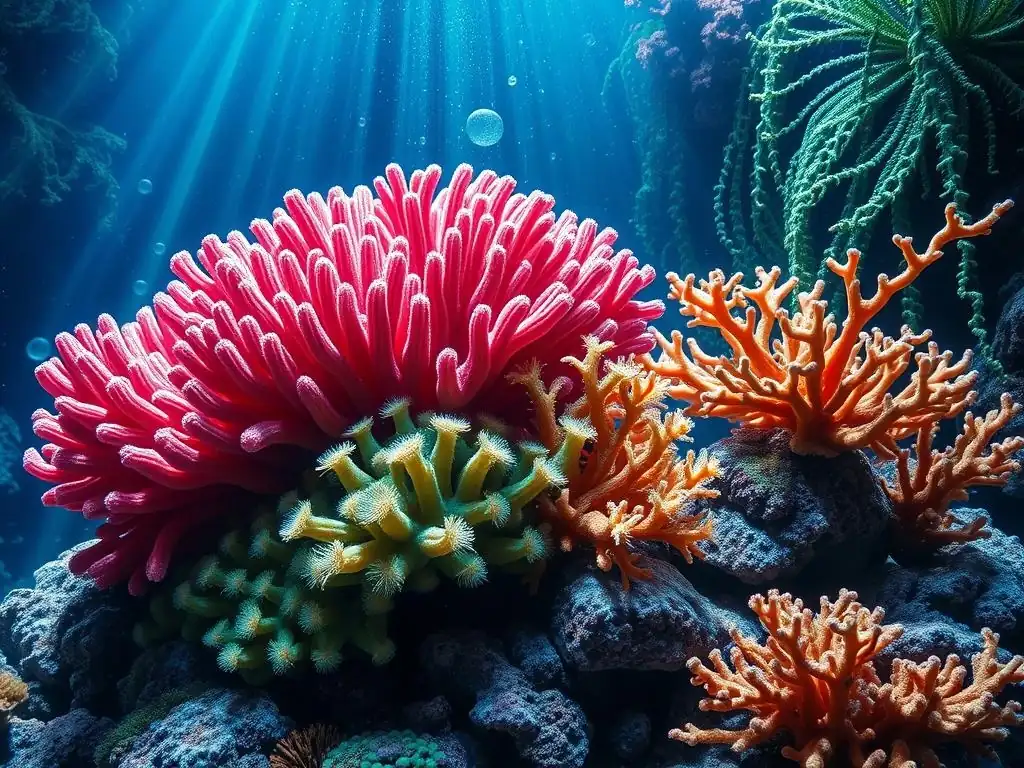
Ever wondered if you could truly unlock the vibrant beauty of a Frogspawn coral in your reef tank? Dive in with us and discover essential Frogspawn coral care tips that go beyond the basics. We'll explore everything you need to know to keep your Euphyllia divisa & paraancora thriving, from lighting and water parameters to feeding and preventing common issues. Are you ready to cultivate a stunning underwater garden? Let's get started!
- Understanding Frogspawn Corals: An Introduction to Euphyllia
- Essential Frogspawn Coral Care Tips for a Thriving Reef
- Feeding Your Frogspawn Coral: Enhancing Growth and Color
- Preventing and Treating Common Frogspawn Coral Diseases
- Propagating Frogspawn Corals: A Guide to Fragging Euphyllia
- Troubleshooting Frogspawn Coral Problems: A Quick Reference
- Choosing the Right Tank Mates for Your Frogspawn Coral
- Advanced Frogspawn Coral Care Techniques
- Conclusion: Mastering Frogspawn Coral Care for a Stunning Reef Aquarium
-
Frequently Asked Questions
- What are the key water parameters needed for successful Frogspawn coral care?
- What type of lighting is best suited for Frogspawn corals?
- What is the ideal flow rate for a Frogspawn coral, and why is it important?
- What are some common issues that can affect Frogspawn corals, and how can I prevent them?
- How often should I feed my Frogspawn coral, and what types of food are suitable?
- Final Reflection: Cultivating Underwater Gardens
- Ignite Your Reef Tank: Start Thriving with Frogspawn Today!
Understanding Frogspawn Corals: An Introduction to Euphyllia
Distinguishing Euphyllia divisa from Euphyllia paraancora
Distinguishing between Euphyllia divisa (branching frogspawn) and Euphyllia paraancora (wall frogspawn) is crucial for proper frogspawn coral care tips, as their growth patterns and structural integrity differ significantly. Euphyllia divisa typically exhibits a branching skeletal structure, where individual polyps extend from distinct, separate branches. This branching habit allows for easier fragging and a more open, airy appearance within the reef aquarium.
The polyps of E. divisa often have distinct, rounded, or slightly lobed tips, resembling frogspawn, which gives the coral its common name. Their coloration can vary widely, from vibrant greens and purples to more muted browns and creams, often with contrasting tips.
In contrast, Euphyllia paraancora grows in a "wall" or "plate" formation, where the polyps emerge from a single, contiguous skeletal structure rather than distinct branches. This creates a denser, more unified mass of polyps. While the individual polyps of E. paraancora also resemble frogspawn, their overall growth pattern is more solid and less fragmented than E. divisa.
Identifying these differences is key not only for aesthetic placement but also for understanding their potential for growth and propagation within a reef system. Both species share similar general care requirements, but their unique skeletal structures influence how they are handled, fragged, and positioned to thrive.
Why Frogspawn Corals are Popular in Reef Aquariums
Frogspawn corals, encompassing both Euphyllia divisa and Euphyllia paraancora, have become immensely popular choices for reef aquariums due to their captivating beauty and relatively manageable care requirements, making them excellent candidates for those seeking practical frogspawn coral care tips. Their long, flowing polyps, which sway gracefully with the tank's water flow, create a dynamic and mesmerizing visual effect, adding significant aesthetic appeal to any marine setup.
Available in a diverse palette of colors, including various shades of green, purple, gold, and even multi-colored morphs, they can serve as vibrant focal points in a mixed reef tank. Beyond their visual allure, their moderate growth rate allows aquarists to observe tangible progress without the coral quickly outgrowing its designated space.
Furthermore, Euphyllia species are generally considered more forgiving than their SPS (Small Polyp Stony) counterparts, making them suitable for intermediate aquarists or those transitioning from soft corals to LPS (Large Polyp Stony) corals. They are relatively hardy, tolerating a slightly wider range of parameters compared to some more delicate corals, provided the core water quality is maintained.
Their ability to derive nutrition from both photosynthesis and direct feeding also contributes to their resilience and vibrant health. This combination of stunning appearance, dynamic movement, and accommodating nature solidifies their status as a beloved staple in the reef keeping hobby, motivating many enthusiasts to seek comprehensive frogspawn coral care tips.
Essential Frogspawn Coral Care Tips for a Thriving Reef
Optimal Water Parameters for Frogspawn Coral Growth
Achieving and maintaining stable water parameters is paramount among frogspawn coral care tips for the long-term health and vibrant growth of Euphyllia divisa and Euphyllia paraancora. These corals thrive in conditions that closely mimic their natural reef environment. Ideal salinity should be maintained within a specific gravity range of 1.024 to 1.026, or approximately 34-35 parts per thousand (ppt).
A stable water temperature between 75°F and 78°F (24°C-25.5°C) is crucial, as fluctuations can induce stress and lead to issues like bleaching. Similarly, the pH level should be kept consistently between 8.0 and 8.4, with 8.2 being an optimal target. Regular testing with reliable kits is essential to monitor these parameters and make precise, gradual adjustments as needed, avoiding sudden swings that can harm the coral.
Beyond these fundamental parameters, the levels of alkalinity, calcium, and magnesium are critical for the calcification process, which is how stony corals build their skeletons. Phosphates and nitrates, while often viewed as problematic, play a nuanced role as low-level nutrients that are beneficial in moderation.
Striving for stability rather than chasing absolute "perfect" numbers is a key aspect of successful frogspawn coral care, as corals adapt better to consistent conditions than to erratic changes. Implementing a routine testing schedule, perhaps two to three times per week for the core parameters and weekly for alkalinity, calcium, and magnesium, allows aquarists to proactively manage their water chemistry and ensure a thriving environment for their Euphyllia.
Maintaining Stable Alkalinity, Calcium, and Magnesium
Maintaining stable levels of alkalinity (dKH), calcium (ppm), and magnesium (ppm) is foundational to the success of any frogspawn coral care tips regimen, as these elements are the building blocks for the coral's skeletal growth. For alkalinity, a range of 8-10 dKH is generally considered ideal, with 8.5 dKH often cited as a sweet spot. Calcium levels should typically be maintained between 400-450 ppm, and magnesium between 1250-1350 ppm.
Magnesium plays a vital role in enabling corals to absorb calcium efficiently, preventing its precipitation out of the water column. When these parameters fluctuate significantly, corals struggle to calcify, leading to stunted growth, tissue recession, and overall decline.
To ensure stability, aquarists often employ various methods such as regular water changes using high-quality salt mix, two-part dosing systems, or calcium reactors. For instance, in a 50-gallon tank with a moderate coral load, a daily dose of 20-30 ml of a balanced two-part solution might be necessary to maintain alkalinity and calcium, depending on the coral's uptake. Monitoring consumption over time allows for precise adjustments.
Weekly testing of these parameters is highly recommended to track consumption rates and prevent depletion or excessive buildup. Consistency in dosing and monitoring is far more beneficial than attempting to correct large deficiencies quickly, which can shock the coral.
The Importance of Nitrate and Phosphate Levels
The role of nitrate and phosphate levels in frogspawn coral care tips has evolved from a strict "zero is best" mentality to a more nuanced understanding that low, detectable levels are actually beneficial for Euphyllia species. While excessive levels of these nutrients can fuel nuisance algae growth and lead to coral tissue necrosis, a complete absence (ultra-low nutrient or ULN systems) can starve corals, causing them to bleach or lose coloration due to a lack of zooxanthellae.
For frogspawn corals, target nitrate levels typically fall within the range of 1-10 ppm, and phosphates should ideally be between 0.02-0.08 ppm. These low levels provide essential nutrients for the symbiotic zooxanthellae within the coral tissue, which are responsible for the coral's vibrant colors and much of its energy production through photosynthesis.
Maintaining these optimal ranges often involves a combination of strategies. Regular partial water changes (e.g., 10-20% bi-weekly) are effective in diluting excess nutrients. Protein skimmers remove organic waste before it breaks down into nitrates and phosphates.
Furthermore, incorporating a refugium with macroalgae like Chaetomorpha can actively export nutrients as the algae grow. Some aquarists also utilize biopellets or granular ferric oxide (GFO) reactors to control phosphates, but these methods must be used cautiously to avoid stripping the water too aggressively, which can lead to "nutrient-poor" conditions detrimental to Euphyllia health. The goal is a balanced ecosystem where nutrients are present but controlled, supporting both coral vitality and overall tank health.
Lighting Requirements for Euphyllia Species
Proper lighting is a critical component of successful frogspawn coral care tips, as Euphyllia species rely heavily on photosynthesis for their energy needs. While they are not as light-demanding as some SPS corals, providing the correct intensity and spectrum is essential for their vibrant coloration and robust growth. Generally, Euphyllia thrive under moderate lighting conditions. Too little light can lead to browning or fading of colors and slow growth, while excessive light can cause bleaching, tissue recession, and polyps to retract.
Observing your coral's response to light is the most accurate way to gauge its needs. Healthy Euphyllia will exhibit full polyp extension and vibrant coloration. If polyps appear shrunken, pale, or are constantly retracting during the light cycle, it may indicate that the light is too intense. Conversely, if they appear stretched or dull, more light might be required. Investing in a PAR (Photosynthetically Active Radiation) meter can provide precise measurements, but careful observation and gradual adjustments are equally important for optimal Euphyllia health.
Choosing the Right PAR and Spectrum
When selecting lighting for Euphyllia species, aiming for a PAR (Photosynthetically Active Radiation) range of 50-150 PAR at the coral's location is generally recommended for optimal frogspawn coral care tips. While some well-acclimated colonies can tolerate up to 200 PAR, starting lower and gradually increasing is safer. For instance, in a 24-inch deep tank, placing the coral in the middle to lower third often provides this ideal PAR range under typical LED or T5 setups.
The spectrum of light is equally important; a predominantly blue spectrum (actinic lighting) with some white is highly beneficial. Blues and violets (wavelengths around 420-470 nm) are crucial for enhancing the coral's natural fluorescence and supporting zooxanthellae photosynthesis.
Many modern LED fixtures offer customizable spectrums, allowing aquarists to fine-tune their lighting. A common setting might involve a ratio of 80-90% blue/royal blue and 10-20% white, with touches of violet or UV. For example, a popular LED fixture might be set to 70% blue channels and 30% white channels for Euphyllia.
T5 fluorescent bulbs can also provide excellent results, often with a combination of actinic and 10,000K daylight bulbs. Regardless of the light source, ensuring even light distribution without harsh hotspots is important. Regular monitoring of the coral's color and extension will help confirm that the chosen PAR and spectrum are meeting its needs effectively.
Acclimation to New Lighting Conditions
Acclimating Euphyllia to new lighting conditions is a critical frogspawn coral care tip that prevents shock and potential bleaching, especially when introducing a new coral to an established tank or upgrading lighting systems. When a new frogspawn coral is brought home, its previous lighting environment is unknown, making a cautious approach essential. Begin by placing the coral in a lower light area of the tank, such as the bottom or a shaded spot, where PAR levels are significantly reduced (e.g., 30-50 PAR). This allows the coral to gradually adjust to your tank's specific light spectrum and intensity.
Over a period of several weeks, the coral can be slowly moved upwards or to a brighter area, or the light intensity can be gradually increased if using dimmable LEDs. A common strategy involves increasing light intensity by 5-10% per week or moving the coral up by an inch or two every few days. For instance, if a coral starts at the bottom of a 20-inch tank, it might be moved up 2 inches every three days until it reaches its desired position.
Observe the coral closely for signs of stress, such as tissue recession, bleaching, or prolonged polyp retraction. If stress is observed, halt the acclimation process or even move the coral back to a lower light area until it recovers, ensuring a successful transition.
Water Flow and Placement Considerations
Appropriate water flow and careful placement are vital frogspawn coral care tips that directly impact the health and expansion of Euphyllia species. These corals thrive in moderate, indirect water flow that gently sways their polyps, mimicking the natural surge found on coral reefs. This type of flow helps to keep the coral's tissue clean by preventing detritus accumulation, delivers food particles, and facilitates gas exchange. However, direct, harsh, or laminar flow can be highly detrimental, causing polyps to remain retracted, tissue damage, and even necrosis over time.
When positioning Euphyllia, consider not only the flow but also the potential for their sweeping tentacles to sting neighboring corals. Some Euphyllia species, particularly Euphyllia divisa, can extend their sweeper tentacles several inches, especially at night. Providing ample space, typically at least 4-6 inches from other corals, is crucial to prevent chemical warfare and physical damage, preserving the health of your entire reef ecosystem.
Ideal Placement within the Reef Tank
For optimal frogspawn coral care tips, the ideal placement for Euphyllia species within a reef tank is typically in the middle to lower regions, where lighting is moderate and water flow can be easily diffused. In a tank with a depth of 20-24 inches, placing the coral on the sandbed or on rockwork in the bottom third of the tank is a good starting point, especially during acclimation. As the coral acclimates and shows signs of health, it can be gradually moved higher if more light is desired or if its growth pattern requires it.
When selecting a specific spot, ensure that there is ample room around the coral for its polyps to fully extend without touching glass, powerheads, or other corals. A distance of at least 4-6 inches from other corals is often recommended to prevent stinging, particularly from its sweeper tentacles that can extend significantly at night. For instance, if placing a Euphyllia near a Montipora or Acropora, maintain a clear zone to avoid chemical burns.
Observe the polyps' movement: they should gently sway without being pushed flat against the skeleton or violently thrashed by the flow. This careful consideration of space and flow ensures the coral can thrive and display its natural beauty.
Avoiding Direct, Harsh Flow
Avoiding direct, harsh flow is one of the most critical frogspawn coral care tips for Euphyllia species, as these corals are highly susceptible to tissue damage from excessive water movement. When exposed to strong, laminar flow, the polyps of Euphyllia will often retract significantly, appear shrunken, or even show signs of tissue stripping, where the flesh pulls away from the skeleton. This constant stress can lead to necrosis and ultimately coral death. Unlike some SPS corals that benefit from turbulent, high flow, Euphyllia require a more gentle, indirect, and oscillating water movement that mimics natural surge zones.
To achieve this ideal flow, strategically position powerheads or wave makers to create broad, turbulent, and randomized patterns rather than direct streams. For example, aiming a powerhead towards the back glass or a rock structure can diffuse the flow before it reaches the coral. Using multiple smaller powerheads set on alternating cycles or a single gyre pump can also create the desired randomized flow.
Observe the polyps: they should sway gently and fully extend without appearing "blown out" or constantly compressed. If polyps are perpetually retracted or show signs of wear, adjust the flow immediately. For a medium-sized colony, ensuring a gentle, indirect flow that allows polyps to extend fully, typically 3-5 inches, is key to its long-term health.
Feeding Your Frogspawn Coral: Enhancing Growth and Color
Supplemental Feeding Strategies for Euphyllia divisa and paraancora
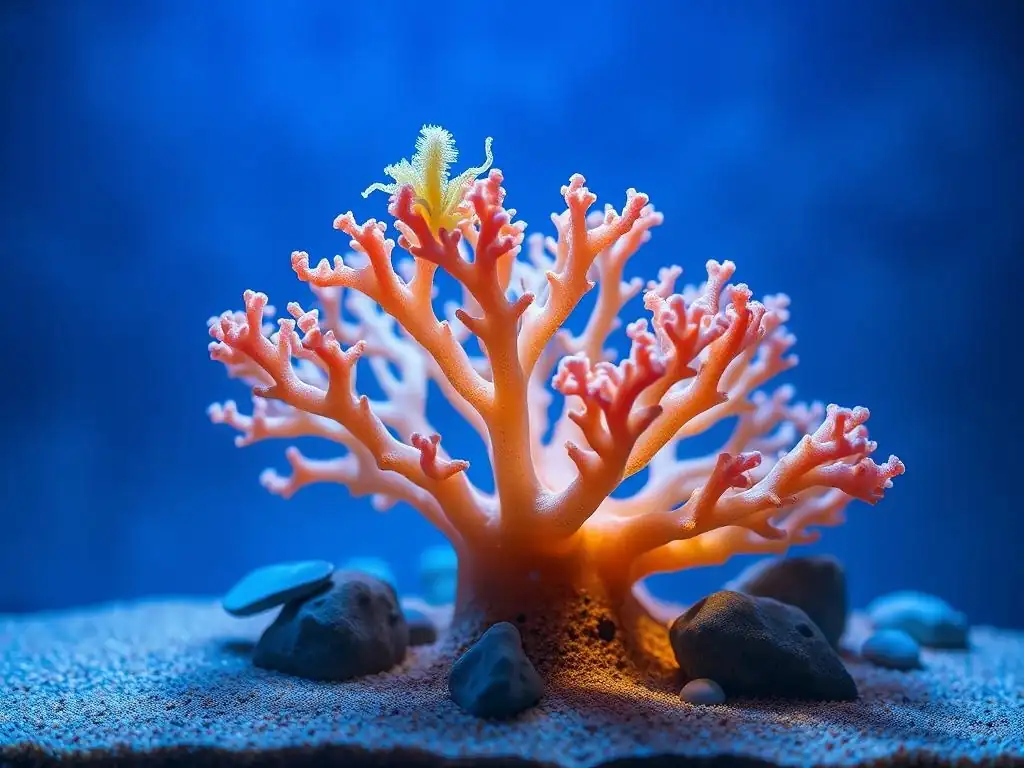
While Euphyllia divisa and Euphyllia paraancora derive a significant portion of their energy from photosynthesis via their symbiotic zooxanthellae, providing supplemental feeding is a highly beneficial frogspawn coral care tip that can significantly enhance their growth rates, improve coloration, and boost overall vitality. These corals are facultative heterotrophs, meaning they can capture and consume small food particles from the water column. In a typical reef aquarium, the natural availability of planktonic food might not be sufficient to meet all their nutritional demands, especially for larger or rapidly growing colonies.
Regular supplemental feeding, typically 1-2 times per week, can provide essential proteins, lipids, and other nutrients that photosynthesis alone might not fully supply. This additional nutrition supports the development of new polyps and improves the coral's ability to recover from stress or minor damage. Observing the coral's feeding response—polyps extending and retracting to capture food—confirms that the feeding strategy is effective. For instance, a colony that receives regular target feeding might grow 20-30% faster and exhibit more vibrant coloration compared to one that relies solely on ambient tank nutrients and light.
Target Feeding vs. Broadcast Feeding
When it comes to supplemental feeding for Euphyllia species, aquarists can choose between target feeding and broadcast feeding, each with its own advantages for effective frogspawn coral care tips. Target feeding involves directly delivering food to the coral's polyps using a pipette, turkey baster, or specialized coral feeder. This method is highly efficient as it ensures the coral receives the maximum amount of food, minimizing waste and preventing excess nutrients from polluting the entire tank.
It's particularly effective for larger food particles like mysis shrimp or chopped silversides, where each polyp can be directly offered a piece. For example, one might turn off pumps, then use a pipette to place a mysis shrimp directly onto the oral disc of several polyps.
Broadcast feeding, on the other hand, involves dispersing food into the water column, allowing the corals to capture particles as they drift by. This method is less precise but can be beneficial for feeding the entire reef ecosystem, including other corals and filter feeders. It works well with smaller particulate foods such as phytoplankton, zooplankton, or fine coral foods.
While less efficient for individual Euphyllia polyps, broadcast feeding contributes to a general increase in available nutrients, which can indirectly benefit the corals. Many aquarists combine both methods: target feeding larger items once or twice a week and broadcast feeding finer foods a few times a week to provide a comprehensive nutritional approach.
Suitable Food Choices for Frogspawn Corals
Selecting appropriate food types is a crucial aspect of frogspawn coral care tips that directly impacts the health and growth of Euphyllia divisa and Euphyllia paraancora. These corals are carnivorous and will readily consume a variety of meaty foods. Excellent choices include frozen mysis shrimp, which are a staple for many reef aquarists due to their size and nutritional content.
Brine shrimp, although less nutritious, can also be offered, especially enriched varieties. Finely chopped pieces of krill or silversides are also suitable for larger colonies. For a more comprehensive diet, specialized coral foods designed for LPS corals, such as Reef-Roids, Polyp Lab Reef-Roids, or similar powdered blends, provide a mix of proteins, fatty acids, and other essential nutrients.
When preparing food, ensure it is thawed thoroughly and, if necessary, rinsed to remove excess phosphates from the freezing process. The size of the food particle is important: it should be small enough for the coral's polyps to engulf but large enough to elicit a feeding response. For most Euphyllia polyps, particles ranging from 0.5 mm to 2 mm are ideal.
Feeding frequency can be 1-2 times per week, typically at night or when the tank lights are dimming, as this is when Euphyllia extend their feeding tentacles most actively. For instance, a small pinch of thawed mysis shrimp, target-fed to a medium-sized colony every three days, can significantly boost its vitality and growth.
Preventing and Treating Common Frogspawn Coral Diseases
Identifying Common Coral Diseases Affecting Euphyllia
Proactive identification of common coral diseases is a critical frogspawn coral care tip, as early detection and intervention are key to successfully treating Euphyllia species. These corals, while relatively hardy, are susceptible to several ailments, often triggered by poor water quality, sudden parameter shifts, physical damage, or prolonged stress.
One of the most aggressive and rapidly progressing diseases is Brown Jelly Disease (BJD), which manifests as a slimy, brown, jelly-like substance covering the coral tissue, indicating a bacterial infection that quickly consumes healthy tissue. Another common issue is coral bleaching, characterized by the coral turning pale or stark white due to the expulsion of its symbiotic zooxanthellae, typically caused by excessive light, temperature swings, or prolonged stress.
Beyond these major threats, Euphyllia can also suffer from tissue recession or necrosis, where the flesh pulls away from the skeleton, often starting from the base or edges. This can be caused by a multitude of factors, including inadequate water flow, nutrient deficiencies, or aggressive tank mates.
Signs of stress, such as chronic polyp retraction, dull coloration, or failure to extend fully, should also be taken seriously as early indicators of underlying problems. Regular observation of your coral's appearance and behavior, perhaps daily during feeding or general tank maintenance, allows for prompt recognition of these symptoms, enabling timely corrective actions to prevent further decline.
Brown Jelly Disease: Recognition and Treatment
Brown Jelly Disease (BJD) is one of the most feared and rapidly progressing ailments affecting Euphyllia species, making its recognition and swift treatment a vital frogspawn coral care tip. BJD is a highly contagious bacterial infection characterized by a slimy, brown, jelly-like substance that rapidly covers and consumes coral tissue, often starting from an injured area or the base of the coral.
The affected tissue appears to melt away, exposing the white skeleton underneath, and the disease can decimate a healthy colony within 24-48 hours if left untreated. It is often triggered by physical injury, poor water quality (e.g., high nitrates/phosphates, unstable pH), or prolonged stress.
Immediate intervention is crucial. The first step is to gently remove the affected coral from the main display tank to prevent the spread of the highly infectious brown jelly. Using a small siphon or turkey baster, carefully suck off as much of the brown jelly as possible, being careful not to spread it. If only a small portion of the colony is affected, fragging off the healthy parts, well away from the infected area, can save portions of the coral.
A common treatment involves a freshwater dip (using RO/DI water matched to the tank's temperature and pH, for no more than 3-5 minutes) or an iodine dip (e.g., Lugol's solution, following product instructions) to kill the bacteria. After treatment, place the coral in a quarantine tank with stable, pristine water parameters to recover. Addressing the underlying cause, such as improving water quality or flow, is essential to prevent recurrence.
Preventing and Managing Coral Bleaching
Preventing and managing coral bleaching is a critical frogspawn coral care tip, as it represents a significant threat to the health and survival of Euphyllia species. Bleaching occurs when corals expel their symbiotic zooxanthellae algae, which provide them with most of their color and energy.
This results in the coral turning pale, translucent, or stark white, revealing its underlying skeleton. Common triggers include sudden increases in water temperature (e.g., above 80°F for prolonged periods), rapid changes in lighting intensity or spectrum (e.g., introducing a powerful new light without acclimation), or severe fluctuations in water chemistry (e.g., extreme pH swings, nutrient starvation or overload).
To prevent bleaching, maintaining stable water parameters is paramount. Ensure your tank's temperature remains consistent, ideally within 75-78°F, using reliable heaters and chillers if necessary. Acclimate new corals to your tank's lighting gradually, starting them in lower light areas and slowly moving them up over several weeks. Similarly, when upgrading lighting, gradually increase intensity over a month or more. If a coral begins to bleach, immediate action is required.
First, identify and rectify the stressor. If it's light-related, move the coral to a shaded area or reduce light intensity. If it's temperature, slowly bring it back to the optimal range. While recovery is possible, especially if caught early, severely bleached corals often do not survive. Providing optimal water quality and gentle flow can aid in the recovery process, which can take weeks or even months as the zooxanthellae slowly return.
Pest Control: Addressing Nuisance Organisms
Effective pest control is an indispensable frogspawn coral care tip to ensure the long-term health and vitality of Euphyllia species in a reef aquarium. While Euphyllia are generally resilient, they can fall victim to various nuisance organisms that can cause stress, tissue damage, and even death if left unchecked. These pests often hitchhike into the aquarium on new corals, live rock, or even sometimes on fish. Regular inspection of your corals, particularly when introducing new specimens, is the first line of defense against these unwelcome invaders.
Common pests include various types of flatworms, nudibranchs (some specialized coral predators), and vermetid snails. For instance, tiny red flatworms or AEFW (Acropora Eating Flatworms, though they don't exclusively target Acropora) can irritate and consume coral tissue. Nudibranchs, like the Phestilla melanobrachia, are known to prey on Euphyllia. Vermetid snails, while not directly predatory, can build unsightly tubes and release mucus webs that irritate coral polyps and steal food. Implementing a quarantine protocol for all new corals is the most effective preventative measure, allowing for observation and treatment before introducing them to the main display.
Dealing with Flatworms and Other Pests
Dealing with flatworms and other pests is a critical aspect of frogspawn coral care tips, as these nuisance organisms can significantly harm Euphyllia if left unchecked. One common pest is the red planaria flatworm ( Convolutriloba retrogemma), which, while generally not directly harmful to corals, can proliferate rapidly, smother coral tissue, and release toxins when they die, leading to water quality issues. More concerning are predatory flatworms or nudibranchs that specifically target Euphyllia, such as certain Phestilla nudibranchs.
These can be difficult to spot due to their camouflage or nocturnal habits. Vermetid snails, with their hard tubes and mucus feeding nets, can also irritate Euphyllia polyps and steal food.
The most effective strategy for pest control begins with a strict quarantine protocol for all new corals. Before adding any new Euphyllia to your display tank, place it in a separate quarantine tank for at least 4-6 weeks. During this period, perform prophylactic dips using coral-safe dips (e.g., Revive, Coral Rx, or iodine-based solutions) according to manufacturer instructions.
For existing infestations in the display tank, manual removal (siphoning flatworms, plucking nudibranchs with tweezers) can be effective for small outbreaks. For larger flatworm infestations, chemical treatments like Flatworm Exit can be used, but extreme caution is advised, as dying flatworms can release toxins, necessitating large water changes and carbon filtration immediately after treatment. Introducing biological controls, such as certain wrasses (e.g., Six-Line Wrasse, Melanurus Wrasse) or mandarinfish, can also help manage flatworm populations over time, though their effectiveness varies.
Propagating Frogspawn Corals: A Guide to Fragging Euphyllia
Selecting a Healthy Frogspawn Coral for Fragging
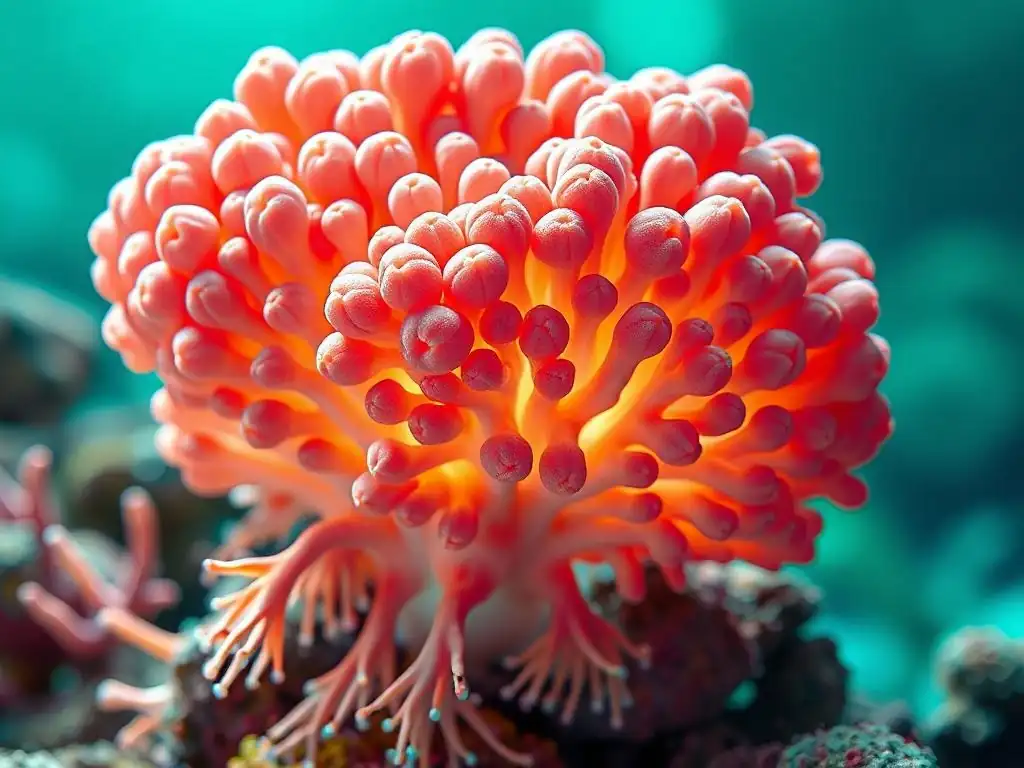
Selecting a healthy frogspawn coral for fragging is the foundational frogspawn coral care tip for successful propagation of Euphyllia divisa and Euphyllia paraancora. The mother colony chosen for fragging should exhibit robust health, vibrant coloration, and consistent full polyp extension. Avoid fragging any coral that shows signs of stress, disease (such as brown jelly disease), tissue recession, or bleaching.
Fragging a compromised coral can further weaken it and potentially spread disease to the new frag or other corals in the tank. Look for a colony that has established itself well in your aquarium, showing good growth over several months, rather than a newly acquired specimen.
Furthermore, inspect the specific branch or section you intend to frag. It should have healthy, intact tissue covering the skeleton right down to the base of the branch. For Euphyllia divisa, choose a branch that is clearly separated from other polyps, allowing for a clean cut without damaging adjacent polyps.
For Euphyllia paraancora (wall frogspawn), identify a section where a clean cut can be made through the skeleton without damaging the main colony's integrity. A healthy mother colony, typically one that has been thriving for at least six months and shows clear signs of growth such as new polyp formation, will yield stronger, more resilient frags with a higher chance of survival and rapid growth.
Step-by-Step Guide to Fragging Euphyllia divisa and paraancora
Fragging Euphyllia divisa and Euphyllia paraancora is a common practice for propagation and managing colony size, requiring careful execution as a key frogspawn coral care tip. Essential tools include bone cutters (for divisa) or a Dremel with a diamond blade (for both, especially paraancora), protective eyewear, gloves, a small container of tank water, and coral glue (cyanoacrylate gel). Begin by preparing a clean workspace. Partially fill the container with tank water to keep the coral submerged and minimize air exposure during the process.
For Euphyllia divisa, identify a healthy branch with at least one polyp. Using bone cutters, make a clean, swift cut through the skeletal branch, ensuring you cut well below the polyp's tissue to avoid damage. For Euphyllia paraancora (wall frogspawn), which has a solid skeletal structure, a Dremel is necessary. Carefully cut a section containing one or more polyps, ensuring the cut is clean and quick to minimize stress.
After cutting, dip the frag and the mother colony in an iodine-based coral dip or a freshwater dip (for 30-60 seconds, matched to tank pH/temp) to sterilize the cut area and prevent infection. Finally, use coral glue to attach the frag to a frag plug or small piece of live rock. Place the newly fragged coral in an area of lower flow and light in your quarantine or display tank to allow it to heal and acclimate.
Post-Fragging Care and Recovery
Post-fragging care is a critical frogspawn coral care tip that significantly influences the survival and long-term health of newly created Euphyllia frags. After a Euphyllia frag has been cut and mounted, it is in a vulnerable state and requires a stable, low-stress environment to heal. Place the frag in an area of your tank with lower water flow and moderate, indirect lighting for the first 2-4 weeks. Excessive flow can hinder tissue regeneration, while intense light can cause further stress or bleaching to the healing tissue. A PAR level of 50-80 is often ideal during this recovery period.
Monitor the frag daily for signs of healing, such as the gradual extension of polyps and the absence of tissue recession or discoloration around the cut. It's normal for the frag to remain retracted for the first few hours or even a day after fragging. Maintain pristine water parameters, paying close attention to alkalinity, calcium, and magnesium to support skeletal growth.
While direct feeding can be beneficial, introduce it cautiously, as the frag may not be ready to accept food immediately. After approximately 2-4 weeks, once the frag shows consistent polyp extension and signs of new growth, it can be slowly moved to its permanent location in the main display tank, gradually acclimating it to higher light and flow conditions over several days.
Troubleshooting Frogspawn Coral Problems: A Quick Reference
Addressing Common Issues: Retracted Polyps, Slow Growth, Tissue Recession
Addressing common issues like retracted polyps, slow growth, and tissue recession is a frequent concern in frogspawn coral care tips, as these symptoms often indicate underlying problems within the aquarium environment. Retracted polyps, where the coral's tentacles remain shrunken or do not extend fully, can be a sign of stress from various sources, including improper water flow (too direct or too little), adverse lighting conditions (too intense or too dim), or the presence of irritants such as aggressive tank mates or chemical warfare from neighboring corals.
Slow growth, where the coral shows little to no increase in size or new polyp formation over several months, often points to insufficient nutrients, inadequate lighting, or imbalanced water parameters essential for calcification.
Tissue recession, a more severe symptom where the coral's flesh visibly pulls away from its skeleton, is a critical warning sign that requires immediate attention. This can be caused by physical damage, bacterial infections (like Brown Jelly Disease), prolonged stress from poor water quality, or even starvation in ultra-low nutrient systems. It often starts at the base or edges of the coral and can progress rapidly. When any of these symptoms appear, a systematic approach to identifying and rectifying the root cause is crucial to prevent further decline and restore the coral's health.
Identifying the Root Cause of the Problem
Identifying the root cause of frogspawn coral problems is the most crucial step in effective frogspawn coral care tips, as symptoms like retracted polyps, slow growth, or tissue recession are often just indicators of underlying environmental stressors. The first step should always be a comprehensive water parameter test. Check alkalinity (dKH), calcium (ppm), magnesium (ppm), salinity, temperature, pH, nitrates, and phosphates. For example, if alkalinity has dropped below 7 dKH, it could explain retraction and slow growth due to impaired calcification. Also, consider if there have been any sudden, recent changes to these parameters.
Next, evaluate lighting and water flow. Has a new light fixture been installed without proper acclimation? Is the PAR too high or too low for Euphyllia? Is the flow too direct and harsh, causing the polyps to be constantly battered, or is it too low, leading to detritus accumulation?
Observe the coral's interaction with tank mates; some fish or invertebrates might be nipping at the coral, or other corals might be stinging it with sweeper tentacles. Finally, inspect the coral closely for visible signs of pests (e.g., flatworms, nudibranchs) or disease (e.g., brown jelly). A recent introduction of a new coral without quarantine can also be a source of new pests or pathogens. By systematically ruling out each potential factor, you can pinpoint the specific stressor affecting your Euphyllia.
Implementing Corrective Measures
Once the root cause of a frogspawn coral problem has been identified, implementing corrective measures promptly and gradually is a vital frogspawn coral care tip to restore the coral's health. If water parameters are off, make slow, incremental adjustments. For instance, if alkalinity is low, increase dosing by no more than 0.5-1 dKH per day. If nitrates are too high (e.g., above 20 ppm), perform a series of small water changes (e.g., 10% daily for several days) and evaluate your feeding habits or filtration. Avoid drastic changes, as sudden shifts can be more detrimental than the initial problem.
If lighting is the issue, move the coral to a less illuminated spot or reduce the light intensity gradually over several days or weeks. If flow is too direct, reposition powerheads or add diffusers to create a more gentle, indirect flow. If pests are confirmed, implement appropriate dips or manual removal strategies as discussed previously. For signs of Brown Jelly Disease, immediately isolate the coral and perform a freshwater or iodine dip.
If a tank mate is causing irritation, relocate the fish or the coral to prevent further damage. For instance, moving an Euphyllia that is being stung by an adjacent Acropora by just 3-4 inches can resolve the issue. Consistent monitoring and patience are key, as coral recovery can be a slow process, often taking weeks to months.
Choosing the Right Tank Mates for Your Frogspawn Coral
Compatible Fish and Invertebrates
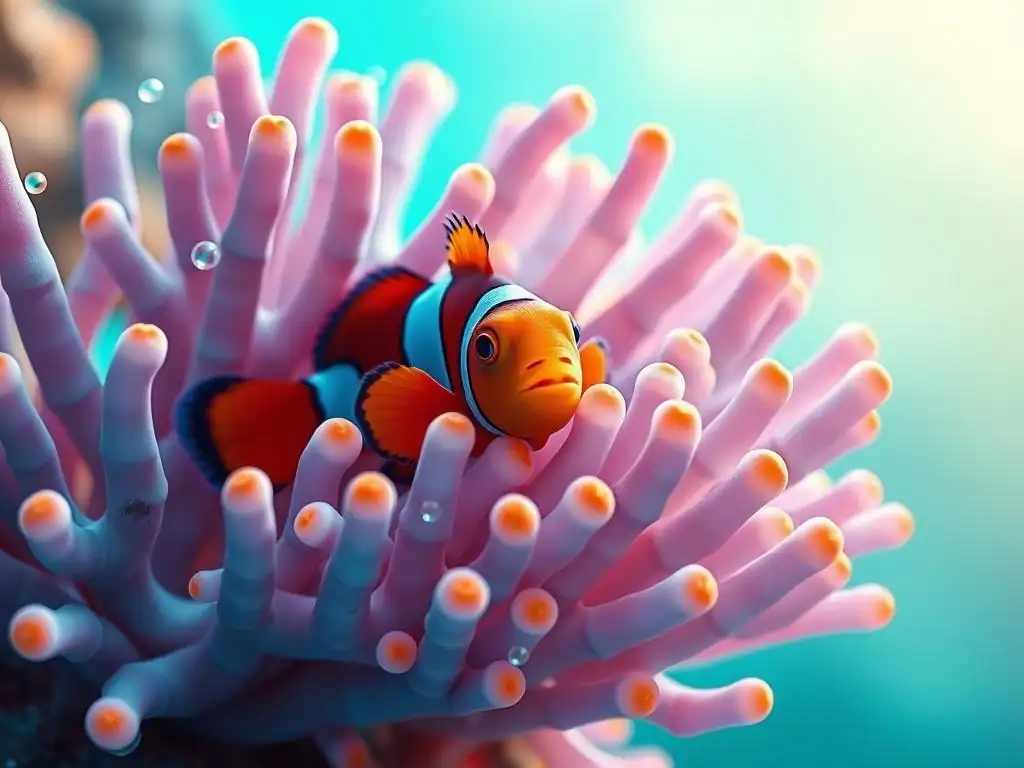
Choosing compatible fish and invertebrates is an essential frogspawn coral care tip to ensure a peaceful and thriving environment for Euphyllia species in a reef aquarium. Peaceful, reef-safe fish that do not nip at corals are ideal. Excellent choices include various species of clownfish (e.g., Ocellaris, Percula), gobies (e.g., Yellow Watchman Goby, Diamond Watchman Goby), blennies (e.g., Lawnmower Blenny, Starry Blenny), and cardinalfish (e.g., Banggai Cardinalfish).
Small, docile tangs like Yellow Tangs are generally considered reef-safe, but larger tangs or those known for nipping should be approached with caution. Fish that spend most of their time in the water column or on the substrate, avoiding direct contact with corals, are preferred.
For invertebrates, snails (e.g., Turbo, Nassarius, Trochus), hermit crabs (e.g., Blue Leg, Red Leg), and various types of shrimp (e.g., Peppermint Shrimp, Skunk Cleaner Shrimp) are generally safe and beneficial for tank maintenance, consuming algae and detritus. For example, a small cleanup crew of 5-10 snails and 2-3 hermit crabs in a 50-gallon tank can significantly contribute to a clean environment without posing a threat to Euphyllia.
Avoid any invertebrates known to consume coral tissue, such as certain types of crabs (e.g., Gorilla Crabs) or predatory snails. The key is to select tank mates that contribute positively to the ecosystem without causing stress or physical damage to your sensitive Euphyllia corals.
Avoiding Aggressive Tank Mates That May Harm Euphyllia
Avoiding aggressive tank mates is a critical frogspawn coral care tip, as certain fish and invertebrates can cause significant stress, physical damage, or even consume Euphyllia corals. While Euphyllia have stinging polyps for defense, they are not impervious to persistent nipping or direct predation.
Fish species notoriously known for nipping at LPS corals, such as some angelfish (e.g., Emperor Angelfish, Queen Angelfish), certain butterflyfish (e.g., Copperband Butterflyfish, though sometimes used for aiptasia control, they can turn to corals), and triggerfish, should generally be avoided in a tank housing Euphyllia. Even some seemingly innocuous fish, like certain types of tangs, might occasionally nip at fleshy corals if not adequately fed or if their diet is insufficient.
Beyond fish, certain invertebrates pose a threat. Large or aggressive crabs, such as arrow crabs or various "hitchhiker" crabs that can be introduced on live rock, may pick at coral polyps or even attempt to consume them. Some types of nudibranchs are specialized coral predators, and while less common, can rapidly decimate a Euphyllia colony.
For instance, a single Phestilla melanobrachia nudibranch can consume multiple Euphyllia polyps in a week. Always research the compatibility of any potential tank mate thoroughly before introduction. If a new addition shows any signs of aggression towards your Euphyllia, prompt removal is necessary to prevent irreversible damage and maintain a harmonious reef environment, ensuring your frogspawn coral care tips are not undermined.
Advanced Frogspawn Coral Care Techniques
Maintaining Long-Term Health and Vigor
Maintaining the long-term health and vigor of Euphyllia species goes beyond basic frogspawn coral care tips, requiring a nuanced approach to consistency, proactive management, and understanding subtle coral cues. The cornerstone is unwavering stability in water parameters. While daily testing might be excessive for an established tank, a consistent weekly schedule for alkalinity, calcium, magnesium, nitrate, and phosphate ensures any gradual shifts are caught and corrected before they become problematic.
For instance, if alkalinity consistently drops by 0.5 dKH per week, adjusting dosing by 10-15% can preemptively address the depletion. Regular water changes (e.g., 10-15% every two weeks) are crucial not just for nutrient export but also for replenishing essential trace elements that are consumed by corals and other tank inhabitants.
Beyond parameters, consider the coral's environment as it grows. As a Euphyllia colony expands, its light and flow requirements might subtly change, or its sweeping tentacles might begin to encroach on neighboring corals. Proactive pruning or fragging can prevent overcrowding and maintain optimal spacing.
Furthermore, observing the coral's feeding response and ensuring it receives adequate supplemental nutrition, perhaps increasing feeding frequency to twice a week for a large, rapidly growing colony, can boost its resilience and vibrant coloration. A mature Euphyllia colony that has been thriving for over a year, for example, often exhibits more robust tissue, faster recovery from minor stressors, and more intense fluorescence compared to a newly established frag, reflecting consistent and attentive long-term care.
Optimizing Water Chemistry for Enhanced Coloration
Optimizing water chemistry for enhanced coloration is an advanced frogspawn coral care tip that focuses on fine-tuning environmental conditions to bring out the most vibrant hues in Euphyllia species. While stable core parameters (alkalinity, calcium, magnesium) are essential for growth, specific trace elements, when present in balanced, low concentrations, can significantly influence coral pigmentation. Elements like iodine, potassium, and strontium are known to play roles in coral health and color.
For example, some aquarists report that maintaining iodine levels around 0.06 ppm can enhance the purple and pink tones in Euphyllia, while stable potassium levels (around 400 ppm) can contribute to brighter greens. However, overdosing trace elements can be toxic, so precise dosing based on ICP-OES (Inductively Coupled Plasma Optical Emission Spectrometry) test results is recommended for advanced users.
Beyond trace elements, a balanced nutrient profile—low but detectable nitrates (1-5 ppm) and phosphates (0.02-0.05 ppm)—is crucial. While ultra-low nutrient systems can sometimes lead to brighter, though often smaller, corals, Euphyllia generally thrive with a slight nutrient presence, which supports their zooxanthellae and overall metabolic function. A completely "sterile" environment can cause corals to appear pale or "washed out."
Finally, the lighting spectrum plays a significant role in how colors are perceived. A strong blue or actinic spectrum (e.g., 420-470 nm) will make fluorescent pigments "pop," enhancing the coral's natural glow and vibrancy, making greens and purples appear more intense. Combining these precise chemical adjustments with optimal lighting can transform a healthy Euphyllia into a truly stunning centerpiece.
Conclusion: Mastering Frogspawn Coral Care for a Stunning Reef Aquarium
Mastering frogspawn coral care tips culminates in a stunning and thriving reef aquarium, showcasing the mesmerizing beauty of Euphyllia divisa and Euphyllia paraancora. The journey involves a meticulous understanding of their unique needs, from maintaining precise and stable water parameters—such as alkalinity (8-10 dKH), calcium (400-450 ppm), and magnesium (1250-1350 ppm)—to providing moderate, indirect water flow and appropriate PAR levels (50-150 PAR). Consistent monitoring of nitrates (1-10 ppm) and phosphates (0.02-0.08 ppm) ensures a balanced nutrient environment, crucial for both growth and vibrant coloration.
Beyond the technical parameters, successful frogspawn coral care hinges on proactive management. This includes careful acclimation to new environments, strategic supplemental feeding with meaty foods like mysis shrimp 1-2 times weekly, and vigilant observation for early signs of stress or disease like Brown Jelly Disease. Implementing strict quarantine protocols for new corals and selecting compatible, reef-safe tank mates are preventative measures that safeguard your entire ecosystem. By adhering to these comprehensive frogspawn coral care tips, aquarists can cultivate resilient, rapidly growing, and intensely colorful Euphyllia colonies, transforming their reef tank into a dynamic and captivating underwater masterpiece.
Frequently Asked Questions
What are the key water parameters needed for successful Frogspawn coral care?
Maintaining stable water parameters is crucial. Aim for a temperature of 72-78°F, alkalinity between 8-11 dKH, calcium levels of 400-450 ppm, and magnesium around 1250-1350 ppm.
What type of lighting is best suited for Frogspawn corals?
Frogspawn corals thrive under moderate lighting. LEDs, T5s, or metal halides can all work, but be sure to acclimate the coral slowly to avoid bleaching.
What is the ideal flow rate for a Frogspawn coral, and why is it important?
Moderate, turbulent flow is ideal. This helps to remove waste from the coral and deliver nutrients, preventing detritus buildup and promoting growth.
What are some common issues that can affect Frogspawn corals, and how can I prevent them?
Common issues include brown jelly disease, bleaching, and pest infestations. Proper water parameters, regular observation, and quarantine of new additions can help prevent these problems.
How often should I feed my Frogspawn coral, and what types of food are suitable?
While Frogspawn corals can get some nutrients from light, supplemental feeding is beneficial. Offer small pieces of meaty foods like mysis shrimp or brine shrimp 1-2 times per week.
Final Reflection: Cultivating Underwater Gardens
The journey into understanding and caring for Frogspawn coral, as we've explored, highlights the delicate balance within our marine ecosystems and the responsibility we bear as aquarists. The current popularity of reef keeping underscores the urgent need for informed and sustainable practices. Ignoring the specific needs of these creatures, like the Euphyllia divisa and paraancora, can have devastating consequences, not just for individual corals, but for the entire reef environment.
This exploration has revealed how deeply interconnected we are with the natural world, even within the confines of our home aquariums. The dedication required to successfully nurture these corals mirrors the dedication needed to protect our oceans. In the end, we will conserve only what we love; we will love only what we understand; and we will understand only what we are taught.
- Baba Dioum. This quote resonates deeply, reminding us that education and understanding are the cornerstones of conservation.
Now, armed with these Frogspawn coral care tips, I encourage you to reflect on your own role in preserving these underwater wonders. Consider how your choices, both within your aquarium and beyond, impact the health of our planet's reefs. Embrace the challenge of responsible reef keeping, and let your aquarium become a testament to your commitment to a thriving marine future.
Ignite Your Reef Tank: Start Thriving with Frogspawn Today!
Thank you for exploring the fascinating world of Frogspawn coral! Now that you're armed with the knowledge to care for these captivating creatures, it's time to take action and watch your reef tank flourish. Let's turn that knowledge into a vibrant reality!
Here are a few things you can do now:
- Begin by evaluating your tank's current conditions. Assess your lighting, water flow, and nutrient levels to see if they match the ideal parameters for Frogspawn. This initial check will set you up for success.
- Share this article with fellow reefing enthusiasts! Helping others learn about Frogspawn care spreads the joy and strengthens our community.
- Consider adding a small, frag-sized Frogspawn to your tank to observe its adaptation and growth before introducing larger colonies.
Ready to transform your reef tank into a thriving underwater paradise with Frogspawn?