
Hammer Coral Secrets: Unlocking Vibrant Growth in Your Reef Tank

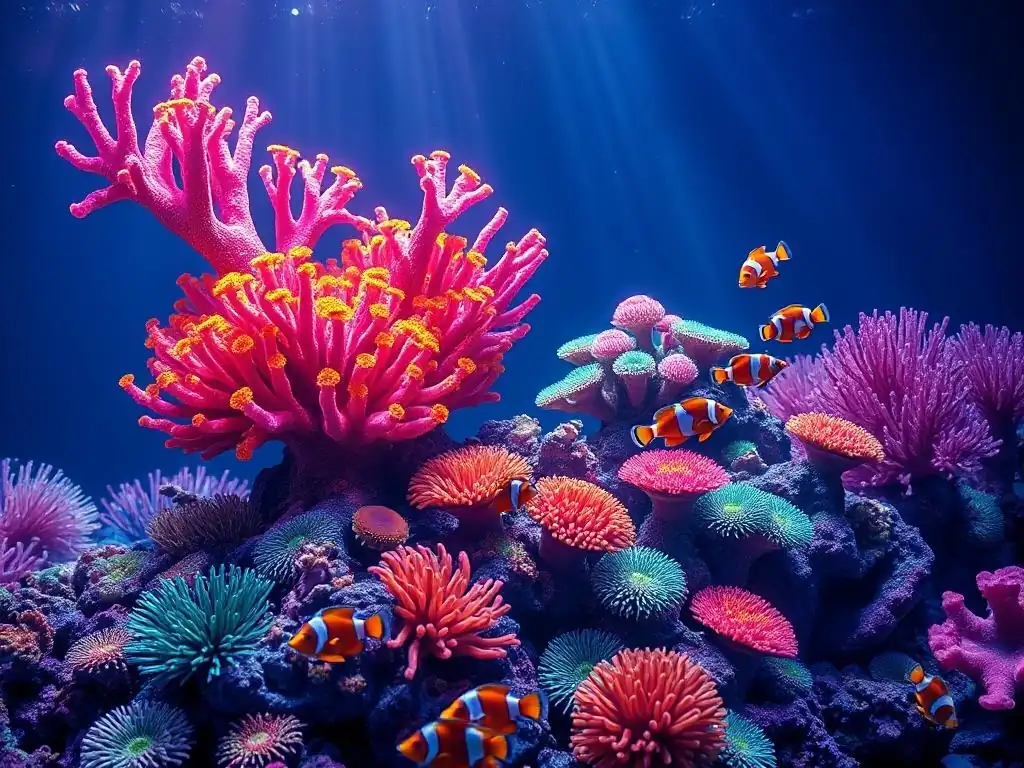
Welcome to Aquarium Mastery!
Ever wondered how to achieve that vibrant reef coral growth you've always dreamed of? You're in the right place! Unlock the secrets to a thriving reef ecosystem, starting with the fascinating Hammer Coral. Dive in and discover essential tips and tricks to cultivate stunning LPS corals and ensure your reef tank flourishes. Let's begin!
- Hammer Coral Care: Achieving Vibrant Growth in Your Reef Tank
- Introduction to Hammer Corals: A Captivating Reef Addition
- Hammer Coral Care: Essential Parameters for Thriving Colonies
- Feeding Hammer Corals: Enhancing Growth and Coloration
- Maintaining a Healthy Hammer Coral: Prevention and Treatment
- Optimizing Your Reef Tank Environment for Hammer Coral Health
- Troubleshooting Common Hammer Coral Problems: A Quick Guide
- Conclusion: Thriving Hammer Corals for a Stunning Reef Display
-
Frequently Asked Questions
- How can I ensure my hammer coral gets the correct lighting for vibrant growth?
- What are the ideal water parameters for promoting vibrant reef coral growth, specifically for hammer corals?
- What type of water flow is best for hammer corals to achieve optimal growth and prevent issues like brown jelly disease?
- What feeding strategies can I employ to encourage vibrant reef coral growth in my hammer coral?
- What are some common signs of stress in hammer corals, and how can I address them to promote recovery and vibrant reef coral growth?
- Final Reflection: Cultivating a Thriving Underwater World
- Ignite Your Reef: Transform Your Hammer Coral Today!
Hammer Coral Care: Achieving Vibrant Growth in Your Reef Tank
Introduction to Hammer Corals: A Captivating Reef Addition
Understanding the Appeal of Hammer Corals (Euphyllia ancora)
Hammer corals, scientifically known as Euphyllia ancora, are among the most sought-after Large Polyp Stony (LPS) corals in the marine aquarium hobby. Their distinctive appearance, characterized by long, fleshy polyps that terminate in a hammer or anchor-like shape, creates a mesmerizing, flowing display in any reef tank. These polyps can extend significantly, swaying gently with the water flow, which adds dynamic movement and visual interest that few other corals can match.
Originating from the Indo-Pacific region, Euphyllia ancora are celebrated not only for their unique morphology but also for their wide array of vibrant colors, including various shades of green, gold, brown, and even striking multi-color morphs with contrasting tips. Their popularity stems from this captivating beauty and the relatively manageable care requirements compared to some other stony corals, making them an excellent choice for aquarists looking to achieve vibrant reef coral growth.
Why Choose Hammer Corals for Your Reef Tank?
Choosing hammer corals for a reef tank offers a blend of aesthetic appeal and a rewarding care experience. They are known for their ability to thrive and grow into impressive colonies under stable conditions, providing a focal point of activity and color. Their moderate care level makes them accessible to intermediate hobbyists who have a foundational understanding of reef tank husbandry, bridging the gap between beginner soft corals and more demanding SPS (Small Polyp Stony) corals.
Beyond their beauty, hammer corals contribute significantly to the biodiversity and overall health of a reef ecosystem within the aquarium. Their active polyps filter small particles from the water, and their robust calcification contributes to the tank's bioload, encouraging a balanced environment. The availability of various color morphs also allows aquarists to create truly personalized and visually stunning displays, ensuring a consistent path towards vibrant reef coral growth.
Hammer Coral Placement and Its Impact on Growth
The initial placement of a hammer coral within your reef tank is a critical decision that directly influences its long-term health and vibrant reef coral growth. These corals possess potent sweeper tentacles, which can extend up to 6 inches (15 cm) or more, especially at night, to sting and damage neighboring corals. Therefore, it is imperative to provide ample clear space, typically at least 4-6 inches (10-15 cm) in all directions, to prevent chemical warfare with other inhabitants.
Ideal placement often involves securing the hammer coral on stable rockwork in the mid to lower sections of the aquarium. This area usually provides the moderate lighting and water flow that these corals prefer, without subjecting them to direct, harsh conditions. Incorrect placement, such as too close to aggressive corals or in an area of turbulent flow, can lead to tissue recession, stress, and significantly impede their ability to achieve vibrant reef coral growth.
Hammer Coral Care: Essential Parameters for Thriving Colonies
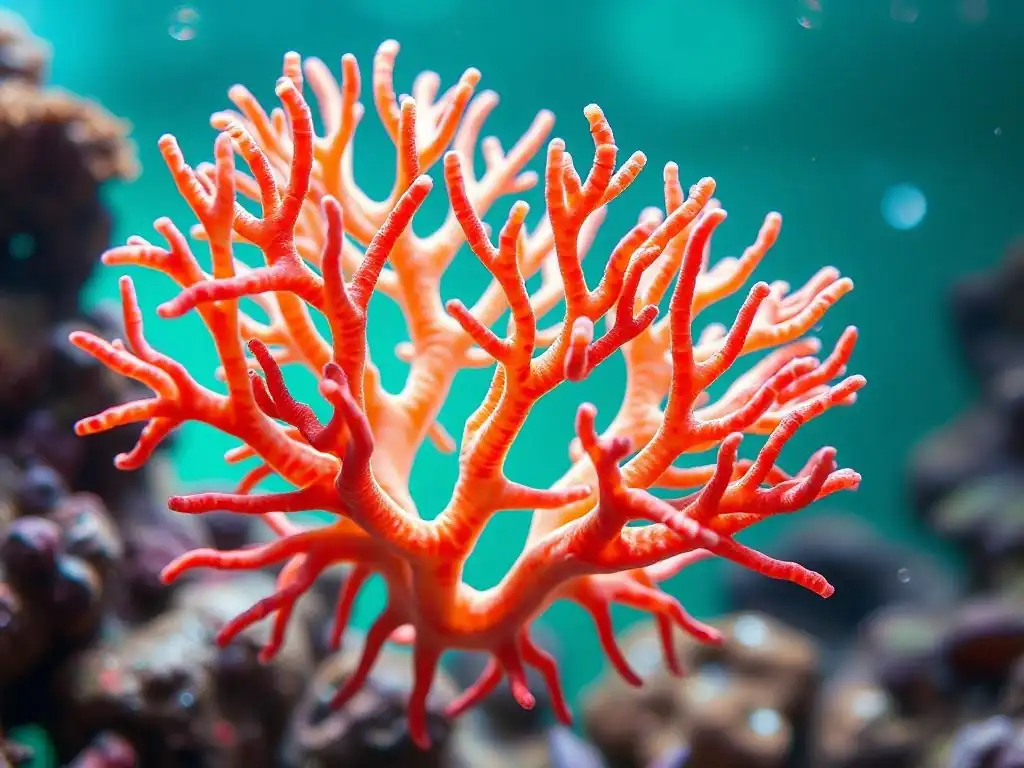
Maintaining Optimal Water Chemistry for Hammer Coral Health
Maintaining stable and optimal water chemistry is the cornerstone of successful hammer coral husbandry. Fluctuations in key parameters can quickly stress these LPS corals, leading to polyp retraction, tissue loss, and a halt in growth. For hammer corals, consistent monitoring and adjustment of alkalinity, calcium, magnesium, and pH are paramount to their long-term health and the achievement of vibrant reef coral growth.
Regular testing, ideally 2-3 times per week, allows aquarists to track consumption rates and make precise adjustments. For instance, a sudden drop in alkalinity by even 1 dKH over 24 hours can trigger immediate stress responses in Euphyllia ancora. Proactive maintenance, such as daily dosing of two-part solutions or using a calcium reactor, is often necessary in mature reef tanks with significant coral biomass to keep these parameters within their narrow optimal ranges.
Key Water Parameters: Alkalinity, Calcium, Magnesium, and pH
Alkalinity, measured in dKH (degrees of carbonate hardness), should be maintained between 7-9 dKH. This parameter is crucial for calcification, the process by which corals build their aragonite skeletons. Calcium levels should ideally be between 400-450 ppm, serving as the primary building block for the coral's skeletal structure. These two parameters work in tandem, and their balance is vital.
Magnesium, maintained at 1300-1400 ppm, acts as a buffer, preventing calcium and alkalinity from precipitating out of solution. Without adequate magnesium, calcium carbonate can fall out of solution, making these essential elements unavailable to the coral. Finally, a stable pH between 8.0-8.4 ensures that the coral's internal biological processes function efficiently. A persistent pH below 7.8 can lead to a slow erosion of the coral's skeleton over time, directly impeding vibrant reef coral growth.
The Importance of Stable Water Parameters for LPS Corals
Stability in water parameters is often more critical than hitting exact target numbers, although staying within ideal ranges is crucial. Rapid swings in alkalinity, calcium, or temperature can induce osmotic shock in hammer corals, causing severe stress and potentially leading to tissue necrosis. For example, a temperature swing of more than 2-3°F (1-1.5°C) within a few hours can cause significant polyp retraction and stress.
Consistent, steady parameters allow the coral's metabolic processes, including calcification and photosynthesis by its symbiotic zooxanthellae, to proceed without interruption. This consistent environment minimizes stress, enabling the coral to allocate its energy towards growth and maintaining its vibrant coloration. Maintaining stability through automated dosing systems, consistent water changes, and stable heating/cooling ensures a predictable environment conducive to vibrant reef coral growth.
Lighting Requirements for Vibrant Hammer Coral Colors
Hammer corals thrive under moderate lighting conditions, typically requiring PAR (Photosynthetically Active Radiation) levels ranging from 75 to 150. Too much light can cause photoinhibition and bleaching, where the coral expels its symbiotic zooxanthellae, leading to a loss of color and eventual starvation. Conversely, insufficient light can lead to browning, slow growth, and a general lack of vigor, preventing the expression of vibrant reef coral growth.
The spectrum of light also plays a significant role in enhancing the coloration of hammer corals. A balanced spectrum with strong blue peaks (around 450-470nm) promotes the fluorescence and health of the zooxanthellae, while a broader spectrum including white light (e.g., 6500K to 10000K) can bring out the natural greens and golds. LED lighting systems are highly recommended due to their adjustability in both intensity and spectrum, allowing fine-tuning for optimal coral health and coloration.
Choosing the Right Light Spectrum and Intensity
When selecting lighting for hammer corals, prioritize a system that offers control over both intensity and spectrum. For instance, a light with dedicated blue channels (royal blue, deep blue) will significantly enhance the natural fluorescence of green and gold hammer corals. Many aquarists find success with a combination of 450nm royal blue and 10000K white LEDs, often with additional violet or UV diodes to further "pop" coral colors.
The intensity should be tailored to the specific coral and its acclimation history. A hammer coral that has been grown under lower PAR might bleach if suddenly exposed to 150 PAR. Conversely, a coral accustomed to higher PAR might appear dull if placed under insufficient light. Observing the coral's response—whether it's fully extended and brightly colored or retracted and dull—is key to determining if the light intensity is appropriate for vibrant reef coral growth.
Acclimation to New Lighting: Preventing Coral Shock
Acclimating hammer corals to new lighting is a crucial step to prevent coral shock and bleaching. When introducing a new coral or upgrading your lighting system, it is vital to start with reduced intensity and gradually increase it over several weeks. A common method is to begin with 30-50% of the desired final intensity and slowly ramp it up by 5-10% each week over a period of 2 to 4 weeks.
Signs of light stress include polyp retraction, fading color, or a "deflated" appearance. If a hammer coral remains closed for more than 24 hours after a significant lighting change, it is likely experiencing shock. Immediate action, such as reducing light intensity or moving the coral to a shadier spot, is necessary to prevent irreversible damage and ensure the coral can eventually resume its path towards vibrant reef coral growth.
Water Flow: Finding the Sweet Spot for Hammer Coral Growth
Water flow is a critical environmental factor for hammer corals, influencing nutrient delivery, waste removal, and overall polyp extension. Hammer corals prefer moderate, indirect water flow. This type of flow gently sways their polyps, ensuring that detritus does not settle on their delicate tissues and that food particles are delivered efficiently. Too little flow can lead to nutrient accumulation around the coral, increasing the risk of bacterial infections.
Conversely, excessive or direct laminar flow can be highly detrimental. A constant blast of strong water can physically irritate and damage the coral's fleshy polyps, leading to tissue recession, especially at the base of the coral. The ideal flow pattern should be turbulent and randomized, mimicking the natural ebb and flow of reef environments, which promotes robust and vibrant reef coral growth.
Indirect Flow vs. Direct Flow: What's Best?
Direct, laminar flow, characterized by a steady, unidirectional stream, is generally detrimental to hammer corals. This type of flow can tear at the delicate polyps, causing chronic irritation and leading to tissue necrosis, often manifesting as "brown jelly disease." The constant pressure prevents the polyps from fully extending and can even detach them from the skeleton over time.
Instead, indirect, turbulent, or oscillating flow is ideal. This can be achieved using multiple powerheads placed strategically to create opposing currents or by using wavemakers with random flow patterns. The goal is to create a gentle, chaotic movement that ensures all parts of the coral receive adequate water movement without being directly blasted. Observing the polyps—they should sway gracefully without being pushed back forcefully—will indicate if the flow is appropriate for vibrant reef coral growth.
Preventing Tissue Recession Due to Improper Flow
Tissue recession is a serious condition where the coral's fleshy polyps pull away from its skeleton, often starting from the base. While multiple factors can cause it, improper flow is a common culprit. Chronic irritation from excessively strong or direct flow can physically damage the tissue, making it susceptible to infection or simply causing it to recede.
Regularly observe your hammer coral for any signs of tissue recession. If you notice polyps consistently retracted on one side, or if the tissue appears to be thinning or pulling away from the skeleton, assess your flow patterns. Adjusting the direction of powerheads, reducing their intensity, or repositioning the coral itself by even a few inches can often alleviate the stress. Prompt intervention is crucial to halt the recession and allow the coral to recover its vibrant reef coral growth.
Feeding Hammer Corals: Enhancing Growth and Coloration
The Role of Feeding in Achieving Vibrant Reef Coral Growth
While hammer corals are photosynthetic and derive a significant portion of their energy from their symbiotic zooxanthellae, supplemental feeding plays a crucial role in accelerating their growth and enhancing their coloration. Photosynthesis provides the baseline energy, but direct feeding supplies essential proteins, amino acids, and fatty acids that are vital for tissue development and calcification, processes that photosynthesis alone cannot fully support.
Studies and anecdotal evidence from experienced aquarists suggest that regularly fed hammer corals can exhibit growth rates 20-30% faster than those relying solely on light. This additional nutritional input also contributes to a more robust immune system, making the coral more resilient to stress and disease. Therefore, incorporating a consistent feeding regimen is a key strategy for unlocking truly vibrant reef coral growth and maintaining the coral's overall health.
Best Foods for Hammer Corals: A Comprehensive Guide
Hammer corals are carnivorous and will readily accept a variety of meaty foods. Their large polyps are capable of capturing and ingesting surprisingly large food particles. The best foods are those rich in protein and lipids, mimicking the planktonic organisms they would consume in their natural habitat.
The key to successful feeding is providing appropriately sized particles that the coral can easily capture and digest. For example, a fully extended hammer polyp can engulf a mysis shrimp with ease, while smaller polyps or younger colonies might benefit from finely crushed flakes or liquid coral foods. Experimentation with different food types and sizes will help determine what your specific colony prefers, leading to optimal nutrient uptake and vibrant reef coral growth.
Target Feeding vs. Broadcast Feeding: Which Method is Right for You?
Target feeding is the most effective method for delivering food directly to hammer corals. This involves using a turkey baster or pipette to gently squirt food onto the coral's extended polyps. This method ensures that the coral receives the maximum amount of food, minimizing waste and preventing unnecessary nutrient spikes in the main water column. It also allows for precise control over how much each individual coral consumes.
Broadcast feeding, where food is dispersed into the water column for all tank inhabitants, is less efficient for individual hammer corals as much of the food may be consumed by fish or other invertebrates before reaching the coral. While it can supplement the diet of a tank with many LPS corals, for optimal vibrant reef coral growth of specific hammer colonies, target feeding is highly recommended due to its direct and efficient delivery.
Recommended Food Types: Mysis Shrimp, Brine Shrimp, Coral-Specific Foods
Mysis shrimp are widely regarded as an excellent staple food for hammer corals. They are highly nutritious, packed with protein and essential fatty acids, and their size is generally ideal for hammer polyps to capture. Frozen mysis shrimp should be thawed in RO/DI water and rinsed before feeding to remove any unwanted phosphates.
Brine shrimp, while less nutritious on their own, can be an acceptable food source if they are enriched or "gut-loaded" with a nutrient-rich solution prior to feeding. This boosts their nutritional profile significantly. Additionally, various commercially prepared coral-specific foods, such as Reef-Roids, PolypLab Reef-Rods, or liquid plankton solutions, offer a balanced blend of amino acids, vitamins, and other vital nutrients specifically formulated for LPS corals, contributing to robust and vibrant reef coral growth.
Feeding Frequency and Quantity: Avoiding Overfeeding
For most hammer corals, feeding 1-2 times per week is sufficient to promote vibrant reef coral growth without negatively impacting water quality. Some aquarists aiming for accelerated growth may feed every other day, but this requires diligent monitoring of water parameters to prevent nutrient build-up. It's crucial to observe your coral's response and adjust accordingly.
When feeding, offer only what the coral can consume within 15-30 minutes. A typical portion for a mature hammer polyp might be 2-3 mysis shrimp. Overfeeding can lead to several problems: uneaten food will decompose, leading to spikes in nitrates and phosphates, which can fuel nuisance algae outbreaks. Excess nutrients can also stress the coral itself, making it more susceptible to disease and hindering its ability to maintain vibrant reef coral growth.
Maintaining a Healthy Hammer Coral: Prevention and Treatment
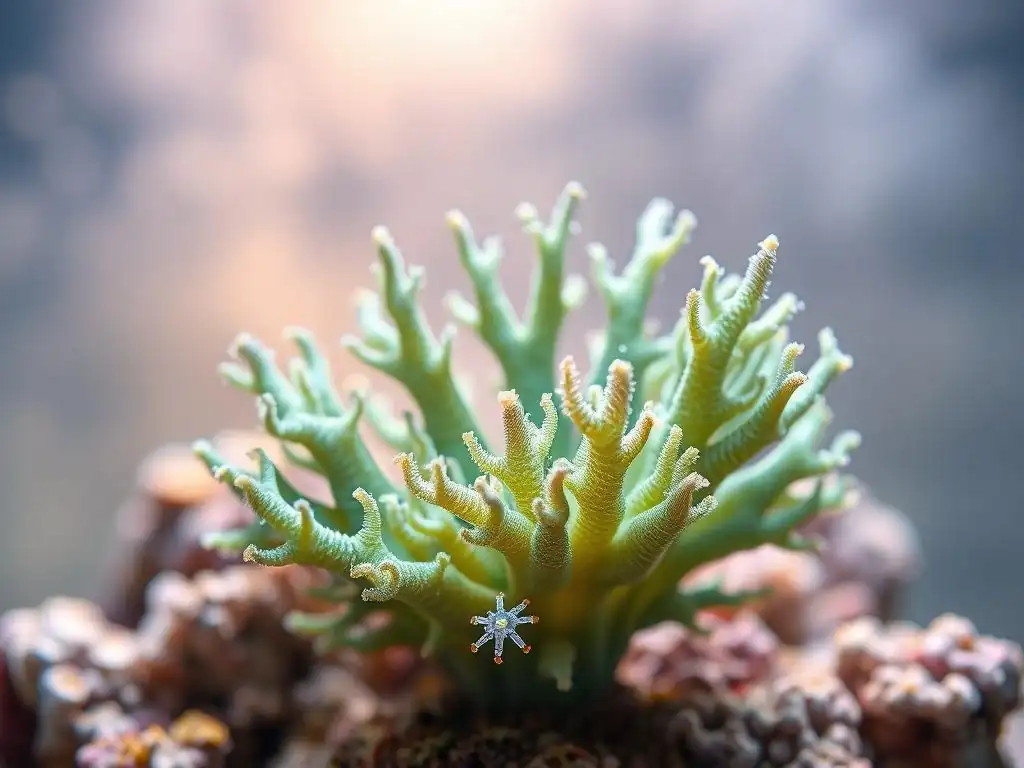
Identifying Early Signs of Hammer Coral Stress
Early detection of stress is paramount to preventing severe health issues in hammer corals. Subtle changes in appearance or behavior often precede more serious problems. Key indicators include polyps not extending fully or consistently, a dulling of their vibrant coloration, or a general "deflated" or shrunken appearance, even when tank lights are on. These signs often point to underlying issues with water parameters, flow, or lighting.
Another common sign of stress is persistent polyp retraction. While hammer corals may retract briefly due to minor disturbances, sustained retraction for more than 12-24 hours without an obvious cause (like recent feeding or tank maintenance) warrants immediate investigation. Ignoring these early warnings can lead to more critical conditions such as tissue recession or susceptibility to infections, ultimately preventing vibrant reef coral growth.
Polyp Recession: Causes and Solutions
Polyp recession, where the coral's fleshy tissue pulls away from its skeleton, is a serious and often rapidly progressing condition. Common causes include chronic irritation from excessive or direct water flow, sudden shifts in salinity or temperature, prolonged nutrient deficiencies, or aggression from neighboring corals (chemical or physical stings). Once recession begins, the exposed skeleton can become a site for bacterial colonization.
To address polyp recession, first meticulously check all water parameters for stability and optimal ranges. Then, carefully evaluate water flow patterns around the coral and adjust powerheads to ensure gentle, indirect flow. If aggression from another coral is suspected, relocate the hammer coral immediately. In some cases, a brief dip in an iodine-based coral dip solution (following manufacturer's instructions) can help prevent secondary bacterial infections and encourage tissue regeneration, aiding in the recovery of vibrant reef coral growth.
Brown Jelly Disease: Early Detection and Treatment
Brown Jelly Disease (BJD) is a highly aggressive and often fatal bacterial infection that can rapidly decimate a hammer coral colony. It manifests as a slimy, brownish-clear, gelatinous substance covering parts of the coral, typically starting from an area of tissue damage or stress. BJD spreads quickly and can wipe out an entire colony within days if left untreated.
Immediate action is critical upon detection. Carefully remove the affected coral from the main display tank to prevent the spread of the infection to other corals. Gently siphon off as much of the brown jelly as possible using a small tube. A freshwater dip (using RO/DI water matched for pH and temperature, for 60-90 seconds) or a targeted coral dip containing an antibiotic like Furan-2 can be effective. Severely affected parts of the coral should be fragged off using a bone cutter to save any remaining healthy tissue, preserving the potential for future vibrant reef coral growth.
Pest Control: Protecting Your Hammer Coral from Nuisance Organisms
Despite their robust nature, hammer corals can be susceptible to various pests that can significantly impact their health and growth. Common culprits include certain types of predatory nudibranchs, flatworms, and parasitic snails. These organisms often hitchhike into the aquarium on new corals or live rock, making proper quarantine protocols essential.
Regular, close inspection of your hammer corals, especially the undersides and crevices where pests might hide, is vital for early detection. A strong flashlight can help reveal subtle signs of infestation or the pests themselves. Early identification allows for targeted treatment, preventing widespread outbreaks that can be much more challenging to eradicate and ensure the continued vibrant reef coral growth of your collection.
Flatworms, Nudibranchs, and Their Impact
While Acropora Eating Flatworms (AEFW) primarily target SPS corals, other species of flatworms can irritate LPS corals, causing them to retract and appear stressed. Of greater concern for Euphyllia corals are specialized predatory nudibranchs, particularly species like Phestilla melanobrachia, which specifically prey on Euphyllia tissue. These nudibranchs are often camouflaged and can quickly decimate a colony.
The impact of these pests ranges from chronic irritation, leading to reduced polyp extension and dull coloration, to rapid tissue loss and complete colony death. A single Phestilla nudibranch, if undetected, can consume a significant portion of a small hammer coral colony within a few nights. Vigilance and prompt action are crucial to protect your investment and maintain vibrant reef coral growth in your tank.
Effective Treatment Options for Common Coral Pests
For flatworms, broad-spectrum flatworm eradicators (e.g., Flatworm Exit by Salifert) can be used, but require careful adherence to instructions, including significant post-treatment water changes to remove toxins released by dying worms. For nudibranchs, manual removal with tweezers is often the first line of defense. Inspect the coral thoroughly, especially at night when nudibranchs are most active.
For more severe infestations or to ensure complete eradication, a targeted coral dip (e.g., Revive Coral Cleaner, Coral Rx) can be highly effective. These dips typically cause pests to detach from the coral, allowing them to be rinsed off. Repeating dips over several weeks may be necessary to eliminate newly hatched eggs and break the pest's life cycle, ensuring the long-term health and vibrant reef coral growth of your hammer corals.
Fragging Hammer Corals: Expanding Your Collection Responsibly
Fragging hammer corals is a popular and effective method for propagation, allowing aquarists to expand their collection, share with others, or save parts of a stressed colony. It involves carefully cutting a portion of the mother colony, ensuring each frag contains healthy tissue and a piece of the skeleton that can be mounted.
When fragging, use a specialized bone cutter or a Dremel tool with a diamond blade for clean, precise cuts, minimizing stress to the coral. After cutting, dip both the mother colony and the new frag in an iodine-based coral dip solution (e.g., Lugol's solution) to prevent bacterial infection. Allow the frag to heal in a low-flow, stable environment before introducing it to higher flow. Successful fragging can result in multiple new colonies, each capable of achieving vibrant reef coral growth.
Optimizing Your Reef Tank Environment for Hammer Coral Health
The Symbiotic Relationship Between Hammer Corals and Zooxanthellae
At the heart of a hammer coral's health and vibrant reef coral growth lies its symbiotic relationship with microscopic algae called zooxanthellae. These algae reside within the coral's tissues and perform photosynthesis, converting light energy into sugars and other organic compounds. These compounds provide up to 70-80% of the coral's energy requirements, fueling its growth and metabolic processes.
In return for this vital energy, the coral provides the zooxanthellae with a protected environment within its tissues and a steady supply of carbon dioxide and waste products (like nitrates and phosphates), which the algae utilize for their own growth. This mutually beneficial relationship is incredibly sensitive to environmental stressors. Any disruption, such as improper lighting, temperature fluctuations, or nutrient imbalances, can cause the coral to expel its zooxanthellae, leading to coral bleaching (loss of color) and ultimately starvation if not corrected.
Nitrate and Phosphate Levels: Finding the Right Balance
While often viewed as undesirable, nitrates and phosphates are essential nutrients for both the coral and its symbiotic zooxanthellae, but only in very specific, low concentrations. For hammer corals, ideal nitrate levels typically range from 1-5 ppm, and phosphates should be kept very low, ideally below 0.05 ppm. These low levels support the zooxanthellae without encouraging nuisance algae growth.
Maintaining this delicate balance is crucial for vibrant reef coral growth. If nutrient levels are too low (near 0 ppm for both nitrate and phosphate, often seen in "ultra-low nutrient systems" or ULNS), the zooxanthellae can become nutrient-starved, leading to pale colors and slow growth. Conversely, high nutrient levels can cause browning of the coral (due to an overpopulation of zooxanthellae trying to capture more light in nutrient-rich water), stress the coral, and fuel undesirable algae blooms. Regular water changes, effective protein skimming, and the use of refugiums or biopellets are common strategies to manage these levels.
The Role of Trace Elements in Promoting Coral Health and Color
Beyond the major elements like calcium, alkalinity, and magnesium, trace elements play a vital, albeit minute, role in promoting hammer coral health and enhancing their vibrant coloration. Elements such as iodine, strontium, potassium, iron, and manganese are consumed by corals for various metabolic processes, enzyme functions, and skeletal formation. While needed in very small quantities, deficiencies can impact growth, tissue integrity, and the vibrancy of colors.
For instance, iodine is believed to aid in tissue repair and can enhance certain green and blue pigments in corals. Strontium is incorporated into the coral's aragonite skeleton alongside calcium. While regular water changes with a high-quality salt mix can replenish many trace elements, tanks with heavy coral loads may deplete them more quickly. Targeted supplementation, guided by advanced water testing like ICP-OES (Inductively Coupled Plasma Optical Emission Spectrometry), can pinpoint specific deficiencies and allow for precise dosing to optimize vibrant reef coral growth and color.
Supplementing with Iodine, Strontium
Iodine supplementation can be beneficial for hammer corals, with target levels typically around 0.06 ppm in natural seawater. It is thought to support the coral's immune system and contribute to tissue health and coloration. However, iodine can be toxic in overdose, so it is crucial to follow manufacturer's instructions carefully and consider using a test kit if you are dosing regularly.
Strontium is another important trace element that plays a role in the calcification process and skeleton formation of stony corals. Natural seawater contains strontium at approximately 8-10 ppm. For tanks with significant calcification rates, supplementing strontium can further support robust and vibrant reef coral growth. As with all supplements, gradual introduction and careful monitoring are key to avoid imbalances.
Achieving Vibrant Reef Coral Growth: A Holistic Approach
Achieving truly vibrant reef coral growth with hammer corals is not a result of excelling in just one aspect of husbandry, but rather a holistic approach that integrates all critical elements. It's the synergy of maintaining pristine and stable water chemistry, providing appropriate moderate lighting, ensuring gentle and indirect water flow, offering consistent and targeted supplemental feeding, and implementing vigilant pest management strategies that fosters optimal conditions for these magnificent LPS corals.
Consistent monitoring of water parameters, keen observation of the coral's behavior and appearance, and proactive adjustments are far more effective than reactive crisis management. A well-balanced reef ecosystem, where all components—from biological filtration to nutrient export—work harmoniously, is the ultimate secret to unlocking the full potential and stunning beauty of your hammer coral display, ensuring they not only survive but truly thrive for years to come.
Troubleshooting Common Hammer Coral Problems: A Quick Guide
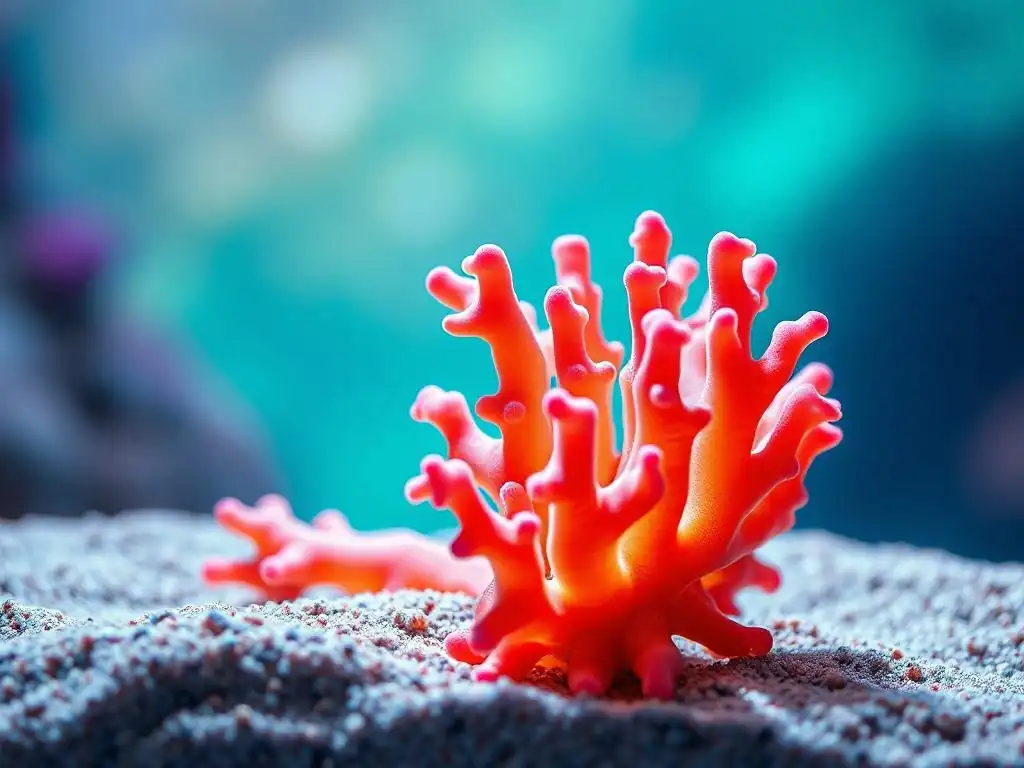
Hammer Coral Not Opening: Possible Causes and Solutions
When a hammer coral consistently remains closed or fails to extend its polyps fully, it is a primary indicator of stress. Possible causes are diverse and range from immediate environmental shocks, such as sudden temperature fluctuations or salinity drops, to chronic issues like poor water quality (e.g., elevated nitrates or phosphates), insufficient or excessive water flow, or incorrect lighting intensity or spectrum.
To diagnose, systematically check all major water parameters (salinity, temperature, alkalinity, calcium, magnesium, pH, nitrates, phosphates) for any deviations from optimal ranges. Then, carefully assess the water flow and lighting conditions, looking for areas of direct blast or shadows. Sometimes, new tank inhabitants, particularly certain fish or invertebrates, might be harassing the coral. Identifying and addressing the underlying cause is crucial for the coral to recover and resume its vibrant reef coral growth.
Hammer Coral Turning Brown: Identifying the Underlying Issues
Browning in hammer corals is a common issue that typically points to two main underlying problems: insufficient light or excessively high nutrient levels (nitrate and phosphate). When light is inadequate, the symbiotic zooxanthellae within the coral's tissues produce more chlorophyll to capture what little light is available, which makes the coral appear darker or brown. Similarly, an overabundance of nutrients can lead to an overpopulation of zooxanthellae, resulting in a similar browning effect as the coral tries to process the excess.
To rectify browning, gradually increase the light intensity or duration over several days or weeks, being careful not to shock the coral. Simultaneously, implement strategies to reduce nutrient levels, such as increasing the frequency or volume of water changes, improving protein skimming efficiency, or adding nutrient-exporting media like GFO (Granular Ferric Oxide) or biopellets. These adjustments are vital for restoring the coral's natural vibrant colors and promoting healthy vibrant reef coral growth.
Hammer Coral Losing Color: Addressing Nutrient Imbalances
Conversely, if a hammer coral is losing its vibrant color and appears pale, bleached, or translucent, it often indicates either too much light or excessively low nutrient levels. When light intensity is too high, the coral may expel its zooxanthellae to protect itself from photo-oxidative stress, leading to a bleached appearance. Similarly, in ultra-low nutrient systems (ULNS) where nitrates and phosphates are near undetectable levels, the zooxanthellae can become nutrient-starved, resulting in a faded, pale coloration.
If excessive light is suspected, immediately reduce the light intensity or move the coral to a shadier, lower-light area in the tank. If nutrient starvation is the cause (nitrate consistently near 0 ppm, phosphate near 0 ppm), consider slightly increasing feeding frequency or quantity, reducing nutrient export methods, or carefully adding a small amount of a targeted nutrient solution (e.g., potassium nitrate for nitrates). Finding the right balance is key to restoring and maintaining vibrant reef coral growth.
Hammer Coral Developing White Spots: Identifying and Treating Coral Bleaching
The appearance of white spots or patches on a hammer coral can be a concerning sign, often indicating localized tissue necrosis or the beginning of a more widespread issue like coral bleaching. This differs from overall browning or paling in that it typically affects specific areas of the coral rather than the entire colony. Causes can include direct physical damage, localized high flow causing chronic irritation, or the initial stages of bacterial infections such as Brown Jelly Disease starting from a specific point of injury.
Upon observing white spots, inspect the affected area closely. If the white patch is rapidly expanding and accompanied by a slimy, brownish substance, it is highly indicative of Brown Jelly Disease, requiring immediate isolation and aggressive treatment. If it's a slow, localized loss of tissue without slime, it might be due to a localized flow issue or minor physical injury. Adjusting coral placement or providing a brief coral dip might help. Consistent observation is critical to differentiate between causes and apply effective treatment for continued vibrant reef coral growth.
Conclusion: Thriving Hammer Corals for a Stunning Reef Display
Successfully cultivating hammer corals that exhibit vibrant reef coral growth is a profoundly rewarding endeavor that transforms any reef tank into a dynamic and captivating underwater landscape. It hinges on a steadfast commitment to consistent water parameter stability—meticulously maintaining alkalinity, calcium, magnesium, and pH within their narrow optimal ranges—alongside providing appropriate moderate lighting and gentle, indirect water flow that mimics their natural habitat.
Beyond these foundational environmental elements, proactive observation, targeted supplemental feeding with protein-rich foods, and vigilant pest management are crucial for the long-term health and prosperity of your Euphyllia ancora colonies. By understanding their specific needs and responding promptly to any signs of stress, aquarists can ensure their hammer corals not only survive but truly thrive, showcasing their spectacular colors and characteristic graceful sway for years to come, becoming the undisputed stars of a stunning reef display.
Frequently Asked Questions
How can I ensure my hammer coral gets the correct lighting for vibrant growth?
Hammer corals thrive under moderate lighting. Aim for PAR levels of 100-150. Monitor your coral's response and adjust accordingly to prevent bleaching or excessive shading.
What are the ideal water parameters for promoting vibrant reef coral growth, specifically for hammer corals?
Maintain stable water parameters, including a temperature of 72-78°F, alkalinity between 8-11 dKH, calcium levels of 400-450 ppm, and magnesium levels of 1250-1350 ppm. Consistent monitoring and adjustment of these levels are crucial for coral health.
What type of water flow is best for hammer corals to achieve optimal growth and prevent issues like brown jelly disease?
Hammer corals prefer moderate, indirect water flow. This helps deliver nutrients and remove waste without causing excessive stress. Avoid direct, strong currents which can damage the coral.
What feeding strategies can I employ to encourage vibrant reef coral growth in my hammer coral?
Supplement your hammer coral's diet with small amounts of zooplankton or coral-specific food 1-2 times per week. This provides the necessary nutrients for optimal growth and coloration.
What are some common signs of stress in hammer corals, and how can I address them to promote recovery and vibrant reef coral growth?
Signs of stress include tissue recession, bleaching, and closed polyps. Address these issues by checking water parameters, adjusting lighting, and ensuring proper water flow to restore coral health.
Final Reflection: Cultivating a Thriving Underwater World
The journey to achieving vibrant reef coral growth is not merely about mastering water parameters and lighting schedules; it's about understanding the delicate dance of life within our miniature ecosystems. The secrets unveiled in this article, from proper placement to attentive feeding, are more than just techniques; they are pathways to fostering a flourishing underwater world that mirrors the beauty and complexity of the ocean itself.
This pursuit of vibrant coral growth has profoundly influenced my own perspective on the interconnectedness of life. It's a constant reminder that even the smallest actions, like a carefully measured dose of trace elements, can have a ripple effect on the health and vitality of an entire ecosystem. In nature, nothing exists alone.
- Rachel Carson. This quote resonates deeply, highlighting the responsibility we bear as stewards of these fragile environments, even within the confines of our own reef tanks.
Now, I invite you to reflect on your own role in nurturing life, both within your reef tank and beyond. Consider how the principles of patience, observation, and dedication you apply to cultivating vibrant coral growth can be translated to other aspects of your life. Embrace the challenge, celebrate the small victories, and remember that every effort, no matter how seemingly insignificant, contributes to the beauty and resilience of the world around us.
Ignite Your Reef: Transform Your Hammer Coral Today!
Thank you for diving into the world of Hammer Corals! We hope you've discovered new ways to nurture these captivating creatures. Now, let's turn that knowledge into action and create a thriving reef environment.
Here are a few things you can do right now:
- Immediately assess your Hammer Coral's current placement and water flow. Is it happy, or could it benefit from a gentle adjustment? This is your first step to vibrant growth.
- Explore our community forum on AquariumMastery.com and share your Hammer Coral journey! Connect with fellow reef enthusiasts and learn from their experiences.
- Why not document your coral's progress? Take weekly photos and create a time-lapse video of its growth. Share it with the world and inspire others!
What's one small change you'll make today to unlock the full potential of your Hammer Coral? Let us know in the comments!