
Rare & Exotic Zoanthids: A Glimpse into the World of Collectors

Welcome to Aquarium Mastery!
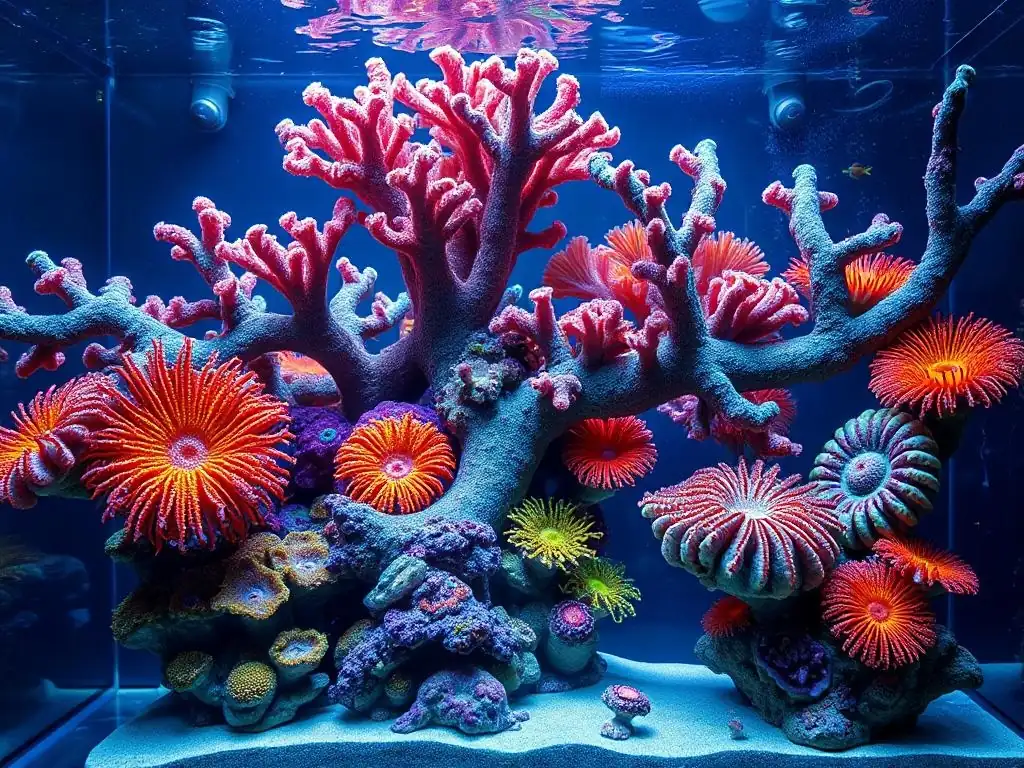
Ever wondered about the shimmering, almost otherworldly beauty hidden beneath the waves? Dive in with us as we explore the captivating world of rare and exotic zoanthids. These vibrant corals are coveted gems for collectors, but their unique needs require a special touch. Curious about unlocking the secrets to thriving with these stunning specimens? Keep reading for essential rare zoanthid care tips that will transform your reef tank into a living masterpiece!
- Unveiling the Allure of Rare Zoanthids for Reef Aquariums
- Identifying and Acquiring Rare Zoanthids: A Collector's Guide
- Rare Zoanthid Care Tips: Maintaining Their Health and Vibrancy
- Fragging Rare Zoanthids: Expanding Your Collection Responsibly
- Showcasing Some Highly Sought-After Rare Zoanthid Morphs
- Advanced Techniques for Maintaining Rare Zoanthids
- The Future of Rare Zoanthid Collecting and Conservation
- Conclusion: Embracing the Beauty and Responsibility of Rare Zoanthid Care
-
Frequently Asked Questions
- How difficult is it to care for rare zoanthids compared to common varieties?
- What specific water parameters are crucial for the survival of rare zoanthids?
- Where can I reliably source rare zoanthids for my aquarium?
- What are some signs that my rare zoanthids are stressed or unhealthy?
- What type of lighting is best suited for showcasing the vibrant colors of rare zoanthids?
- Final Reflection: Unveiling the Beauty and Responsibility
- Unveil Your Reef's Hidden Potential
Unveiling the Allure of Rare Zoanthids for Reef Aquariums
Why Rare Zoanthids Captivate Reef Aquarists
Rare zoanthids possess an unparalleled ability to captivate reef aquarists with their extraordinary coloration, intricate patterns, and often, their exclusive availability. Unlike their more common counterparts, these exotic morphs display a kaleidoscope of hues, from neon greens and fiery oranges to deep purples and iridescent blues, sometimes all on a single polyp. This breathtaking diversity transforms a typical reef tank into a living art piece, making them highly sought-after collector's items that evoke a sense of prestige and accomplishment among hobbyists.
Beyond their aesthetic appeal, the allure of rare zoanthids lies in the challenge and reward of successfully cultivating them. Acquiring a truly unique morph, often after a dedicated search, and then watching it thrive and multiply under one's care, provides immense satisfaction. This pursuit of the "next big thing" in zoanthid morphs fosters a vibrant community of enthusiasts, constantly sharing discoveries and care techniques, further cementing their status as a focal point in the marine aquarium hobby.
The Growing Demand for Unique Zoanthid Color Morphs
The demand for unique zoanthid color morphs has surged dramatically in recent years, fueled by social media platforms and specialized online marketplaces that showcase their vibrant beauty. This increased visibility, coupled with their relatively small size and ease of fragging compared to some LPS or SPS corals, makes them highly accessible to a broad range of aquarists. Consequently, prices for highly coveted single polyps or small frags can range from $50 to well over $500, depending on the morph's rarity, lineage, and current market trends.
This escalating demand has also spurred innovation in aquaculture, with dedicated growers actively propagating specific morphs to meet collector interest. The naming conventions, often whimsical and memorable (e.g., "God of War," "Vampire Slayer," "Utter Chaos"), further enhance their mystique and desirability. As more hobbyists seek to differentiate their tanks with these living jewels, the market for unique zoanthid color morphs continues to expand, creating a dynamic and competitive segment within the reef aquarium trade.
Identifying and Acquiring Rare Zoanthids: A Collector's Guide
Recognizing True Rarity: Coloration, Lineage, and Availability
Recognizing true rarity in zoanthids goes beyond just vibrant colors; it involves a deeper understanding of their genetic lineage and market availability. A truly rare zoanthid often exhibits a unique combination of colors and patterns that are not commonly found in nature or through widespread aquaculture. These distinct genetic mutations can result in never-before-seen color breaks, gradients, or fluorescence that set them apart. Hobbyists often look for specific "designer" morphs that have been selectively propagated for generations, ensuring the stability and vibrancy of their unique traits.
Furthermore, the limited availability of a particular morph significantly contributes to its rarity. Some zoanthids might be "lost" within the hobby, meaning their original colonies have diminished, or their propagation has become exceptionally difficult. Others may originate from very specific, limited wild collection sites (though ethical sourcing prioritizes aquaculture) or be exclusive to a handful of expert aquaculturists who painstakingly develop and propagate them. Therefore, understanding the provenance and the typical distribution channels for a zoanthid is crucial in determining its genuine rarity.
Ethical Sourcing and Sustainable Collection Practices
Ethical sourcing and sustainable collection practices are paramount when acquiring rare zoanthids, ensuring the long-term health of marine ecosystems. The most responsible approach is to purchase aquacultured zoanthids, which are corals grown in controlled aquarium environments rather than being harvested from wild reefs. This practice significantly reduces the environmental impact, prevents damage to natural coral habitats, and minimizes the risk of introducing pests or diseases into home aquariums. Reputable vendors will clearly label their zoanthids as "aquacultured" or "maricultured."
Supporting sustainable practices also means choosing vendors who adhere to strict ethical guidelines, even for the small percentage of wild-collected specimens that might enter the market. This includes avoiding suppliers who engage in destructive collection methods or exploit vulnerable reef environments. By consciously opting for aquacultured zoanthids, collectors contribute directly to the conservation of wild populations and foster a more sustainable future for the marine aquarium hobby. This commitment to responsible reef keeping is a core aspect of acquiring rare zoanthids.
Where to Find Rare Zoanthids: Reputable Vendors and Online Communities
Finding rare zoanthids requires navigating a network of specialized sources, with reputable vendors and active online communities being the primary avenues. Dedicated online coral retailers often have an extensive selection of rare morphs, frequently updated with new arrivals and exclusive offerings. These vendors typically provide high-quality photographs, detailed descriptions, and often guarantees on the health and safe arrival of their corals. It's crucial to research vendor reviews and testimonials to ensure their reliability and commitment to ethical sourcing, as their reputation is built on the quality and authenticity of their rare zoanthids.
Beyond commercial sites, online reef keeping forums, social media groups, and local fish club swap meets serve as invaluable hubs for collectors. These platforms allow hobbyists to connect directly, trade frags, and gain access to morphs not readily available through traditional retail channels. While these communities offer unique opportunities, buyers should exercise caution, verify seller credibility, and ask for updated photos and detailed rare zoanthid care tips before committing to a purchase. Attending live events, such as coral shows, also provides a chance to see rare morphs in person and meet established growers.
Rare Zoanthid Care Tips: Maintaining Their Health and Vibrancy
Optimizing Water Parameters for Rare Zoanthid Growth
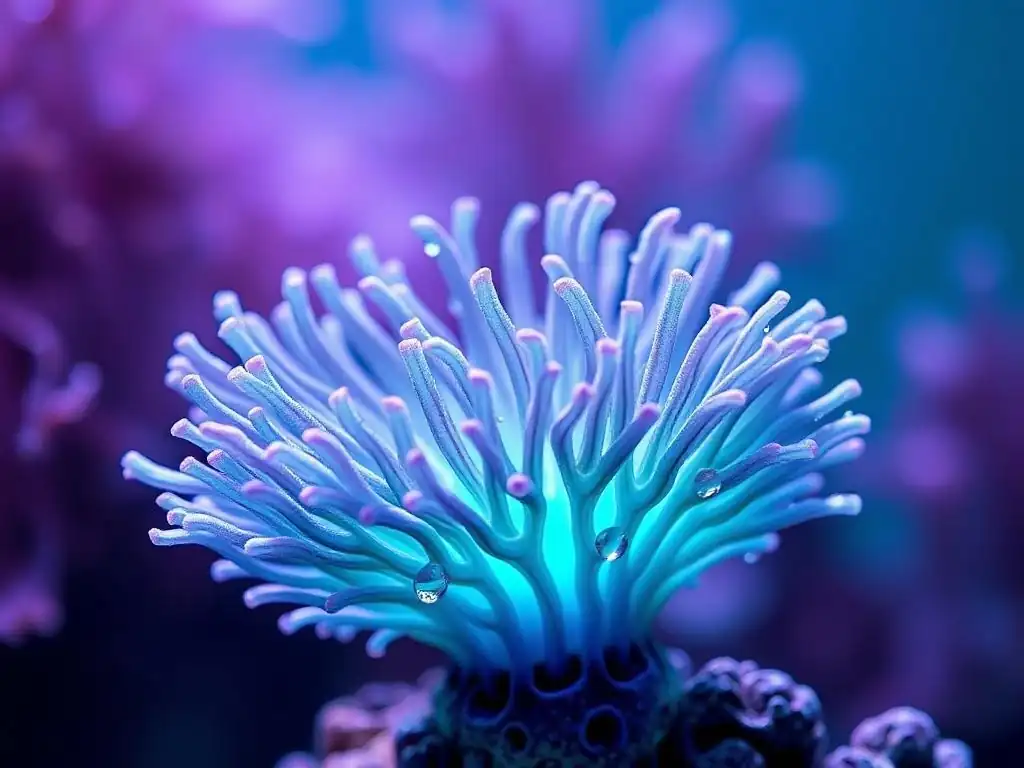
Optimizing water parameters is foundational for the health and vibrant coloration of rare zoanthids, making it one of the most critical rare zoanthid care tips. While zoanthids are often considered hardy, their exotic morphs truly flourish under stable and consistent conditions. Key parameters to monitor include salinity (ideally 1.025-1.026 specific gravity), temperature (maintained between 76-78°F or 24.5-25.5°C), and pH (ranging from 8.0-8.4). Sudden fluctuations in any of these can stress the polyps, leading to recession, dulling of colors, or even complete loss.
Regular testing with reliable kits is essential to ensure these parameters remain within optimal ranges. Though zoanthids do not consume calcium and alkalinity as heavily as SPS corals, maintaining stability in these areas (Alkalinity 7-9 dKH, Calcium 400-450 ppm, Magnesium 1250-1350 ppm) contributes to overall reef health, which indirectly benefits zoanthids. Consistent partial water changes (e.g., 10-20% bi-weekly) using high-quality salt mix are crucial for replenishing trace elements and exporting accumulated waste, providing a stable environment for these precious corals.
Maintaining Ideal Alkalinity, Calcium, and Magnesium Levels
While zoanthids themselves are soft corals and do not build a stony skeleton, maintaining ideal alkalinity, calcium, and magnesium levels is still vital for the overall stability and health of a reef aquarium, which directly benefits rare zoanthids. These parameters are crucial for the calcifying organisms that often coexist in a mixed reef, and their stability prevents wider fluctuations that can stress all inhabitants. Aim for alkalinity between 7-9 dKH, calcium between 400-450 ppm, and magnesium between 1250-1350 ppm.
Consistent monitoring of these levels is key, as is the implementation of a regular water change schedule to replenish consumed elements. For tanks with a heavy coral load, particularly SPS or LPS, automated dosing systems for a two-part solution or a calcium reactor may be necessary to maintain these levels precisely. While zoanthids are more forgiving than some corals regarding minor swings, providing a pristine and stable environment ensures they exhibit their most intense coloration and robust growth.
The Importance of Nitrate and Phosphate Control
Effective nitrate and phosphate control is a cornerstone of rare zoanthid care tips, directly impacting their health, growth, and vibrancy. While zoanthids can tolerate slightly higher nutrient levels than some other corals, excessive nitrates (above 10-20 ppm) and phosphates (above 0.05-0.1 ppm) can lead to dull coloration, reduced polyp extension, and an increased risk of nuisance algae outbreaks that can smother colonies. These nutrients are byproducts of fish waste, uneaten food, and decaying organic matter.
To manage these levels, implement a balanced feeding regimen, avoid overfeeding fish, and perform regular water changes. Additionally, utilizing effective filtration methods such as protein skimming, macroalgae in a refugium, and chemical media like Granular Ferric Oxide (GFO) or biopellets can significantly reduce nutrient accumulation. Maintaining low, but not necessarily zero, levels of nitrates and phosphates creates an environment where rare zoanthids can truly flourish, showcasing their spectacular colors without being inhibited by poor water quality.
Lighting Requirements for Intense Coloration in Exotic Zoanthids
Optimizing lighting is a crucial aspect of rare zoanthid care tips, as it directly influences their coloration and overall health. While zoanthids are generally adaptable to a range of light intensities, exotic morphs often require moderate PAR (Photosynthetically Active Radiation) levels, typically between 50-150 PAR, to fully express their vibrant pigments and maintain robust growth. Too little light can lead to dull colors and reduced polyp extension, while excessive light can cause bleaching or recession.
The spectrum of light is also vital, particularly for enhancing fluorescence. A balanced spectrum, often leaning towards blue light (around 450-470nm) with components of white light, can dramatically "pop" the specific pigments responsible for their unique hues. Many aquarists find that a combination of blue and actinic lighting, with a period of white light during the day, yields the best results for intense coloration. Gradual acclimation to new lighting conditions is always recommended to prevent shock and allow the zooxanthellae within the coral to adapt.
Understanding PAR and Light Spectrum for Zoanthids
Understanding PAR (Photosynthetically Active Radiation) and light spectrum is fundamental to providing optimal lighting for rare zoanthids. PAR measures the amount of light available for photosynthesis, which the symbiotic zooxanthellae algae within the zoanthid polyps utilize to convert light energy into food. For most zoanthids, a moderate PAR range, generally between 50 and 150 µmol·m⁻²·s⁻¹, is ideal, though some highly colored morphs may tolerate slightly higher levels if acclimated properly. Overexposure, indicated by polyps closing or bleaching, can be detrimental.
The light spectrum refers to the specific wavelengths of light emitted by your lighting system. Zoanthids, like other corals, benefit from a full spectrum but often display their most vibrant colors under a significant blue light component (around 450-470nm), which enhances their natural fluorescence. Incorporating some violet (400-420nm) and white light (broad spectrum) can further improve color rendition and provide necessary wavelengths for comprehensive zooxanthellae health. Experimentation with light height and intensity settings, guided by a PAR meter, can help fine-tune the environment for maximum vibrancy.
Recommended Lighting Systems for Rare Zoanthid Colonies
Choosing the right lighting system is a key rare zoanthid care tip for maximizing their growth and color potential. LED lighting systems are highly recommended due to their programmability, energy efficiency, and ability to precisely control spectrum and intensity. Brands like Kessil (e.g., A80, A160, A360X), EcoTech Marine Radions (e.g., Radion XR15, XR30), and AI Prime or Hydra series offer excellent control over PAR and spectrum, allowing aquarists to fine-tune the light to bring out the specific colors of their exotic zoanthids. For smaller tanks or dedicated frag tanks, a single quality LED fixture often suffices.
Alternatively, T5 HO (High Output) fluorescent fixtures, particularly with a combination of actinic blue and daylight bulbs, can also provide excellent results for zoanthids. They offer broad, even light spread, which can be beneficial for larger colonies. Many hobbyists also opt for hybrid systems that combine the even spread of T5s with the focused intensity and color popping capabilities of LEDs. Regardless of the system chosen, always start with lower intensity and gradually increase it over several weeks to allow the zoanthids to acclimate and prevent light shock.
Feeding Strategies for Enhanced Growth and Coloration
While zoanthids derive a significant portion of their energy from the zooxanthellae through photosynthesis, supplemental feeding is a critical rare zoanthid care tip that can dramatically enhance their growth rate, polyp extension, and color intensity. Zoanthids are primarily filter feeders, capturing small particulate matter from the water column. Providing them with a varied diet ensures they receive all necessary nutrients that might not be fully supplied by light alone, especially for highly demanding or fast-growing rare morphs.
Implementing a consistent feeding strategy, typically 1-2 times per week, can yield noticeable improvements. This often involves either broadcast feeding, where food is dispersed into the water column for all corals, or target feeding, which ensures individual polyps receive a direct dose of nutrition. Always ensure that feeding does not lead to a significant spike in nitrates or phosphates, as this can counteract the benefits. Regular observation of polyp response after feeding will help in fine-tuning the frequency and quantity.
Target Feeding Techniques for Zoanthids
Target feeding is an effective rare zoanthid care tip that ensures individual polyps receive direct nutrition, promoting enhanced growth and color. This technique involves using a pipet, turkey baster, or specialized coral feeder to deliver small amounts of food directly to the zoanthid polyps when they are fully open. The best time to target feed is typically when the aquarium lights are dimming or off, as many zoanthids extend their feeding tentacles more readily in lower light conditions.
When target feeding, dispense a very small amount of prepared food near the polyps, allowing them to capture the particles. Avoid overfeeding, as excess food can decompose and contribute to nutrient build-up in the tank. A good practice is to turn off circulation pumps briefly during feeding to prevent the food from being immediately swept away. This method ensures that even shy or smaller polyps receive adequate nutrition, leading to more robust colonies and vibrant displays of their unique coloration.
Best Food Options for Rare Zoanthids: Reef Roids and Benepets
Choosing the best food options is a vital rare zoanthid care tip for promoting their health and enhancing their vibrant coloration. Among the most popular and effective choices are Reef Roids and Benepets (specifically BeneReef). Reef Roids, a finely ground blend of marine organisms, are highly regarded for their ideal particle size, which zoanthids can easily capture and ingest. Their rich nutritional profile supports strong polyp growth and intensified pigmentation. Many hobbyists report significant improvements in zoanthid health and color within weeks of regular feeding with Reef Roids.
Benepets' BeneReef is another excellent option, offering a diverse blend of planktonic and particulate foods designed to meet the nutritional needs of a wide range of corals, including zoanthids. Its comprehensive formula provides essential proteins, fatty acids, and vitamins that contribute to overall coral vitality. Other beneficial food sources include finely crushed dried shrimp, phytoplankton (though zoanthids primarily consume zooplankton), and various marine snow formulations. The key is to provide a varied diet to ensure a full spectrum of nutrients and to avoid overfeeding, which can degrade water quality.
Preventing and Treating Common Zoanthid Diseases
Preventing and treating common zoanthid diseases is an essential aspect of rare zoanthid care tips, safeguarding your valuable collection. The best prevention strategies involve strict quarantine protocols for all new corals, maintaining pristine and stable water parameters, and ensuring adequate water flow throughout the tank. Quarantine new zoanthids in a separate tank for at least 4-6 weeks to observe for any signs of pests or diseases before introducing them to the main display. This proactive approach significantly reduces the risk of introducing pathogens or parasites to your established colonies.
Regular visual inspection of your zoanthids is also crucial. Look for any signs of recession, abnormal growths, discoloration, or polyps that refuse to open. Early detection allows for prompt intervention, which can be the difference between saving a colony and losing it. Addressing issues swiftly, often through targeted treatments or dips, is key to maintaining the health and vibrancy of your rare zoanthids and preventing the spread of problems to other corals in your reef.
Identifying and Addressing Zoanthid Pox
Zoanthid Pox is a common ailment that can affect zoanthid colonies, manifesting as small, white, pimple-like lesions on the polyps, often leading to polyps not opening or complete recession. These lesions are typically caused by a viral or bacterial infection and can quickly spread throughout a colony if left unaddressed. Identifying Zoanthid Pox early is a critical rare zoanthid care tip, as prompt treatment offers the best chance of recovery. Inspect your zoanthids regularly for these distinct white bumps, especially on newly acquired colonies.
To address Zoanthid Pox, one of the most common and effective treatments is a brief freshwater dip. Prepare a small container of dechlorinated, temperature-matched (to the tank water) freshwater with the same pH as your tank. Dip the affected zoanthid frag for 30-60 seconds, gently swirling it to dislodge any pathogens. Another effective approach involves using specialized coral dips containing iodine or other anti-parasitic agents, following the manufacturer's instructions precisely. Severely affected polyps may need to be removed. Repeat treatments might be necessary over several days or weeks until the lesions disappear and the polyps fully extend.
Dealing with Zoanthid Eating Nudibranchs
Dealing with zoanthid eating nudibranchs is a significant challenge for zoanthid collectors, as these camouflaged pests can decimate a colony rapidly. These tiny sea slugs (often species of Phyllodesmium) specialize in preying on zoanthids, often matching the color of their host, making them incredibly difficult to spot. Signs of their presence include polyps that refuse to open, unexplained receding tissue, or visible bite marks on the polyps. Close inspection, especially at night or with a magnifying glass, is essential to confirm their presence.
Manual removal is the primary method for dealing with these pests. Carefully inspect the zoanthid colony and use fine tweezers to pick off any visible nudibranchs and their egg spirals, which typically look like small, translucent white or brown coils. For more severe infestations, a freshwater dip (as described for Zoanthid Pox) or a specialized coral dip designed to deter or kill nudibranchs (e.g., CoralRx, Tropic Marin Pro-Coral Cure) can be effective.
Submerge the affected frag for the recommended duration, gently agitating it to dislodge the pests. Introducing certain types of wrasses (e.g., Six-Line Wrasse, Melanurus Wrasse) can sometimes help, but be aware that some wrasses may also nip at other corals.
Fragging Rare Zoanthids: Expanding Your Collection Responsibly
Safe and Effective Fragging Techniques for Zoanthids
Safe and effective fragging techniques are essential for expanding your rare zoanthid collection responsibly and sustainably. The process involves carefully detaching a small section of polyps from a healthy, established colony to create new, independent frags. Before starting, ensure you have the necessary tools: a sharp, sterile scalpel or razor blade, coral glue (cyanoacrylate gel), frag plugs or small pieces of live rock, and personal protective equipment like gloves and eye protection. It is crucial to wear gloves as some zoanthids can produce palytoxin, a potent neurotoxin.
To frag, gently remove the zoanthid colony from the tank. Identify a section of polyps you wish to frag, ensuring it has a solid base. Using the scalpel, make a clean cut to separate the desired polyps, minimizing damage to both the frag and the mother colony.
Immediately after cutting, apply a small amount of coral glue to the base of the frag and firmly attach it to a frag plug or small rock. Allow the glue to cure for a few minutes in the air before carefully returning the frag to a designated frag tank or a low-flow area of your display tank to heal. This method promotes healthy recovery and successful propagation.
Setting Up a Frag Tank for New Zoanthid Frags
Setting up a dedicated frag tank for new zoanthid frags is a highly recommended practice for serious collectors and a key rare zoanthid care tip, as it provides an optimal environment for healing and growth. A frag tank doesn't need to be elaborate; a small, separate aquarium (e.g., 10-20 gallons) with basic equipment is sufficient. Essential components include a small powerhead for gentle water circulation, a heater to maintain stable temperature (76-78°F), and a moderate LED light fixture capable of providing 50-100 PAR.
The primary benefit of a frag tank is that it isolates new frags from the potential stressors of a bustling display tank, such as aggressive fish, strong currents, or competition from other corals. This controlled environment allows the frags to heal quickly, attach firmly to their plugs, and begin to grow without disturbance. It also provides a convenient space for observation and targeted feeding, ensuring the best possible start for your valuable rare zoanthid additions before they are introduced into your main reef system.
Showcasing Some Highly Sought-After Rare Zoanthid Morphs
The Enigmatic Utter Chaos Zoanthid
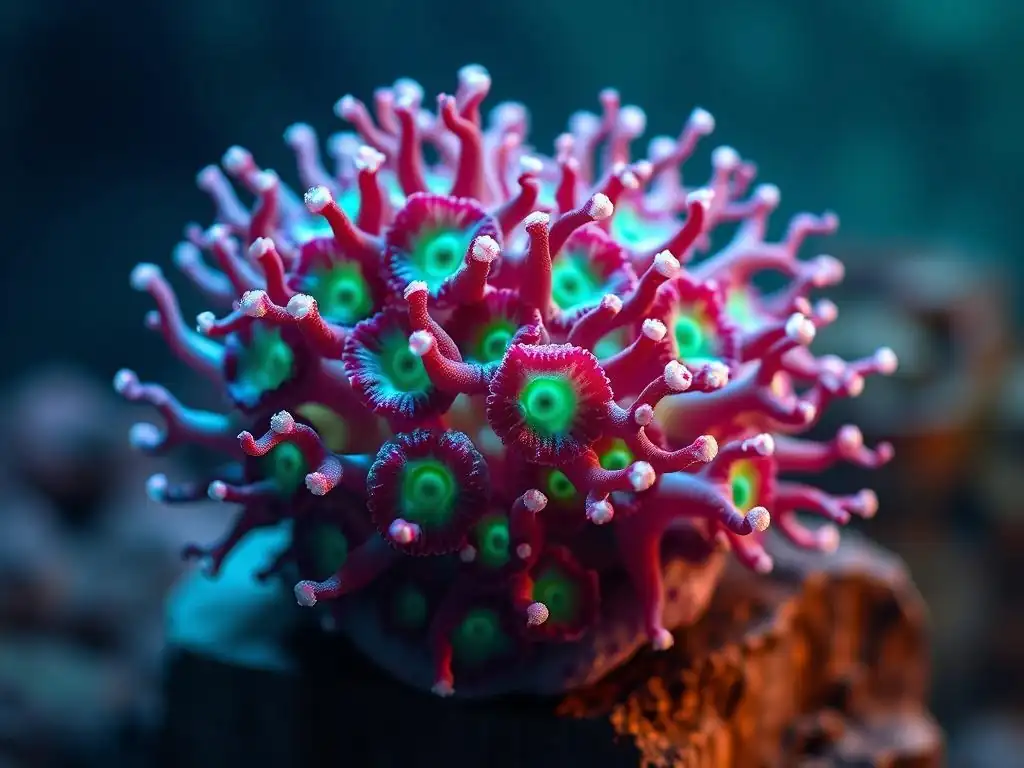
The Utter Chaos Zoanthid stands as one of the most iconic and highly sought-after morphs in the rare zoanthid market, instantly recognizable for its breathtaking color combination. This enigmatic morph typically features a vibrant, almost electric orange skirt that contrasts sharply with a striking lime green mouth. Its body often displays a deep blue or purple hue, creating a multi-layered visual spectacle. The unique blend of these intense, seemingly clashing colors, yet perfectly harmonized on a single polyp, is what makes it a true collector's gem.
Originating from specific aquacultured lineages, the Utter Chaos zoanthid has maintained its popularity due to its consistent coloration and relatively robust nature, making it a desirable addition for both seasoned collectors and those new to rare zoanthids. Despite its high demand, it typically exhibits a moderate growth rate under optimal rare zoanthid care tips, allowing dedicated hobbyists to eventually propagate and share frags, albeit at a premium price. Its enduring appeal underscores the fascination with truly unique and visually stunning zoanthid morphs.
The Stunning Purple People Eater Zoanthid
The Purple People Eater Zoanthid is another truly stunning and highly coveted morph, celebrated for its deep, rich coloration that commands attention in any reef tank. This morph is characterized by its intensely dark purple body, which often appears almost black, providing a dramatic backdrop for its vibrant, contrasting mouth. The mouth typically boasts a brilliant green or yellow, sometimes with subtle speckles, creating a striking visual pop against the darker body. This stark contrast is a hallmark of its beauty and rarity.
Collectors are drawn to the Purple People Eater for its consistent and stable coloration under proper conditions, ensuring it retains its mesmerizing hues over time. While its growth rate is generally moderate, its undeniable aesthetic appeal and the prestige associated with owning such a distinctive morph make it a prized possession. Providing excellent rare zoanthid care tips, particularly stable water parameters and appropriate lighting, will ensure this zoanthid thrives and continues to be a focal point in a diverse reef collection.
The Vibrant Rasta Zoanthid
The Vibrant Rasta Zoanthid is a beloved and highly recognizable rare morph, celebrated for its vivid, multi-colored polyps that evoke the iconic colors of the Rastafarian flag. This morph typically features a striking combination of bright red, sunny yellow, and lush green, artfully blended across each polyp. The interplay of these distinct colors, often with a yellow or green mouth surrounded by a red and green skirt, creates a lively and dynamic appearance that stands out in any coral garden.
What makes the Rasta Zoanthid particularly appealing to collectors, beyond its stunning visual appeal, is its relatively forgiving nature compared to some other ultra-rare morphs. It tends to be robust and adaptable, making it a good entry point for aquarists venturing into the world of exotic zoanthids. Under good rare zoanthid care tips, including stable water parameters and moderate lighting, the Rasta Zoanthid exhibits consistent growth and maintains its vibrant coloration, making it a rewarding and enduring addition to a diverse reef tank.
Advanced Techniques for Maintaining Rare Zoanthids
Implementing Automated Dosing Systems for Trace Elements
Implementing automated dosing systems for trace elements represents an advanced rare zoanthid care tip that ensures consistent and precise delivery of vital nutrients, minimizing manual intervention and parameter fluctuations. While zoanthids don't heavily consume major elements like calcium and alkalinity, the overall health of a mixed reef benefits greatly from the stability provided by automated dosing of minor and trace elements such as iodine, strontium, potassium, and various vitamins. These elements, though needed in small quantities, play crucial roles in coral health, coloration, and metabolic processes.
Automated dosers allow for small, frequent additions of these solutions, mimicking natural reef conditions and preventing large swings that can occur with manual dosing. This consistency helps to maintain the delicate chemical balance required for zoanthids to express their most vibrant colors and maintain robust health. For tanks with a diverse coral population or those seeking to optimize every aspect of their rare zoanthid care, a multi-channel dosing pump programmed to deliver specific trace elements provides unparalleled control and stability.
Utilizing Refugiums for Natural Nutrient Control
Utilizing refugiums for natural nutrient control is an advanced rare zoanthid care tip that promotes a stable and healthy environment, indirectly benefiting the vibrancy and growth of exotic zoanthids. A refugium is a separate compartment, often within the sump, designed to cultivate macroalgae (such as Chaetomorpha or Ulva) or house beneficial organisms. These macroalgae efficiently absorb nitrates and phosphates from the water, acting as a natural filter and reducing the need for chemical filtration media.
Beyond nutrient export, refugiums increase overall system biodiversity by providing a safe haven for copepods, amphipods, and other microfauna. These small organisms can then migrate into the main display tank, serving as a natural, continuous food source for zoanthids and other filter feeders. The stable environment and natural biological processes within a refugium contribute to a more balanced and resilient aquarium ecosystem, which directly supports the long-term health and intense coloration of valuable rare zoanthid colonies.
The Future of Rare Zoanthid Collecting and Conservation
Responsible Reef Keeping and Protecting Wild Zoanthid Populations
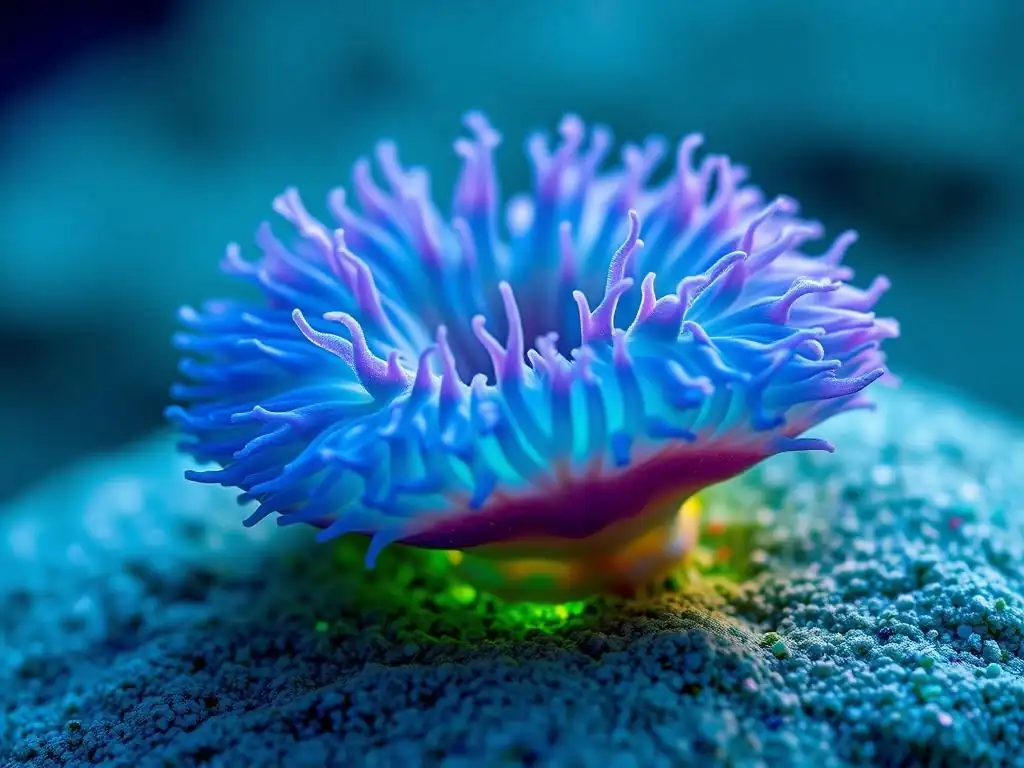
Responsible reef keeping is paramount to the future of rare zoanthid collecting and the protection of wild zoanthid populations. As the demand for exotic morphs continues to grow, it becomes increasingly critical for hobbyists to make informed purchasing decisions that prioritize sustainability. Opting for aquacultured zoanthids over wild-collected specimens is the single most impactful action an individual can take to reduce pressure on natural reef ecosystems. This choice directly supports businesses that are dedicated to propagating corals in controlled environments, thereby minimizing the ecological footprint of the hobby.
Furthermore, responsible reef keeping extends to educating fellow enthusiasts about the importance of sustainable practices, proper waste disposal, and preventing the release of non-native species into natural waters. By consciously participating in the hobby, supporting ethical vendors, and advocating for conservation, aquarists become active stewards of the marine environment. This collective effort ensures that the beauty of rare zoanthids can be enjoyed for generations without compromising the health and biodiversity of the world's precious coral reefs.
The Role of Aquacultured Zoanthids in the Hobby
Aquacultured zoanthids play an increasingly pivotal role in the marine aquarium hobby, serving as the cornerstone of sustainable collection and the primary source for rare morphs. By propagating zoanthids in controlled, land-based or in-situ aquaculture facilities, the industry significantly reduces its reliance on wild collection, thereby alleviating pressure on natural reef populations that are already facing numerous environmental threats. This shift towards aquaculture ensures a more ethical and environmentally friendly supply chain for hobbyists seeking exotic zoanthids.
Moreover, aquaculture fosters innovation, leading to the development of new, unique zoanthid morphs through selective breeding and controlled environments. Aquacultured zoanthids are also typically hardier and better adapted to aquarium life, having grown up in captive conditions, which translates to higher success rates for hobbyists. As technology advances and propagation techniques become more refined, aquacultured zoanthids will continue to make rare and desirable morphs more accessible and affordable, democratizing the hobby while simultaneously championing conservation efforts.
Conclusion: Embracing the Beauty and Responsibility of Rare Zoanthid Care
Frequently Asked Questions
How difficult is it to care for rare zoanthids compared to common varieties?
Rare zoanthids often require more specialized care and stable water parameters than common zoanthids. They are typically more sensitive to fluctuations in water chemistry.
What specific water parameters are crucial for the survival of rare zoanthids?
Maintaining stable levels of alkalinity, calcium, and magnesium is critical. Also, ensuring low nutrient levels is essential to prevent algae overgrowth.
Where can I reliably source rare zoanthids for my aquarium?
Reputable online vendors specializing in rare corals are a good start. Look for vendors with positive reviews and a guarantee of live arrival.
What are some signs that my rare zoanthids are stressed or unhealthy?
Signs of stress include closed polyps, discoloration, and tissue recession. Immediate action is needed to identify and correct the underlying issue.
What type of lighting is best suited for showcasing the vibrant colors of rare zoanthids?
A combination of actinic and full-spectrum LED lighting is generally recommended. Experiment to find the lighting that brings out the best coloration in your specific zoanthids.
Final Reflection: Unveiling the Beauty and Responsibility
The allure of rare and exotic zoanthids extends far beyond their vibrant colors and intricate patterns. Today, as the demand for these living jewels continues to rise, understanding their delicate needs and the ethical considerations surrounding their collection is more crucial than ever. The pursuit of beauty should never come at the expense of sustainability, and responsible aquarists hold the key to preserving these wonders for generations to come.
The fascination with rare zoanthids has undeniably shaped a unique corner of the reefing hobby, fostering a community driven by passion and a shared appreciation for the extraordinary. My own journey into this world has been a constant learning experience, highlighting the interconnectedness of our actions and the health of the ocean. In the end, we will conserve only what we love; we will love only what we understand; and we will understand only what we are taught.
- Baba Dioum. This quote resonates deeply, reminding us that education and understanding are the cornerstones of responsible stewardship.
As you delve deeper into the world of rare zoanthids, remember that each frag represents a piece of a larger ecosystem. Let the knowledge gained from these care tips inspire you to not only cultivate thriving colonies in your own aquarium, but also to advocate for sustainable practices and responsible sourcing. Consider the impact of your choices, and strive to be a champion for the preservation of these remarkable creatures and the fragile reefs they call home.
Thank you for exploring the captivating world of rare and exotic zoanthids! We hope this glimpse into the collector's realm has sparked your imagination and provided valuable insights. Now, it's time to bring that inspiration to life!
Here are a few ways to dive deeper:
- Start Small, Dream Big: Research and acquire ONE unique zoanthid frag to add a touch of the extraordinary to your reef aquarium.
- Share the Awe: Post a picture of your favorite zoanthid (existing or desired!) on social media using #AquariumMasteryZoas to connect with fellow enthusiasts.
- Attend a local reefing club meeting specifically searching out other zoanthid lovers.
What's the most captivating zoanthid morph you've ever seen, and what makes it so unforgettable to you?