
Handling Large Leather Corals: Tips for Movement and Placement

Welcome to Aquarium Mastery!
Ever wondered how to safely handle and strategically place those magnificent large leather corals in your reef tank? This article dives deep into the art of large coral movement placement, offering essential tips and tricks to ensure the health and beauty of your underwater ecosystem. Ready to unlock the secrets to successful coral arrangement? Let's begin!
- Introduction: Understanding the Challenges of Large Leather Coral Placement
- Assessing Your Leather Coral Before Movement
- Preparing the Aquarium for Leather Coral Relocation
- Step-by-Step Guide to Moving Large Leather Corals
- Choosing the Right Location for Your Leather Coral
- Troubleshooting Common Issues After Leather Coral Movement
- Long-Term Care After Leather Coral Placement
- Conclusion: Successful Leather Coral Movement and Placement for a Thriving Reef Aquarium
-
Frequently Asked Questions
- How do I safely move a large leather coral in my aquarium?
- What factors should I consider when choosing a new location for my leather coral?
- How can I encourage a leather coral to attach to a new rock or substrate?
- What are the potential risks of moving a large leather coral?
- How long does it typically take for a leather coral to recover after being moved?
- Final Reflection: Navigating the Reefscape
- Transcend Your Tank: Elevate Your Leather Coral Game!
Introduction: Understanding the Challenges of Large Leather Coral Placement
Why Moving Leather Corals Requires Special Care
Moving large leather corals, such as mature Sarcophyton (Toadstool) or Sinularia (Finger Leather) species, presents unique challenges compared to smaller frags or other coral types. Their substantial size and often delicate tissue make them susceptible to physical damage like tearing or bruising during handling. A mature Sarcophyton can weigh several pounds and have a cap diameter exceeding 12 inches (30 cm), requiring careful support to prevent stress to its stalk and base during large coral movement placement.
Beyond physical fragility, these corals are highly sensitive to environmental changes and mechanical stress. Any rough handling can trigger a significant stress response, often manifesting as excessive sliming, prolonged polyp retraction, or even tissue necrosis. This stress can weaken the coral's immune system, making it more vulnerable to bacterial infections or parasitic infestations in the days following the relocation.
The Importance of Proper Placement for Leather Coral Health
Correct placement is paramount for the long-term health and vibrancy of any large leather coral. An ideal location ensures optimal exposure to light and water flow, which are critical for their photosynthetic needs and waste removal. Improper placement can lead to issues such as bleaching from excessive light, tissue recession from insufficient light, or the accumulation of detritus and algae due to poor flow, all of which compromise the coral's health.
Furthermore, these large corals can exert allelopathic effects, releasing chemical compounds into the water that can inhibit the growth or even harm other corals, particularly sensitive small polyp stony (SPS) corals. Strategic large coral movement placement, considering their potential for growth and their chemical influence, is essential for maintaining a balanced and thriving mixed-reef aquarium. Planning for their mature size, which can easily exceed 15 inches (38 cm) in diameter, prevents future conflicts with neighboring inhabitants.
Assessing Your Leather Coral Before Movement
Evaluating the Coral's Health and Condition
Before attempting any large coral movement placement, a thorough assessment of the coral's current health is crucial. A healthy leather coral typically exhibits full polyp extension, a vibrant and consistent coloration characteristic of its species (e.g., deep green for some Sarcophyton or various shades of tan/brown for Sinularia), and a firm, upright stalk. There should be no visible signs of tissue recession, white patches, or unusual sliming that persists for more than a few hours.
Conversely, a leather coral that has been retracted for several days, appears deflated, or shows any signs of discoloration or tissue damage is already under stress. Moving such a coral can exacerbate its condition, potentially leading to irreversible decline. It is advisable to allow the coral to fully recover and stabilize for at least two to four weeks before contemplating relocation.
Identifying Potential Stress Factors Before Relocation
Identifying and mitigating existing stress factors in the aquarium environment is vital before relocating a large leather coral. Check for recent fluctuations in water parameters; for instance, an alkalinity swing of more than 0.5 dKH within 24 hours or a temperature spike above 82°F (27.8°C) can significantly stress corals. Ensure all parameters, such as salinity (1.024-1.026 SG), calcium (400-450 ppm), and magnesium (1250-1350 ppm), are stable and within optimal ranges.
Physical stressors also need consideration. Has the coral recently been fragged? Is it being shaded by a faster-growing coral, or is it in direct competition for space? Are there any aggressive tank mates bothering it? Addressing these underlying issues beforehand will significantly improve the coral's chances of successful recovery after large coral movement placement.
Preparing the Aquarium for Leather Coral Relocation
Ensuring Optimal Water Parameters for Leather Corals
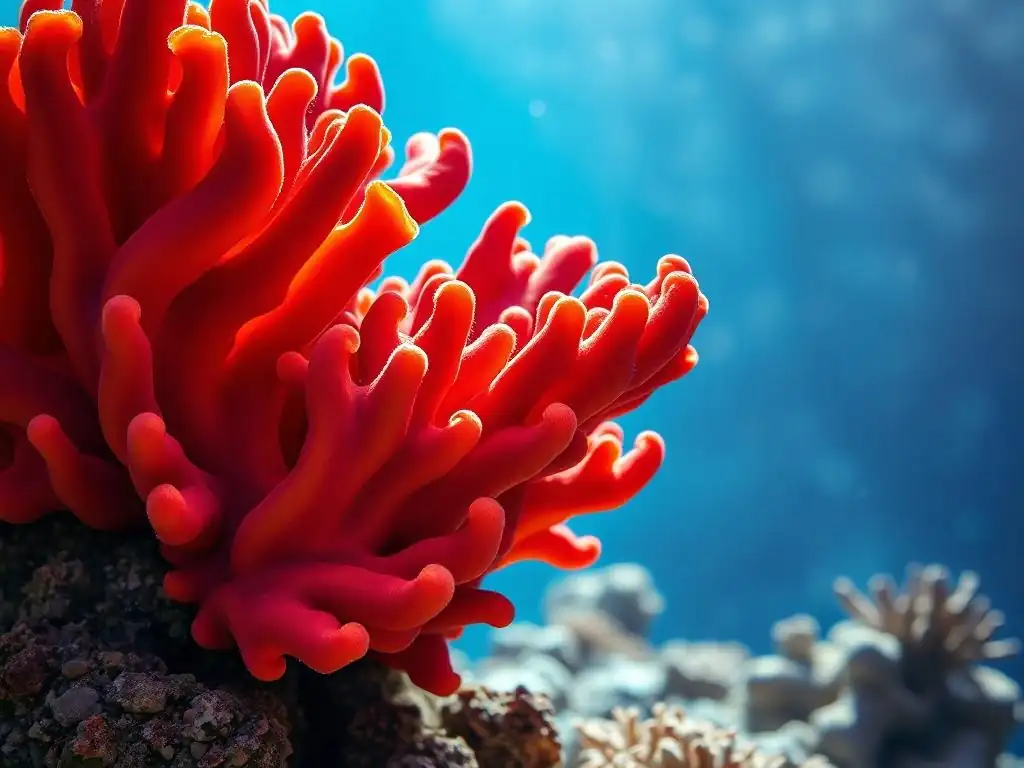
Prior to any large coral movement placement, it is imperative to ensure that your aquarium's water parameters are stable and optimal for leather corals. These robust soft corals thrive in consistent conditions. Target a salinity level between 1.024 and 1.026 specific gravity, an alkalinity range of 8-10 dKH, calcium levels from 400-450 ppm, and magnesium between 1250-1350 ppm. Nitrates should be kept below 10 ppm and phosphates below 0.03 ppm.
Maintaining these parameters consistently for at least one to two weeks before the move will minimize the shock to the coral. Any sudden shifts in water chemistry, even minor ones, can compound the stress of physical relocation, leading to a prolonged recovery period or even decline. Performing a small water change (e.g., 10-15%) a day or two before the move can also help ensure water quality is at its peak.
Creating a Suitable Environment for Leather Coral Placement
The target location for your large leather coral must be carefully chosen to provide an environment conducive to its long-term health. Consider the coral's lighting and flow requirements; most leather corals prefer moderate lighting (PAR values typically between 75-200) and moderate to strong, indirect water flow. The new spot should offer ample space, anticipating the coral's significant growth, which can easily see a small frag grow into a 12-inch diameter specimen within a year or two under ideal conditions.
Ensure the new spot is free from direct impingement by other corals that might sting or shade it. If attaching to rock, verify the rockwork is stable and can support the coral's eventual weight. If placing on sand, ensure it's a species that tolerates sandy bottoms, like some Sarcophyton, and that the sand bed is deep enough to provide stability.
Minimizing Stress During the Transfer Process
The actual transfer of a large leather coral should be executed with speed and utmost gentleness to minimize stress. Prepare all necessary tools beforehand, such as a large, clean container filled with existing tank water, and any securing materials like rubber bands or coral glue. Keep the coral submerged as much as possible throughout the process to prevent air exposure, which can be highly detrimental to its delicate tissues.
Before initiating the large coral movement placement, it's advisable to turn off powerheads and return pumps to eliminate strong currents that could dislodge or damage the coral during handling. This also prevents the coral from releasing excessive slime into the water column, which could temporarily cloud the tank. Work quickly but deliberately, avoiding any squeezing or tearing of the coral's tissue.
Step-by-Step Guide to Moving Large Leather Corals
Safely Removing the Leather Coral from the Existing Location
The first step in a successful large coral movement placement is the safe removal of the leather coral from its current attachment point. If the coral is attached to a piece of live rock, gently use a blunt, non-metallic tool, such as a plastic credit card or a specialized coral spatula, to pry its base away from the rock. Apply steady, even pressure rather than sudden force to avoid tearing the delicate tissue. If the coral is simply sitting on the sand bed, carefully lift it by its base.
Once detached, immediately place the leather coral into a large container filled with water from your display tank. Ensure the container is spacious enough to accommodate the coral without bending or compressing its structure, which can cause significant damage and stress. Keep the coral submerged throughout this entire process to prevent air exposure.
Acclimating the Leather Coral to its New Spot
With the coral safely in a temporary container, the next phase of large coral movement placement involves acclimating it to its new desired location within the aquarium. Carefully transfer the coral from the container and gently position it in its new spot.
If the coral is not naturally stable, you may need to secure it temporarily. This can be achieved by gently wedging its base into a crevice in the rockwork, using a rubber band to hold it against a coral plug or small rock, or applying a reef-safe super glue gel to its base and attaching it to a clean, dry piece of live rock (if the coral can be out of water briefly).
Once placed, the coral may appear deflated, retracted, or begin to shed a waxy layer. This is a normal stress response. Allow it several hours to a few days to settle and begin extending its polyps. Avoid disturbing it during this critical acclimation period.
Supporting the Coral During Acclimation: Iodine Dips & Gradual Lighting
To further support the large leather coral during its acclimation period, consider a prophylactic iodine dip before placement, especially if the coral shows any signs of previous stress or potential tissue damage. A common preparation involves 5-10 drops of Lugol's solution per gallon of tank water for 5-10 minutes. This dip can help cleanse the coral's surface and prevent bacterial infections from developing in any minor abrasions from handling.
If the new location has significantly different lighting intensity than the original spot, gradual lighting acclimation is highly recommended. For instance, if moving from a PAR of 100 to a PAR of 250, consider shading the coral for the first few days, perhaps by placing it lower in the tank or using a temporary screen. Gradually increase light exposure over one to two weeks, observing the coral's response. This prevents light shock and potential bleaching, aiding in a smoother recovery after large coral movement placement.
Choosing the Right Location for Your Leather Coral
Understanding Leather Coral Lighting Requirements
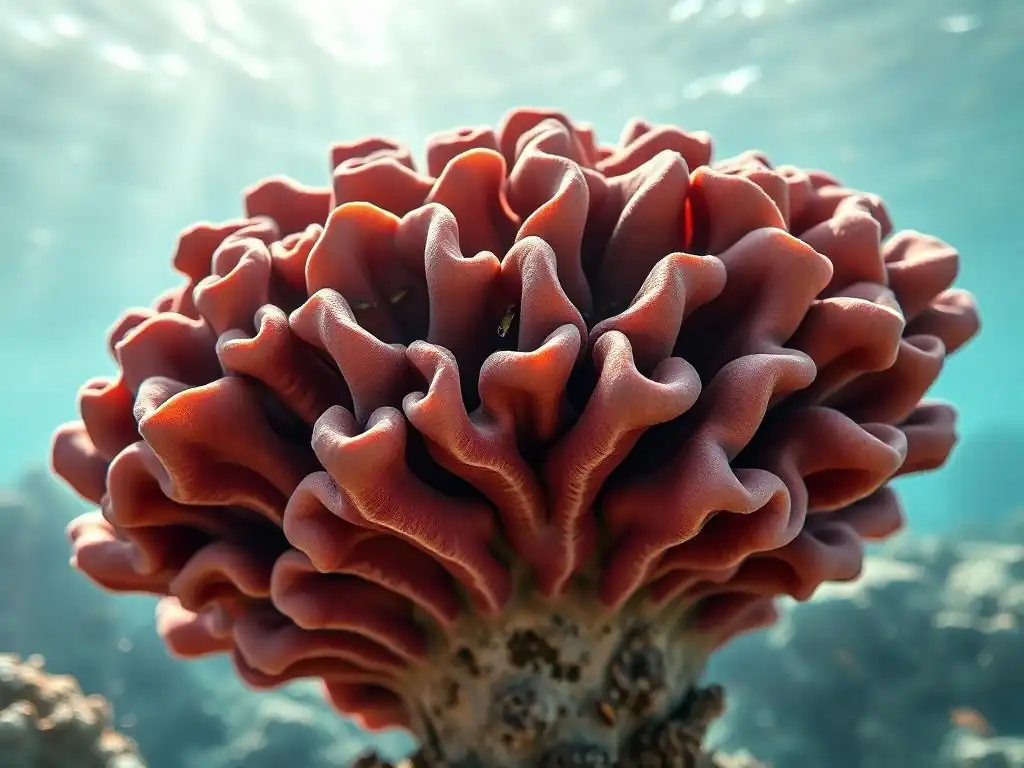
Leather corals, being photosynthetic, rely heavily on light for their energy needs. Most species, including popular Sarcophyton and Sinularia, thrive under moderate lighting conditions, typically within a PAR (Photosynthetically Active Radiation) range of 75 to 200. While they are more forgiving than SPS corals, too much light can cause them to bleach or retract, while insufficient light can lead to a dull appearance, reduced polyp extension, or even tissue recession as the symbiotic zooxanthellae struggle to produce enough food.
When selecting a spot for large coral movement placement, observe how other soft corals in your tank are performing. If they are vibrant and extending well, that area likely provides suitable lighting. Avoid placing them directly under intense spotlights, which can lead to localized bleaching, and ensure they are not perpetually shaded by rockwork or other fast-growing corals.
Ensuring Adequate Water Flow for Leather Corals
Adequate water flow is as critical as lighting for the health of large leather corals. They prefer moderate to strong, turbulent, and indirect water flow. This ensures that detritus and shed waxy layers are gently carried away from their surfaces, preventing buildup that can lead to irritation or infection. Good flow also facilitates the exchange of nutrients and oxygen, vital for their metabolic processes.
Avoid direct, laminar flow, which can relentlessly beat on a single spot, causing tissue damage or preventing polyps from extending properly. Instead, aim for broad, oscillating flow that gently sways the entire coral. You can test the flow by observing the polyps; they should gently wave, not be flattened against the coral's body. For a large leather coral, ensure flow reaches all parts of its complex structure, preventing dead spots where waste can accumulate.
Considering Space and Growth Potential for Large Leather Corals
One of the most important considerations for large coral movement placement is their significant growth potential. A small Sarcophyton frag can quickly grow into a majestic specimen with a cap diameter of 12-18 inches (30-45 cm) or more within a few years. Sinularia species can also become quite bushy and expansive. Failing to account for this growth can lead to overcrowding, shading of other corals, or the leather coral growing into the tank glass.
Plan for at least 6-8 inches (15-20 cm) of clearance around the coral's anticipated mature size to prevent it from chemically irritating or physically shading neighboring corals. Additionally, remember their allelopathic nature; placing them upstream of sensitive SPS corals or ensuring robust activated carbon filtration (e.g., 1 cup of carbon per 50 gallons changed monthly) can mitigate the release of inhibitory compounds, ensuring a harmonious reef environment.
Troubleshooting Common Issues After Leather Coral Movement
Addressing Signs of Stress in Leather Corals: Polyp Extension, Color Changes
After large coral movement placement, it's common for leather corals to exhibit temporary signs of stress. The most frequent observation is prolonged polyp retraction, where the coral appears deflated and lacks its usual "fuzzy" appearance. Slight color changes, such as a dulling of vibrancy, can also occur. These symptoms are often part of the coral's recovery process and typically resolve within a few days to a week as the coral acclimates to its new environment.
However, if polyp retraction persists beyond a week, or if you observe more severe signs like tissue recession (the base shrinking away from the rock), white patches, or excessive, continuous sliming, it indicates significant distress. At this point, re-evaluate all water parameters, check for proper water flow (ensuring it's not too direct or too weak), and confirm lighting intensity. Sometimes, a slight adjustment in position can make a big difference.
Dealing with Leather Coral Shedding After Relocation
Leather corals naturally shed a waxy, translucent layer periodically to remove accumulated detritus, algae, and even waste products. This process can be triggered or exacerbated by stress, including the stress of large coral movement placement. When shedding, the coral will appear coated in a milky, opaque film, and its polyps will be retracted. This is a normal physiological response and not a cause for immediate alarm.
It is crucial not to attempt to physically remove the shedding layer, as this can damage the coral's delicate tissue. Instead, ensure excellent water flow around the coral to help gently slough off the layer. The shedding process typically lasts from a few hours to several days. During this time, monitor water quality, as the shedding can release some organic compounds. Once the layer is shed, the coral should re-extend its polyps and regain its vibrant appearance.
Preventing Infections and Diseases Post-Movement
Any physical handling or stress during large coral movement placement can create minor abrasions or weaken the coral's immune system, making it more susceptible to bacterial infections. While leather corals are generally hardy, vigilance is key. Maintaining pristine water quality with stable parameters is the best defense against post-movement infections.
Watch for specific, more severe symptoms such as rapid tissue necrosis (RTN), where tissue rapidly peels away from the skeleton, or brown jelly disease, characterized by a brown, slimy coating that consumes tissue quickly. Although less common in leathers compared to LPS or SPS, these are emergency situations. If observed, isolate the affected coral immediately to prevent spread and consider targeted treatments or removal if the condition worsens. Prophylactic iodine dips, as mentioned earlier, can also offer some protection against opportunistic bacteria.
Long-Term Care After Leather Coral Placement
Maintaining Optimal Water Quality for Leather Coral Health
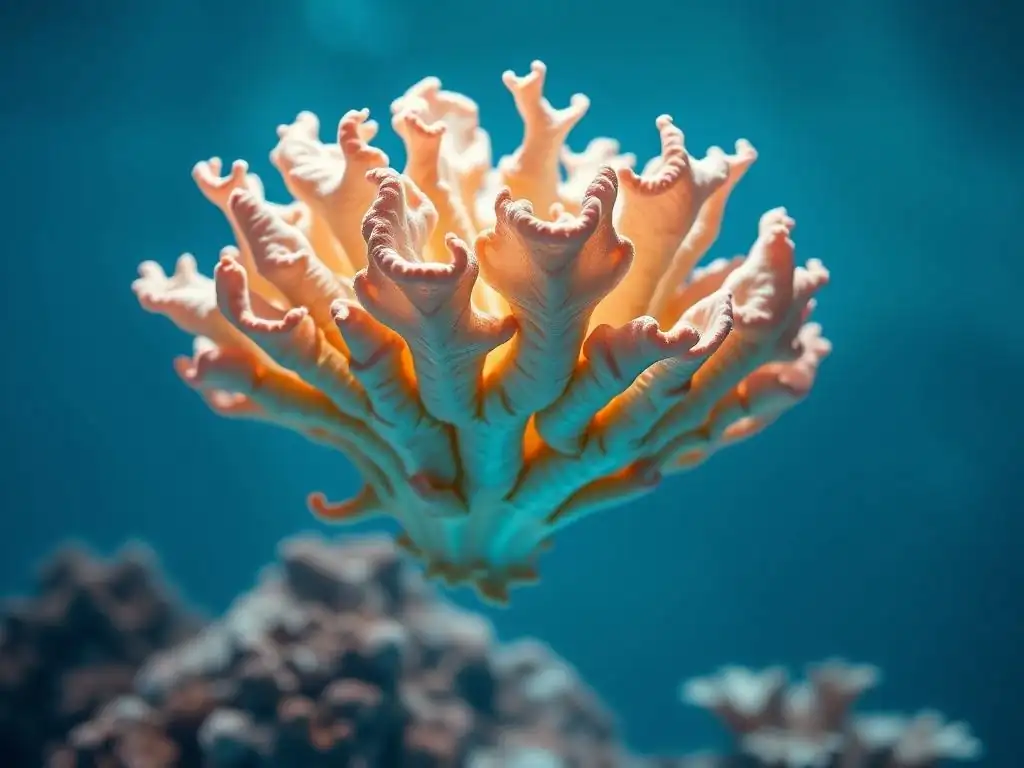
Once your large leather coral has successfully acclimated to its new placement, ongoing optimal water quality is paramount for its long-term health and impressive growth. While leather corals are generally less demanding regarding calcification elements compared to stony corals, consistent water parameters remain crucial. Regular water changes, typically 10-20% bi-weekly, are essential for replenishing trace elements and diluting any accumulated pollutants or allelopathic compounds released by the coral itself.
Maintain stable alkalinity (8-10 dKH), calcium (400-450 ppm), and magnesium (1250-1350 ppm), as well as low nitrates (<10 ppm) and phosphates (<0.03 ppm). Employ robust filtration methods, including a well-sized protein skimmer and regular use of activated carbon (e.g., changing carbon every 3-4 weeks), to ensure chemical purity and prevent the buildup of organic waste, which can stress the coral.
Regular Observation and Adjustments for Leather Coral Wellbeing
Continuous observation of your large leather coral is a simple yet effective aspect of its long-term care. Regularly check for full polyp extension, vibrant coloration, and consistent growth. A happy and healthy leather coral will typically have its polyps fully extended for most of the day and show noticeable growth over weeks or months, sometimes increasing its size by several inches in diameter annually.
Be prepared to make minor adjustments to its environment as the coral grows or as other tank dynamics change. This might involve repositioning a powerhead to adjust water flow if the coral starts to look "flat" or if detritus is accumulating on its surface. If the coral starts to bleach or brown out, consider adjusting its lighting exposure by moving it slightly or modifying your light schedule. This proactive approach ensures your large leather coral continues to thrive and remains a magnificent centerpiece in your reef aquarium.
Conclusion: Successful Leather Coral Movement and Placement for a Thriving Reef Aquarium
Key Takeaways for Handling and Placing Large Leather Corals
Successfully handling and placing large leather corals requires a combination of careful planning, gentle execution, and diligent post-relocation care. The primary takeaways include the importance of assessing the coral's health before the move, ensuring water parameters are pristine and stable in the new location, and employing gentle techniques during the actual large coral movement placement to minimize physical stress and potential tissue damage.
Remember that these resilient soft corals, despite their hardiness, are susceptible to stress from environmental shifts and rough handling. Patience is crucial, as a large leather coral may take several days or even weeks to fully acclimate and recover its full polyp extension and vibrant appearance after being moved.
Ensuring a Healthy Future for Your Leather Coral: Ongoing Monitoring & Water Changes
The successful initial large coral movement placement is merely the first step in ensuring a healthy future for your leather coral. Long-term vitality hinges on consistent adherence to optimal water quality, appropriate lighting, and adequate, indirect water flow. Regular observation of the coral's behavior, polyp extension, and coloration will provide early indicators of its health and allow for timely adjustments to its environment.
By committing to ongoing monitoring, routine water changes, and maintaining stable parameters, you can ensure your large leather coral not only survives but truly thrives. A well-cared-for leather coral will grow into an impressive, dynamic inhabitant, contributing significantly to the beauty and ecological balance of your reef aquarium for many years to come.
Frequently Asked Questions
How do I safely move a large leather coral in my aquarium?
Moving large leather corals requires careful planning. First, ensure the water parameters are stable in both the original and new locations. Gently detach the coral from its current substrate, using a blunt tool if necessary, and support it during transfer.
What factors should I consider when choosing a new location for my leather coral?
Consider lighting intensity and water flow when choosing a placement. Leather corals generally prefer moderate to high lighting and moderate water flow. Avoid placing them too close to other corals to prevent chemical warfare.
How can I encourage a leather coral to attach to a new rock or substrate?
Use aquarium-safe epoxy or coral glue to initially secure the base of the coral to the rock. Ensure the glue is fully cured before returning the coral to the tank. Monitor the coral for signs of stress or detachment.
What are the potential risks of moving a large leather coral?
Moving can stress leather corals, leading to slime production or temporary shrinking. In severe cases, it can cause tissue recession. Proper acclimation and stable water conditions are crucial to minimize these risks.
How long does it typically take for a leather coral to recover after being moved?
Recovery time varies depending on the coral's size and health, but it usually takes several days to a week. Monitor the coral closely for signs of improvement, such as polyp extension and increased coloration.
The insights shared in this article, focusing on large coral movement placement, are more crucial than ever in the face of changing reef environments and the increasing popularity of reef aquariums. Understanding the delicate balance required to successfully relocate and position these magnificent leather corals is not just about aesthetics; it's about ensuring their survival and contributing to the overall health of our captive reef ecosystems.
This topic has profoundly influenced, and continues to influence, the way we approach reef keeping, shifting from a purely decorative hobby to a more conscientious and informed practice. The ability to responsibly manage and care for these large corals is a testament to our growing understanding of their needs and the interconnectedness of the reef environment. In the end, we will conserve only what we love; we will love only what we understand; and we will understand only what we are taught.
- Baba Dioum. This quote perfectly encapsulates the journey of learning and responsibility that comes with caring for these living treasures.
Now, as you consider the information presented here, take a moment to reflect on your own role in the reef keeping community. How can you apply these principles of careful movement and placement to not only enhance your own aquarium, but also to contribute to a more sustainable and ethical approach to coral husbandry? Let the knowledge gained inspire you to become a steward of the reef, ensuring these magnificent creatures thrive for generations to come.
Transcend Your Tank: Elevate Your Leather Coral Game!
Thank you for diving into the world of leather coral care with us! We hope you've gained valuable insights into handling these fascinating creatures. Now, it's time to put that knowledge into action and create a thriving reef environment.
Here's how you can take the next steps:
- Strategically reposition a leather coral in your aquarium this weekend, paying close attention to flow and lighting needs based on what you learned.
- Document the coral's condition with photos before and after the move to track its adjustment and growth.
- Share your experience and photos in a reef-keeping forum, offering advice to others and asking for feedback from experienced hobbyists!
What specific water parameter are you most curious about adjusting to optimize your leather coral's health and growth?