
Can Mushroom Corals Sting Other Corals? Understanding Their Behavior

Welcome to Aquarium Mastery!
Ever wondered if those seemingly harmless Mushroom corals are secretly wielding a stinging power in your reef tank? Dive into our comprehensive guide to uncover the truth about whether Mushroom corals sting other corals and learn how to maintain a harmonious coral community. Curious to know how to protect your prized specimens? Keep reading to unlock the secrets!
- Mushroom Coral Aggression: Understanding Stinging and Safe Reef Keeping
- Introduction to Mushroom Corals in Reef Aquariums
- Stinging Mechanisms in Mushroom Corals
- Aggression Risk Factors: Determining the Potential for Harm
- Identifying Stinging Damage in Reef Tank Inhabitants
- Preventing Stinging: Strategies for a Peaceful Reef
- Managing Stung Corals: Treatment and Recovery
- Comparing Stinging Potential: Mushroom Corals vs. Other Invertebrates
- Case Studies: Examples of Mushroom Coral Interactions in Reef Tanks
- Conclusion: Responsible Reef Keeping with Mushroom Corals
-
Frequently Asked Questions
- Can Mushroom Corals Sting Other Corals?
- How Far Away Should I Place Mushroom Corals From Other Corals?
- What Happens if a Mushroom Coral Stings Another Coral?
- Are Some Corals More Vulnerable to Mushroom Coral Stings Than Others?
- How Can I Prevent Mushroom Corals From Stinging Other Corals in My Aquarium?
- Final Reflection: Unveiling the Silent Battles of the Reef
- Unleash the Secrets of Your Mushroom Coral!
Mushroom Coral Aggression: Understanding Stinging and Safe Reef Keeping
Introduction to Mushroom Corals in Reef Aquariums
Mushroom Corals (Corallimorphs): An Overview of Types and Characteristics
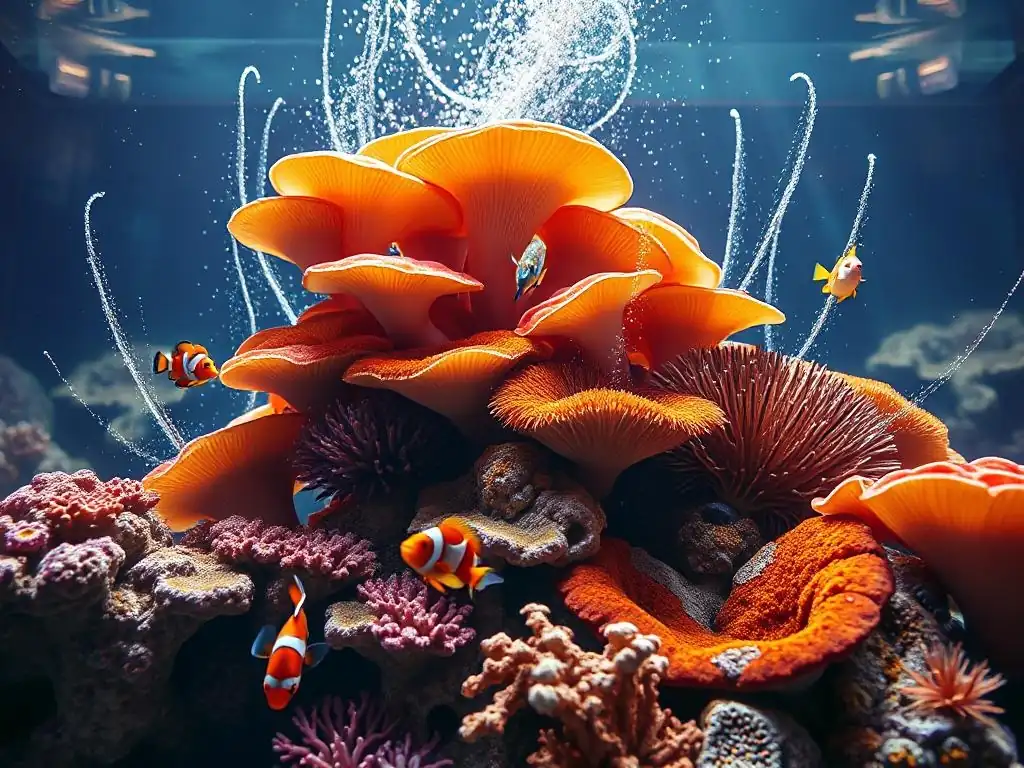
Mushroom corals, scientifically known as Corallimorphs, are a popular and diverse group of soft corals frequently found in reef aquariums. They are admired for their vibrant colors, fascinating patterns, and relatively undemanding care requirements, making them suitable for both novice and experienced aquarists. Common genera include Discosoma, known for their smooth, disc-like appearance; Rhodactis, often characterized by their textured or hairy surfaces; Ricordea, which can display intricate bubble-like vesicles; and Actinodiscus, often referred to as "Discos." These corals typically reproduce by budding or fission, leading to rapid colony expansion under optimal conditions.
While mushroom corals primarily derive energy from their symbiotic zooxanthellae, they are also capable of heterotrophic feeding, capturing small planktonic organisms from the water column. Their adaptability to a range of lighting and water flow conditions contributes to their widespread appeal. Despite their general reputation for being "peaceful" inhabitants, understanding their nuanced behaviors, particularly regarding the question "Can mushroom corals sting other? ", is crucial for maintaining a balanced reef environment.
Importance of Understanding Aggression for Reef Tank Harmony
Understanding the aggressive potential of any coral, including mushroom corals, is paramount for cultivating a healthy and stable reef ecosystem. Unmanaged aggression, whether direct or indirect, can lead to significant stress, tissue necrosis, and even the demise of other corals, thereby disrupting the delicate biological equilibrium within the aquarium. Addressing the query "Mushroom corals sting other?" thoroughly allows aquarists to proactively manage their tank inhabitants.
Proper knowledge of inter-coral dynamics and potential competitive interactions is essential to prevent costly mistakes and unnecessary harm to valuable livestock. While mushroom corals are often categorized as low-aggression, they possess inherent mechanisms that can indeed impact their neighbors. Being informed about how mushroom corals sting other corals, even subtly, enables aquarists to implement effective preventative measures and ensure the long-term success and vibrancy of their reef tank.
Stinging Mechanisms in Mushroom Corals
Cnidocytes and Nematocysts: The Biological Basis of Stinging
All cnidarians, a phylum that includes corals, anemones, and jellyfish, possess specialized stinging cells called cnidocytes. Within each cnidocyte lies a remarkable microscopic organelle known as a nematocyst. These are essentially miniature, harpoon-like structures coiled under high internal pressure, containing various toxins. Upon contact with a target, whether prey or a perceived threat, the nematocyst is rapidly discharged, injecting venom into the unfortunate recipient.
For mushroom corals, nematocysts primarily serve two functions: defense against encroaching organisms and the capture of small food particles, such as copepods or brine shrimp. The potency and specific composition of the venom contained within these nematocysts can vary significantly between different species of mushroom corals, impacting their overall stinging capability. While these stinging cells are present, their deployment and effect are generally less dramatic than those of highly aggressive stony corals.
Stinging Potential: Factors Influencing Effectiveness
The effectiveness of a mushroom coral's sting is influenced by several key factors. Firstly, the specific species of mushroom coral plays a significant role; for instance, Rhodactis species, particularly the hairier varieties, are often considered to have a more potent sting and chemical output compared to the generally milder Discosoma species. The size and density of the nematocysts on the coral's oral disc also contribute to its stinging potential, with larger, more robust polyps typically possessing a greater capacity for defense.
Secondly, the duration and intensity of physical contact directly impact the severity of a sting. A brief, accidental brush might cause only minor irritation or no noticeable harm, whereas prolonged contact can lead to significant localized tissue damage on a neighboring coral. Furthermore, the overall health and environmental stressors affecting the mushroom coral itself can influence its readiness to deploy stinging cells, as stressed corals may exhibit heightened defensive behaviors.
Limitations of Mushroom Coral Stings Compared to Other Corals
While mushroom corals can sting, their capabilities are generally quite limited when compared to the highly aggressive stinging mechanisms of many Large Polyp Stony (LPS) corals. For example, LPS corals such as Euphyllia (Hammer, Frogspawn, Torch corals) or Goniopora possess long, sweeping tentacles that can extend several inches, armed with powerful nematocysts capable of delivering lethal stings to competitors over a considerable range. Mushroom corals lack these extended sweepers.
Instead, the primary mode of aggression for mushroom corals is often through chemical warfare, known as allelopathy, rather than direct physical stinging. Their nematocysts are typically less potent and less diverse in their toxin composition compared to those of highly predatory or territorial stony corals. This means that while the question "Can mushroom corals sting other?" is answered affirmatively, the outcome is usually less severe and less immediate than a sting from a powerful LPS coral, often manifesting as slow tissue recession rather than rapid necrosis.
Aggression Risk Factors: Determining the Potential for Harm
Water Flow and Chemical Warfare: Indirect Aggression
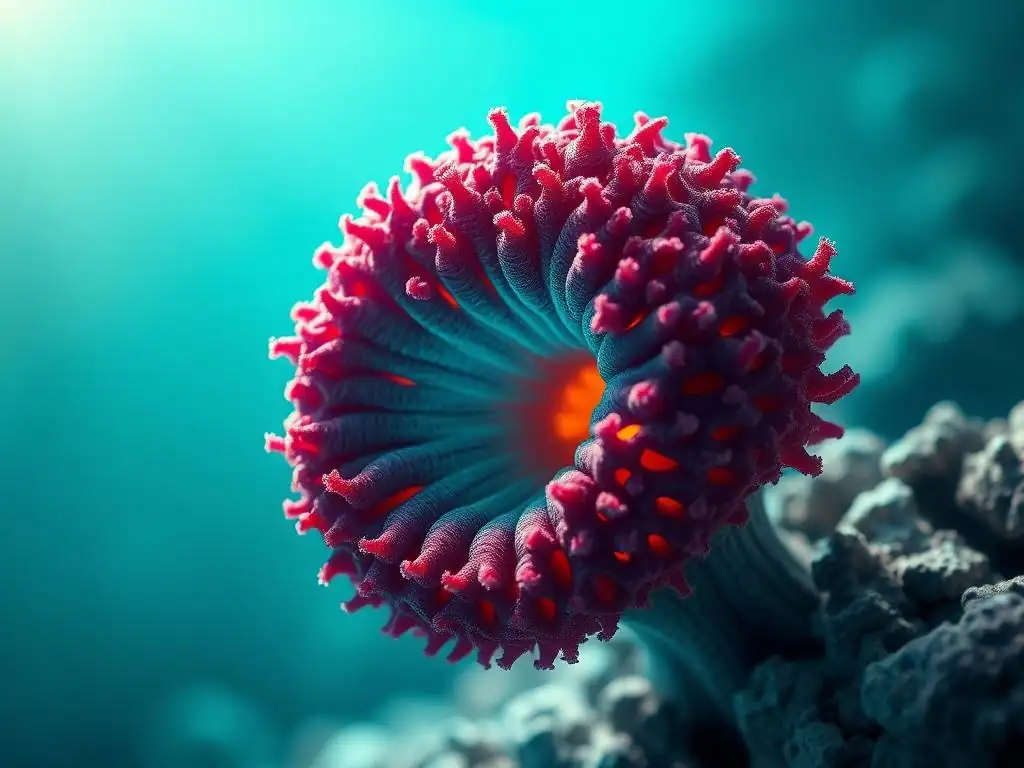
Mushroom corals, particularly genera like Rhodactis and Discosoma, are known to engage in allelopathy, a form of indirect aggression where they release chemical compounds, often terpenes, into the water column. These allelochemicals are designed to inhibit the growth or health of competing corals in their vicinity. In aquariums, if these compounds are not efficiently dispersed, they can accumulate, creating a localized toxic environment that stresses neighboring corals without any direct physical contact.
Inadequate water flow is a major exacerbating factor for chemical aggression. When water movement is low or stagnant around a mushroom coral, the allelochemicals it releases can build up to harmful concentrations. This can lead to a range of negative effects on susceptible corals, including tissue recession, bleaching, reduced polyp extension, or a general failure to thrive. Even if a mushroom coral does not directly "sting" a neighbor, its chemical output can be equally, if not more, damaging in poorly circulated areas.
Species-Specific Aggression: Identifying Problematic Varieties
It is important to recognize that not all mushroom coral species exhibit the same level of aggression. Rhodactis mushrooms, particularly those with a hairy or shaggy appearance, are frequently cited by aquarists as being more aggressive due to their more potent chemical secretions and potentially stronger nematocysts. In contrast, Discosoma and Actinodiscus species are generally considered to be less aggressive chemically, while Ricordea species fall into a moderate category.
Sensitive corals, such as Small Polyp Stony (SPS) corals (e.g., Acropora, Montipora), are particularly vulnerable to allelochemicals due to their delicate polyps and high metabolic rates. Even some Large Polyp Stony (LPS) corals can be negatively impacted, especially if they are already stressed or in close proximity. Therefore, understanding which specific mushroom corals sting other corals more effectively, either chemically or physically, allows for better planning and placement within a mixed reef.
Placement and Territory: Minimizing Conflict Through Design
Strategic placement is a critical factor in preventing aggression and ensuring reef tank harmony. When aquascaping, corals should be given ample space, not just for their current size but considering their mature growth and potential for expansion, including the reach of their chemical footprint. A commonly recommended guideline is to allow at least 3 to 6 inches of clearance around mushroom corals, depending on their known aggression level and the sensitivity of adjacent corals.
The "territory" of a mushroom coral can expand significantly over time as it grows and reproduces, often by budding or fission. Regular observation is paramount to identify potential conflicts before they escalate into tissue damage. Aquarists must consider the long-term growth patterns of all corals when designing their aquascape to minimize the chances of mushroom corals stinging other inhabitants, both directly and indirectly through chemical release.
Identifying Stinging Damage in Reef Tank Inhabitants
Coral Tissue Necrosis (CTN): Recognizing Signs of Stinging
One of the most direct visual signs of stinging damage is localized coral tissue necrosis (CTN). This typically manifests as a distinct area of tissue recession, bleaching, or a "burn" mark on the affected coral. The damaged tissue may appear whitish, translucent, or sloughing off, usually at the specific point of contact with the aggressive mushroom coral or in the immediate vicinity downstream of its chemical output.
The progression of CTN can vary. In sensitive corals, particularly SPS, the damage can spread rapidly if the irritant is not removed, potentially leading to the loss of an entire colony. For more robust corals, the damage might be localized and stable once the aggressive coral is removed. Observing the exact location of the damage relative to potential aggressors is crucial for accurately diagnosing stinging as the cause.
Behavioral Changes in Affected Corals and Fish: Stress Indicators
Beyond visible tissue damage, affected corals may exhibit behavioral changes indicative of stress from stinging or chemical irritation. These can include prolonged polyp retraction, where the coral remains closed for extended periods, reduced feeding response, or a general "unhappy" or shrunken appearance. Their vibrant colors may also dull, and their growth rate might significantly slow or cease entirely. These subtle changes often precede visible tissue loss.
While fish are generally more resilient to coral stings than other corals, highly stressed fish in an environment saturated with allelochemicals might show signs of discomfort, such as rapid respiration, unusual hiding behavior, or lethargy. However, this is a less direct indicator of a mushroom coral sting, as fish are more likely to be affected by overall poor water quality or other stressors. The primary concern when "mushroom corals sting other" is usually the impact on other invertebrates.
Ruling Out Other Causes: Differentiating Stinging from Disease or Poor Water Quality
When observing tissue recession or coral decline, it is vital to perform a comprehensive diagnostic assessment to rule out other potential causes. Tissue loss can also result from bacterial infections (e.g., Brown Jelly Disease), fungal infections, parasitic infestations, or chronic nutrient deficiencies. Aquarists should meticulously test water parameters, including alkalinity, calcium, magnesium, nitrates, and phosphates, to ensure optimal water quality and eliminate these as primary factors.
Differentiating stinging damage from disease or poor water quality often comes down to the pattern of affliction. Stinging damage typically presents at a clear point of contact or in a localized area directly impacted by the aggressor's chemical output. In contrast, bacterial or fungal diseases often spread more haphazardly or follow specific patterns (e.g., rapid tissue necrosis progressing from the base upwards). Poor water quality, conversely, usually affects multiple corals or causes a more generalized decline across various species in the tank.
Preventing Stinging: Strategies for a Peaceful Reef
Strategic Coral Placement: Maintaining Safe Distances
Strategic planning of coral placement is paramount to preventing aggression and ensuring a peaceful reef environment. Before introducing new corals, aquarists should thoroughly research their mature growth habits and aggression levels. For mushroom corals, it is crucial to position them in areas where they have ample room to grow and reproduce without encroaching upon or chemically irritating neighboring corals. While considering their preferred light and flow conditions, spatial separation should be prioritized.
Concrete distance recommendations vary based on the specific mushroom species and the sensitivity of adjacent corals. A minimum of 3 to 6 inches of clearance is a good starting point for moderately aggressive mushrooms like Rhodactis. However, highly sensitive corals, such as delicate SPS species, may require even greater separation, potentially up to 8 to 12 inches, especially if they are placed downstream of the mushroom coral's chemical output. Grouping less sensitive corals together can also help manage potential interactions.
Water Flow Management: Diluting Allelochemicals
Effective water flow management is a crucial strategy for mitigating the impact of allelochemicals released by mushroom corals. Strong, turbulent, and varied water flow helps to rapidly disperse these chemical compounds, preventing their accumulation and reducing their localized concentration around sensitive corals. The goal is to create chaotic, indirect flow patterns rather than direct blasts, which can cause physical damage to delicate coral tissues.
Utilizing multiple powerheads or wavemakers positioned strategically throughout the aquarium can help achieve dynamic, unpredictable flow. This ensures that chemical compounds are constantly diluted and transported away from vulnerable corals. Additionally, performing regular, consistent water changes (e.g., 10% weekly) and maintaining a robust filtration system with activated carbon (changed bi-weekly to monthly) further helps to export allelochemicals from the system, maintaining overall water purity.
Physical Barriers: Limiting Contact Between Corals
In certain situations, particularly with highly aggressive mushroom species or in tanks with limited space, physical barriers can be employed as a last resort to prevent direct tissue contact. This involves strategically placing inert rock, a frag plug, or even a small piece of acrylic between a mushroom coral and a sensitive neighbor. The barrier physically blocks the mushroom coral from growing into or touching the adjacent coral, thereby preventing direct stinging.
However, it is important to note that physical barriers only prevent direct contact and do not mitigate chemical aggression. Allelochemicals released by mushroom corals can still spread through the water column, potentially affecting nearby corals even with a barrier in place. Therefore, physical barriers should always be considered in conjunction with good water flow management and appropriate spacing whenever possible. This method is primarily effective for preventing the direct physical "mushroom corals sting other" interaction.
Managing Stung Corals: Treatment and Recovery
Immediate Actions: Removing Irritants and Providing Support
Upon identifying a coral that has been stung or chemically irritated, the immediate priority is to remove the affected coral from the source of aggression. This might involve carefully relocating the stung coral to a safer, more isolated area of the tank, or if the aggressor is easier to move, relocating the mushroom coral. The goal is to ensure the affected coral is no longer exposed to the irritant and is placed in a clean, stable environment with optimal water parameters.
If visible tissue damage or signs of infection are present, gently dipping the affected coral in a commercially available coral dip solution (e.g., an iodine-based dip or a coral RX product) can be beneficial. Always follow the manufacturer's instructions precisely to avoid further stress. This helps to cleanse the wound, remove any remaining irritants, and prevent secondary bacterial infections from setting in. Providing stable, moderate water flow to the recovering coral also aids in its healing process.
Quarantine and Observation: Monitoring Recovery
For corals that have sustained significant damage or if there's a suspicion of secondary infection, placing the stung coral in a separate quarantine tank (QT) is highly advisable. A QT provides a controlled, stress-free environment for healing, allowing for closer observation without the risk of contaminating the main display tank. The QT should be set up with stable, pristine water parameters mirroring the main tank's optimal conditions.
Daily observation is crucial during the recovery period. Aquarists should look for signs of tissue regeneration, a reduction in inflammation, and improved polyp extension. Any signs of worsening condition, such as spreading tissue loss or the development of brown jelly, warrant immediate re-evaluation and potential further treatment. Maintaining impeccable water quality in the QT, free from fluctuating parameters or additional stressors, is paramount for successful recovery, which can range from a few weeks to several months depending on the severity of the initial sting.
Treatment Options: Addressing Tissue Damage and Infection
Treatment options for stung corals vary based on the extent of the damage. For minor stings, simply relocating the coral and ensuring excellent water quality might be sufficient for recovery. If tissue loss is evident, a coral dip can help prevent opportunistic infections. Should a bacterial infection set in, indicated by rapidly spreading tissue necrosis or brown jelly-like substance, broad-spectrum antibiotics (e.g., Furan-2, Ciprofloxacin) might be considered as a last resort, but only under careful guidance, as they can negatively impact beneficial bacteria.
Supportive care is critical throughout the recovery phase. This includes providing consistent, appropriate lighting (avoiding overly intense light during initial recovery), gentle water flow, and maintaining stable water parameters. Target feeding with high-quality coral foods, such as powdered zooplankton or phytoplankton, can significantly aid in recovery by providing essential nutrients for tissue regeneration. Patience is a key virtue, as recovery from a significant "mushroom corals sting other" incident can be a prolonged process.
Comparing Stinging Potential: Mushroom Corals vs. Other Invertebrates
Soft Corals vs. Mushroom Corals: Relative Aggression Levels
When comparing mushroom corals to other soft corals, their relative aggression levels are generally similar, with chemical warfare being the primary mode of competition. Many other soft corals, such as Sarcophyton (Leather Corals) or Sinularia (Finger Leather), are known to release potent allelochemicals into the water, which can inhibit the growth of nearby corals. However, their direct physical stinging capabilities are typically low, often comparable to or even less pronounced than those of most mushroom corals.
Zoanthids, another popular group of soft corals, also possess nematocysts, but their primary concern for aquarists is often the potential for palytoxin release, a potent neurotoxin, rather than direct stinging. Therefore, the main challenge in a mixed soft coral tank, including mushrooms, lies in managing allelochemicals through effective water flow and regular activated carbon use, more so than worrying about widespread physical stinging interactions.
LPS Corals vs. Mushroom Corals: Competitive Interactions
The competitive interactions between LPS (Large Polyp Stony) corals and mushroom corals often highlight the significant difference in their stinging potential. LPS corals like Euphyllia (Hammer, Frogspawn, Torch), Fungia (Plate Coral), Acanthastrea, and Goniopora possess highly effective sweeper tentacles. These tentacles can extend several inches, even up to 6-10 inches for some Euphyllia species, and are armed with powerful nematocysts capable of delivering potent, often lethal, stings to adjacent corals within hours or days.
Placing a mushroom coral too close to an LPS coral is almost always a losing battle for the mushroom coral if the LPS coral initiates direct contact. Conversely, while mushroom corals can chemically irritate LPS corals, the direct physical sting of an LPS coral is far more immediate and devastating. Aquarists must ensure significant spacing, often 6-12 inches, between LPS corals and any soft coral to prevent direct physical combat and allow for the full extension of LPS sweeper tentacles.
SPS Corals vs. Mushroom Corals: Sensitivity to Chemical Warfare
SPS (Small Polyp Stony) corals, including Acropora, Montipora, and Seriatopora, are generally considered the most sensitive inhabitants of a reef tank, especially to allelochemicals. Even low concentrations of chemical toxins released by mushroom corals can cause significant stress to SPS corals, leading to symptoms such as browning out, bleaching, reduced polyp extension, or localized tissue recession. Delicate species like Acropora are particularly susceptible to these chemical assaults.
While SPS corals do possess nematocysts for prey capture and defense, their primary vulnerability to mushroom corals stems from chemical warfare rather than direct physical stinging. Their delicate polyps and high metabolic rates make them highly sensitive to environmental fluctuations and inhibitory compounds. Therefore, in a mixed reef environment containing both SPS and mushroom corals, maintaining pristine water quality, ensuring strong and turbulent water flow, and consistently using activated carbon are paramount to mitigate the "mushroom corals sting other" issue, particularly through chemical means.
Case Studies: Examples of Mushroom Coral Interactions in Reef Tanks
Mushroom Coral Outcompeting Zoanthids: Control Strategies
A common scenario observed in reef tanks is a rapidly expanding mushroom coral colony, such as a Discosoma or Rhodactis species, outcompeting nearby zoanthid colonies. For instance, an aquarist introduced a single Rhodactis indosinensis frag into their 40-gallon breeder tank. Within eight months, this single mushroom had multiplied into a colony spanning over 6 inches in diameter, completely overgrowing a Palythoa frag placed just 2 inches away, leading to significant polyp recession and eventual loss of the zoanthid colony due to shading and chemical irritation.
To control such proliferation and prevent mushroom corals from outcompeting other inhabitants, manual removal is often the most effective strategy. Aquarists can gently peel or scrape encroaching mushroom corals off the rockwork and place them on separate frag plugs for propagation or trade. Additionally, increasing water flow directly around the affected zoanthids or repositioning them to a higher light area can help them better compete. Regular pruning of mushroom colonies is frequently necessary to maintain balance.
Controlling a Prolific Mushroom Coral in a Small Reef System
Prolific mushroom coral species can pose a significant challenge in smaller reef systems, such as nano tanks. Consider a 20-gallon nano reef where a single Discosoma nummiforme mushroom was introduced. Over the course of a year, this single mushroom reproduced extensively, transforming into a colony of 15-20 individuals covering several square inches of rock. This expansion led to direct contact and irritation of a small Duncanopsammia colony placed within 3 inches, causing its polyps to retract and tissue to recede at the point of contact.
Solutions for controlling such rapid proliferation include aggressive manual removal, often by carefully scraping the mushrooms off the rock with a razor blade or specialized tool. Reducing nutrient levels in the water column (e.g., maintaining nitrates below 5 ppm and phosphates below 0.03 ppm) can also slow their growth rate and reproduction. In some extreme cases, introducing specific mushroom-eating nudibranchs ( Phyllodesmium species) can be a biological control option, though these are often specialized feeders and may starve once the mushroom population is depleted.
Successful Coexistence: Strategies for Mixed Reef Environments
Despite their potential for aggression, successful coexistence of mushroom corals with other invertebrates is entirely achievable in mixed reef environments with careful planning and diligent management. For example, in a 120-gallon mixed reef, Ricordea florida mushrooms were observed thriving peacefully alongside LPS corals such as Blastomussa and Acanthastrea. This harmony was achieved by strategically placing the Ricordea on an isolated rock island, ensuring a minimum distance of 10 inches from the nearest LPS coral.
Furthermore, the tank utilized two powerful wavemakers to create strong, turbulent, and varied water flow patterns throughout the aquascape, effectively preventing the localized buildup of allelochemicals from the Ricordea. Regular weekly 10% water changes and consistent bi-weekly replacement of activated carbon were also implemented to maintain pristine water purity and efficiently export any released chemical compounds. This proactive and consistent management allowed for the vibrant display of diverse coral types without significant inter-species conflict, demonstrating that the potential for "mushroom corals sting other" can be effectively mitigated.
Conclusion: Responsible Reef Keeping with Mushroom Corals
Key Considerations: Minimizing Risk and Promoting a Thriving Ecosystem
While mushroom corals are generally considered low-aggression inhabitants of reef aquariums, it is crucial for aquarists to understand that they do possess stinging cells (nematocysts) and actively engage in chemical warfare (allelopathy). The question "Can mushroom corals sting other?" is answered with a nuanced "yes," primarily through the release of inhibitory chemicals and, less frequently but still possible, through direct physical contact with delicate coral tissues.
Minimizing the risk of aggression and promoting a thriving ecosystem hinges on informed decision-making. This includes thoroughly researching the species-specific traits of any mushroom coral before introduction, understanding its potential growth patterns and reproductive rate, and always planning for ample spacing between corals. Prioritizing proper water flow and maintaining excellent water quality are also fundamental to mitigating potential harm and ensuring all corals in the tank can coexist and flourish.
Best Practices: Ongoing Observation and Adaptive Management
Responsible reef keeping is a dynamic and ongoing process that demands continuous observation and adaptive management. Aquarists should regularly inspect their corals for any early signs of stress, tissue damage, or changes in behavior that might indicate inter-coral conflict. Being proactive in identifying potential issues allows for timely intervention before problems escalate.
As corals grow, mature, and reproduce, the aquascape may need to be adjusted. This could involve relocating corals, pruning overgrown colonies, or enhancing water flow in specific areas to prevent future conflicts. With proper knowledge, diligent care, and a commitment to ongoing observation, mushroom corals can be incredibly beautiful and rewarding additions to a reef aquarium, contributing to a vibrant, healthy, and peaceful marine ecosystem for many years to come.
Frequently Asked Questions
Can Mushroom Corals Sting Other Corals?
Yes, mushroom corals can sting other corals, although their sting is generally considered mild compared to other types of corals. It depends on the species and proximity.
How Far Away Should I Place Mushroom Corals From Other Corals?
It's best to maintain a safe distance of at least 4-6 inches between mushroom corals and other corals. This helps prevent potential stinging and competition for resources.
What Happens if a Mushroom Coral Stings Another Coral?
The impacted coral might exhibit tissue recession, discoloration, or overall stress. The severity depends on the strength of the mushroom coral's sting and the sensitivity of the other coral.
Are Some Corals More Vulnerable to Mushroom Coral Stings Than Others?
Yes, soft corals and LPS (Large Polyp Stony) corals are generally more susceptible to stinging than SPS (Small Polyp Stony) corals. Monitor your tank inhabitants closely.
How Can I Prevent Mushroom Corals From Stinging Other Corals in My Aquarium?
Regularly monitor coral placement, use physical barriers like rocks, and ensure adequate water flow to dilute any released toxins. Proper spacing is key!
Final Reflection: Unveiling the Silent Battles of the Reef
The intricate world of coral reefs, often perceived as a peaceful underwater paradise, is in reality a battleground where survival depends on subtle yet powerful interactions. Understanding the aggressive potential of mushroom corals, specifically their ability to sting other corals, is more crucial than ever in the face of increasing environmental pressures on these fragile ecosystems. This knowledge empowers us to better manage and protect these vital habitats, ensuring their resilience for future generations.
The discovery that mushroom corals, seemingly benign, can actively compete for space through stinging highlights the complexity of reef ecology. This realization underscores the importance of continuous observation and research to uncover the hidden dynamics that shape these underwater communities. In nature, nothing exists alone.
- Rachel Carson. This quote resonates deeply as we consider the interconnectedness of species within a coral reef, where even the smallest interaction can have cascading effects.
As we delve deeper into the secrets of the reef, let us not forget our responsibility to protect it. Consider the implications of this knowledge: how can we use it to inform conservation efforts, to mitigate the impact of human activities, and to foster a greater appreciation for the delicate balance of life beneath the waves? Let us all strive to be stewards of the ocean, ensuring that the vibrant tapestry of the coral reef continues to thrive for years to come.
Unleash the Secrets of Your Mushroom Coral!
Thank you for diving into the fascinating world of Mushroom Corals! We hope you've gained a better understanding of their behavior and potential impact on your reef tank. Now it's time to take your knowledge and turn it into action.
Here's how you can enhance your understanding and ensure a thriving reef environment:
- Closely observe your own Mushroom Corals for signs of aggression towards other corals in your aquarium. Document your findings!
- Delve deeper! Research the specific species of your Mushroom Coral to understand its unique stinging potential and growth habits.
- Share your experiences! Connect with fellow reef enthusiasts on forums and social media to exchange insights and learn from their observations.
What unexpected coral interactions have you witnessed in your aquarium, and how did you address them?