
Lighting for Acan Corals: Unlocking Their Full Color Potential

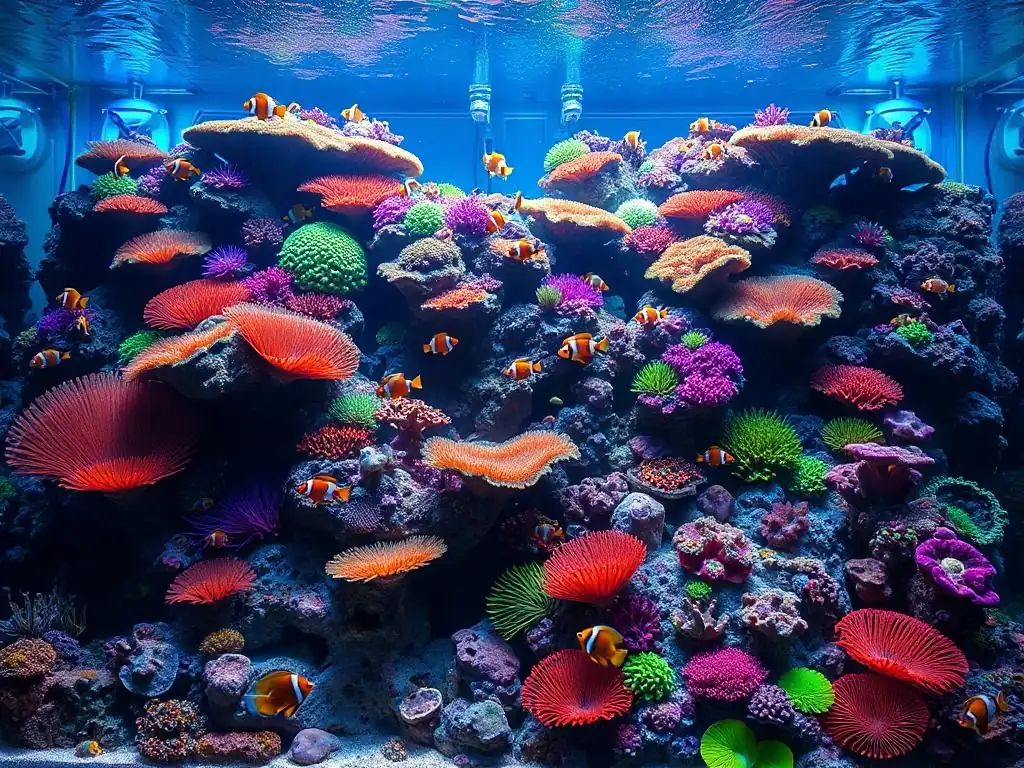
Welcome to Aquarium Mastery! Ever wondered how to unlock the vibrant, breathtaking colors hidden within your Acan corals? This guide dives deep into the essential aspects of Acan coral lighting requirements, helping you provide the perfect illumination for a thriving reef. Get ready to witness your Acans reach their full potential!
- Understanding Acan Coral Lighting Needs for Vibrant Colors
- Decoding Acan Coral Lighting Requirements: PAR, Spectrum, and Intensity
- Selecting the Right Lighting System for Your Acan Coral Tank
- Acclimating Acan Corals to New Lighting Conditions
- Troubleshooting Common Lighting Problems with Acan Corals
- Achieving Optimal Acan Coral Coloration: A Comprehensive Guide
- Advanced Techniques for Enhancing Acan Coral Color
- Conclusion: Mastering Acan Coral Lighting for a Thriving Reef Aquarium
-
Frequently Asked Questions
- How crucial is proper lighting for Acan coral health and coloration?
- What type of lighting is generally recommended for Acan corals?
- What is the ideal PAR (Photosynthetically Active Radiation) range for Acan corals?
- How does water depth affect the lighting requirements for Acan corals?
- Can too much light harm Acan corals?
- Final Reflection: Illuminating the Depths of Beauty
- Unleash Your Acan's True Colors!
Understanding Acan Coral Lighting Needs for Vibrant Colors
What are Acan Corals and Why is Lighting Crucial?
Acan corals, scientifically known as Acanthastrea, are a popular genus of Large Polyp Stony (LPS) corals cherished by aquarists for their vibrant coloration and distinctive bumpy, textured polyps. These corals are found in various hues, including reds, greens, blues, purples, and even multi-colored "rainbow" morphs. Like many other corals, Acans host symbiotic dinoflagellates called zooxanthellae within their tissues, which perform photosynthesis to convert light energy into food for the coral. This symbiotic relationship makes lighting an absolutely critical factor in their health and survival.
Beyond mere survival, proper Acan coral lighting requirements are paramount for unlocking and maintaining their spectacular color potential. The pigments responsible for the dazzling array of colors in Acans are often influenced by the quality and quantity of light they receive. Inadequate or improper lighting can lead to drab, faded colors, browning (due to an overabundance of zooxanthellae trying to capture more light), or even bleaching (loss of zooxanthellae and pigments), which severely compromises the coral's health and aesthetic appeal.
The Importance of Light Spectrum for Acan Coloration
The light spectrum refers to the range of wavelengths of light, each perceived as a different color, from deep blues to reds. For Acan corals, the specific wavelengths of light they are exposed to play a significant role in stimulating the production of various fluorescent and non-fluorescent proteins within their tissues. These proteins are what give Acans their distinct and often brilliant coloration. Different pigments respond to different light wavelengths, meaning a balanced spectrum is essential for a full display of their natural beauty.
For instance, blue light, particularly in the actinic range (around 450-470 nanometers), is known to excite fluorescent proteins, making greens, blues, and purples in corals appear more vivid. Conversely, other parts of the spectrum, including warmer whites, reds, and greens, can influence other pigments and metabolic processes within the coral and its zooxanthellae. Understanding and manipulating the light spectrum is a key aspect of meeting Acan coral lighting requirements to achieve maximum vibrancy and health.
Decoding Acan Coral Lighting Requirements: PAR, Spectrum, and Intensity
PAR (Photosynthetically Active Radiation) for Acan Health
PAR, or Photosynthetically Active Radiation, measures the amount of light that is usable by photosynthetic organisms, including the zooxanthellae within Acan corals. It quantifies the number of photons in the 400-700 nanometer range that hit a surface per second. For Acan corals, which are generally considered low to moderate light LPS, the optimal PAR range is typically between 50 and 150 PAR. While some Acans may tolerate slightly higher PAR levels, anything consistently above 200 PAR can lead to stress, bleaching, or tissue recession.
It's crucial to measure PAR at various depths and locations within your aquarium, as light intensity diminishes significantly with water depth and can vary depending on the light fixture's optics. A PAR meter is an invaluable tool for this purpose, allowing aquarists to precisely understand the light environment their Acans are experiencing. Placing Acan corals in areas receiving consistent PAR within their optimal range is a fundamental aspect of meeting their specific Acan coral lighting requirements.
Optimal Light Spectrum for Acan Coral Growth and Color
Beyond just the quantity of light (PAR), the quality of light, specifically its spectral composition, is critical for both Acan coral growth and, more notably, their coloration. A full-spectrum light that includes a significant portion of blue light, along with adequate white, green, and red wavelengths, generally provides the best environment. The ideal spectrum encourages healthy zooxanthellae function while also stimulating the production of the coral's own protective and aesthetic pigments.
Many advanced LED fixtures offer channels for different colors, allowing aquarists to fine-tune the spectrum. A common approach for Acans is to lean heavily on the blue spectrum for visual pop, but ensure there's enough broad-spectrum white light to support overall health and bring out the full range of colors.
The Role of Blue Light in Acan Color Enhancement
Blue light, particularly in the wavelength range of 450-470 nanometers (often referred to as "royal blue"), is indispensable for maximizing the coloration of Acan corals. These specific wavelengths are highly effective at exciting the fluorescent proteins (FPs) found within the coral tissue. When these proteins absorb blue light, they re-emit it at longer, visible wavelengths, causing the coral to "pop" with vibrant greens, reds, and purples under actinic-heavy lighting. Many Acan morphs, especially those with green, blue, or purple hues, owe their striking appearance to these fluorescent properties.
A significant portion of your Acan coral lighting requirements should be dedicated to the blue spectrum. Aquarists often run their blue channels at higher intensities or for longer durations than white channels to enhance this fluorescent effect, especially during "dawn" and "dusk" periods. However, it's a balance; excessive blue light without sufficient full-spectrum light can lead to an unnatural appearance and may not fully support the coral's physiological needs.
The Impact of Red and Green Light on Acan Pigmentation
While blue light is often emphasized, red and green light also play a subtle yet important role in Acan coral pigmentation and overall health. Green light, typically in the 500-570 nanometer range, can contribute to the expression of green fluorescent proteins and helps to make green Acan morphs appear more vivid. Red light (around 620-750 nanometers) can influence other non-fluorescent pigments and contribute to a more natural, full-spectrum appearance for the human eye, which can enhance the perception of warm colors like red and orange in Acans.
However, caution is advised with red and green light. Too much red or green can promote nuisance algae growth or, paradoxically, wash out the more desirable fluorescent colors if not properly balanced with blue and white light. For Acan coral lighting requirements, these wavelengths are best used in moderation, typically comprising a smaller percentage of the overall light output compared to blue and white channels, ensuring a well-rounded spectrum that supports all aspects of coral health and color.
Light Intensity and Acan Coral Placement
Light intensity, directly correlated with PAR, dictates where Acan corals should be placed within your aquarium to thrive. Given their preference for low to moderate light, Acans are typically best positioned in the lower to mid-levels of a reef tank. In a tank with high-intensity lighting (e.g., strong LEDs or metal halides), Acans may need to be placed on the sand bed or in shaded areas to avoid light shock or bleaching. Conversely, in a tank with weaker lighting, they might benefit from placement higher up or directly under the light source.
When considering Acan coral lighting requirements, it's crucial to avoid placing them directly under intense light "hot spots" that can occur with certain lighting fixtures. Diffused light is generally preferred, as it minimizes shadows and provides a more even distribution of PAR. Observing your coral's response to its placement is key: if it appears bleached or closed, the light might be too intense; if it's browning or dull, it may be receiving insufficient light.
Selecting the Right Lighting System for Your Acan Coral Tank
LED Lighting for Acan Corals: Benefits and Considerations
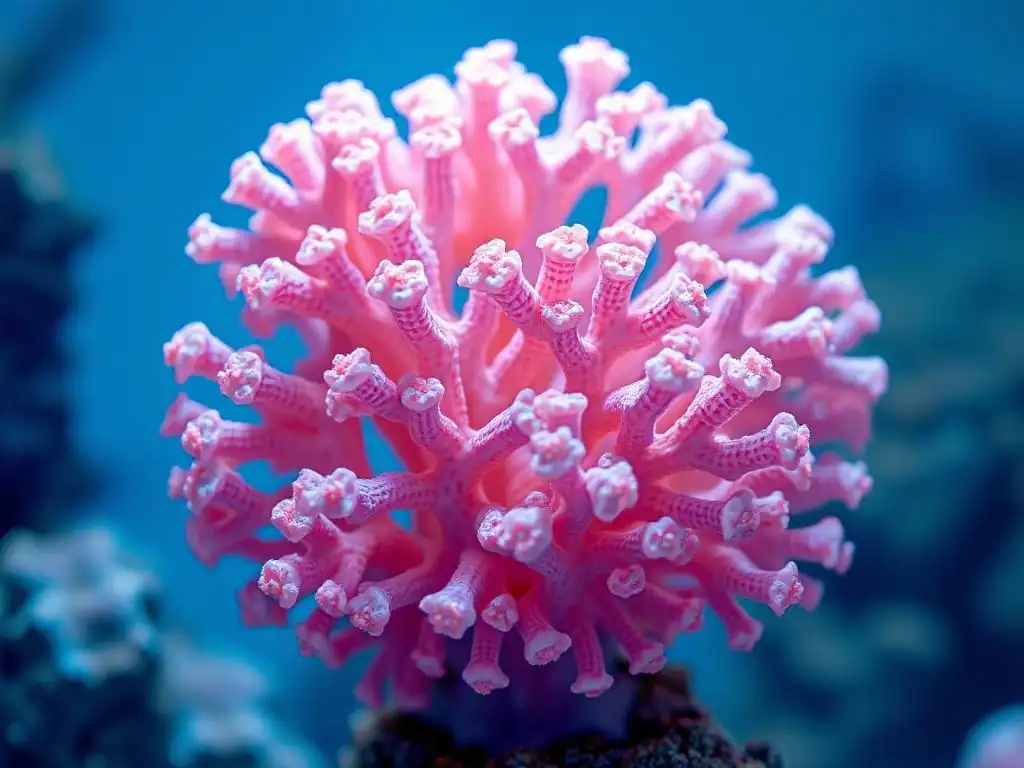
LED (Light Emitting Diode) lighting systems have become the most popular choice for reef aquariums due to their versatility and efficiency, making them an excellent option for meeting Acan coral lighting requirements.
- Benefits:
- Controllable Spectrum: Most modern reef LEDs feature multiple color channels (blue, royal blue, white, red, green, UV) that can be individually adjusted, allowing precise tuning of the light spectrum to optimize Acan coloration.
- Dimming Capabilities: LEDs can be dimmed from 0-100%, enabling gradual acclimation and fine-tuning of intensity.
- Energy Efficiency: LEDs consume less power and produce less heat compared to traditional lighting methods.
- Longevity: LED diodes have a long lifespan, reducing replacement frequency.
- Programmable Cycles: Advanced units allow for complex daily light cycles, simulating dawn, dusk, and even moonlight.
- Considerations:
- Cost: Initial investment can be higher than other lighting types.
- Hot Spots: Some older or less advanced LED fixtures can create "hot spots" of intense light directly beneath the diodes, which may require diffusers or careful coral placement to avoid stressing Acans.
- Programming Complexity: While beneficial, the extensive programming options can be daunting for new users.
T5 Lighting for Acans: A Proven Option
T5 fluorescent lighting, specifically High Output (HO) T5s, has long been a staple in reef keeping and remains a highly effective option for Acan coral lighting requirements.
- Benefits:
- Even Light Spread: T5 bulbs provide a broad, even distribution of light across the aquarium, minimizing hot spots and shadows. This consistent PAR delivery is highly beneficial for corals like Acans.
- Proven Color Spectrums: A wide array of specialized T5 bulbs are available (e.g., ATI Blue Plus, Coral Plus, Purple Plus) that offer specific wavelengths known to promote coral growth and coloration. Mixing different bulb types allows for a customized spectrum.
- Cost-Effective: Initial setup costs are generally lower than high-end LED systems.
- Considerations:
- Bulb Replacement: T5 bulbs degrade in intensity and spectrum over time and typically need to be replaced every 9-12 months, incurring recurring costs.
- Heat Output: T5 fixtures produce more heat than LEDs, potentially requiring additional cooling for the aquarium.
- Less Control: While bulb combinations offer spectral tuning, they lack the dynamic dimming and individual channel control of advanced LEDs.
Metal Halide Lighting: Considerations for Acan Corals
Metal Halide (MH) lighting was once the gold standard for reef aquariums due to its intense, full-spectrum output and impressive "shimmer" effect. While less common for Acan-specific tanks today, it's still a viable option with specific considerations.
- Benefits:
- High Intensity: Provides very high PAR levels, though often more than Acans require.
- Excellent Shimmer: Creates a natural, rippling light effect on the sand bed and corals.
- Broad Spectrum: Can offer a very full and natural spectrum, depending on the bulb type (e.g., 10K, 14K, 20K).
- Considerations:
- Excessive Heat: MH fixtures produce significant heat, demanding robust cooling solutions for the aquarium.
- High Energy Consumption: They are the least energy-efficient option.
- Bulb Replacement: Bulbs need replacement every 6-9 months, and are often more expensive than T5s.
- Lack of Control: Offers minimal spectral control without supplemental T5s or LEDs, and dimming is not typically an option. For Acan coral lighting requirements, MH often requires placing corals very low in the tank or using heavy shading to prevent bleaching.
Acclimating Acan Corals to New Lighting Conditions
Gradual Light Acclimation: Preventing Coral Shock
When introducing new Acan corals to your aquarium or upgrading your lighting system, gradual light acclimation is absolutely essential to prevent coral shock and potential tissue necrosis. Acans, like most LPS corals, are sensitive to sudden changes in light intensity and spectrum. Without proper acclimation, they can quickly bleach (lose their zooxanthellae and color) or suffer from photoinhibition, where excess light damages their photosynthetic apparatus.
A common method for acclimation involves reducing the initial light intensity and gradually increasing it over several weeks. This can be achieved by:
- Placing the new Acan on the sand bed or in a shaded area of the tank initially.
- Using mesh screen or window screen material over the top of the tank to diffuse light for the first few days to a week.
- For LED systems, starting with the light intensity at 30-50% of the target level and increasing it by 5-10% weekly.
- Shortening the initial photoperiod (e.g., 6-8 hours) and slowly extending it to the desired 10-12 hours over a month.
This slow and steady approach allows the zooxanthellae within the Acan's tissues to adjust to the new light environment, either by increasing or decreasing their population or by producing protective pigments. A typical acclimation period can range from two to four weeks, depending on the coral's initial condition and the magnitude of the light change.
Monitoring Your Acan Corals' Response to Lighting Changes
Vigilant observation of your Acan corals is paramount during and after any lighting changes. Corals communicate their health and comfort levels through their physical appearance and behavior.
- What to look for:
- Polyp Extension: Healthy Acans typically exhibit good polyp extension, especially when feeding or during optimal light periods. Reduced or absent polyp extension can indicate stress.
- Color Changes:
- Browning: Often a sign of too little light or the coral trying to produce more zooxanthellae to compensate for insufficient light.
- Fading/Whitening/Bleaching: A critical sign of too much light, where the coral expels its symbiotic algae. Immediate action is required.
- Intensification: A positive sign that the lighting is promoting desired pigment production.
- Tissue Recession: Any loss of tissue, especially around the base or edges, is a serious sign of stress or disease, which can be triggered by improper Acan coral lighting requirements.
- Sliming: Excessive mucus production can indicate irritation or stress.
Keep a log of your lighting settings and the coral's response. If you observe negative signs, immediately reduce the light intensity or move the coral to a shadier spot. Patience and careful observation are key to successfully adapting your Acans to their new light environment and ensuring their long-term health and vibrant coloration.
Troubleshooting Common Lighting Problems with Acan Corals
Identifying Signs of Overexposure to Light in Acans
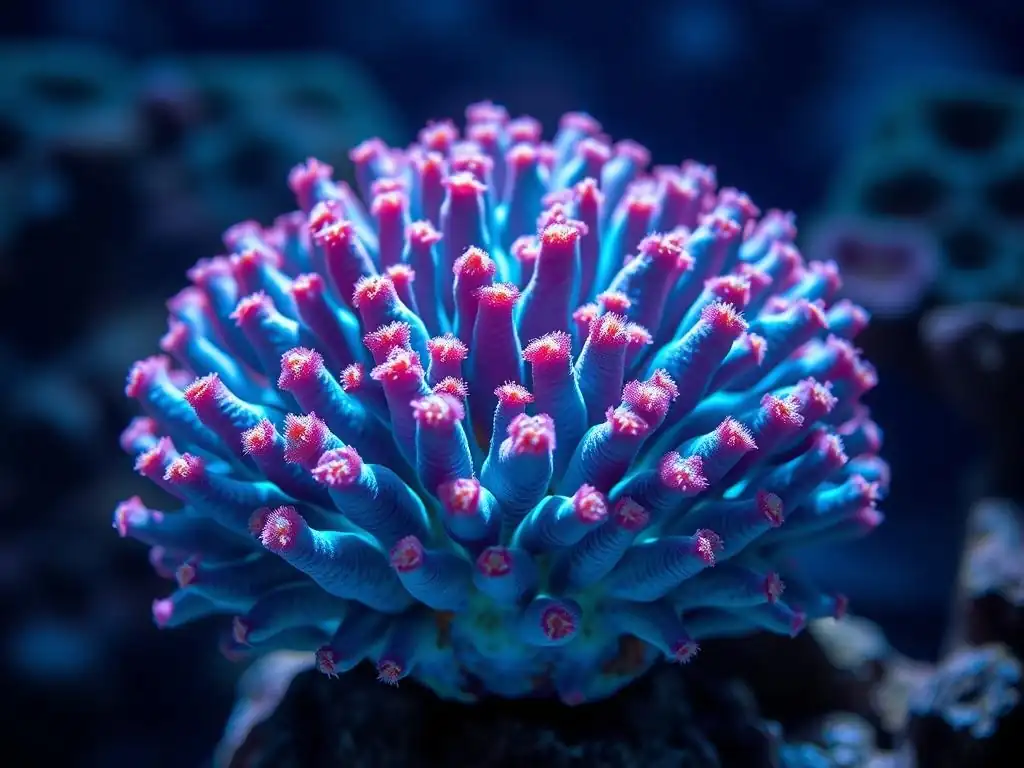
Overexposure to light is a common issue for Acan corals, given their preference for moderate intensities. When exposed to too much PAR or an overly aggressive spectrum, Acans can suffer from photoinhibition and stress.
- Key symptoms of overexposure include:
- Bleaching: The most prominent sign, where the coral loses its vibrant coloration and appears white or very pale. This occurs as the coral expels its zooxanthellae, which are damaged by excessive light.
- Tissue Recession: The coral's fleshy polyps may retract significantly, often exposing the skeletal structure, particularly around the edges or base.
- Shriveling/Pinching: The polyps may appear shriveled or unnaturally constricted, even during periods when they should be fully extended.
- "Sunburn" Marks: In some cases, dark, almost burnt-looking patches can appear on the coral tissue, indicating severe localized light damage.
- Excessive Sliming: The coral may produce an unusual amount of protective mucus.
If any of these signs are observed, immediate action is necessary. This involves either reducing the light intensity (dimming LEDs, raising the fixture), moving the Acan to a lower PAR area of the tank, or providing shading (e.g., with a piece of egg crate or a larger, light-blocking rock). Swift intervention can often reverse the damage and save the coral.
Recognizing Symptoms of Underexposure to Light in Acans
While overexposure is often feared, underexposure to light can also lead to significant problems for Acan corals, preventing them from thriving and expressing their full color potential. Insufficient Acan coral lighting requirements can hinder the photosynthetic processes of their zooxanthellae.
- Key symptoms of underexposure include:
- Browning/Dulling: The coral may appear uniformly brown or lose its vibrant colors. This happens as the zooxanthellae multiply to compensate for insufficient light, making the coral appear darker and less colorful.
- Poor Polyp Extension: Acans may not extend their polyps fully or consistently, even when other tank conditions are optimal.
- Slow or No Growth: Without adequate light energy, the coral's growth rate will significantly decrease or cease entirely.
- Loss of Pigmentation (non-bleaching): While bleaching results in white, underexposure can lead to a general dullness or loss of specific bright pigments, making the coral look "washed out" in a different way than bleaching.
To address underexposure, gradually increase the light intensity over several days to weeks or move the Acan to a brighter spot in the aquarium. Ensure the spectrum is also appropriate; sometimes, it's not just the quantity but the quality of light that's lacking. Regular monitoring and adjustments based on these visual cues are vital for maintaining optimal Acan health and coloration.
Achieving Optimal Acan Coral Coloration: A Comprehensive Guide
Balancing Light, Flow, and Nutrients for Maximum Color
While light is undeniably a primary driver of Acan coral coloration, it is not an isolated factor. Optimal color expression is a synergistic outcome of balancing light with other crucial environmental parameters: water flow and nutrient levels.
- Light: As discussed, the correct PAR (50-150 PAR) and a balanced spectrum (heavy on blue, with supporting whites, reds, greens) are fundamental Acan coral lighting requirements. Consistent light cycles (typically 10-12 hours of primary light) are also important.
- Flow: Acans require moderate, indirect water flow. Too little flow can lead to detritus accumulation on the coral and hinder nutrient delivery, while too much direct flow can cause tissue damage and stress. Ideal flow ensures waste removal and consistent access to trace elements and food particles, which indirectly supports vibrant coloration by promoting overall coral health.
- Nutrients: Maintaining stable water parameters (alkalinity, calcium, magnesium) is crucial for skeletal growth. Beyond that, nutrient levels (nitrate and phosphate) play a significant role. While ultra-low nutrient systems (ULNS) can sometimes lead to very bright, but potentially stressed, corals, a balance is often best for Acans. Slightly detectable nitrates (1-5 ppm) and phosphates (0.02-0.05 ppm) often support a healthier zooxanthellae population, which in turn contributes to robust coloration without leading to excessive browning. Trace elements like iodine and potassium have also been linked to enhanced red and pink pigments in some corals.
Achieving the most intense and stable colors requires a holistic approach, where all these factors work in harmony. Neglecting one aspect can undermine the positive effects of perfect lighting.
Lighting Recommendations for Common Acan Morphs
The vast array of Acan morphs, from deep reds and oranges to vibrant greens, blues, and complex rainbows, means that while general Acan coral lighting requirements apply, subtle adjustments can further enhance specific colors.
- Red and Orange Morphs: These Acans often benefit from a spectrum that includes a broader range of warm whites and a touch of red light in addition to blues. While blue light will make them glow, a balanced spectrum can bring out the depth and richness of their non-fluorescent pigments. PAR in the lower to mid-range (60-120 PAR) is typically sufficient.
- Green and Blue Morphs: These varieties tend to respond exceptionally well to a strong blue-heavy spectrum, particularly with prominent royal blue (450-470nm) and violet/UV (400-420nm) wavelengths. These wavelengths excite their fluorescent proteins, making them truly pop. They still prefer moderate PAR, around 70-130 PAR.
- Rainbow Morphs: These highly sought-after Acans, displaying multiple colors simultaneously, thrive under a well-balanced, high-quality full spectrum. They need a strong blue component for their fluorescent parts but also benefit from the broader white, red, and green wavelengths to bring out the full range of their complex pigmentation. A consistent PAR of 80-150 PAR is often ideal, with careful acclimation.
Ultimately, the best lighting for any specific Acan morph involves observing its individual response and fine-tuning your system. What works perfectly for one Acan may need slight adjustments for another, even within the same species.
Advanced Techniques for Enhancing Acan Coral Color
Using Light Cycles to Promote Coloration
Beyond simply setting a fixed photoperiod and intensity, advanced light cycles can significantly contribute to enhancing Acan coral coloration and mimicking their natural environment.
- Dawn and Dusk Simulation: Modern LED fixtures allow for gradual ramp-up and ramp-down periods, simulating sunrise and sunset. This soft transition, often starting and ending with blue-dominant light, reduces stress on corals compared to an abrupt on/off. A typical cycle might involve a 1-2 hour blue-only ramp-up, followed by 8-10 hours of full-spectrum light (with blues at peak intensity), and then a 1-2 hour blue-only ramp-down. This gradual change in Acan coral lighting requirements helps corals adjust metabolically and can promote more robust color development.
- Moonlight Cycles: Incorporating a very low-intensity blue light (e.g., 1-5% intensity) during the "night" hours can provide a naturalistic moonlight effect. While its direct impact on coloration is debated, it allows for nocturnal observation of the tank and can contribute to a more stable environment for some coral species by maintaining a consistent, albeit minimal, light presence. The duration of moonlight can vary, but typically runs for 2-4 hours after the main lights turn off.
Experimenting with Different Light Combinations
For aquarists with multi-channel LED fixtures or hybrid T5/LED setups, experimenting with various light combinations offers a powerful way to fine-tune Acan coral lighting requirements and maximize their aesthetic appeal.
- Channel Tuning: With multi-channel LEDs, try adjusting the intensity of individual color channels. For instance, slightly increasing royal blue or violet channels can make green and blue Acans pop more, while a slight increase in warm white or red channels might deepen the reds and oranges in certain morphs. Document your changes and observe the coral's response over several days. Small adjustments, like 5% increments, are recommended.
- Hybrid Systems: Combining T5s with LEDs can offer the best of both worlds: the even spread and proven spectrums of T5s with the controllability and efficiency of LEDs. For Acans, this might involve using T5s for a broad base of light (e.g., two Blue Plus, one Coral Plus) and then using LEDs primarily for supplemental blue pop and shimmer, allowing for precise control over the overall Acan coral lighting requirements.
- Targeted Spotlighting: For specific prize Acans, consider using small, focused LED pucks or strips to provide an additional "spotlight" of tailored spectrum (e.g., a pure royal blue puck) to enhance their specific coloration, provided the overall PAR remains within safe limits.
This iterative process of adjustment and observation is crucial for unlocking the full color potential of your Acan corals.
Conclusion: Mastering Acan Coral Lighting for a Thriving Reef Aquarium
Mastering Acan coral lighting requirements is a cornerstone of successfully keeping these captivating LPS corals and truly unlocking their breathtaking color potential. It goes beyond simply providing light; it involves a nuanced understanding of PAR, spectral composition, and intensity, all tailored to the specific needs of Acanthastrea species. From selecting the right lighting system – be it versatile LEDs, reliable T5s, or powerful metal halides – to meticulously acclimating new corals, every step contributes to their vibrant health.
Vigilant observation and prompt troubleshooting of signs of over or underexposure are crucial for preventing stress and maintaining optimal conditions. Furthermore, recognizing that light works in concert with proper water flow and stable nutrient levels is key to achieving truly spectacular coloration. By embracing advanced techniques like sophisticated light cycles and thoughtful spectral experimentation, aquarists can transform their Acans from mere tank inhabitants into dazzling focal points, ensuring a thriving and visually stunning reef aquarium for years to come.
Frequently Asked Questions
How crucial is proper lighting for Acan coral health and coloration?
Proper lighting is absolutely vital. Inadequate lighting leads to color fading and poor growth. Ensuring the correct spectrum and intensity is key.
What type of lighting is generally recommended for Acan corals?
LEDs are often recommended due to their tunability and efficiency. T5 fluorescent lights are also suitable, but LEDs offer greater control over spectrum. Metal Halide is too strong.
What is the ideal PAR (Photosynthetically Active Radiation) range for Acan corals?
Acan corals generally thrive in a PAR range of 75 to 150. Monitoring PAR levels is crucial to prevent bleaching or browning. This is essential for color pop.
How does water depth affect the lighting requirements for Acan corals?
Deeper tanks require stronger lighting to compensate for light attenuation. Consider the water depth when selecting your lighting system and its intensity.
Can too much light harm Acan corals?
Yes, excessive light can cause bleaching and tissue damage. Acclimation to higher light levels is essential to prevent light shock and ensure coral health.
Final Reflection: Illuminating the Depths of Beauty
The journey to understanding Acan coral lighting requirements is more than just a technical exercise; it's a deep dive into the intricate relationship between light and life, a relationship that directly impacts the vibrant beauty we seek to cultivate in our reef aquariums. The knowledge we've explored here allows us to move beyond simply keeping these corals alive and towards unlocking their full, breathtaking color potential.
This pursuit of optimal lighting highlights the broader human desire to understand and nurture the natural world. It reminds us that even in our controlled environments, we are stewards of delicate ecosystems, and our choices have profound consequences. In the end, we will conserve only what we love; we will love only what we understand; and we will understand only what we are taught.
- Baba Dioum. This quote underscores the importance of continuous learning and responsible reef keeping, ensuring the longevity and vibrancy of these stunning corals for generations to come.
Now, armed with this knowledge of Acan coral lighting requirements, I invite you to reflect on your own role in the reef keeping community. Consider how you can apply these principles to not only enhance the beauty of your own aquarium, but also to share this understanding with others. Let's continue to learn, experiment, and refine our practices, illuminating the depths of beauty and ensuring a brighter future for Acan corals and the reefs they call home.
Unleash Your Acan's True Colors!
Thanks for diving into the world of Acan lighting! We hope you've gained a clearer understanding of how to illuminate these captivating corals for optimal health and vibrancy. Now, let's put that knowledge to work.
- Start today by adjusting your light intensity by just 5%, documenting the change, and observe your Acans daily for any signs of stress or improved coloration!
- Explore different color spectrums using controllable LEDs. Experiment with slight shifts towards blue or red to see how your Acans respond and deepen their hues.
- Share your lighting setup and Acan progress photos in our Aquarium Mastery community forum. Let's learn from each other's experiences!
What small tweak to your lighting will you implement this week to see the biggest difference in your Acan's vibrancy?