
LPS Coral Aggression: Managing Sweeper Tentacles & Territorial Disputes

Welcome to Aquarium Mastery!
Curious about keeping the peace in your reef tank? LPS coral aggression can be a real challenge, especially when sweeper tentacles start extending! In this guide, we'll dive deep into understanding and controlling territorial disputes in your LPS corals, ensuring a harmonious and thriving underwater ecosystem. Discover practical tips and expert advice to navigate the delicate balance of your reef. Ready to master the art of LPS coral peacekeeping? Let's get started!
- LPS Coral Aggression: Managing Sweeper Tentacles & Territorial Disputes in Reef Aquariums
- Understanding LPS Coral Aggression in Reef Tanks
- Sweeper Tentacles: The Primary Weapon of LPS Coral Aggression
- Strategies for LPS Coral Aggression Control in Aquariums
- Minimizing Stress to Reduce LPS Coral Aggression
- Treating Coral Stings and Injuries from LPS Aggression
- Long-Term Solutions for a Peaceful Reef Aquarium
- Advanced Techniques for Managing LPS Coral Aggression
- Case Studies: Successful LPS Coral Aggression Mitigation
-
Frequently Asked Questions
- What are LPS corals and why is aggression a concern?
- What are sweeper tentacles and how do they relate to LPS coral aggression?
- How can I identify signs of LPS coral aggression in my aquarium?
- What are some methods for controlling LPS coral aggression?
- What happens if I ignore LPS coral aggression in my reef tank?
- Final Reflection: Navigating the Reef's Complex Dance
- Ignite Your Reef Tank's Harmony!
LPS Coral Aggression: Managing Sweeper Tentacles & Territorial Disputes in Reef Aquariums
Understanding LPS Coral Aggression in Reef Tanks
Why LPS Corals Exhibit Aggression: A Survival Mechanism
LPS (Large Polyp Stony) corals, like their SPS (Small Polyp Stony) counterparts, are inherently competitive organisms. In their natural reef environments, space, light, and nutrients are finite resources, leading to an evolutionary drive for dominance. This aggression is a fundamental survival mechanism, allowing corals to secure their territory, outcompete neighbors, and prevent overgrowth by other species. When brought into the confined space of a home aquarium, these natural instincts manifest as territorial disputes, often resulting in direct physical or chemical warfare.
The primary methods of aggression employed by LPS corals include physical stinging via specialized tentacles and chemical warfare through the release of allelochemicals. These chemicals are toxins designed to inhibit the growth or directly harm neighboring corals. Without proper management and understanding, this innate aggressive behavior can quickly lead to significant tissue damage or even the complete loss of valuable coral colonies in a reef tank, making effective LPS coral aggression control essential for a thriving ecosystem.
Identifying Aggressive LPS Coral Species
While all corals possess some degree of aggression, certain LPS species are notoriously more potent and require careful placement. Among the most aggressive are members of the Euphyllia genus, including Torch Corals ( Euphyllia glabrescens), Hammer Corals ( Euphyllia ancora or paraancora), and Frogspawn Corals ( Euphyllia divisa or paradivisa). These corals are well-known for their long, potent sweeper tentacles. Other highly aggressive LPS include Goniopora and Alveopora (though their aggression is often chemical), and some Favia and Favites species, which can extend mesenterial filaments to digest nearby tissue.
Less aggressive, but still capable of causing harm, are corals like Blastomussa wellsi, Acanthastrea (Acans), and Lobophyllia. While their sting is generally less potent than Euphyllia, they still require adequate space to prevent contact. Understanding the specific aggressive tendencies of each species is paramount for successful LPS coral aggression control and maintaining a peaceful mixed-reef environment. Researching a coral's mature size and known aggressive traits before purchase can prevent future conflicts.
Recognizing the Signs of LPS Coral Warfare
Detecting coral aggression early is crucial for mitigating damage and preventing losses. The most common visible sign of LPS coral aggression is tissue recession or bleaching on a neighboring coral at the point of contact. This often appears as a stark white area where healthy tissue once was, indicating a "burn" from nematocysts. Stung corals may also exhibit retracted polyps, a loss of coloration, or excessive slime production as a stress response. In some cases, the aggressor's sweeper tentacles might be visibly extended and making contact.
Beyond direct physical contact, chemical aggression (allelopathy) can be harder to spot. Signs might include a general decline in the health of nearby corals, such as reduced polyp extension, dull coloration, or a failure to thrive, even without direct physical contact. Regular observation, especially during the night when many corals extend their sweepers, is vital. Catching these signs early allows aquarists to implement LPS coral aggression control measures before irreversible damage occurs, ensuring the well-being of all tank inhabitants.
Sweeper Tentacles: The Primary Weapon of LPS Coral Aggression
What are Sweeper Tentacles and How Do They Form?
Sweeper tentacles are specialized, elongated tentacles developed by many aggressive coral species specifically for defense and territorial expansion. Unlike regular feeding tentacles, which are typically short and designed for capturing planktonic food, sweeper tentacles are much longer, thinner, and packed with a higher concentration of powerful stinging cells called nematocysts. These tentacles can extend significantly beyond the coral's main body, sometimes reaching lengths of 4 to 10 inches or more, particularly in species like Torch corals ( Euphyllia glabrescens).
The formation of sweeper tentacles is often triggered by the presence of a competing coral within the aggressor's perceived territory or by environmental stress. Corals can sense the chemical signatures of other corals in the water and respond by developing these specialized weapons. They are most commonly extended at night or when the coral feels threatened, allowing them to effectively sting and digest any foreign tissue that invades their space. Understanding this mechanism is key to effective LPS coral aggression control.
Identifying Sweeper Tentacles: A Visual Guide
Identifying sweeper tentacles is straightforward once you know what to look for. They appear as unusually long, thin, and often translucent filaments extending from the coral's polyps, far beyond the typical reach of its feeding tentacles. While feeding tentacles are usually short and numerous, sweeper tentacles are fewer in number, more robust, and can have a distinct, often lighter-colored or white tip, which is densely packed with nematocysts. For example, a Torch coral's sweeper tentacles can sometimes appear as a ghostly white "whip" extending several inches from its main head.
The best time to observe sweeper tentacles is often after the main aquarium lights have turned off and the tank is only illuminated by moonlight or very dim room light. Many corals extend their sweepers more aggressively in the dark, possibly to eliminate competitors without interference from fish or other daytime activity. Regular evening inspections can help identify potential conflicts before significant damage occurs, aiding in proactive LPS coral aggression control.
The Impact of Sweeper Tentacles on Neighboring Corals and Invertebrates
The impact of sweeper tentacles on neighboring corals can be devastating. When a sweeper tentacle makes contact with another coral, it discharges its nematocysts, injecting venom that causes tissue necrosis, essentially "burning" the contacted area. This damage often appears as a white, bleached patch on the victim coral, which can quickly spread if the contact persists. For example, a single night of repeated stinging from a Torch coral can cause significant tissue loss on a nearby SPS coral, potentially leading to its death within days if not addressed.
Beyond corals, other sessile invertebrates like clams, anemones, or even certain snails can also be susceptible to stings if they come into direct contact with sweeper tentacles. While mobile invertebrates might move away, stationary ones are defenseless. The severity of the sting varies by species, but even a mild sting can stress a coral, making it more vulnerable to disease or further aggression. Effective LPS coral aggression control aims to prevent these harmful interactions entirely.
Strategies for LPS Coral Aggression Control in Aquariums
Physical Barriers: Creating Safe Zones Between LPS Corals
The Role of Rock Placement in Minimizing Aggression
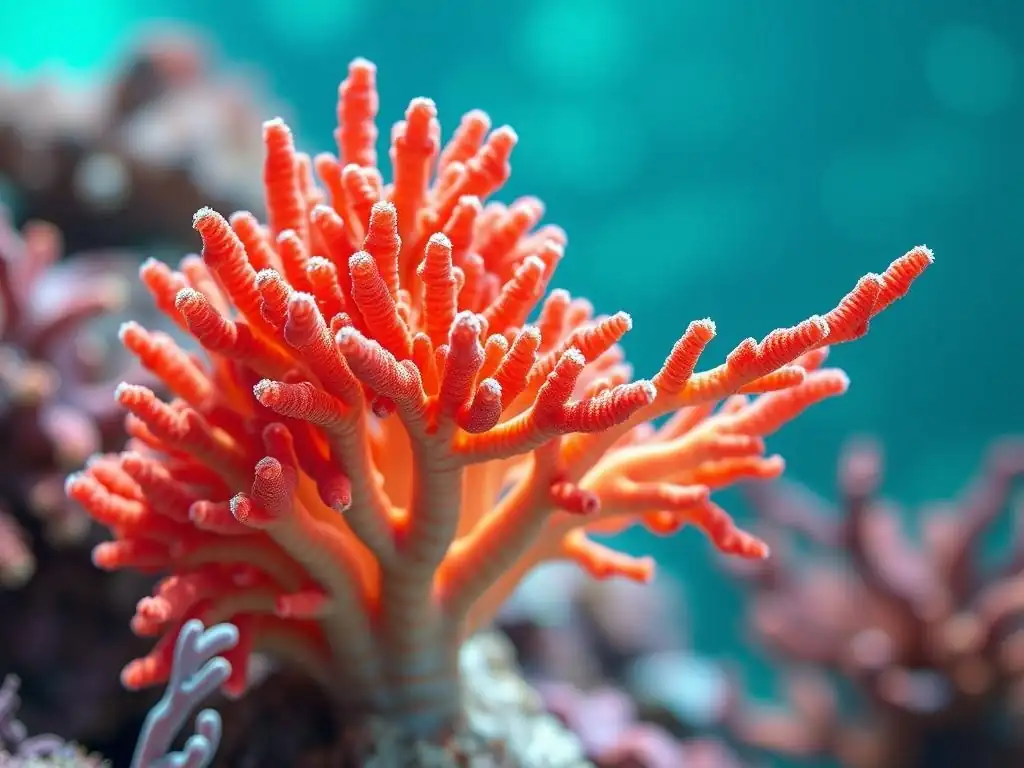
Strategic aquascaping and live rock placement play a pivotal role in minimizing LPS coral aggression. By carefully arranging live rock, aquarists can create natural divisions and elevated platforms that physically separate aggressive species from their more delicate neighbors. For instance, placing a highly aggressive Euphyllia species on a distinct rock island, at least 6-12 inches away from other corals, can significantly reduce the risk of sweeper tentacle contact. The goal is to establish clear "safe zones" where each coral has ample room to grow without encroaching on another's territory, even as they mature.
Furthermore, tiered rock structures can be utilized to position corals at different heights, leveraging vertical space to reduce horizontal competition. A fast-growing Favia could be placed on a lower shelf, while a slower-growing, less aggressive Acanthastrea occupies a higher, isolated spot. This foresight in aquascaping is a foundational aspect of LPS coral aggression control, preventing conflicts before they escalate and ensuring long-term harmony in the reef tank.
Using Acrylic Dividers or Frag Plugs for Isolation
In situations where space is limited or new, potentially aggressive corals are being introduced, temporary or semi-permanent physical barriers can be highly effective. Small acrylic dividers, cut to size and wedged between rocks, can create an invisible wall that prevents direct contact between competing corals.
These can be particularly useful for separating newly acquired frags until their growth patterns and aggressive tendencies are fully understood. For individual coral frags, using frag plugs with extended bases or placing them on elevated mini-plinths can also add a crucial few inches of separation, preventing them from stinging the substrate or other low-lying corals.
While acrylic dividers offer a clear solution, care must be taken to ensure they do not impede water flow, which is vital for coral health. Frag plugs, on the other hand, are excellent for elevating smaller LPS corals, effectively increasing the distance to their neighbors without permanent structural changes. These simple tools provide immediate solutions for LPS coral aggression control, offering a crucial buffer during initial placement or when managing unexpected aggression.
Water Flow Management: Diluting the Impact of Chemical Warfare
The Importance of Adequate Circulation for LPS Coral Health
Adequate water circulation is fundamental for the overall health and vitality of LPS corals. Proper flow ensures the delivery of essential nutrients, promotes gas exchange by removing waste products like carbon dioxide, and prevents detritus buildup on coral tissues. Most LPS corals thrive in moderate to turbulent flow, which gently sways their polyps without causing them to retract or stress. A well-circulated tank environment also helps maintain stable water parameters by distributing heat and dissolved elements evenly throughout the system, reducing stress on corals.
Beyond these general benefits, robust and varied water flow is a critical component of LPS coral aggression control. It helps to dilute and disperse allelochemicals released by aggressive corals, preventing them from accumulating in concentrations high enough to harm sensitive neighbors. Without sufficient flow, these toxins can create localized "hot spots" of chemical warfare, silently impacting coral health even without direct physical contact.
Strategic Placement of Powerheads to Disrupt Sweeper Tentacle Reach
Strategic placement of powerheads and wavemakers can be a highly effective method for disrupting the reach of sweeper tentacles and mitigating their impact. By directing a moderate, turbulent flow across the polyps of an aggressive LPS coral, the current can physically "push back" and shorten the effective reach of its sweeper tentacles. For instance, aiming a small powerhead to create a gentle but consistent cross-flow between a Torch coral and its nearest neighbor can significantly reduce the Torch's ability to extend its stingers in that direction.
Furthermore, using variable flow pumps or wavemakers that create oscillating or random currents can prevent sweepers from consistently extending in one direction. This unpredictable flow makes it harder for the coral to "target" a specific neighbor over time. While not a complete solution on its own, optimized water flow is a powerful tool in the arsenal of LPS coral aggression control, helping to maintain physical separation and dilute chemical threats.
Chemical Warfare: Understanding Allelopathy in LPS Corals
Activated Carbon: Removing Harmful Chemicals from the Water
Allelopathy, or chemical warfare, is a subtle yet potent form of aggression where corals release dissolved organic compounds (DOCs) into the water to inhibit the growth or health of competitors. These allelochemicals, if allowed to accumulate, can significantly stress or even kill sensitive corals. Activated carbon is an indispensable tool for mitigating this form of LPS coral aggression. Its highly porous structure effectively adsorbs and removes a wide range of dissolved organic compounds, including these harmful allelochemicals, from the aquarium water.
For effective LPS coral aggression control through carbon, it should be used continuously or at least replaced regularly. A common practice is to use a media bag containing high-quality granular activated carbon (GAC) in a sumpor a fluidized reactor, replacing the carbon every 2-4 weeks, or as per manufacturer recommendations. For a 100-gallon reef tank, using approximately 1 cup of GAC changed bi-weekly can significantly reduce the burden of chemical warfare, promoting a healthier and more stable environment for all corals.
Water Changes: Diluting Allelochemic Concentrations
Regular and consistent water changes are arguably the most fundamental and effective method for diluting the concentration of allelochemicals and other undesirable compounds in a reef aquarium. While activated carbon adsorbs these chemicals, water changes physically remove them from the system. By replacing a portion of the old tank water with fresh, clean saltwater, aquarists effectively reduce the overall concentration of accumulated toxins, nitrates, phosphates, and other pollutants that can stress corals and exacerbate aggression.
For a typical mixed reef tank with LPS corals, a weekly or bi-weekly water change of 10-20% of the total tank volume is generally recommended. For example, a 100-gallon tank would benefit from a 10-20 gallon water change every 7-14 days. This consistent dilution strategy is a cornerstone of effective LPS coral aggression control, ensuring that the water quality remains pristine and minimizing the impact of any chemical exudates released by aggressive coral species.
Careful Coral Placement: Preventing Territorial Disputes
Understanding Growth Patterns and Future Size Considerations
One of the most common mistakes in reef keeping is underestimating the mature size and growth rate of corals, particularly LPS. A small frag purchased today can double or even triple in size within 6-12 months under optimal conditions. For instance, a Euphyllia frag with two heads can become a colony of six or more heads within a year, expanding its aggressive footprint considerably. Failing to account for this future growth leads to corals eventually growing into each other, triggering territorial disputes and aggression.
Before introducing any new LPS coral, thorough research into its typical mature size, growth rate, and known aggressive tendencies is essential. Planning the aquascape with future growth in mind, ensuring ample clearance around each coral, is a proactive form of LPS coral aggression control. This foresight prevents the need for disruptive relocation or fragging later on, maintaining a more stable and peaceful environment.
Creating Sufficient Distance Between Incompatible LPS Coral Species
Once the growth patterns are understood, the next critical step in preventing territorial disputes is to ensure sufficient physical distance between incompatible LPS coral species. While specific distances can vary based on flow and individual coral temperament, general guidelines can be established. For highly aggressive Euphyllia species (Torch, Hammer, Frogspawn), a minimum of 6-12 inches of clear space should be maintained between them and any other coral, especially SPS. Other aggressive LPS like Favia or Favites might require 3-6 inches.
Even seemingly "peaceful" LPS corals can sting if they grow into direct contact. Therefore, the goal is to create a buffer zone that accommodates not just current size but also anticipated growth over several months or even a year. This careful, deliberate placement is a cornerstone of effective LPS coral aggression control, minimizing the chances of physical conflict and promoting a harmonious reef ecosystem.
Minimizing Stress to Reduce LPS Coral Aggression
Maintaining Optimal Water Parameters for LPS Coral Health
Consistent and stable water parameters are paramount for the overall health and well-being of all corals, including LPS. When corals are stressed by fluctuating or suboptimal conditions, they become more susceptible to disease, exhibit poor growth, and can even become more aggressive as a survival response. Key parameters to monitor and maintain within optimal ranges include:
- Alkalinity (dKH): 7-11 dKH
- Calcium (ppm): 400-450 ppm
- Magnesium (ppm): 1250-1350 ppm
- Salinity (SG): 1.025-1.026
- Temperature (°F): 76-78°F
Regular testing (weekly or bi-weekly) and consistent dosing (if necessary) are crucial to keep these parameters stable. For instance, a sudden drop in alkalinity from 9 dKH to 6 dKH can severely stress corals, leading to retracted polyps and increased vulnerability. By providing a stable, ideal environment, aquarists can significantly reduce stress-induced aggression, making LPS coral aggression control more manageable.
Providing Adequate Lighting and Flow for Each LPS Species
Beyond water chemistry, proper lighting and water flow are critical environmental factors influencing LPS coral health and behavior. Most LPS corals prefer moderate lighting conditions, typically ranging from 50 to 150 PAR (Photosynthetically Active Radiation), depending on the species. Too much or too little light can cause stress, leading to bleaching or poor polyp extension. Similarly, while LPS generally prefer moderate, turbulent flow, too much direct flow can cause polyps to remain retracted, and too little can lead to detritus accumulation and chemical stagnation.
Tailoring the lighting intensity and flow patterns to the specific needs of each LPS species is essential. For example, a Bubble coral ( Plerogyra sinuosa) thrives in lower flow and moderate light, whereas a Hammer coral ( Euphyllia ancora) can tolerate slightly higher flow and light. When corals are in their preferred conditions, they are less stressed, healthier, and generally less likely to exhibit aggressive behaviors out of necessity. This precise environmental tailoring is an often-overlooked aspect of proactive LPS coral aggression control.
Proper Feeding to Reduce Competition for Resources
While LPS corals primarily derive energy from their symbiotic zooxanthellae, many species also benefit significantly from direct feeding. In a mixed reef environment, competition for available planktonic food can be intense. If corals are not receiving adequate nutrition, they may become stressed and more aggressive in their attempts to secure resources, extending sweepers more frequently or releasing more allelochemicals.
Target feeding LPS corals with appropriate foods, such as mysis shrimp, enriched brine shrimp, or specialized coral pellet/liquid foods, 2-3 times per week can significantly reduce this competition and stress. For instance, offering small pieces of mysis shrimp directly to the polyps of a Favia or Acanthastrea can promote robust growth and coloration. Well-fed corals are generally healthier, more resilient, and less inclined to aggressive behavior driven by resource scarcity. This nutritional support is a simple yet effective strategy for mitigating LPS coral aggression.
Treating Coral Stings and Injuries from LPS Aggression
Identifying Coral Tissue Damage from Sweeper Tentacles
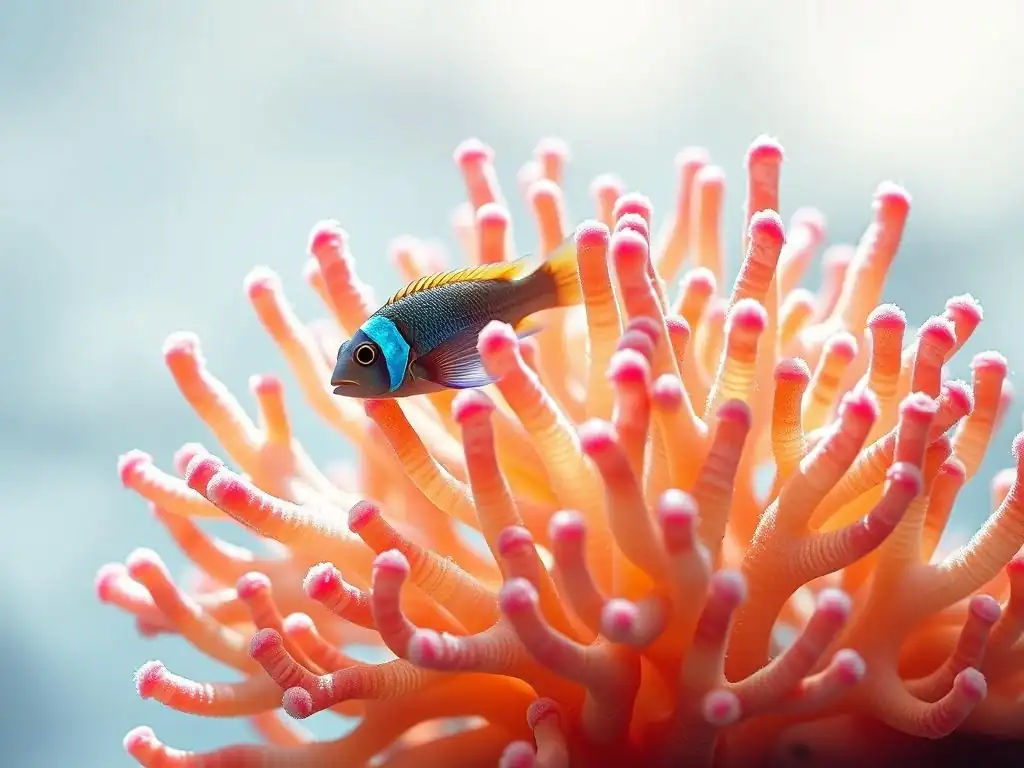
Identifying coral tissue damage resulting from sweeper tentacles is crucial for prompt intervention. The most common sign is a distinct line or patch of white, necrotic tissue on the victim coral where contact occurred. This "burn" mark is a clear indication of nematocyst discharge. The affected area may appear bleached, shrunken, or slimy, often with the coral polyps in that region being fully retracted. For example, if a Torch coral stings a Montipora plate, you might see a perfectly circular white patch on the Montipora where the Torch's sweeper made contact.
In some cases, the damage might not be immediately visible as stark white tissue but rather as localized browning, recession, or a failure of the polyps to extend fully in the affected area. Over time, if the contact persists, the tissue loss can spread, potentially leading to the death of the entire colony. Recognizing these visual cues is the first step in effective LPS coral aggression control and damage mitigation.
First Aid for Stung Corals: Immediate Steps to Take
Upon identifying a coral sting, immediate action is necessary to prevent further damage and promote healing. The very first step is to physically separate the aggressor and the victim. This usually involves relocating one or both corals to ensure a safe distance. If the stung coral is exhibiting significant tissue loss, a gentle dip in an antiseptic solution can be beneficial. Many aquarists use an iodine-based coral dip (e.g., Lugol's solution) or a commercially available coral dip, following manufacturer instructions carefully.
A typical dip involves placing the stung coral in a separate container with tank water and a few drops of the dip solution for 5-10 minutes. This helps to clean the wound, prevent secondary infections, and reduce inflammation. For instance, a Blastomussa stung by a Favia might benefit from a 5-minute Lugol's dip before being moved to a new, isolated spot in the tank. Prompt first aid significantly increases the chances of recovery for the affected coral, making it a vital part of LPS coral aggression control.
Preventing Secondary Infections in Damaged Coral Tissue
Coral tissue damaged by stings is highly vulnerable to secondary bacterial infections, which can quickly spread and cause further tissue necrosis. Therefore, preventing these infections is a critical part of the recovery process. The most important preventative measure is maintaining pristine water quality in the aquarium. Low nitrates, phosphates, and stable parameters reduce the overall bacterial load in the water, giving the coral a better chance to heal.
Beyond excellent water quality, some aquarists may consider a longer-term dip or treatment in a quarantine tank for severely damaged corals, using broad-spectrum coral antibiotics or specialized healing additives. However, this should only be done with caution and thorough research, as some treatments can be harsh. Ensuring strong, but not direct, water flow over the damaged area can also help keep it clean and promote healing. By minimizing the risk of infection, aquarists can significantly improve the recovery rate of corals impacted by LPS coral aggression.
Long-Term Solutions for a Peaceful Reef Aquarium
Regular Observation and Adjustment of Coral Placement
Achieving a peaceful reef aquarium with LPS corals is not a one-time setup but an ongoing process that requires continuous vigilance. Corals grow, and what was a safe distance six months ago might be a conflict zone today. Regular observation, ideally daily or at least several times a week, is crucial for identifying potential issues before they escalate. Pay close attention to polyp extension, coloration, and any signs of stress or tissue loss on neighboring corals.
As corals grow, be prepared to make adjustments to their placement. This might involve gently nudging a frag plug, moving a small rock, or even fragging an overgrown colony to create more space. For instance, if a Hammer coral's sweepers are consistently reaching a Favites as it grows, a slight repositioning of either coral by an inch or two can prevent ongoing aggression. This proactive and adaptive approach to coral placement is fundamental to long-term LPS coral aggression control.
Proactive Water Testing and Maintenance
Consistent water quality is the bedrock of a healthy, low-stress reef environment, directly impacting coral aggression levels. Proactive water testing for key parameters like alkalinity, calcium, magnesium, salinity, nitrates, and phosphates should be a weekly or bi-weekly routine. This allows aquarists to identify and correct any deviations before they significantly stress corals. For example, maintaining alkalinity within a tight range of 8.0-8.5 dKH can prevent the metabolic stress that often precedes aggressive outbursts.
Coupled with regular testing, adherence to a strict maintenance schedule is vital. This includes routine water changes (e.g., 10-15% weekly), timely replacement of filter media (e.g., activated carbon every 2-4 weeks), and cleaning of protein skimmers and powerheads. These practices collectively ensure that the water remains pristine and free of accumulated toxins, minimizing the chemical burden on corals and reducing the likelihood of stress-induced aggression. This consistent maintenance is a powerful, long-term strategy for LPS coral aggression control.
Selecting Compatible LPS Coral Species for Your Reef Tank
The most effective long-term solution for a peaceful reef aquarium is often rooted in careful planning and species selection. Before purchasing a new LPS coral, thoroughly research its known aggressive tendencies and growth habits. Some species, like certain Goniopora or Alveopora (though often considered LPS, their aggression is primarily chemical and can be highly problematic for other corals), might simply be too aggressive or chemically incompatible for a mixed-reef setup with limited space.
Consider the overall size of your tank and the mature sizes of the corals you intend to keep. If you have a smaller tank (e.g., under 50 gallons), it might be wiser to stick to less aggressive LPS species, or to only keep one highly aggressive Euphyllia and ensure it has ample isolation. Conversely, in larger tanks (e.g., 150+ gallons), more diverse aggressive species can be managed with careful spacing. Prioritizing compatibility at the selection stage significantly reduces the need for reactive LPS coral aggression control measures later on.
Advanced Techniques for Managing LPS Coral Aggression
Coral Fragging: Creating More Space and Reducing Competition
Coral fragging, the process of safely cutting or breaking a piece off a larger coral colony to create a new, smaller frag, is an advanced technique that can be highly effective for managing overgrown or excessively aggressive LPS corals. When a colony becomes too large, its aggressive footprint expands, potentially encroaching on neighbors despite initial careful placement. Fragging allows the aquarist to reduce the size of the original colony, thereby "resetting" its territorial boundaries and freeing up crucial space.
For instance, if a large Frogspawn coral has grown to dominate a section of the tank, fragging off a few heads can reduce its overall mass and reduce its aggressive potential. This process requires specialized tools, knowledge of coral anatomy, and careful execution to minimize stress to the coral. While it's a more involved technique, it offers a powerful solution for LPS coral aggression control when space becomes a limiting factor in a thriving reef tank.
Advanced Filtration: Utilizing Ozone and Protein Skimmers
Beyond standard activated carbon and water changes, advanced filtration methods can further enhance LPS coral aggression control by more efficiently removing dissolved organic compounds and neutralizing harmful chemicals. Ozone generators, when used carefully and with proper monitoring (e.g., using an ORP controller), can break down complex organic molecules, including allelochemicals, into harmless substances. This improves water clarity and reduces the chemical burden, creating a cleaner environment where chemical warfare is less impactful.
Protein skimmers are another crucial advanced filtration component. They work by removing dissolved organic waste from the water column before it can break down into nitrates, phosphates, or become allelochemicals. A high-quality, efficiently operating protein skimmer is vital for maintaining low DOC levels in a densely stocked reef tank. By continuously removing these precursors to chemical warfare, efficient skimming significantly reduces the potential for aggression driven by accumulated toxins, making it an indispensable tool for comprehensive LPS coral aggression control.
Coral Dips and Quarantine: Preventing Disease and Parasites
While not directly aimed at aggression, a healthy coral is inherently more resilient and less prone to exhibiting stress-induced aggressive behaviors. This is where proper coral dipping and quarantine protocols become invaluable. When introducing new corals to the main display tank, they can carry pests (e.g., flatworms, acro eating nudibranchs, red bugs) or diseases that can spread to existing inhabitants, stressing them and making them more susceptible to aggression or becoming victims of aggression.
A thorough coral dip (using commercial coral dips like those containing povidone-iodine or specific pest treatments) can dislodge or kill many unwanted hitchhikers. Following this, a quarantine period of 4-6 weeks in a separate tank allows for observation and treatment of any emerging issues before the coral is introduced to the main system. This proactive approach ensures that only healthy, pest-free corals enter the display, reducing overall stress on the reef ecosystem and indirectly contributing to effective LPS coral aggression control by fostering a robust and resilient coral population.
Case Studies: Successful LPS Coral Aggression Mitigation
Case Study 1: Controlling a Torch Coral's Aggression Towards Acropora
Scenario: In a 90-gallon mixed reef aquarium, a vibrant Euphyllia glabrescens (Torch coral) colony, approximately 5 inches in diameter, began to show aggressive sweeper tentacle extension after growing significantly over six months. Its long, potent sweepers, which could extend up to 8 inches at night, started repeatedly stinging a nearby Acropora millepora SPS colony. The Acropora exhibited clear signs of tissue recession and bleaching on the side facing the Torch, with about 1.5 inches of damage visible.
Solution: The aquarist immediately implemented several LPS coral aggression control measures. First, the Torch coral was carefully relocated to a lower, more isolated rock island in the tank, ensuring at least 10 inches of clear space from all other corals. Second, a small, adjustable powerhead was positioned to create a gentle, consistent cross-flow between the Torch and the general direction of other corals, aiming to physically disrupt any future sweeper extension towards them.
Third, the activated carbon in the sump was replaced with a fresh batch (1 cup for the 90-gallon tank) and committed to bi-weekly changes. Regular 15% weekly water changes were maintained.
Outcome: Within 2-3 weeks, the Acropora began to show signs of recovery, with new tissue growth slowly encrusting over the damaged area. The Torch coral, now with ample space, continued to thrive without further incidents of stinging. This case demonstrated that a combination of physical relocation, strategic flow adjustment, and consistent chemical filtration can effectively mitigate severe LPS coral aggression, allowing both the aggressor and the victim to flourish.
Case Study 2: Resolving Conflicts Between Bubble Coral and Favia Coral
Scenario: In a 75-gallon reef tank, a Plerogyra sinuosa (Bubble coral) was placed on a mid-level rock shelf, roughly 4 inches below a Favia brain coral colony. Over several months, as both corals grew, the Bubble coral's polyps, particularly its lower ones, started to retract consistently. Upon closer inspection, the Favia was observed extending mesenterial filaments at night, indicating chemical or direct aggression towards the Bubble coral below it. The Bubble coral displayed localized tissue irritation and reduced inflation.
Solution: To resolve this LPS coral aggression, the aquarist first confirmed optimal water parameters (Alkalinity 8.2 dKH, Calcium 420 ppm) to rule out general stress. The Favia colony was then carefully moved to a higher rock shelf, creating a vertical separation of approximately 7 inches between it and the Bubble coral.
The general tank flow was adjusted to ensure moderate, indirect flow around the Bubble coral, preventing it from being blasted, while still providing good circulation around the Favia. A consistent feeding regimen of target-feeding both corals with mysis shrimp twice a week was also established to reduce competition for resources.
Outcome: Within a month, the Bubble coral regained full polyp inflation and showed no further signs of irritation. The Favia continued to grow robustly in its new position, and no further aggressive interactions were observed. This case highlighted the importance of anticipating vertical growth and using space effectively, alongside proper nutrition, as key components of successful LPS coral aggression control, even between seemingly less aggressive LPS species.
Frequently Asked Questions
What are LPS corals and why is aggression a concern?
LPS corals, or Large Polyp Stony corals, are popular in reef aquariums. Aggression is a concern because they can sting neighboring corals with sweeper tentacles to compete for space and resources.
What are sweeper tentacles and how do they relate to LPS coral aggression?
Sweeper tentacles are elongated tentacles that some LPS corals extend far beyond their base. They contain powerful stinging cells (nematocysts) used to attack and kill other corals within reach.
How can I identify signs of LPS coral aggression in my aquarium?
Look for tissue recession or bleaching on corals near your LPS corals. Also, observe if your LPS corals are extending long, thin sweeper tentacles towards their neighbors.
What are some methods for controlling LPS coral aggression?
You can physically separate corals with sufficient space, use barriers like rocks or frag plugs, or implement strategic water flow to disrupt sweeper tentacles.
What happens if I ignore LPS coral aggression in my reef tank?
Ignoring aggression can lead to coral death and a decrease in biodiversity. The aggressive LPS coral will outcompete and potentially eliminate vulnerable species.
The intricacies of reef keeping, as we've explored, extend far beyond simply providing light and water. Understanding and mitigating LPS coral aggression is not just about maintaining a beautiful aquarium; it's about fostering a balanced ecosystem within the confines of glass. The lessons learned in managing sweeper tentacles and territorial disputes are increasingly relevant as reef keeping becomes more accessible and the responsibility of maintaining these delicate environments falls upon a wider audience.
The dynamic interplay between LPS corals, often beautiful but fiercely competitive, mirrors the complexities of natural reefs and, in a way, reflects the dynamics of our own social landscapes. Recognizing and respecting the boundaries, both physical and chemical, within our aquariums has fostered a deeper appreciation for the delicate balance of nature and the importance of proactive intervention. In nature, nothing exists alone.
- Rachel Carson. This quote resonates deeply when observing the interconnectedness of a reef system, reminding us that our actions have ripple effects throughout the entire ecosystem.
As you contemplate the strategies and insights shared in this article, consider how you can apply these principles of observation, intervention, and respect not only to your reef tank, but also to the broader ecosystems you inhabit. Let the challenges of LPS coral aggression control inspire you to become a more mindful and responsible steward, both within the glass walls of your aquarium and in the wider world beyond.
Ignite Your Reef Tank's Harmony!
Thank you for exploring the intricacies of LPS coral aggression! We hope this has shed light on how to foster a peaceful reef environment. Now, let's put that knowledge into action.
Here are some ways to take your reef-keeping skills to the next level:
- Proactively rearrange your LPS corals based on their known aggression levels, ensuring adequate space between species with potent sweeper tentacles. Consider placing less aggressive species on higher rockwork to avoid conflict.
- Share your observations! Post a picture of your LPS coral arrangement on a reefing forum and discuss your strategies for managing aggression.
- Try a "coral time-out." If you observe consistent aggression from a specific coral, temporarily remove it to a separate tank or refugium to allow affected corals to recover. This can reset territorial disputes.
What unconventional methods have you used to curb coral aggression in your reef tank? Share your experiences below!