
LPS Coral Identification Guide: Know Your Euphyllia, Favia & Acans

Welcome to Aquarium Mastery!
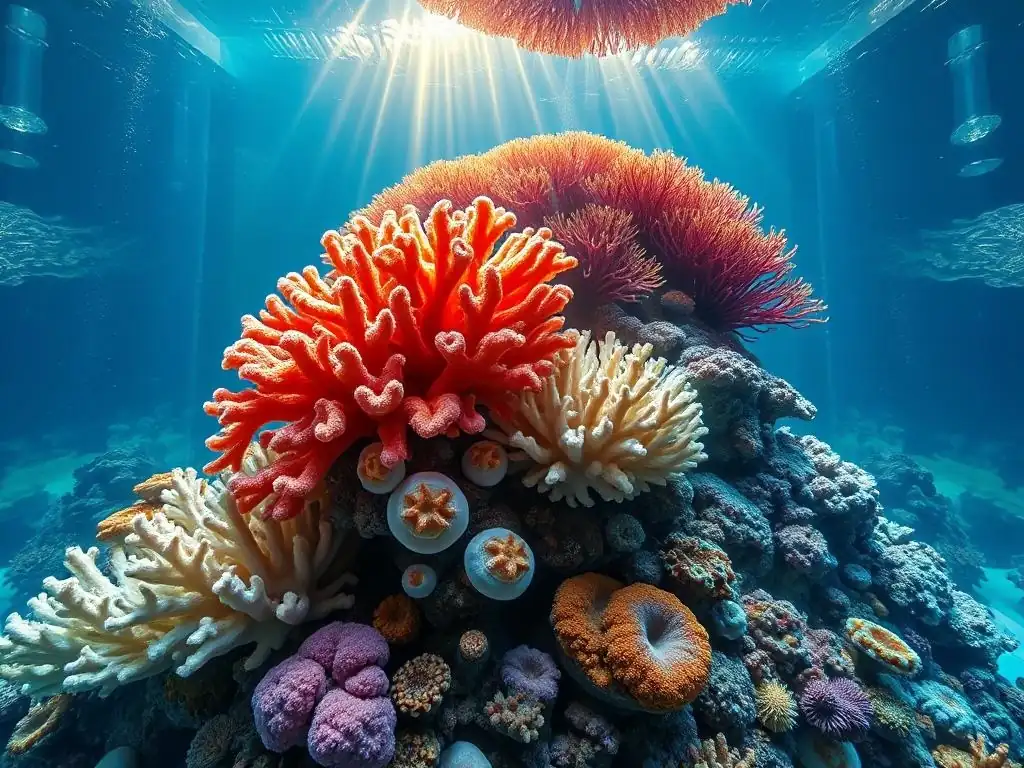
Ever been mesmerized by the vibrant colors and intricate shapes of LPS corals, but struggled to tell a Euphyllia from a Favia? You're not alone! Dive into our LPS Coral Identification Guide to unlock the secrets of these fascinating creatures. Prepare to become a coral connoisseur and discover the unique characteristics that set each species apart. Let's explore the beautiful and diverse world of LPS corals together – are you ready to learn more?
- LPS Coral Identification Guide: Mastering Euphyllia, Favia & Acans
- Understanding LPS Corals: An Introduction to Identification
-
Euphyllia Coral Identification: A Detailed Look
- Euphyllia Genus Overview: Characteristics and Varieties
- Torch Coral Identification (Euphyllia glabrescens): Key Features
- Hammer Coral Identification (Euphyllia ancora & Euphyllia parancora): Branching vs. Wall
- Frogspawn Coral Identification (Euphyllia divisa & Euphyllia paradivisa): Branching vs. Wall, Tip Shape
- Octospawn Coral Identification (Euphyllia octophyllia): Distinguishing Features
- Tips for Differentiating Between Euphyllia Species
-
Favia Coral Identification: Distinguishing Features and Varieties
- Favia Genus Overview: Colony Morphology
- Favia vs. Favites: Telling the Difference
- Brain Coral Identification (Favia brain): Unique Patterns
- Pineapple Coral Identification (Favia pineapple): Appearance and Care
- Moon Coral Identification (Favia moon): Characteristics
- Identifying Different Favia Species by Polyp Shape and Color
- Acan Coral Identification: Exploring Acanthastrea and Micromussa
- Comparing LPS Coral Families: Euphyllia, Favia, and Acans
- Advanced LPS Coral Identification Techniques
- Common LPS Coral Misidentifications and How to Avoid Them
- Maintaining Optimal Conditions for Accurate LPS Coral Identification
- Conclusion: Mastering LPS Coral Identification for a Thriving Reef Aquarium
-
Frequently Asked Questions
- What is an LPS coral and why is it important to be able to identify them?
- What are some of the most common types of LPS corals covered in the "LPS Coral Identification Guide"?
- How does the "LPS Coral Identification Guide" help with distinguishing between different types of Euphyllia corals?
- What kind of maintenance considerations are specific to LPS corals, and how can the guide help with this?
- Where can I find more detailed information on troubleshooting common issues affecting LPS corals after using this identification guide?
- Final Reflection: Unveiling the Ocean's Gems
- Unveil Your Coral Expertise!
LPS Coral Identification Guide: Mastering Euphyllia, Favia & Acans
Understanding LPS Corals: An Introduction to Identification
What are LPS Corals? Defining Large Polyp Stony Corals
Large Polyp Stony (LPS) corals represent a captivating group of marine invertebrates characterized by their substantial, fleshy polyps that extend over a hard, calcium carbonate skeleton. Unlike Small Polyp Stony (SPS) corals, which have tiny polyps, LPS corals feature prominent, often flowing polyps that contribute significant movement and visual interest to a reef aquarium. These corals are foundational to many natural reef ecosystems, providing habitat and contributing to the reef's structure. Their popularity in the home aquarium hobby stems from their vibrant colors, dynamic forms, and relatively forgiving care requirements compared to some other coral types.
The skeletal structure of LPS corals is typically robust, providing a solid base from which their polyps can emerge and retract. While their polyps are large, they still possess stinging cells (nematocysts) for defense and prey capture, a crucial aspect to consider when planning their placement within a mixed reef tank.
Genera such as Euphyllia, Favia, and Acanthastrea are prime examples of LPS corals, each with distinct features that make accurate LPS coral identification guide essential for successful husbandry. Their ability to contribute both aesthetic beauty and biological diversity makes them a cornerstone for many aquarists aiming to replicate a thriving reef environment.
Why Accurate LPS Coral Identification Matters for Aquarists
Accurate LPS coral identification guide is paramount for any aquarist, directly impacting the long-term health and vibrancy of a reef tank. Different LPS species, even within the same genus, can have specific requirements regarding water flow, lighting intensity, and feeding frequency.
For instance, while most Euphyllia thrive under moderate flow and light, some Acanthastrea species might prefer slightly higher light levels to express their full coloration. Misidentification can lead to improper placement, insufficient or excessive light/flow, and ultimately, coral stress, bleaching, or even death, representing a significant financial and emotional loss given that some premium LPS corals can cost hundreds of dollars, with rare specimens exceeding $500.
Furthermore, correct identification is vital for understanding a coral's aggression level and growth patterns. Euphyllia corals, particularly Torch corals ( Euphyllia glabrescens), are notorious for their long, potent sweeper tentacles that can extend 6-12 inches (15-30 cm) or more at night, stinging and potentially killing neighboring corals.
Knowing this allows aquarists to maintain appropriate spacing, often recommending a buffer zone of at least 6-8 inches (15-20 cm) around aggressive species. Without precise LPS coral identification guide, an aquarist might unwittingly place an aggressive coral too close to a sensitive one, leading to irreparable damage and undermining the stability and aesthetic harmony of the entire reef system.
Euphyllia Coral Identification: A Detailed Look
Euphyllia Genus Overview: Characteristics and Varieties
The Euphyllia genus is arguably one of the most recognizable and sought-after groups of LPS corals in the marine aquarium hobby, beloved for their graceful, flowing polyps and vibrant coloration. Key characteristics include their large, often elongated polyps that typically house a single mouth, and their ability to extend significantly into the water column, creating a captivating display of movement. Their skeletons can be either branching, forming distinct individual heads on stalks, or wall-forming, where the polyps emerge from a continuous skeletal structure. This distinction is crucial for LPS coral identification guide within the genus.
Popular varieties within the Euphyllia genus include Torch corals ( Euphyllia glabrescens), Hammer corals ( Euphyllia ancora and Euphyllia parancora), Frogspawn corals ( Euphyllia divisa and Euphyllia paradivisa), and the less common Octospawn corals ( Euphyllia octophyllia). These corals typically display a wide range of colors, from various shades of green and brown to striking gold, purple, and even blue, often with contrasting tips that enhance their visual appeal.
Under optimal conditions, branching Euphyllia can exhibit growth rates of 1-2 inches (2.5-5 cm) per year in terms of skeletal extension, making them a rewarding long-term addition to a well-maintained reef tank.
Torch Coral Identification (Euphyllia glabrescens): Key Features
Torch corals ( Euphyllia glabrescens) are distinct members of the Euphyllia genus, easily identified by their long, single, tubular polyps that culminate in a brightly colored, often contrasting tip, strikingly reminiscent of a burning torch. These tips can be yellow, green, white, or even metallic gold, providing a focal point against the more subdued stalk of the polyp. The polyps are highly motile, swaying gracefully with water flow, which contributes significantly to the dynamic appearance of a reef tank.
While primarily known for their branching growth form, where individual "torches" extend from distinct skeletal stalks, wall-forming varieties of Euphyllia glabrescens also exist, though they are less common in the hobby. Their aggressive nature is a defining characteristic; Torch corals possess potent sweeper tentacles that can extend up to 12 inches (30 cm) or more, particularly at night, capable of stinging and damaging nearby corals. Therefore, ensuring adequate spacing—typically 6-8 inches (15-20 cm) from other corals—is a critical aspect of their care and a vital consideration for accurate LPS coral identification guide.
Hammer Coral Identification (Euphyllia ancora & Euphyllia parancora): Branching vs. Wall
Hammer corals are another widely recognized Euphyllia species, distinguished by the unique hammer-shaped or T-shaped tips of their tentacles. This characteristic tip shape is the primary identifier for Euphyllia ancora and Euphyllia parancora. E. ancora typically refers to the wall-forming Hammer corals, which grow in continuous colonies without distinct branching heads, often forming larger, more robust polyps. In contrast, E. parancora encompasses the branching varieties, where each polyp head grows on an individual skeletal stalk, allowing for easier fragging and propagation.
Both branching and wall forms of Hammer corals exhibit a wide array of colors, including various shades of green, brown, purple, and gold, often with contrasting tips that mirror their Torch coral relatives. While generally less aggressive than Torch corals, Hammer corals still possess moderate stinging capabilities, with sweeper tentacles typically extending 3-6 inches (7.5-15 cm). Proper LPS coral identification guide between the branching and wall forms, along with their distinct hammer-shaped tips, is essential for placement and care, ensuring they have sufficient space to thrive without harming other tank inhabitants.
Frogspawn Coral Identification (Euphyllia divisa & Euphyllia paradivisa): Branching vs. Wall, Tip Shape
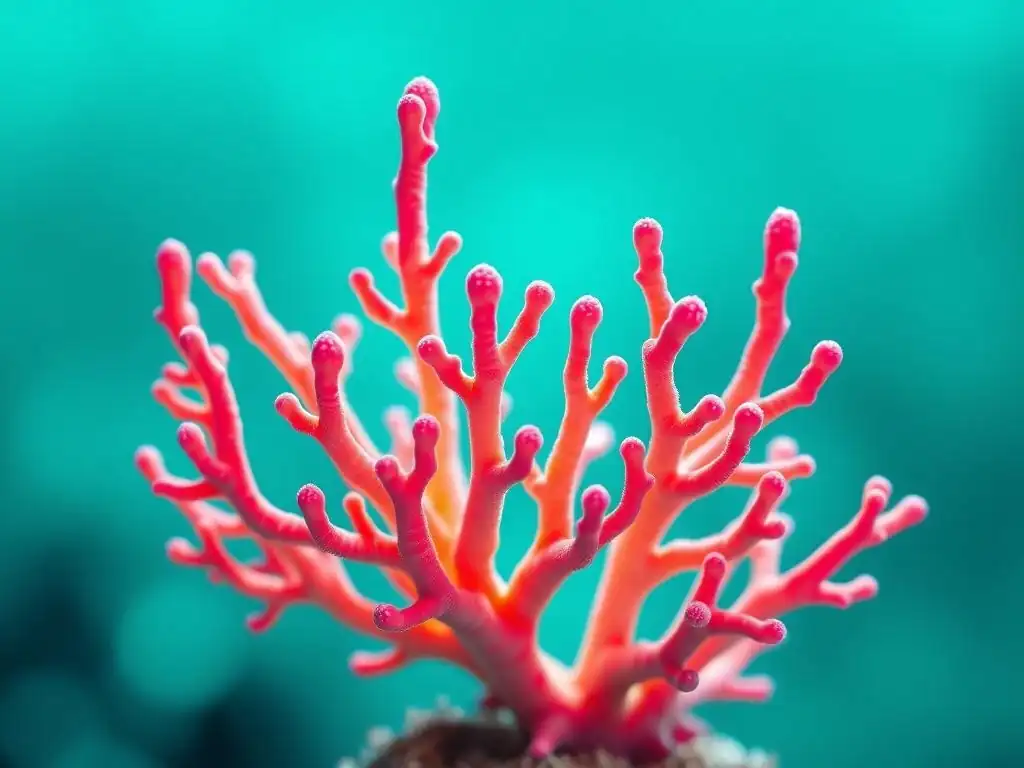
Frogspawn corals are easily identified by their unique polyp structure, which features multiple, rounded, bubbly tips clustered together on each tentacle, resembling a cluster of frog eggs or spawn. This distinctive appearance gives them their common name and sets them apart from other Euphyllia species. Similar to Hammers, Frogspawn corals come in both branching ( Euphyllia divisa) and wall-forming ( Euphyllia paradivisa) varieties. E. divisa typically displays larger, more irregularly shaped "bubbles" on its tentacles and grows in distinct branching colonies, while E. paradivisa forms a continuous wall-like structure with generally smaller, more uniform "bubbles."
Frogspawn corals exhibit a beautiful range of colors, including various greens, browns, pinks, and purples, often with lighter or contrasting tips that enhance their bubbly appearance. Their aggression level is moderate, with sweeper tentacles usually extending 2-4 inches (5-10 cm), making them less of a threat than Torches but still requiring careful consideration for placement. Mastering this aspect of LPS coral identification guide ensures that aquarists can appreciate their unique morphology without risking damage to adjacent corals, making them a popular and visually striking addition to many reef aquariums.
Octospawn Coral Identification (Euphyllia octophyllia): Distinguishing Features
Octospawn coral ( Euphyllia octophyllia) is a less common but equally captivating member of the Euphyllia genus, distinguished primarily by its unique polyp structure. Each tentacle on an Octospawn coral terminates in eight distinct, rounded tips, creating a star-like or octagonal pattern that is unlike the single tips of Torches, the hammer shapes of Hammers, or the multi-bubbled tips of Frogspawns. This precise number of tips is the definitive characteristic for LPS coral identification guide of this species.
Octospawn corals typically exhibit a branching growth form, with individual polyps extending from distinct skeletal stalks, similar to branching Hammers and Frogspawns. Their coloration usually mirrors that of other Euphyllia species, ranging from various greens and browns to more vibrant golds and purples, often with lighter tips that highlight their unique structure. While their aggression level is comparable to that of Frogspawn corals, with moderate sweeper tentacles, their distinct eight-tipped polyps make them a unique and sought-after specimen for aquarists looking to diversify their Euphyllia collection.
Tips for Differentiating Between Euphyllia Species
Differentiating between Euphyllia species, while sometimes challenging due to color variations, primarily relies on observing the distinct morphology of their tentacle tips and their overall growth form. For Torch corals ( Euphyllia glabrescens), the key is the single, elongated, and often brightly contrasted tip on each polyp. Hammer corals ( Euphyllia ancora and Euphyllia parancora) are identified by their characteristic hammer or T-shaped tips. Frogspawn corals ( Euphyllia divisa and Euphyllia paradivisa) stand out with their multiple, rounded, bubbly tips, while Octospawn corals ( Euphyllia octophyllia) are unique for their precisely eight-tipped tentacles.
Beyond tentacle morphology, considering the growth form—branching versus wall-forming—provides an additional layer for LPS coral identification guide. While some species like Hammers and Frogspawns can exhibit both forms, understanding which form is more common or characteristic for a particular species aids in accurate identification. Observing polyp extension, movement with water flow, and general aggression levels also provides clues, as Torch corals are notably more aggressive with longer sweepers than their Euphyllia counterparts. A comprehensive approach combining these visual cues is crucial for precise identification.
Favia Coral Identification: Distinguishing Features and Varieties
Favia Genus Overview: Colony Morphology
The Favia genus, often referred to as brain corals or pineapple corals, encompasses a diverse group of LPS corals known for their encrusting or massive colony morphology. Unlike the free-flowing polyps of Euphyllia, Favia corals have polyps that are typically embedded within a continuous skeletal structure, giving them a more solid, brain-like appearance. Their polyps are usually distinct, with individual mouths, but they share a common coenosarc (the fleshy tissue connecting polyps) that covers the skeleton. This colonial growth pattern is a primary identifier for LPS coral identification guide within this genus.
Favia corals are highly valued in the aquarium hobby for their robust nature, vibrant coloration, and interesting growth patterns. They can exhibit a wide spectrum of colors, including greens, reds, blues, oranges, and purples, often with contrasting patterns around their corallites (the skeletal cups holding the polyps). Their growth rate can vary, with some species adding several centimeters in diameter annually under optimal conditions, forming impressive, dome-shaped or flat colonies. Understanding their characteristic colony morphology is the first step in distinguishing Favia from other LPS corals.
Favia vs. Favites: Telling the Difference
Distinguishing between Favia and Favites corals is a common challenge in LPS coral identification guide, as both genera are often referred to as "brain corals" and share similar appearances. The key difference lies in the walls of their corallites. In Favia corals, the walls of adjacent polyps are distinct and separate, meaning each polyp has its own independent wall. This creates a clear boundary between individual polyps, even though they are part of a continuous colony.
In contrast, Favites corals share common walls between adjacent polyps. This means that the wall of one polyp is also the wall of its neighbor, resulting in a more integrated, often polygonal pattern where the polyps appear tightly packed without distinct individual borders. While both can exhibit similar colorations and growth forms, examining the septa (radial skeletal plates) and the presence or absence of shared walls is the definitive method for accurate LPS coral identification guide between Favia and Favites.
Brain Coral Identification (Favia brain): Unique Patterns
The term "Brain Coral" is frequently used generically for many Favia species due to their convoluted, cerebriform (brain-like) patterns formed by the arrangement of their polyps and skeletal ridges. These unique patterns are a hallmark of Favia identification. The polyps are typically circular or oval, and their arrangement within the colony can create intricate mazes, valleys, and peaks. The coloration often highlights these patterns, with the valleys or "fissures" between polyps having a different hue than the raised areas.
For example, a common "Brain Coral" Favia speciosa might display a vibrant green base with contrasting red or orange mouths, creating a striking visual mosaic. The patterns are not merely aesthetic; they are a direct result of the coral's growth and budding processes. Observing the distinct, individual walls of each polyp within these intricate patterns is crucial for confirming Favia identification, differentiating them from other similar-looking LPS corals that might have shared walls or different polyp arrangements.
Pineapple Coral Identification (Favia pineapple): Appearance and Care
"Pineapple Coral" is another common name for certain Favia species, particularly those that exhibit a more polygonal or hexagonal polyp shape, resembling the scales of a pineapple. This characteristic shape arises from the way their individual polyps bud and grow, forming distinct, often slightly raised, angular structures across the colony surface. The polyps often have a contrasting margin or "rim" that further accentuates their pineapple-like appearance, making them a relatively straightforward target for LPS coral identification guide.
These corals are generally hardy and adaptable, thriving in moderate lighting and moderate to low flow conditions. Their care involves stable water parameters, typical of a mixed reef tank, and occasional target feeding with small meaty foods like mysis shrimp or copepods can enhance their growth and coloration. A well-established Favia pineapple coral can grow several centimeters in diameter annually, providing a robust and visually appealing addition to the lower to mid-levels of a reef aquarium.
Moon Coral Identification (Favia moon): Characteristics
"Moon Coral" is a common name often applied to Favia species that exhibit a more rounded, distinct polyp shape, often appearing as individual "moons" or craters on the coral's surface. These polyps are typically larger and more circular than those of "pineapple" Favia, and while they still have individual walls, their arrangement can create a less intricate, more spaced-out pattern. The coloration of Moon Corals often includes striking blues, purples, and greens, with contrasting centers or rims, giving them a luminous appearance under aquarium lighting.
These Favia species tend to form massive or encrusting colonies, growing outwards across rockwork or the substrate. Their robust nature and relatively slow to moderate growth make them a stable and long-term inhabitant for reef aquariums. Like other Favia, they benefit from stable water parameters and occasional feeding, making them a good choice for aquarists looking for a visually impactful and relatively low-maintenance LPS coral. Their distinct, rounded polyp appearance is a key feature for LPS coral identification guide within the Favia genus.
Identifying Different Favia Species by Polyp Shape and Color
Identifying different Favia species often relies on a combination of polyp shape, size, and the intricate color patterns they display. While the overarching characteristic of distinct polyp walls remains constant for the genus, the specific morphology of these polyps varies. "Brain" Favia might have more elongated or convoluted polyps forming maze-like structures, while "Pineapple" Favia typically presents with more angular, polygonal shapes, and "Moon" Favia tends to have larger, more rounded polyps.
Coloration is also a critical, though variable, identifier. Some Favia species are known for specific color combinations, such as vibrant greens with red mouths, or deep blues with contrasting yellow centers. However, color can be influenced by lighting, water parameters, and even nutrition, so it should be used in conjunction with polyp morphology for definitive LPS coral identification guide. Observing the overall colony growth form—whether it's encrusting, massive, or domed—further refines the identification process, helping aquarists to accurately categorize their Favia corals.
Acan Coral Identification: Exploring Acanthastrea and Micromussa
Acan Lords (Acanthastrea lordhowensis): Color Variations and Polyp Size
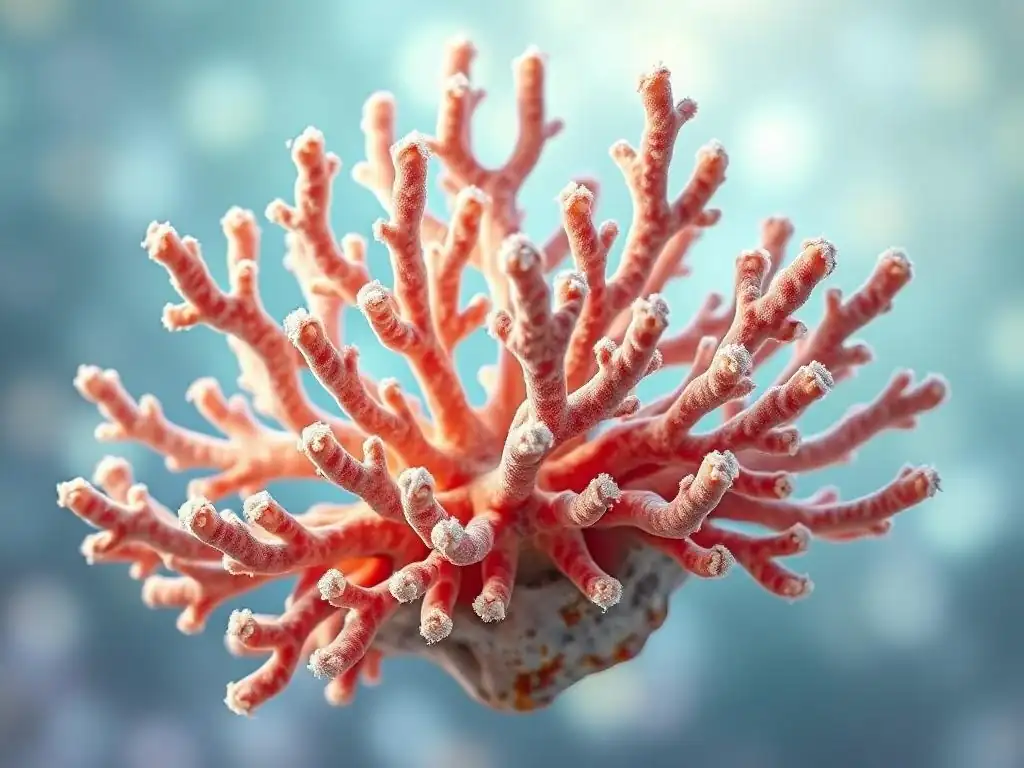
"Acan Lords," specifically Acanthastrea lordhowensis, are among the most coveted LPS corals in the hobby, renowned for their incredibly vibrant and diverse color patterns. These corals typically feature large, fleshy polyps, often exceeding 0.5 inches (1.25 cm) in diameter, that are tightly packed within an encrusting or massive colony. The polyps usually have a distinct, raised rim around their corallites, and a single, prominent mouth in the center.
What truly sets Acan Lords apart is their astonishing array of color combinations, which can include reds, oranges, purples, blues, greens, and even multi-colored "rainbow" morphs. These colors are often arranged in intricate patterns, with contrasting rings or spots around the polyps. While their growth rate is relatively slow, often adding less than 1 inch (2.5 cm) in diameter per year, their intense coloration and robust nature make them highly desirable. Precise LPS coral identification guide for these corals often involves examining the specific color morphs and the distinct raised texture of their individual polyps.
Micromussa Coral Identification: Smaller Polyps, Intense Colors
Micromussa corals, formerly classified under Acanthastrea (e.g., Acanthastrea micromussa), are now recognized as a distinct genus. The primary distinguishing feature of Micromussa compared to Acanthastrea is their significantly smaller polyp size, typically ranging from 0.2 to 0.4 inches (0.5 to 1 cm) in diameter. Despite their smaller polyps, Micromussa corals are equally, if not more, vibrant in their coloration, often displaying incredibly intense and saturated hues across their tightly packed colonies.
Like Acan Lords, Micromussa species exhibit a wide spectrum of colors, including striking reds, oranges, blues, and purples, often with metallic or iridescent sheens. Their polyps are also fleshy and typically have distinct, individual walls. These corals form encrusting colonies and are known for their hardiness and ability to thrive in a variety of reef tank conditions. For accurate LPS coral identification guide, the combination of smaller polyp size and vivid, often glowing, coloration is key when differentiating Micromussa from larger-polyped Acans.
Distinguishing Acanthastrea from Micromussa
The distinction between Acanthastrea (specifically Acanthastrea lordhowensis) and Micromussa corals, though historically intertwined, is now primarily based on polyp size and subtle morphological differences. As mentioned, Acanthastrea lordhowensis polyps are generally larger, typically exceeding 0.5 inches (1.25 cm) in diameter, and often possess a more pronounced, raised skeletal rim around each corallite. Their texture can feel slightly rougher or more defined when gently touched (though touching corals should be minimized).
In contrast, Micromussa polyps are noticeably smaller, usually less than 0.4 inches (1 cm) in diameter, and tend to have a smoother, more uniform appearance across the colony. While both genera are known for their intense colors and encrusting growth, the difference in polyp scale is the most reliable visual cue for LPS coral identification guide. Observing these size variations, along with the overall colony texture and how the polyps are integrated, allows aquarists to accurately classify these highly sought-after LPS corals.
Identifying Acan Species by Growth Form and Texture
Beyond polyp size and color, the growth form and texture of Acanthastrea and Micromussa corals provide additional cues for LPS coral identification guide. Both genera typically form encrusting colonies that spread across rockwork or the substrate, rather than developing branching structures. This encrusting habit means they will grow outwards in a relatively flat or slightly mounded fashion, with new polyps budding from the edges of the existing colony.
The texture of the colony surface, while subtle, can also be indicative. Acanthastrea lordhowensis often has a slightly more "bumpy" or "lumpy" texture due to its larger, more pronounced individual polyps and their raised corallite walls. Micromussa, with its smaller polyps, tends to present a smoother, more uniform surface, despite the individual polyps being clearly defined. These textural nuances, combined with the primary identifiers of polyp size and color, contribute to a comprehensive LPS coral identification guide for these vibrant corals.
Comparing LPS Coral Families: Euphyllia, Favia, and Acans
Euphyllia vs. Favia: Differences in Polyp Structure and Skeleton
The primary distinction between Euphyllia and Favia corals lies in their fundamental polyp structure and skeletal morphology. Euphyllia corals are characterized by their large, free-flowing, and often elongated polyps that extend significantly from a relatively lightweight, porous skeleton. Each polyp typically has a single mouth and is capable of considerable movement, creating a dynamic visual effect in the aquarium. Their skeleton can be branching, with individual polyps on stalks, or wall-forming, but the polyps themselves are distinctly separate.
In contrast, Favia corals have polyps that are more embedded within a dense, massive or encrusting skeletal structure. While each polyp has its own mouth and distinct walls, they are interconnected by a continuous coenosarc that covers the skeleton, giving the colony a more solid, often brain-like appearance. The polyps of Favia are generally less extended and less motile than Euphyllia, focusing more on building a robust, often dome-shaped or encrusting colony. This fundamental difference in polyp and skeletal arrangement is a key aspect of LPS coral identification guide.
Favia vs. Acans: Growth Patterns and Feeding Habits
Distinguishing between Favia and Acanthastrea (Acans) involves observing their growth patterns and considering their feeding habits. Both genera primarily form encrusting or massive colonies, spreading outwards across the substrate rather than branching upwards. However, Favia corals often develop into larger, more robust, and sometimes convoluted brain-like structures, with polyps that can be round, oval, or polygonal. Their growth can be relatively uniform, creating a solid, cohesive mass.
Acans, on the other hand, while also encrusting, tend to have more distinct, individual polyps that are tightly packed but still discernible, often with a slightly raised appearance around each corallite. Their growth is typically slower than many Favia species. In terms of feeding, both are carnivorous and benefit from target feeding small meaty foods. However, Acans are often considered more aggressive feeders that readily consume larger particles, while Favia may be slightly less voracious. This nuanced understanding of growth and feeding contributes to a more precise LPS coral identification guide.
Euphyllia vs. Acans: Tentacle Morphology and Aggression
The differences between Euphyllia and Acanthastrea (Acans) are quite pronounced, particularly in their tentacle morphology and aggression levels. Euphyllia corals are defined by their long, flowing tentacles that extend far into the water column, often with specialized tips (hammer, torch, frogspawn). These tentacles are highly mobile and are primarily used for capturing prey and for defense, being notoriously aggressive with powerful stinging cells that can reach and damage corals several inches away.
Acans, in contrast, have much shorter, stubbier tentacles that are typically retracted during the day and only extend slightly at night for feeding. Their polyps are fleshy but do not possess the long, sweeping tentacles characteristic of Euphyllia. While Acans can be aggressive towards direct neighbors through direct contact or mesenterial filaments, they do not possess the long-range stinging capability of Euphyllia. This stark contrast in tentacle morphology and aggression is a fundamental aspect of LPS coral identification guide between these two popular LPS families.
Advanced LPS Coral Identification Techniques
Using Skeletal Structure for Identification
While polyps are the most visible aspect of LPS corals, examining their underlying skeletal structure provides a definitive method for LPS coral identification guide, especially when polyps are retracted or damaged. The arrangement of corallites (the skeletal cups holding the polyps) and the nature of the coenosteum (the skeletal material between polyps) offer crucial clues. For Euphyllia, branching species like E. parancora will show distinct, individual skeletal stalks for each polyp, while wall-forming varieties like E. ancora will have a continuous, shared skeletal base with distinct valleys where polyps reside.
For Favia and Favites, the distinction in shared or individual corallite walls is a prime skeletal identifier. Favia will show distinct, separate walls for each polyp, whereas Favites will have shared walls forming polygonal patterns. Acanthastrea and Micromussa exhibit tightly packed, individual corallites with often raised rims. In some cases, careful observation of the septa (the radial skeletal plates within the corallite) can reveal species-specific patterns. This skeletal analysis, though requiring careful handling and sometimes a magnifying glass, offers unparalleled accuracy in LPS coral identification guide.
Identifying Corallites and Septa Patterns
Detailed examination of corallites and septa patterns is a microscopic, yet highly effective, advanced technique for LPS coral identification guide. Corallites are the individual skeletal cups from which the polyps emerge. Their shape (circular, oval, polygonal), size, and how they are arranged or fused within the colony are critical. For instance, Favia corallites are distinct and separated by their own walls, while Favites show corallites with shared walls, creating a continuous, honeycomb-like pattern.
Within each corallite, the septa are the radial, blade-like skeletal plates that extend inwards from the wall towards the center, providing support for the polyp. The number, thickness, serration, and arrangement of these septa are unique to different genera and even species. For example, some Acanthastrea species might have septa that are more prominent or have a distinct jagged edge. While this level of detail might require a close-up view or even a macro lens, it provides irrefutable evidence for precise LPS coral identification guide, especially when visual polyp characteristics are ambiguous.
Utilizing Coral Databases and Online Resources for Identification
In the digital age, leveraging comprehensive coral databases and online resources is an indispensable advanced technique for LPS coral identification guide. Websites like Reef Builders, Live Aquaria, and various dedicated coral forums host extensive image galleries and species profiles that can be cross-referenced with your coral. These resources often include multiple angles, different lighting conditions, and variations within a species, helping to confirm visual observations made in your own tank.
Furthermore, community forums and social media groups dedicated to reef keeping provide platforms where aquarists can post photos of their corals for expert opinion and comparison. While not always definitive, collective experience can often narrow down possibilities significantly. Utilizing these databases requires careful comparison of polyp morphology, color patterns, and growth forms with high-quality reference images. It's crucial to use reputable sources to ensure the accuracy of the information, enhancing your overall LPS coral identification guide capabilities.
Common LPS Coral Misidentifications and How to Avoid Them
Confusing Euphyllia with Other Branching Corals
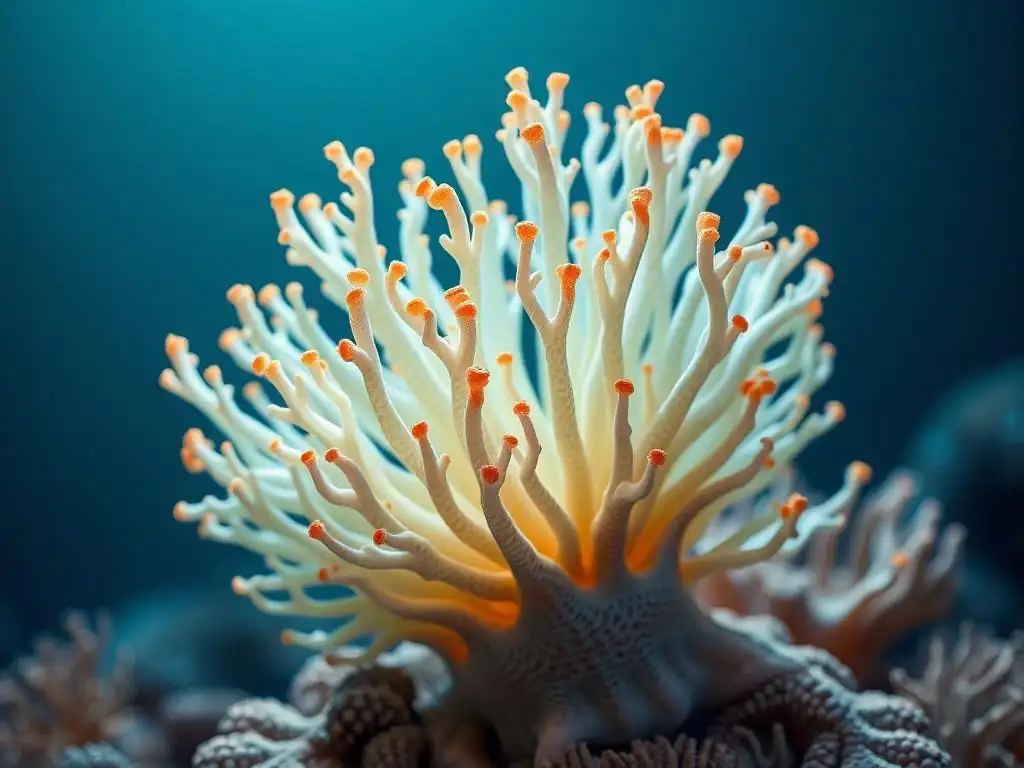
One of the most common misidentifications in the LPS world involves confusing Euphyllia corals with other branching LPS or even SPS corals that might have similar growth forms. For example, some branching Goniopora (Flowerpot corals) or Alveopora (Daisy corals) can superficially resemble Euphyllia due to their long, flowing polyps and branching structures. However, a key differentiator is the number of tentacles: Goniopora typically has 24 tentacles, while Alveopora has 12, whereas Euphyllia polyps do not have a fixed number of distinct tentacles but rather lobes ending in specific shapes (hammer, torch, etc. ).
To avoid this misidentification, focus on the distinct tentacle tip shapes that are unique to Euphyllia (single torch, hammer, bubbly frogspawn, eight-tipped octospawn). Also, observe the skeletal structure: Euphyllia skeletons, especially branching ones, tend to be more robust and less delicate than the porous skeletons of Goniopora or Alveopora. A thorough LPS coral identification guide emphasizes these specific morphological cues over general appearance to prevent misclassification and ensure appropriate care for your coral.
Misidentifying Favia as Favites
As previously discussed, the misidentification of Favia as Favites is a very common error due to their similar "brain coral" appearance and shared family ( Mussidae). Both genera form encrusting or massive colonies with individual polyps embedded in a continuous skeleton, and both can exhibit vibrant colors and intricate patterns. However, the crucial distinguishing feature lies in the nature of their corallite walls.
To avoid this common mistake, closely examine the boundaries between individual polyps. If each polyp has its own distinct, separate wall, it is a Favia. If adjacent polyps share common walls, forming a continuous polygonal pattern without clear individual borders, it is a Favites. This skeletal characteristic is the most reliable method for LPS coral identification guide between these two otherwise similar-looking genera, ensuring accurate categorization for proper care and appreciation.
Mistaking Acans for Other LPS with Similar Polyp Structures
Another frequent misidentification involves mistaking Acanthastrea (Acans) or Micromussa for other LPS corals that might have similar fleshy, often colorful, and somewhat rounded polyps. For instance, some species of Blastomussa or even certain types of Symphyllia can, at first glance, appear similar due to their vibrant colors and compact polyps. However, key differences in polyp size, texture, and the presence or absence of shared walls can help distinguish them.
Blastomussa polyps, while colorful, are typically more bulbous and less tightly packed than Acans, often having a distinct "stalk" before the polyp head. Symphyllia corals, while also brain-like, generally have more elongated, meandering polyps that share extensive valleys, unlike the distinct individual polyps of Acans. For LPS coral identification guide, always scrutinize the specific polyp size (larger for Acanthastrea, smaller for Micromussa), the tightly packed nature, and the often raised, individual corallite rims that characterize Acans, helping to prevent confusion with other LPS corals.
Maintaining Optimal Conditions for Accurate LPS Coral Identification
Lighting Requirements for Color Expression
Optimal lighting is paramount not only for the health and growth of LPS corals but also for their accurate identification through full color expression. Different wavelengths and intensities of light can significantly influence a coral's appearance, often enhancing or diminishing certain pigments. For instance, many LPS corals, including Euphyllia and Acans, exhibit a stronger fluorescent glow under actinic (blue) lighting, which can reveal subtle color patterns or tips that might be less visible under white light.
Providing the correct light intensity is also crucial. Too little light can cause corals to lose their vibrant coloration and appear dull, making subtle identification features less obvious. Too much light can lead to bleaching, where the coral expels its symbiotic algae (zooxanthellae), resulting in a stark white appearance that obscures all natural pigmentation. Therefore, maintaining stable, appropriate PAR levels—typically 50-150 PAR for most LPS corals—is essential for them to display their true colors, which in turn aids in precise LPS coral identification guide.
Water Parameters and Their Impact on Coral Appearance
Stable and appropriate water parameters are foundational for the health, growth, and vibrant appearance of LPS corals, directly impacting the accuracy of LPS coral identification guide. Fluctuations or deficiencies in key parameters can stress corals, causing them to retract, lose color, or even begin to die off, making identification challenging. For instance, a calcium level of 400-450 ppm and alkalinity of 7-9 dKH are crucial for skeletal growth and polyp extension. If these are too low, corals may appear shrunken or dull, masking their characteristic features.
Similarly, maintaining nitrate levels between 5-20 ppm and phosphate levels below 0.1 ppm is vital. While some corals tolerate higher nutrient levels, excessive nitrates or phosphates can lead to nuisance algae growth that smothers corals or can directly impact their health and color. A stressed coral, regardless of species, will not display its full, characteristic appearance, making an LPS coral identification guide based on a visually compromised specimen unreliable. Consistent monitoring and maintenance of these parameters ensure corals are in their best health, revealing their true form and color.
The Role of Coral Nutrition in Identification
Proper coral nutrition plays a significant, though often underestimated, role in a coral's overall health and the vibrancy of its colors, which in turn aids in accurate LPS coral identification guide. While LPS corals derive much of their energy from photosynthesis through their symbiotic zooxanthellae, many species also benefit greatly from direct feeding of small meaty foods. This heterotrophic feeding provides essential nutrients, fatty acids, and proteins that contribute to robust growth, strong immune systems, and enhanced coloration.
Corals that are well-fed often exhibit fuller polyp extension, richer colors, and faster growth rates compared to those that rely solely on photosynthesis. For example, a well-fed Acanthastrea will display more intense, saturated colors and plump polyps, making its unique patterns and textures more apparent. A coral lacking proper nutrition might appear pale, shrunken, or simply not express its full genetic potential for color, complicating the LPS coral identification guide process. Supplementing with target-fed foods like mysis shrimp, copepods, or specialized coral foods, typically 2-3 times per week, can significantly improve a coral's appearance and aid in its identification.
Conclusion: Mastering LPS Coral Identification for a Thriving Reef Aquarium
Key Takeaways for Identifying Euphyllia, Favia, and Acans
Mastering LPS coral identification guide for Euphyllia, Favia, and Acans (including Acanthastrea and Micromussa) is fundamental for any reef aquarist aiming for a thriving and harmonious display. For Euphyllia, the primary identifiers are the distinct shapes of their tentacle tips—single torches, hammers, multiple bubbly frogspawn, or eight-tipped octospawn—along with their characteristic branching or wall-forming skeletal structures and often aggressive nature. Their graceful movement and vibrant tips are unmistakable.
When identifying Favia corals, focus on their encrusting or massive colony morphology and, crucially, the presence of distinct, separate walls for each polyp, which differentiates them from similar-looking Favites. Their varied polyp shapes (brain-like, pineapple, moon) and intricate color patterns are also key. For Acans, the emphasis is on polyp size (larger for Acanthastrea, smaller for Micromussa), their intense, often multi-colored patterns, and their tightly packed, fleshy polyps within an encrusting colony. Combining these specific visual cues, along with understanding their growth patterns and aggression levels, provides a comprehensive LPS coral identification guide.
Further Resources for LPS Coral Enthusiasts
For those passionate about LPS corals and seeking to deepen their LPS coral identification guide expertise, a wealth of resources is available. Online coral databases and reputable marine livestock vendors often feature extensive image libraries and detailed species profiles, allowing for meticulous comparison and learning. Dedicated reef keeping forums and social media groups provide invaluable platforms for sharing photos, asking questions, and learning from the collective experience of seasoned aquarists who can offer insights into specific morphs or rare finds.
Beyond online communities, investing in specialized reef keeping books that focus on coral identification and care can provide a deeper, more structured understanding of coral biology and taxonomy. Attending local reef club meetings or visiting high-quality fish stores can also offer opportunities to observe a wide variety of LPS corals firsthand and discuss identification nuances with knowledgeable staff or fellow hobbyists. Continuous learning and diligent observation are the cornerstones of becoming proficient in LPS coral identification guide, ultimately leading to a more successful and rewarding reef keeping journey.
Frequently Asked Questions
What is an LPS coral and why is it important to be able to identify them?
LPS stands for Large Polyp Stony coral. Being able to identify them is important because it helps you understand their specific care requirements and ensuring a healthy aquarium environment.
What are some of the most common types of LPS corals covered in the "LPS Coral Identification Guide"?
The guide focuses on popular LPS corals like Euphyllia, Favia, and Acanthastrea (Acans). These are commonly found in aquariums and require specific water parameters and lighting conditions.
How does the "LPS Coral Identification Guide" help with distinguishing between different types of Euphyllia corals?
The guide provides detailed visual cues and characteristics to differentiate Euphyllia species. This includes features like polyp shape, branching patterns, and color variations, helping aquarists make accurate identifications.
What kind of maintenance considerations are specific to LPS corals, and how can the guide help with this?
LPS corals often require moderate flow, stable alkalinity, and regular feeding. The guide provides insights into these specifics, helping you optimize your tank for their health and growth.
Where can I find more detailed information on troubleshooting common issues affecting LPS corals after using this identification guide?
While the guide helps with identification, AquariumMastery.com provides additional resources. Look for articles on water chemistry troubleshooting and species-specific care sheets to address specific problems.
Final Reflection: Unveiling the Ocean's Gems
The journey through the vibrant world of LPS corals, as detailed in this guide, underscores the critical importance of accurate identification for responsible reef keeping and conservation. In a time when coral reefs face unprecedented threats, understanding the nuances between Euphyllia, Favia, and Acanthastrea is not merely an academic exercise, but a vital step towards ensuring their survival. This knowledge empowers hobbyists and researchers alike to make informed decisions that benefit these delicate ecosystems.
The enduring fascination with LPS corals stems from their breathtaking beauty and the complex ecosystems they support. My own journey into the world of reef keeping began with a single, captivating Euphyllia, and I've been mesmerized ever since by the intricate patterns and vibrant colors of these living jewels. This guide, I hope, will inspire others to appreciate the subtle differences and profound interconnectedness within the reef environment. In the end, we will conserve only what we love; we will love only what we understand; and we will understand only what we are taught.
- Baba Dioum
Now, armed with this knowledge of LPS coral identification, I invite you to look beyond the surface and truly see the reef. Consider how your choices, whether in selecting corals for your aquarium or supporting conservation efforts, can contribute to the health and resilience of these vital ecosystems. Let this guide be a starting point, a catalyst for deeper understanding and a commitment to protecting the ocean's most precious treasures for generations to come.
Unveil Your Coral Expertise!
Thanks for diving into the world of LPS corals with us! We hope this guide has equipped you with the knowledge to confidently identify your reef inhabitants and appreciate their beauty. Now it's time to put that knowledge into action.
Here are a few ways to further your coral journey:
- Identify a coral in your own tank (or at your local fish store) using the knowledge you've gained! Take a picture and compare it to the images in this guide.
- Share your favorite LPS coral fact from this article on social media and tag a friend who loves reef tanks.
- Research one less common LPS coral genus that wasn't mentioned, like a Micromussa or Blastomussa, and learn its specific care requirements.
What's one new thing you'll do this week to deepen your understanding and appreciation for LPS corals?