
LPS Coral Lighting & Flow: A Comparative Look at Euphyllia, Favia & Acans Needs

Welcome to Aquarium Mastery!
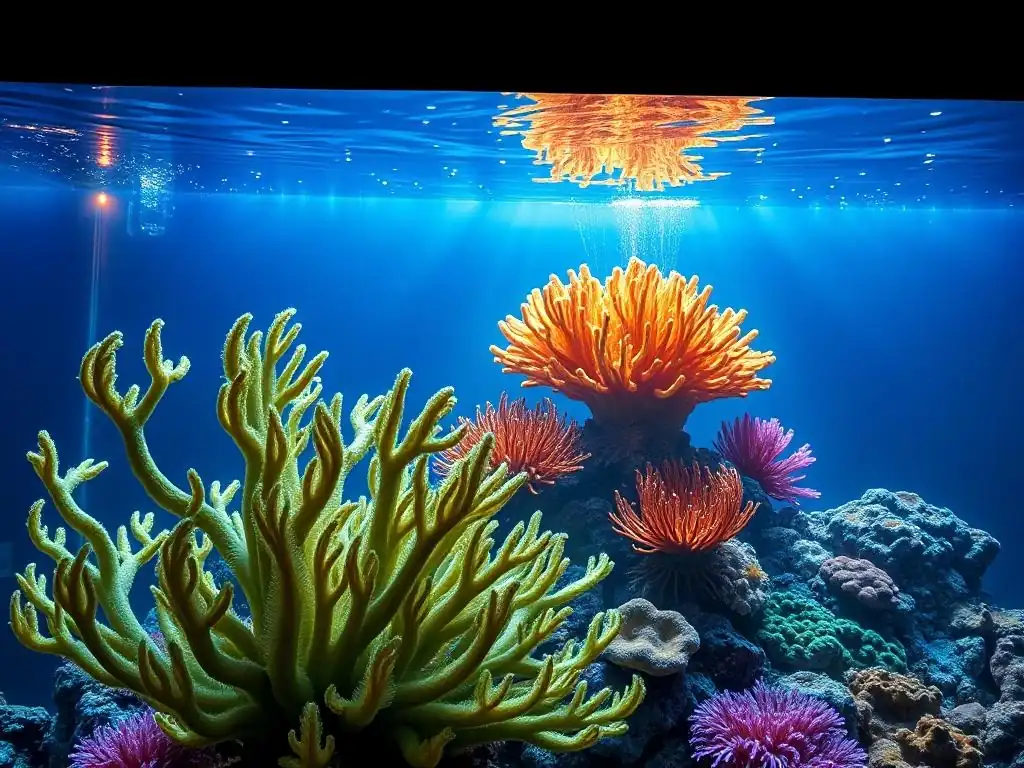
Ever wondered if your LPS corals are truly thriving under your current setup? Dive in and discover a comparative look at the lighting and flow requirements of Euphyllia, Favia, and Acans. We'll explore the nuances that separate these stunning corals, helping you create the perfect environment for vibrant growth and color. Ready to unlock the secrets to LPS coral lighting & flow? Let's get started!
- Understanding LPS Coral Lighting and Flow Requirements
- Euphyllia Coral Lighting and Flow Preferences
- Favia Coral Lighting and Flow: Finding the Right Balance
- Acan Lordhowensis Coral Lighting and Flow: A More Demanding Approach
- Comparing Lighting and Flow Needs: Euphyllia vs. Favia vs. Acan Lordhowensis
- Signs of Improper Lighting and Flow in LPS Corals
- Maintaining Optimal Conditions for LPS Corals: Practical Tips
- Troubleshooting Common LPS Coral Problems Related to Lighting and Flow
-
Frequently Asked Questions
- What is the optimal lighting intensity for LPS corals like Euphyllia, Favia, and Acanthastrea?
- How important is water flow for LPS corals, and what type of flow is best?
- Can I keep Euphyllia, Favia, and Acanthastrea corals together in the same tank, considering their lighting and flow requirements?
- What are some signs that my LPS corals are not getting enough (or are getting too much) light?
- How often should I adjust the lighting and flow in my reef tank to accommodate LPS coral growth and health?
- Final Reflection: Illuminating the Reef's Future
- Ignite Your LPS Coral Growth!
Understanding LPS Coral Lighting and Flow Requirements
The Importance of Proper Lighting for LPS Coral Health
Proper lighting is paramount for the long-term health and vibrant coloration of Large Polyp Stony (LPS) corals. These photosynthetic organisms, including popular species like Euphyllia, Favia, and Acan Lordhowensis, rely heavily on their symbiotic zooxanthellae algae to convert light energy into vital nutrients. Insufficient or excessive light can lead to significant stress, manifesting as tissue recession, bleaching, or a failure to thrive. For instance, prolonged exposure to PAR (Photosynthetically Active Radiation) levels outside a coral's optimal range can disrupt its metabolic processes, leading to a decline in overall vitality.
Beyond mere survival, the correct spectrum and intensity of light contribute significantly to the aesthetic appeal of LPS corals. Many aquarists aim to maximize the vibrant blues, greens, and reds often seen in healthy specimens. This coloration is a direct result of the zooxanthellae's photosynthetic pigments, which can be optimized under specific lighting conditions.
Research indicates that while some LPS corals can adapt to a range of lighting, consistency within their preferred PAR window, often between 50 and 150 PAR for most species, is crucial for stable growth and robust color development. Therefore, understanding the specific LPS coral lighting flow needs of each species is a foundational step in successful reef keeping.
Flow Rate and Its Impact on LPS Coral Growth
Water flow, or current, is equally critical for the well-being of LPS corals, influencing everything from nutrient uptake to waste removal. Adequate flow ensures that essential dissolved nutrients, such as calcium, alkalinity, and magnesium, are delivered consistently to the coral's polyps. Simultaneously, it helps to carry away metabolic waste products that can accumulate around the coral tissue if water movement is stagnant. Without proper flow, corals can experience starvation or be suffocated by their own waste, leading to tissue necrosis and ultimately, death.
Moreover, the right flow prevents detritus from settling on the coral's surface, which can lead to localized tissue irritation, bacterial infections, and algae growth. Different LPS species have varying tolerances and preferences for flow; some prefer gentle, indirect movement, while others thrive in more turbulent conditions. For example, a Euphyllia coral might show signs of stress, such as retracted polyps or torn tissue, if exposed to direct, high-velocity flow, whereas a Favia might appreciate a more varied current. Achieving the optimal LPS coral lighting flow balance is key to promoting healthy polyp extension, efficient feeding, and robust skeletal growth.
Euphyllia Coral Lighting and Flow Preferences
Optimal Lighting Spectrum and Intensity for Euphyllia
Euphyllia corals, encompassing popular species like Frogspawn, Hammer, and Torch corals, generally prefer moderate lighting conditions. While they are photosynthetic, excessive light can lead to bleaching, where the coral expels its zooxanthellae. A common misconception is that more light is always better; however, for Euphyllia, this can cause significant stress. Optimal LPS coral lighting flow for these species typically involves a PAR range of 50-100 PAR. Many successful Euphyllia tanks utilize a spectrum rich in blue light (e.g., 450-470nm), which is highly beneficial for zooxanthellae photosynthesis and enhances the coral's natural fluorescence.
Positioning Euphyllia corals in the middle to lower regions of the aquarium, or under shaded areas, often provides the ideal light intensity. Monitoring their response is crucial: healthy Euphyllia will display full polyp extension and vibrant coloration. If polyps are retracted or appear bleached, it may indicate too much light, necessitating a reduction in intensity or a change in placement. Conversely, a dull appearance or lack of extension could suggest insufficient light.
Euphyllia Lighting: PAR Levels Explained
PAR, or Photosynthetically Active Radiation, measures the amount of light available for photosynthesis. For Euphyllia corals, maintaining a consistent PAR level within their preferred range is vital. While a general range of 50-100 PAR is often cited, specific variations within the Euphyllia genus might tolerate slightly higher or lower intensities. For example, some Torch corals (Euphyllia glabrescens) can adapt to 120 PAR if acclimated slowly, while many Hammer corals (Euphyllia ancora) prefer the lower end.
When setting up LPS coral lighting flow, aquarists often use a PAR meter to map the light intensity throughout their tank, ensuring that Euphyllia are placed in zones that match their requirements. Gradual acclimation to new lighting is also critical; if moving a coral from a lower light environment to a higher one, reducing the light intensity or duration for the first few weeks can prevent shock and bleaching. This slow adjustment allows the zooxanthellae to adapt to the new conditions without being overwhelmed.
Euphyllia Flow Requirements: Gentle and Indirect
Euphyllia corals are known for their delicate, large polyps that sway gracefully in the current. Their preferred flow is gentle and indirect, allowing the polyps to extend fully and undulate naturally without being constantly blasted. High, direct flow can cause the polyps to retract, tear, or even damage the coral's fragile skeletal structure over time. Signs of excessive flow include polyps that are consistently retracted, appear "deflated," or show signs of tearing at the tips.
To achieve ideal flow for Euphyllia, powerheads should be positioned to create broad, laminar flow patterns rather than direct streams. Aim for a flow rate that allows the polyps to extend fully and gently sway, indicating good water movement around the coral without causing stress. Many aquarists use multiple smaller powerheads or wavemakers on opposing sides of the tank, often on a random or pulsing setting, to create a more natural, varied current that mimics ocean conditions.
Avoiding Excessive Flow for Euphyllia Corals
Excessive flow is a common cause of stress and damage for Euphyllia corals. Polyps that are constantly pushed against the skeleton or are unable to fully extend due to strong currents will struggle to feed and photosynthesize effectively. This can lead to a decline in health, tissue recession, and increased susceptibility to disease. It's not uncommon for new aquarists to overestimate the flow needs of these delicate LPS.
One practical approach to manage flow for Euphyllia is to observe their polyps closely. If they appear "blown out" or are visibly struggling against the current, the flow is likely too strong. Adjusting the angle of powerheads, reducing their intensity, or placing a rock or other structure to break up direct flow can significantly improve the coral's well-being. Ensuring the right LPS coral lighting flow balance is about creating an environment where the coral can thrive, not merely survive.
Favia Coral Lighting and Flow: Finding the Right Balance
Lighting Needs for Favia Corals: Moderate Intensity
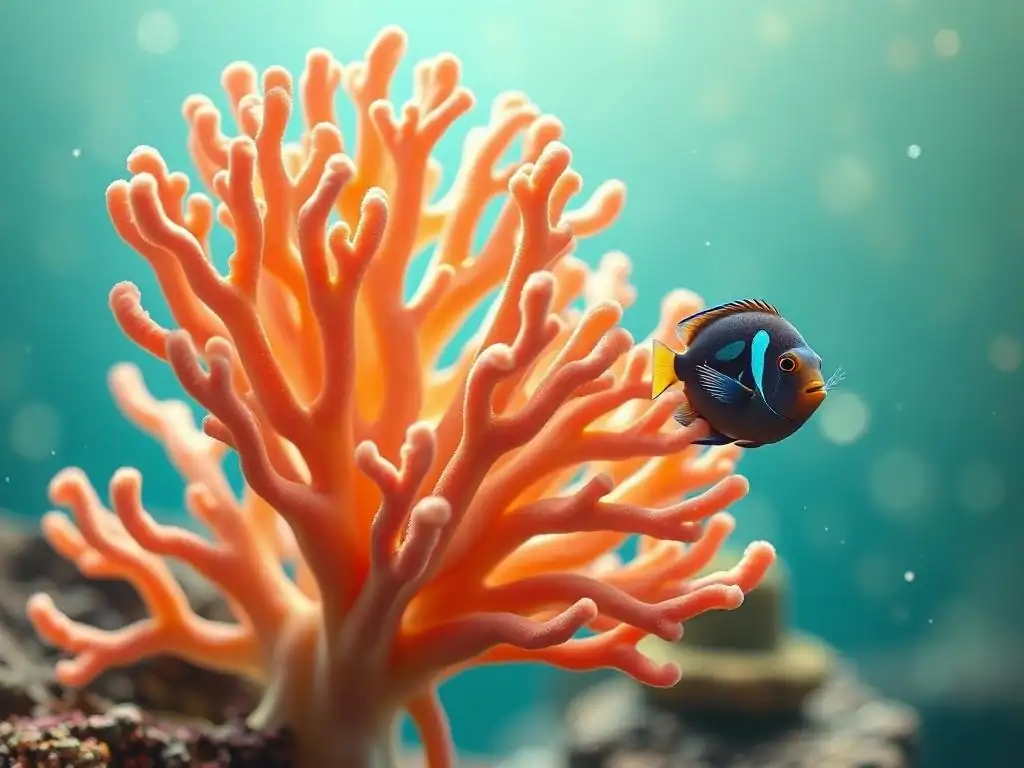
Favia corals, often recognized by their brain-like appearance, are generally hardy LPS corals that can tolerate a range of lighting conditions, though they typically thrive in moderate intensity. Unlike the more delicate Euphyllia, Favia can often adapt to slightly higher PAR levels, making them suitable for mid-tank placements. An optimal PAR range for most Favia species falls between 80-150 PAR. They appreciate a spectrum that includes both blue and white light, which supports their zooxanthellae and enhances their often vibrant green, red, and brown colorations.
While adaptable, sudden changes in light intensity should be avoided. When introducing a Favia to a new tank or upgrading lighting, a slow acclimation process is recommended to prevent bleaching. Observing the coral's coloration and polyp extension provides key indicators of its comfort level. If the coral appears faded or the tissue is receding, it might be receiving too much light, whereas a dull appearance or minimal growth could suggest insufficient illumination.
Favia Lighting: The Role of Zooxanthellae
The symbiotic relationship between Favia corals and their zooxanthellae algae is fundamental to their survival and coloration. These microscopic algae, residing within the coral's tissue, perform photosynthesis, converting light energy into sugars that the coral utilizes for growth and metabolic processes. The intensity and spectrum of the LPS coral lighting flow directly influence the efficiency of this photosynthetic process. Too little light means less food for the coral, leading to slow growth and potentially a loss of vibrant color.
Conversely, too much light can cause the zooxanthellae to produce harmful reactive oxygen species, leading the coral to expel them in a process known as bleaching. This turns the coral white and severely compromises its ability to feed, often leading to death if conditions are not corrected. A balanced light intensity ensures that the zooxanthellae can photosynthesize effectively without causing stress to the coral host, promoting robust health and vivid hues.
Favia Flow Requirements: Moderate and Varied
Favia corals generally prefer moderate and varied water flow. They are more robust than Euphyllia and can handle a bit more direct current, but still benefit from turbulent rather than consistently laminar flow. This type of flow helps to keep detritus from settling on their textured surface, which can otherwise lead to tissue irritation and potential infections. A good flow pattern for Favia will cause their polyps to extend and gently sway, indicating efficient nutrient delivery and waste removal.
Positioning powerheads to create indirect, chaotic flow patterns, perhaps by bouncing off rockwork or the aquarium glass, is ideal. This ensures that all parts of the coral receive adequate water movement without any single area being constantly blasted. Aim for conditions that prevent "dead spots" around the coral where detritus could accumulate, but also avoid flow that causes the coral to be constantly "blown" or retracted.
Favia Flow: Preventing Detritus Buildup
One of the primary reasons for moderate and varied flow around Favia corals is to prevent the accumulation of detritus. Their often convoluted or "brain-like" skeletal structures can easily trap particulate matter if water movement is insufficient. This trapped detritus can decompose, leading to localized areas of high nutrients and low oxygen, which are perfect breeding grounds for nuisance algae and bacterial infections. Over time, this can cause tissue necrosis and recession.
Regular observation of your Favia coral can help identify if flow is adequate. If you notice small particles settling on the coral's surface for extended periods, it's a clear sign that the flow needs adjustment. This could involve increasing the overall flow rate, repositioning powerheads, or adding additional flow devices to create more dynamic water movement. Maintaining optimal LPS coral lighting flow for Favia ensures a clean surface and supports the coral's overall health and growth.
Acan Lordhowensis Coral Lighting and Flow: A More Demanding Approach
Acan Lordhowensis Lighting: Lower to Moderate Light Intensity
Acan Lordhowensis corals, often referred to simply as "Acans," are highly prized for their vibrant, often multi-colored patterns. Despite their striking appearance, they are relatively forgiving with lighting but generally prefer lower to moderate intensities compared to many other LPS corals. An ideal PAR range for Acans is typically 30-80 PAR. Placing them in the lower sections of the aquarium or in shaded areas beneath overhangs is often best to prevent light stress.
While they can adapt to slightly higher PAR if slowly acclimated, pushing them too high can quickly lead to bleaching and recession. The key is consistency within their preferred range. Many aquarists find success by placing Acans on the sandbed or lower rockwork, where they can receive ample light for photosynthesis without being overwhelmed. Monitoring their color vibrancy and polyp extension will provide clues about their comfort level with the LPS coral lighting flow.
Acan Lordhowensis Lighting: Avoiding Bleaching
Bleaching is a significant concern for Acan Lordhowensis corals if exposed to excessive light. When PAR levels are too high, the symbiotic zooxanthellae within the coral's tissue can become stressed and expelled, causing the coral to lose its color and appear white. This loss of zooxanthellae deprives the coral of its primary food source, making it highly vulnerable to starvation and disease. Even if the coral doesn't fully bleach, prolonged high light can cause dulling of colors and a general decline in health.
To prevent bleaching, it is crucial to understand the light requirements of Acans before placement. If you are unsure about the PAR levels in different areas of your tank, using a PAR meter is highly recommended. When introducing new Acans, it's safer to start them in a lower light area and gradually move them to a slightly brighter spot if they appear healthy and are thriving. This slow acclimation process minimizes stress and allows the coral to adjust to its new LPS coral lighting flow environment.
Acan Lordhowensis Flow Requirements: Low and Turbulent
Acan Lordhowensis corals prefer low to moderate, turbulent water flow. While they need sufficient flow to bring nutrients and remove waste, they are sensitive to direct, strong currents that can cause tissue damage or prevent their polyps from extending fully. Unlike Euphyllia, which prefer gentle laminar flow, Acans benefit from more chaotic, indirect movement that washes over them rather than blasting them directly. This helps to dislodge detritus without causing physical stress.
The goal is to create enough movement to keep their surface clean and ensure nutrient delivery, but not so much that their polyps are constantly retracted or appear "blown out." Signs of too much flow include retracted polyps, tissue recession, or polyps that appear shrunken and unable to inflate. Conversely, too little flow can lead to detritus accumulation, which is particularly problematic for their relatively flat, open polyp structure.
Acan Lordhowensis Flow: Ensuring Proper Nutrient Delivery
Proper water flow is paramount for Acan Lordhowensis corals to ensure efficient nutrient delivery and waste removal. Despite their ability to capture food particles directly from the water column, their primary energy source comes from photosynthesis. However, essential elements like calcium, alkalinity, and magnesium, vital for skeletal growth, are absorbed directly from the surrounding water. Adequate flow ensures these elements are constantly replenished around the coral's tissue.
Without sufficient water movement, a "boundary layer" of depleted nutrients and accumulated waste products can form around the coral. This layer hinders the absorption of necessary elements and can lead to localized toxicity. The preferred low, turbulent flow helps to break this boundary layer, allowing for continuous exchange of water around the coral. This ensures that the Acan receives a steady supply of nutrients and that waste products, like oxygen produced by photosynthesis during the day, are efficiently carried away, contributing to optimal LPS coral lighting flow conditions.
Comparing Lighting and Flow Needs: Euphyllia vs. Favia vs. Acan Lordhowensis
A Side-by-Side Comparison of Lighting Preferences
| Coral Species | Preferred PAR Range | Ideal Placement | Key Considerations |
|---|---|---|---|
| Euphyllia (Hammer, Torch, Frogspawn) | 50-100 PAR |
Mid to Lower Tank, Shaded Areas | Sensitive to high light; prone to bleaching. Prefers blue-rich spectrum. |
| Favia (Brain Coral) | 80-150 PAR |
Mid Tank | Adaptable, but moderate intensity is best. Can tolerate slightly higher PAR. |
| Acan Lordhowensis | 30-80 PAR |
Lower Tank, Sandbed, Shaded Areas | Prefers lower light; very susceptible to bleaching from high PAR. |
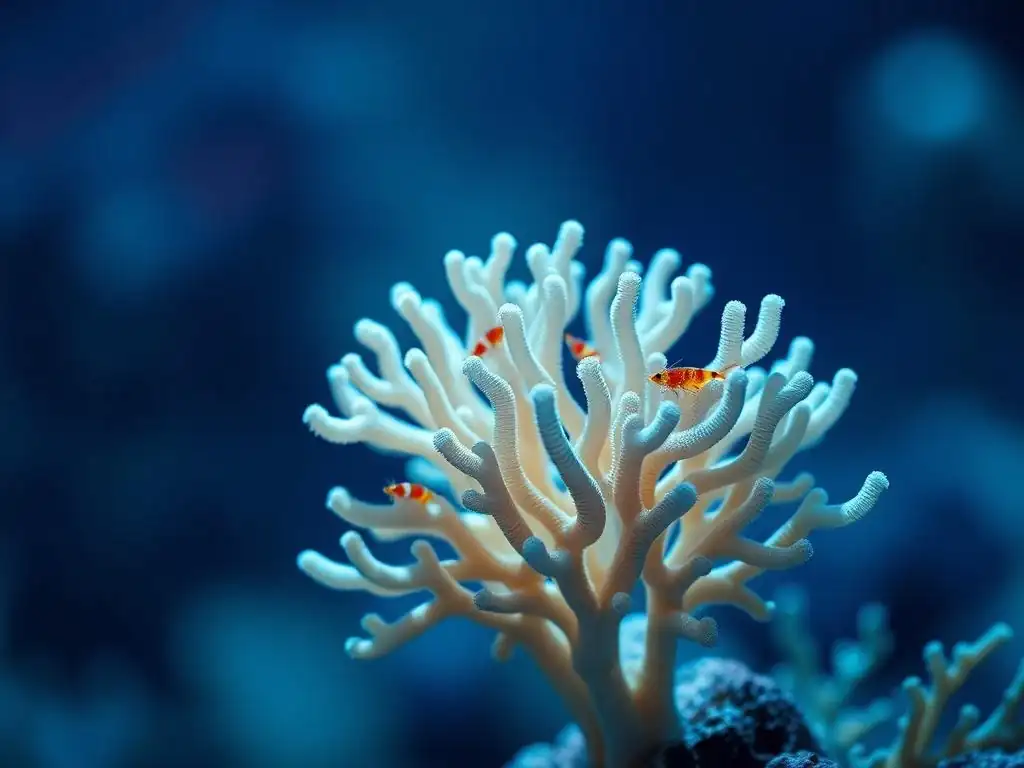
As this comparison illustrates, while all three are LPS corals, their specific lighting needs vary significantly. Euphyllia and Acans prefer lower light intensities, with Acans being particularly sensitive, often thriving on the sandbed. Favia corals, on the other hand, are more robust and can handle slightly higher PAR levels, making them versatile for mid-tank placement. Understanding these nuances is crucial for successful LPS coral lighting flow management and placement within a mixed reef aquarium. Proper placement ensures each coral receives its optimal light, preventing stress and promoting vibrant growth.
A Side-by-Side Comparison of Flow Requirements
| Coral Species | Preferred Flow Type | Key Considerations |
|---|---|---|
| Euphyllia (Hammer, Torch, Frogspawn) | Gentle, Indirect, Laminar | Delicate polyps; prone to tearing from strong, direct flow. Needs gentle sway. |
| Favia (Brain Coral) | Moderate, Varied, Turbulent | More robust; needs flow to prevent detritus buildup. Can handle some direct flow. |
| Acan Lordhowensis | Low, Turbulent, Indirect | Sensitive to direct flow; needs turbulent flow to prevent detritus. |
The differences in flow preferences are as distinct as their lighting needs. Euphyllia corals, with their large, delicate polyps, demand the gentlest flow to avoid physical damage and allow for full extension. Favia corals are more resilient and benefit from moderate, varied flow that keeps their textured surfaces clean. Acans, while also sensitive to direct flow, require a low, turbulent current to ensure nutrient delivery and prevent detritus accumulation in their crevices. Successfully managing LPS coral lighting flow means tailoring the water movement to each species' specific physiological and morphological characteristics.
Signs of Improper Lighting and Flow in LPS Corals
Identifying Lighting Stress in Euphyllia, Favia, and Acan Lordhowensis
Color Changes and Tissue Recession
One of the most immediate indicators of lighting stress in LPS corals is a change in coloration. If a coral is receiving too much light, it will often begin to bleach, turning progressively lighter, white, or even translucent as it expels its symbiotic zooxanthellae. For example, a vibrant green Favia might turn pale green or even white.
Conversely, if the light is insufficient, corals may appear dull, lose their intensity, or even darken as they try to produce more photosynthetic pigments to compensate for the lack of light. An Acan Lordhowensis, known for its bright reds and oranges, might appear muddy or brownish under low light.
Tissue recession is another critical sign of lighting stress. This manifests as the coral's fleshy tissue pulling back from its skeleton, exposing the white or brown skeletal structure underneath. This can occur slowly over days or weeks, starting from the edges or base of the coral. While tissue recession can be caused by various factors, including water chemistry issues or disease, when observed in conjunction with color changes, it strongly suggests a problem with the LPS coral lighting flow. For Euphyllia, the polyps might appear shrunken and unable to inflate fully, even if other parameters are stable.
Recognizing Flow Stress in LPS Corals
Tissue Recession and Inflated Appearance
Flow stress in LPS corals can manifest in distinct ways depending on whether the flow is too high or too low. If the water flow is excessively strong, delicate corals like Euphyllia will often show severe tissue recession, tearing of polyps, or a constant "deflated" or "blown out" appearance, where the polyps are unable to extend fully. The constant battering from strong currents can physically damage the coral tissue, leading to open wounds and susceptibility to bacterial infections. A Favia might show signs of tissue stripping in areas constantly hit by direct flow.
Conversely, insufficient flow can lead to an overly inflated or "puffy" appearance in LPS corals, particularly in species like Acans. While some inflation is normal, excessive puffiness can indicate that waste products are accumulating around the coral, or that essential nutrients are not being delivered efficiently. This stagnation can also lead to detritus settling on the coral's surface, promoting localized tissue irritation and algae growth. In the long term, both too much and too little LPS coral lighting flow can lead to tissue necrosis and ultimately, the coral's demise.
Maintaining Optimal Conditions for LPS Corals: Practical Tips
Choosing the Right Lighting System for Your LPS Coral Tank
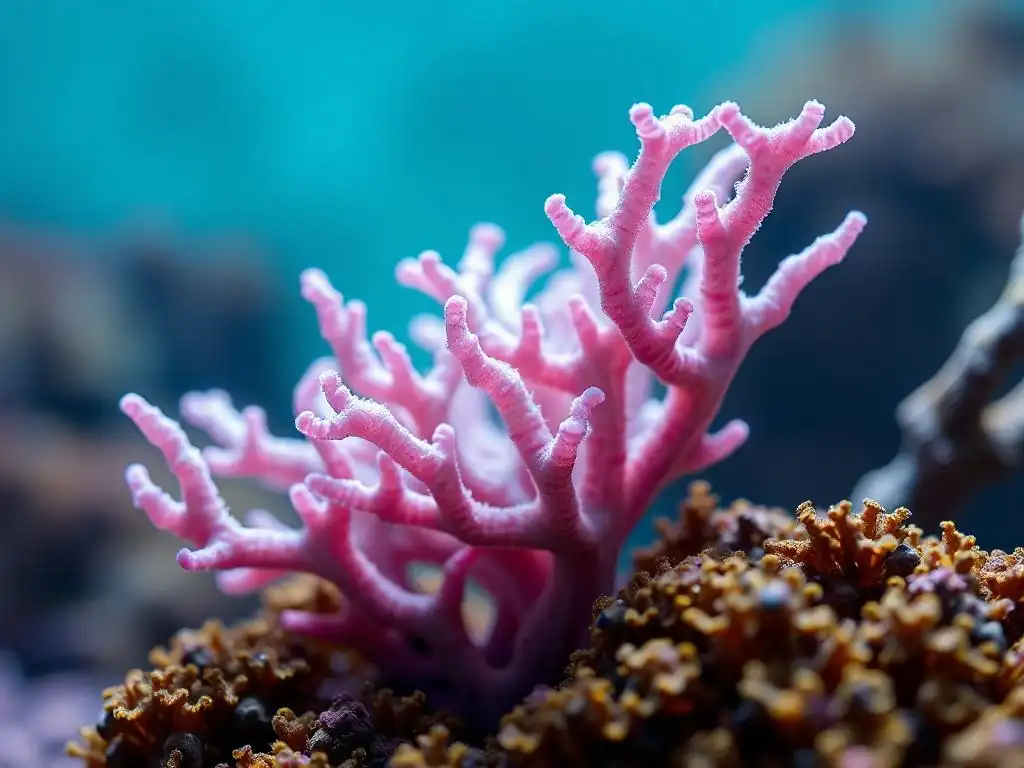
Selecting the appropriate lighting system is fundamental to providing optimal LPS coral lighting flow conditions. LED fixtures are highly popular due to their energy efficiency, controllability, and ability to produce a wide spectrum of light. When choosing LEDs, look for fixtures that offer individual control over different color channels (e.g., blue, white, violet) and dimming capabilities. This allows you to fine-tune the spectrum and intensity to meet the specific needs of different LPS species within your tank.
- Consider PAR Output: Research the PAR output of the fixture at various depths to ensure it can deliver the required intensity to your corals.
- Acclimation Mode: Many modern LED lights feature an acclimation mode, which slowly increases light intensity over several weeks. This is invaluable when introducing new corals or upgrading your lighting.
- Spectrum Customization: Prioritize fixtures that allow for a high degree of spectrum customization, enabling you to dial in the ideal blue-heavy spectrum favored by most LPS corals.
- Future Growth: Choose a system that can accommodate the growth of your corals and potential future additions, providing flexibility in light intensity.
Implementing Effective Flow Strategies for a Healthy Reef
Implementing effective flow strategies requires careful planning and observation. The goal is to create diverse, non-linear water movement that mimics natural reef environments, catering to the varied LPS coral lighting flow preferences of your tank inhabitants.
- Multiple Powerheads: Instead of one large powerhead, use several smaller, strategically placed powerheads or wavemakers. This allows for more varied and indirect flow patterns.
- Opposing Flow: Position powerheads on opposite sides of the tank, facing each other or angled towards the front/back glass. This creates turbulent, chaotic flow as the currents collide.
- Randomized Settings: Utilize powerheads with random or pulsing flow settings. This mimics natural wave action and prevents constant, unidirectional flow that can stress corals.
- Observe Coral Response: Regularly observe your corals' polyps. Euphyllia should sway gently, Favia should be free of detritus, and Acans should be inflated but not "blown out." Adjust powerhead direction or intensity based on these observations.
- Maintenance: Keep powerheads clean and free of algae buildup, as this can impede their performance and alter flow patterns.
When an LPS coral shows signs of lighting stress, systematic troubleshooting is essential. The first step is to confirm the PAR levels at the coral's current position using a PAR meter. If a meter is unavailable, comparing the coral's current placement to known PAR zones in your tank or to the manufacturer's PAR map for your light fixture can provide an approximation.
- Too Much Light (Bleaching, Fading):
- Action 1: Move the coral to a lower light area of the tank (e.g., sandbed, under an overhang).
- Action 2: Reduce the overall light intensity or duration of your lighting system.
- Action 3: Place a piece of egg crate or screen over the coral temporarily to diffuse light.
- Action 4: Slowly acclimate the coral back to desired lighting once it recovers.
- Too Little Light (Dullness, Poor Growth):
- Action 1: Move the coral to a brighter area of the tank.
- Action 2: Increase the overall light intensity or duration of your lighting system gradually.
- Action 3: Ensure your light fixture is clean and not obstructed.
- Action 4: Consider upgrading your lighting system if it's consistently insufficient for your desired coral population.
Diagnosing and correcting flow-related problems also requires careful observation of your corals and the water movement within the tank. Pay attention to how your corals' polyps are behaving and if detritus is settling on their surfaces.
- Too Much Flow (Retraction, Tearing, "Blown Out" Appearance):
- Action 1: Reposition powerheads to create more indirect flow, aiming them at the glass or rockwork.
- Action 2: Reduce the intensity of your powerheads or switch to a lower GPH (gallons per hour) model.
- Action 3: Place a rock or other decor in front of the coral to break up direct flow.
- Action 4: Ensure powerheads are not aimed directly at the coral's polyps.
- Too Little Flow (Detritus Buildup, Puffy Appearance, Algae on Coral):
- Action 1: Increase the intensity of existing powerheads.
- Action 2: Add additional powerheads to create more water movement.
- Action 3: Adjust powerhead angles to eliminate "dead spots" in the tank.
- Action 4: Ensure powerheads are clean and free of obstructions.
- Action 5: Consider implementing pulsing or random flow modes to create more dynamic water movement.
By diligently monitoring and adjusting LPS coral lighting flow parameters, aquarists can create an environment where Euphyllia, Favia, and Acan Lordhowensis corals can truly flourish.
Frequently Asked Questions
What is the optimal lighting intensity for LPS corals like Euphyllia, Favia, and Acanthastrea?
LPS corals generally prefer moderate lighting. Avoid intense light that can bleach them. Consider the specific needs of each species, as some may tolerate slightly higher light levels.
How important is water flow for LPS corals, and what type of flow is best?
Water flow is crucial for delivering nutrients and removing waste. LPS corals thrive with moderate, indirect flow. Avoid direct, strong currents that can damage their tissues.
Can I keep Euphyllia, Favia, and Acanthastrea corals together in the same tank, considering their lighting and flow requirements?
Yes, these corals can be kept together, but careful placement is key. Ensure each coral receives its preferred lighting and flow by strategically positioning them within the tank.
What are some signs that my LPS corals are not getting enough (or are getting too much) light?
Signs of too much light include bleaching or paling. Signs of too little light can include browning or stretching towards the light source.
How often should I adjust the lighting and flow in my reef tank to accommodate LPS coral growth and health?
Regular observation is key. Adjust lighting and flow if you notice signs of stress. Incremental changes are better than sudden shifts, allowing corals to acclimate gradually to new conditions.
Final Reflection: Illuminating the Reef's Future
The intricate dance between light, flow, and the health of LPS corals, as explored in this article, is not just a scientific curiosity, but a vital understanding for the sustainability of our reef ecosystems. The delicate balance we've examined, specifically concerning Euphyllia, Favia, and Acanthastrea, underscores the responsibility we bear as aquarists and conservationists to replicate and protect these environments.
This journey into the specific needs of these corals has profoundly impacted my understanding of the interconnectedness within a reef aquarium. It's a constant reminder that successful reef keeping is not simply about providing the bare minimum, but about striving to understand and mimic the natural conditions that allow these organisms to thrive. In the end, we will conserve only what we love; we will love only what we understand; and we will understand only what we are taught.
- Baba Dioum. This quote perfectly encapsulates the importance of continuous learning and sharing of knowledge within the reefing community.
Now, I invite you to reflect on your own practices. Consider how you can refine your approach to lighting and flow, not just for the immediate health of your LPS corals, but as a contribution to the broader understanding and preservation of these magnificent ecosystems. Let's continue to learn, adapt, and share our knowledge, ensuring a vibrant future for our reefs, both in our tanks and in the ocean.
Ignite Your LPS Coral Growth!
Thanks for diving into the world of LPS corals! We hope you’ve gained valuable insights into tailoring lighting and flow for Euphyllia, Favia, and Acans. Now, let’s put that knowledge into action:
- Fine-tune your lighting and flow for one of your LPS corals this week and closely observe its response over the next few days.
- Share a photo of your flourishing LPS coral on social media using #AquariumMasteryLPS, and inspire others with your success.
- Research a less common LPS coral species and discover its specific lighting and flow requirements – then share your findings in the comments!
What surprising changes did you observe in your LPS coral after adjusting its environment?