
Master Advanced SPS Fragging: Techniques for Acropora, Montipora, and Seriatopora

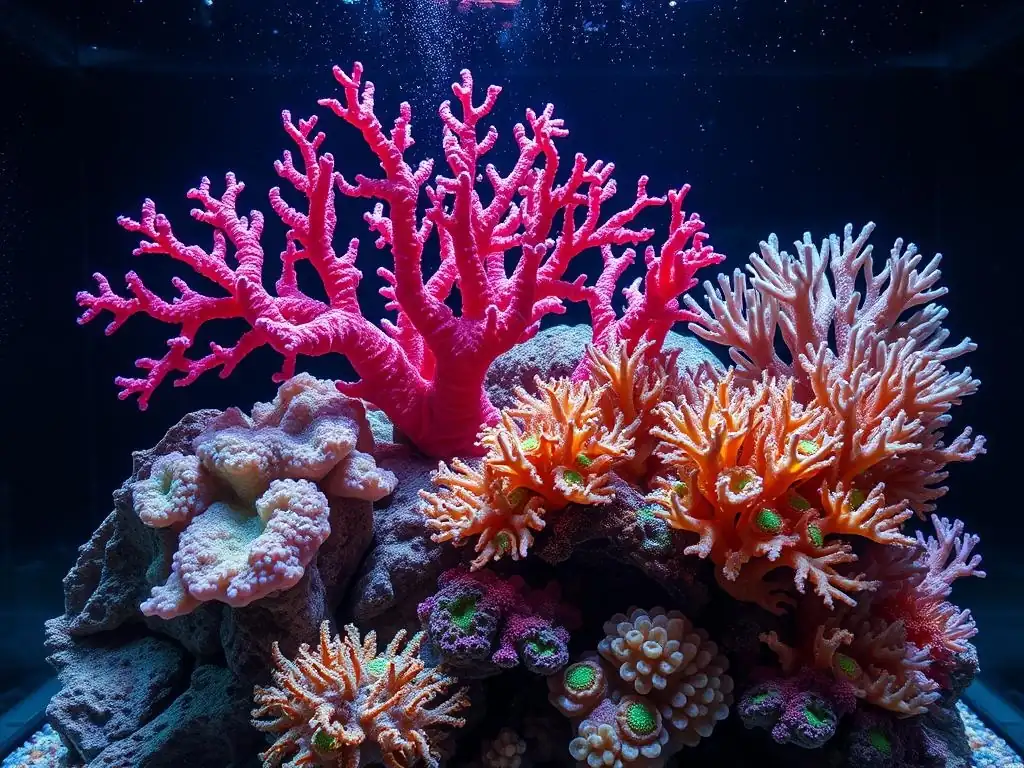
Welcome to Aquarium Mastery!
Ever wondered how the pros propagate those breathtaking SPS corals? Dive into the intricate world of SPS fragging techniques and unlock the secrets to successfully fragging Acropora, Montipora, and Seriatopora. Ready to take your reef tank to the next level? Let's get started!
- Advanced SPS Fragging: Techniques for Acropora, Montipora, and Seriatopora
- Understanding SPS Coral Fragging
- Acropora Fragging Techniques
- Montipora Fragging Techniques
- Seriatopora Fragging Techniques
- Optimizing the Frag Tank Environment for SPS Corals
- Troubleshooting Common SPS Fragging Issues
- Post-Fragging Care and Long-Term Growth
- Advanced SPS Fragging: Tips and Tricks
-
Frequently Asked Questions
- What are the primary SPS corals targeted for advanced fragging techniques?
- Why is advanced SPS fragging considered more challenging than fragging other types of corals?
- What specific tools are essential for performing advanced SPS fragging?
- What are some common mistakes that beginners make when attempting advanced SPS fragging?
- What post-fragging care is crucial for ensuring the survival and growth of SPS coral frags?
- Final Reflection: Cultivating the Future of Coral Reefs
- Ignite Your Reef: Become an SPS Fragging Pro!
Advanced SPS Fragging: Techniques for Acropora, Montipora, and Seriatopora
Understanding SPS Coral Fragging
What is SPS Fragging and Why is it Important?
SPS fragging, or Small Polyp Stony coral fragging, refers to the asexual propagation of these corals by intentionally breaking or cutting off a piece of a larger colony. This technique mimics natural processes where fragments break off due to storms or other disturbances, settling elsewhere to grow into new colonies. For aquarists, fragging serves multiple purposes, including sustainable propagation, creating new colonies for sale or trade, rescuing parts of a dying mother colony, and managing the growth and shape of corals within a display tank to achieve a desired aquascape.
The importance of advanced SPS fragging techniques extends beyond simple propagation. It is a cornerstone of sustainable reef keeping, reducing reliance on wild-caught corals. A single healthy Acropora millepora colony, for instance, can yield dozens of frags over its lifespan, contributing significantly to the hobby's coral supply.
Many hobbyists initiate their reef tanks with small, affordable frags, which, over time, can grow into diverse and vibrant ecosystems, potentially saving hundreds or even thousands of dollars compared to purchasing mature colonies. For example, a 1-inch Acropora frag might cost between $30 and $60, whereas a 6-inch colony of the same species could easily retail for $200-$500.
Essential Tools for SPS Coral Fragging
Successful SPS fragging requires a specific set of tools, each serving a critical function in ensuring clean cuts, proper attachment, and overall frag health. Key tools include high-quality bone cutters or coral shears for making precise cuts through the hard skeletal structure of corals like Acropora and Seriatopora. For thinner plating Montipora, a sharp scalpel can also be effective. Frag plugs or discs, typically ceramic or aragonite-based, provide a stable substrate for the frag to attach and grow onto.
Adhesion is primarily achieved with super glue gel (cyanoacrylate), which cures rapidly underwater, offering quick attachment. For larger frags or more permanent installations, reef-safe epoxy can be used to provide a stronger, more sculptable bond. Coral dip solutions are indispensable for pest prevention, used to cleanse frags before introduction to any tank.
Lastly, personal protective equipment, such as gloves and eye protection, is crucial for safety, as coral tissue can be irritating and cutting tools are sharp. Sterilizing all tools with a 10% bleach solution or isopropyl alcohol before and after each use is a critical step, significantly reducing the risk of disease transmission between corals and ensuring the long-term success of your SPS fragging techniques advanced.
Acropora Fragging Techniques
Selecting Healthy Acropora Colonies for Fragging
The foundation of successful Acropora fragging lies in the careful selection of a healthy, robust mother colony. A prime candidate will exhibit vibrant coloration, full polyp extension, and demonstrably healthy tissue with no signs of recession, bleaching, or pest infestation. The colony should have been stable and growing consistently in its current environment for at least 3-6 months, indicating its resilience and adaptability. Avoid fragging any Acropora colony that has recently experienced stress, such as significant temperature fluctuations, sudden shifts in water parameters, or noticeable changes in light intensity or flow.
Fragging a healthy colony ensures that the resulting frags inherit strong genetics and a higher propensity for survival and growth. For example, an Acropora valida colony thriving with excellent polyp extension and a consistent growth rate of 1-2 inches per month in a well-maintained system represents an ideal source for frags.
Such a colony has robust calcification and energy reserves, which are vital for the healing process post-fragging. Choosing a stressed or compromised colony will not only risk the health of the mother colony but also significantly reduce the survival rate and growth potential of the new frags, making this initial selection paramount for advanced SPS fragging techniques.
Acropora Branching Fragging: Cutting Techniques for Fast Callousing
Branching Acropora species are commonly fragged by cutting off individual branches. For optimal success, select a healthy branch that is at least 2-3 inches in length. Using sharp bone cutters, make a clean, decisive cut. A 45-degree angle cut is often preferred as it slightly increases the surface area for attachment and can promote faster callousing—the process where the coral tissue grows over the cut, forming a protective layer. This callousing process typically takes 1-2 weeks, depending on the coral's health and water parameters.
To further enhance stability and encourage healing on the mother colony, some advanced Acropora fragging techniques involve making the cut slightly into the "live rock" base where the branch originates, if the colony is attached to rock. This can provide a more stable frag and facilitate the mother colony's recovery. Generally, an Acropora frag should be 1-2 inches in length for optimal survival rates; frags smaller than 1 inch tend to have a higher mortality risk, potentially dropping from a 95% survival rate to 70% or less due to increased stress and reduced energy reserves.
Acropora Table Fragging: Creating Stable Bases
Tabling Acropora species, such as Acropora hyacinthus or Acropora valida, require a different approach to fragging due to their unique growth form. The goal is to create a flat, stable frag that can be easily mounted and will continue its characteristic horizontal growth. Identify an area of the table with robust growth and minimal shading.
For these species, a Dremel tool equipped with a diamond cutting wheel or a specialized coral saw is often necessary to achieve a clean cut across the plate. Aim to include some of the central growth point if possible, or a section that clearly exhibits radial growth.
The cut should result in a frag that has a stable base, allowing for secure attachment to a frag plug or a flat piece of live rock. A well-cut Acropora table frag should ideally have a base diameter of at least 1.5-2 inches. This size provides ample surface area for secure adhesion, ensuring the frag remains stable in high-flow environments and has sufficient tissue mass to initiate new plating growth efficiently. Precision in these SPS fragging techniques advanced is key to minimizing stress and promoting successful propagation.
Mounting Acropora Frags: Epoxy vs. Cyanoacrylate Glue
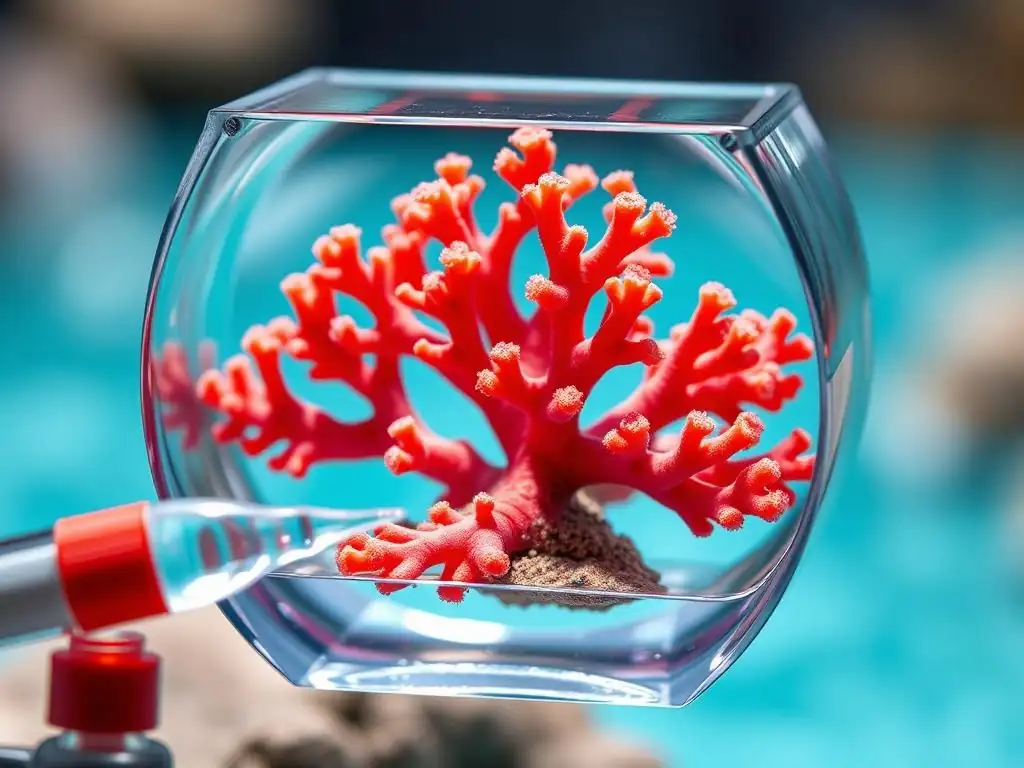
Mounting Acropora frags securely is crucial for their survival and growth, as unstable frags can experience tissue damage from movement or fall into detritus traps. Two primary adhesives are used: cyanoacrylate (super glue gel) and reef-safe epoxy. Super glue gel is fast-acting and ideal for smaller frags or attaching to frag plugs, as it cures quickly underwater, providing an instant hold. It’s particularly useful for its ease of application and rapid setup.
Epoxy, while slower to cure, provides a significantly stronger mechanical bond, making it suitable for larger frags or for attaching frags directly to live rock within the display tank. Epoxy can also be sculpted to create a more natural-looking base.
Many experienced aquarists employ a combination of both adhesives: a small bead of super glue gel is used for immediate security, followed by a small amount of reef-safe epoxy wrapped around the base for enhanced long-term stability, especially in areas of high water flow. This dual-method approach ensures the frag is firmly anchored, reducing stress and promoting faster callousing and growth.
Acropora Frag Propagation: Water Chemistry's Role in Survival
The success of Acropora frag propagation hinges significantly on maintaining precise and stable water chemistry. Key parameters vital for calcification and tissue regeneration include Alkalinity (dKH), Calcium (ppm), and Magnesium (ppm). For Acropora, ideal ranges are typically 8-12 dKH for alkalinity, 400-450 ppm for calcium, and 1250-1350 ppm for magnesium. Stability within these ranges is paramount; rapid fluctuations can cause immense stress to freshly fragged corals, hindering their healing process and potentially leading to tissue necrosis.
Consistent water parameters directly support the coral's ability to deposit new skeletal material and regenerate damaged tissue. For instance, an alkalinity fluctuation exceeding 0.5 dKH within a 24-hour period can significantly impede the healing of a freshly cut Acropora frag, making it more susceptible to infection and recession. Regular testing and precise dosing of these elements, often through automated dosing pumps or a calcium reactor, are essential. This meticulous attention to water chemistry is a hallmark of advanced SPS fragging techniques, ensuring the best possible environment for frag survival and vigorous growth.
Montipora Fragging Techniques
Montipora Cap Fragging: Maximizing Surface Area
Montipora species, especially plating or "cap" varieties like Montipora capricornis, are popular for their unique growth forms and vibrant colors. When fragging these species, the goal is often to maximize the surface area of the frag, which translates to greater light absorption and faster subsequent growth. To achieve this, identify a healthy, growing edge or a section of the plate. Use bone cutters or a sharp scalpel for thinner plates, making a clean, decisive cut.
Aim for a frag that is roughly 1-2 inches in diameter. Cutting a circular or oval shape from the edge of a plating Montipora colony is an effective way to maximize the surface area for future expansion once mounted. This technique, central to advanced SPS fragging techniques for Montipora, allows the frag to quickly establish itself and begin forming a new, robust plate. Ensuring the frag has sufficient healthy tissue around the cut will greatly improve its chances of survival and rapid growth.
Preparing Montipora for Fragging: Iodine Dips for Prevention
Before fragging Montipora colonies, and especially before introducing new frags into a frag tank or display system, a prophylactic dip is highly recommended. This crucial step helps reduce the risk of bacterial infections and, more importantly, eliminates common pests that can plague Montipora, such as Montipora-eating nudibranchs or various flatworms. Even seemingly clean colonies can harbor microscopic larvae or eggs that can quickly infest an entire system.
The procedure involves using a reef-safe, iodine-based coral dip solution (e.g., Coral Rx, Revive Coral Cleaner, or similar commercial products). Follow the manufacturer's instructions meticulously for dilution and dip duration, typically ranging from 5 to 15 minutes. During the dip, gently agitate the coral to dislodge any pests. A real-world application demonstrates the efficacy: a 10-minute dip in a commercial coral cleaner can reduce the incidence of post-fragging tissue recession in Montipora frags by up to 20-30%, particularly when dealing with colonies that might harbor invisible parasites, thereby significantly improving frag survival rates.
Montipora Fragging: Cutting and Gluing Methods for Plates
The cutting and gluing methods for Montipora plates differ slightly from branching corals due to their flatter, often thinner structure. For very thin plates, a sharp scalpel or heavy-duty, clean scissors can provide a precise cut. For thicker, more calcified Montipora plates, bone cutters are necessary to ensure a clean break without splintering the skeleton. Always aim for clean, decisive cuts to minimize tissue damage and promote faster healing.
When gluing Montipora frags, especially those with a delicate, thin structure, a generous application of super glue gel is vital. Apply the glue to a frag plug or a flat piece of live rock, then gently press the Montipora frag onto it, ensuring the entire cut edge is in firm contact with both the glue and the substrate. Some aquarists prefer a "sandwich" method, applying glue to both the plug and the frag, then pressing them together for maximum adhesion. This secure attachment is crucial for preventing the frag from dislodging, which can cause stress and hinder its growth.
Promoting Rapid Growth in Montipora Frags: Alkalinity Stability
For Montipora frags to exhibit rapid growth and calcification, maintaining precise and stable alkalinity levels is absolutely critical. Alkalinity is a measure of the water's buffering capacity and directly influences the availability of carbonate ions, which corals use to build their calcium carbonate skeletons. For optimal Montipora growth, a target alkalinity range of 8-10 dKH is generally recommended. Fluctuations outside this range, or rapid swings within it, can severely impede calcification and lead to stress.
Consistent monitoring, ideally daily or every other day initially, is essential. Precise dosing of alkalinity supplements, either manually or via an automated dosing system, is necessary to maintain this stability. A system where the dKH level varies by no more than 0.2 dKH per day can result in Montipora growth rates that are 15-20% faster compared to systems experiencing larger daily fluctuations. This meticulous control over alkalinity is a cornerstone of advanced SPS fragging techniques, ensuring the fastest possible recovery and growth for your Montipora frags.
Seriatopora Fragging Techniques
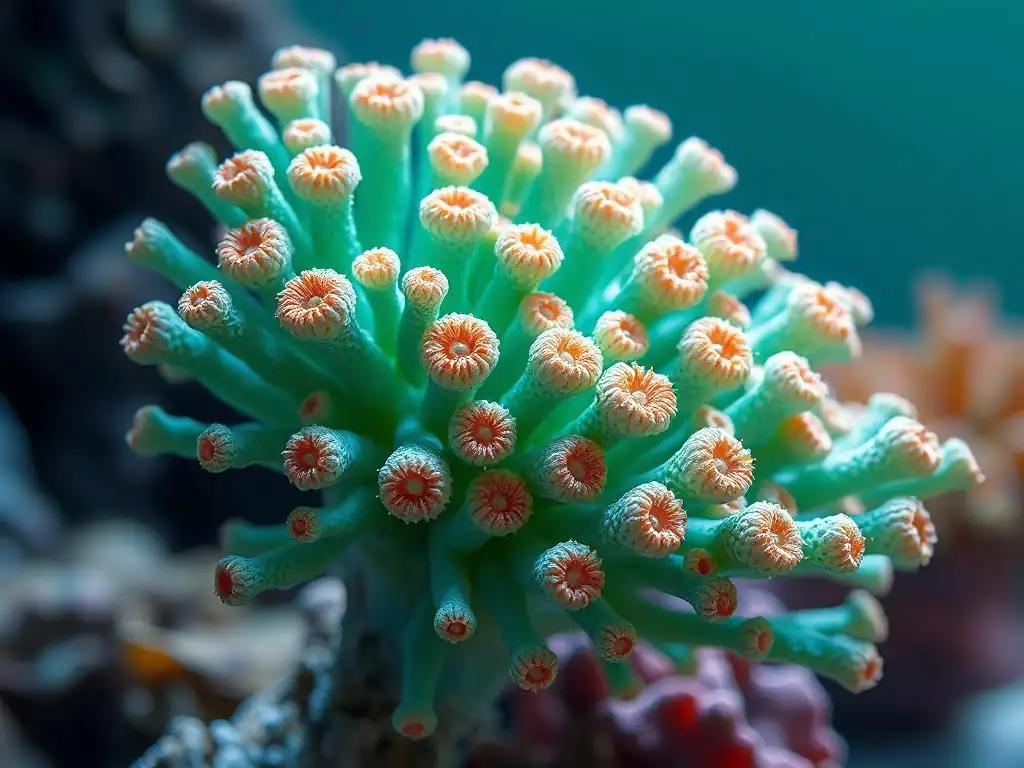
Seriatopora Fragging: Minimizing Stress on Delicate Branches
Seriatopora species, such as Seriatopora hystrix (Birdsnest coral), are highly prized for their intricate, delicate branching structures and vibrant colors. However, their fragility makes fragging them a delicate process where minimizing stress is paramount. When cutting, use very sharp, fine bone cutters or specialized coral shears. The goal is to make quick, clean cuts that sever the branch without crushing or splintering the surrounding skeletal tissue. Any undue pressure or tearing can cause significant tissue damage, leading to potential recession.
After cutting, handle the frags minimally and with extreme care. The less physical manipulation, the better. Place them back into a stable water environment immediately after cutting and mounting to reduce their exposure to air and minimize post-fragging shock. For Seriatopora, aim for frags that are approximately 1-1.5 inches in length. Frags smaller than this are generally more susceptible to stress-induced tissue necrosis, which can quickly spread and lead to the loss of the frag, highlighting the importance of gentle handling in advanced SPS fragging techniques.
Seriatopora Fragging: Best Practices with Bone Cutters
Given the delicate nature of Seriatopora branches, the proper use of bone cutters is essential for successful fragging. Precision is key. Position the bone cutters to make a single, clean cut through the skeletal structure. Avoid any twisting or wiggling motions that could tear the coral tissue or splinter the fragile skeleton. A slight angle (approximately 15-30 degrees) on the cut can sometimes aid in attachment and encourage new growth from the cut surface, but the primary focus should be on a clean severance.
Ensure that your bone cutters are consistently sharp and properly aligned. Dull or misaligned blades can lead to crushing of the delicate Seriatopora skeleton, which in turn can cause significant tissue damage and lead to tissue recession around the cut site. This recession can be a gateway for bacterial infections or simply hinder the frag's ability to heal and grow. Regular maintenance and replacement of cutting tools are therefore crucial for anyone practicing advanced SPS fragging techniques with Seriatopora.
Securing Seriatopora Frags: Avoiding Tissue Necrosis
Properly securing Seriatopora frags is critical to prevent tissue necrosis, a common issue with these delicate corals if they are not handled or mounted correctly. Use super glue gel for attachment. Apply a generous amount of glue to the frag plug or a small, flat piece of live rock. Gently press the Seriatopora frag onto the glue, ensuring there is good, even contact between the cut surface and the adhesive. It is important to avoid applying excessive force during this step, as crushing the delicate tissue can initiate necrosis.
Furthermore, ensure no air bubbles are trapped underneath the frag when mounting, as these can also lead to localized tissue death. Tissue necrosis, often appearing as spreading white patches originating from the base or cut site, can occur if the frag is stressed, improperly mounted, or exposed to adverse conditions. If not addressed promptly, this can lead to a loss of 20-30% of your Seriatopora frags. Secure mounting minimizes stress and provides a stable foundation for the frag's healing and subsequent growth.
Encouraging Coloration in Seriatopora Frags: Light Acclimation
The vibrant coloration of Seriatopora species, ranging from brilliant pinks to electric greens and deep purples, is largely dependent on the health of their symbiotic zooxanthellae and the specific lighting conditions they receive. To encourage optimal coloration in newly fragged Seriatopora, careful light acclimation is essential. Avoid placing a frag directly under intense lighting immediately after fragging, as this can cause light shock and lead to bleaching.
Instead, gradually introduce frags to higher light levels. Start them lower in the tank where PAR (Photosynthetically Active Radiation) is less intense, and slowly move them up over a period of several weeks. A typical acclimation schedule might involve starting at 100-150 PAR and increasing by 20-30 PAR per week until the desired long-term intensity (e.g., 250-350 PAR) is reached. Additionally, utilizing blue-spectrum lighting (specifically in the 450-470nm range) has been shown to enhance the production of chromoproteins responsible for the striking colors in Seriatopora, making light acclimation a key component of advanced SPS fragging techniques.
Optimizing the Frag Tank Environment for SPS Corals
Maintaining Ideal Water Parameters: Alkalinity, Calcium, Magnesium
For the successful healing and growth of SPS frags, maintaining consistent and ideal water parameters in the frag tank is non-negotiable. Alkalinity should be kept stable between 8-12 dKH, calcium between 400-450 ppm, and magnesium between 1250-1350 ppm. These ranges are crucial because they provide the necessary building blocks for calcification, the process by which corals build their skeletons. Stability is even more critical for frags than for mature colonies, as their healing tissues are highly sensitive to fluctuations.
Consistent levels prevent shock and facilitate rapid tissue regeneration and skeletal growth. Regular testing, ideally at least three times a week for these parameters, is vital. Implementing precise dosing systems, such as automated dosing pumps or a calcium reactor, is a hallmark of advanced SPS fragging techniques, ensuring the tight stability required for optimal frag health. Any significant deviation, even a temporary one, can slow healing, increase susceptibility to disease, and ultimately reduce frag survival rates.
Lighting and Flow Requirements: PAR and Wavemaker Placement
Optimizing lighting and water flow are two of the most critical environmental factors for SPS frags. SPS corals are highly photosynthetic and require high PAR (Photosynthetically Active Radiation) levels, typically ranging from 250-450 PAR, depending on the specific species and desired growth/coloration. Full-spectrum LED or T5 fluorescent lighting fixtures are commonly used to provide the necessary spectrum and intensity. Adequate lighting ensures the zooxanthellae within the coral tissue can produce sufficient energy for healing and growth.
Equally important is strong, turbulent, and random water flow. This movement is essential for delivering nutrients to the coral polyps and efficiently removing metabolic waste products. Wavemakers should be strategically placed to create chaotic flow patterns that reach all frags, avoiding direct laminar flow that can strip tissue. Good, varied flow also prevents detritus accumulation on the delicate coral tissue, which can lead to localized necrosis. For example, a 20-gallon frag tank might benefit from two small powerheads providing a combined flow of 1000-1500 GPH to ensure all frags receive adequate and varied water movement.
Preventing Algae Growth: Nutrient Control and Grazers
Nuisance algae growth poses a significant threat to delicate SPS frags, especially during their vulnerable healing phase. Algae can quickly overgrow and smother frags, blocking light and potentially causing tissue recession. Therefore, stringent nutrient control is paramount. Maintain ultra-low levels of nitrates (ideally below 10 ppm, preferably under 5 ppm) and phosphates (below 0.05 ppm, ideally under 0.03 ppm). This can be achieved through various methods, including the use of GFO (Granular Ferric Oxide), biopellets, refugiums with macroalgae (e.g., Chaetomorpha), and regular water changes.
In addition to chemical and biological filtration, introducing a clean-up crew of herbivorous grazers can help manage existing algae. Snails such as Trochus, Turbo, or Nassarius snails, along with small hermit crabs, can effectively consume nuisance algae on frag plugs and tank surfaces. Maintaining these low nutrient levels through effective filtration and consistent weekly water changes (e.g., 10-15%) is a fundamental aspect of advanced SPS fragging techniques, ensuring a clean and healthy environment for optimal frag recovery and growth.
Troubleshooting Common SPS Fragging Issues
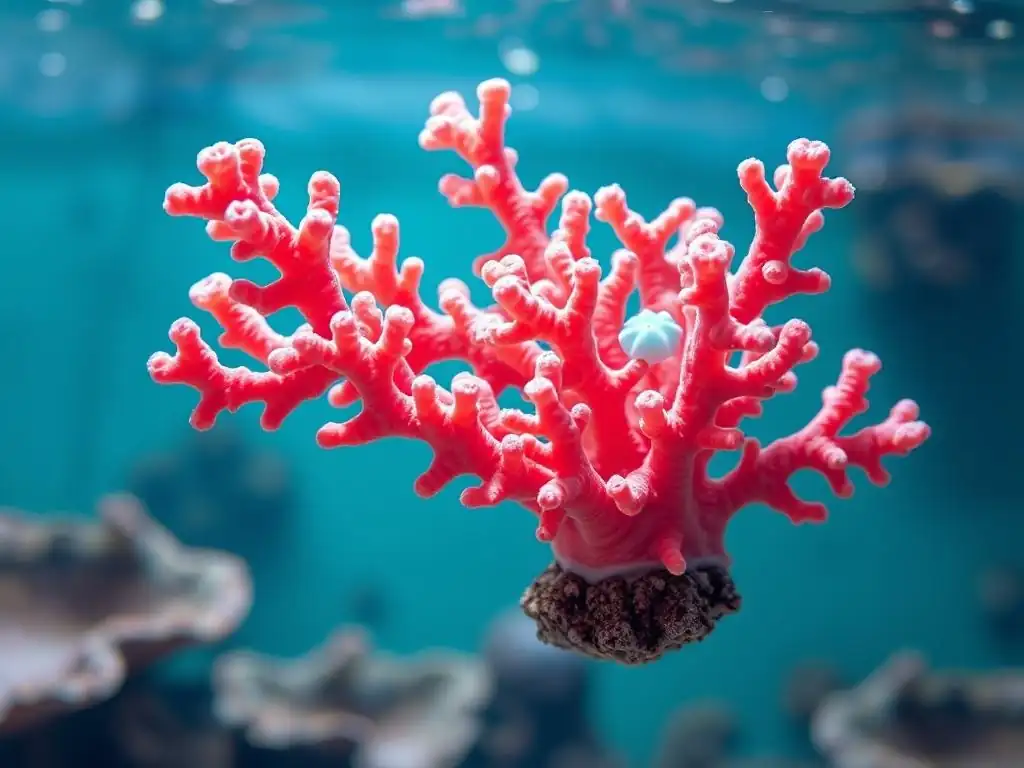
Identifying and Treating Bacterial Infections in SPS Frags
Bacterial infections are a common and often rapid threat to newly fragged SPS corals. Symptoms typically include rapid tissue necrosis (RTN) or slow tissue necrosis (STN), appearing as milky white patches or tissue sloughing off, often spreading from the cut site or areas of stress. These infections can quickly consume an entire frag if not addressed promptly. Identifying these symptoms early is critical for successful intervention.
Upon noticing signs of a bacterial infection, immediately remove the affected frag from the main frag tank to prevent potential spread. Treatment typically involves dipping the frag in an antibiotic solution, such as Furan-2 or Ciprofloxacin (used with extreme caution and proper guidance), or a strong, commercial iodine-based coral dip. If possible, isolate the frag in a separate quarantine tank with stable parameters during treatment. A swift response, within 24 hours of noticing symptoms, can dramatically increase frag survival rates from near zero to 50-70%, making timely intervention a key aspect of advanced SPS fragging techniques.
Addressing Slow Growth: Nutrient Levels and Flow
Slow growth in SPS frags can be a frustrating issue, often stemming from a combination of environmental factors. Common causes include nutrient imbalances (either too low or too high), insufficient lighting, inadequate water flow, or unstable water parameters. If frags are growing slowly, the first step is a thorough re-evaluation of all water parameters, including alkalinity, calcium, magnesium, nitrates, and phosphates.
If nitrates consistently read below 1 ppm and phosphates below 0.01 ppm, consider slightly increasing feeding or reducing the use of GFO/biopellets, as ultra-low nutrient levels (ULNS) can sometimes starve corals, leading to reduced growth even with advanced SPS fragging techniques. Check light intensity (PAR) and spectrum, adjusting as needed. Re-position wavemakers to ensure turbulent, varied flow around all frags, ensuring proper nutrient delivery and waste removal. Ensure frags are not shaded by other corals or rockwork, which can impede light exposure and growth.
Preventing Coral Bleaching: Temperature Stability and Gradual Light Increase
Coral bleaching, characterized by the loss of color due to the expulsion of symbiotic zooxanthellae, is a severe stress response that can lead to frag mortality. It is primarily caused by rapid temperature swings, sudden exposure to excessively high light levels, or prolonged periods of environmental stress. Preventing bleaching requires meticulous control over key environmental factors.
Maintain a stable temperature range, typically between 76-78°F (24.5-25.5°C), using a reliable heater and, if necessary, a chiller to counteract heat spikes. A temperature fluctuation of more than 2°F (1°C) within a few hours can induce bleaching, emphasizing the need for precise temperature control. When introducing new frags or moving them to higher light areas, always acclimate them gradually.
Start them in lower light areas and slowly move them up over several weeks, as discussed in Seriatopora light acclimation. Avoid placing new frags directly under the brightest spot in the tank, allowing them time to adjust to the new light intensity, which is a critical element of advanced SPS fragging techniques.
Post-Fragging Care and Long-Term Growth
Acclimation and Placement of New SPS Frags in the Display Tank
Once SPS frags have healed and shown initial signs of growth in a dedicated frag tank, they are ready for transfer to the main display tank. Proper acclimation is crucial if there are any significant differences in water parameters (salinity, temperature, dKH, Ca, Mg) between the frag tank and the display tank. A slow drip acclimation over 30-60 minutes can help minimize shock. Even if parameters are similar, a gentle transition is always beneficial.
Strategic placement in the display tank is vital for the long-term health and growth of the frag. Consider the specific light and flow requirements of the SPS species. For instance, most Acropora species thrive in the upper third of the tank where light intensity is highest (300-450 PAR) and flow is turbulent. Montipora species might tolerate slightly less intense light but still require strong, varied flow. Ensure the frag has ample room to grow without shading or stinging neighboring corals, which is a key consideration in advanced SPS fragging techniques.
Monitoring SPS Coral Health: Tissue Recession and Polyp Extension
Continuous monitoring of SPS coral health post-fragging is paramount for long-term success. Daily observation allows for early detection of potential issues. Two key indicators of SPS health are tissue recession and polyp extension. Tissue recession, appearing as white patches where the coral tissue pulls away from the skeleton, often starting from the base or cut site, can indicate stress, infection, pests, or unfavorable water conditions. Immediate investigation and intervention are necessary if observed.
Conversely, robust polyp extension—where the coral's polyps are fully extended and visible—is a strong indicator of a healthy, happy, and feeding coral. Poor or inconsistent polyp extension can signal stress, poor water quality, or irritation from pests. A healthy Acropora frag, for example, should exhibit full polyp extension within 24-48 hours of being placed in its final location in the display tank. Regular monitoring of these visual cues is an indispensable part of advanced SPS fragging techniques.
Feeding and Supplementation: Amino Acids and Trace Elements
While SPS corals primarily derive energy from their symbiotic zooxanthellae through photosynthesis, supplemental feeding and trace element supplementation can significantly boost their growth, coloration, and overall vitality, especially for newly fragged corals. Feeding with high-quality phytoplankton, zooplankton, or specialized coral foods 2-3 times per week provides additional energy and nutrients, promoting faster healing and skeletal growth.
Trace elements such as iodine, potassium, and strontium are consumed by corals during their calcification and metabolic processes. While regular water changes replenish some of these, specific dosing may be necessary in heavily stocked or fast-growing systems. Amino acids, often available as commercial supplements, have been shown to enhance coral coloration and growth. For instance, studies have indicated that consistent dosing of a balanced amino acid solution can increase Acropora growth rates by up to 10-15% in nutrient-poor systems, making it a valuable addition to advanced SPS fragging techniques.
Advanced SPS Fragging: Tips and Tricks
Maintaining Consistent Salinity for Optimal Growth
Maintaining consistent salinity is a fundamental, yet often overlooked, aspect of advanced SPS fragging techniques. SPS corals are highly sensitive to fluctuations in salinity, which can cause osmotic stress, hinder healing, and impede growth. The ideal salinity target for most reef tanks is 1.025-1.026 specific gravity or 35 ppt. Consistency is far more important than hitting an exact number, as long as it falls within the acceptable range.
To achieve this consistency, an ATO (auto top-off) system using purified RO/DI water is essential to counteract daily evaporation, which can otherwise cause salinity to creep upwards. Regularly check salinity with a calibrated refractometer or a reliable electronic probe. Fluctuations greater than 0.001 in specific gravity within a 24-hour period can significantly stress SPS corals, impacting their ability to heal and grow. Precision in salinity control helps to create a stable environment where frags can thrive without unnecessary physiological strain.
Utilizing Coral Dips to Prevent Pest Infestations
Prophylactic coral dipping is a crucial preventative measure for any serious aquarist engaging in advanced SPS fragging techniques. All new corals and frags, whether purchased or acquired from another hobbyist, should be dipped before being introduced into your frag tank or display system. This practice dramatically reduces the risk of introducing common and devastating SPS pests, such as Montipora eating nudibranchs, various flatworms, and Red Bugs ( Tegastes acroporanus).
Several commercial coral dip solutions are available, including those from brands like Bayer, Two Little Fishies Revive, and Brightwell Aquatics MediCoral. Always follow the manufacturer's instructions carefully for dilution and dip duration. Even seemingly clean frags can harbor microscopic pests or their eggs; a prophylactic dip can reduce the risk of a tank-wide infestation by over 90%, saving countless hours of future troubleshooting and potential coral losses. This proactive approach is a cornerstone of maintaining a healthy, pest-free SPS system.
Avoiding Overcrowding in the Frag Tank
While it can be tempting to maximize the number of frags in a dedicated frag tank, avoiding overcrowding is critical for the health and long-term success of your SPS fragging techniques advanced. Overcrowding leads to several detrimental issues. Firstly, it restricts water flow around individual frags, leading to stagnant areas where detritus can accumulate, potentially causing localized tissue necrosis. Adequate flow ensures proper nutrient delivery and waste removal for all frags.
Secondly, overcrowding can lead to chemical warfare (allelopathy) between corals, especially if different species are placed too close together. Corals release various chemicals into the water, and in confined spaces, these can build up to inhibitory levels, stressing neighboring corals and hindering their growth. A general rule of thumb is to allow at least 1-2 inches of space between small SPS frags to ensure ample water movement and prevent chemical competition. This strategic spacing also allows for optimal light penetration, ensuring all frags receive the necessary PAR for vigorous growth and coloration.
Frequently Asked Questions
What are the primary SPS corals targeted for advanced fragging techniques?
The advanced techniques discussed primarily focus on Acropora, Montipora, and Seriatopora species. These corals are known for their complex structures and sensitivity.
Why is advanced SPS fragging considered more challenging than fragging other types of corals?
Advanced SPS fragging requires a deeper understanding of coral physiology and water chemistry. These corals are more susceptible to stress and infection during the process.
What specific tools are essential for performing advanced SPS fragging?
Essential tools include a bone cutter or coral saw, a sterile blade, and cyanoacrylate glue or epoxy. Maintaining a clean and sterile environment is paramount.
What are some common mistakes that beginners make when attempting advanced SPS fragging?
Common mistakes include improper water parameters, insufficient lighting, and handling the coral roughly. This can lead to tissue necrosis and frag failure.
What post-fragging care is crucial for ensuring the survival and growth of SPS coral frags?
Crucial post-fragging care involves stable water parameters, adequate lighting, and good water flow. Regular observation for signs of infection is also essential.
Final Reflection: Cultivating the Future of Coral Reefs
The advanced SPS fragging techniques explored in this article are not merely about propagating coral; they represent a crucial step in preserving and revitalizing our endangered coral reefs. As climate change and pollution continue to threaten these vital ecosystems, mastering these methods becomes increasingly essential for both hobbyists and professionals dedicated to marine conservation. The ability to successfully fragment and grow these delicate corals offers a beacon of hope for the future health and biodiversity of our oceans.
This journey into advanced SPS fragging has undeniably deepened my appreciation for the intricate beauty and resilience of coral. Witnessing a tiny fragment transform into a thriving colony is a profoundly rewarding experience, fostering a deeper connection to the natural world and highlighting the importance of responsible reef keeping. In the end, we will conserve only what we love; we will love only what we understand; and we will understand only what we are taught.
- Baba Dioum. This quote resonates deeply, reminding us that education and hands-on experience are vital in fostering a generation of passionate reef stewards.
Now, I invite you to consider the role you can play in this vital endeavor. Whether you are a seasoned aquarist or just beginning your journey, embrace the knowledge shared here and explore the possibilities of advanced SPS fragging. By mastering these techniques and sharing your experiences, you can contribute to a brighter future for our coral reefs, ensuring that these vibrant ecosystems continue to thrive for generations to come.
Ignite Your Reef: Become an SPS Fragging Pro!
Thanks for diving into the world of advanced SPS fragging! You've unlocked the secrets to propagating some of the most stunning corals in the reef aquarium hobby. Now, let's put that knowledge into action and watch your coral collection flourish.
Here's what you can do next:
- Commit to fragging: Select one healthy SPS colony from your aquarium and plan your first advanced fragging session this week.
- Explore the spectrum: Experiment with different light intensities on your new frags to observe growth responses and document your findings.
- Share your success: Post a before-and-after photo of your fragging setup and newly mounted frags on social media using #AquariumMastery to inspire other reefers.
Ready to transform your reef tank into a thriving coral garden?