
Mushroom Coral Splitting: Natural Propagation in Your Tank

Welcome to Aquarium Mastery!
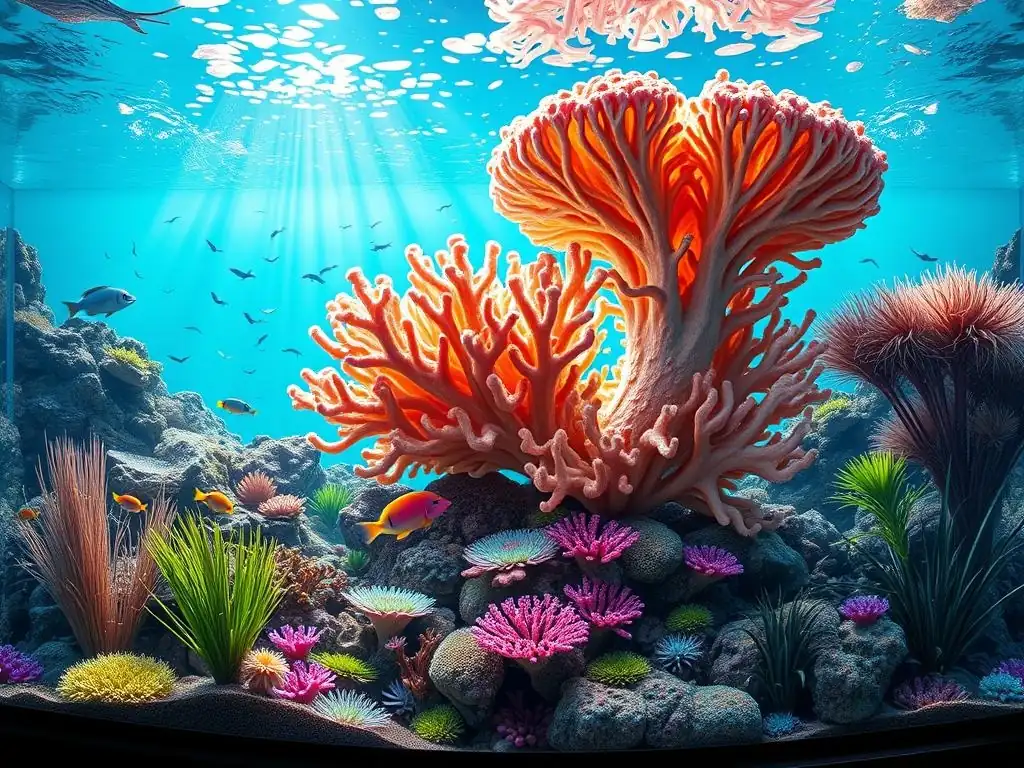
Ever wondered how to naturally expand your vibrant saltwater reef and cultivate even more stunning corals? Dive into the fascinating world of saltwater coral propagation techniques and discover a surprisingly simple method right within your own tank. This article explores mushroom coral splitting, a natural and rewarding way to propagate these beauties. Intrigued? Keep reading to unlock the secrets to a thriving coral reef!
- Understanding Mushroom Coral Propagation in Saltwater Aquariums
- Factors Influencing Mushroom Coral Splitting
- Identifying Mushroom Coral Splitting in Your Tank
- Encouraging Mushroom Coral Propagation in Your Reef Tank
- Step-by-Step Guide to Handling Splitting Mushroom Corals
- Caring for Newly Propagated Mushroom Corals
- Troubleshooting Common Issues with Mushroom Coral Splitting
- Advanced Saltwater Coral Propagation Techniques: Beyond Splitting
- Conclusion: Mastering Mushroom Coral Propagation
-
Frequently Asked Questions
- What exactly is mushroom coral splitting and how does it relate to saltwater coral propagation?
- Why is mushroom coral splitting considered a desirable way to propagate corals in a saltwater aquarium?
- What factors contribute to mushroom coral splitting in a saltwater aquarium?
- How can I encourage mushroom coral splitting in my saltwater tank?
- What should I do after a mushroom coral has split in my saltwater aquarium?
- Final Reflection: Embracing the Art of Natural Growth
- Ignite Your Reef: Propagate Mushroom Corals Like a Pro!
Understanding Mushroom Coral Propagation in Saltwater Aquariums
What is Mushroom Coral Splitting and Why Does It Happen?
Mushroom coral splitting, also known as binary fission or budding, is a remarkable natural process by which a single mushroom coral polyp divides itself into two or more distinct polyps. This is one of the most common and effective saltwater coral propagation techniques observed in home aquariums for species like Discosoma, Rhodactis, and Ricordea mushrooms. The process typically begins when a mature polyp, often reaching a diameter of 2 to 4 inches, elongates or develops a constriction in its oral disc. This constriction deepens over several days or weeks until the original polyp completely separates into new, independent individuals.
This natural division is primarily a strategy for reproduction and growth, occurring when environmental conditions are optimal and the coral has accumulated sufficient energy reserves. It can also sometimes be a response to mild stress or changes in water parameters, prompting the coral to "hedge its bets" by creating new polyps. Unlike some other corals that reproduce through spawning, mushroom corals often engage in asexual reproduction through splitting, allowing them to rapidly colonize suitable areas within a reef tank and contribute significantly to the tank's biomass.
The Benefits of Natural Mushroom Coral Propagation
The natural propagation of mushroom corals offers numerous advantages for the enthusiastic aquarist. Firstly, it requires no manual intervention, minimizing stress on the coral and reducing the risk of infection or damage that can occur with methods like fragging. This hands-off approach allows the coral to reproduce at its own pace, indicating a healthy and thriving environment within the aquarium. Observing new mushroom polyps emerge naturally is a strong indicator that your saltwater coral propagation techniques are successful and your tank parameters are well-suited for soft coral growth.
Secondly, natural splitting provides a sustainable and cost-effective way to increase the coral population in your reef tank. Instead of purchasing new specimens, you can watch your existing colonies multiply, creating lush carpets of vibrant mushrooms. These "free" corals can then be used to fill out your aquascape, traded with fellow hobbyists, or even sold to local fish stores, contributing to the hobby's sustainability by reducing demand on wild-harvested corals. This method truly exemplifies effective saltwater coral propagation techniques, allowing the hobbyist to enjoy the full lifecycle of these fascinating invertebrates.
Factors Influencing Mushroom Coral Splitting
Water Quality and its Role in Coral Health and Propagation
Maintaining pristine and stable water quality is paramount for encouraging natural mushroom coral splitting and overall coral health. While mushroom corals are generally considered robust, consistent parameters are crucial for their metabolic processes and energy allocation towards growth and reproduction. Key parameters to monitor include alkalinity (dKH), calcium (Ca), magnesium (Mg), nitrates, and phosphates. For optimal health and to encourage saltwater coral propagation techniques like splitting, target an alkalinity of 8-12 dKH (with 9-10 dKH often being ideal), calcium levels between 400-450 ppm, and magnesium levels ranging from 1250-1350 ppm.
Furthermore, keeping nutrient levels in check is vital. While some mushroom species can tolerate slightly elevated nitrates (up to 10-20 ppm), lower levels (ideally below 5 ppm) are generally preferable for vibrant coloration and robust growth, which in turn supports splitting.
Phosphates should be kept as low as possible, ideally below 0.03 ppm, as higher concentrations can inhibit coral calcification and overall health, regardless of whether the coral is calcifying or not. Regular water changes (e.g., 10-20% bi-weekly) using a high-quality salt mix are essential for replenishing trace elements and maintaining parameter stability, fostering an environment conducive to natural saltwater coral propagation techniques.
Lighting and Flow Requirements for Optimal Splitting
The intensity and spectrum of lighting play a significant role in the health and propagation of mushroom corals. Most mushroom species thrive under low to moderate PAR (Photosynthetically Active Radiation) levels, typically ranging from 50 to 150 PAR. Too much light can cause these corals to recede, bleach, or shrink, diverting energy away from growth and natural splitting. Conversely, insufficient light can lead to dull coloration and slow growth. Experimentation with placement, such as positioning them lower in the tank or in shaded areas under rockwork, often yields the best results for encouraging these saltwater coral propagation techniques.
Water flow is equally important, though often overlooked for mushrooms. These corals prefer low to moderate, indirect water movement. Strong, direct flow can prevent them from fully extending their polyps, make it difficult for them to capture food particles, and impede the natural detachment of newly split polyps. Gentle, turbulent flow helps to deliver nutrients to the coral's surface and remove waste products without causing physical stress. Utilizing powerheads with diffusers or strategic placement to create chaotic, yet gentle, flow patterns can significantly improve the chances of successful natural splitting and overall mushroom coral health.
The Importance of Stable Parameters for Mushroom Coral Growth
Beyond specific parameter ranges, the consistency of water parameters is perhaps the most critical factor for encouraging consistent mushroom coral growth and propagation. Sudden fluctuations in temperature (ideally 76-78°F or 24.5-25.5°C), salinity (1.025-1.026 specific gravity), or pH (8.1-8.4) can cause significant stress to corals. When a coral experiences such instability, its energy is redirected from growth and reproduction towards simply surviving and adapting to the changing conditions. This directly inhibits the natural splitting process.
Maintaining a stable environment allows mushroom corals to thrive without expending unnecessary energy on adapting to changing conditions. Regular testing routines, automated top-off systems for salinity stability, and consistent maintenance schedules are fundamental to achieving this. A healthy, unstressed coral is far more likely to engage in natural saltwater coral propagation techniques like splitting, providing the aquarist with a continuous supply of new polyps and a vibrant, flourishing reef tank.
Identifying Mushroom Coral Splitting in Your Tank
Recognizing the Signs of Natural Division
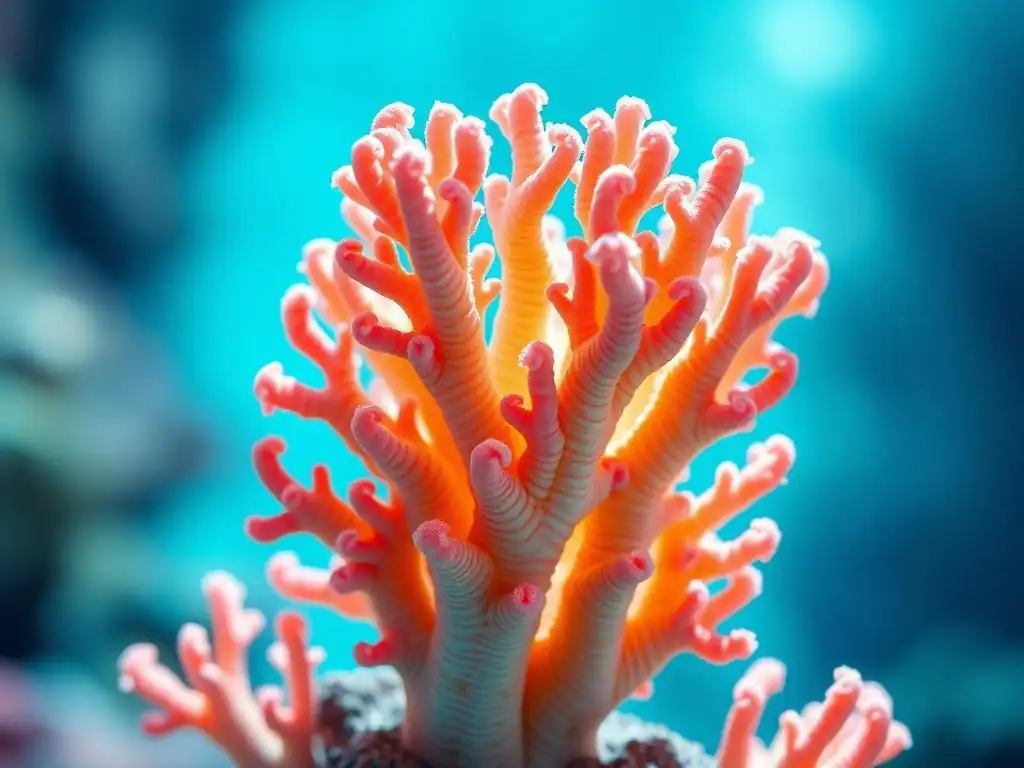
Observing the signs of natural mushroom coral division is an exciting part of reef keeping, confirming the success of your saltwater coral propagation techniques. The earliest indicators often involve a change in the coral's shape or appearance. You might notice a healthy, mature mushroom polyp beginning to elongate or develop a distinct "pinching" or indentation in its oral disc. In some cases, multiple mouths may become visible on a single polyp before the physical separation occurs.
As the splitting progresses, this indentation deepens, effectively constricting the original polyp into two or more distinct sections. Depending on the species and conditions, this process can take anywhere from a few days to several weeks. Eventually, the connection between the sections will thin and then completely sever, resulting in one or more new, independent mushroom polyps. These newly formed polyps will typically be smaller versions of the parent, but will quickly grow if conditions remain favorable.
Differentiating Splitting from Other Coral Issues
While natural splitting is a positive sign, it's crucial to differentiate it from other issues that might cause a mushroom coral to appear stressed or damaged. Tissue recession, for instance, involves a loss of tissue, often starting from the edges and progressing inwards, without the formation of new polyps or a clear line of division. This usually indicates poor water quality, disease, or aggression from neighboring corals. Similarly, "melting" is a rapid disintegration of the coral tissue, often due to severe stress, infection, or incompatible water parameters, and it looks nothing like a controlled, deliberate division.
Physical damage, such as a tear from strong flow or accidental contact, will also present differently. A damaged coral will have a ragged, unnatural tear rather than the symmetrical or controlled constriction seen during natural splitting. Always observe the coral's overall health, color, and turgidity. If the coral maintains vibrant coloration, a full appearance, and shows a clear, gradual division line, it is almost certainly undergoing natural splitting, a testament to effective saltwater coral propagation techniques.
Encouraging Mushroom Coral Propagation in Your Reef Tank
Optimizing Water Chemistry for Coral Splitting
To actively encourage mushroom coral splitting, a proactive approach to water chemistry optimization is essential. Regular and precise testing of key parameters – alkalinity, calcium, magnesium, nitrates, and phosphates – allows for targeted adjustments. For instance, if alkalinity is consistently low (e.g., below 8 dKH), consider dosing a two-part solution or kalkwasser to gradually raise it to the ideal range of 9-10 dKH. While mushrooms are soft corals, stable and balanced parameters provide the foundational metabolic stability needed for energy-intensive processes like reproduction.
Furthermore, maintaining ultra-low nutrient levels (nitrates below 5 ppm, phosphates below 0.03 ppm) through efficient protein skimming, regular water changes, and potentially the use of GFO or carbon, promotes a clean environment where corals can thrive and allocate resources to growth rather than combating algae or stress. High-quality salt mixes that provide all necessary trace elements in balanced proportions also contribute significantly to the overall health and propensity for natural saltwater coral propagation techniques like splitting.
Adjusting Lighting for Enhanced Growth and Propagation
If your mushroom corals are healthy but not splitting, their lighting conditions might be a factor. While often placed in lower light areas, some species may benefit from a slight adjustment in intensity or duration. If they appear stretched or dull, they might need a bit more light; if they are receding or bleaching, they are likely receiving too much. Experiment by moving a few polyps to different areas of the tank – perhaps slightly higher or lower, or into areas with more or less direct light.
For many mushroom species, a PAR range of 75-125 PAR is a sweet spot that encourages both vibrant coloration and active growth, often leading to natural division. Consider a photoperiod of 10-12 hours per day. Consistent light cycles, without drastic changes in intensity or duration, contribute to the coral's stability and energy production, which are vital for successful saltwater coral propagation techniques. Remember, a happy, well-fed, and properly lit mushroom coral is more likely to reproduce.
Maintaining Proper Water Flow for Mushroom Coral Health
Proper water flow is critical for mushroom coral health and plays a subtle but important role in encouraging natural splitting. These corals prefer gentle, indirect flow that prevents detritus from settling on their surfaces while still delivering nutrients and oxygen. Strong, direct flow can cause them to close up, detach prematurely, or expend energy fighting the current, inhibiting their growth and reproductive efforts.
Evaluate your powerhead placement to ensure there are no "dead spots" where detritus can accumulate, nor areas with excessive direct current. Aim for a randomized, turbulent flow that gently washes over the corals. This ensures that the coral's surfaces remain clean, reducing the risk of bacterial infections or irritation, and allows for the natural detachment of newly split polyps without them being blasted across the tank. Optimal flow contributes significantly to the overall success of your saltwater coral propagation techniques.
Step-by-Step Guide to Handling Splitting Mushroom Corals
Allowing Natural Detachment vs. Intervention
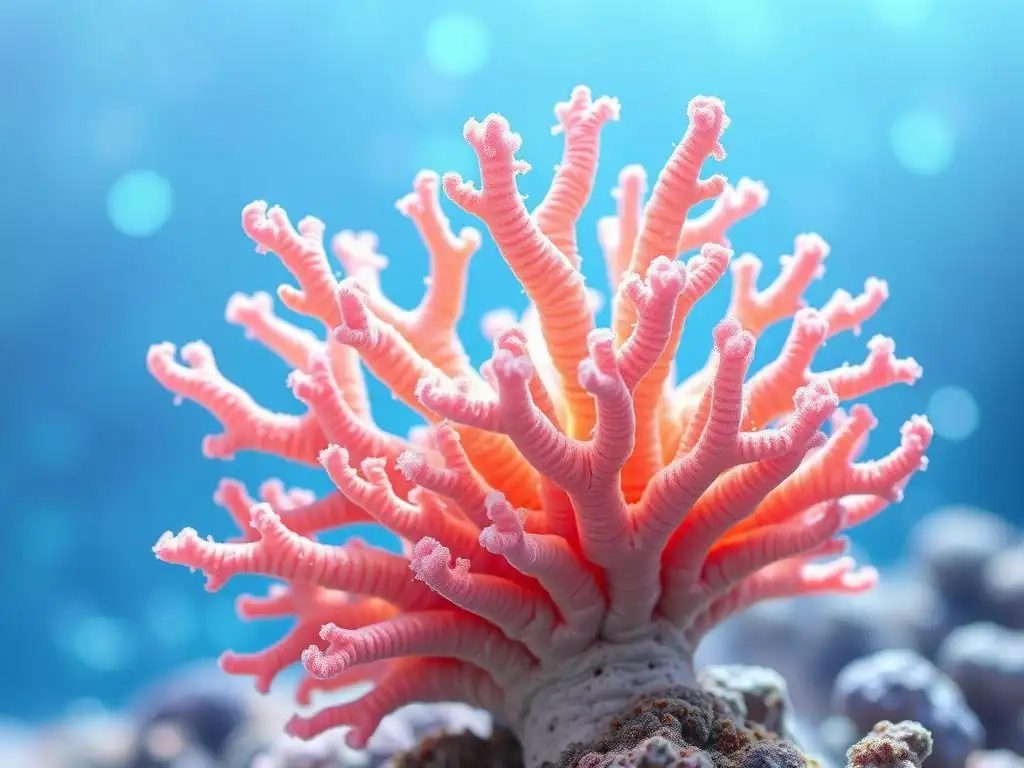
When a mushroom coral begins to split, the general rule of thumb is to allow the process to occur naturally without intervention. Natural detachment is the least stressful method for the coral, as it controls the timing and completion of the separation. The newly formed polyps will typically detach themselves once they are fully formed and ready to settle elsewhere. This "hands-off" approach is often the most successful of all saltwater coral propagation techniques for mushrooms.
However, there are rare instances where gentle intervention might be considered. If a splitting mushroom is lodged in a precarious position where it might be damaged upon detachment, or if a newly split polyp is drifting into an undesirable location (like an aggressive coral's territory or into a pump intake), you might carefully assist. But always prioritize the coral's natural process; patience is key.
Gently Moving Newly Split Mushroom Corals
Once a mushroom coral has naturally split and detached, it will often drift around the tank until it finds a suitable surface to re-attach to. To prevent it from ending up in an undesirable spot or getting damaged, you can gently move it. Use a soft-tipped tool, like a turkey baster or plastic tongs, to carefully guide the new polyp. Avoid using your bare hands, as natural oils on your skin can be harmful to coral tissue.
Place the newly split mushroom in a low-flow area of your tank, perhaps in a small dish or container filled with rubble or frag plugs, where it can safely settle. Ensure it is not being bothered by other tank inhabitants or strong currents. This controlled environment gives the new polyp the best chance to recover and securely attach itself to a new substrate, completing this phase of the saltwater coral propagation techniques.
Attaching New Mushroom Corals to Plugs or Rocks
After a mushroom coral has split and is ready to be secured, there are a few effective methods to attach it to a frag plug or a piece of live rock. The most common and least invasive method is simply to place the newly detached mushroom into a small container (like a plastic berry basket or a small cup) with some rubble or a frag plug.
Place this container in a low-flow area of the tank. The mushroom will typically attach itself naturally within a few days to a few weeks as its foot extends and adheres to the chosen substrate.
For a more immediate attachment, you can use cyanoacrylate super glue gel. Carefully remove the mushroom from the water for a brief moment, gently dab its foot (the underside where it would attach) with a paper towel to remove excess water, apply a small dab of super glue gel to the frag plug or rock, and then press the mushroom firmly onto the glue for 10-20 seconds. Return it to the tank quickly.
Ensure the glued mushroom is placed in an area with minimal flow until the glue fully cures, typically within an hour. This direct method is a reliable way to complete your saltwater coral propagation techniques for newly detached mushrooms.
Caring for Newly Propagated Mushroom Corals
Providing Ideal Conditions for Growth and Recovery
Newly propagated mushroom corals, whether from natural splitting or manual fragging, require stable and optimal conditions to recover and grow into healthy, mature polyps. The fundamental parameters (temperature, salinity, pH, alkalinity, calcium, magnesium, nitrates, and phosphates) must be consistently maintained within their ideal ranges, as previously discussed. Any significant fluctuations can stress the young polyps, diverting energy from growth and recovery.
Place the newly attached mushrooms in an area of the tank with low to moderate lighting and gentle, indirect water flow. This minimizes stress and allows them to acclimate to their new location without being overwhelmed. Avoid placing them too close to aggressive corals or areas with high flow that could dislodge them before they are firmly attached. A stable environment is paramount for successful saltwater coral propagation techniques.
Monitoring Water Parameters Post-Splitting
While the splitting process itself indicates a healthy environment, it's particularly important to diligently monitor water parameters in the weeks following the division, especially if you have numerous new polyps or have recently performed any manual fragging. Although mushroom corals don't consume significant amounts of calcium or alkalinity for their soft bodies, maintaining stability is crucial for their overall metabolic health.
Regularly test your dKH, calcium, and magnesium to ensure they remain within the recommended ranges. Pay close attention to nitrates and phosphates, as stress can sometimes make corals more susceptible to nutrient-related issues. Consistent weekly or bi-weekly water changes (e.g., 10-20% of tank volume) will help replenish trace elements and maintain the pristine conditions necessary for the rapid growth and recovery of your newly propagated mushrooms, ensuring the long-term success of your saltwater coral propagation techniques.
Feeding and Supplementation for New Mushroom Corals
Although mushroom corals are primarily photosynthetic, deriving much of their energy from their symbiotic zooxanthellae, newly propagated polyps can greatly benefit from supplemental feeding. Providing them with fine particulate foods can accelerate their growth and recovery, as they can directly absorb nutrients from the water column.
Offer foods such as finely crushed flakes or pellets, zooplankton, or phytoplankton a few times per week. Target feeding using a turkey baster or pipette can ensure the food reaches the polyps directly. While trace elements are usually replenished through regular water changes with a high-quality salt mix, some hobbyists choose to supplement with iodine or strontium, believed to aid in soft coral health and growth. Always research specific supplement dosages and monitor your tank's parameters closely if you choose to dose, as over-supplementation can be detrimental to your saltwater coral propagation techniques.
Troubleshooting Common Issues with Mushroom Coral Splitting
Slow or Non-Existent Splitting
If your mushroom corals are healthy but not showing signs of splitting, several factors could be at play. Firstly, re-evaluate your water parameters. While they might be within acceptable ranges, perhaps they are not in the "sweet spot" that truly encourages proliferation. Ensure alkalinity is stable, nutrients are low, and all major parameters are consistent. Secondly, review your lighting and flow. Too much or too little light can inhibit growth; try adjusting their placement to a slightly different light intensity or flow pattern.
Aggression from neighboring corals, even subtle chemical warfare, can also stress mushrooms and prevent splitting. Ensure they have adequate space. Lastly, consider target feeding your mushrooms. While they are photosynthetic, providing additional nutrition can boost their energy reserves and encourage growth, which often precedes splitting. Patience is also a virtue; some mushroom species simply split less frequently than others, or it may take months for a polyp to reach the size where it's ready to divide.
Tissue Recession After Splitting
Tissue recession in newly split or even the parent mushroom polyp after division is a serious concern, indicating significant stress or underlying issues. The immediate step is to conduct a full suite of water parameter tests (dKH, Ca, Mg, nitrates, phosphates, salinity, pH, temperature). Poor water quality or sudden parameter swings are often the culprits. Address any detected imbalances promptly but gradually.
Check for physical damage during handling or if the newly split piece has been battered by strong currents or other tank inhabitants. Ensure the coral is not being stung or chemically irritated by neighboring corals. Sometimes, a bacterial infection can set in, especially if the split was not clean or if the coral was stressed. If recession continues, isolating the affected polyp in a quarantine tank with stable, pristine water can sometimes help it recover. This is a critical troubleshooting step for any saltwater coral propagation techniques.
Preventing Infections in Newly Divided Corals
Preventing infections in newly divided mushroom corals is crucial for their survival and successful integration into your reef tank. The primary defense against infection is maintaining impeccable water quality and stability. Clean water reduces the bacterial load in the tank, minimizing the chances of opportunistic pathogens taking hold in any minor tissue abrasions that might occur during splitting or handling.
Ensure adequate, gentle water flow around newly split polyps. Stagnant water can allow detritus to accumulate on the coral's surface, creating an environment ripe for bacterial growth. Avoid unnecessary physical contact with the corals, and if you must handle them, do so gently with clean, non-abrasive tools. While coral dips are primarily used for new arrivals to a tank, they are generally not recommended for naturally split polyps unless there is a clear sign of infection. Focus on providing a stress-free environment with optimal conditions to allow the coral's natural healing and recovery processes to flourish.
Advanced Saltwater Coral Propagation Techniques: Beyond Splitting
Fragging Mushroom Corals: A More Controlled Method
While natural splitting is ideal, manual fragging offers a more controlled and often faster way to propagate mushroom corals, especially if you have a large, healthy specimen and want to accelerate your saltwater coral propagation techniques. This method involves physically cutting a healthy mushroom polyp into multiple pieces, each capable of growing into a new, independent coral. The process requires a sharp, clean scalpel or razor blade.
To frag, carefully remove the mushroom from the tank and place it on a clean, non-porous surface (like a cutting board) in a shallow tray of tank water. Make a clean cut through the oral disc, ensuring each piece has a portion of the central mouth or at least enough tissue to regenerate. After cutting, attach each frag to a frag plug or small piece of live rock using cyanoacrylate super glue gel.
Return the newly fragged pieces to a low-flow area of your tank with stable parameters to recover. While more invasive than natural splitting, fragging allows for precise control over the number and size of new polyps.
Other Soft Coral Propagation Methods for Your Reef Tank
Beyond mushroom corals, many other soft corals can be propagated in a home aquarium, utilizing a variety of saltwater coral propagation techniques. Zoanthids and Palythoa are popular choices that typically propagate through budding, where new polyps emerge from the base or mat of the existing colony. They can also be manually fragged by carefully cutting a section of the mat with several polyps attached, or even individual polyps, and then gluing them to a frag plug.
Leather corals (e.g., Sarcophyton, Lobophytum, Sinularia) are often propagated by "cutting" or "trimming" branches or sections from the main colony. Small pieces can be snipped off with sharp scissors, and then either glued to a frag plug or placed in a mesh bag with rubble until they attach. Some leather corals, like Sarcophyton (Toadstool Leathers), can also drop small "buds" from their cap, which will then attach and grow into new colonies. These diverse methods highlight the versatility of saltwater coral propagation techniques available to the dedicated reef keeper.
Conclusion: Mastering Mushroom Coral Propagation
Enjoy the Rewards of Natural Coral Growth
Mastering the art of mushroom coral propagation, particularly through encouraging their natural splitting, is one of the most rewarding aspects of reef keeping. It signifies a healthy, thriving aquarium environment where your corals are not just surviving but actively flourishing and reproducing. Witnessing the natural division of a single polyp into multiple vibrant mushrooms provides immense satisfaction, demonstrating your success in cultivating a stable and nurturing ecosystem. These natural saltwater coral propagation techniques contribute to a sustainable hobby, allowing you to expand your collection, share with others, and create a truly lush and dynamic reef scape.
The proliferation of mushroom corals adds significant aesthetic appeal to any reef tank, forming colorful carpets and unique textures that enhance the overall visual impact. Beyond the beauty, the ability of these corals to reproduce naturally underscores the importance of maintaining pristine water quality, stable parameters, and appropriate lighting and flow. By focusing on these fundamental aspects of husbandry, you empower your mushroom corals to engage in their innate reproductive processes, bringing a continuous cycle of life and growth to your underwater world.
Further Resources for Saltwater Coral Care and Propagation
The journey of reef keeping is one of continuous learning and discovery. While this guide provides a comprehensive overview of mushroom coral splitting and other saltwater coral propagation techniques, the vast world of coral care offers endless opportunities for further exploration. To deepen your understanding and enhance your skills, consider consulting reputable aquatic forums, scientific journals on marine biology, and detailed care guides specific to various coral species.
Engaging with experienced aquarists and participating in local reef club meetings can also provide invaluable insights and practical advice. Continual research into advanced filtration methods, specialized feeding strategies, and the nuances of coral biology will undoubtedly elevate your success in cultivating a thriving and self-sustaining reef aquarium.
Frequently Asked Questions
What exactly is mushroom coral splitting and how does it relate to saltwater coral propagation?
Mushroom coral splitting is a natural form of asexual reproduction where a mushroom coral divides itself. This is a propagation technique that allows you to easily increase your coral population.
Why is mushroom coral splitting considered a desirable way to propagate corals in a saltwater aquarium?
It's a low-intervention method that minimizes stress on the coral and the aquarium environment. Plus, it's a natural process, so you don't need special tools or extensive knowledge.
What factors contribute to mushroom coral splitting in a saltwater aquarium?
Healthy water parameters and a stable environment are crucial. Proper lighting and flow also play a vital role in promoting splitting.
How can I encourage mushroom coral splitting in my saltwater tank?
Maintain pristine water quality through regular water changes and filtration. Provide the correct lighting and flow for mushroom corals.
What should I do after a mushroom coral has split in my saltwater aquarium?
Ensure both newly separated corals have adequate space and flow. Monitor them closely for any signs of stress or infection, and maintain stable water parameters.
Final Reflection: Embracing the Art of Natural Growth
The journey into saltwater coral propagation techniques, specifically the fascinating process of mushroom coral splitting, reveals a deeper truth about nurturing life within our aquariums. What began as a practical guide to expanding your coral collection transforms into an appreciation for the inherent resilience and adaptability of these incredible organisms, a characteristic that resonates profoundly in our rapidly changing world.
This exploration of mushroom coral splitting illuminates the delicate balance between intervention and observation. It reminds us that sometimes, the most rewarding approach is to foster an environment where nature can take its course. The best and most beautiful things in the world cannot be seen or even touched - they must be felt with the heart.
- Helen Keller. This sentiment echoes the profound connection we develop with our aquariums, a microcosm of the ocean where we witness the quiet miracle of life unfolding.
As you consider the lessons learned about mushroom coral splitting, I encourage you to apply this philosophy of patient observation and mindful intervention to other aspects of your life. Embrace the natural processes, nurture the conditions for growth, and trust in the inherent resilience of the systems around you. The rewards, like a thriving coral reef, will be immeasurable.
Ignite Your Reef: Propagate Mushroom Corals Like a Pro!
Thank you for exploring the fascinating world of mushroom coral propagation with us! Now that you've discovered the secrets to natural splitting, it's time to put your knowledge into action and witness the miracle firsthand.
Here's how you can continue your journey:
- Dedicate a "Mushroom Paradise" within your tank; a low-flow, shaded area where new splits can thrive undisturbed.
- Share your success (or challenges!) with the Aquarium Mastery community – your experience can inspire others!
- Take a leap of faith and try propagating a rarer mushroom coral species; you might just discover a hidden talent!
What unique challenges or surprising observations have you encountered while cultivating mushroom corals?