
Optimal Water Parameters for Vibrant Mushroom Corals

Welcome to Aquarium Mastery!
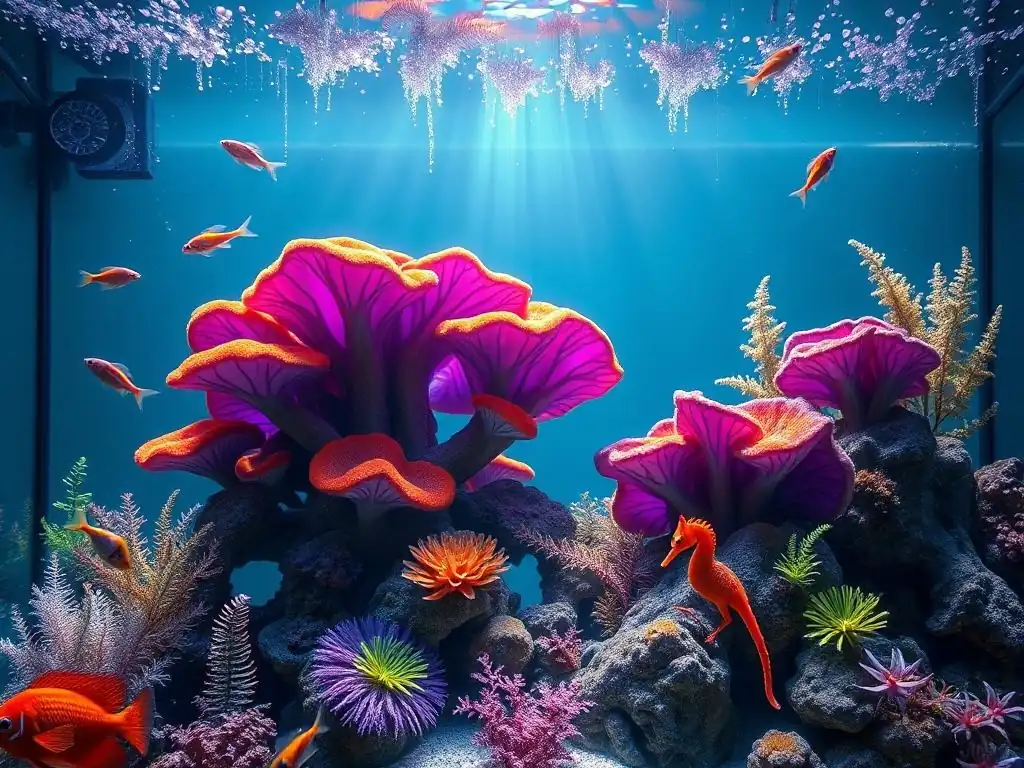
Ever wondered how to unlock the secret to vibrant mushroom corals that truly pop in your reef tank? You've come to the right place! Dive into our comprehensive guide on Optimal Water Parameters for Vibrant Mushroom Corals and discover the key elements that will transform your aquarium into a thriving underwater paradise. Ready to see your mushrooms flourish? Let's explore!
- Introduction to Mushroom Coral Health and Water Quality
-
Key Water Parameters for Thriving Mushroom Corals
- Temperature: Maintaining Ideal Temperatures for Mushroom Coral Growth
- Salinity: Achieving Optimal Salt Levels for Mushroom Corals
- pH: Ensuring Proper pH Levels for Mushroom Coral Health
- Alkalinity: The Role of Alkalinity in Mushroom Coral Calcification
- Calcium: Calcium's Impact on Mushroom Coral Growth and Color
- Magnesium: Magnesium's Importance in Maintaining Water Chemistry Balance
- Nitrate and Phosphate: Managing Nutrient Levels for Mushroom Corals
- Trace Elements and Their Influence on Mushroom Coral Vibrancy
- Maintaining Optimal Water Parameters: Practical Tips
- Troubleshooting Common Water Parameter Issues Affecting Mushroom Corals
- Signs of Poor Water Quality in Mushroom Corals
- Conclusion: Achieving Vibrant Mushroom Corals Through Optimal Water Chemistry
-
Frequently Asked Questions
- What are the most critical water parameters for maintaining vibrant mushroom corals?
- How often should I test my aquarium water when keeping mushroom corals?
- What is the ideal temperature range for mushroom corals in an aquarium?
- What role does lighting play in the vibrancy of mushroom corals?
- What are some common signs that my mushroom corals are stressed due to poor water parameters?
- Final Reflection: Cultivating a Thriving Reef
- Dive Deeper: Cultivate Your Own Mushroom Coral Paradise!
Introduction to Mushroom Coral Health and Water Quality
Understanding the Importance of Water Parameters for Mushroom Corals
Mushroom corals, primarily belonging to genera such as Discosoma, Rhodactis, and Ricordea, are highly sought after by aquarists for their captivating colors and relatively easy care. Despite their reputation for hardiness, these soft corals are profoundly dependent on stable and appropriate water parameters to truly flourish. Slight deviations from ideal conditions can lead to visible signs of stress, including tissue recession, dull coloration, and inhibited growth, diminishing the aesthetic appeal of a reef tank.
Unlike stony corals (SPS and LPS) that primarily rely on calcification for their structural integrity, mushroom corals maintain their form through water absorption and internal pressure. However, they still require precise water chemistry for crucial cellular functions, efficient photosynthesis by their symbiotic zooxanthellae, and overall metabolic health. Ensuring optimal vibrant mushroom coral water parameters directly translates into robust health, rapid propagation, and the stunning, rich colors they are known for.
Why Stable Water Chemistry is Crucial for Mushroom Coral Color and Growth
Stability in water chemistry is paramount for mushroom corals, preventing osmotic shock and metabolic strain that can severely impact their well-being. Rapid or significant fluctuations in parameters like salinity or pH force the coral to expend valuable energy on internal regulation rather than growth or color production. This stress often manifests as tissue shrinkage, a loss of the characteristic vibrant hues, and an increased susceptibility to disease, compromising the coral's long-term survival in the aquarium.
Consistent vibrant mushroom coral water parameters are directly linked to the health and efficiency of the zooxanthellae algae living within the coral's tissues. These symbionts are responsible for the majority of the coral's energy production and, crucially, its coloration. When water chemistry is stable, zooxanthellae thrive, ensuring optimal photosynthetic activity and nutrient transfer, which in turn fuels the mushroom coral's growth and allows it to express its full spectrum of vivid reds, greens, blues, and purples.
Key Water Parameters for Thriving Mushroom Corals
Temperature: Maintaining Ideal Temperatures for Mushroom Coral Growth
Temperature is a fundamental parameter influencing all biological processes within a reef aquarium, including the metabolic rate of mushroom corals and the solubility of oxygen in the water. Maintaining a consistent and appropriate temperature range is critical for the health and growth of these soft corals, as deviations can lead to significant stress and compromised physiological functions.
Recommended Temperature Range for Mushroom Corals
For optimal growth and coloration, mushroom corals thrive within a temperature range of 74-82°F (approximately 23.3-27.8°C). This range supports the efficient metabolic activities of the coral and ensures the continued health of their symbiotic zooxanthellae, which are highly sensitive to thermal shifts. Temperatures consistently below this range can slow down the coral's metabolism, leading to sluggish growth, while temperatures consistently above can induce thermal stress, potentially leading to bleaching and tissue damage.
Avoiding Temperature Fluctuations to Prevent Stress
Rapid temperature fluctuations are far more detrimental to mushroom corals than a stable temperature slightly outside the ideal range. Daily swings exceeding 2°F (approximately 1.1°C) can cause significant physiological stress, forcing the coral to expend energy on adapting rather than growing or maintaining its vibrant color. Utilizing reliable heaters, and potentially chillers in warmer climates, along with proper aquarium placement away from direct sunlight or drafts, are essential strategies to maintain the consistent vibrant mushroom coral water parameters needed for their well-being.
Salinity: Achieving Optimal Salt Levels for Mushroom Corals
Salinity, or the concentration of dissolved salts in the aquarium water, is a critical parameter for all marine organisms, including mushroom corals. It directly influences osmotic balance, dictating the movement of water in and out of the coral's cells. Maintaining stable and appropriate salt levels is crucial for preventing cellular damage and ensuring the coral's overall health and vibrancy.
Understanding Specific Gravity and Salinity Measurement
For mushroom corals, the ideal specific gravity (SG) range is typically between 1.024 and 1.026. This corresponds to a salinity of 33-35 parts per thousand (ppt). Accurate measurement tools, such as a calibrated refractometer or a high-quality swing-arm hydrometer, are essential for precise monitoring. While mushrooms can tolerate slight variations, consistent levels within this range support their cellular integrity and metabolic functions, which are vital for maintaining vibrant mushroom coral water parameters.
Maintaining Stable Salinity Levels in Your Reef Tank
Evaporation causes freshwater to leave the system, increasing salinity over time. Therefore, regularly topping off evaporated water with pure reverse osmosis deionized (RODI) water is crucial to prevent salinity creep. Automatic Top-Off (ATO) systems are highly recommended for maintaining consistent salinity by automatically replacing evaporated water. When performing water changes, ensure the newly mixed saltwater matches the display tank's salinity and temperature precisely to avoid shocking the corals.
pH: Ensuring Proper pH Levels for Mushroom Coral Health
The pH level of aquarium water, a measure of its acidity or alkalinity, plays a vital role in the biochemical processes of all marine life, including mushroom corals. Maintaining a stable and appropriate pH range is crucial for enzyme activity, nutrient uptake, and the overall health of the coral's symbiotic zooxanthellae.
Ideal pH Range for Mushroom Coral Aquariums
For mushroom corals, the ideal pH range is generally between 8.0 and 8.4, with a target of 8.1-8.3 being optimal. Within this narrow window, the chemical processes vital for coral health, such as the availability of carbonate ions for general cellular processes and the efficiency of enzyme systems, function most effectively. A pH that consistently drops below 8.0 can lead to acidosis in corals, inhibiting their ability to perform metabolic functions efficiently, while a pH consistently above 8.4 can also cause stress.
Methods for Maintaining Stable pH
Maintaining stable pH primarily involves ensuring consistent alkalinity, adequate gas exchange, and regular water changes. Good surface agitation and aeration (e.g., via protein skimmers or powerheads pointed at the surface) help to off-gas carbon dioxide, which can lower pH. Dosing kalkwasser or two-part alkalinity solutions can also help buffer the pH. Monitoring the pH at various times of the day (e.g., morning low, afternoon high) can help identify significant swings, indicating a need for adjustments to maintain stable vibrant mushroom coral water parameters.
Alkalinity: The Role of Alkalinity in Mushroom Coral Calcification
Alkalinity, often measured in dKH (degrees of carbonate hardness), refers to the water's buffering capacity—its ability to resist changes in pH. While mushroom corals are soft corals and do not build large calcium carbonate skeletons like stony corals, stable alkalinity is still critically important for their overall health and the stability of the entire reef ecosystem. It directly influences pH stability, which indirectly supports all biological functions.
Target Alkalinity Levels for Mushroom Coral Health
For mushroom corals, a target alkalinity range of 7-11 dKH is generally recommended, with many aquarists aiming for consistency around 8-9 dKH. While mushrooms do not consume alkalinity at the high rates of SPS corals, maintaining a stable level within this range ensures that the pH remains buffered and prevents drastic swings. This consistency supports the metabolic processes of the coral and its symbiotic algae, contributing to strong growth and the maintenance of vibrant mushroom coral water parameters.
Buffering Alkalinity to Prevent Swings
To maintain alkalinity within the desired range, regular monitoring is essential. If alkalinity levels are consistently low, supplementation can be achieved through various methods, including two-part alkalinity solutions (e.g., sodium bicarbonate and sodium carbonate), kalkwasser dosing, or the use of a calcium reactor (though less common for mushroom-only tanks). Regular partial water changes with a high-quality salt mix also contribute significantly to replenishing alkalinity and other trace elements. It is crucial to introduce any supplements slowly and monitor their effects to prevent overshooting the target range, which can lead to precipitation or pH spikes.
Calcium: Calcium's Impact on Mushroom Coral Growth and Color
Calcium is a major element in seawater and is essential for the calcification processes of stony corals, coralline algae, and other invertebrates. While mushroom corals are soft corals and do not rely on calcium for a rigid skeleton, adequate calcium levels are still important for their overall cellular health, enzyme function, and the general well-being of the reef environment they inhabit.
Optimal Calcium Levels for Mushroom Corals
For a mixed reef tank containing mushroom corals, an optimal calcium level typically ranges from 400-450 ppm (parts per million). Even though mushroom corals do not build large calcium carbonate structures, calcium plays a role in various physiological processes at the cellular level. More importantly, maintaining appropriate calcium levels supports the growth of beneficial coralline algae and other calcifying organisms in the tank, contributing to a balanced and healthy ecosystem that directly benefits the mushroom corals by providing a stable environment and potential substrate for propagation.
Calcium Supplementation Strategies
In a tank with moderate coral load, regular water changes with a quality salt mix often provide sufficient calcium replenishment. However, in tanks with higher demand, or to maintain consistent vibrant mushroom coral water parameters, various supplementation strategies can be employed. These include dosing kalkwasser, using two-part calcium solutions (calcium chloride), or, for very large systems with high demand, a calcium reactor. It is crucial to test calcium levels regularly and dose cautiously to prevent over-saturation, which can lead to precipitation of calcium carbonate and negatively impact alkalinity.
Magnesium: Magnesium's Importance in Maintaining Water Chemistry Balance
Magnesium is a vital major element in saltwater aquariums, playing a crucial role as a buffer and stabilizer for both calcium and alkalinity. Its presence prevents calcium and carbonate ions from prematurely precipitating out of solution, ensuring they remain available for corals and other calcifying organisms. Without sufficient magnesium, maintaining stable calcium and alkalinity levels becomes significantly more challenging.
Recommended Magnesium Levels for Mushroom Corals
For a thriving reef aquarium, including those with mushroom corals, the recommended magnesium level ranges from 1250-1350 ppm. Maintaining levels within this range is essential because magnesium ions interact with calcium carbonate, preventing its premature precipitation. If magnesium levels drop below this range, aquarists may find it difficult to maintain target calcium and alkalinity levels, even with regular dosing, as these elements will precipitate out of the water too quickly.
Magnesium's Role in Alkalinity and Calcium Stability
Magnesium acts as a chemical "spacer" within the seawater, preventing calcium and carbonate ions from binding together too readily. This allows calcium and alkalinity to remain dissolved and available for biological processes. For example, if magnesium levels are too low, calcium carbonate can precipitate out of the water, forming a white film on heaters or powerheads and depleting both calcium and alkalinity. Therefore, ensuring adequate magnesium is a foundational step in achieving stable vibrant mushroom coral water parameters and overall water chemistry balance.
Nitrate and Phosphate: Managing Nutrient Levels for Mushroom Corals
Nitrates and phosphates are essential nutrients in trace amounts, but in excess, they become pollutants that can negatively impact coral health and fuel undesirable algae growth. While mushroom corals are generally more tolerant of higher nutrient levels than stony corals, maintaining them within acceptable ranges is crucial for their long-term health, color vibrancy, and to prevent nuisance algae blooms.
Acceptable Nitrate Levels for Mushroom Corals
For mushroom corals, acceptable nitrate levels typically range from 1-10 ppm. While some aquarists successfully keep mushrooms in systems with slightly higher nitrates (e.g., up to 20 ppm), consistently elevated levels can lead to reduced growth, dull coloration, and an increased likelihood of nuisance algae outbreaks. These algae compete with corals for light and space, potentially smothering them. Maintaining nitrates within the lower end of this spectrum is generally preferred for the most vibrant mushroom coral water parameters.
Acceptable Phosphate Levels for Mushroom Corals
Phosphates are generally considered more detrimental than nitrates for reef tanks. For mushroom corals, target phosphate levels should be very low, ideally below 0.07 ppm, with many advanced aquarists aiming for 0.03 ppm or less. Even small concentrations of phosphate can inhibit calcification in other reef inhabitants and directly impact the health and efficiency of zooxanthellae within corals, leading to reduced growth, fading colors, and increased susceptibility to disease.
Strategies for Reducing Nitrate and Phosphate
Effective nutrient management involves a multi-pronged approach. Regular partial water changes (e.g., 10-20% bi-weekly) are fundamental for diluting accumulated nutrients. Avoiding overfeeding and ensuring all food is consumed minimizes organic waste. Robust protein skimming is crucial for removing organic compounds before they break down into nitrates and phosphates. Additionally, employing chemical filtration media like Granular Ferric Oxide (GFO) or biological filtration methods such as refugiums with macroalgae (e.g., Chaetomorpha) or biopellets can effectively export these nutrients, contributing to optimal vibrant mushroom coral water parameters.
Trace Elements and Their Influence on Mushroom Coral Vibrancy
Beyond the major parameters, various trace elements are present in natural seawater and are utilized by marine organisms. While consumed in minute quantities, these elements are essential for specific biological functions and can significantly influence the health and coloration of mushroom corals. Most are replenished through regular water changes with a high-quality salt mix.
Iodine and Mushroom Coral Coloration
Iodine is a trace element that, while not fully understood in its specific mechanisms for corals, is widely believed by aquarists to play a role in the molting process of crustaceans and potentially in enhancing the coloration of certain soft corals, including some mushroom species. Some anecdotal evidence suggests that careful supplementation of iodine can contribute to the deeper and more vibrant hues observed in Discosoma and Rhodactis mushrooms, particularly reds and blues. However, precise dosing is critical, as excess iodine can be toxic.
Strontium and its Role in Mushroom Coral Health
Strontium is another trace element often associated with calcium and calcification, as it can be incorporated into the skeletal structures of stony corals. While mushroom corals do not possess a hard skeleton, strontium is still a naturally occurring component of seawater and is utilized by various marine organisms. Ensuring its presence, typically through high-quality salt mixes or comprehensive trace element supplements, contributes to the overall cellular health and vitality of mushroom corals, supporting their general well-being in the reef environment.
Other Beneficial Trace Elements for Reef Aquariums
Beyond iodine and strontium, other trace elements such as potassium, boron, and iron are also consumed by corals and other inhabitants of a reef aquarium. Potassium, for instance, is thought to play a role in coral tissue health and coloration. Iron is crucial for the photosynthesis of zooxanthellae.
While individual dosing of these elements is possible, it is generally recommended to rely on regular water changes with a premium salt mix, which provides a balanced spectrum of these trace elements. Blindly dosing individual trace elements without specific testing can lead to imbalances that are often more detrimental than deficiencies, disrupting the delicate balance of vibrant mushroom coral water parameters.
Maintaining Optimal Water Parameters: Practical Tips
Consistent maintenance practices are as crucial as understanding the ideal parameter ranges for achieving and sustaining vibrant mushroom coral water parameters. Regular testing, consistent water changes, and effective filtration methods form the cornerstone of successful reef keeping.
Regular Water Testing: Monitoring Your Reef Tank's Chemistry
Consistent and accurate water testing is the foundation of maintaining a healthy reef tank. It allows aquarists to monitor pH, alkalinity, calcium, magnesium, nitrate, and phosphate levels, identifying trends and potential issues before they escalate. High-quality test kits from reputable brands (e.g., Salifert, Red Sea, Hanna Instruments) are essential for reliable results. It is advisable to test key parameters like alkalinity and pH weekly, and others like calcium, magnesium, nitrate, and phosphate bi-weekly or monthly, logging results to track stability and consumption rates.
Water Changes: Implementing a Consistent Water Change Schedule
Regular partial water changes are one of the most effective and fundamental maintenance practices for any reef aquarium. A recommended schedule is typically 10-20% of the tank volume bi-weekly or monthly, depending on the bio-load and nutrient export methods. Water changes replenish depleted trace elements, reduce accumulated nitrates and phosphates, and help stabilize all vibrant mushroom coral water parameters. Always use RODI water and a high-quality salt mix, ensuring the new saltwater is thoroughly mixed, aerated, and matches the display tank's temperature and salinity before introduction.
Choosing the Right Salt Mix for Mushroom Corals
The quality of your salt mix significantly impacts the stability and composition of your aquarium water. Opt for a reputable brand known for consistency and containing a balanced array of major, minor, and trace elements. Examples include Red Sea Coral Pro, Fritz RPM, and Tropic Marin Pro-Reef. A good salt mix will provide the foundational vibrant mushroom coral water parameters straight out of the bucket, reducing the need for extensive individual element dosing and simplifying long-term maintenance.
The Importance of a Protein Skimmer
A protein skimmer is a vital piece of equipment for almost all saltwater aquariums, especially those housing corals. It effectively removes dissolved organic compounds (DOCs) from the water column before they can break down into nitrates and phosphates. By consistently removing these precursors to nutrients, a properly sized and maintained protein skimmer significantly contributes to maintaining low nutrient levels and crystal-clear water, which are essential for vibrant mushroom coral water parameters and overall coral health.
Effective Filtration Methods for Maintaining Water Quality
A comprehensive filtration strategy involves a combination of mechanical, chemical, and biological filtration. Mechanical filtration, such as filter socks or sponges, removes particulate matter, preventing detritus buildup. Chemical filtration, often using activated carbon or granular ferric oxide (GFO), removes dissolved organics, toxins, and phosphates. Biological filtration, primarily provided by live rock and sand, facilitates the nitrogen cycle, converting ammonia and nitrite into less harmful nitrates. Regularly cleaning or replacing filter media is crucial to prevent them from becoming sources of nutrient buildup themselves.
Troubleshooting Common Water Parameter Issues Affecting Mushroom Corals
Despite best efforts, water parameter issues can arise. Understanding how to identify and address common imbalances is key to preventing long-term stress and ensuring the health of your mushroom corals. Quick and informed action can often reverse negative trends.
Addressing Low Alkalinity Problems
Low alkalinity is a common issue, often signaled by unstable pH readings or a struggle to maintain calcium levels. Its causes can include high coral demand (even for soft corals, the background demand of the reef can be significant), insufficient dosing, or a poor-quality salt mix. To correct low alkalinity, carefully dose two-part alkalinity supplements or kalkwasser solutions, following manufacturer instructions.
Increase dosing frequency or volume gradually, monitoring the dKH daily, until the target range of 7-11 dKH is consistently met. Regular water changes with a high-quality salt mix will also help replenish depleted alkalinity and stabilize vibrant mushroom coral water parameters.
Correcting High Nitrate Levels
High nitrate levels (above 10 ppm) are frequently caused by overfeeding, overstocking, insufficient water changes, or poor detritus removal. Symptoms include excessive nuisance algae growth and dull coral coloration. To correct this, first identify the root cause: reduce feeding, ensure proper protein skimming, and increase the frequency or volume of water changes (e.g., 20% weekly). Implementing a refugium with macroalgae like Chaetomorpha or using nitrate-reducing media such as biopellets or carbon dosing can also effectively lower nitrate levels and maintain optimal vibrant mushroom coral water parameters.
Managing Phosphate Imbalances
Phosphate imbalances (above 0.07 ppm) are often more problematic than nitrates, leading to stubborn algae blooms and inhibiting coral growth. Common causes include using tap water instead of RODI, poor quality foods, or accumulated detritus. To manage high phosphates, employ chemical filtration media like Granular Ferric Oxide (GFO) in a fluidized reactor or passive media bag, replacing it regularly. Robust protein skimming and consistent removal of detritus are also critical. In severe cases, lanthanum chloride can be used with extreme caution to precipitate phosphates, but this should only be done by experienced aquarists due to potential risks.
Dealing with Unstable pH Levels
Unstable pH levels, characterized by significant daily swings (e.g., more than 0.3 pH units), can stress mushroom corals. Common causes include insufficient alkalinity buffering, high levels of dissolved CO2 in the home (due to poor air exchange), or rapid changes in lighting. To stabilize pH, first ensure alkalinity is consistently within the 7-11 dKH range.
Improve tank aeration by increasing surface agitation with powerheads or by providing fresh air exchange in the room (e.g., opening a window near the sump). Avoid chasing specific pH numbers with buffers without addressing the underlying cause, as this can lead to even larger and more detrimental swings in vibrant mushroom coral water parameters.
Signs of Poor Water Quality in Mushroom Corals
Mushroom corals, despite their resilience, will display clear indicators when water parameters are suboptimal. Recognizing these signs early allows for prompt intervention, potentially saving the coral and preventing further decline in the aquarium's health.
Color Fading and Loss of Vibrancy
One of the most noticeable and often earliest signs of poor water quality or stress in mushroom corals is a gradual fading or complete loss of their characteristic vibrant colors. For example, a brilliantly red Ricordea florida might turn pale orange or brown, or a neon green Discosoma might appear washed out.
This often indicates stress to the symbiotic zooxanthellae, which are responsible for the coral's coloration and energy production. Issues like elevated nitrates or phosphates, inconsistent lighting, or unstable vibrant mushroom coral water parameters can all contribute to this decline in pigmentation, signaling an immediate need for water testing and correction.
Reduced Growth and Polyp Extension
Healthy mushroom corals should appear plump, fully extended, and show signs of growth, such as increasing in size or budding new polyps. When water quality is poor, or parameters are unstable, mushrooms will often retract, shrivel, or fail to fully inflate. They may remain closed for extended periods, even during the day, indicating that the coral is expending energy on survival rather than normal physiological functions. A lack of new polyp formation over several weeks or months, combined with a shrunken appearance, is a strong indicator that the vibrant mushroom coral water parameters are not conducive to their thriving.
Tissue Recession and Signs of Stress
Severe or prolonged exposure to poor water quality can lead to more critical signs of stress, including tissue recession. This manifests as the coral's tissue pulling away from its base or edges, sometimes appearing as white, exposed areas. In extreme cases, the coral may begin to "melt" or dissolve, becoming translucent and disintegrating. This is a dire sign, often caused by drastic swings in temperature, salinity, or persistent high nutrient levels. Upon observing tissue recession, immediate and thorough water parameter testing is imperative, as prompt action is crucial to prevent the complete loss of the mushroom coral.
Conclusion: Achieving Vibrant Mushroom Corals Through Optimal Water Chemistry
The Key to Long-Term Mushroom Coral Success
Achieving and maintaining truly vibrant mushroom coral water parameters is the cornerstone of long-term success in keeping these captivating soft corals. While often touted as beginner-friendly, their most stunning colors and robust growth are only realized when their environmental needs are consistently met. This involves a diligent approach to monitoring and managing key parameters such as temperature (74-82°F), salinity (1.024-1.026 SG), pH (8.1-8.3), alkalinity (7-11 dKH), calcium (400-450 ppm), and magnesium (1250-1350 ppm), alongside keeping nitrates (1-10 ppm) and phosphates (below 0.07 ppm) in check.
Ultimately, the key to a thriving and colorful mushroom coral display lies not just in hitting target numbers, but in maintaining unwavering stability. Regular water testing, consistent water changes with a quality salt mix, effective protein skimming, and thoughtful filtration are indispensable practices. By committing to these fundamental aspects of reef husbandry, aquarists can unlock the full potential of their mushroom corals, transforming them into truly vibrant and flourishing centerpieces of any marine aquarium.
Frequently Asked Questions
What are the most critical water parameters for maintaining vibrant mushroom corals?
Mushroom corals thrive in stable conditions. The most critical parameters are alkalinity, calcium, and magnesium, which need to be within optimal ranges for healthy growth.
How often should I test my aquarium water when keeping mushroom corals?
Regular water testing is crucial. You should aim to test your water at least weekly to monitor key parameters and quickly address any imbalances.
What is the ideal temperature range for mushroom corals in an aquarium?
Mushroom corals prefer a stable temperature. The ideal range is generally between 76°F and 82°F (24°C and 28°C), avoiding rapid temperature fluctuations.
What role does lighting play in the vibrancy of mushroom corals?
Adequate lighting is essential for mushroom coral health and color. While they are relatively tolerant, providing appropriate PAR levels will enhance their vibrant colors and growth.
What are some common signs that my mushroom corals are stressed due to poor water parameters?
Signs of stress include shrunken polyps, loss of color, and detachment from the substrate. Addressing the underlying water parameter issues is crucial for recovery.
Final Reflection: Cultivating a Thriving Reef
The intricate dance between water chemistry and the health of our aquatic ecosystems is undeniable, and nowhere is this more apparent than in the delicate world of mushroom corals. Understanding and maintaining optimal water parameters is not just a suggestion, but a fundamental requirement for ensuring the vibrant health and longevity of these fascinating invertebrates. The information presented here serves as a crucial guide, empowering reef enthusiasts to create environments where mushroom corals can truly flourish.
The allure of a reef tank lies in its ability to mimic the beauty and complexity of the ocean, and mushroom corals play a vital role in adding color and texture to this miniature ecosystem. My own journey into reef keeping has taught me the profound responsibility we have to understand and cater to the needs of these creatures. In the end, we will conserve only what we love; we will love only what we understand; and we will understand only what we are taught.
- Baba Dioum. This quote resonates deeply, reminding us that education and understanding are the cornerstones of successful reef keeping and conservation.
Now, armed with this knowledge of optimal water parameters, I urge you to reflect on your own reef keeping practices. Are you actively monitoring and adjusting your water chemistry to meet the specific needs of your mushroom corals? Are you committed to creating a stable and thriving environment for these captivating creatures? Let this article serve as a catalyst for continuous learning and improvement, ensuring that the vibrant beauty of mushroom corals continues to grace our aquariums for generations to come.
Dive Deeper: Cultivate Your Own Mushroom Coral Paradise!
Thanks for exploring the captivating world of mushroom corals! Now that you're equipped with the knowledge of optimal water parameters, it's time to transform your aquarium into a thriving reef environment. Let's make your aquatic dreams a reality with a few simple steps.
- Implement a consistent water testing schedule: Dedicate time each week to check pH, alkalinity, nitrate, and phosphate levels, adjusting as needed to maintain the ideal range for mushroom corals.
- Share your mushroom coral journey! Post photos of your flourishing corals on social media using #AquariumMasteryMushrooms.
- Explore one uncommon mushroom coral species: Research the Rhodactis, Discosoma, or Actinodiscus varieties and consider adding a rare gem to your collection.
What's the first water parameter you'll be testing this week to unlock the vibrant potential of your mushroom corals?