
Reviving a Dying Leather Coral: Emergency Care Strategies

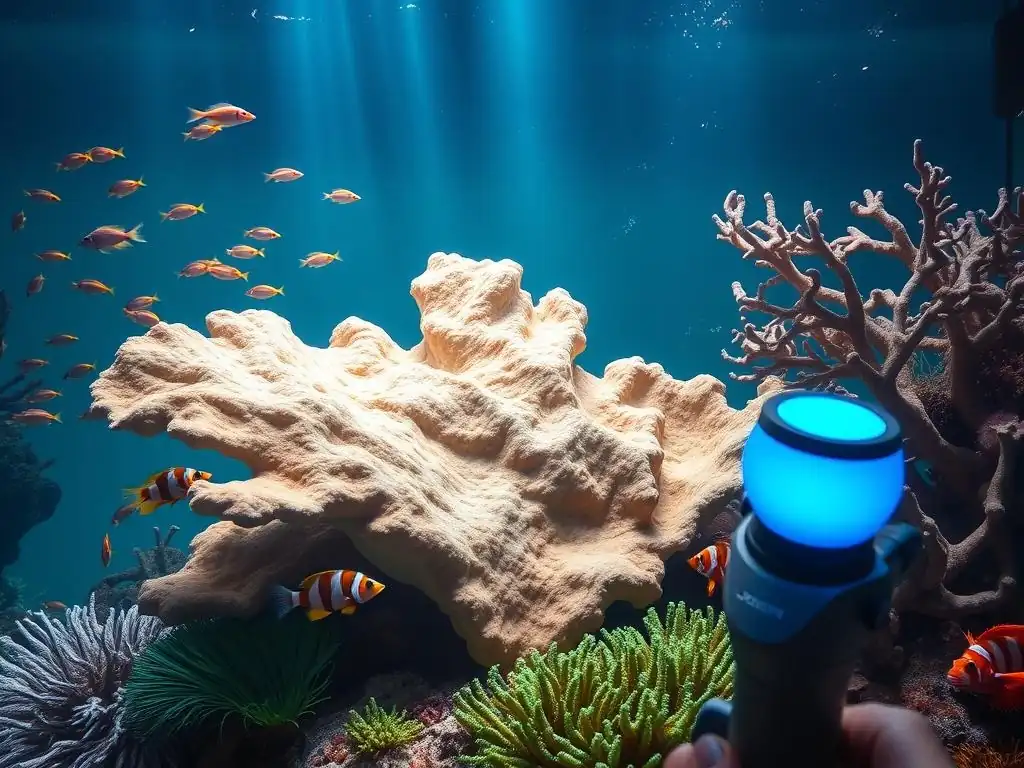
Welcome to Aquarium Mastery, your ultimate guide to thriving aquatic ecosystems!
Is your Leather Coral looking a little less lively than usual? Don't panic! This article dives deep into leather coral resuscitation techniques, offering emergency care strategies to bring your beloved soft coral back from the brink. Discover the secrets to reviving your coral's health and learn how to avoid future emergencies. Ready to breathe new life into your aquarium? Let's get started!
- Understanding Leather Coral Decline: Recognizing the Signs and Causes
- Immediate Action: First Response for Ailing Leather Corals
- Leather Coral Resuscitation Techniques: A Step-by-Step Guide
- Addressing Specific Leather Coral Health Problems
- Optimizing the Reef Tank Environment for Leather Coral Recovery
- Long-Term Care and Prevention: Ensuring Leather Coral Health
- Advanced Techniques for Leather Coral Revival
- Maintaining a Healthy Reef Environment for Leather Corals: Prevention is Key
-
Frequently Asked Questions
- What are the initial signs that my leather coral is in distress and might need resuscitation?
- What are the most common causes of leather coral decline that might necessitate resuscitation?
- What immediate steps can I take to improve water quality and potentially revive a struggling leather coral?
- What specific lighting adjustments might be necessary to help a leather coral recover?
- Besides water quality and lighting, what other factors should I consider when attempting leather coral resuscitation?
- Final Reflection: The Resilience of Life
- Resuscitate Your Reef: Give Life Back to Your Leather!
Understanding Leather Coral Decline: Recognizing the Signs and Causes
Identifying Early Warning Signs of Leather Coral Stress
Recognizing stress in leather corals early is paramount for successful intervention. One of the most common early indicators is prolonged polyp retraction. While leather corals naturally retract their polyps periodically, especially during their shedding process, continuous retraction for more than 24 to 48 hours without any extension, even during feeding times, is a clear sign of distress. Additionally, a noticeable dulling of their vibrant coloration, or the development of an unusually thick or opaque slime coat that doesn't slough off within a day or two, can signal underlying issues.
Beyond polyp retraction and color changes, observe the coral's overall posture and tissue integrity. A healthy leather coral typically stands upright and firm. If it begins to sag, lean excessively, or develop white patches indicative of tissue necrosis, it's experiencing significant stress. Early detection of these subtle changes is crucial for implementing effective leather coral resuscitation techniques, as advanced deterioration can be much harder to reverse. Prompt action based on these visual cues can often prevent irreversible damage.
Common Causes of Leather Coral Deterioration in Reef Tanks
Leather corals, while generally hardy, are susceptible to decline due to various environmental factors. The most frequent culprits are sudden or prolonged deviations in water parameters. For instance, a rapid drop in salinity from the ideal 1.025 specific gravity to below 1.022, or temperature fluctuations outside the optimal range of 72-78°F (22-26°C), can severely stress them.
Elevated levels of nitrates (consistently above 10-20 ppm) and phosphates (exceeding 0.03 ppm) are also detrimental, leading to tissue degradation and increased susceptibility to disease. Ammonia and nitrite, even in trace amounts, are highly toxic and often indicate an unstable biological filter or a new tank syndrome.
Improper lighting and water flow are also significant stressors. Too much light (e.g., PAR values consistently above 200 for most leathers) can cause bleaching, where the coral expels its symbiotic zooxanthellae, leading to a pale appearance. Conversely, insufficient light (below PAR 50) can lead to a darker, brownish appearance as the coral tries to maximize light absorption, but ultimately results in starvation.
Similarly, direct, blasting flow can cause physical tissue damage, while insufficient flow allows detritus to settle on the coral, leading to bacterial infections and poor respiration. Aggression from neighboring corals, particularly stony corals releasing allelopathic chemicals, or nipping from certain fish species, can also inflict direct harm.
Immediate Action: First Response for Ailing Leather Corals
Emergency Water Parameter Checks for Leather Coral Health
When a leather coral shows signs of distress, the first and most critical step is to perform comprehensive water parameter tests. Focus on salinity, alkalinity, calcium, magnesium, nitrates, and phosphates. For leather corals, maintaining salinity between 1.024 and 1.026 specific gravity is vital, with alkalinity ideally between 8-12 dKH, calcium at 400-450 ppm, and magnesium at 1250-1350 ppm. While leathers are more tolerant of slight fluctuations than Small Polyp Stony (SPS) corals, extreme deviations can be deadly. Utilize high-quality, recently calibrated test kits for accuracy, as unreliable readings can lead to incorrect interventions.
If testing reveals significant parameter imbalances, immediate, gradual adjustments are necessary. For instance, if nitrates are excessively high (e.g., over 30 ppm), a 10-20% water change using properly mixed and temperature-matched saltwater can help dilute pollutants. Avoid large, sudden water changes exceeding 25% if the coral is already stressed, as this can induce further shock.
If alkalinity is critically low (below 7 dKH), consider a very slow, drip-wise addition of a buffering solution over several hours rather than a rapid single dose, which could cause a pH swing and further stress. These precise adjustments are foundational to any leather coral resuscitation techniques.
Quarantine Procedures: Isolating the Affected Leather Coral
Isolating an ailing leather coral in a dedicated quarantine (QT) tank is a highly recommended emergency measure. This step serves multiple purposes: it prevents the potential spread of disease to other inhabitants, protects the weakened coral from further stress or aggression from tank mates, and allows for focused observation and treatment without impacting the main display tank's stability.
A suitable QT setup can be as simple as a 5-10 gallon glass tank with a small heater, a powerhead for gentle circulation, and minimal lighting (a small LED fixture or ambient room light). Crucially, avoid substrate in the QT to facilitate easy cleaning and prevent detritus accumulation.
When setting up the quarantine tank, use water from the main display tank to minimize parameter shock for the stressed coral. Ensure the QT water parameters are stable and match those of the main tank as closely as possible before transferring the coral. Once isolated, monitor the coral closely for any signs of improvement or worsening.
This controlled environment allows for precise application of coral dips or other treatments without exposing the entire reef system to medications. The isolation provided by a quarantine tank is a fundamental component of effective leather coral resuscitation techniques, offering a safe space for recovery.
Leather Coral Resuscitation Techniques: A Step-by-Step Guide
Gentle Handling and Visual Inspection of the Leather Coral
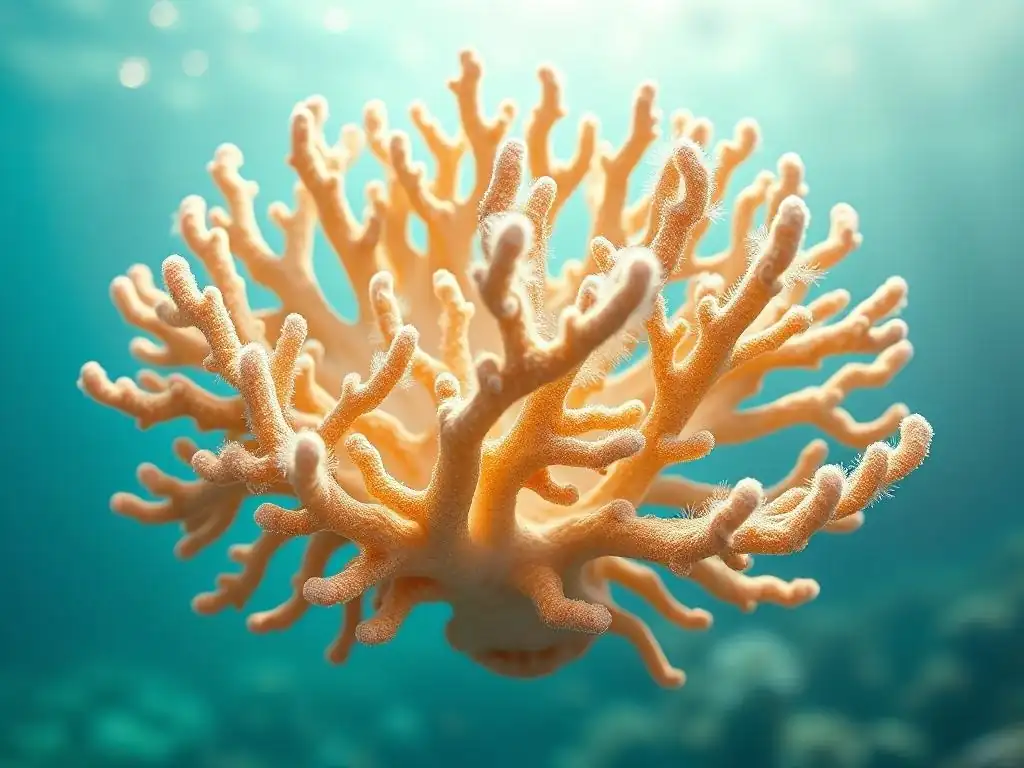
When a leather coral is in distress, gentle handling is paramount to avoid further physical damage. Always use clean, gloved hands or a soft, fine-mesh net when moving the coral. Avoid squeezing or pinching its delicate tissue. If transferring the coral, keep it submerged as much as possible to prevent air exposure, which can be detrimental. Once the coral is in a stable, easily accessible location, such as a shallow quarantine tank or a clean basin with tank water, perform a thorough visual inspection.
Examine the coral's entire surface for any abnormalities. Look for white, necrotic patches that indicate tissue death, or brown, slimy coatings characteristic of brown jelly disease. Check for signs of algae overgrowth, which can smother polyps, or the presence of pests such as nudibranchs (e.g., Phyllodesmium species, which often camouflage themselves) or flatworms. Document your observations, perhaps with notes or even quick photos, to track the coral's condition and recovery progress. This meticulous inspection guides the subsequent leather coral resuscitation techniques.
Improving Water Flow and Oxygenation Around the Coral
Optimal water flow is critical for leather coral health and recovery. Inadequate flow can lead to detritus settling on the coral's surface, promoting bacterial growth and suffocating polyps. Conversely, excessively strong, direct flow can physically damage the coral's soft tissue, causing it to retract or even tear. The goal is to provide moderate, turbulent, and indirect flow that gently washes over the coral, preventing detritus accumulation while delivering nutrients and removing waste products.
To improve flow, adjust existing powerheads or add a small, additional pump in the vicinity of the ailing coral. Aim for random, chaotic flow patterns rather than a constant, laminar stream. Ensure the water surface is agitated to facilitate gas exchange, which is essential for oxygenation. If the coral is in a quarantine tank, consider adding a small air stone to boost dissolved oxygen levels, especially if the coral appears lethargic or has a thick slime coat. Enhanced oxygenation supports the coral's metabolic processes, aiding its recovery as part of comprehensive leather coral resuscitation techniques.
Correcting Lighting Issues Affecting Leather Coral Recovery
Lighting is a fundamental energy source for leather corals due to their symbiotic zooxanthellae. Incorrect lighting can quickly lead to stress and decline. If your leather coral appears bleached (pale or white), it is likely receiving too much light. In this scenario, move the coral to a shaded area of the tank, lower the light intensity, or reduce the photoperiod (e.g., from 10 hours to 6-7 hours) for a few days. Gradually increase light intensity and duration as the coral recovers its color.
Conversely, if the leather coral appears unusually dark or brownish, it might be receiving insufficient light, or it could be a sign of nutrient overload causing an overgrowth of zooxanthellae. If light is the issue, gradually increase its intensity or move the coral to a brighter spot. For most leather corals, a PAR (Photosynthetically Active Radiation) range of 50-150 is ideal. Consistency in photoperiod, typically 8-10 hours, is also vital. Avoid sudden, drastic changes in lighting, as these can shock an already stressed coral. Proper light management is a key component of effective leather coral resuscitation techniques.
Addressing Specific Leather Coral Health Problems
Treating Bacterial Infections in Leather Corals
Bacterial infections are a serious threat to leather corals, often manifesting as "brown jelly disease" – a rapid tissue necrosis characterized by a brown, slimy coating that spreads quickly. Other bacterial issues might appear as localized white patches of dying tissue. Immediate action is critical. If only a small, isolated area is affected, carefully siphoning off the brown jelly or gently scrubbing the white patch with a soft toothbrush can help. In severe cases, or if the infection is spreading, consider performing a targeted coral dip.
Antibiotic dips, such as those using Furan-2 or Ciprofloxacin (following specific veterinary or product guidelines for dosage and duration, typically 30-60 minutes in a separate container), can be effective. However, these should be used judiciously due to potential harm to beneficial bacteria. Prevention is always better: maintaining pristine water quality, ensuring good water circulation to prevent stagnant areas, and avoiding physical damage to the coral significantly reduce the risk of bacterial infections. Early intervention with appropriate leather coral resuscitation techniques is crucial for containing outbreaks.
Combating Algae Overgrowth on Leather Coral Tissue
Algae overgrowth on leather coral tissue is a common problem that can suffocate polyps and prevent them from extending, ultimately leading to coral starvation and decline. This issue is almost always indicative of elevated nutrient levels (nitrates and phosphates) in the aquarium, combined with insufficient water flow around the coral. The algae can appear as a green or red fuzzy mat directly on the coral's surface.
Treatment involves both direct removal and addressing the underlying nutrient cause. Gently brush the algae off the coral with a very soft toothbrush or siphon it away carefully. Increase the presence of herbivorous snails (e.g., Trochus, Astrea) or small hermit crabs in the tank. More importantly, implement robust nutrient export methods: perform more frequent and larger water changes (e.g., 20% weekly), ensure your protein skimmer is operating efficiently, consider adding GFO (Granular Ferric Oxide) for phosphate removal, or establish a refugium with macroalgae. Reducing the light photoperiod temporarily can also slow algae growth, aiding leather coral resuscitation techniques.
Managing Parasites Infesting Leather Corals
Leather corals can be susceptible to various parasites, with nudibranchs and flatworms being among the most common. Nudibranchs, such as certain Phyllodesmium species, can be particularly problematic as they often camouflage themselves to match the coral's appearance, making them hard to spot. Symptoms of parasitic infestation include tissue damage, failure of polyps to extend, or the visible presence of the pests themselves or their egg masses.
Treatment often involves manual removal using tweezers or a siphon during observation. For more widespread or persistent infestations, specialized coral dips are highly effective. Products like Coral RX, Revive, or a brief freshwater dip (matching the main tank's temperature and pH, for no more than 30-60 seconds, followed by a thorough rinse) can dislodge or kill many parasites.
Always follow product instructions precisely. Repeat treatments may be necessary to target newly hatched parasites from eggs. Quarantining all new coral additions is a vital preventative measure to avoid introducing these pests, thus reducing the need for intensive leather coral resuscitation techniques.
Optimizing the Reef Tank Environment for Leather Coral Recovery
Maintaining Ideal Water Chemistry for Leather Corals
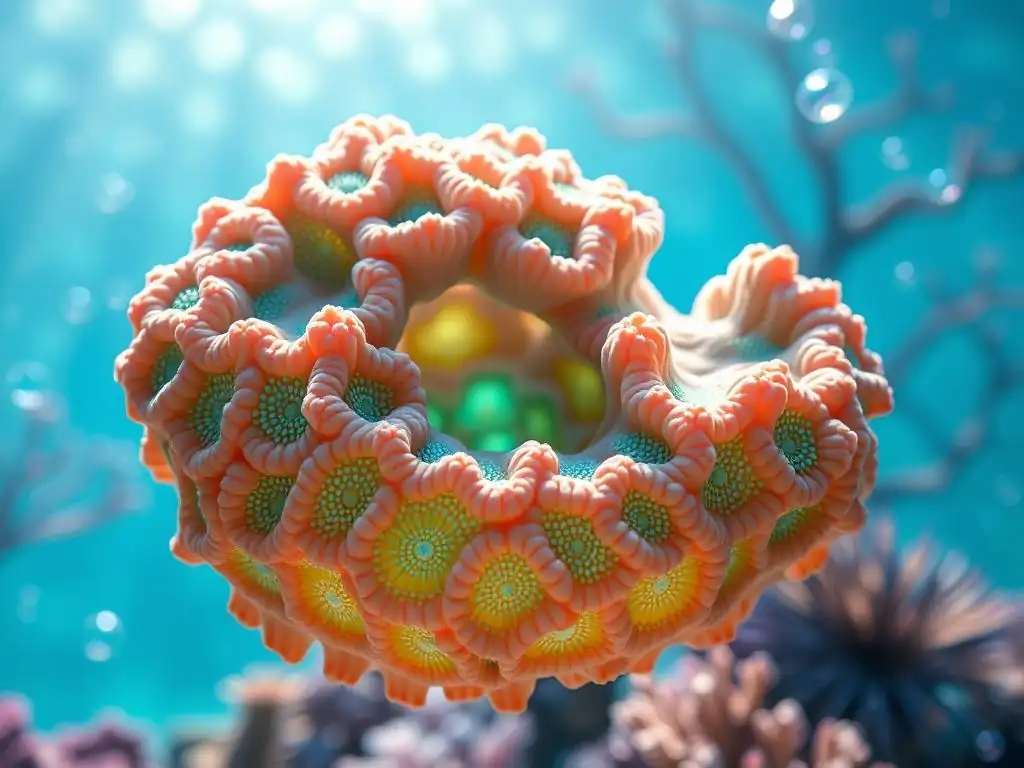
Consistent and stable water chemistry is the cornerstone of a healthy reef tank and paramount for leather coral recovery. While leather corals are often considered more forgiving than SPS or LPS corals, they still thrive within specific parameter ranges. Aim for a stable salinity of 1.025 specific gravity, alkalinity between 8.0-9.0 dKH, calcium levels of 420-440 ppm, and magnesium between 1300-1350 ppm. Fluctuations, even within acceptable ranges, can be stressful.
Regularly test your water parameters, ideally weekly, and maintain a detailed log to track any trends or deviations. Implement a routine of small, consistent adjustments rather than large, infrequent ones. Beyond the major parameters, diligently control nutrient levels: keep nitrates below 10 ppm and phosphates below 0.03 ppm. Utilize a high-performing protein skimmer, consider a refugium with macroalgae, and perform regular water changes to export nutrients effectively. A stable, pristine environment provides the best foundation for successful leather coral resuscitation techniques.
Implementing a Proper Feeding Schedule for Leather Corals
While many leather corals derive a significant portion of their nutrition from the symbiotic zooxanthellae within their tissues, supplemental feeding can be highly beneficial, especially for a coral in recovery. Providing fine particulate foods can help bolster their energy reserves and accelerate healing. Suitable foods include phytoplankton, zooplankton (e.g., rotifers, copepods), or specialized marine snow products.
Aim to feed your leather corals a few times a week, ideally during periods of low flow or just after the main lights have dimmed, when their polyps are more likely to be extended and actively feeding. Use a pipette or turkey baster for targeted feeding, ensuring the food directly reaches the coral's polyps. Avoid overfeeding, as excess nutrients can degrade water quality and contribute to algae growth. Observe how your coral responds to feeding; increased polyp extension and improved coloration are positive indicators of effective leather coral resuscitation techniques.
Reducing Stress Factors in the Reef Tank
Minimizing stress is crucial for both preventing coral decline and promoting recovery. Environmental stability is key: avoid sudden and drastic changes in lighting intensity, water flow patterns, or temperature. Ensure that all tank equipment, such as heaters, chillers, and pumps, are functioning correctly to maintain consistent conditions. Incompatible tank mates, such as overly aggressive fish or neighboring corals that engage in chemical warfare (allelopathy), can cause chronic stress. Ensure adequate spacing between corals and choose fish species known to be reef-safe.
Chemical stability is equally important. Always use high-quality RO/DI (Reverse Osmosis/Deionized) water for top-offs and mixing saltwater to prevent the introduction of impurities like chlorine, chloramines, or heavy metals. Be cautious when introducing new chemicals or medications into the tank; always research their potential impact on corals. Minimize unnecessary hand contact with corals, as oils and residues from skin can be harmful. Creating a serene and stable environment is a proactive and fundamental aspect of successful leather coral resuscitation techniques.
Long-Term Care and Prevention: Ensuring Leather Coral Health
Regular Water Testing and Maintenance Practices
Consistent and diligent water testing is the backbone of long-term leather coral health. Establish a routine for testing key parameters such as salinity, alkalinity, calcium, magnesium, nitrates, and phosphates at least weekly, if not more frequently for new or struggling tanks. Keep a detailed log of your readings to identify trends and catch potential issues before they become critical. This proactive approach significantly reduces the need for emergency leather coral resuscitation techniques.
Beyond testing, regular maintenance practices are indispensable. Perform routine water changes, typically 10-20% every 1-2 weeks, using properly mixed and temperature-matched saltwater. Clean your protein skimmer cup daily or every few days to ensure optimal nutrient export. Siphon detritus from the substrate and rockwork during water changes. Regularly check and clean powerheads and filters to ensure proper water circulation and filtration. A clean, stable environment is the best defense against coral decline.
Observing Leather Coral Behavior and Growth Patterns
Daily observation of your leather corals is a simple yet powerful tool for maintaining their long-term health. Spend a few minutes each day observing their polyp extension, color, and overall appearance. Healthy leather corals should exhibit consistent polyp extension, vibrant coloration, and a firm, upright posture. Learn what their normal behavior looks like, so you can quickly spot subtle signs of stress or disease, such as prolonged retraction, dulling color, or unusual slime production.
Healthy leather corals will also show signs of growth and periodically undergo a "shedding" process, where they slough off a layer of their outer epidermis. This is a normal mechanism to remove accumulated detritus and algae. Differentiate this healthy shedding from tissue necrosis or brown jelly disease. Tracking their growth patterns and noting any changes in their shedding frequency can provide valuable insights into their overall well-being and help you anticipate potential issues, thereby preventing the need for drastic leather coral resuscitation techniques.
Strategic Placement of Leather Corals in the Aquarium
Proper placement of leather corals within the aquarium is crucial for their long-term vitality and for preventing future health issues. Consider both water flow and lighting requirements. Leather corals generally prefer moderate, indirect water flow. Avoid placing them in areas of direct, blasting flow, which can cause physical damage and prevent polyp extension. Similarly, avoid areas of extremely low flow where detritus can accumulate on their surfaces.
Regarding lighting, most leather corals thrive under moderate light intensity, with PAR values typically ranging from 50 to 150. Place them where they receive adequate light without being bleached by excessive intensity or shaded by other corals or rockwork. Crucially, ensure ample space between leather corals and other corals, especially stony corals (SPS and LPS). Leather corals can release terpenes, chemical compounds that can irritate and potentially harm nearby corals through allelopathy, leading to a decline in their neighbors. Strategic placement minimizes chemical warfare and physical stinging, fostering a harmonious reef environment.
Advanced Techniques for Leather Coral Revival
Coral Dips and Treatments for Severe Infections
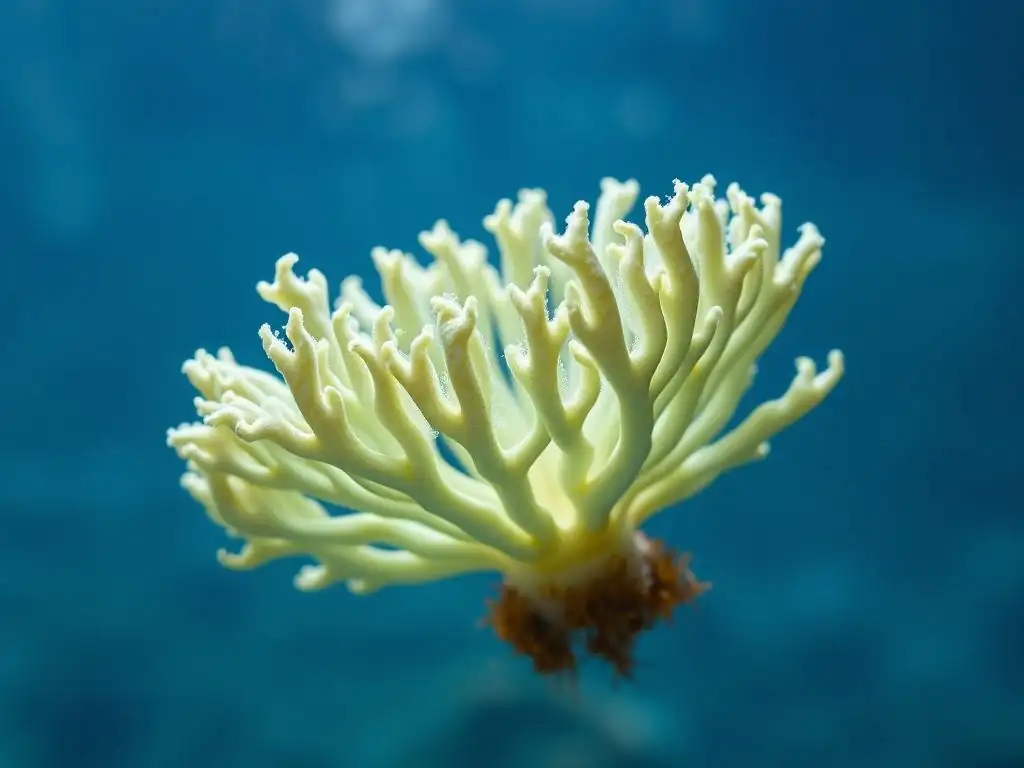
For leather corals suffering from severe bacterial infections, such as rapidly progressing brown jelly disease, or persistent infestations that have not responded to manual removal, specialized coral dips and treatments become a necessary advanced technique. Products specifically formulated for coral health, such as Lugol's solution (diluted iodine), Coral RX, or Revive, can be highly effective. In some extreme cases of bacterial infection, targeted antibiotic dips using veterinary-prescribed medications like Furan-2 or Ciprofloxacin may be considered.
When performing a dip, always use a separate container filled with water from the main display tank. Strictly adhere to the manufacturer's instructions regarding dosage, dip duration (typically ranging from 5 to 15 minutes, but never exceeding the recommended time), and water parameters for the dip solution. After the dip, gently rinse the coral thoroughly with clean tank water before returning it to the main display or quarantine tank. Monitor the coral closely for the next few days. These aggressive leather coral resuscitation techniques are a last resort when other methods fail.
Fragging and Propagation as a Last Resort
When a significant portion of a leather coral is dying, but some healthy tissue remains, fragging (fragmentation) can be a drastic but effective last resort to save a part of the colony. This technique involves carefully cutting away the healthy tissue from the necrotic or diseased sections, essentially creating a new, smaller coral from the surviving parts. This can halt the spread of disease or decay to the entire colony.
To perform fragging, use a very sharp, clean scalpel or razor blade. Make quick, clean cuts to minimize stress to the coral. Once the healthy frag is separated, it can be attached to a frag plug or a small piece of live rock using coral-specific super glue gel. Place the newly fragged coral in a low-stress area of the tank with moderate, indirect flow and appropriate lighting to aid its recovery. While an extreme measure, fragging can be a successful leather coral resuscitation technique for preserving the genetics of a valuable or sentimental coral when faced with widespread decline.
Maintaining a Healthy Reef Environment for Leather Corals: Prevention is Key
The most effective strategy for ensuring the long-term health and vitality of your leather corals, and indeed your entire reef tank, lies in prevention rather than intervention. Proactive husbandry practices significantly reduce the likelihood of encountering the severe issues that necessitate intensive leather coral resuscitation techniques. This includes maintaining consistently stable water parameters—salinity at 1.025 SG, alkalinity between 8-9 dKH, calcium at 420-440 ppm, and magnesium at 1300-1350 ppm—and diligently controlling nutrient levels (nitrates below 10 ppm, phosphates below 0.03 ppm).
Beyond water chemistry, providing appropriate lighting (PAR 50-150) and moderate, turbulent water flow is fundamental. Regular tank maintenance, including weekly water changes, protein skimmer cleaning, and detritus siphoning, cannot be overstated. A diverse and healthy cleanup crew, along with a strict quarantine protocol for all new inhabitants, helps prevent the introduction of pests and diseases. Continuous learning and diligent observation of your corals' behavior will empower you to identify and address minor issues before they escalate, ensuring your leather corals thrive for years to come.
Frequently Asked Questions
What are the initial signs that my leather coral is in distress and might need resuscitation?
The initial signs often include excessive slime production, tissue recession, and a general lack of polyp extension. These indicate the coral is stressed and potentially dying.
What are the most common causes of leather coral decline that might necessitate resuscitation?
Common causes include poor water quality (high nitrates or phosphates), inadequate lighting, and sudden changes in water parameters like salinity or temperature. Addressing these is critical for resuscitation.
What immediate steps can I take to improve water quality and potentially revive a struggling leather coral?
Perform a partial water change (10-20%), test your water parameters to identify imbalances, and ensure proper flow around the coral to remove detritus. These are crucial first steps.
What specific lighting adjustments might be necessary to help a leather coral recover?
Ensure the coral is receiving the correct light intensity and spectrum for its species. Gradually adjust the lighting to avoid further stressing the coral. Avoid sudden, drastic changes in light.
Besides water quality and lighting, what other factors should I consider when attempting leather coral resuscitation?
Consider pest infestations (like nudibranchs), physical damage, and potential allelopathy (chemical warfare) from other corals. Isolate the coral if necessary for treatment.
Final Reflection: The Resilience of Life
The journey of reviving a dying leather coral mirrors the broader challenges we face in preserving our planet's delicate ecosystems. What begins as a seemingly isolated act of emergency care can ripple outwards, influencing our understanding of marine conservation and inspiring a deeper commitment to responsible reef keeping. The techniques discussed are not just about saving a single organism; they represent a proactive approach to combating the escalating threats facing coral reefs worldwide.
The fragility of these underwater ecosystems, and the potential for recovery even in dire circumstances, has profoundly impacted my perspective. Witnessing a seemingly lifeless coral regain its vibrancy underscores the power of informed intervention and unwavering dedication. The ultimate test of a moral society is the kind of world that it leaves to its children.
- Dietrich Bonhoeffer. This quote resonates deeply, reminding us that our actions today directly shape the future of these invaluable natural treasures.
Now, consider the lessons learned from this journey. How can you apply the principles of careful observation, proactive intervention, and unwavering commitment to other areas of your life? Let the resilience of the leather coral inspire you to become a steward of the environment, a champion of conservation, and a beacon of hope for a world in need of healing. Embrace the power you have to make a difference, one small act of resuscitation at a time.
Resuscitate Your Reef: Give Life Back to Your Leather!
Thanks for diving into the world of leather coral care! We hope you've gained some valuable insights into recognizing and addressing the signs of distress in these fascinating creatures. Now it's time to take action and bring your coral back to its vibrant best.
Here's how you can make a difference today:
- Immediately reassess your water parameters and perform a partial water change. This is your first and most crucial step.
- Gently increase flow around the coral to aid in shedding any potential buildup or detritus.
- Share this article with fellow reef keepers – you never know who might need this information to save their own leather coral!
What innovative technique will you try first to bring your leather coral back to full health?