
Mushroom Coral Pests & Diseases: Identification and Treatment

Welcome to Aquarium Mastery!
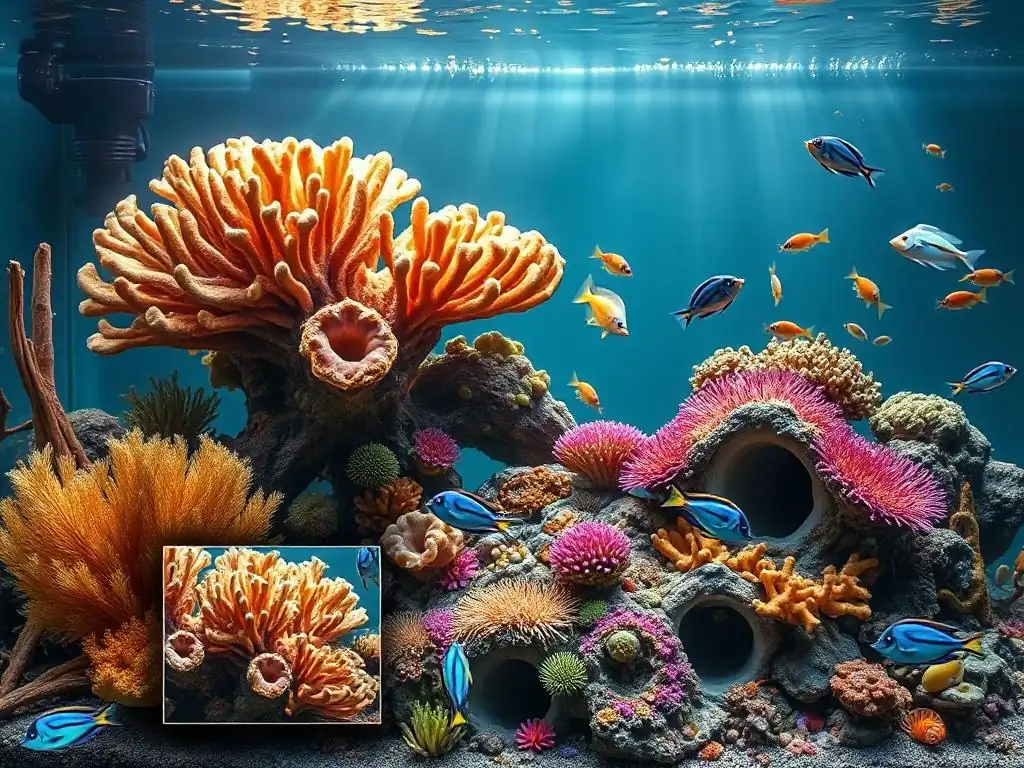
Ever stared into your saltwater aquarium and wondered if something's not quite right with your prized mushroom corals? You're in the right place. This article dives deep into the world of saltwater coral pest treatment, specifically focusing on the identification and effective management of pests and diseases affecting your mushroom corals. Uncover the secrets to keeping your reef vibrant and healthy – let's get started!
- Mushroom Coral Pests & Diseases: Identification and Treatment for a Thriving Reef Aquarium
- Understanding Mushroom Coral Health in Saltwater Aquariums
- Common Pests Affecting Mushroom Corals: Identification and Control
- Common Diseases of Mushroom Corals: Diagnosis and Treatment
- Preventative Measures for Mushroom Coral Health
- Coral Dips and Medications Explained
- Recovery and Rehabilitation
- Conclusion: Ensuring Long-Term Health
-
Frequently Asked Questions
- What are the most common pests that affect Mushroom Corals in saltwater aquariums?
- How can I identify if my Mushroom Coral has a pest infestation?
- What are some initial steps I can take to treat a Mushroom Coral pest infestation?
- What are some preventative measures I can take to avoid Mushroom Coral pests?
- When should I consider using a more aggressive saltwater coral pest treatment?
- Final Reflection: Protecting the Reef's Delicate Beauty
- Unleash the Vibrant Beauty of Your Mushroom Coral!
Mushroom Coral Pests & Diseases: Identification and Treatment for a Thriving Reef Aquarium
Understanding Mushroom Coral Health in Saltwater Aquariums
Importance of Early Pest and Disease Identification
Early identification of pests and diseases is paramount for maintaining a healthy and vibrant reef aquarium, particularly when dealing with resilient yet susceptible mushroom corals. Prompt detection can prevent localized issues from escalating into widespread infestations or outbreaks that threaten an entire coral collection. For instance, a single mushroom coral-eating nudibranch can lay hundreds of eggs, quickly overwhelming a tank if not addressed immediately. Recognizing the subtle signs of distress or the presence of unwanted organisms ensures that interventions can be targeted and effective, saving valuable time, resources, and the lives of your prized corals.
Moreover, ignoring early symptoms can lead to irreversible damage to your mushroom corals, potentially resulting in their complete loss or the spread of pathogens to other inhabitants. Many coral diseases progress rapidly, sometimes causing significant tissue necrosis within 24 to 48 hours. By being vigilant and acting swiftly, aquarists can implement appropriate saltwater coral pest treatment or disease management strategies, drastically improving the chances of recovery and preventing the costly and disheartening experience of losing an entire coral colony or even multiple species within the reef ecosystem.
Factors Contributing to Mushroom Coral Illness
Several environmental and biological factors can contribute to mushroom coral illness, weakening their natural defenses and making them susceptible to pests and diseases. Primary stressors include unstable water parameters, such as sudden fluctuations in temperature, salinity, or pH. For example, a rapid temperature swing of just 3-4°F (approximately 1.5-2°C) can induce significant stress, leading to a compromised immune response. Similarly, inconsistent alkalinity (below 7 dKH or above 12 dKH) or elevated nitrates (above 10-20 ppm for sensitive species) can directly impact a mushroom coral's health and vitality.
Beyond water chemistry, inadequate or excessive lighting and improper water flow also play a significant role. While mushroom corals generally prefer moderate to low light and gentle, indirect flow, conditions outside their optimal range can cause them to retract, lose color, or fail to expand properly.
Physical damage, often from aggressive tank mates, falling rockwork, or improper handling during fragging, creates open wounds that opportunistic bacteria or fungi can colonize. The introduction of new, unquarantined livestock, whether fish, invertebrates, or other corals, is also a major vector for introducing new pests and diseases into an established reef system, necessitating robust saltwater coral pest treatment protocols.
Common Pests Affecting Mushroom Corals: Identification and Control
Mushroom Coral Eating Nudibranchs: Identification and Treatment
Recognizing Nudibranch Infestations
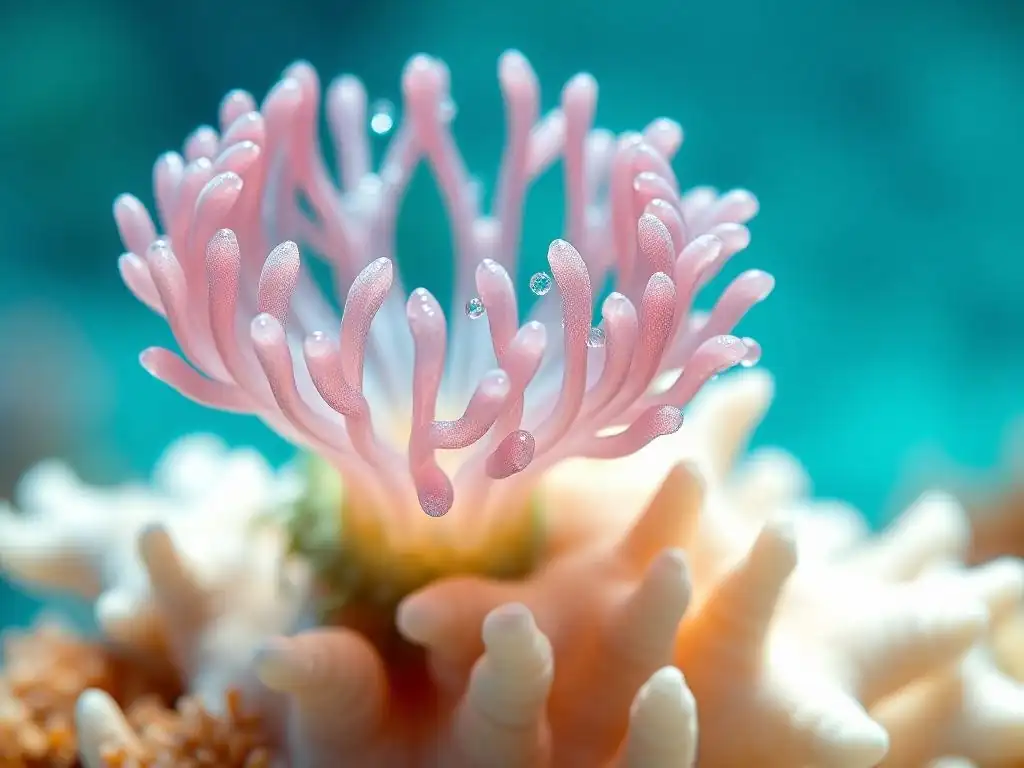
Mushroom coral-eating nudibranchs, primarily species like Phyllodesmium acanthorhinum, are highly specialized predators that pose a significant threat to Discosoma, Rhodactis, and other mushroom corals. These tiny sea slugs are often masters of camouflage, mimicking the color and texture of their host coral, making them incredibly difficult to spot. They typically measure less than 1 cm (0.4 inches) in length and can hide within the folds or on the undersides of the mushroom.
Signs of an infestation include visible bite marks, receding tissue, failure of the mushroom to fully expand, or a general decline in the coral's health. In severe cases, you might observe their distinctive white, spiral-shaped egg masses attached to the coral or nearby rockwork.
Their presence is often first indicated by the mushroom coral shrinking significantly, appearing deflated, or exhibiting areas of tissue loss. These nudibranchs feed by rasping away at the coral's tissue, leaving behind tell-tale scars. Because they are so small and blend in so well, regular, close inspection of all mushroom corals, especially new additions, is crucial. Using a magnifying glass or a strong flashlight can help reveal their presence, particularly during nighttime observations when they may be more active on the coral surface.
Effective Nudibranch Removal Methods
Effective nudibranch removal requires a multi-pronged approach, often involving both manual and chemical methods as part of a comprehensive saltwater coral pest treatment strategy. The most direct method is manual removal: carefully siphoning them off the coral or using tweezers to pick them off. This should be done diligently, as any missed individuals can quickly reproduce. However, manual removal alone is often insufficient due to their small size and ability to hide.
Chemical dips are highly effective. Commercial coral dips, often containing iodine or essential oil blends (e.g., CoralRx, Revive), are commonly used. Prepare the dip solution according to the manufacturer's instructions, using tank water in a separate container. Dip the affected mushroom coral for approximately 5-10 minutes, gently agitating it to dislodge pests.
After the dip, rinse the coral thoroughly in clean tank water before returning it to the display. Repeat dips every 3-5 days for several weeks to target newly hatched nudibranchs, as dips typically do not affect their eggs. Introducing natural predators, such as certain wrasses (e.g., Six-Line Wrasse, Yellow Coris Wrasse), can sometimes help, but their effectiveness varies, and they may not be entirely reef-safe in all setups.
Flatworms: A Threat to Mushroom Coral Health
Identifying Flatworms
Flatworms, particularly species like the red planaria ( Convolutriloba retrogemma), can quickly become a nuisance and a threat to mushroom corals and the entire reef ecosystem. These small, flat, oval-shaped worms are typically red-brown, but can also be tan or black, and they move with a gliding motion across surfaces.
While they don't directly consume mushroom coral tissue, they can form dense mats over corals and substrate, blocking light, irritating coral tissue, and competing for space. A severe infestation can lead to a significant decline in coral health, with mushrooms failing to open fully or appearing faded due to light deprivation.
Flatworms reproduce rapidly, and a small initial population can explode into thousands within a few weeks under favorable conditions, often when nutrient levels are elevated. They are most noticeable on the sandbed, live rock, or directly on corals during the day, but they can also be seen congregating in areas of low flow. Their presence can also be indicated by increased detritus buildup on corals and substrate, as they contribute to the overall bioload.
Flatworm Treatment: Dips and Medications
Addressing a flatworm infestation requires prompt action. Manual removal through siphoning is effective for small, localized populations but is impractical for widespread outbreaks. For more extensive infestations, chemical treatments are generally necessary. Products specifically designed for flatworm eradication, such as Flatworm Exit (TM) or similar formulations, are widely available and effective as part of a saltwater coral pest treatment strategy.
When using chemical treatments, it is crucial to follow the manufacturer's instructions precisely. A typical dosage might involve adding 1 drop of medication per gallon of aquarium water. During treatment, ensure strong water flow to distribute the medication.
After the recommended treatment time (usually a few hours), a significant water change (25-50%) is essential, and any dead flatworms should be siphoned out immediately. This step is critical because dying flatworms can release toxins that, in large quantities, can be lethal to fish and other invertebrates, potentially crashing the entire system. Repeat treatments may be necessary after 7-10 days to eliminate any newly hatched worms from eggs that survived the initial treatment.
Snails and Other Grazers: Potential Problems
Distinguishing Beneficial Grazers from Harmful Ones
Not all snails in a reef aquarium are problematic; many are beneficial members of the clean-up crew, grazing on algae and detritus. Beneficial grazers commonly include trochus snails, nerite snails, turbo snails, and various cerith snails. These snails typically have conical or spiral shells and are observed primarily on rocks, glass, or sand, consuming algae films and leftover food. They are an integral part of maintaining tank hygiene and rarely pose a threat to corals.
However, certain snail species can be highly predatory or parasitic towards corals, including mushroom corals. Identifying these harmful snails requires careful observation. Pyramid snails, for example, are tiny, often white, and have a distinctive pyramid-shaped shell; they are known to parasitize clams but can sometimes bother corals.
Sundial snails ( Heliacus areola) are another common pest, often targeting zoanthids but can also irritate or consume mushroom coral tissue. Unlike beneficial grazers, problematic snails are often found directly on the coral tissue, sometimes with a visible proboscis extended, and their presence correlates with tissue damage or retraction of the coral. Look for irregular shell shapes, extremely small sizes, or nocturnal activity directly on the coral.
Managing Problematic Snails
Managing problematic snails typically involves a combination of manual removal and, in some cases, targeted treatments. The most straightforward method is vigilant manual removal: regularly inspecting your mushroom corals and immediately picking off any suspicious snails using tweezers or a siphon. This is particularly effective for larger, more visible predatory snails. For tiny, prolific pests like pyramid snails, a dedicated quarantine period for new corals and regular coral dips (as discussed in later sections) are crucial preventative measures.
Biological control can sometimes be effective, with certain wrasse species (e.g., Six-Line Wrasse, Melanurus Wrasse) known to prey on small snails and flatworms, though their effectiveness against all predatory snails varies and they may not be suitable for every tank. If a significant infestation of predatory snails is identified, it may be necessary to remove the affected mushroom coral to a quarantine tank for more intensive saltwater coral pest treatment, which might include specific chemical dips or even freshwater dips for very short durations to dislodge the snails.
Consistent vigilance and prompt action are key to preventing these pests from establishing a thriving population.
Common Diseases of Mushroom Corals: Diagnosis and Treatment
Bacterial Infections
Recognizing Signs of Bacterial Infection
Bacterial infections are a common cause of disease in mushroom corals, often manifesting when the coral is stressed, injured, or exposed to poor water quality. Recognizing the signs early is crucial for effective saltwater coral pest treatment. Common indicators include rapid tissue recession, where the coral's flesh appears to melt away from its base or edges, sometimes revealing the underlying rock or skeleton. The affected tissue may appear discolored, turning white, brown, or black, and can develop a slimy, fuzzy, or necrotic appearance. Lesions or open sores on the coral's surface are also strong indicators.
The progression of bacterial infections can be alarmingly fast; a healthy mushroom coral can show significant tissue loss within 24 to 48 hours, especially if the causative agent is a virulent strain of bacteria. Unlike bleaching, which is a general paling, bacterial infections often present with distinct areas of decay.
A foul odor emanating from the affected coral or the water near it can also be a subtle sign of advanced bacterial decay. Immediate action upon observing these symptoms is essential to prevent the infection from spreading to other parts of the coral or to neighboring corals in the display tank.
Treatment Options for Bacterial Infections
Treating bacterial infections in mushroom corals typically involves isolating the affected coral and administering targeted medications. The first step is to remove the infected coral from the main display tank and place it in a dedicated quarantine or hospital tank with stable, pristine water parameters. This prevents the spread of bacteria to other corals and allows for more precise medication dosing without impacting the entire system's inhabitants or beneficial bacteria.
Antibiotic dips or systemic treatments are the primary course of action. Broad-spectrum antibiotics like Ciprofloxacin (often dosed at approximately 10mg per gallon daily for 3-5 days) or Furan-2 can be effective. Prepare the dip solution in a separate container using water from the quarantine tank, following specific dosage instructions. A typical dip duration might range from 30 to 60 minutes, with the coral gently agitated to ensure medication contact.
For more severe or persistent infections, a multi-day course of antibiotics in the quarantine tank may be necessary. Ensure excellent water flow in the hospital tank and monitor water quality closely, as some medications can impact beneficial bacteria. Always research and confirm the specific dosage and treatment duration for the chosen antibiotic to avoid overdosing, which can further stress or harm the coral.
Fungal Infections: A Rare but Serious Threat
Identifying Fungal Infections
Fungal infections in mushroom corals are less common than bacterial ones but can be equally devastating. They often occur when corals are already stressed or have suffered physical damage, allowing opportunistic fungi to colonize the compromised tissue. Identifying fungal infections can be challenging as their symptoms sometimes mimic those of bacterial infections. Look for white, cotton-like growths, fuzzy patches, or distinct spreading lesions on the coral's tissue that appear different from typical bacterial slime. The affected areas may show necrosis or discoloration, similar to bacterial issues, but with a more defined, often filamentous, texture.
Unlike some bacterial infections that cause rapid tissue melting, fungal infections might progress more slowly, steadily consuming coral tissue over several days or even weeks. The growth might appear slightly three-dimensional or like a mold. If you observe a fuzzy white or brownish growth that seems to be originating from a specific point of injury or stress on your mushroom coral and is resistant to typical bacterial treatments, a fungal infection should be considered. Microscopic examination of a tissue sample can confirm a fungal presence, but this is rarely feasible for the average aquarist.
Treating Fungal Infections
Treating fungal infections in mushroom corals requires specific antifungal medications, as standard antibiotics will not be effective. Similar to bacterial treatments, the infected mushroom coral should be moved to a dedicated quarantine tank to prevent the potential spread of the fungus and to allow for precise medication application. Maintaining stable and optimal water parameters in the quarantine tank is critical to support the coral's recovery during treatment.
Antifungal treatments, such as Ruby Reef Rally or other specialized antifungal agents, can be used. These products are typically administered as dips or as a multi-day treatment in the quarantine tank, following the manufacturer's specific instructions. For instance, a dip might last for 15-30 minutes, or a daily dose might be added to the quarantine tank for several days.
In some cases, if the fungal infection is localized to a small area, careful fragging to remove the infected tissue might be an option, but this should only be attempted by experienced aquarists to avoid further stressing the coral. Post-treatment, continued monitoring is essential to ensure the infection has been eradicated and the coral is beginning to recover.
Coral Bleaching: Understanding and Addressing Stress
Factors Contributing to Coral Bleaching
Coral bleaching, though not a disease caused by a pathogen, is a severe stress response that can lead to the death of mushroom corals if not addressed promptly. It occurs when corals expel the symbiotic algae (zooxanthellae) living within their tissues, which provide them with most of their nutrition and color.
Without these algae, the coral's white skeleton becomes visible, giving it a stark, bleached appearance. The primary factors contributing to coral bleaching are rapid or prolonged changes in water temperature (even a 2-3°F or 1-1.5°C swing outside their ideal range), extreme lighting (too intense or too dim), and sudden shifts in salinity.
Other significant stressors include prolonged poor water quality (e.g., chronically high nitrates above 10 ppm or phosphates above 0.03 ppm), significant pH fluctuations (e.g., a drop from 8.2 to 7.8), or exposure to toxins or pollutants. Moving a coral abruptly from a low-light area to a high-light area, or vice versa, without proper acclimation can also trigger bleaching. Any environmental stressor that compromises the coral's ability to maintain its symbiotic relationship with the zooxanthellae can lead to this critical condition.
Steps to Reverse Coral Bleaching
Reversing coral bleaching requires immediate identification and correction of the underlying stressor. The first and most critical step is to stabilize all water parameters to their optimal range: temperature (76-78°F or 24.5-25.5°C), salinity (1.025-1.026), alkalinity (8-12 dKH), calcium (400-450 ppm), and magnesium (1300-1400 ppm). Use reliable test kits to confirm parameters and make gradual adjustments, avoiding rapid swings that could cause further stress.
Ensure proper lighting for your mushroom corals, which typically prefer moderate to low PAR levels (e.g., 50-150 PAR, depending on the species), and provide gentle, indirect water flow to prevent detritus buildup without blasting the coral. Enhance water quality through regular water changes (e.g., 10-20% weekly) and efficient nutrient export methods like protein skimming and refugiums.
If the bleaching is caught early, and the stressors are removed, mushroom corals can sometimes recover their zooxanthellae and regain their color over several weeks to months. Providing supplemental feeding with specialized coral foods (e.g., finely crushed flakes, zooplankton) can also aid in their recovery by providing direct nutrition.
Preventative Measures for Mushroom Coral Health
Maintaining Optimal Water Parameters
Maintaining stable and optimal water parameters is the cornerstone of preventative care for mushroom corals and the most effective way to minimize the need for saltwater coral pest treatment. Consistency is key; sudden fluctuations are often more detrimental than slightly off but stable parameters. Ideal ranges for a reef aquarium include: salinity at 1.025-1.026 specific gravity, temperature between 76-78°F (24.5-25.5°C), alkalinity at 8-12 dKH, calcium at 400-450 ppm, and magnesium at 1300-1400 ppm. Nitrates should be kept low, ideally below 10 ppm, and phosphates below 0.03 ppm.
Regular testing of these parameters, at least weekly for alkalinity, calcium, and magnesium, and bi-weekly for nitrates and phosphates, allows for proactive adjustments. Consistent dosing of trace elements and alkalinity/calcium supplements, or performing regular small water changes (e.g., 10% weekly or 20% bi-weekly) with high-quality saltwater, helps to maintain these levels. By providing a stable chemical environment, you significantly reduce stress on your mushroom corals, bolstering their natural immunity and making them far more resilient to potential pests and diseases.
Proper Lighting and Flow
Beyond water chemistry, providing appropriate lighting and water flow is vital for the long-term health of mushroom corals. Most mushroom coral species, such as Discosoma and Rhodactis, originate from shallower, more turbid waters or shaded areas of the reef. Consequently, they generally thrive under moderate to low intensity lighting, typically in the range of 50-150 PAR (Photosynthetically Active Radiation), depending on the specific species and their coloration. Too much light can cause them to bleach, recede, or lose their vibrant colors, while too little light will lead to fading and a failure to thrive.
Water flow should be gentle to moderate and indirect. Mushroom corals prefer a tumbling or chaotic flow that prevents detritus from settling on their surface but avoids direct, strong currents that can cause them to detach or remain closed. Excessive flow can tear their delicate tissues or prevent them from fully expanding to capture light and food. Experiment with their placement in the tank, observing how they react to different light intensities and flow patterns, and adjust accordingly to find their preferred spot where they fully expand and exhibit vibrant coloration.
Quarantine Procedures
Implementing strict quarantine procedures for all new livestock, especially corals, is arguably the most crucial preventative measure against introducing pests and diseases into your display tank. A dedicated quarantine tank (QT) with its own equipment (heater, powerhead, light) allows for careful observation and treatment of new arrivals before they are introduced to your main reef system. This significantly reduces the risk of bringing in unwanted hitchhikers like mushroom coral-eating nudibranchs, various flatworms, parasitic snails, or unseen bacterial and fungal pathogens.
A typical quarantine period for corals should last at least 2-4 weeks. Upon arrival, new mushroom corals should receive an initial dip in a commercial coral dip solution (e.g., CoralRx, Revive) to dislodge external pests. During the quarantine period, closely inspect the coral daily for any signs of pests, disease, or abnormal behavior. If any issues arise, they can be addressed in the isolated environment of the QT without jeopardizing the established ecosystem of your main display tank. This proactive approach is a cornerstone of effective saltwater coral pest treatment and overall reef health management.
Regular Observation and Early Intervention
Regular, diligent observation of your mushroom corals and the entire reef system is paramount for early intervention and preventing minor issues from becoming major problems. Make it a routine to visually inspect all your corals daily, looking for any subtle changes in color, texture, expansion, or the presence of any unusual growths or organisms. Pay close attention to areas that are typically hidden, such as the undersides of mushroom corals or crevices in the rockwork where pests might hide.
Early detection of signs like minor tissue recession, slight discoloration, or the appearance of a few flatworms can allow for immediate, targeted saltwater coral pest treatment or disease intervention. This might involve simply siphoning off a few pests, adjusting water flow, or performing a quick coral dip. Catching problems at their nascent stage means they are generally easier, less costly, and less stressful to treat, significantly increasing the chances of full recovery for the affected mushroom coral and preventing widespread outbreaks that could devastate your entire reef aquarium.
Coral Dips and Medications Explained
Common Coral Dips for Pest Control
Iodine Dips
Iodine dips are a classic and widely used method for combating external parasites and bacterial issues on corals, including mushroom corals, as part of a general saltwater coral pest treatment. Products containing Lugol's solution (a specific iodine formulation) are commonly employed due to their antiseptic and mild anti-parasitic properties. The iodine works by oxidizing and disrupting the cellular structures of various microorganisms and some external parasites.
To perform an iodine dip, prepare a separate container with clean tank water (or RODI water matched to tank parameters) and add the recommended dosage of Lugol's solution, typically 5-10 drops per gallon. Submerge the mushroom coral in this solution for a short duration, usually 5-10 minutes, gently agitating it to dislodge pests and ensure full contact. Observe the coral closely during the dip for any signs of extreme stress.
After the dip, thoroughly rinse the coral in clean tank water before returning it to the display tank. While effective for some pests and as a general prophylactic, iodine dips may not be sufficient for deeply embedded parasites or specific pests like mushroom coral-eating nudibranchs.
Freshwater Dips
Freshwater dips are a more aggressive, but highly effective, method for dislodging certain external pests like flatworms, nudibranchs, and unwanted hitchhikers from mushroom corals. This method relies on osmotic shock: the sudden change in salinity from saltwater to freshwater causes the cells of saltwater organisms to rapidly absorb water and burst, while the coral, being more resilient, can tolerate the brief exposure.
To perform a freshwater dip, use reverse osmosis/deionized (RODI) water that is precisely matched to the temperature and pH of your aquarium water. Submerge the mushroom coral in the RODI water for a very short duration, typically 30-60 seconds, and no longer than 2 minutes for most corals. Gently agitate the coral or swirl the water to help dislodge pests.
You will often see pests detaching and falling off the coral rapidly. Immediately after the dip, thoroughly rinse the coral in clean tank water and return it to the display. Freshwater dips are highly stressful for corals and should be used cautiously and sparingly, only when other methods are insufficient for specific pest issues.
Commercial Coral Dips
Commercial coral dips are specially formulated solutions designed for broad-spectrum pest control on new and existing corals, making them an indispensable tool in saltwater coral pest treatment. Brands like CoralRx, Revive, and Two Little Fishies ReVive Coral Cleaner utilize various active ingredients, often essential oils or proprietary blends, to target common pests such as flatworms, copepods, amphipods (some of which can be parasitic), and other unwanted invertebrates, without harming the coral.
These dips are generally less stressful on corals than freshwater dips and are more effective against a wider range of pests than iodine alone. Always follow the manufacturer's instructions precisely regarding dosage (e.g., 10-20 drops per gallon) and dip duration (typically 5-15 minutes). Prepare the solution in a separate container using tank water, submerge the coral, and gently agitate it.
Many commercial dips cause pests to detach and fall off the coral within minutes. After the specified time, rinse the coral thoroughly in clean tank water before returning it to the main display. Regular use of commercial dips during quarantine is a highly recommended preventative measure.
Medications for Treating Coral Diseases
Antibiotics for Bacterial Infections
When mushroom corals exhibit signs of bacterial infection, such as rapid tissue necrosis or slimy lesions, antibiotics are often the necessary saltwater coral pest treatment. These medications work by inhibiting the growth or killing the bacteria responsible for the infection. Common antibiotics used in the aquarium hobby include Ciprofloxacin, Furan-2, and Kanaplex (Kanamycin). It is crucial to administer antibiotics in a dedicated quarantine or hospital tank, never directly in the main display tank, as they can harm beneficial nitrifying bacteria and other invertebrates.
The choice of antibiotic and its dosage depends on the specific product and the severity of the infection. For instance, Ciprofloxacin might be dosed at approximately 10mg per gallon of water daily for a period of 3-5 days. Furan-2 is often used as a short-term bath.
Always research and strictly adhere to the manufacturer's instructions for the chosen medication. During antibiotic treatment, maintain excellent water quality, perform regular water changes in the hospital tank, and ensure adequate aeration, as some medications can reduce oxygen levels. Close observation of the coral's response is vital to determine the effectiveness and duration of the treatment.
Antifungal Treatments
Fungal infections in mushroom corals, while less frequent than bacterial ones, require specific antifungal treatments. Standard antibiotics will not be effective against fungal pathogens. Antifungal agents are designed to target the cellular structures unique to fungi, inhibiting their growth and spread. Products like Ruby Reef Rally or other specialized antifungal medications are available for aquarium use.
Similar to antibiotic treatments, antifungal medications should be administered in a separate quarantine tank to prevent adverse effects on the main display system. The treatment protocol will vary based on the specific product; some may involve a short-term dip (e.g., 15-30 minutes), while others require a multi-day course of treatment in the quarantine tank. Always follow the manufacturer's instructions for dosage and duration precisely.
Maintain stable water parameters and good water flow in the hospital tank to support the coral's healing process. If the fungal infection is localized to a small area and the coral is robust, carefully fragging the infected portion might be an option, but this carries risks and should be approached with caution.
Recovery and Rehabilitation
Creating a Stress-Free Environment
After undergoing saltwater coral pest treatment or disease intervention, creating a stable, stress-free environment is paramount for the mushroom coral's recovery and rehabilitation. Once the treatment phase is complete and the coral shows signs of improvement, carefully reintroduce it to a location in the main display tank that offers optimal, consistent conditions. This means ensuring the water parameters are pristine and stable, including salinity (e.g., within 0.001 of 1.026), temperature (within 0.5°F or 0.2°C of 77°F), and nutrient levels (nitrates <5 ppm, phosphates <0.03 ppm).
Additionally, confirm that the coral is placed in an area with appropriate lighting and gentle, indirect water flow that it can tolerate without showing signs of stress. Avoid any sudden changes in its environment, such as drastic light adjustments or placement near aggressive tank mates. Minimizing physical disturbances and maintaining overall tank cleanliness will provide the best possible conditions for the mushroom coral to heal, regain its color, and fully expand.
Providing Supplemental Feeding
While mushroom corals primarily derive nutrition from their symbiotic zooxanthellae, providing supplemental feeding can significantly aid their recovery and rehabilitation, especially if they have experienced tissue loss or prolonged stress. When stressed or diseased, their zooxanthellae may be diminished, or their ability to photosynthesize may be compromised. Direct feeding provides readily available energy and nutrients that can accelerate tissue regeneration and overall vitality.
Offer small particulate foods specifically designed for corals, such as finely crushed flakes, zooplankton, or specialized coral foods like phytoplankton or liquid invertebrate foods. Target feeding can be done once or twice a week, using a pipette or turkey baster to gently deliver the food near the mushroom coral when its polyps are open. Observe how the coral responds to feeding; if it appears to consume the food, continue this practice until it shows full recovery and sustained expansion. Overfeeding should be avoided as it can contribute to nutrient buildup in the tank.
Monitoring Coral Health Post-Treatment
Continued, diligent monitoring of mushroom coral health post-treatment is crucial to ensure complete recovery and to detect any recurrence of pests or diseases. Even after successful saltwater coral pest treatment, corals can be weakened and susceptible to secondary infections or the re-emergence of pathogens if any remained. For several weeks following treatment, observe the coral daily for signs of full expansion, vibrant coloration returning, and any absence of tissue recession or abnormal growths.
Pay attention to subtle cues: Is the mushroom fully inflating? Is its mouth closed? Is its color returning to normal? Is it reacting positively to light and flow? If symptoms recur, be prepared to re-evaluate the situation, potentially repeating the previous treatment or exploring alternative approaches. Documenting observations and treatment outcomes can be helpful for future reference. Full recovery can take weeks to several months, so patience and consistent care are essential during this rehabilitation phase.
Conclusion: Ensuring Long-Term Health
Ensuring the long-term health of mushroom corals in a saltwater aquarium is a continuous endeavor that relies on a proactive and informed approach. The journey from identifying a problem to implementing effective saltwater coral pest treatment and facilitating recovery highlights the critical importance of vigilance, consistent care, and strategic intervention. By understanding the common pests and diseases that affect these resilient invertebrates, aquarists can better equip themselves to protect their reef inhabitants.
Maintaining optimal and stable water parameters, providing appropriate lighting and water flow, and rigorously adhering to quarantine procedures for all new additions are not merely best practices; they are foundational pillars of preventative care. When issues do arise, swift and accurate identification, followed by the correct application of coral dips or medications, can be the difference between a thriving mushroom coral and a lost one. Ultimately, a well-managed reef aquarium, characterized by diligent observation and timely action, ensures a vibrant, healthy, and enduring home for your cherished mushroom corals.
Frequently Asked Questions
What are the most common pests that affect Mushroom Corals in saltwater aquariums?
The most common pests include nudibranchs, flatworms, and certain types of snails. These pests can damage the coral tissue and inhibit growth.
How can I identify if my Mushroom Coral has a pest infestation?
Look for signs like tissue recession, unexplained discoloration, or the presence of small creatures on or around the coral. Also, observe if the coral is not expanding as much as usual.
What are some initial steps I can take to treat a Mushroom Coral pest infestation?
Begin with a freshwater dip or a coral dip specifically designed to kill pests. This can dislodge many of the pests from the coral.
What are some preventative measures I can take to avoid Mushroom Coral pests?
Always quarantine new corals before introducing them to your main tank. Regularly inspect your corals for any signs of pests or disease.
When should I consider using a more aggressive saltwater coral pest treatment?
If initial dips and manual removal are ineffective, consider a reef-safe chemical treatment. Always follow the product instructions carefully to avoid harming your other aquarium inhabitants.
Final Reflection: Protecting the Reef's Delicate Beauty
The intricacies of maintaining a thriving reef aquarium, as we've explored, are deeply intertwined with understanding and addressing the threats posed by pests and diseases to delicate corals like mushroom corals. The ongoing battle against these challenges underscores the vital role of informed reef keepers in preserving the health of our miniature underwater ecosystems. The information presented here, from identification to treatment, serves as a crucial resource in this continuous effort, highlighting the importance of proactive care and responsible reef keeping practices in the face of ever-present threats.
This journey into the world of saltwater coral pest treatment has not only provided practical knowledge but has also deepened our appreciation for the fragility and resilience of these living organisms. Witnessing the impact of even minor infestations underscores the interconnectedness of the reef environment and the responsibility we bear as custodians of these miniature ecosystems. In the end, we will conserve only what we love; we will love only what we understand; and we will understand only what we are taught.
- Baba Dioum. This quote perfectly encapsulates the need for continuous learning and informed action in the realm of reef keeping.
Now, armed with this knowledge, I encourage you to reflect on your own role in the reef keeping community. Consider how you can contribute to the collective effort of protecting these magnificent creatures. Whether it's through diligent observation, responsible treatment, or sharing your knowledge with others, every action counts. Let us strive to be informed, proactive, and compassionate stewards of our reef aquariums, ensuring the vibrant beauty of mushroom corals and the entire reef ecosystem thrives for generations to come.
Unleash the Vibrant Beauty of Your Mushroom Coral!
Thanks for diving deep into the world of mushroom coral care! We hope this guide empowered you with the knowledge to keep your reef thriving. Now, let's put that knowledge into action:
- Act immediately if you suspect a pest or disease. Early intervention is key to saving your mushroom coral! Carefully examine your coral for any signs mentioned, and begin treatment promptly.
- Share your experiences! Help other reef keepers by posting photos and descriptions of coral pests or diseases you've encountered in online forums.
- Think outside the box:Consider a temporary "hospital tank" for severely affected mushroom corals to provide targeted treatment and minimize impact on your main reef.
What unique techniques do you use to maintain the health and vibrancy of your mushroom corals? Share your secrets in the comments below!