
Spotting Unhealthy Favia: Early Warning Signs & How to React

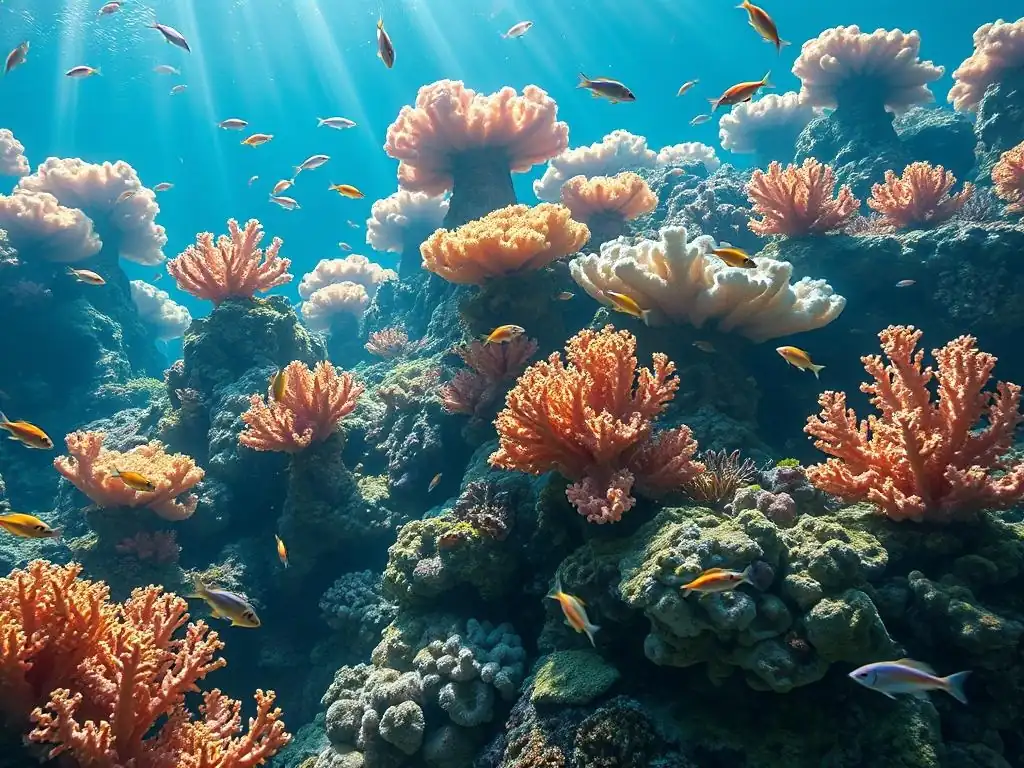
Welcome to Aquarium Mastery! Are you worried about the health of your prized Favia coral? Spotting the early warning signs of disease can be the difference between life and death for these stunning LPS corals. Dive into our comprehensive guide on " Favia coral disease symptoms" and learn how to identify, react, and protect your reef from potential threats. Your journey to a thriving aquarium starts now!
- Understanding Favia Coral Health
- Identifying Favia Coral Disease Symptoms: A Visual Guide
- Factors Contributing to Unhealthy Favia Corals
- Reacting to Favia Coral Disease Symptoms: Treatment and Prevention
- Advanced Favia Coral Care: Promoting Long-Term Health
- Diagnosing Favia Coral Flatworms in Your Aquarium
- Conclusion: Ensuring a Healthy Favia Coral in Your Reef Tank
-
Frequently Asked Questions
- What are the most common early warning signs of disease in Favia corals?
- How can I distinguish between a healthy Favia coral and one that is starting to experience tissue necrosis?
- What are some environmental factors that can contribute to disease in Favia corals?
- What steps should I take immediately if I suspect my Favia coral is exhibiting disease symptoms?
- Can specific medications or treatments help to reverse the effects of disease in Favia corals?
- Final Reflection: Protecting the Reef's Building Blocks
- Safeguard Your Favia: Act Now!
Understanding Favia Coral Health
Introduction to Favia Coral and their Susceptibility to Disease
Favia corals, often known as brain corals or pineapple corals, are a popular choice among reef aquarists due to their vibrant colors, diverse patterns, and relatively robust nature. As Large Polyp Stony (LPS) corals, they contribute significantly to the aesthetic appeal of a reef tank, forming beautiful encrusting or mounding colonies. While generally considered hardy compared to some more delicate coral species, Favia corals are not immune to stress and disease, making vigilance for Favia coral disease symptoms crucial for their long-term survival in a captive environment.
Despite their hardiness, Favia corals are highly dependent on stable environmental conditions to thrive. Fluctuations in water parameters, inadequate lighting, improper water flow, or the introduction of pathogens can quickly compromise their health. Their susceptibility to various ailments, including bacterial infections, parasitic infestations, and stress-induced conditions like bleaching, underscores the need for aquarists to be acutely aware of potential Favia coral problems and how to address them.
Importance of Early Detection of Favia Coral Problems
Early detection is paramount when dealing with Favia coral health issues, as many Favia coral disease symptoms can escalate rapidly if left unaddressed. A minor irritation or localized infection can quickly spread, leading to irreversible tissue loss across an entire colony or even affecting other corals in the display tank. Prompt identification and intervention can significantly increase the chances of successful recovery, saving both the individual coral and potentially preventing a broader tank-wide crisis.
For instance, aggressive conditions like Brown Jelly Disease can decimate a Favia colony within 24 to 48 hours if not acted upon immediately. Similarly, rapid tissue necrosis (RTN) can strip a coral of its living tissue in a matter of hours. By closely observing your Favia corals daily for the subtlest Favia coral disease symptoms, such as slight changes in color or polyp extension, aquarists can often intervene during the initial stages of Favia coral problems, allowing for more effective treatment and minimizing long-term damage.
Identifying Favia Coral Disease Symptoms: A Visual Guide
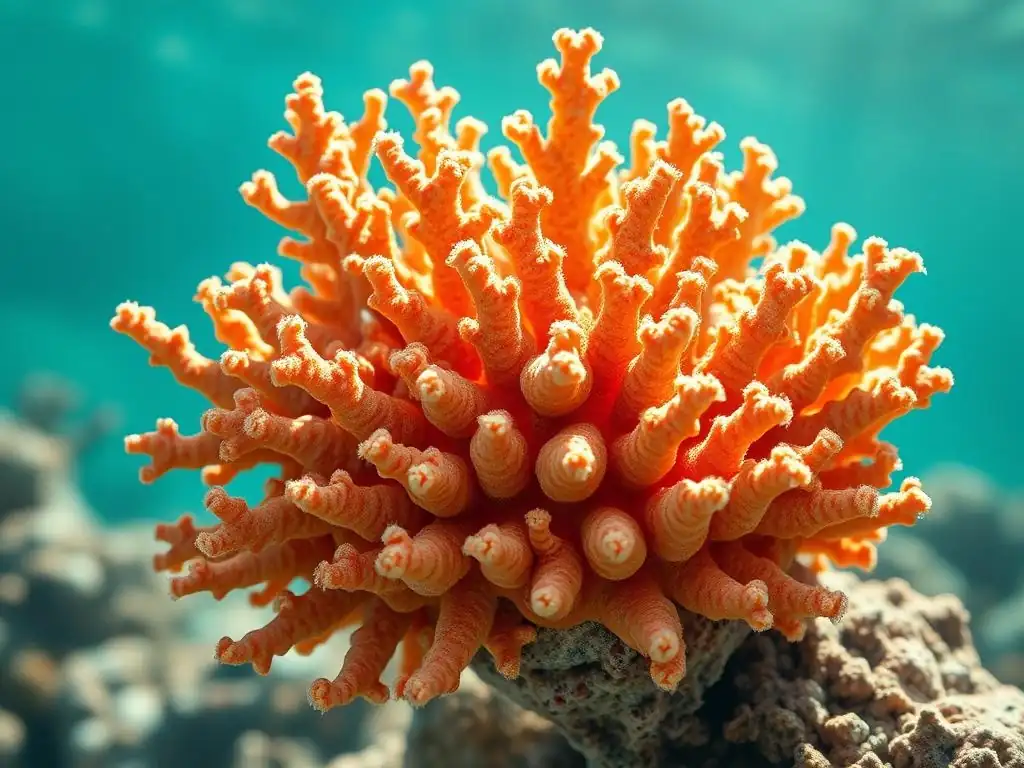
Recognizing Common Favia Coral Ailments
Favia Coral Tissue Necrosis (STN & RTN): Identifying Rapid Tissue Loss
Tissue necrosis, manifesting as either Slow Tissue Necrosis (STN) or Rapid Tissue Necrosis (RTN), is one of the most alarming Favia coral disease symptoms. STN typically appears as a gradual recession of the coral's tissue, often starting from the base or edges and slowly exposing the white skeletal structure over several days or weeks. In contrast, RTN is far more aggressive, causing the coral tissue to slough off within hours, leaving behind a stark, bleached skeleton. Both conditions are critical indicators of severe Favia coral problems.
Visually, these conditions are characterized by stark white, exposed skeleton where healthy tissue once was. For RTN, a distinct line of recession may be visible, sometimes accompanied by a "slimy" or stringy appearance at the edge of the dying tissue. It is estimated that STN can result in 5-10% tissue loss per day, while RTN can lead to 50-100% tissue loss in less than 24 hours. These rapid changes often indicate bacterial infections or extreme stress, demanding immediate action to prevent further progression and potentially save the Favia colony.
Favia Coral Bleaching: Causes and Recognition
Favia coral bleaching is a common Favia coral disease symptom characterized by the expulsion of symbiotic zooxanthellae algae from the coral's tissue, resulting in a dramatic loss of color and a translucent, pale appearance. This phenomenon occurs when corals are under severe environmental stress, leading their zooxanthellae to produce harmful reactive oxygen species, which the coral then expels to protect itself. While not immediately fatal, prolonged bleaching can lead to starvation and eventual death of the Favia coral.
Common triggers for Favia coral bleaching include sudden or prolonged temperature fluctuations (even a 2-3°F swing outside the ideal 76-78°F range), excessive light intensity (PAR levels consistently above 200-250 µmol/m²/s without proper acclimation), or drastic shifts in water chemistry. A bleached Favia will appear white, very light pastel, or translucent, often revealing the intricate structure of its underlying skeleton. It is a clear sign that environmental conditions need immediate assessment and correction to prevent further decline.
Favia Coral Brown Jelly Disease: A Deadly Infection
Brown Jelly Disease (BJD) is a highly contagious and rapidly fatal protozoan infection that presents as one of the most devastating Favia coral disease symptoms. It manifests as a slimy, brownish-red gelatinous mass that quickly engulfs and consumes coral tissue. This "jelly" is a viscous mix of dead coral cells, protozoa, and bacteria, and its presence signals an urgent and severe Favia coral problem.
The progression of Brown Jelly Disease is alarmingly fast; an entire Favia colony can be consumed by the infection within 24 to 48 hours. It often initiates in areas where the coral has existing tissue damage, stress points, or accumulated detritus. Given its rapid spread and lethality, immediate physical removal of the affected areas and targeted treatment are absolutely critical to prevent the loss of the entire Favia colony and potentially other susceptible corals in the aquarium.
Identifying Favia Coral Pests and Parasites
Beyond diseases, Favia corals can also suffer from various pests and parasites, which can cause localized damage and stress, sometimes leading to more severe Favia coral disease symptoms. Common culprits include flatworms (such as Prosthiostomum) and, less frequently, certain types of nudibranchs or other generalist coral predators. These organisms can irritate the coral tissue, cause feeding inhibition, or directly consume polyps, weakening the coral over time.
Spotting these pests often requires careful observation, as they are typically small and well-camouflaged. Flatworms might appear as tiny, oval, brownish specks on the coral's surface, sometimes causing a localized recession or "bite marks." Nudibranchs, if present, might be seen on the coral, often laying distinctive spiral egg masses. Regular, close inspection, perhaps with the aid of a magnifying glass, is essential for early identification of these Favia coral problems, allowing for timely manual removal or targeted treatment before an infestation becomes widespread.
Favia Coral Color Changes: Deciphering the Signs
Loss of Color and Dull Appearance in Favia Corals
A general fading or dulling of a Favia coral's typically vibrant colors is a significant Favia coral disease symptom that often precedes more severe issues like bleaching or tissue necrosis. This loss of intensity indicates chronic stress, typically stemming from suboptimal environmental conditions such as insufficient light, poor water quality, or inadequate nutrition. For instance, a Favia that once exhibited deep greens and purples might gradually shift to a muted grey or pale brown over several weeks.
This dullness often points to a decline in the health or population of the coral's symbiotic zooxanthellae. Potential underlying causes include consistently low Photosynthetically Active Radiation (PAR) levels (e.g., below 75-100 µmol/m²/s for some Favia species), persistent low alkalinity (below 7 dKH), or prolonged periods of undetectable nitrates and phosphates. These issues can hinder the coral's ability to photosynthesize and obtain vital nutrients, making it more vulnerable to other Favia coral problems.
Abnormal Coloration and Unusual Growths on Favia
Beyond simple fading, abnormal coloration and unusual growths are distinct Favia coral disease symptoms that demand immediate attention. This can include the appearance of dark patches, splotches of unnatural colors (e.g., dark brown, black, or even an uncharacteristic bright green), or a "dusty" or fuzzy appearance on the coral's surface. These changes are often indicative of bacterial infections, fungal issues, or the overgrowth of nuisance microalgae on stressed or dying tissue.
Unusual growths can also manifest as white, stringy material (suggesting fungal or bacterial slime), or small, hard bumps that might be parasitic cysts or calcification anomalies. For example, a cotton-like white growth could point to a Saprolegnia fungus, while velvety, dark patches might indicate cyanobacteria colonization on compromised tissue, or a specific bacterial infection. Such visual anomalies are clear signs of Favia coral problems that require investigation and often prompt intervention to prevent further tissue degradation.
Factors Contributing to Unhealthy Favia Corals
Water Chemistry Imbalance and Favia Health
The Impact of Alkalinity, Calcium, and Magnesium Levels
Stable water chemistry is the cornerstone of Favia coral health. Alkalinity (ideally 8.0-10.0 dKH), calcium (400-450 ppm), and magnesium (1300-1400 ppm) are vital for the calcification process, enabling Favia to build and maintain its stony skeleton. Fluctuations or deficiencies in these parameters can severely stress Favia, making them highly susceptible to various Favia coral disease symptoms. For example, a drop in alkalinity below 7 dKH can significantly inhibit calcification, leading to visible tissue recession over time.
Low alkalinity directly impedes the coral's ability to form its aragonite skeleton, resulting in slower growth and potential tissue loss. Similarly, insufficient calcium levels hinder skeletal development. Magnesium plays a crucial role in the bioavailability and uptake of both calcium and alkalinity; a deficiency can disrupt the entire calcification process. Furthermore, rapid swings in any of these parameters, even if they remain within an acceptable range, can be highly detrimental to Favia corals, which thrive on consistent stability. Daily swings exceeding 0.5 dKH can induce significant stress.
The Role of Nitrates and Phosphates in Favia Diseases
While often considered waste products, nitrates (NO3) and phosphates (PO4) are essential macronutrients for corals and their symbiotic zooxanthellae when present in specific low concentrations. However, both excessively high and extremely low levels can contribute to Favia coral disease symptoms. High levels (e.g., nitrates above 20 ppm, phosphates above 0.1 ppm for prolonged periods) can irritate coral tissue, promote nuisance algae growth on the coral, and foster bacterial infections.
Conversely, ultra-low nutrient systems (often referred to as ULNS) where nitrates and phosphates are undetectable can also starve Favia corals. Zooxanthellae require these nutrients for photosynthesis, and their absence can lead to pale coloration, reduced polyp extension, or even bleaching as the coral struggles to obtain sufficient energy. For most Favia species, ideal nitrate levels are typically between 2-10 ppm, and phosphates between 0.02-0.05 ppm. Maintaining this "Goldilocks" zone is crucial for preventing nutrient-related Favia coral problems and promoting robust health.
Inadequate Lighting and Flow Affecting Favia Corals
Understanding Favia Coral Lighting Requirements
Favia corals are generally classified as moderate light corals, thriving best within a specific range of Photosynthetically Active Radiation (PAR). While requirements can vary slightly by species and individual coral, most Favia do well in PAR levels typically ranging from 75 to 200 µmol/m²/s. Insufficient light, such as PAR consistently below 50 µmol/m²/s, can lead to a Favia browning out, losing its vibrant coloration, and slowly receding as it struggles to meet its energetic demands through photosynthesis.
On the other hand, excessive light intensity, particularly if the coral is not properly acclimated, can be just as detrimental. PAR levels consistently above 250-300 µmol/m²/s can cause significant stress, leading to bleaching, tissue damage, and polyp retraction. When introducing new Favia corals or upgrading lighting, gradual acclimation is crucial; increasing light intensity by no more than 10-15% per week can help prevent light-induced Favia coral disease symptoms and allow the coral to adapt safely.
Ensuring Proper Water Flow for Favia Coral Health
Proper water flow is another critical environmental factor for maintaining Favia coral health. Moderate, turbulent, and indirect water flow is ideal, serving multiple vital functions. It helps deliver essential nutrients and oxygen to the coral's polyps, removes metabolic waste products, and prevents detritus from settling on the coral's surface. Stagnant areas around a Favia can lead to the accumulation of organic matter, which promotes bacterial growth and can initiate Favia coral disease symptoms.
Too little flow (e.g., overall tank turnover less than 10-20 times tank volume per hour) allows detritus to settle on the coral, irritating tissue and increasing the risk of infection. Conversely, excessively strong, direct, or laminar flow can physically damage the polyps, preventing them from extending fully and feeding effectively. The ideal flow allows the Favia's polyps to gently sway and extend fully without being violently blasted or flattened against the skeleton, ensuring efficient nutrient exchange and waste removal.
Physical Damage and Stressors on Favia
Handling and Placement Considerations for Favia Corals
Favia corals, being stony corals, possess a rigid and sometimes brittle skeletal structure. Improper handling during initial placement, tank maintenance, or propagation can easily lead to physical damage, such as broken skeletal structures or torn tissue. These open wounds are highly susceptible to secondary infections, serving as prime entry points for bacteria and protozoa that can quickly lead to severe Favia coral disease symptoms like RTN or Brown Jelly Disease. It is paramount to always handle Favia by its base or the rock it is attached to, rather than directly by its delicate polyps.
Secure and thoughtful placement within the aquarium is equally important. A Favia coral that is not stably mounted on the rockwork can fall or roll, sustaining significant damage upon impact with the substrate or other tank inhabitants. Furthermore, avoid placing Favia where it might be easily bumped or dislodged by maintenance tools, curious fish, or other tank equipment. Even seemingly minor abrasions can compromise the coral's integrity and become serious Favia coral problems if not addressed promptly.
Aggression from Other Corals and Invertebrates
Favia corals, like many Large Polyp Stony (LPS) corals, are equipped with potent sweeper tentacles that can extend several inches, particularly at night, to sting and deter competing corals. Placing Favia too close to other corals, especially those with aggressive stinging capabilities or allelopathic chemical defenses, can result in chemical warfare or direct stinging. This inter-coral aggression can cause tissue recession, necrosis, or general stress on the Favia itself or its neighbors, leading to visible Favia coral disease symptoms.
Additionally, certain invertebrates or fish in the aquarium can pose a threat to Favia corals. While many crabs are beneficial scavengers, some species (e.g., certain emerald crabs if underfed) may occasionally pick at coral polyps.
Similarly, some snails, urchins, or even fish like certain angelfish or butterflyfish, are known to nip at or irritate coral polyps, causing chronic stress and creating openings for opportunistic infections. Maintaining an adequate buffer zone, ideally at least 4-6 inches, around Favia from other corals with strong stings is crucial, and monitoring tank inhabitants for aggressive behaviors is essential to prevent these physical stressors from escalating into Favia coral problems.
Reacting to Favia Coral Disease Symptoms: Treatment and Prevention
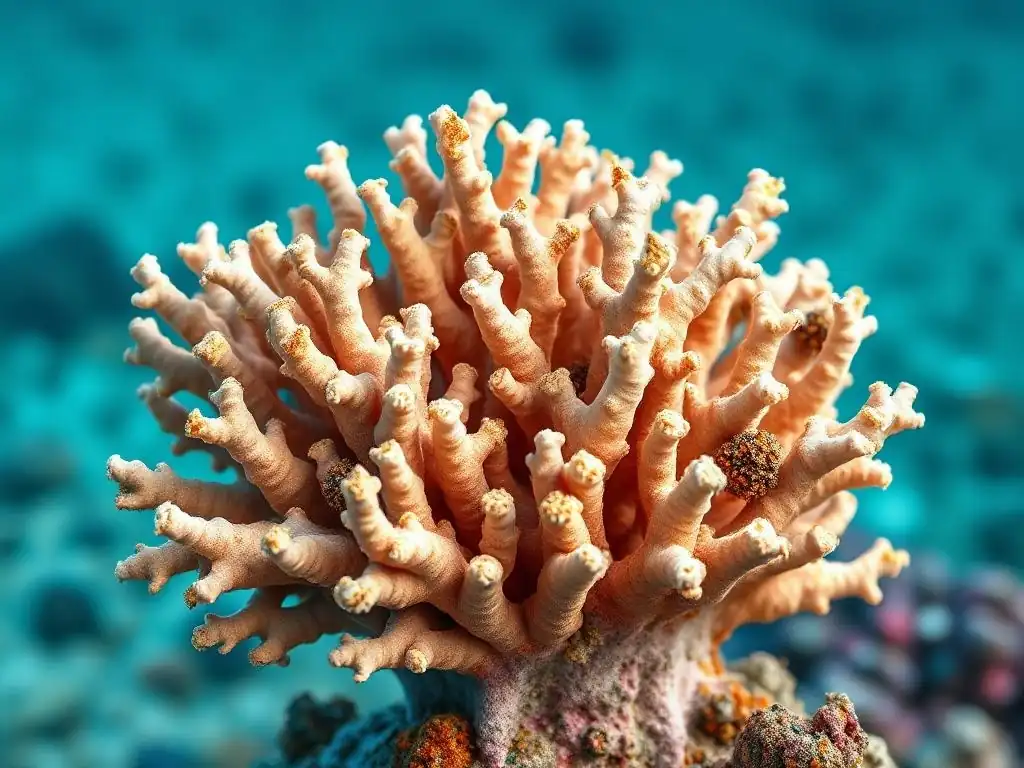
Quarantine Procedures for Diseased Favia Corals
Upon noticing any Favia coral disease symptoms, the immediate and most crucial first step is to remove the affected coral from the main display tank. Transferring it to a dedicated quarantine tank (QT) prevents the potential spread of disease to other healthy corals and allows for isolated, targeted treatment without impacting the delicate balance of the main reef system. A quarantine tank should be set up with stable water parameters that closely match those of the main display tank, but with minimal substrate and decor for ease of cleaning and observation.
The ideal QT setup includes its own heater, a small powerhead for adequate water flow, and a dedicated filter (such as a sponge filter or hang-on-back filter) to maintain water quality. This separation prevents cross-contamination and allows for the use of medications that might be harmful to other tank inhabitants or beneficial bacteria in the main system. Sometimes, simply removing the Favia from a potentially stressful environment in the display tank is enough for it to begin recovering. However, if the Favia coral disease symptoms persist or worsen, the QT provides a controlled environment for precise therapeutic interventions.
Treatment Options for Common Favia Coral Diseases
Treating Favia Coral Tissue Necrosis (STN/RTN)
For Favia coral tissue necrosis (STN or RTN), the most effective and often critical treatment involves physically fragging the healthy tissue section away from the diseased area. Using a sterile bone cutter or a Dremel with a diamond blade, make a clean cut at least 0.5 to 1 inch into the healthy skeleton, well clear of the visible line of receding tissue.
This physical separation aims to halt the spread of the infection or stressor to the remaining healthy coral. Following fragging, the healthy frag should be immediately dipped in an antiseptic coral dip (e.g., an iodine-based solution or a chlorhexidine-based dip) for 5-10 minutes according to product instructions.
If fragging is not feasible due to the coral's size or the widespread nature of the recession, a "super glue barrier" can sometimes be applied directly to the healthy skeleton just ahead of the receding tissue line to attempt to create a physical barrier against progression. For bacterial STN, antibiotics like Ciprofloxacin have shown some success when used as a short-term bath in a separate container (typically 10-20 mg per gallon for a 30-60 minute dip), but should never be dosed directly into the main display tank due to their impact on beneficial bacteria.
Addressing Favia Coral Bleaching
Addressing Favia coral bleaching primarily involves identifying and rectifying the underlying environmental stressor that caused the Favia coral disease symptoms. If over-lighting is suspected, gradually move the coral to a lower light area in the tank, or slowly dim your lighting system over several days or weeks. If temperature fluctuations are the cause, stabilize the tank temperature to a consistent 76-78°F (24.4-25.5°C), ensuring daily swings are minimal, ideally less than 1°F.
Should water chemistry imbalances be the culprit, slowly and carefully correct parameters such as alkalinity, calcium, and magnesium to their optimal ranges, avoiding any rapid changes that could further stress the coral. Providing supplemental feeding with appropriate coral foods (e.g., zooplankton or specialized LPS coral pellets) can also significantly aid a bleached Favia in its recovery by supplying direct nutrients while its zooxanthellae population gradually rebuilds. Be aware that recovery from bleaching can be a slow process, taking weeks to several months.
Managing Favia Coral Brown Jelly Disease
Brown Jelly Disease (BJD) demands immediate and aggressive intervention due to its rapid and deadly progression. The first critical step is to physically remove as much of the brown, gelatinous mass as possible using a siphon or turkey baster, taking extreme care not to spread the jelly to other corals or unaffected parts of the same Favia. Following this, a brief freshwater dip (using RO/DI water, pH and temperature matched to the tank water) for 30-60 seconds can help shock and kill some of the protozoa causing the infection.
After the freshwater dip, a targeted treatment with an antibiotic, such as a metronidazole-based medication (e.g., Metroplex), applied as a direct dip or a paste, can be effective. Some aquarists also report success with a Lugol's iodine dip (5-10 drops per gallon for 10-15 minutes). For larger colonies where the BJD has not spread too far, consider fragging off unaffected, healthy portions of the Favia before the disease reaches them, and then treat those isolated fragments to salvage part of the colony.
Controlling Favia Coral Pests and Parasites
For infestations of Favia coral flatworms or other external parasites, specialized coral dips are often the most effective treatment. Remove the affected Favia coral from the display tank and prepare a separate dip container with tank water and a commercial coral dip specifically formulated for parasites (e.g., products containing Levamisole HCl or other anti-parasitic agents). Carefully follow the product's instructions for dosage and dip duration, which typically ranges from 5 to 15 minutes.
During the dip, gently agitate the coral to help dislodge any remaining pests or their eggs. After the dip, thoroughly rinse the coral with clean tank water before returning it to a quarantine tank for observation. Since flatworm eggs are often resistant to dips, repeated treatments are usually necessary; plan to redip the coral every 3-5 days for a period of 3-4 weeks to effectively break their life cycle.
For visible nudibranchs, manual removal with tweezers is often the first step, combined with regular inspections and repeated dips to eradicate any remaining pests and their egg masses. Biological controls, such as certain wrasse species, can sometimes help manage populations but should not be relied upon as a sole solution.
Preventing Future Favia Coral Health Issues
Maintaining Optimal Water Parameters for Favia Corals
Consistent monitoring and meticulous maintenance of water parameters are paramount for preventing Favia coral disease symptoms and ensuring long-term Favia health. Regularly test alkalinity (aim for 8-10 dKH), calcium (400-450 ppm), magnesium (1300-1400 ppm), nitrates (2-10 ppm), and phosphates (0.02-0.05 ppm), ideally on a weekly basis, using high-quality and reliable test kits. Implement a consistent dosing regimen, such as two-part solutions or a calcium reactor, to maintain these parameters within their optimal and stable ranges.
Perform regular water changes, typically 10-20% bi-weekly or monthly, to replenish essential trace elements and export accumulated undesirable substances that can contribute to Favia coral problems. Crucially, ensure stable temperature (76-78°F or 24.4-25.5°C) and salinity (1.025-1.026 specific gravity) without sudden fluctuations. Avoiding rapid, drastic changes in any parameter is key to minimizing stress on Favia corals.
Providing Adequate Lighting and Flow
To prevent Favia coral health issues related to lighting, ensure your aquarium's lighting system provides appropriate PAR levels for your Favia's placement, generally between 75-200 µmol/m²/s. If possible, use a PAR meter to verify light intensity. Always acclimate new Favia corals or new lighting setups gradually, increasing intensity by no more than 5-10% weekly over several weeks to prevent light shock and bleaching. Maintain a consistent photoperiod of 8-10 hours per day.
For water flow, aim for strong but indirect and turbulent patterns. Utilize multiple powerheads to create random flow, which prevents stagnant areas where detritus can accumulate on the coral and ensures efficient nutrient delivery and waste removal. The polyps of your Favia should gently sway and extend fully, indicating adequate flow, rather than being flattened or violently blasted. An overall tank turnover of 20-40 times the tank volume per hour is a good general guideline for most reef tanks containing Favia.
Regular Observation and Early Intervention
One of the most effective preventive measures against Favia coral disease symptoms is the aquarist's consistent and dedicated observation. Dedicate time daily to closely inspect your Favia corals. Look for subtle changes in their appearance, such as a slight shift in color, reduced polyp extension, the beginning of tissue recession, or any unusual growths or textures on their surface. Using a magnifying glass can be incredibly helpful for detecting these minute Favia coral problems before they become severe.
Keeping a detailed log of your observations, alongside your water parameters, can help you identify trends and potential stressors early on. This proactive approach allows for rapid intervention at the very first sign of trouble. The quicker you can identify and react to developing Favia coral disease symptoms, the higher your chances of successful recovery, minimizing damage to the coral and preventing the spread of issues throughout your reef tank.
Advanced Favia Coral Care: Promoting Long-Term Health
Proper Feeding Techniques for Favia Corals
While Favia corals primarily derive energy from photosynthesis through their symbiotic zooxanthellae, supplemental feeding significantly enhances their growth, boosts coloration, and improves their overall resilience, making them less susceptible to Favia coral disease symptoms. Favia are active nocturnal feeders, extending their polyps to capture particulate matter from the water column. Offering small, meaty foods such as mysis shrimp, cyclops, or specialized LPS coral pellets and powdered foods can greatly benefit them.
Feed your Favia corals 1-3 times per week, ideally after the main tank lights have been off for a while, when their polyps are fully extended and their feeding response is strongest. Target feeding using a coral feeder or pipette ensures that the food reaches the coral directly and is not lost to the filtration system or other tank inhabitants. It is advisable to turn off circulation pumps for 15-30 minutes during feeding to allow the coral ample time to capture and ingest the food. However, be mindful not to overfeed, as excess food can degrade water quality.
Fragging Favia Corals: Promoting Growth and Health
Fragging Favia corals, the process of propagating them by cutting off a piece of the colony, is not only a method for sharing or expanding your collection but can also be a proactive measure to promote the colony's health. When a Favia colony grows too large and begins to shade itself, or if a localized problem such as tissue recession or an infection begins to develop in one area, fragging can isolate the issue and create new, healthy colonies from the unaffected portions.
When fragging, use sterile bone cutters or a Dremel equipped with a diamond blade to make clean, precise cuts through the skeleton. Ensure each frag contains some healthy tissue and at least one polyp. After cutting, it's beneficial to dip the new frags in an iodine-based coral dip to prevent infection at the wound site. Place the new frags in stable areas with moderate flow and light to encourage healing and new growth. This technique can be a powerful tool in managing and preventing widespread Favia coral disease symptoms within your tank.
Selecting Healthy Favia Corals: What to Look For
When purchasing new Favia corals for your aquarium, a thorough visual inspection is crucial to prevent the introduction of Favia coral disease symptoms or pests into your established system. Look for corals with fully extended polyps that appear plump and turgid, indicating good health. The coloration should be vibrant and uniform across the entire colony, with no pale spots, brown patches, or areas of exposed skeleton. Avoid any Favia showing visible slime, brown jelly, white patches, or signs of recent tissue recession.
Beyond visual inspection, inquire about the coral's history, including the tank parameters it was kept in and how long it has been at the store. Choose corals from reputable and clean aquaculture facilities or local fish stores known for their healthy livestock. Most importantly, always quarantine new Favia corals for a minimum of 4-6 weeks in a separate, dedicated quarantine tank. This essential step allows you to observe the coral for any latent Favia coral problems, pests, or diseases, preventing their introduction and safeguarding your existing Favia and other valuable corals in your main display.
Diagnosing Favia Coral Flatworms in Your Aquarium
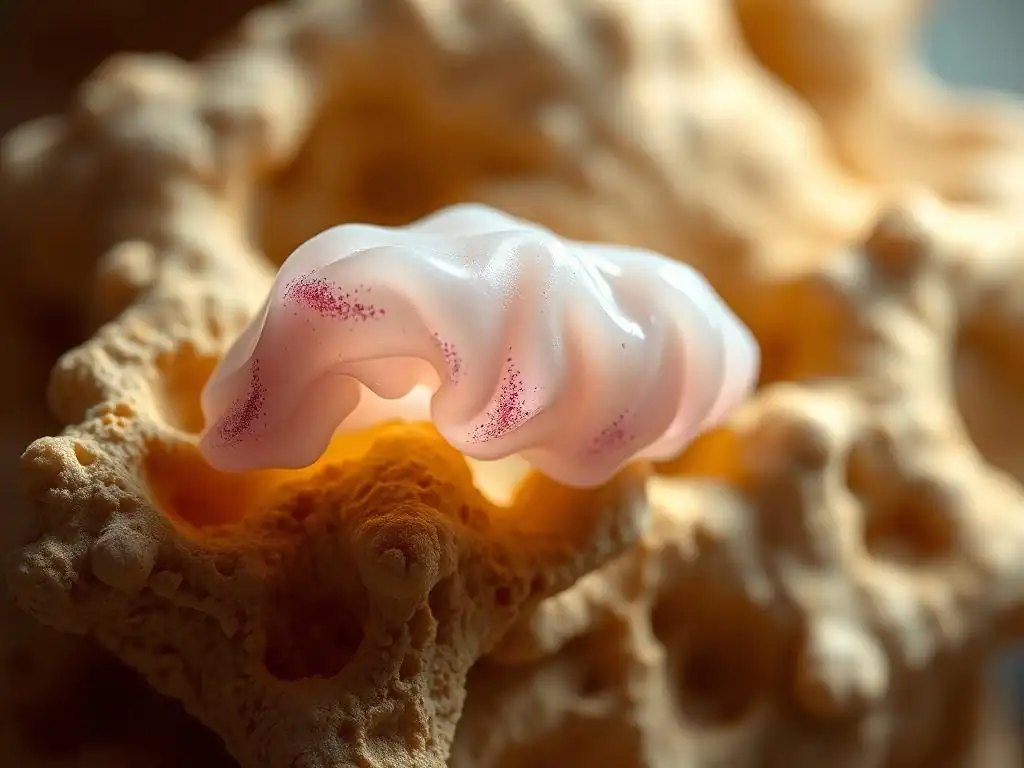
Favia Coral Flatworms: Symptoms and Contributing Factors
Favia coral flatworms, often specifically referring to species like Prosthiostomum, are small, oval-shaped parasites, typically brownish or reddish in color, that commonly infest Favia and other LPS corals. The presence of these flatworms can lead to several Favia coral disease symptoms, including reduced polyp extension, tissue irritation, and in severe infestations, localized tissue recession as the flatworms feed or irritate the coral. Aquarists might observe the flatworms themselves, particularly after lights out, crawling on the coral's surface or on the aquarium glass.
Contributing factors to Favia coral flatworm infestations primarily include the introduction of new, unquarantined corals that harbor these pests or their eggs. While not a direct cause, high nutrient levels in the aquarium can sometimes exacerbate an infestation by providing a more abundant food source for the flatworms' prey or by promoting their reproduction. A Favia coral already stressed by suboptimal water quality, inadequate flow, or other environmental issues becomes more susceptible to the damaging effects of a flatworm infestation, making it more prone to developing noticeable Favia coral problems.
Step-by-Step Guide to Treating Favia Coral Flatworms
Step 1: Isolate and Dip. Upon confirming the presence of Favia coral flatworms, immediately remove the affected Favia coral from your main display tank to prevent further spread. Prepare a separate dip container with tank water and a commercially available coral dip specifically formulated to target flatworms (e.g., products containing Levamisole HCl). Carefully follow the product instructions for the precise dosage and recommended dip duration, which typically ranges from 5 to 15 minutes.
Step 2: Agitate and Rinse. During the dip, gently agitate the coral to help dislodge any flatworms that are clinging to its surface or within its crevices. After the specified dip duration, thoroughly rinse the Favia coral with clean, fresh tank water before transferring it to a dedicated quarantine tank for observation. This rinsing step helps remove any remaining dip solution and any dislodged flatworms.
Step 3: Repeat and Monitor. It is crucial to understand that flatworm eggs are often resistant to initial dips, meaning a single treatment is rarely sufficient for complete eradication. To break the flatworm's life cycle, repeat the dip treatment every 3-5 days for a period of 3-4 weeks. During this period, also siphon any visible flatworms from the main display tank and vacuum the substrate if the infestation is widespread. Regular, vigilant monitoring of the Favia coral and the tank is essential to ensure complete eradication and prevent recurrence of these Favia coral problems.
Conclusion: Ensuring a Healthy Favia Coral in Your Reef Tank
Maintaining healthy Favia corals in a reef tank is a rewarding endeavor that hinges on proactive care and vigilant observation. Understanding the specific needs of Favia corals, recognizing the early Favia coral disease symptoms, and reacting swiftly and appropriately to any Favia coral problems are the cornerstones of success for any aquarist. From subtle changes in color to rapid tissue loss, each symptom provides a crucial clue to the coral's well-being.
Ultimately, ensuring a stable environment with optimal water parameters, providing appropriate lighting and water flow, practicing careful handling, and implementing strict quarantine protocols for new additions are the pillars of Favia health. By consistently applying these principles and dedicating time to daily observation, aquarists can significantly minimize the risk of Favia coral disease symptoms and enjoy vibrant, thriving Favia colonies that contribute beauty and life to their reef tank for many years to come.
Frequently Asked Questions
What are the most common early warning signs of disease in Favia corals?
The most frequent indicators include tissue recession, which is where the coral tissue pulls away from the skeleton, and noticeable changes in color and texture. Watch out for unusual discoloration or bleaching.
How can I distinguish between a healthy Favia coral and one that is starting to experience tissue necrosis?
Healthy Favia corals exhibit vibrant colors and a smooth, even tissue surface. Tissue necrosis presents as pale or decaying areas, potentially with a fuzzy or slimy appearance.
What are some environmental factors that can contribute to disease in Favia corals?
Poor water quality, including improper salinity or pH levels, can stress Favia corals. Also, inadequate lighting and temperature fluctuations can weaken their immune system.
What steps should I take immediately if I suspect my Favia coral is exhibiting disease symptoms?
First, test your water parameters to ensure they are within optimal ranges. Then, isolate the affected coral if possible to prevent the spread of potential infections.
Can specific medications or treatments help to reverse the effects of disease in Favia corals?
While some commercially available treatments can be effective, prevention is key. Maintaining excellent water quality and addressing any underlying stress factors are crucial for recovery.
Final Reflection: Protecting the Reef's Building Blocks
The ability to identify early signs of Favia coral disease is no longer just a scientific curiosity; it's a critical skill for anyone invested in the health of our planet's coral reefs. As climate change and pollution continue to stress these delicate ecosystems, proactively recognizing and addressing these symptoms becomes paramount to preserving the biodiversity and ecological services they provide. The fate of these vibrant underwater cities rests, in part, on our collective awareness and willingness to act.
This article has highlighted the importance of vigilance, but it's also underscored the profound interconnectedness of all marine life. My hope is that this knowledge empowers readers to become active stewards of the reef, not just observers. We are tied to the ocean. And when we go back to the sea, whether it is to sail or to watch it, we are going back from whence we came.
- John F. Kennedy. This quote reminds us of our inherent connection to the ocean and our responsibility to protect it.
Now, armed with the knowledge of Favia coral disease symptoms and potential interventions, I urge you to look beyond the surface. Consider how your actions, both big and small, impact the health of our oceans. Reflect on the role you can play in supporting sustainable practices, advocating for responsible environmental policies, and contributing to the ongoing efforts to conserve these vital ecosystems. The future of our reefs, and indeed, our planet, depends on the choices we make today.
Safeguard Your Favia: Act Now!
Thanks for exploring the vital signs of a healthy Favia! We hope this has empowered you with the knowledge to proactively protect your coral. Now, let's put that knowledge into action.
Here are some steps you can take immediately:
- Inspect your Favia colony meticulously for any signs of tissue recession or discoloration today. Early detection is key!
- Share this article with fellow reef keepers and discuss preventative measures in your local aquarium group.
- Consider adjusting your lighting schedule by 30 minutes to see if this impacts your Favia and carefully monitor the results.
What immediate changes will you implement to ensure the long-term health of your Favia colony?