
SPS Flow Secrets: Mastering Nutrient Delivery, Waste Removal & Optimal Water Patterns

Welcome to Aquarium Mastery!
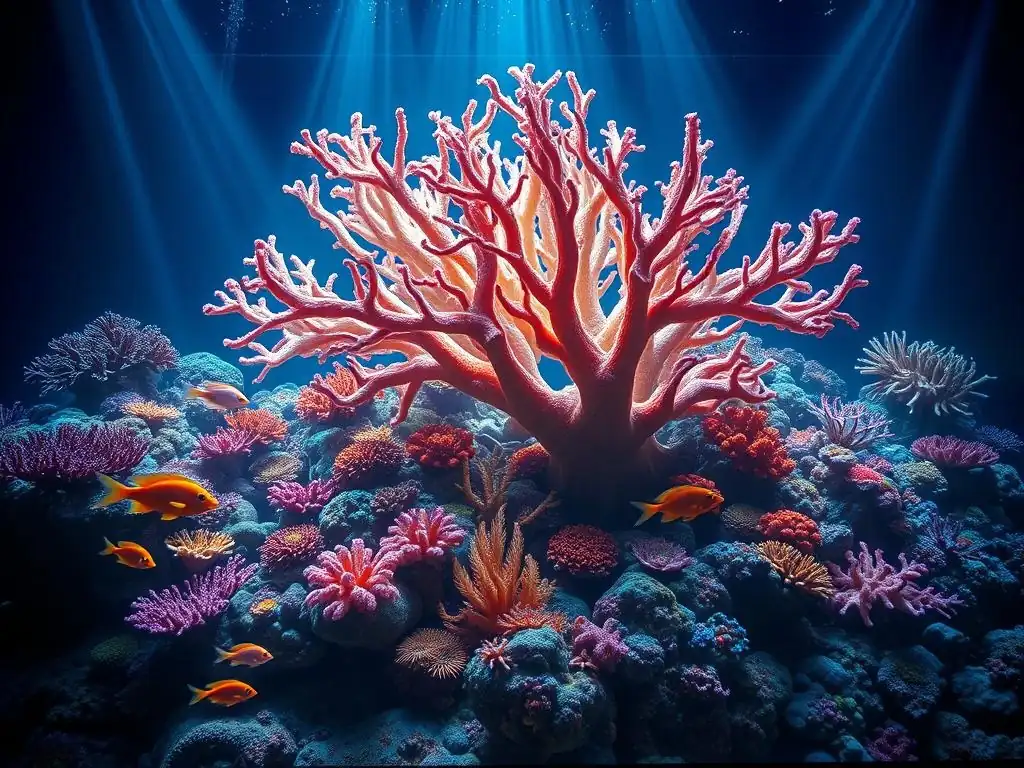
Ever wondered how to unlock the vibrant colors and explosive growth hidden within your SPS corals? SPS coral nutrient delivery is a delicate dance, a symphony of flow and chemistry. Discover the secrets to mastering this crucial aspect of reef keeping and witness your SPS thrive. Dive into our guide and learn how to optimize flow, effectively remove waste, and create the perfect water patterns for a flourishing reef aquarium. What hidden parameters are limiting your coral's potential? Let's find out!
- Understanding the Crucial Role of Flow in SPS Coral Health
- Decoding SPS Coral Nutrient Delivery Mechanisms
- Waste Removal: The Silent Killer of SPS Corals
- Creating Optimal Water Patterns for SPS Coral Growth and Coloration
- Fine-Tuning Flow for Different SPS Coral Species
- The Impact of Flow on SPS Coral Coloration
- Troubleshooting Flow-Related Issues in SPS Aquariums
- Advanced Flow Techniques for SPS Coral Care
- Maintaining Optimal Flow for Long-Term SPS Coral Success
-
Frequently Asked Questions
- How crucial is water flow for SPS coral health?
- What role does nutrient delivery play in SPS coral coloration?
- What are the signs of inadequate waste removal in an SPS aquarium?
- How do I determine the optimal water pattern for my SPS corals?
- What types of pumps are best suited for achieving optimal nutrient delivery in an SPS tank?
- Final Reflection: The Living Symphony of SPS
- Unleash the SPS Potential of Your Reef Tank!
Understanding the Crucial Role of Flow in SPS Coral Health
Why Water Flow Matters for Acropora, Montipora, and Seriatopora
Water flow is not merely an aesthetic element in a reef tank; it is a fundamental biological necessity for Small Polyp Stony (SPS) corals such as Acropora, Montipora, and Seriatopora. These corals, unlike many LPS or soft corals, rely heavily on constant water movement to facilitate essential life processes.
Without adequate flow, corals struggle with basic functions like respiration, nutrient absorption, and waste expulsion, leading to compromised health and eventual decline. Stagnant or insufficient water movement creates a "boundary layer" around the coral tissue, a thin film of water depleted of oxygen and nutrients, and rich in metabolic waste products.
Furthermore, proper water flow is the primary mechanism for effective SPS coral nutrient delivery. It ensures a continuous supply of vital dissolved inorganic nutrients (like nitrates and phosphates in controlled amounts) and dissolved organic matter, which SPS corals can absorb directly from the water column. Beyond microscopic nutrients, flow also brings planktonic food sources, such as zooplankton and phytoplankton, directly to the coral polyps, enabling heterotrophic feeding. Thus, the very survival and vibrant growth of these delicate corals are intrinsically linked to the dynamic environment created by optimal water flow.
Optimizing Flow for SPS Coral Nutrient Delivery and Uptake
Optimizing flow for SPS corals involves creating a chaotic, turbulent, and multi-directional water movement that mimics the natural surge and currents of their native reef environments. This turbulent flow pattern prevents the formation of stagnant boundary layers, ensuring that every part of the coral colony, from the base to the tips, is constantly bathed in fresh, oxygenated, and nutrient-rich water. This continuous replenishment is critical for efficient SPS coral nutrient delivery and uptake.
A general guideline for SPS tanks suggests a total water turnover rate of 20 to 40 times the tank volume per hour, though this can vary significantly based on coral density and specific species. For instance, a 100-gallon SPS dominant display might aim for 2,000 to 4,000 gallons per hour (GPH) of total flow from powerheads and wavemakers, in addition to return pump flow. This high turnover ensures that nutrients are consistently presented to the coral polyps, promoting robust growth, vibrant coloration, and overall resilience against common stressors.
Decoding SPS Coral Nutrient Delivery Mechanisms
The Relationship Between Flow Rate and Nutrient Availability
The relationship between flow rate and nutrient availability for SPS corals is direct and profound. As water flows over the coral's surface, it constantly replenishes the immediate environment with fresh dissolved nutrients, including essential trace elements like iodine, potassium, and strontium, as well as dissolved organic compounds. A higher flow rate minimizes the boundary layer, a micro-environment of depleted oxygen and nutrients that forms around the coral tissue. This thin layer can act as a barrier, limiting the coral's ability to efficiently absorb necessary substances.
By maintaining vigorous and turbulent flow, aquarists ensure that the boundary layer is continuously disrupted and refreshed. This constant renewal of the water immediately surrounding the coral polyps maximizes the rate at which nutrients come into contact with the coral's absorptive surfaces. Consequently, an optimized flow rate directly correlates with improved SPS coral nutrient delivery, allowing corals to efficiently take up the building blocks required for calcification, tissue growth, and maintaining vibrant coloration.
How SPS Corals Absorb Nutrients from the Water Column
SPS corals employ multiple mechanisms to absorb nutrients from the water column, all of which are heavily dependent on effective water flow. Firstly, they directly absorb dissolved inorganic nutrients such as nitrates, phosphates, and trace elements through their epidermal cells. These dissolved substances are critical for their metabolic processes and symbiotic zooxanthellae. Secondly, SPS corals are heterotrophic to varying degrees, actively capturing particulate organic matter, including microscopic plankton, detritus, and marine snow, using their nematocyst-laden polyps.
Water movement is essential for bringing these dissolved and particulate nutrients into close proximity with the coral's absorptive surfaces and polyps. Without sufficient flow, these vital food sources and elements would not reach the coral efficiently, leading to nutrient starvation or reduced growth rates. Therefore, robust and chaotic flow patterns are paramount for comprehensive SPS coral nutrient delivery, supporting both their autotrophic (via zooxanthellae) and heterotrophic feeding strategies.
Understanding the Importance of Water Circulation for SPS Coral Nutrition
Water circulation is not just about moving water; it's about creating a dynamic, nutrient-rich environment that directly supports SPS coral nutrition. Effective circulation ensures that every part of the aquarium, including intricate rockwork and densely packed coral colonies, receives adequate water movement. This prevents localized areas of nutrient depletion or waste accumulation, which can severely hinder coral health and growth.
For SPS corals, consistent and widespread water circulation guarantees that dissolved organic and inorganic nutrients, along with essential trace elements, are evenly distributed throughout the tank and continuously presented to the coral polyps. This constant supply is fundamental for their metabolic demands and for the efficient functioning of their symbiotic zooxanthellae, which rely on these nutrients for photosynthesis. Ultimately, superior water circulation is the backbone of efficient SPS coral nutrient delivery, enabling these demanding corals to thrive and display their full potential in terms of growth and coloration.
Waste Removal: The Silent Killer of SPS Corals
Effective Flow Patterns for Detritus Removal in SPS Aquariums
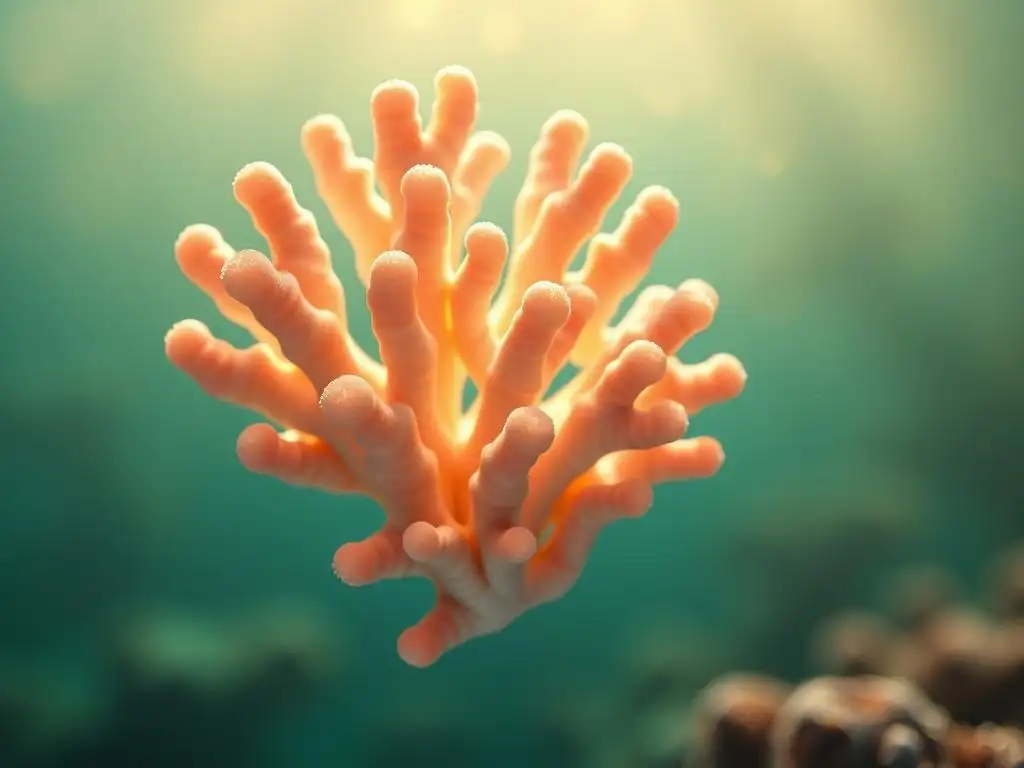
Detritus accumulation is a silent killer in SPS aquariums, and effective flow patterns are crucial for its removal. Detritus, composed of uneaten food, fish waste, and decaying organic matter, can settle on coral tissue, leading to bacterial infections, tissue necrosis, or smothering. Strong, turbulent, and multi-directional flow prevents detritus from settling on corals or collecting in low-flow areas of the aquascape. Instead, it keeps the particulate waste suspended in the water column, allowing it to be effectively captured by mechanical filtration (filter socks, filter floss) or exported by protein skimmers.
To achieve optimal detritus removal, aim for flow that creates a "sheet" effect or a broad, sweeping motion rather than narrow, high-velocity jets. This ensures that detritus is lifted from all surfaces. For example, a 200-gallon SPS tank might require a combined flow of 8,000 to 12,000 GPH from multiple wavemakers positioned to create opposing or gyre-like flow patterns, ensuring detritus remains suspended until it can be removed. Without this robust movement, detritus will settle, decompose, and contribute to elevated nutrient levels (nitrates and phosphates), fostering nuisance algae and compromising water quality critical for SPS coral nutrient delivery.
Preventing Dead Spots and Cyanobacteria Buildup with Proper Water Movement
Dead spots, or areas of stagnant water, are notorious breeding grounds for undesirable organisms like cyanobacteria (red slime algae) and dinoflagellates. These photosynthetic bacteria thrive in low-flow, nutrient-rich environments where detritus can accumulate undisturbed. Proper water movement is the most effective preventative measure against these unsightly and potentially harmful outbreaks. By eliminating dead spots, you starve these nuisance organisms of their preferred conditions and prevent their establishment.
Strategic placement of powerheads and wavemakers is key to achieving comprehensive water movement throughout the entire aquarium. Consider using multiple smaller pumps positioned to create cross-flow or aiming flow into traditionally stagnant areas, such as behind large rock structures or in corners.
A common observation in tanks with insufficient flow distribution is the appearance of "sand dunes" or uneven sand beds, indicating areas where detritus settles rather than being circulated. Ensuring every nook and cranny receives adequate flow not only prevents cyanobacteria but also supports overall tank hygiene, which indirectly aids in optimal SPS coral nutrient delivery by maintaining pristine water quality.
The Impact of Flow on SPS Coral Tissue Necrosis (STN) and Rapid Tissue Necrosis (RTN)
Water flow plays a critical, dual role in the prevention and potential cause of SPS Coral Tissue Necrosis (STN) and Rapid Tissue Necrosis (RTN). Insufficient flow can directly contribute to STN or RTN by allowing waste products, such as detritus and mucus, to settle on the coral tissue. This accumulation can lead to localized anoxia, bacterial infections, or starvation of the underlying tissue, as the coral cannot effectively respire or absorb nutrients. The base of branching corals, where flow might be naturally reduced, is often the first area to show signs of STN due to this issue.
Conversely, excessive or constant laminar flow, where water hits the coral in a single, unwavering direction, can also cause stress and tissue damage. This relentless flow can physically abrade delicate coral polyps and tissue, preventing polyp extension and feeding, and ultimately leading to recession or necrosis. For example, a 4,000 GPH powerhead aimed directly at a fragile Seriatopora hystrix from a close distance can cause tissue stripping within days. The goal is to provide strong, turbulent, and random flow that mimics natural reef conditions, ensuring optimal SPS coral nutrient delivery and waste removal without physically damaging the coral.
Creating Optimal Water Patterns for SPS Coral Growth and Coloration
Types of Wavemakers and Powerheads for SPS Aquariums
Selecting the right wavemakers and powerheads is crucial for establishing optimal flow patterns in SPS aquariums. The market offers several types, each with distinct advantages. Propeller pumps, such as EcoTech Marine VorTechs or AquaIllumination Neros, are popular for their broad, gentle flow and compact design, often using magnet mounts to sit flush against the glass. These can be programmed for various wave patterns, mimicking natural surges. For instance, a VorTech MP40wQD can move up to 4,500 GPH, ideal for a 75-120 gallon SPS tank.
Another powerful option is gyre pumps, like the Maxspect Gyre or IceCap Gyre. These pumps create a wide, laminar sheet of flow that spans the length of the aquarium, making them exceptionally effective for moving large volumes of water and preventing detritus buildup across long tanks. A Maxspect Gyre XF280, for example, can produce up to 8,000 GPH, providing comprehensive flow for larger systems. Oscillating wavemakers, which pivot back and forth, offer a different approach to creating broad, shifting flow patterns, contributing to the turbulent environment favored by SPS corals for optimal SPS coral nutrient delivery.
Placement Strategies for Maximizing Flow and Minimizing Stress
Strategic placement of wavemakers and powerheads is as important as the type and quantity of pumps used. The primary goal is to create chaotic, turbulent, and multi-directional flow without directly blasting any single coral with constant, high-velocity laminar flow. A common and effective strategy is to employ "opposing flow," where two pumps are placed at opposite ends of the aquarium, angled slightly towards the center or surface. This creates a collision of water masses, generating the desired turbulent and random flow patterns that constantly shift.
Avoid placing pumps directly behind large rock structures or dense coral colonies, as this can create significant dead spots. Instead, position them to circulate water around and through the aquascape. For instance, in a 4-foot tank, two MP40s on opposite ends, or a single Gyre pump, can provide excellent coverage. This approach ensures that water reaches all parts of the coral, maximizing SPS coral nutrient delivery and preventing waste accumulation, while minimizing stress on delicate coral polyps.
Achieving Random, Turbulent Flow for Enhanced SPS Coral Health
Achieving random, turbulent flow is paramount for enhanced SPS coral health, growth, and coloration. This type of flow mimics the natural chaotic water movement found on coral reefs, preventing the formation of a stagnant boundary layer around the coral tissue. When the boundary layer is continuously disrupted, it ensures a constant supply of fresh, oxygenated water and vital nutrients to the coral polyps, significantly boosting SPS coral nutrient delivery.
This turbulent movement also facilitates efficient gas exchange, allowing corals to expel metabolic waste products like carbon dioxide and absorb oxygen. Unlike laminar flow, which can be stressful and even damaging, random turbulent flow gently yet effectively bathes the entire coral colony, including intricate branches and crevices. Many modern wavemakers offer programmable modes that simulate random or pulsatile flow, allowing aquarists to fine-tune the water patterns to best suit their specific SPS species and overall tank dynamics, leading to visibly healthier and more vibrant corals.
Fine-Tuning Flow for Different SPS Coral Species
Acropora Flow Requirements: A Detailed Guide
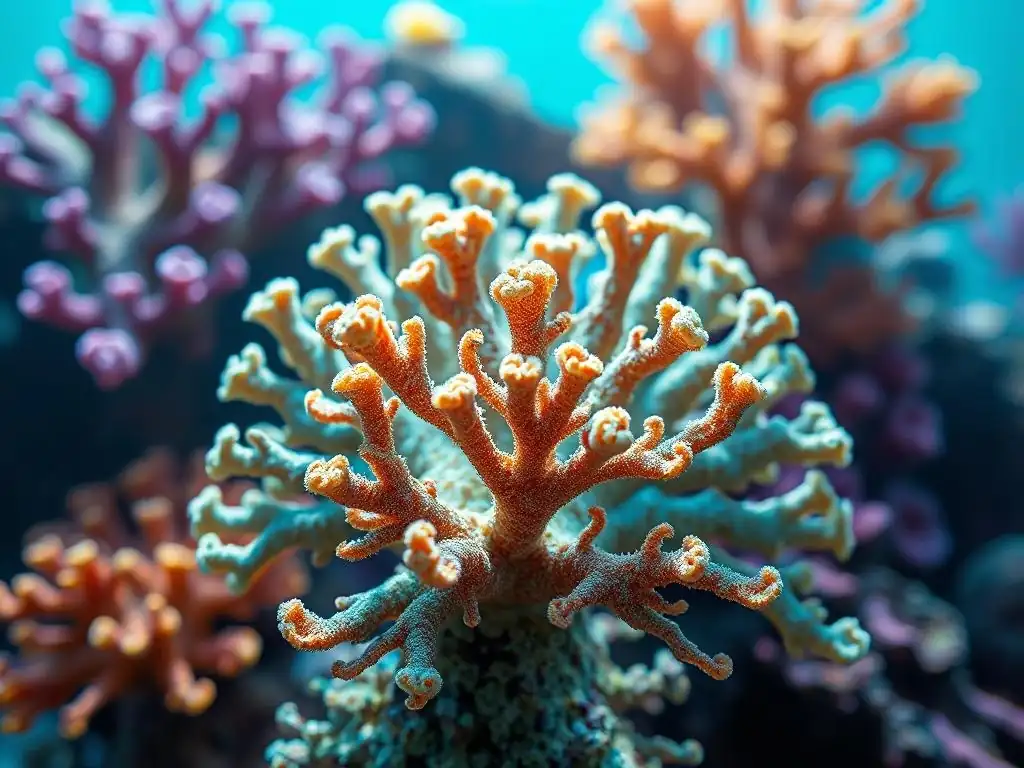
Acropora corals, often considered the quintessential SPS species, generally thrive in very strong, turbulent, and chaotic water flow. Their diverse morphologies—from delicate branching forms like Acropora millepora to more robust plating or tabling varieties—all benefit from high flow rates, typically ranging from 30 to 50+ times the tank volume per hour. This intense flow is critical for preventing detritus accumulation within their intricate branches and for ensuring continuous SPS coral nutrient delivery to all polyps.
While strong flow is essential, it's crucial that the flow is not constant and laminar in one direction, as this can cause tissue stripping or stress. Instead, the flow should be random and multi-directional, mimicking the surging action of natural reef environments. For example, a branching Acropora valida will flourish with powerful, indirect flow that constantly changes direction, preventing the formation of a boundary layer and promoting robust growth and vibrant coloration. Observing polyp extension and tissue health provides the best indication of optimal flow for specific Acropora colonies.
Montipora Flow Requirements: Achieving Optimal Growth
Montipora corals, another popular SPS genus, generally prefer moderate to strong water flow, often slightly less intense than the most demanding Acropora species. A general guideline for Montipora might be 20 to 40 times the tank volume per hour, focusing on turbulent and indirect patterns. While some branching Montipora, like Montipora digitata, can handle very strong flow similar to Acropora, plating Montipora species, such as Montipora capricornis, are particularly sensitive to direct, high-speed laminar flow that can abrade their delicate edges.
For plating Montipora, the key is to provide broad, sweeping flow across their surfaces that gently but effectively prevents detritus accumulation and ensures consistent SPS coral nutrient delivery. Direct, focused jets of water can cause tissue recession or bleaching. Observing polyp extension is a good indicator; healthy Montipora will typically have good polyp extension, even during the day, signifying comfortable flow conditions. Adjustments should be made to ensure flow is sufficient to keep their surfaces clean without causing visible stress.
Seriatopora Flow Requirements: Maintaining Healthy Colonies
Seriatopora species, including popular varieties like Seriatopora hystrix (Birdsnest) and Seriatopora caliendrum, prefer strong, turbulent, yet indirect water flow. Their delicate, often thin branches can be susceptible to physical damage or tissue stripping if subjected to excessive direct laminar flow. Therefore, while they require robust water movement for optimal SPS coral nutrient delivery and waste removal, the flow patterns should be chaotic and multi-directional rather than a constant blast from a single source.
A flow rate similar to moderate Acropora requirements, perhaps 25-45 times tank volume per hour, is often suitable, provided it's well-distributed. The goal is to ensure that water constantly washes over and through their intricate branching structures, preventing detritus from settling and facilitating gas exchange. Healthy Seriatopora colonies in optimal flow conditions will exhibit full polyp extension and vibrant coloration, indicating they are thriving in their environment. Careful placement of wavemakers to create a broad, indirect surge is often more beneficial than pinpoint blasts of water.
The Impact of Flow on SPS Coral Coloration
Enhancing Color Pigmentation Through Proper Water Movement
Optimal water movement plays a crucial role in enhancing the color pigmentation of SPS corals. Vibrant coloration is a direct indicator of a healthy, thriving coral, and proper flow contributes to this in several ways. Firstly, strong, turbulent flow ensures a consistent and efficient SPS coral nutrient delivery of essential trace elements and other vital compounds that corals absorb from the water column. These elements, such as potassium, iodine, and iron, are critical co-factors in the metabolic processes of both the coral animal and its symbiotic zooxanthellae, directly influencing the production of colorful pigments.
Secondly, optimal flow reduces stress on the coral. When corals are stressed by insufficient flow or detritus accumulation, they may "brown out" or pale as their zooxanthellae become compromised or expelled. By maintaining ideal flow conditions, the coral can efficiently photosynthesize, respire, and eliminate waste, allowing it to allocate energy towards producing protective and colorful pigments. A well-flushed coral is a less stressed coral, leading to more intense and stable coloration, often observed in high-flow, nutrient-controlled systems.
Managing Algae Growth with Optimized Flow
Optimized water flow is a powerful tool in managing and preventing nuisance algae growth in SPS aquariums. Algae, particularly undesirable forms like hair algae and cyanobacteria, thrive in areas where detritus and organic waste accumulate due to poor water movement. By maintaining strong, turbulent flow throughout the entire aquarium, detritus is kept suspended in the water column, allowing mechanical filtration and protein skimmers to efficiently remove it before it can break down and fuel algae blooms.
Furthermore, good flow helps to oxygenate the water, discouraging the anaerobic conditions that certain types of nuisance algae and cyanobacteria prefer. It also ensures that the corals themselves are not smothered by algae, maintaining their access to light and nutrients. In a tank with a total volume of 150 gallons, ensuring a collective flow of 4,000-6,000 GPH from wavemakers can significantly reduce detritus settlement and thus limit the available fuel for opportunistic algae, indirectly enhancing the environment for efficient SPS coral nutrient delivery and overall coral health.
The Role of Flow in Delivering Essential Trace Elements
The continuous delivery of essential trace elements to SPS corals is fundamentally reliant on effective water flow. Trace elements such as iodine, potassium, iron, and strontium are vital micronutrients that corals absorb directly from the water column for various physiological processes, including calcification, enzyme function, and the production of chromoproteins responsible for their vibrant colors. Without adequate flow, these elements, even if present in the water, may not reach the coral's absorptive surfaces efficiently.
Optimal water movement ensures that the water immediately surrounding the coral tissue is constantly replenished with these vital trace elements. This prevents localized depletion and maximizes the opportunity for the coral to absorb them. For instance, maintaining potassium levels around 400-410 ppm and iodine at 0.06 ppm, as found in natural seawater, is crucial, but flow is the mechanism that ensures their constant availability at the coral's surface. Therefore, efficient flow is an indispensable component of comprehensive SPS coral nutrient delivery, supporting the coral's metabolic demands and contributing significantly to its long-term health and brilliant coloration.
Identifying and Addressing Signs of Insufficient Flow
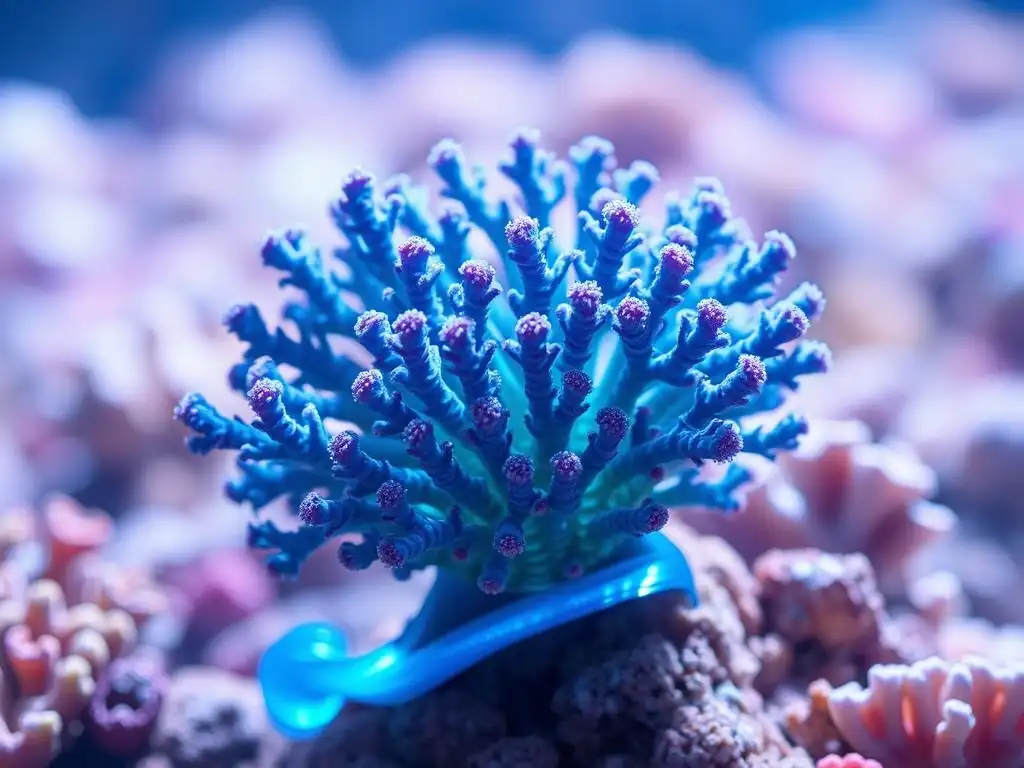
Identifying signs of insufficient flow in an SPS aquarium is crucial for prompt intervention and preventing coral decline. Common indicators include visible detritus accumulation on coral tissue, live rock, or the sand bed, especially in specific areas. Corals may exhibit browning out (loss of vibrant color, often starting from the base), reduced polyp extension, or even signs of Tissue Necrosis (STN/RTN) where tissue recedes or peels away. Outbreaks of cyanobacteria or dinoflagellates in low-flow pockets are also strong indicators.
To address insufficient flow, several steps can be taken. First, check all existing powerheads and wavemakers for blockages, calcification, or debris that might be impeding their performance. A monthly cleaning with a vinegar solution can restore efficiency. If pumps are clean but flow is still inadequate, consider repositioning existing pumps to eliminate dead spots or adding additional flow devices. For example, if a plating Montipora is browning from the center outwards, it often indicates insufficient flow across its broad surface, necessitating a flow adjustment or addition.
Dealing with Excessive Flow and Coral Stress
While often less common than insufficient flow, excessive or improperly directed flow can also cause significant stress and damage to SPS corals. Signs of excessive flow include coral tissue recession, particularly at the tips or leading edges where the flow is most intense. Polyps may remain constantly retracted, unable to extend and feed. Corals might appear bleached or pale due to stress, even if water parameters are otherwise stable. In severe cases, delicate branches can suffer physical abrasion or break off entirely.
To mitigate excessive flow, the first step is to reduce the intensity of the problematic pump, if it has adjustable settings. If not, consider redirecting the flow by angling the pump differently or adding a flow diffuser to broaden the stream and reduce its direct impact.
For instance, if a delicate Seriatopora hystrix is consistently retracting polyps and showing signs of tissue damage from a direct 4,000 GPH powerhead, repositioning the pump to create indirect, turbulent flow or reducing its output is essential. Sometimes, simply replacing a high-powered pump with a less powerful one or adding more, smaller pumps to distribute the flow more broadly can resolve the issue, ensuring optimal SPS coral nutrient delivery without causing physical harm.
Maintaining Equipment for Consistent and Reliable Water Movement
Consistent and reliable water movement is paramount for long-term SPS coral success, and this hinges on the regular maintenance of flow-generating equipment. Powerheads, wavemakers, and return pumps are susceptible to calcification, algae buildup, and general wear and tear, which can significantly reduce their efficiency over time. A reduction in pump output, even by 20%, can lead to localized low-flow areas, compromising SPS coral nutrient delivery and increasing the risk of detritus accumulation and nuisance algae.
Routine maintenance should include cleaning all flow devices every 2 to 4 weeks, depending on the rate of calcification in your system. This typically involves soaking the pumps in a solution of equal parts white vinegar and water for several hours to dissolve mineral deposits, followed by a thorough scrubbing of impellers, volutes, and cages. Regularly inspecting impellers for cracks or excessive wear and ensuring they spin freely will prevent unexpected failures. Proactive maintenance ensures that your flow equipment operates at peak performance, providing the consistent water movement essential for a thriving SPS aquarium.
Advanced Flow Techniques for SPS Coral Care
Utilizing Gyre Flow for Superior Water Circulation
Gyre flow represents an advanced technique for achieving superior water circulation in SPS aquariums, especially in longer or wider tanks. Unlike traditional propeller pumps that create conical or jet-like flows, gyre pumps (e.g., Maxspect Gyre, IceCap Gyre) produce a broad, laminar sheet of water that moves uniformly across the entire length of the aquarium. This unique flow pattern is exceptionally effective at breaking up boundary layers and preventing detritus from settling on the substrate or within rockwork.
When two gyre pumps are placed on opposing ends of the tank, they can create a highly dynamic "cross-flow" pattern, or when programmed to reverse direction, they mimic natural tidal surges. This comprehensive, wide-area flow ensures highly efficient SPS coral nutrient delivery to all corals, even in densely aquascaped systems. For example, a single Maxspect Gyre XF280 can often replace multiple smaller powerheads in a 6-foot tank, providing more uniform flow and superior detritus export due to its wide, sweeping motion.
Implementing Closed-Loop Systems for Targeted Flow
Closed-loop systems offer an advanced and aesthetically pleasing method for generating highly targeted and powerful flow within an SPS aquarium. Unlike traditional powerheads that sit inside the display, a closed-loop system uses an external pump that draws water from the display tank via bulkheads and returns it through strategically placed nozzles or spray bars within the tank. This eliminates internal equipment, preserving the tank's visual appeal and reducing potential heat transfer from pumps directly into the water.
The primary advantage of closed-loop systems for SPS corals lies in their ability to deliver massive, customizable flow patterns without cluttering the display. Nozzles can be positioned to create specific currents, blast detritus from particular areas, or generate powerful, multi-directional flow through rockwork. While more complex to install, often requiring drilling the tank, a well-designed closed-loop system can significantly enhance SPS coral nutrient delivery and waste removal, providing a highly stable and vigorous environment for demanding corals.
Bidirectional Flow for Enhanced Coral Gas Exchange
Bidirectional flow is an advanced technique that significantly enhances coral gas exchange and overall health by mimicking the natural ebb and flow of tidal currents on a reef. This method involves programming wavemakers to periodically reverse the direction of water flow, ensuring that water washes over the coral from multiple directions over time. This continuous change in flow direction prevents the formation of a static boundary layer on any single side of the coral, maximizing surface contact with fresh, oxygenated, and nutrient-rich water.
By constantly shifting the direction of water movement, bidirectional flow optimizes the removal of metabolic waste products, such as carbon dioxide, from the coral's immediate environment and simultaneously improves the uptake of oxygen. This enhanced gas exchange is critical for the coral's respiration and the efficient photosynthesis of its symbiotic zooxanthellae. Many modern wavemakers, like EcoTech Marine VorTechs and Neptune Systems WAVs, offer advanced programming modes that allow for precise control over bidirectional or pulsatile flow, contributing significantly to comprehensive SPS coral nutrient delivery and robust coral growth.
Maintaining Optimal Flow for Long-Term SPS Coral Success
Regular Maintenance and Equipment Checks
Maintaining optimal flow for long-term SPS coral success hinges on diligent regular maintenance and equipment checks. Powerheads, wavemakers, and return pumps are the workhorses of an SPS system, but they are prone to calcification, algae buildup, and wear, which can significantly diminish their performance. A pump operating at 70% efficiency due to calcification will lead to reduced water movement, potentially creating low-flow areas where detritus can accumulate, hindering SPS coral nutrient delivery.
It is highly recommended to clean all flow-generating equipment every 2 to 4 weeks, depending on the calcium and alkalinity levels in your tank. This involves disassembling the pumps and soaking their components (impellers, volutes, cages) in a mild acid solution, such as a 1:1 mixture of white vinegar and water, to dissolve mineral deposits. Regularly inspecting impellers for cracks or signs of wear and ensuring they spin freely will prevent unexpected pump failures and ensure consistent, reliable water movement, which is paramount for the health of demanding SPS corals.
Adapting Flow as SPS Colonies Grow and Mature
As SPS coral colonies grow and mature, their increasing size and intricate structures can significantly alter existing flow patterns within the aquarium. A colony that was once receiving ideal flow might, over time, begin to block water pathways or create new low-flow zones as it expands. This necessitates a proactive approach to adapting and adjusting flow as your aquascape evolves. Ignoring these changes can lead to localized detritus accumulation, reduced SPS coral nutrient delivery, and ultimately, tissue recession or browning out of the affected corals.
Aquarists should periodically reassess the flow patterns in their tanks, especially after significant coral growth. This might involve repositioning existing powerheads, adjusting their intensity, or even adding new flow devices to compensate for the increased biomass. For instance, a 180-gallon SPS tank that initially thrived with 10,000 GPH of total flow might require an increase to 15,000 GPH or more over a year or two as colonies become denser. Visual cues, such as detritus settlement or uneven polyp extension, serve as indicators that flow adjustments are needed to maintain optimal conditions.
Integrating Flow with Alkalinity, Calcium, and Magnesium Balance
Optimal water flow is not a standalone factor for SPS coral success but rather an integral component that works synergistically with stable water parameters, particularly alkalinity, calcium, and magnesium. While maintaining these parameters within their ideal ranges (e.g., alkalinity at 8.0-8.5 dKH, calcium at 420-450 ppm, magnesium at 1300-1350 ppm) is crucial for calcification, proper flow ensures that corals can effectively utilize these building blocks. Without adequate water movement, even perfectly balanced parameters would be less effective.
Efficient flow ensures the constant replenishment of these essential ions at the coral's tissue surface, facilitating their uptake for skeletal growth. It prevents localized depletion that could occur in stagnant water, even in a tank with high overall parameter levels. Therefore, integrating robust, turbulent flow with precise dosing and monitoring of alkalinity, calcium, and magnesium creates a holistic environment where SPS corals can achieve their maximum growth potential and display vibrant coloration. This comprehensive approach ensures that every aspect of SPS coral nutrient delivery and calcification is optimized for long-term success.
Frequently Asked Questions
How crucial is water flow for SPS coral health?
Water flow is absolutely critical. It ensures nutrient delivery to the coral and waste removal, preventing buildup that can lead to tissue necrosis.
What role does nutrient delivery play in SPS coral coloration?
Adequate nutrient delivery, coupled with appropriate lighting, is vital for maintaining vibrant SPS coral coloration. Insufficient nutrients can lead to coral bleaching.
What are the signs of inadequate waste removal in an SPS aquarium?
Signs include algae blooms, detritus buildup, and coral recession. These indicate that the system is not effectively removing waste products.
How do I determine the optimal water pattern for my SPS corals?
Observe your corals. Look for signs of tissue recession or pale coloration, which may indicate areas with insufficient flow. Adjust pumps to achieve a turbulent and random water pattern.
What types of pumps are best suited for achieving optimal nutrient delivery in an SPS tank?
Wavemakers and controllable powerheads are generally the best choice. They allow for variable flow patterns that mimic natural reef environments and prevent dead spots, ensuring optimal nutrient distribution.
Final Reflection: The Living Symphony of SPS
The intricate dance of nutrient delivery, waste removal, and water flow, as explored throughout this article, is not merely a technical exercise; it's a profound understanding of the delicate balance that sustains life within our reef aquariums. The success of SPS coral, those vibrant jewels of the ocean, hinges on our ability to orchestrate these elements into a harmonious whole, mimicking the natural rhythms of their native environment.
This journey into the "SPS Flow Secrets" has hopefully illuminated the interconnectedness of these vital processes. The commitment to understanding and optimizing these parameters reflects a deeper respect for the life we cultivate within our glass boxes. It's a reminder that we are not simply hobbyists, but stewards of miniature ecosystems. In nature, nothing exists alone.
- Rachel Carson. This quote resonates deeply when considering the symbiotic relationships within a reef, emphasizing the crucial role each element plays in the overall health and vitality of the system.
Now, take a moment to reflect on your own reefing practices. Consider how you can refine your approach to nutrient delivery, waste removal, and water flow to create a more thriving environment for your SPS corals. Embrace the challenge, experiment with new techniques, and never cease to learn from the wisdom of the ocean. Your dedication to mastering these "SPS Flow Secrets" will not only unlock the vibrant potential of your corals but also deepen your connection to the incredible world beneath the waves.
Unleash the SPS Potential of Your Reef Tank!
Thanks for diving deep into the world of SPS flow! We hope you've gained valuable insights to create a thriving reef environment. Now, let's put that knowledge into action!
Here's how you can take your SPS aquarium to the next level:
- Immediately assess your current flow patterns! Use a simple method like the turkey baster test to identify dead zones and areas of high-intensity flow. Adjust your powerheads accordingly.
- Share this article with a fellow reef enthusiast to spread the knowledge and start a conversation about optimal SPS flow strategies.
- Consider experimenting with alternative flow devices, like wave makers or rotating deflectors, to create more dynamic and natural water movement in your tank.
What's the first flow adjustment you're planning to make in your reef tank, and why?