
Trace Elements for SPS: Unlocking Peak Coloration with Iodine, Potassium, Strontium & More

Welcome to Aquarium Mastery!
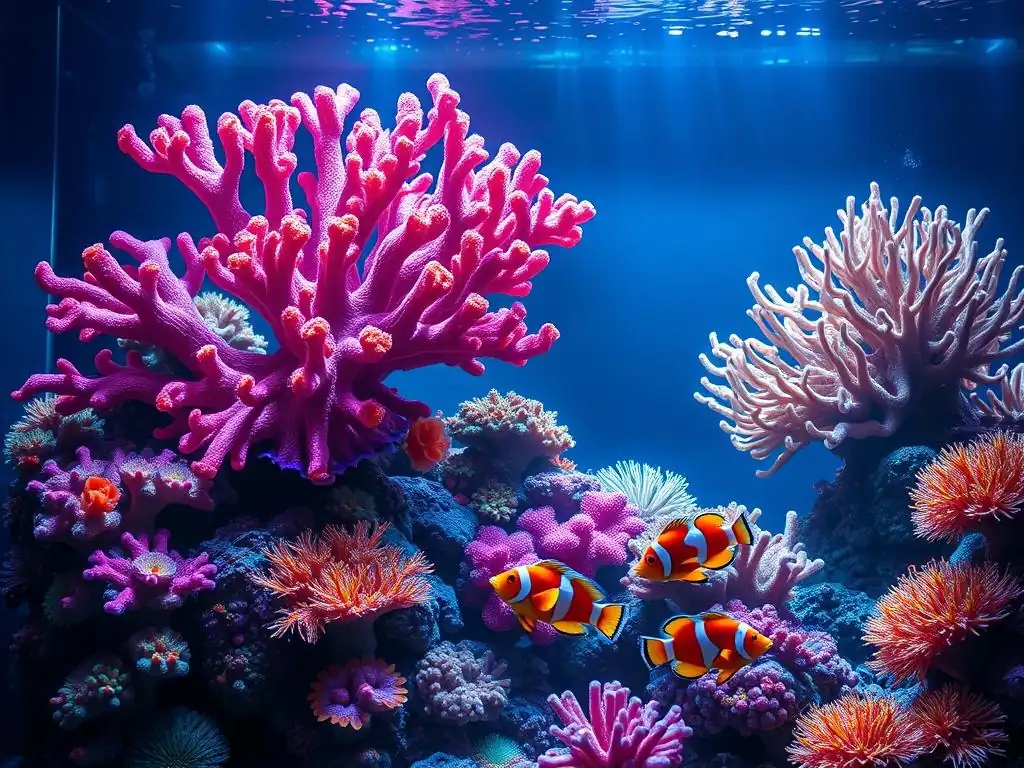
Ever wondered how to unlock the vibrant, almost otherworldly colors hidden within your SPS corals? Dive deep into the secrets of SPS coral trace elements – like iodine, potassium, and strontium – and discover how these often-overlooked components are the key to achieving peak coloration. Ready to transform your reef tank into a breathtaking masterpiece? Let's explore!
- Trace Elements for SPS: Unlocking Peak Coloration
- Understanding the Importance of Trace Elements in SPS Coral Care
- Key Trace Elements for Vibrant SPS Corals: A Detailed Guide
- Maintaining Proper Trace Element Levels in Your SPS Reef Tank
- Avoiding Common Mistakes with SPS Coral Trace Elements
- Troubleshooting Trace Element Deficiencies in SPS Corals
- Advanced Techniques for Optimizing SPS Coloration with Trace Elements
- Conclusion: Mastering Trace Elements for Stunning SPS Coral Displays
-
Frequently Asked Questions
- What are SPS corals and why are trace elements important for them?
- Which trace elements are most vital for SPS coral coloration?
- How often should I dose trace elements in my SPS coral tank?
- Can I overdose trace elements and what are the potential consequences for my SPS corals?
- Where can I find accurate information and guidelines for trace element dosing for my specific SPS corals?
- Final Reflection: The Vibrant Future of Reef Keeping
- Ignite Vibrant Colors: Supercharge Your SPS Coral Now!
Trace Elements for SPS: Unlocking Peak Coloration
Understanding the Importance of Trace Elements in SPS Coral Care
What are Trace Elements and Why are They Crucial for SPS Health?
Trace elements are micronutrients present in natural seawater in very low concentrations, typically measured in parts per billion (ppb) or low parts per million (ppm). Despite their minute quantities, these elements are absolutely crucial for the biological processes and overall health of all marine organisms, especially demanding Small Polyp Stony (SPS) corals like Acropora, Montipora, and Seriatopora. They act as cofactors for enzymes, participate in metabolic pathways, and are integral to cellular functions that underpin coral vitality. Without adequate levels of these essential micronutrients, SPS corals cannot thrive or even survive long-term in a captive environment.
The continuous removal of these vital trace elements from the aquarium water occurs through several mechanisms: coral growth and calcification incorporate them into their skeletons and tissues, protein skimming removes them, and activated carbon or other filtration media can adsorb them. Furthermore, the metabolic activity of bacteria and other invertebrates within the reef system also consumes these elements. This constant depletion necessitates careful replenishment to maintain a stable and healthy environment for SPS corals, ensuring they have access to the building blocks required for their complex biological machinery.
The Role of Trace Elements in SPS Coral Coloration and Growth
Beyond basic survival, trace elements play a direct and profound role in the vibrant coloration and robust growth characteristics that aquarists prize in SPS corals. Specific elements are known to enhance the production of various chromoproteins and fluorescent pigments within the coral tissue and its symbiotic zooxanthellae.
For instance, elements like iodine and potassium are intimately linked to the expression of blue, purple, red, and pink hues, transforming a dull coral into a stunning display piece. Without these specific SPS coral trace elements, corals may appear pale, washed out, or even brown as their natural pigments fail to fully develop.
In terms of growth, trace elements like strontium and boron are critical for the calcification process, where corals build their aragonite skeletons. While calcium and alkalinity are the primary components, these trace elements act as catalysts or structural components, facilitating the efficient deposition of calcium carbonate.
A deficiency in these SPS coral trace elements can lead to stunted growth, brittle skeletons, or even complete cessation of new growth, preventing the coral from reaching its full potential. Therefore, a comprehensive understanding and management of SPS coral trace elements are paramount for achieving both peak coloration and vigorous growth in a reef aquarium.
Key Trace Elements for Vibrant SPS Corals: A Detailed Guide
Iodine: Enhancing Blue and Purple Pigmentation in SPS
Iodine is a fascinating and often debated SPS coral trace element, primarily recognized for its significant influence on the blue and purple pigmentation of many SPS corals, particularly various Acropora species. Beyond aesthetics, iodine is believed to play a role in coral metabolism, acting as an antioxidant and supporting the health of the symbiotic zooxanthellae, which are crucial for the coral's energy production. Maintaining an optimal iodine level, typically in the range of 0.03 to 0.06 ppm (parts per million), can visibly deepen these desired hues and contribute to overall coral vitality.
The precise mechanisms by which iodine enhances blue and purple coloration are still being researched, but it is thought to be involved in the synthesis of specific chromoproteins or pigments within the coral tissue. Many aquarists observe a noticeable increase in the intensity of blues and purples within weeks of consistent and appropriate iodine supplementation. This makes iodine a highly sought-after SPS coral trace element for those aiming to achieve the most striking visual displays in their reef tanks.
Iodine Dosing Strategies for SPS Aquariums
Dosing iodine in an SPS aquarium requires a cautious and consistent approach due to its relatively narrow safe concentration window. Many aquarists opt for liquid iodine supplements, which are available in various forms such as iodide, iodate, or a combination. A common strategy involves starting with a low dose, perhaps 25% of the manufacturer's recommended amount, and gradually increasing it over several weeks while closely observing coral response. Automated dosing pumps can provide a stable, daily micro-dose, which is often preferred over larger, less frequent manual additions, as it mimics the continuous availability found in natural reef environments.
Regular testing, ideally weekly or bi-weekly, is crucial to prevent over-dosing or under-dosing. While traditional hobbyist test kits for iodine can be challenging to interpret accurately at low concentrations, advanced methods like Inductively Coupled Plasma – Optical Emission Spectrometry (ICP-OES) testing offer precise measurements, allowing for highly targeted supplementation. For example, if an ICP test reveals an iodine level of 0.01 ppm in a 100-gallon SPS tank, a calculated dose to bring it up to 0.04 ppm could involve adding a specific volume of a concentrated supplement over several days, ensuring a gentle increase.
Potential Issues of Iodine Imbalance in SPS
Both iodine deficiency and overdose can lead to significant problems for SPS corals and other reef inhabitants. A deficiency often manifests as a noticeable fading or dulling of blue and purple pigments, causing corals like Acropora millepora to lose their vibrant tips and appear more brownish. In severe, prolonged cases, reduced polyp extension and even slowed growth may be observed, as the coral's metabolic processes are hindered. This lack of a critical SPS coral trace element directly impacts the aesthetic appeal and health of the coral.
Conversely, iodine overdose is far more detrimental and can rapidly lead to tissue recession, bleaching, or even death of corals and other sensitive invertebrates like shrimp and snails. Symptoms of excess iodine can include a yellowish tint to the water, aggressive polyp retraction, or a general "unhappy" appearance of corals. For instance, a sudden spike to over 0.1 ppm can cause immediate stress. It is crucial to remember that iodine is toxic in high concentrations, making precise dosing and regular monitoring absolutely essential to avoid irreparable damage to a sensitive SPS reef system.
Potassium: Promoting Red and Pink Hues in SPS
Potassium is another vital SPS coral trace element that plays a significant role in enhancing the red and pink coloration of many SPS corals, including popular varieties of Montipora and certain Acropora species. Beyond its aesthetic contribution, potassium is involved in numerous cellular processes, including nutrient transport across cell membranes and the activation of various enzymes critical for coral metabolism. Maintaining a stable potassium level, typically within the range of 380-420 ppm, is highly recommended for promoting the most vibrant red and pink hues and supporting overall coral health.
The specific mechanism through which potassium influences these pigments is thought to be related to the synthesis or expression of specific red and pink chromoproteins. Aquarists who consistently maintain optimal potassium levels often report a dramatic improvement in the richness and depth of these colors, transforming corals that might otherwise appear muted. For example, a red Montipora digitata can achieve a much deeper, almost fiery red when potassium levels are properly managed, highlighting the importance of this specific SPS coral trace element.
Maintaining Optimal Potassium Levels for SPS Coral Color
To maintain optimal potassium levels for peak SPS coral coloration, several strategies can be employed. Regular water changes with a high-quality salt mix designed for reef aquariums are fundamental, as these mixes typically contain potassium in concentrations similar to natural seawater (around 390-400 ppm). However, in heavily stocked SPS systems with high growth rates, water changes alone may not be sufficient to keep up with the coral's demand. In such cases, targeted potassium supplementation becomes necessary.
Liquid potassium chloride solutions are readily available from various aquarium brands and can be dosed manually or via an automated dosing pump. It is advisable to start with a conservative dose and gradually increase it based on regular testing, aiming to keep levels within the 380-420 ppm range. For instance, if a 200-gallon SPS tank shows a potassium level of 350 ppm, a calculated daily dose of a potassium supplement could slowly bring it up to the desired range over a week or two, minimizing any sudden shifts that could stress corals.
Potassium Deficiency Symptoms in SPS Corals
Potassium deficiency in SPS corals primarily manifests as a noticeable dulling or fading of their red and pink pigments. Corals that should exhibit vibrant reds, like a Montipora undata, may appear washed out, pale orange, or even light brown. This loss of characteristic coloration is often one of the first visual cues that potassium levels are insufficient. The coral's ability to produce its vibrant chromoproteins is directly hampered by the lack of this essential SPS coral trace element.
Beyond color loss, severe or prolonged potassium deficiency can also lead to reduced polyp extension, where the coral's polyps appear retracted or less "fluffy" than usual, indicating overall stress. In extreme cases, although less common than with other deficiencies, tissue loss can occur, particularly if the coral is already weakened by other environmental stressors. Therefore, monitoring potassium levels and supplementing as needed is crucial for maintaining both the aesthetic appeal and the robust health of red and pink SPS corals.
Strontium: Supporting Skeletal Growth and Stability in SPS
Strontium is a critical SPS coral trace element that plays a direct and significant role in the skeletal growth and structural integrity of Small Polyp Stony corals. While calcium and alkalinity are the primary building blocks for the coral's aragonite skeleton, strontium is incorporated into the crystal lattice alongside calcium during the calcification process. This incorporation is essential for the formation of a robust and healthy coral skeleton, contributing to both the rate of growth and the overall density and strength of the coral structure.
Natural seawater contains strontium at approximately 8 ppm (parts per million). Maintaining levels within a similar range, typically 8-10 ppm, is considered optimal for SPS corals in a reef aquarium. Strontium's importance is particularly evident in fast-growing Acropora species, where consistent availability of this trace element can lead to noticeably thicker branches and more rapid extension rates. It acts as a synergistic partner to calcium, ensuring that the coral's calcification machinery operates at peak efficiency.
Strontium's Role in SPS Calcification
Strontium is actively absorbed by SPS corals and integrated directly into their calcium carbonate (aragonite) skeletons. It substitutes for a small percentage of calcium ions in the aragonite crystal structure, contributing to the stability and formation of the coral's framework. Research suggests that a lack of adequate strontium can lead to less dense or weaker skeletal structures, making the coral more susceptible to breakage or overall fragility. This highlights its role not just in growth rate, but also in the quality and strength of the coral's physical support system.
Furthermore, strontium may also have a role in the initial stages of calcification or in the transport of calcium within the coral tissue. While it is not consumed in the same high quantities as calcium and alkalinity, its constant depletion through coral growth means it must be replenished regularly. Without sufficient strontium, even with optimal calcium and alkalinity, the efficiency of calcification can be impaired, leading to visibly slower growth and a less robust appearance in demanding SPS corals.
Monitoring Strontium Levels in Reef Tanks
Monitoring strontium levels in a reef tank, especially one dedicated to SPS corals, is highly recommended due to its importance in skeletal development. While some hobbyist test kits for strontium exist, their accuracy can vary, and they may be challenging to interpret precisely at the low concentrations involved. For the most reliable and accurate measurement of this crucial SPS coral trace element, Inductively Coupled Plasma – Optical Emission Spectrometry (ICP-OES) testing is the gold standard.
ICP tests provide a precise snapshot of strontium levels, along with dozens of other trace elements, allowing aquarists to identify deficiencies or excesses with high confidence. Based on ICP results, targeted supplementation can be implemented using liquid strontium supplements. For example, if an ICP test reveals a strontium level of 5 ppm in a tank where the target is 8 ppm, a controlled dosing regimen can be established to gradually raise the level, ensuring the SPS corals have the necessary building blocks for strong, healthy growth.
Boron: Maintaining Alkalinity and Enhancing SPS Health
Boron is an often-overlooked but crucial SPS coral trace element that plays a significant role in maintaining stable alkalinity and overall coral health in a reef aquarium. While not directly incorporated into the coral skeleton in large quantities like calcium or strontium, boron is an integral part of the carbonate buffering system in seawater. This buffering capacity helps to stabilize pH, preventing drastic swings that can stress corals and inhibit calcification. Natural seawater contains boron at approximately 4.4-4.6 ppm, and maintaining levels in a similar range (e.g., 4-5 ppm) is beneficial for SPS corals.
Beyond its buffering capabilities, boron is also thought to be involved in various enzymatic reactions within the coral's tissues, supporting metabolic processes and nutrient utilization. Adequate boron levels contribute to a more resilient system, where corals are better able to cope with minor environmental fluctuations and maintain optimal physiological functions. This makes boron an important, albeit less directly visible, SPS coral trace element for a thriving reef.
The Link Between Boron and Alkalinity in SPS Systems
The primary importance of boron in SPS coral systems lies in its interaction with alkalinity. Borate, a form of boron, acts as a pH buffer, particularly effective at the pH range typical of reef aquariums (around 8.0-8.4). It works alongside bicarbonate and carbonate ions to resist changes in pH, absorbing excess hydrogen ions when the pH drops and releasing them when the pH rises. This buffering action is critical for SPS corals, as stable pH is essential for efficient calcification.
Significant pH swings, even if alkalinity remains within a healthy range, can stress corals and lead to reduced growth rates or even tissue loss. By contributing to the buffering capacity, boron helps to stabilize the internal environment of the coral, allowing it to dedicate more energy to growth and coloration rather than expending energy on pH regulation. Therefore, maintaining appropriate boron levels indirectly supports the robust growth and health of demanding SPS corals by ensuring a more stable chemical environment.
Boron Supplementation Considerations
Boron is often included in high-quality salt mixes and comprehensive alkalinity buffer solutions or all-in-one trace element blends, reducing the need for separate, targeted supplementation in many cases. However, in heavily stocked SPS tanks with high alkalinity consumption, boron levels can sometimes become depleted. As with other SPS coral trace elements, ICP-OES testing is the most accurate method for determining precise boron concentrations and identifying any deficiencies.
If supplementation is deemed necessary, it should be done cautiously. Overdosing boron can lead to elevated pH or other imbalances. Many aquarists find that maintaining consistent water changes with a good salt mix, coupled with a balanced two-part or three-part dosing system for calcium and alkalinity that includes trace elements, is sufficient to keep boron levels stable. If a separate boron supplement is used, it should be introduced gradually, following manufacturer guidelines and confirmed with regular testing to avoid any adverse effects on the sensitive SPS ecosystem.
Other Important Trace Elements for SPS: A Quick Overview
While iodine, potassium, strontium, and boron are frequently highlighted for their specific impacts on SPS coloration and growth, many other SPS coral trace elements are vital for a complete and healthy reef ecosystem. These elements, though required in even smaller quantities, contribute synergistically to various biological processes, from photosynthesis to enzyme function and nutrient uptake. Neglecting these lesser-known, yet crucial, elements can lead to subtle but persistent issues in SPS coral health and vibrancy.
Maintaining a diverse array of these micronutrients is typically achieved through regular water changes with a high-quality salt mix and the use of broad-spectrum trace element supplements. While individual testing for all these elements is often impractical for the average hobbyist without ICP testing, understanding their roles underscores the importance of a holistic approach to reef tank chemistry.
Iron: Essential for Zooxanthellae Health
Iron is an SPS coral trace element that is absolutely essential for the health and efficiency of the symbiotic zooxanthellae residing within coral tissues. These dinoflagellates are responsible for photosynthesis, converting light energy into sugars that fuel the coral's metabolism. Iron is a key component of chlorophyll, the pigment central to photosynthesis, and is also involved in electron transport chains within the zooxanthellae.
A deficiency in iron can lead to pale zooxanthellae, reduced photosynthetic efficiency, and consequently, a decline in coral health and growth, often manifesting as a general paling or even bleaching. While often introduced via food and some salt mixes, targeted iron supplementation can be beneficial, especially in systems with high nutrient export.
Manganese: Contributing to Enzyme Function and Color
Manganese is another vital SPS coral trace element, functioning as a cofactor for numerous enzymes involved in various metabolic processes within corals and their zooxanthellae. It plays a role in carbohydrate metabolism, lipid synthesis, and potentially in the production of certain chromoproteins, which might subtly influence the brown or yellowish pigments sometimes seen in corals.
While its direct impact on specific coral coloration is less understood compared to iodine or potassium, its overarching role in enzyme function means it contributes to the coral's overall vitality and ability to process nutrients efficiently. Maintaining adequate manganese levels supports the fundamental biological machinery that underpins coral health and growth.
Molybdenum: Supporting Nutrient Uptake
Molybdenum is an SPS coral trace element that, while required in extremely minute quantities, is critical for specific enzymatic reactions, particularly those related to nitrogen metabolism and nutrient uptake. It is involved in nitrate reductase enzymes, which are important for the assimilation of nitrogen compounds by bacteria and potentially by zooxanthellae. In a reef environment, efficient nutrient cycling is key to maintaining water quality and supporting healthy coral growth.
Molybdenum ensures that the microbial community and zooxanthellae can effectively process available nutrients, contributing to the overall health and stability of the SPS coral system. Its presence supports the foundational biological processes that allow corals to thrive.
Maintaining Proper Trace Element Levels in Your SPS Reef Tank
Water Testing: Accurately Measuring Trace Element Concentrations
Accurately measuring SPS coral trace element concentrations is the cornerstone of effective management in a reef tank. Unlike major parameters like calcium and alkalinity, which can be precisely measured with hobbyist titration kits, many trace elements exist in concentrations too low for these methods to reliably detect. Without accurate testing, supplementation becomes a guessing game, risking either deficiency or, more dangerously, overdose. Regular testing allows aquarists to understand their tank's consumption rates and tailor their dosing regimens accordingly, moving beyond generic recommendations to a truly customized approach for their specific SPS corals.
The challenge lies in the sensitivity required to detect elements present in parts per billion. For example, strontium at 8 ppm is relatively high compared to iodine at 0.04 ppm, making the latter much harder to measure accurately with common kits. Relying solely on visual cues can be misleading, as symptoms of trace element imbalance often overlap with those of other water chemistry issues or diseases. Therefore, investing in reliable testing methods is paramount for any serious aquarist aiming for vibrant and healthy SPS coral displays.
Choosing the Right Testing Kits for Trace Elements
When it comes to choosing the right testing kits for SPS coral trace elements, aquarists typically face a trade-off between cost, convenience, and accuracy. For elements like strontium or potassium, some hobbyist colorimetric or titration kits are available, but their precision at the low concentrations required can be questionable. They often provide a broad range rather than a precise number, which can make fine-tuning supplementation difficult. For example, a kit might indicate strontium is "present," but not if it's 5 ppm or 10 ppm.
The gold standard for comprehensive and accurate trace element analysis is Inductively Coupled Plasma – Optical Emission Spectrometry (ICP-OES) testing. Services like Triton Labs or ATI offer these tests, where a water sample is sent to a specialized laboratory. ICP-OES can precisely measure over 30-60 different elements, including all critical SPS coral trace elements, down to parts per billion. While more expensive (typically $30-$50 per test) and with a turnaround time of several days, an ICP test provides an unparalleled level of detail, allowing for highly informed dosing decisions.
Interpreting Trace Element Test Results
Interpreting SPS coral trace element test results, especially from an ICP-OES analysis, involves more than just looking at individual numbers. It requires comparing the measured concentrations to natural seawater parameters and recommended target ranges for SPS corals, while also considering the overall balance of your system. For instance, if your ICP test shows iodine at 0.02 ppm (below the ideal 0.03-0.06 ppm) and potassium at 360 ppm (below the ideal 380-420 ppm), it indicates a clear deficiency in these specific elements that impact coloration.
Furthermore, it's crucial to look for trends over time. A single test result is a snapshot; multiple tests over weeks or months reveal consumption rates and the effectiveness of your replenishment strategies. For example, if you're dosing potassium and successive tests show a gradual increase from 360 ppm to 390 ppm, you know your dosing is effective.
Conversely, if a critical SPS coral trace element like strontium consistently drops despite regular water changes, it signals a high consumption rate by your corals, necessitating targeted supplementation. Interpreting results holistically allows for proactive adjustments, preventing problems before they visibly impact your corals.
Water Changes: A Natural Way to Replenish Trace Elements
Regular water changes are arguably the most fundamental and natural method for replenishing SPS coral trace elements in a reef aquarium. High-quality synthetic salt mixes are formulated to mimic the precise elemental composition of natural seawater, providing a broad spectrum of major, minor, and trace elements in balanced proportions. By removing a portion of the old, depleted tank water and replacing it with fresh, newly mixed saltwater, aquarists effectively dilute accumulated pollutants while simultaneously reintroducing essential micronutrients that have been consumed by corals or removed by filtration. This practice is a cornerstone of maintaining overall water quality and stability.
While water changes are excellent for general replenishment, their effectiveness for highly consumed SPS coral trace elements can vary depending on the frequency and volume of changes, as well as the specific demands of a heavily stocked SPS system. For instance, a weekly 10% water change in a moderately stocked tank might maintain most trace elements adequately, but a rapidly growing Acropora-dominated system might deplete certain elements faster than weekly changes can replenish them, necessitating additional targeted supplementation.
Frequency and Volume of Water Changes for SPS Aquariums
The ideal frequency and volume of water changes for SPS aquariums depend heavily on factors such as bioload, feeding regimen, filtration efficiency, and the growth rate of the corals. For a moderately stocked SPS tank, a weekly or bi-weekly water change of 10-15% of the total tank volume is a common recommendation. This consistent replenishment helps prevent significant depletion of SPS coral trace elements and stabilizes overall water chemistry. For example, a 100-gallon SPS tank might benefit from a 10-gallon water change every week.
However, for heavily stocked SPS-dominated systems with rapid growth, some aquarists opt for more frequent or larger water changes, such as 20% bi-weekly or even 10% twice a week. This aggressive approach ensures a constant supply of fresh trace elements and helps to export nutrients more efficiently. For instance, a 250-gallon Acropora display with significant growth might require 25-gallon water changes every week to keep up with consumption of elements like strontium and potassium, which are highly utilized by these fast-growing corals.
Selecting High-Quality Salt Mixes
Selecting a high-quality salt mix is crucial for effective trace element replenishment through water changes. Not all salt mixes are created equal; their elemental compositions can vary significantly. For SPS corals, it is generally recommended to choose salt mixes specifically formulated for reef aquariums, as these are designed to provide elevated levels of calcium, alkalinity, magnesium, and a comprehensive profile of SPS coral trace elements. Reputable brands often publish their elemental analysis, allowing aquarists to compare and choose a mix that closely matches natural seawater or their desired parameters.
A good salt mix should dissolve clearly and consistently, without leaving significant residue, and maintain stable parameters over time. Some premium salt mixes even include slightly elevated levels of certain SPS coral trace elements, such as potassium or strontium, to better cater to the high demands of fast-growing SPS. For instance, some salt mixes might target potassium at 410 ppm and strontium at 9 ppm, providing a robust foundation. Investing in a high-quality salt mix ensures that each water change effectively contributes to the long-term health and vibrant coloration of your SPS corals.
Dosing Trace Element Supplements: A Controlled Approach
While water changes provide a broad replenishment of SPS coral trace elements, for demanding SPS corals that rapidly consume specific elements, targeted dosing of supplements often becomes necessary. This controlled approach allows aquarists to precisely address deficiencies identified through testing, ensuring optimal levels are maintained for peak coloration and growth. Dosing can be done manually or, more precisely, with automated dosing pumps that deliver small, consistent amounts throughout the day, mimicking the natural, continuous availability of these elements in the ocean. This precision is vital for elements with narrow optimal ranges.
Targeted dosing is particularly important for elements like iodine, potassium, and strontium, which are consumed at higher rates by thriving SPS corals and whose deficiencies can quickly impact visual appeal and health. For example, if an ICP test reveals a persistent drop in potassium despite regular water changes, a dedicated potassium supplement can be introduced to elevate and stabilize its concentration. This proactive supplementation bridges the gap between what water changes supply and what the corals actually consume, leading to more consistent and vibrant results.
Choosing the Right Trace Element Supplements for SPS
Choosing the right trace element supplements for SPS corals involves considering whether to use individual element solutions or broad-spectrum "all-in-one" blends. Individual supplements, such as dedicated iodine or potassium solutions, allow for precise targeting of specific deficiencies identified through advanced testing like ICP-OES. This approach is ideal for experienced aquarists who want granular control over their water chemistry and have a deep understanding of their coral's specific needs. For example, if only iodine is low, dosing only iodine prevents the accumulation of other elements.
Broad-spectrum trace element blends, on the other hand, are designed to replenish a wide array of SPS coral trace elements simultaneously. These can be a good option for hobbyists who perform less frequent ICP testing or prefer a simpler dosing regimen, assuming their tank's consumption profile is balanced across multiple elements.
However, the downside is that if one specific element is consumed much faster than others, a broad-spectrum blend might lead to an overdose of some elements while still falling short on others. Always research reputable brands that provide clear ingredient lists and dosing instructions, ensuring the forms of elements are bioavailable to corals.
Calculating and Administering Trace Element Doses
Accurately calculating and administering SPS coral trace element doses is critical to avoid harmful imbalances. The process typically begins with a precise water volume measurement of your aquarium system (accounting for rock and displacement). Next, identify the current concentration of the element through reliable testing (ideally ICP-OES) and compare it to the desired target range. Most supplement manufacturers provide clear instructions on how much product to add to raise a specific volume of water by a certain amount (e.g., "add 5ml per 10 gallons to raise X by 1 ppm").
For example, if you have a 100-gallon SPS tank, and your potassium is at 350 ppm, and you want to reach 400 ppm (a 50 ppm increase), and your supplement raises potassium by 10 ppm per 10ml per 100 gallons, you would need to add 50ml (50 ppm / 10 ppm per 10ml) to your tank. It is highly recommended to start with a fraction of the calculated dose (e.g., 25-50%) and gradually increase it over several days or weeks, while continuously monitoring levels.
Automated dosing pumps offer the best consistency, delivering small, precise amounts daily, which minimizes large fluctuations and stress on sensitive SPS corals.
The Importance of Gradual Adjustments
The importance of gradual adjustments when dosing SPS coral trace elements cannot be overstated. Marine ecosystems, especially those with sensitive SPS corals, are highly susceptible to rapid changes in water chemistry. Introducing a large amount of a trace element at once, even if theoretically bringing it to an "optimal" level, can shock corals, leading to stress, tissue recession, or even bleaching. Corals need time to adapt to new chemical conditions, and their metabolic processes respond best to slow, incremental shifts.
For instance, if your strontium level is significantly low, attempting to raise it from 5 ppm to 8 ppm in a single dose might lead to adverse reactions. Instead, dividing the total calculated dose into smaller daily or even weekly increments, spread out over several days or weeks, allows the corals to acclimate gently. This approach also provides a buffer against calculation errors and gives the aquarist time to observe any subtle negative responses from the corals. Patience and gradualism are key principles for successful trace element management in a thriving SPS reef tank.
Avoiding Common Mistakes with SPS Coral Trace Elements
Overdosing Trace Elements: Potential Risks and Consequences
One of the most critical mistakes in managing SPS coral trace elements is overdosing. While deficiencies can lead to faded colors or slow growth, excessive amounts of certain trace elements can be acutely toxic to corals and other invertebrates, often with rapid and devastating consequences. Elements like copper, zinc, and even iodine in high concentrations, can become poisons rather than nutrients. Overdosing can occur due to incorrect calculations, faulty dosing equipment, or simply adding supplements without proper testing and understanding of consumption rates.
The risks associated with overdosing include immediate coral bleaching, rapid tissue necrosis (RTN), inhibited calcification, and even death of sensitive species. For example, an accidental spike in copper, often found in some tap water or old plumbing, even at levels as low as 0.05 ppm, can wipe out an entire SPS collection within hours. Even elements generally considered beneficial, like iodine, can cause severe stress and tissue loss if concentrations exceed their narrow optimal range, such as pushing iodine above 0.1 ppm. Therefore, precision, patience, and diligent testing are paramount to avoid the severe consequences of trace element toxicity.
Ignoring Water Chemistry: The Importance of Balance
A common mistake is focusing solely on SPS coral trace elements while ignoring the fundamental importance of overall water chemistry balance. Trace elements do not operate in isolation; their uptake and utilization by corals are highly dependent on stable major parameters like alkalinity, calcium, and magnesium, as well as controlled levels of nitrates and phosphates. For instance, if alkalinity fluctuates wildly or calcium levels are too low, corals will struggle to calcify, regardless of how perfectly balanced your strontium or boron levels are.
Ignoring the big picture can lead to wasted effort and continued coral stress. If your pH is unstable, or your nitrates are excessively high, addressing these primary issues should take precedence before fine-tuning individual trace elements. A healthy and stable foundation of major parameters creates an environment where corals can efficiently utilize trace elements. For example, if a Montipora is browning due to high nitrates, adding potassium for color will be ineffective until the nutrient issue is resolved. A holistic approach, prioritizing overall water quality, is essential for truly thriving SPS corals.
Incompatible Supplements: Avoiding Harmful Interactions
Another significant pitfall in SPS coral trace element management is using incompatible supplements or mixing products from different brands without understanding potential interactions. Some trace element formulations are designed to be dosed together, while others may contain chelating agents or forms of elements that can react negatively when combined with other products. These interactions can lead to precipitation, rendering the elements unavailable for coral uptake, or even creating harmful compounds.
For example, certain iron supplements, if added simultaneously with strong phosphate removers, can bind to the phosphate media and become unavailable, or even precipitate out of solution. Similarly, mixing different brands of trace element solutions that use varying chelation methods could lead to unexpected chemical reactions.
It is generally advisable to stick to a consistent line of products from a reputable manufacturer, or at least thoroughly research compatibility before combining different supplements. When in doubt, dosing different supplements at separate times of the day can help mitigate potential interactions, ensuring that all SPS coral trace elements remain bioavailable and effective.
Troubleshooting Trace Element Deficiencies in SPS Corals
Identifying Symptoms of Trace Element Imbalances
Identifying symptoms of SPS coral trace element imbalances can be challenging because many signs, such as dull coloration or slow growth, can also indicate other problems like incorrect lighting, inadequate flow, or issues with major water parameters. However, consistent observation of specific visual cues, particularly after ruling out other common causes, can point towards trace element deficiencies. General symptoms often include a gradual loss of vibrant color, reduced polyp extension, or a general "washed out" appearance in corals that were previously thriving.
For example, a healthy Acropora that used to display deep blues might start looking pale purple or even grayish. A Montipora that was a brilliant red could turn a muted orange or brown. These subtle shifts in coloration, especially when other parameters like alkalinity, calcium, and magnesium are stable, often hint at specific SPS coral trace element deficiencies. Persistent slow growth, where corals are not putting on new tissue or extending branches as expected, is another strong indicator that something is lacking in their nutritional profile.
Loss of Color in Acropora valida
A classic example of a specific SPS coral trace element deficiency symptom is the loss of vibrant blue color in Acropora valida. This particular species is renowned for its striking blue tips and polyps. When iodine levels, or sometimes even other elements like potassium or manganese, become depleted, the characteristic blue pigmentation in Acropora valida can noticeably fade.
The coral might transition to a pale blue, a grayish hue, or even begin to brown out, particularly at the tips. This color shift is a direct result of the coral's inability to produce or maintain the specific chromoproteins responsible for its blue coloration due to the lack of essential micronutrients.
Observing this specific change in Acropora valida, especially when other Acropora species in the tank are also showing similar, though perhaps less dramatic, color shifts, provides a strong indication that an SPS coral trace element deficiency, likely iodine, is at play. It's crucial to confirm this with an accurate test, such as an ICP-OES analysis, before initiating targeted supplementation, as over-dosing iodine can be detrimental.
Rapid Tissue Necrosis (RTN) in Montipora
While Rapid Tissue Necrosis (RTN) in Montipora corals is often multifactorial and can be triggered by sudden environmental changes, bacterial infections, or severe stress, prolonged and severe SPS coral trace element deficiencies can weaken the coral's immune system and overall resilience, making it more susceptible to this devastating condition. RTN is characterized by the very rapid loss of coral tissue, often starting from the base and progressing upwards, sometimes consuming an entire colony within hours or a few days. The tissue simply sloughs off, leaving behind a bare white skeleton.
While a direct cause-and-effect relationship between a single trace element deficiency and RTN is rare, a chronically depleted environment lacking essential micronutrients will compromise the coral's ability to maintain its cellular integrity and fight off opportunistic pathogens. For example, a Montipora colony suffering from chronic potassium or strontium deficiency might exhibit slower growth and duller colors, making it less robust and more vulnerable to an RTN event if other stressors (like a sudden temperature swing or bacterial bloom) occur. Addressing underlying trace element deficiencies is part of building overall coral health and resilience against such catastrophic events.
Addressing Deficiencies: A Step-by-Step Approach
Addressing SPS coral trace element deficiencies requires a methodical, step-by-step approach to ensure both effectiveness and safety for your sensitive corals. The first and most critical step is to accurately confirm the deficiency through reliable testing, ideally using an ICP-OES analysis. Guessing based on symptoms alone can lead to misdiagnosis and potentially harmful over-dosing of the wrong elements. Once confirmed, identify the specific element(s) that are low and their current concentrations.
Next, select a high-quality, reputable supplement for the identified deficient element(s). Calculate the required dose based on your tank volume and the desired increase, but always start with a conservative partial dose (e.g., 25-50% of the calculated amount).
Administer the supplement gradually, either through small daily doses via an automated pump or small manual additions over several days or weeks, depending on the severity of the deficiency and the element in question. Continuously monitor your corals for positive responses and retest the water periodically (e.g., every 2-4 weeks with ICP) to track progress and adjust dosing as needed, ensuring a slow and stable return to optimal levels for your SPS corals.
Advanced Techniques for Optimizing SPS Coloration with Trace Elements
Utilizing ICP Testing for Comprehensive Water Analysis
For serious SPS coral aquarists, utilizing Inductively Coupled Plasma – Optical Emission Spectrometry (ICP-OES) testing represents the pinnacle of comprehensive water analysis for SPS coral trace elements. Unlike traditional hobbyist kits that measure only a few parameters with varying accuracy, ICP-OES sends a water sample to a specialized laboratory where it is vaporized in a plasma torch, and the light emitted by each element is measured. This highly advanced technique provides precise, quantitative measurements of over 30-60 different elements, including all critical trace elements, down to parts per billion (ppb) concentrations.
The unparalleled accuracy of ICP testing allows aquarists to identify specific deficiencies or excesses of SPS coral trace elements that would otherwise go undetected. For example, an ICP report might reveal that while iodine is slightly low, manganese is severely depleted, or that an unexpected heavy metal like copper is present from a source water issue.
This level of detail enables highly targeted and precise supplementation, moving beyond generic dosing to a truly customized approach based on the unique consumption profile of your specific SPS reef tank. Typical turnaround times for ICP results range from 5-7 business days, with costs generally between $30-$50 per test, making it an invaluable tool for optimizing SPS coloration and health.
Customizing Trace Element Dosing Based on Coral Response
Once comprehensive data from ICP testing is available, advanced aquarists can move beyond generic dosing recommendations and begin customizing their SPS coral trace element supplementation based on the specific response of their corals. This involves maintaining a detailed log of dosing amounts, water parameters, and visual observations of individual coral colonies. For instance, if an ICP test indicates a slight deficiency in potassium, and after gradually increasing potassium dosing, a specific Montipora colony shows a dramatic improvement in red pigmentation, this feedback helps validate the dosing strategy.
This personalized approach also considers the unique demands of different SPS species. A fast-growing Acropora might consume strontium and calcium at a much higher rate than a slower-growing Stylophora, requiring adjustments to their respective dosing. By meticulously tracking changes in color, polyp extension, and growth rates, aquarists can fine-tune their trace element regimen to maximize the vibrancy and health of each coral within their display. This iterative process of testing, dosing, observing, and adjusting is key to achieving truly stunning and stable SPS coral displays.
The Role of Lighting and Flow in Trace Element Uptake
While SPS coral trace elements are vital nutrients, their effective uptake and utilization by corals are significantly influenced by other environmental factors, particularly lighting and flow. Optimal lighting, encompassing the correct spectrum, intensity, and photoperiod, is crucial for the photosynthetic efficiency of the zooxanthellae.
When zooxanthellae are photosynthesizing optimally, they provide more energy to the coral, which in turn enhances the coral's metabolic rate and its ability to absorb and incorporate available trace elements into its tissues and skeleton. Inadequate lighting can lead to stressed zooxanthellae, reducing the coral's overall vitality and its capacity to benefit from even perfectly balanced trace elements.
Similarly, robust and turbulent water flow is indispensable for efficient SPS coral trace element uptake. Proper flow ensures that fresh, element-rich water constantly bathes the coral polyps, delivering nutrients and removing waste products. In areas of low flow, a "boundary layer" can form around the coral, where essential elements become depleted, and waste products accumulate, hindering the coral's ability to absorb micronutrients.
For example, even if the bulk water contains optimal iodine, a Seriatopora in a dead spot might still show faded colors because the iodine isn't reaching its tissues effectively. Therefore, optimizing lighting and flow creates the ideal conditions for SPS corals to fully utilize the beneficial SPS coral trace elements provided.
Conclusion: Mastering Trace Elements for Stunning SPS Coral Displays
Frequently Asked Questions
What are SPS corals and why are trace elements important for them?
SPS corals, or Small Polyp Stony corals, are demanding reef inhabitants. Trace elements like iodine, potassium, and strontium are crucial because they are essential for their skeletal growth and vibrant coloration.
Which trace elements are most vital for SPS coral coloration?
While several trace elements play a role, iodine, potassium, and strontium are particularly important. They directly influence the pigment production and overall health, contributing to intense and desirable colors.
How often should I dose trace elements in my SPS coral tank?
The dosing frequency depends on your tank size, coral load, and water testing results. Regular testing is crucial, but generally, small, consistent doses are preferable to large, infrequent additions.
Can I overdose trace elements and what are the potential consequences for my SPS corals?
Yes, overdosing is possible and can be detrimental. Excessive levels of trace elements can be toxic, leading to coral bleaching, tissue necrosis, and even death.
Where can I find accurate information and guidelines for trace element dosing for my specific SPS corals?
AquariumMastery.com offers detailed guidance. You can also consult with experienced reef keepers, reliable aquarium forums, and reputable product instructions to determine the optimal dosing regime.
Final Reflection: The Vibrant Future of Reef Keeping
The journey into understanding SPS coral trace elements reveals not just the science behind vibrant coloration, but also a deeper connection to the delicate ecosystems we strive to recreate in our homes. The insights into iodine, potassium, strontium, and other essential elements are not mere technical details; they are keys to unlocking the full potential of these living jewels, ensuring their health and beauty for generations to come.
This exploration has underscored the profound impact of informed reef keeping on the overall health of our oceans. The dedication to understanding and meticulously managing these trace elements reflects a growing awareness and responsibility within the reefing community. In the end, we will conserve only what we love; we will love only what we understand; and we will understand only what we are taught.
- Baba Dioum. This quote perfectly encapsulates the spirit of responsible reef keeping, highlighting the importance of education and understanding in preserving these fragile ecosystems.
Now, armed with this knowledge, I invite you to reflect on your own reefing practices. Consider how you can refine your approach to trace element supplementation, not just to achieve stunning colors, but to contribute to the long-term health and resilience of your SPS corals. Let's continue to learn, experiment, and share our experiences, ensuring that the vibrant beauty of our reefs, both natural and artificial, thrives for years to come.
Ignite Vibrant Colors: Supercharge Your SPS Coral Now!
Thank you for diving deep into the world of trace elements and unlocking the secrets to stunning SPS coloration! Now that you're armed with the knowledge, it's time to put it into practice and witness the transformation in your own reef aquarium. Ready to take the next step?
Here are a few actions you can take today:
- Test your aquarium water specifically for Iodine, Potassium, and Strontium using a reliable ICP test to establish a baseline and identify any deficiencies. Don't guess, measure!
- Explore supplementing your reef tank with a small, experimental dose of a high-quality trace element mix (following manufacturer instructions carefully!) and document the changes in coral coloration over the next few weeks.
- Share your experiences! Join the Aquarium Mastery community forum and discuss your trace element journey, share photos of your corals, and compare notes with fellow reef keepers.
What surprising changes are you hoping to see in your SPS corals with dialed-in trace element parameters?