
Troubleshooting Common LPS Coral Problems: From Recession to Pests

Welcome to Aquarium Mastery!
Ever wondered why your beautiful LPS corals are suddenly receding? Troubleshooting common problems like recession can be tricky, but don't worry! We're diving deep into the specific issues plaguing your LPS corals, from identifying the root cause to implementing effective solutions. Ready to save your prized corals and keep your reef thriving? Let's get started and unravel the mystery of LPS coral recession problems!
- Understanding LPS Coral Health and Common Issues
- LPS Coral Recession Problems: Causes and Solutions
- Dealing with LPS Coral Pests and Parasites
- Other Common LPS Coral Problems and Their Solutions
- Preventing LPS Coral Problems: Best Practices
- Advanced LPS Coral Care and Troubleshooting
-
Frequently Asked Questions
- What is LPS coral recession and what are the common signs?
- What are some of the primary causes of LPS coral recession?
- How can I prevent LPS coral recession from occurring in my aquarium?
- What steps should I take if I notice recession in my LPS corals?
- Are there any specific pests that commonly cause LPS coral recession?
- Final Reflection: Navigating the Delicate Dance of LPS Coral Health
- Ignite Your Reef Tank: Conquer LPS Challenges Now!
Understanding LPS Coral Health and Common Issues
What are LPS Corals and Why are They Popular?
Large Polyp Stony (LPS) corals, such as Euphyllia (Hammer, Torch, Frogspawn), Acanthastrea, Favia, and Blastomussa, are a diverse group of reef-building corals characterized by their large, fleshy polyps that extend over a calcareous skeleton. Unlike Small Polyp Stony (SPS) corals, LPS corals typically have more prominent, individual polyps that can inflate significantly, showcasing vibrant colors and captivating movement. Their appeal lies in this dynamic appearance, often featuring striking patterns of green, purple, red, and blue, which add significant visual interest to a reef aquarium.
Their popularity also stems from their perceived relative ease of care compared to the more demanding SPS corals, making them an excellent choice for intermediate aquarists looking to expand beyond soft corals. While they still require stable water parameters and appropriate lighting, many LPS species are more forgiving of minor fluctuations than SPS corals. Furthermore, many LPS corals exhibit moderate growth rates, with some Euphyllia species capable of adding several inches of growth per year under optimal conditions, allowing aquarists to see tangible progress in their reef ecosystems.
Recognizing Signs of Unhealthy LPS Corals
Detecting signs of stress or declining health in LPS corals is crucial for early intervention and preventing severe LPS coral recession problems. One of the most common and alarming indicators is tissue recession, where the coral's fleshy tissue begins to pull away from its skeleton, exposing the white calcareous base. This often starts at the base or edges and can progress rapidly. Another key sign is a loss of coloration, with vibrant hues fading to pale or brownish tones, indicating stress or the expulsion of zooxanthellae (symbiotic algae).
Beyond tissue recession and color loss, other symptoms include persistent polyp retraction, even during periods when the polyps would normally be extended, such as feeding times. An unhealthy LPS coral might also exhibit a deflated or shriveled appearance, indicating a lack of internal pressure or water uptake. The presence of stringy, brown, or white mucus, often referred to as "brown jelly," is a severe sign of bacterial infection and demands immediate attention. Observing these symptoms closely and regularly is vital for maintaining the long-term health of your LPS coral collection.
Common LPS Coral Diseases and Ailments: An Overview
LPS corals, despite their resilience, are susceptible to a range of diseases and ailments that can lead to significant health decline, including severe LPS coral recession problems. One of the most aggressive and rapidly progressing conditions is Brown Jelly Disease (BJD), a bacterial infection characterized by a slimy, brown, jelly-like substance that consumes coral tissue, often leading to complete tissue necrosis within hours to days. This disease is particularly devastating and requires immediate isolation and treatment.
Another prevalent issue is coral bleaching, which occurs when corals expel their symbiotic zooxanthellae in response to environmental stressors such as elevated water temperatures (e.g., above 82°F or 28°C), intense lighting, or significant swings in water parameters. While not a disease in itself, bleaching weakens the coral and makes it more vulnerable to other infections and ultimately, tissue loss.
Other common ailments include various forms of tissue necrosis not necessarily associated with brown jelly, often stemming from poor water quality, inadequate flow, or physical damage. Pests, while less common for LPS than SPS, can also cause localized damage or general stress, contributing to the overall decline in LPS coral health.
LPS Coral Recession Problems: Causes and Solutions
Identifying LPS Coral Recession: What Does it Look Like?
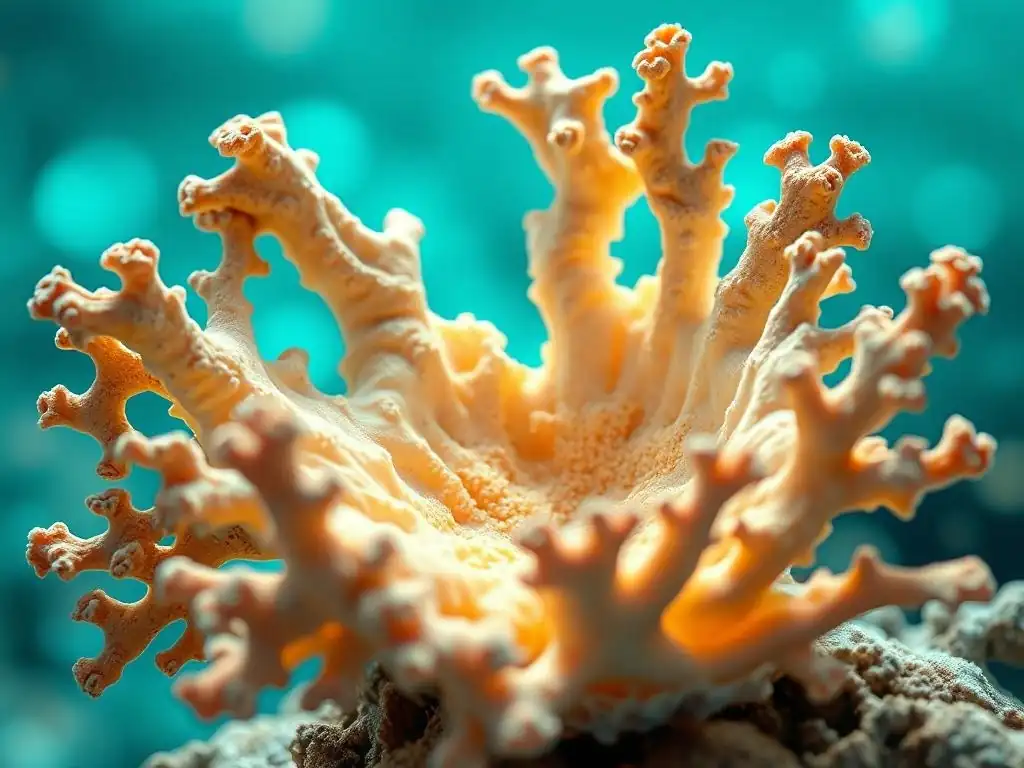
LPS coral recession problems manifest as the gradual or rapid loss of live tissue from the coral's skeleton. Visually, this appears as the fleshy polyps retracting and pulling away, revealing the underlying white or pale skeletal structure. This process can begin at the base of the coral, often referred to as "base recession," or it can start at the tips of the polyps, working its way downwards.
In some cases, recession can occur in patches across the coral's surface. The exposed skeleton may quickly become covered in algae, further impeding the coral's recovery and potentially creating a breeding ground for harmful bacteria.
The affected areas will typically appear stark white, contrasting sharply with the healthy, colored tissue. It's important to differentiate between temporary polyp retraction due to minor stress (e.g., handling, brief parameter changes) and true tissue recession, which indicates significant and often progressive damage. A healthy LPS coral will typically extend its polyps fully when conditions are stable, whereas a receding coral will show persistent areas of exposed skeleton. Early identification of these visual cues is paramount for effective intervention against LPS coral recession problems.
Common Causes of LPS Coral Recession: A Deep Dive
LPS coral recession problems are often symptomatic of underlying environmental stressors or imbalances within the aquarium. Understanding these root causes is the first step toward effective remediation. These causes are multifaceted and can range from chemical imbalances in the water to physical damage or biological aggression, making accurate diagnosis critical for a successful outcome. It's rare for a single factor to be solely responsible; often, a combination of stressors contributes to the decline.
Identifying the specific trigger for tissue loss requires a systematic approach, evaluating all potential environmental and biological factors. Given the delicate nature of LPS corals, even minor deviations from optimal conditions can initiate recession. The following sub-sections delve into the most prevalent causes, providing detailed insights into how each factor contributes to the development of LPS coral recession problems.
Poor Water Quality and LPS Recession
Suboptimal water parameters are a leading cause of LPS coral recession problems. High nitrates (above 10-20 ppm) and phosphates (above 0.03 ppm) can directly stress corals, inhibiting calcification and promoting the growth of nuisance algae that can smother tissue. Fluctuations in alkalinity, calcium, and magnesium are particularly detrimental. For instance, alkalinity swings of more than 0.5 dKH within 24 hours can cause immediate stress, leading to tissue burn or recession, as these parameters are vital for skeletal growth and stability.
Moreover, the presence of heavy metals, chlorine/chloramines (from tap water without proper conditioning), or other toxins can be acutely toxic to LPS corals, causing rapid tissue necrosis. Even seemingly minor issues like low pH (below 7.8) over extended periods can contribute to chronic stress and a gradual decline in coral health. Regular and accurate testing of all critical water parameters—including salinity, temperature, pH, alkalinity, calcium, magnesium, nitrates, and phosphates—is indispensable to prevent and address water quality-induced LPS coral recession.
Inadequate Lighting and LPS Coral Health
Lighting plays a critical role in the health of photosynthetic LPS corals, and both insufficient and excessive light can lead to LPS coral recession problems. Insufficient light, particularly in deeper tanks or with older, less powerful fixtures, can starve the symbiotic zooxanthellae, leading to a gradual loss of color and tissue decline as the coral cannot produce enough energy. Corals may appear pale or stretched as they try to reach for light.
Conversely, too much light, especially when corals are not properly acclimated or when placed directly under intense LED fixtures, can cause photoinhibition or bleaching. This 'light shock' forces the coral to expel its zooxanthellae, resulting in a stark white appearance and often initiating rapid tissue recession. For most LPS corals, a Photosynthetically Active Radiation (PAR) range of 75-150 PAR is generally considered ideal, though specific species may thrive at different intensities. Gradual acclimation to new lighting conditions, often over several weeks, is crucial to prevent light-induced stress and recession.
Incompatible Tank Mates and LPS Stress
Aggressive or incompatible tank mates are a significant, yet often overlooked, contributor to LPS coral recession problems. Certain fish species, such as some angelfish, butterflyfish, or even some tangs, are known to nip at or consume coral polyps, causing direct physical damage and chronic stress. This constant irritation prevents polyps from extending fully, inhibits feeding, and can lead to localized tissue loss that spreads over time.
Furthermore, other corals, particularly more aggressive SPS or soft corals, can extend sweeper tentacles that sting and damage LPS coral tissue upon contact. Even within the LPS family, different species, especially Euphyllia corals, are known for their potent stinging capabilities and require adequate spacing (often 6-12 inches depending on flow and species) to prevent inter-coral aggression. Any physical damage, whether from fish nipping or coral stings, opens the door for secondary bacterial infections or further tissue necrosis, directly contributing to LPS coral recession.
Improper Flow and LPS Tissue Recession
Water flow is a critical environmental factor for LPS corals, influencing everything from nutrient delivery to waste removal, and improper flow can directly lead to LPS coral recession problems. Insufficient flow can cause detritus and waste to settle on the coral's polyps, leading to tissue irritation, localized necrosis, and bacterial infections. Stagnant areas prevent the coral from efficiently shedding mucus and waste products, hindering its health.
Conversely, excessively strong or turbulent flow can physically damage the delicate polyps of LPS corals, causing them to remain perpetually retracted or even tearing the tissue. This constant buffeting prevents the polyps from extending to feed and can lead to exhaustion and stress. The ideal flow for most LPS corals is typically moderate and indirect, providing gentle swaying motion without directly blasting the polyps. This ensures adequate water movement over the coral's surface without causing physical stress, promoting healthy tissue and preventing tissue recession.
Addressing LPS Coral Recession: Step-by-Step Solutions
Once LPS coral recession problems are identified, prompt and systematic action is essential to halt the progression and promote recovery. The treatment approach depends heavily on the identified cause, but several general steps can be taken to create a more favorable environment for healing. This often involves careful adjustments to water parameters, lighting, flow, and managing tank inhabitants, all while closely observing the coral's response. Patience and consistent monitoring are key during the recovery phase.
It's important to remember that severely damaged corals may not fully recover, but early intervention significantly increases the chances of saving the coral. Isolating the affected coral in a quarantine tank, if possible, can also be beneficial to provide a stable, controlled environment for recovery without further stressors from the main display tank. The following detailed steps outline the primary actions to take when addressing LPS coral recession.
Water Parameter Adjustments for LPS Recovery
The first and often most critical step in addressing LPS coral recession problems is to meticulously test and stabilize all key water parameters. Begin by testing salinity (aim for 1.025-1.026 SG or 34-35 ppt), temperature (76-78°F or 24.5-25.5°C), pH (8.0-8.4), alkalinity (8-10 dKH), calcium (400-450 ppm), and magnesium (1300-1400 ppm). Any significant deviations should be corrected slowly and incrementally to avoid further shock. For instance, if alkalinity is low, increase it by no more than 0.5 dKH per day.
Beyond the major parameters, pay close attention to nutrient levels. Elevated nitrates (e.g., above 5 ppm) and phosphates (e.g., above 0.03 ppm) can contribute to stress and tissue loss. Implement strategies to reduce these, such as performing a 10-20% water change with high-quality RO/DI water, ensuring proper filtration (e.g., adequate protein skimming, use of GFO or biopellets), and reducing overfeeding. Consistent stability, rather than rapid corrections, is paramount for the long-term recovery and prevention of future LPS coral recession.
Optimizing Lighting for LPS Health and Growth
Proper lighting is fundamental for LPS coral recovery from recession. If the coral is showing signs of bleaching or tissue burn, which often indicates excessive light, immediately reduce the light intensity or move the coral to a shaded area of the tank. This can be achieved by dimming LED fixtures, raising the light fixture, or placing the coral lower in the tank or under an overhang. Aim for a PAR level that is generally lower than what healthy LPS corals thrive in, perhaps in the 50-100 PAR range initially, to allow for recovery without further stress.
Conversely, if the recession is due to insufficient light, gradually increase the intensity or move the coral to a brighter spot. This must be done very slowly, over several weeks, to allow the coral to acclimate. For example, if using dimmable LEDs, increase intensity by 5-10% every few days. Observe the coral's response closely: polyp extension, color, and signs of stress. The goal is to provide just enough light to support photosynthesis without overwhelming the recovering coral, thereby aiding in the reversal of LPS coral recession.
Managing Aggressive Tank Mates to Prevent LPS Stress
Aggressive tank mates are a common, yet sometimes subtle, cause of LPS coral recession problems. If fish are observed nipping at the coral, they must be removed immediately. This may involve relocating the offending fish to a separate tank or rehoming them. Even seemingly harmless grazers can sometimes develop a taste for coral polyps, especially if underfed or lacking other food sources. Ensuring fish are well-fed and have adequate space can sometimes mitigate this behavior.
Regarding inter-coral aggression, if an LPS coral is receding due to stings from neighboring corals, physical separation is necessary. This means moving the affected coral or the aggressor to ensure sufficient space between them, often requiring 6 to 12 inches of clearance, depending on the species and their sweeper tentacle length. Regularly observe all corals for signs of aggression, especially at night when sweeper tentacles are most active, and rearrange aquascaping as needed to prevent future physical damage and subsequent LPS tissue recession.
Improving Water Flow for LPS Corals
Optimizing water flow is crucial for reversing LPS coral recession problems. If the coral is in an area of insufficient flow, detritus and waste can accumulate on its polyps, leading to tissue irritation and necrosis. To address this, gently increase the overall tank circulation or reposition powerheads to create more indirect flow around the affected coral. Aim for a moderate, turbulent flow that causes the polyps to sway gently and rhythmically, without blasting them directly.
Conversely, if the coral is experiencing excessive or direct flow, which can lead to constant retraction or physical damage, redirect powerheads or move the coral to a calmer area of the tank. Strong, direct flow can fatigue the coral and prevent it from extending its polyps to feed, contributing to its decline. The ideal flow pattern should be varied and random, mimicking natural reef conditions, allowing the coral to shed waste effectively while providing fresh, oxygenated water and preventing further LPS tissue recession.
Dealing with LPS Coral Pests and Parasites
Identifying Common LPS Coral Pests
While LPS corals are generally less prone to pest infestations than SPS corals, they are not entirely immune. Early and accurate identification is crucial for effective treatment and preventing widespread damage. Many coral pests are cryptic and blend in with the coral, making regular, close inspection essential. The presence of pests can lead to localized tissue damage, poor polyp extension, and contribute to overall LPS coral recession problems.
Understanding the specific pests that can affect LPS corals, and distinguishing them from those that primarily target other coral types, helps in focusing treatment efforts. Misidentification can lead to ineffective treatments or unnecessary stress on the coral. The following subsections clarify common misconceptions and describe the pests that aquarists should be vigilant about when maintaining LPS corals.
Acropora Eating Flatworms (AEFW) on LPS: A Misconception?
Acropora Eating Flatworms ( Amakusaplana acroporae), commonly known as AEFW, are highly specialized parasites that exclusively prey on Acropora corals, a type of Small Polyp Stony (SPS) coral. They feed on Acropora tissue, leaving behind characteristic bite marks and causing rapid tissue necrosis. Therefore, the presence of AEFW on LPS corals is a misconception; they do not target LPS species.
If a flatworm-like organism is observed on an LPS coral, it is almost certainly a different type of flatworm, most likely a harmless detritivorous or commensal species, or a different parasitic flatworm that targets LPS corals, though these are much rarer and less documented than AEFW. Aquarists should not assume AEFW are the cause of LPS coral recession problems; instead, they should focus on identifying the specific pest or environmental stressor unique to LPS corals.
Red Bugs and Their Impact on LPS Corals
Red Bugs ( Tegastes acroporanus) are another specific type of copepod parasite that primarily infests Acropora corals. Like AEFW, Red Bugs are highly host-specific and do not typically infest or cause damage to LPS corals. They feed on the mucus and tissue of Acropora corals, leading to reduced polyp extension, faded coloration, and overall decline in SPS coral health.
While the term "red bugs" might be generically applied to any small red crustacean, true Red Bugs are an SPS-specific pest. If small red organisms are observed on LPS corals, they are likely a different species of copepod or amphipod, most of which are harmless detritivores or commensal. Therefore, treatments designed for Red Bugs would be ineffective and potentially harmful to LPS corals, making accurate identification crucial when diagnosing LPS coral recession problems.
Nudibranchs and LPS Coral Damage
While less common than SPS-specific nudibranchs, certain species of parasitic nudibranchs can prey on LPS corals. These specialized sea slugs typically camouflage extremely well with their host coral, making them difficult to spot. They feed directly on the coral's tissue, leaving behind characteristic bite marks or areas of stripped skeleton. The damage often appears as localized tissue recession that does not seem to heal, despite optimal water parameters.
Identifying these nudibranchs requires meticulous inspection, often at night with a flashlight, as some species are nocturnal. They typically lay eggs in spiral patterns on the coral's skeleton, which can also be an indicator of their presence. If suspected, careful manual removal with forceps is often the first step, followed by coral dips. The presence of these elusive predators can be a significant factor in persistent LPS coral recession problems.
Effective Pest Control Methods for LPS Corals
Once a pest is positively identified on an LPS coral, prompt and appropriate action is necessary to prevent further damage and spread. The chosen method depends on the type of pest, the severity of the infestation, and the coral's overall health. A multi-pronged approach, combining physical removal with chemical treatments and preventative measures, is often the most effective strategy. Always prioritize the coral's well-being during treatment.
It is crucial to research specific treatments for the identified pest, as a general "pest control" approach can be detrimental. For instance, some dips are effective against certain pests but harmful to others, or to the coral itself if misused. The following sections detail common methods used for pest control in LPS corals, emphasizing safe and effective practices to protect your valuable specimens from LPS coral recession problems caused by parasites.
Coral Dips and Their Role in Pest Removal
Coral dips are a primary method for removing external pests from LPS corals. These dips involve immersing the coral in a specialized solution for a prescribed period, usually between 5 to 15 minutes, depending on the product and the pest. Common dip solutions contain ingredients like iodine, essential oils, or other compounds designed to irritate and dislodge pests without harming the coral tissue. Popular commercial dips include Seachem Reef Dip, Revive Coral Cleaner, and Coral RX.
Before dipping, it's advisable to gently brush off any loose detritus from the coral. During the dip, gently agitate the coral to help dislodge pests. After the recommended time, rinse the coral thoroughly in a separate container of clean, pre-mixed saltwater before returning it to the display tank or a quarantine system. It's crucial to follow the manufacturer's instructions precisely regarding dosage and duration, as improper use can cause more stress or damage to the coral, potentially exacerbating LPS coral recession problems.
Biological Control Options for LPS Pests
Biological control involves introducing natural predators to control pest populations. While less commonly used for specific LPS coral pests compared to, say, Aiptasia (glass anemones), certain predatory snails or fish might inadvertently help manage some generalist nuisance organisms that could stress LPS corals. For instance, certain wrasse species are known to pick at various micro-invertebrates on live rock and coral, potentially reducing pest numbers.
However, caution is advised when considering biological control for specific LPS pests, as few species are known to exclusively target LPS parasites without posing a risk to the coral itself or other desirable tank inhabitants. For instance, while some nudibranch-eating wrasses exist, they are often generalists and may nip at other corals. Therefore, biological control is generally a secondary or supplementary strategy for LPS pests, with manual removal and coral dips being the primary interventions for direct infestations causing LPS coral recession problems.
Quarantine Procedures for New LPS Corals
Implementing a strict quarantine procedure for all new LPS coral additions is the single most effective preventative measure against introducing pests and diseases into a main display tank. A dedicated quarantine tank (QT) should be set up with stable parameters, basic lighting, and flow, allowing new corals to be observed in isolation for at least 3-4 weeks, or even longer. This period allows cryptic pests to emerge and diseases to manifest.
During quarantine, new corals should undergo multiple prophylactic coral dips, typically upon arrival and then again after 7-10 days. This staggered approach helps to eliminate any pests that may hatch from eggs laid during the initial dip. Observe the coral daily for signs of pests (e.g., nudibranchs, flatworms) or diseases (e.g., brown jelly, tissue recession). Only after the quarantine period, with no signs of pests or disease, should the coral be introduced to the main display tank, significantly reducing the risk of widespread LPS coral recession problems.
Other Common LPS Coral Problems and Their Solutions
Brown Jelly Disease in LPS Corals
Brown Jelly Disease (BJD) is a highly aggressive and rapidly spreading bacterial infection that causes acute tissue necrosis in LPS corals. It manifests as a slimy, brown, jelly-like substance that rapidly consumes coral tissue, often leaving exposed skeleton in its wake. This disease can decimate an entire coral colony within hours if left untreated. BJD is often triggered by physical damage, sudden environmental stress, or poor water quality, which weakens the coral's natural defenses.
Immediate action is critical upon identifying BJD. The affected coral should be promptly removed from the main display tank and isolated to prevent the spread of the infection to other corals. In the isolation container, gently siphon off the brown jelly using an airline tube. A freshwater dip (using RO/DI water matched to the tank's temperature and pH, for 30-90 seconds) can sometimes dislodge the jelly.
Severely affected areas can be fragged off if healthy tissue remains. Treatment often involves an iodine dip or targeted antibiotic application. Maintaining pristine water quality and avoiding physical damage are the best preventative measures against this severe cause of LPS coral recession problems.
Bleaching in LPS Corals: Causes and Treatment
Bleaching in LPS corals occurs when the coral expels its symbiotic zooxanthellae, the algae living within its tissues that provide the coral with most of its energy through photosynthesis. This expulsion causes the coral to lose its vibrant coloration and appear stark white or very pale. The primary causes of bleaching include elevated water temperatures (e.g., sustained temperatures above 82°F or 28°C), sudden increases in light intensity (photo-shock), significant swings in water parameters (e.g., alkalinity, salinity), and prolonged exposure to poor water quality.
Treating bleached LPS corals involves identifying and mitigating the stressor. If temperature is the issue, gradually lower it to the optimal range (76-78°F). If light is too intense, reduce its intensity or move the coral to a shaded area. Stabilize all water parameters, ensuring consistent alkalinity, calcium, and magnesium levels. Providing target feeding with coral-specific foods can help supplement the coral's energy needs while it attempts to recover its zooxanthellae population. While some corals can recover from mild bleaching, severe or prolonged bleaching often leads to tissue necrosis and contributes to LPS coral recession problems.
Algae Overgrowth on LPS Corals
Algae overgrowth on LPS corals is a common issue, often indicating elevated nutrient levels (nitrates and phosphates) in the aquarium. Various types of nuisance algae, such as hair algae, cyano bacteria, or film algae, can settle on the coral's skeleton or even directly on its polyps, smothering the tissue, blocking light, and causing irritation. This persistent irritation can lead to localized tissue recession and contribute to overall LPS coral recession problems.
Addressing algae overgrowth requires a multi-faceted approach focused on nutrient control. This includes reducing feeding, performing regular and larger water changes (e.g., 20% weekly), ensuring efficient protein skimming, and utilizing phosphate-removing media like GFO. Introducing herbivorous snails (e.g., Trochus, Turbo) or certain fish (e.g., certain tangs, blennies) can help graze on the algae. For direct algae on the coral, gently brush it off with a soft brush or turkey baster. Maintaining low nutrient levels (nitrates below 5 ppm, phosphates below 0.03 ppm) is key to preventing algae outbreaks and protecting LPS coral health.
Sweeper Tentacles and Inter-Coral Aggression
LPS corals, particularly Euphyllia species like Hammers, Torches, and Frogspawns, possess potent sweeper tentacles that can extend significantly, often several inches, to defend their territory from neighboring corals. These tentacles contain nematocysts (stinging cells) that can inflict severe damage, including tissue necrosis and permanent scarring, on any coral they come into contact with. This inter-coral aggression is a common cause of localized LPS coral recession problems, especially in crowded reef tanks.
To prevent damage from sweeper tentacles, adequate spacing between LPS corals and other coral species is crucial. The general rule of thumb is to allow at least 6-12 inches of clearance around Euphyllia species, depending on their size and the specific species. Observe your corals, especially at night when sweepers are most active, to identify any contact. If aggression is observed, immediately reposition the corals to ensure sufficient distance. Regular trimming of aggressive corals or strategic placement can prevent these painful encounters and protect your LPS corals from unnecessary tissue loss.
Preventing LPS Coral Problems: Best Practices
Maintaining Optimal Water Chemistry for LPS Health
Consistent and optimal water chemistry is the cornerstone of preventing LPS coral problems, including LPS coral recession. Regular testing of key parameters—salinity (1.025-1.026 SG), temperature (76-78°F), pH (8.0-8.4), alkalinity (8-10 dKH), calcium (400-450 ppm), and magnesium (1300-1400 ppm)—is non-negotiable. More importantly, maintaining stability within these ranges is paramount. Sudden fluctuations in alkalinity, for example, can cause immediate stress, leading to tissue burn or recession.
To achieve this stability, implement a consistent dosing regimen for alkalinity, calcium, and magnesium if your tank's demand exceeds what water changes can provide. Utilize high-quality salt mix and RO/DI water for all water changes and top-offs. Keep nutrient levels (nitrates < 5 ppm, phosphates < 0.03 ppm) consistently low through efficient filtration, appropriate feeding, and regular water changes. Proactive monitoring and precise adjustments are far more effective than reactive treatments for established LPS coral recession problems.
Providing Proper Lighting and Flow for LPS Corals
Proper lighting and water flow are critical environmental factors that directly influence LPS coral health and prevent the onset of LPS coral recession problems. For lighting, research the specific PAR requirements of your LPS species. While many LPS thrive in moderate PAR (75-150 PAR), some may prefer slightly lower or higher intensities. Ensure lighting is consistent, with a stable photoperiod (typically 8-10 hours). Acclimate new corals slowly to new lighting conditions by placing them lower in the tank or in shaded areas initially, gradually moving them to their final position over several weeks.
For water flow, aim for moderate, indirect, and turbulent flow patterns that gently sway the coral polyps without causing them to retract or be constantly battered. This ensures adequate gas exchange, nutrient delivery, and waste removal, preventing detritus accumulation on the coral tissue. Avoid direct, high-velocity streams that can physically damage the delicate polyps. Strategic placement of powerheads and regular cleaning of pumps will maintain consistent flow, contributing significantly to the long-term vitality of your LPS corals.
Regular Observation and Early Intervention
One of the most effective preventative measures against severe LPS coral problems is diligent, daily observation. Spend time closely examining each of your LPS corals for any subtle changes in appearance, color, polyp extension, or the presence of unusual growths or organisms. Look for early signs of tissue recession, subtle paling or darkening of color, or polyps that remain retracted even during feeding times. Early detection of these symptoms can mean the difference between a minor setback and a complete loss of the coral.
Maintain a log of your observations, noting any changes and the actions taken. If a coral appears stressed, immediately check your water parameters and review recent changes to your tank's environment (e.g., new additions, equipment changes). Promptly addressing minor issues, such as a slight parameter deviation or a tiny patch of algae, can prevent them from escalating into full-blown LPS coral recession problems or widespread disease outbreaks.
The Importance of Quarantine for New Additions
Quarantine is an indispensable practice for preventing the introduction of pests, parasites, and diseases that can devastate an established reef tank and lead to widespread LPS coral recession problems. Every new coral, fish, or invertebrate addition, regardless of its source, should undergo a minimum 3-4 week quarantine period in a separate, dedicated quarantine tank (QT). This isolation period allows for observation and prophylactic treatments.
During quarantine, perform multiple coral dips (e.g., upon arrival, then again after 7-10 days) to dislodge any external pests or their eggs. Monitor the new additions daily for signs of illness or unusual behavior. Maintain stable water parameters in the QT, mirroring your display tank. Only transfer new inhabitants to the main display tank after they have shown no signs of disease or pests throughout the entire quarantine period. This simple yet crucial step can save you countless headaches and protect your existing LPS coral collection.
Advanced LPS Coral Care and Troubleshooting
Understanding Alkalinity Swings and Their Impact on LPS
Alkalinity, a measure of the water's buffering capacity against pH changes, is arguably the most critical and often overlooked parameter for LPS corals. Stable alkalinity (typically 8-10 dKH for LPS) is essential for calcification, the process by which corals build their skeletons. Rapid or significant swings in alkalinity, even by as little as 0.5-1.0 dKH within a 24-hour period, can cause severe stress to LPS corals, leading to tissue burn, "bleaching," and ultimately, rapid LPS coral recession problems. This is because the coral's internal chemistry struggles to adapt to the external environment.
To prevent alkalinity swings, implement a consistent dosing regimen if your tank's demand is high. This could involve using a two-part solution, a calcium reactor, or a dosing pump. Test alkalinity daily when establishing a new dosing regimen, then reduce frequency to 2-3 times per week once stability is achieved. Avoid large, infrequent doses, which can cause temporary spikes. Understanding your tank's daily alkalinity consumption and matching it with precise dosing is key to maintaining the stability that LPS corals require for long-term health and preventing alkalinity-induced LPS coral recession.
Target Feeding LPS Corals for Optimal Growth
While LPS corals derive most of their energy from photosynthesis via zooxanthellae, target feeding with appropriate foods can significantly enhance their growth, coloration, and overall vitality, making them more resilient to potential LPS coral recession problems. Many LPS species, such as Euphyllia, Favia, and Acanthastrea, are capable of capturing and consuming small particulate foods. Offering a varied diet of fine-grained pellet foods, frozen Mysis shrimp, brine shrimp, or specialized coral foods 1-3 times per week can provide essential nutrients not fully supplied by light.
To target feed, turn off powerheads to prevent food from dispersing too quickly. Use a turkey baster or pipet to gently deliver food directly to the coral's extended polyps. Observe the coral's feeding response; healthy LPS polyps will often retract slightly and engulf the food. Avoid overfeeding, as excess nutrients can contribute to poor water quality. Consistent, moderate target feeding, in conjunction with optimal lighting and water parameters, can promote robust tissue growth and enhance the coral's ability to recover from minor stressors.
Recognizing and Addressing Bacterial Infections in LPS
Bacterial infections, most notably Brown Jelly Disease (BJD), are a severe and rapid cause of LPS coral recession problems. However, other less aggressive bacterial infections can also manifest as localized tissue necrosis, cloudy or stringy mucus, or a general decline in coral health without the classic "brown jelly" appearance. These infections often occur when a coral is already stressed from other factors (e.g., physical damage, poor water quality, parameter swings), which compromise its natural immune defenses.
If a bacterial infection is suspected (beyond the rapid onset of BJD), prompt intervention is necessary. Isolate the affected coral. Gently siphon away any visible mucus or decaying tissue. A freshwater dip can sometimes help dislodge surface bacteria. For persistent or spreading infections, broad-spectrum coral dips containing iodine or specialized antibiotic treatments (e.g., Furan-2, Ciprofloxacin, or specific coral antibiotics available from aquaculture suppliers) may be considered, but these should be used with extreme caution and only in a quarantine setting. Maintaining stable, pristine water parameters is the best long-term defense against bacterial infections and subsequent LPS coral recession.
Frequently Asked Questions
What is LPS coral recession and what are the common signs?
LPS coral recession is when coral tissue dies back, exposing the skeleton. Early signs include a gradual loss of color and a receding tissue line. This can lead to complete coral death if unaddressed.
What are some of the primary causes of LPS coral recession?
Common causes include poor water quality (high nitrates or phosphates), inadequate lighting, and physical damage from aggressive tankmates. Additionally, unstable alkalinity can contribute significantly.
How can I prevent LPS coral recession from occurring in my aquarium?
Maintaining stable and optimal water parameters is crucial. Regular water changes, proper filtration, and appropriate lighting are essential. Also, careful observation of your corals is needed.
What steps should I take if I notice recession in my LPS corals?
First, test your water parameters immediately and correct any imbalances. Then, carefully inspect the coral for pests or physical damage. Finally, consider a coral dip as a treatment option.
Are there any specific pests that commonly cause LPS coral recession?
Yes, certain pests like coral-eating nudibranchs and flatworms can directly attack LPS corals. Identifying and removing these pests is critical for recovery. They can cause rapid tissue loss.
The challenges outlined in this article, from tissue recession to pest infestations, underscore the fragility and complexity of maintaining a thriving LPS coral reef aquarium. Understanding these potential pitfalls is not merely about preventing problems; it's about cultivating a deeper appreciation for the delicate ecosystems we strive to replicate within our homes. The health of these corals reflects our commitment to responsible reef keeping and the well-being of the marine environment.
The ongoing struggle against LPS coral recession and pests highlights the interconnectedness of all elements within a reef tank, and the need for constant vigilance and adaptation. It's a journey of continuous learning and refinement, where even experienced reefers face unexpected challenges. As the saying goes: The sea, once it casts its spell, holds one in its net of wonder forever.
This quote perfectly encapsulates the dedication and passion that drives reef keepers to overcome these obstacles and witness the beauty of a healthy LPS coral colony.
Now, as you close this article, consider the lessons learned and the potential impact you can have on the lives of these magnificent creatures. Reflect on your own practices, and ask yourself: are you truly providing the optimal environment for your LPS corals to flourish? Let this knowledge empower you to become a more informed, responsible, and ultimately, successful reef keeper, contributing to the preservation of these vital ecosystems, one coral at a time.
Ignite Your Reef Tank: Conquer LPS Challenges Now!
Thank you for diving deep into the world of LPS corals with us! We hope this guide has empowered you with the knowledge to tackle common issues and keep your reef thriving. Now, it's time to put that knowledge into action.
Here’s how you can take the next steps:
- Immediately inspect your LPS corals for any signs of pests or recession using the techniques discussed in this article. Early detection is key!
- Share this article with fellow reef keepers in your community to help them overcome LPS challenges. Knowledge is power, and sharing is caring!
- Experiment with adjusting your water parameters and lighting intensity to find the sweet spot for your specific LPS corals. Document your changes and observe the results!
What's the first LPS coral problem you plan to tackle in your tank, and what specific action will you take today to address it? Let's discuss in the comments!