
Water Flow for LPS Corals: A Comprehensive Guide for Optimal Health

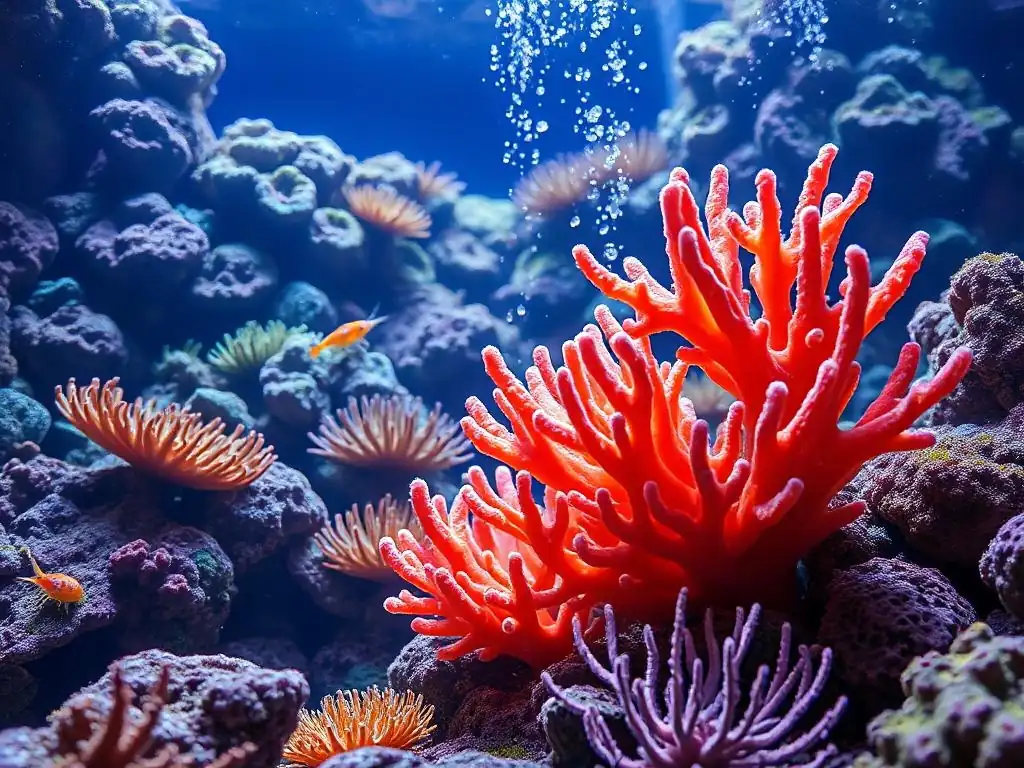
Welcome to Aquarium Mastery! Ever wondered if your LPS corals are truly thriving, or just surviving? Dive into our comprehensive guide on LPS coral water flow and unlock the secrets to optimal coral health and vibrant color. Learn how to fine-tune your tank's circulation to create the perfect environment for these captivating creatures and avoid common pitfalls. Ready to master the flow?
- Understanding the Importance of Water Flow for LPS Coral Health
- Identifying the Ideal Water Flow Rate for Different LPS Coral Species
- Signs of Insufficient or Excessive Water Flow in LPS Corals
- Equipment Options for Achieving Optimal Water Flow in LPS Coral Tanks
- Fine-Tuning Water Flow for Specific LPS Coral Placement
- Maintaining Optimal Water Flow for Long-Term LPS Coral Health
- Troubleshooting Common Water Flow Issues in LPS Coral Tanks
- Case Study: Water Flow Optimization in a Mixed LPS Reef Tank
- Frequently Asked Questions
- Final Reflection: The Undulating Rhythm of Life
- Unlock the Secrets to Vibrant LPS Coral Growth!
Understanding the Importance of Water Flow for LPS Coral Health
Why Proper Water Flow Matters for LPS Corals
Proper water flow is a critical, yet often underestimated, factor in maintaining the health and vibrancy of Large Polyp Stony (LPS) corals. It serves multiple essential functions within the aquarium ecosystem, directly impacting the coral's ability to thrive. Adequate LPS coral water flow ensures efficient gas exchange, allowing corals to expel metabolic waste products like oxygen and take in carbon dioxide for photosynthesis, and vice versa for respiration. Without sufficient flow, a stagnant boundary layer can form around the coral tissue, impeding these vital processes and leading to stress.
Beyond gas exchange, optimal water movement is crucial for preventing the accumulation of detritus and organic matter on the coral's delicate polyps. Such buildup can smother the coral, leading to tissue necrosis, bacterial infections, or nuisance algae growth. Furthermore, consistent and appropriate flow helps to maintain stable water parameters around the coral, preventing localized fluctuations that could otherwise cause stress or even bleaching.
The Role of Water Flow in Nutrient Delivery to LPS Corals
Water flow plays a fundamental role in the efficient delivery of nutrients to LPS corals. These corals, while relying heavily on their symbiotic zooxanthellae for energy through photosynthesis, also derive a significant portion of their nutrition from the water column in the form of dissolved organic matter, phytoplankton, and zooplankton. Effective LPS coral water flow ensures that a continuous supply of these food particles reaches the coral's polyps, where they can be captured and ingested.
For instance, research published in Marine Biology in 2018 highlighted how optimized flow patterns significantly increase the encounter rate between food particles and coral polyps, leading to improved feeding efficiency in species like Euphyllia. Without adequate flow, food particles may simply settle on the substrate or be swept past the coral without being presented for capture, effectively starving the coral over time. This dynamic delivery system is vital for the coral's growth, color, and overall resilience.
How Water Flow Affects Waste Removal in LPS Corals
The efficient removal of waste products is as crucial as nutrient delivery for the long-term health of LPS corals. Corals, like all living organisms, produce metabolic waste, and they also generate mucus as a natural protective mechanism and to shed detritus. In an environment with insufficient LPS coral water flow, these waste products and mucus can accumulate on the coral's surface, creating a toxic microenvironment.
This accumulation can inhibit the coral's ability to perform gas exchange, block light to their symbiotic algae, and provide a breeding ground for harmful bacteria, potentially leading to tissue loss or disease. Observations in hobbyist tanks suggest that areas with poor flow can exhibit a 20-30% higher incidence of tissue necrosis on LPS corals due to detritus buildup. Proper water movement continually sweeps away these undesirable substances, keeping the coral's surface clean and maintaining a healthy boundary layer, thereby reducing stress and preventing disease.
Identifying the Ideal Water Flow Rate for Different LPS Coral Species
Water Flow Requirements for Euphyllia Corals (Torch, Hammer, Frogspawn)
Euphyllia corals, encompassing popular species like Torch, Hammer, and Frogspawn, generally thrive in moderate, turbulent, and indirect water flow. The key is to avoid strong, direct laminar flow, which can damage their delicate, fleshy polyps. Instead, aim for a chaotic, swirling motion that gently sways their polyps without causing them to retract persistently or become battered against the rockwork.
A good starting point for LPS coral water flow in a Euphyllia-dominant tank is often a total turnover rate of 10-20 times the tank's volume per hour, distributed across multiple flow devices to create varied patterns. This ensures that all polyps receive adequate, yet gentle, water movement.
Specific Water Flow Needs for Torch Corals
Torch corals ( Euphyllia glabrescens) are characterized by their long, flowing polyps, which benefit from a slightly stronger, yet still indirect and turbulent, water flow compared to other Euphyllia species. This robust flow helps to keep their extensive tentacles fully extended, preventing them from tangling or adhering to each other or the surrounding rockwork. If Torch corals appear "deflated" or their polyps are consistently retracted despite good water parameters, it often indicates insufficient flow. Aim for a distinct, yet not aggressive, sway in their polyps.
Optimal Water Flow for Hammer Corals
Hammer corals ( Euphyllia ancora and Euphyllia parancora) prefer moderate, indirect water flow. Their polyps are somewhat more robust than those of Torch corals, but they are still susceptible to damage from direct, blasting flow. The ideal LPS coral water flow for Hammers allows their characteristic "hammer" tips to sway gently and rhythmically, indicating adequate circulation without undue stress. If the polyps are constantly retracted or appear "blown out," the flow is likely too strong.
Recommended Water Flow for Frogspawn Corals
Frogspawn corals ( Euphyllia divisa), with their branching structure and bubbly polyps, also thrive in moderate, turbulent, indirect flow similar to Hammer corals. The branching nature of Frogspawn means that flow needs to penetrate throughout the colony to reach all polyps. Inadequate flow can lead to detritus accumulation within the branches, potentially causing localized tissue necrosis. Ensure the LPS coral water flow allows for a gentle, rhythmic pulsing motion of their polyps, indicating healthy expansion and circulation.
Water Flow Needs for Favia and Favites Corals (Brain Corals)
Favia and Favites corals, often referred to as "Brain Corals," typically have a more encrusting or massive growth form and are generally less tolerant of strong flow than Euphyllia species. They prefer lower to moderate, indirect water flow that is sufficient to keep their surfaces clean without causing their polyps to retract excessively.
A common recommendation for these corals is a flow rate that achieves 5-10 times the tank volume turnover per hour in their immediate vicinity, ensuring gentle, consistent movement.
Achieving Ideal Flow for Favia Brain Corals
Favia corals ( Favia spp.) thrive in gentle to moderate, indirect LPS coral water flow. Their fleshy polyps can become stressed and retract if exposed to direct or overly strong currents, which can also prevent them from fully extending to feed. The goal is to provide enough flow to prevent detritus from settling on their surface and to facilitate nutrient exchange, but not so much that it physically batters the coral. Observe their polyp extension; if they remain retracted for extended periods, the flow might be too intense.
Water Flow Considerations for Favites Brain Corals
Favites corals ( Favites spp.) have similar water flow requirements to Favia, preferring low to moderate, indirect flow. Their typically encrusting or submassive growth forms benefit from consistent, gentle movement that washes away waste and brings in nutrients without causing physical abrasion. Strong, unidirectional flow can cause tissue damage or persistent retraction. Ensure the LPS coral water flow allows for their polyps to extend fully during active periods, indicating comfort and good health.
Water Flow Requirements for Acan Corals (Acanthastrea)
Acan corals ( Acanthastrea species), particularly the popular Acanthastrea lordhowensis, are among the LPS corals that require the gentlest water flow. Their very fleshy polyps are highly susceptible to damage from strong or direct currents. Excessive flow can cause tissue tearing, persistent retraction, and significant stress, which can lead to tissue loss or susceptibility to disease.
When planning LPS coral water flow for Acans, prioritize indirect and very gentle movement. Many successful Acan keepers aim for localized flow rates significantly lower than other LPS, often less than 5 times the tank volume turnover directly over the coral.
Gentle Water Flow for Acan Lordhowensis
Acanthastrea lordhowensis corals, renowned for their vibrant colors and plump polyps, demand exceptionally gentle, indirect water movement. Direct high LPS coral water flow will cause their polyps to retract completely and can lead to tissue erosion or even skeleton exposure. The ideal flow should be just enough to gently "wiggle" the tips of their polyps or to ensure no detritus settles on their surface. Placement in very low-flow areas of the tank, often shielded by rockwork or positioned near the substrate, is generally recommended for these sensitive corals.
Water Flow and Acan Fragging Success
When fragging Acan corals, the post-fragging environment, particularly LPS coral water flow, becomes even more critical. New Acan frags are highly vulnerable as they dedicate energy to healing and re-attaching. Maintaining extremely low and stable flow around these fresh frags is paramount to their survival and successful healing. Excessive flow during this sensitive period can significantly hinder the tissue regeneration process, potentially increasing frag loss by 15-20% in the initial weeks following fragging. Gentle, consistent flow minimizes stress and allows the coral to focus its energy on recovery.
Signs of Insufficient or Excessive Water Flow in LPS Corals
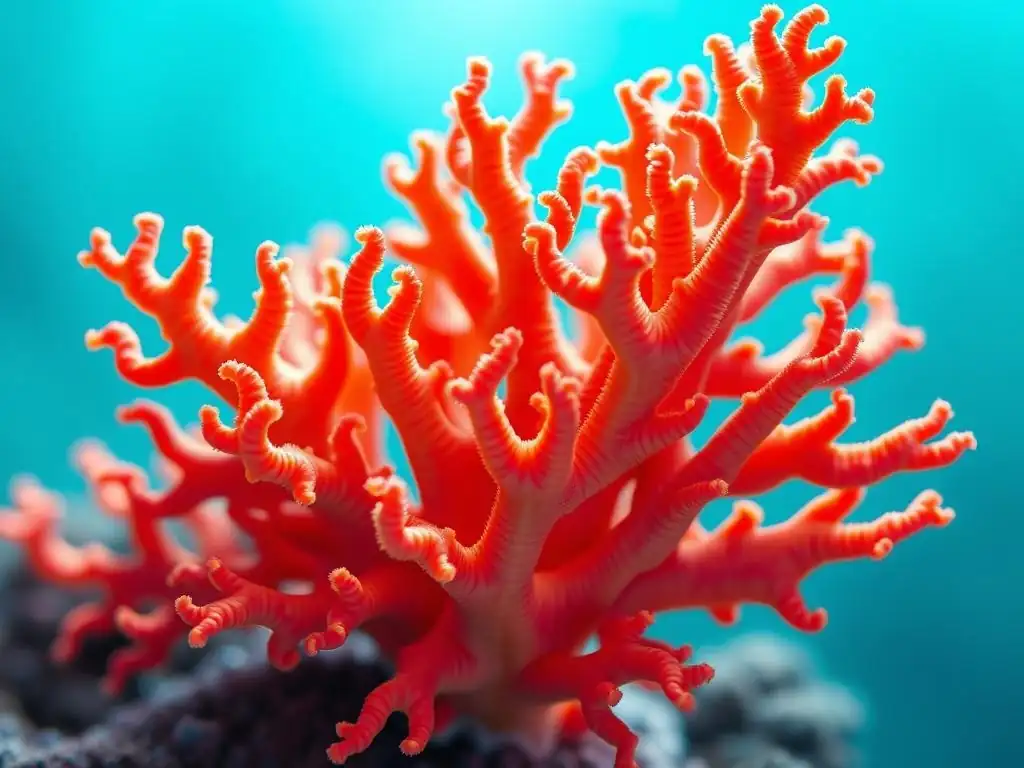
Observing your LPS corals closely provides invaluable clues about the adequacy of your LPS coral water flow. Recognizing the signs of either too little or too much flow is crucial for making timely adjustments and preventing long-term damage or stress to your corals.
Recognizing Signs of Low Water Flow in LPS Corals
Insufficient water flow can lead to a cascade of negative effects on LPS corals, primarily due to the buildup of waste and lack of nutrient delivery. These signs often manifest gradually, making consistent observation key.
Identifying Tissue Recession Due to Poor Flow
One of the most concerning signs of chronically low LPS coral water flow is tissue recession. This occurs when the coral's living tissue begins to pull away from its skeleton, often starting from the base or shaded areas. Without proper flow, nutrients cannot reach all parts of the coral efficiently, and waste products accumulate, effectively starving the coral or creating toxic conditions. Tissue recession due to poor flow typically progresses slowly over weeks or even months, appearing as a gradual thinning or lightening of the tissue, eventually exposing the white skeleton underneath.
Observing Excessive Sliming in LPS Corals
LPS corals naturally produce mucus, but excessive sliming is a clear indicator of stress, often caused by inadequate LPS coral water flow. In low-flow conditions, the mucus, which is used to shed detritus and protect the coral, cannot be effectively washed away.
This leads to a thick, visible layer of slime, often appearing whitish, brownish, or even greenish, trapping detritus and organic matter against the coral's tissue. A coral producing more than 1-2 cm of visibly thick slime daily, especially if it's not shedding cleanly, suggests that the flow is insufficient to clear its surface, potentially leading to bacterial infections and tissue decay.
While some flow is essential, too much LPS coral water flow can be equally, if not more, detrimental to LPS corals, particularly those with delicate polyps. The signs of excessive flow are often more immediate and physical.
Identifying Tissue Damage from Strong Flow
Strong, direct, or turbulent LPS coral water flow can physically abrade, tear, or even blast the delicate, fleshy polyps of LPS corals. This type of damage can manifest as white patches of exposed skeleton where tissue has been scoured off, or as frayed, torn edges on the polyps themselves. For instance, a Euphyllia coral constantly battered by a powerful, direct current might show 5-10% tissue loss or significant tearing within just a few days. This physical trauma leaves the coral vulnerable to secondary infections and can severely impede its ability to feed and grow.
Observing Retracted Polyps Due to Excessive Flow
One of the most common and immediate responses of LPS corals to overly strong LPS coral water flow is persistent polyp retraction. Corals retract their polyps as a defense mechanism to protect their delicate tissues from physical damage.
If your LPS corals, especially those like Acans or Euphyllia, remain consistently retracted throughout the day, even during periods when they would normally be fully extended for feeding (e.g., at night or during targeted feeding), it's a strong indication that the flow is too intense. A healthy LPS coral should fully extend its polyps for several hours a day, exhibiting a natural sway rather than being "blown" or flattened against its skeleton.
Equipment Options for Achieving Optimal Water Flow in LPS Coral Tanks
Achieving the ideal LPS coral water flow requires careful selection and strategic placement of various aquarium circulation devices. A combination of different types of pumps often provides the best results, allowing for varied and dynamic flow patterns.
Powerheads: Selecting the Right Size and Placement
Powerheads are versatile tools for creating localized flow and general circulation within a reef tank. Their size and placement are critical for delivering the appropriate LPS coral water flow for your specific corals.
Choosing Powerheads Based on Tank Size
When selecting powerheads, consider your tank's total volume and the specific needs of your LPS corals. Rather than relying on a single, oversized powerhead, it's generally more effective to use multiple smaller or moderately sized powerheads. This allows for better distribution of flow and the creation of more complex, turbulent patterns.
For example, in a 75-gallon tank, two 1000-1500 GPH (gallons per hour) powerheads strategically placed might provide more beneficial LPS coral water flow than a single 3000 GPH unit, which could create dead spots or overly strong laminar flow in certain areas. Calculate the total desired turnover rate (e.g., 10-20 times tank volume for LPS-dominated tanks) and select powerheads that collectively meet this target while allowing for adjustability.
Powerhead Placement Strategies for LPS Corals
Strategic powerhead placement is paramount for achieving optimal LPS coral water flow without causing stress. The primary goal is to create indirect, turbulent flow rather than direct, blasting currents. Aim powerheads towards the back glass, side glass, or rockwork to bounce the flow off surfaces. This deflection creates chaotic, multi-directional flow patterns that mimic natural reef conditions and prevent "dead spots."
For delicate LPS corals like Acans, powerheads can be aimed significantly away, relying on the ambient flow they generate. For Euphyllia, a more direct, but still diffused, flow might be acceptable, ensuring their polyps sway gently. Consider placing powerheads at different depths and angles to ensure comprehensive tank coverage.
Wave Makers: Simulating Natural Reef Conditions
Wave makers are advanced circulation devices designed to create oscillating or pulsing flow patterns, closely mimicking the natural ebb and flow of ocean currents. They are highly beneficial for LPS corals due to their ability to provide dynamic LPS coral water flow.
Benefits of Wave Makers for LPS Coral Health
Wave makers offer significant advantages for LPS coral health by creating highly dynamic and varied LPS coral water flow. Unlike constant flow powerheads, wave makers prevent the formation of stagnant boundary layers around corals and reduce the likelihood of detritus settling. This oscillating flow helps to dislodge settled particles, ensures continuous delivery of fresh water and nutrients, and promotes robust gas exchange.
Studies suggest that the varied flow patterns generated by wave makers can improve coral growth rates by up to 15% by consistently presenting them with nutrients and preventing localized waste buildup. They also contribute to the overall aesthetic appeal of the tank by causing corals to sway naturally.
Programming Wave Makers for Optimal Flow Patterns
Modern wave makers often come with advanced controllers that allow for diverse programming options, such as constant, pulse, random, and nutrient export modes. For LPS corals, experimenting with a pulsing mode (e.g., 5-10 seconds on/off) or a random flow generator can create highly beneficial, turbulent flow without being overly aggressive.
Alternate flow patterns between two or more wave makers on opposite sides of the tank can further enhance chaotic flow and prevent dead spots. Adjust the intensity and frequency based on the response of your specific LPS corals; polyps should extend fully and sway gently, not be flattened or constantly retracted.
Circulation Pumps: Enhancing Overall Water Movement
While powerheads and wave makers focus on localized or dynamic flow, dedicated circulation pumps are often used to enhance overall tank water movement and ensure consistent LPS coral water flow throughout the entire system.
Using Circulation Pumps for Consistent Flow
Circulation pumps, often higher-GPH pumps separate from powerheads, are excellent for providing a baseline level of consistent water movement throughout the entire reef tank. They ensure that water is constantly moving, preventing large-scale stagnant areas and promoting uniform water chemistry. For larger tanks (e.g., 100+ gallons), incorporating one or more dedicated circulation pumps can ensure a foundational LPS coral water flow of 10-15 times the tank volume per hour, upon which more localized flow from powerheads or wave makers can be built. This ensures that even areas not directly exposed to powerhead flow receive adequate circulation.
Maintaining Circulation Pumps for Optimal Performance
Like all aquarium equipment, circulation pumps require regular maintenance to ensure optimal performance. Calcium buildup, algae growth, and detritus accumulation on impellers and housings can significantly reduce a pump's efficiency, sometimes by as much as 30% within a few months. Regular cleaning, typically monthly or bi-monthly, using a dilute vinegar or citric acid solution, is essential. Disassemble the pump, clean all components thoroughly, and inspect for any wear and tear. Proper maintenance ensures consistent LPS coral water flow and extends the lifespan of the equipment.
Fine-Tuning Water Flow for Specific LPS Coral Placement
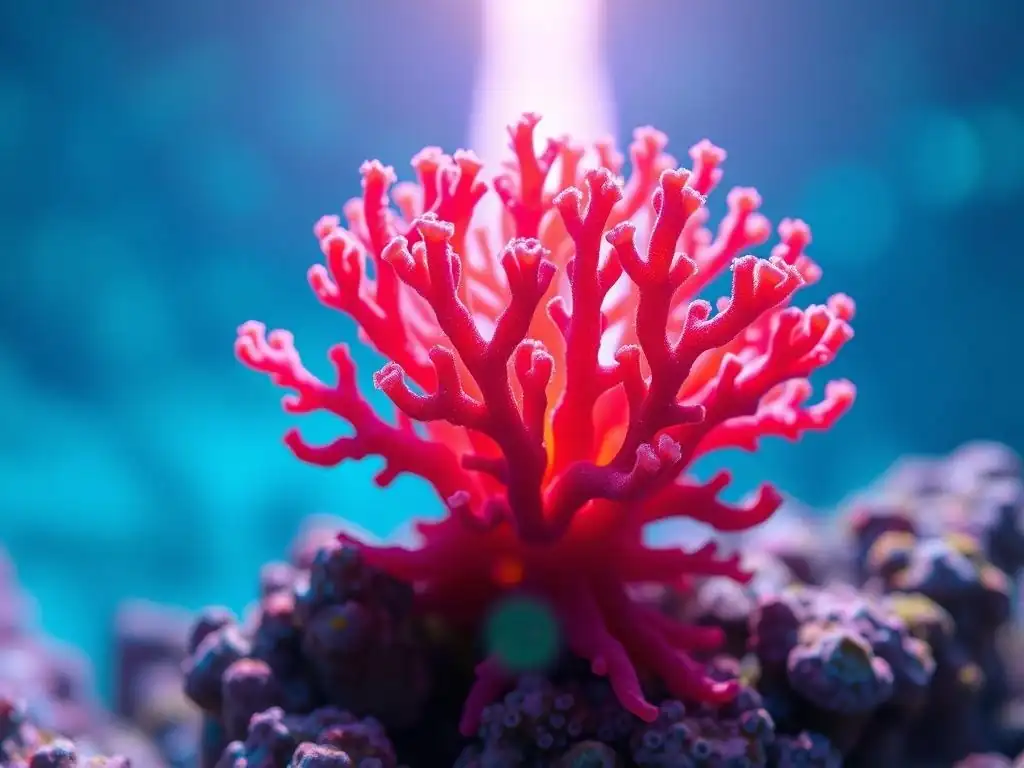
The placement of an LPS coral within your tank directly influences the localized LPS coral water flow it receives. Fine-tuning your flow strategy based on coral position is crucial for maximizing health and preventing issues.
Optimizing Water Flow for LPS Corals in Different Tank Zones
Different areas of your tank naturally experience varying degrees of water movement. Understanding these zones and adjusting your flow strategy accordingly is key.
Water Flow Considerations for LPS Corals Near the Substrate
LPS corals placed near the substrate, especially on the sandbed, require careful attention to LPS coral water flow. Strong, direct currents in these areas can easily blow sand onto the coral's delicate polyps, causing irritation, tissue damage, or even smothering. If sand buildup is persistent, it can lead to bacterial infections. For corals in these lower zones, ensure that powerheads are aimed upwards or are positioned to create indirect, gentle flow that is sufficient to keep the coral clean without disturbing the sandbed. Using flow deflectors or placing corals on elevated frag plugs can also help mitigate sand issues.
Water Flow Strategies for LPS Corals Higher in the Tank
Corals positioned higher in the tank often receive more direct light and are typically exposed to stronger LPS coral water flow. This area is often suitable for Euphyllia species like Torches and Hammers that can tolerate slightly higher flow. However, even in these zones, the flow should remain turbulent and indirect, preventing the polyps from being constantly flattened or battered. If you notice polyps consistently retracted or appearing "blown out" in higher tank areas, it indicates the flow is too intense, and you may need to adjust powerhead angles or reduce their intensity.
Adjusting Water Flow to Prevent Dead Spots
Dead spots, or areas of stagnant water, are detrimental to any reef tank, especially one housing LPS corals. They lead to detritus accumulation, localized nutrient spikes, and poor gas exchange, all of which can severely stress corals.
Identifying and Eliminating Dead Spots in Your Reef Tank
Identifying dead spots involves careful observation. Look for areas where detritus consistently settles and accumulates, often behind large rock structures, in corners, or at the bottom of the tank. A simple test is to use a turkey baster to gently stir the sandbed or rockwork; if stirred detritus quickly settles back down in a specific area, it's a dead spot.
To eliminate these, adjust the angles of existing powerheads, add smaller, targeted powerheads, or strategically place circulation pumps to ensure comprehensive LPS coral water flow. Even a small, low-flow powerhead pointed into a problematic corner can make a significant difference.
Using Flow Accelerators to Improve Circulation
Flow accelerators are accessories that can be attached to existing powerheads or pumps to modify their outflow. These devices are designed to widen the stream of water, creating a broader, more diffused, and often gentler flow pattern, which can be highly beneficial for LPS corals.
For example, using a wide-nozzle attachment on a powerhead can transform a narrow, blasting stream into a more dispersed current, improving overall LPS coral water flow distribution and reducing the risk of direct impact on sensitive corals. Propeller-style pumps (e.g., VorTech MP series) are also excellent at creating wide, laminar flow that is very effective at preventing dead spots across large areas without being overly aggressive.
Maintaining Optimal Water Flow for Long-Term LPS Coral Health
Achieving optimal LPS coral water flow is not a one-time setup; it requires ongoing attention and maintenance to ensure the long-term health and vitality of your corals.
Regular Cleaning of Powerheads and Wave Makers
Over time, powerheads and wave makers can become fouled with calcium carbonate deposits, algae, and detritus, significantly reducing their efficiency and the amount of LPS coral water flow they produce. This reduction can be as much as 10-30% within a few weeks without proper maintenance. Therefore, regular cleaning is paramount.
It's recommended to visually check your pumps weekly for obvious buildup and perform a full disassembly and cleaning monthly or bi-monthly. Soak the impellers and housings in a dilute solution of white vinegar or citric acid to dissolve mineral deposits, then scrub away any remaining organic matter. This routine maintenance ensures your equipment operates at peak performance, providing consistent and adequate LPS coral water flow.
Monitoring Water Flow Patterns and Adjusting as Needed
Your reef tank is a dynamic environment. As corals grow, rockwork shifts, and detritus accumulates, the established LPS coral water flow patterns can change. It's crucial to regularly monitor your corals' response to the flow. Observe their polyp extension, the presence of any detritus accumulation on their surfaces, and their overall appearance.
If you notice signs of stress (e.g., retraction, sliming, tissue damage), reassess your flow. You may need to adjust the angle of powerheads, modify wave maker settings, or even add or remove flow devices. This continuous observation and adjustment process is key to adapting to the evolving needs of your LPS corals.
Adapting Water Flow as LPS Corals Grow and Mature
As LPS corals grow and mature into larger colonies, their water flow requirements may subtly change. A small frag might be perfectly happy in a gentle flow, but as it expands into a large colony, it may begin to block its own flow or create localized low-flow areas within its structure.
For instance, a mature Euphyllia colony might require 5-10% more localized flow than a small frag to ensure all parts of its expanded polyps receive adequate circulation and nutrient delivery. Be prepared to make minor adjustments to your LPS coral water flow as your corals increase in size, ensuring that all parts of the colony receive the optimal balance of gentle yet effective water movement.
Troubleshooting Common Water Flow Issues in LPS Coral Tanks
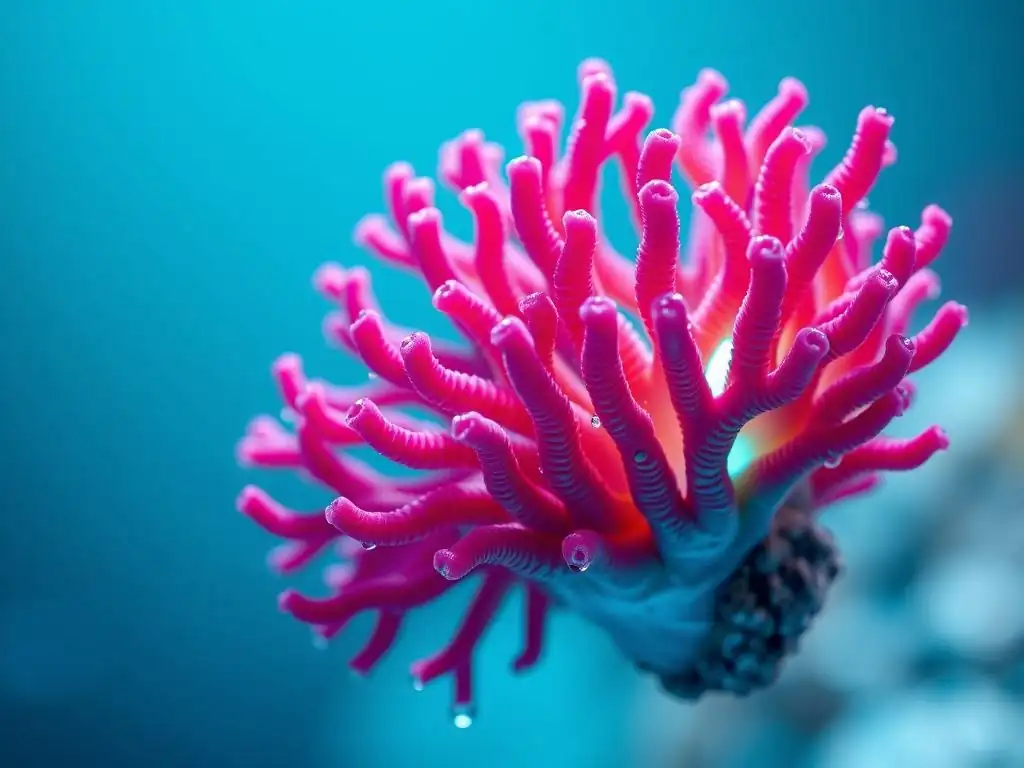
Despite careful planning, water flow issues can arise in LPS coral tanks. Recognizing and addressing these common problems is crucial for maintaining a healthy reef environment.
Addressing Algae Blooms Due to Poor Water Circulation
One of the most common consequences of poor LPS coral water flow is the proliferation of undesirable algae, particularly nuisance algae like Cyanobacteria (red slime algae) or Dinoflagellates. Stagnant areas within the tank allow detritus and organic matter to settle and decompose, creating localized nutrient hotspots (e.g., nitrates and phosphates). These nutrient-rich, low-oxygen environments are ideal breeding grounds for these problematic algae.
Increasing and improving LPS coral water flow helps to keep detritus in suspension for removal by filtration and ensures that nutrients are evenly distributed, preventing localized spikes that fuel algal blooms. Addressing the flow issue can often be a primary step in controlling or preventing these outbreaks.
Dealing with Detritus Buildup in Low-Flow Areas
Persistent detritus buildup in low-flow areas is a significant concern for LPS coral health. Accumulated detritus not only looks unsightly but also breaks down, releasing nitrates and phosphates into the water column, and can create anaerobic conditions. This can directly irritate or smother corals, leading to tissue necrosis, especially in encrusting LPS like Favia or Favites.
If more than 5% of your sandbed or rockwork is consistently covered in detritus, your LPS coral water flow is likely inadequate. Solutions include adjusting existing powerheads to target these areas, adding small, low-profile powerheads specifically for circulation in problematic zones, or regularly using a turkey baster to manually stir up detritus for mechanical filtration removal.
Preventing Coral Bleaching from Inadequate Water Flow
While lighting and temperature are often cited as the primary causes of coral bleaching, inadequate LPS coral water flow can exacerbate or even contribute to the problem, especially in areas with high light intensity. Poor flow hinders efficient gas exchange, meaning corals cannot effectively expel excess oxygen produced by their zooxanthellae during intense photosynthesis. This can lead to oxidative stress within the coral tissue, making it more susceptible to bleaching.
Inadequate flow also limits the delivery of essential nutrients. By ensuring robust and turbulent LPS coral water flow, you help maintain a stable internal environment for the coral and its symbiotic algae, reducing stress and potentially lowering the risk of bleaching by 20-30% in susceptible corals under otherwise stressful conditions.
Case Study: Water Flow Optimization in a Mixed LPS Reef Tank
Understanding theoretical principles is one thing; seeing them applied in a real-world scenario provides invaluable insight. This case study illustrates how water flow optimization transformed a struggling mixed LPS reef tank.
Initial Setup and Challenges
Consider a 90-gallon mixed LPS reef tank, approximately 36x24x24 inches, that initially relied on a single return pump (rated at 800 GPH, but likely delivering 400-500 GPH after head loss) and one static 800 GPH powerhead for circulation. The tank housed a variety of LPS corals, including Euphyllia (Torch, Hammer), Acanthastrea lordhowensis, and a few Favia colonies.
Over several months, the owner observed issues: Euphyllia polyps were often retracted or only partially extended, appearing "deflated"; Acan corals showed signs of stress with slight tissue recession at their bases; and detritus pockets frequently accumulated behind rockwork and in the corners of the sandbed. Despite stable water parameters (alkalinity, calcium, magnesium, nitrates, phosphates all within ideal ranges), the corals lacked vibrant color and robust extension, indicating a significant LPS coral water flow deficiency.
Implementation of Adjustable Flow Devices
Based on the observed issues, the owner decided to overhaul the tank's LPS coral water flow. The single static powerhead was replaced with two adjustable wave makers (e.g., Jebao SLW-20), rated at 1000-2000 GPH each. These were positioned on opposite sides of the tank, approximately two-thirds up from the bottom, and programmed to alternate pulsing patterns (e.g., 8 seconds on, 8 seconds off) to create dynamic, chaotic flow.
Additionally, a small, very gentle powerhead (e.g., a Hydor Koralia Nano 240 GPH) was strategically placed low behind the rockwork, aimed at the back glass, specifically to provide indirect, gentle flow to the sensitive Acan corals and eliminate a persistent dead spot. The total LPS coral water flow turnover in the tank was increased by approximately 50% compared to the initial setup, moving from roughly 10-12 times tank volume to 18-20 times, but with significantly improved distribution and dynamism.
Results: Coral Health and Growth Improvements
The results of the LPS coral water flow optimization were noticeable within days and remarkable over a few weeks. Within 72 hours, the Euphyllia polyps began to consistently extend fully, showing a healthy, gentle sway, and their vibrant colors became more pronounced. The Acan corals, which had been retracted, started to plump up and display their characteristic fleshy polyps within two weeks, indicating reduced stress.
Detritus buildup was dramatically reduced, dropping by an estimated 70-80% within the first month, as the dynamic flow kept particles in suspension for the filtration system. Over a three-month period, the owner observed a measurable improvement in overall coral growth rates, with many LPS colonies showing an average increase of 10-15% in tissue mass and skeletal growth, a direct consequence of improved nutrient delivery and waste removal facilitated by the optimized LPS coral water flow.
Frequently Asked Questions
What is the ideal water flow for LPS corals?
The ideal water flow for LPS corals is generally considered to be moderate and turbulent. This allows for efficient nutrient delivery and waste removal without stressing the corals.
Why is water flow important for LPS coral health?
Water flow is crucial because it provides essential nutrients and oxygen to the corals. It also helps to remove waste products and prevents the buildup of detritus, which can lead to disease.
What happens if the water flow is too strong for LPS corals?
Excessive water flow can cause LPS corals to retract their polyps and become stressed. Over time, this can lead to tissue recession and even death.
Insufficient water flow can result in the accumulation of detritus and a lack of oxygen, which can stifle LPS coral growth. This can also lead to algae growth on the coral skeleton.
How can I measure and adjust the water flow in my LPS coral aquarium?
You can use a flow meter to measure the water flow in your tank. Adjust the placement and power of your powerheads or wavemakers to achieve the desired flow rate for your LPS corals.
Final Reflection: The Undulating Rhythm of Life
The intricacies of LPS coral water flow are not merely a technical consideration for reef tank enthusiasts; they are a reflection of the delicate balance that sustains life itself. Just as a gentle breeze nourishes a forest, the precise movement of water provides these vibrant organisms with the essential nutrients and waste removal they require to thrive. Understanding and replicating this natural rhythm within our aquariums is a testament to our commitment to responsible reef keeping and a deeper appreciation for the interconnectedness of all living things.
This journey into the world of LPS coral water flow has underscored the profound influence of environmental factors on the health and vitality of these captivating creatures. Witnessing the vibrant colors and flourishing growth of LPS corals in a well-maintained aquarium is a deeply rewarding experience, a tangible demonstration of our ability to create and sustain life. In every drop of water, there is a story of life, a story of resilience, and a story of interconnectedness.
This quote encapsulates the essence of our responsibility as stewards of these miniature ecosystems.
Now, as you contemplate the information shared within this guide, consider the ripple effect of your actions. How can you refine your approach to water flow, not just for the benefit of your LPS corals, but also as a broader commitment to understanding and respecting the delicate balance of the natural world? Let the knowledge you've gained inspire you to create a thriving underwater sanctuary, a testament to the power of informed stewardship and the enduring beauty of the reef.
Unlock the Secrets to Vibrant LPS Coral Growth!
Thank you for diving into the world of LPS coral care! Now that you're equipped with the knowledge to optimize water flow, let's turn theory into action and watch your reef flourish.
Here's how to get started:
- Evaluate and adjust your current water flow. Pay close attention to how your LPS corals are reacting and make small adjustments to ensure they are gently swaying, not being blasted or left stagnant.
- Explore different wavemaker settings or consider adding a second pump to create a more dynamic flow pattern. Experiment to find the sweet spot for each coral species!
- Share your own LPS coral flow success stories and challenges in our Aquarium Mastery community forum. Let's learn from each other!
What specific changes will you make to your water flow setup this week to benefit your LPS corals?