
Montipora Species Deep Dive: Capricornis, Digitata, Setosa & Beyond – Tailored Care Guides

Welcome to Aquarium Mastery!
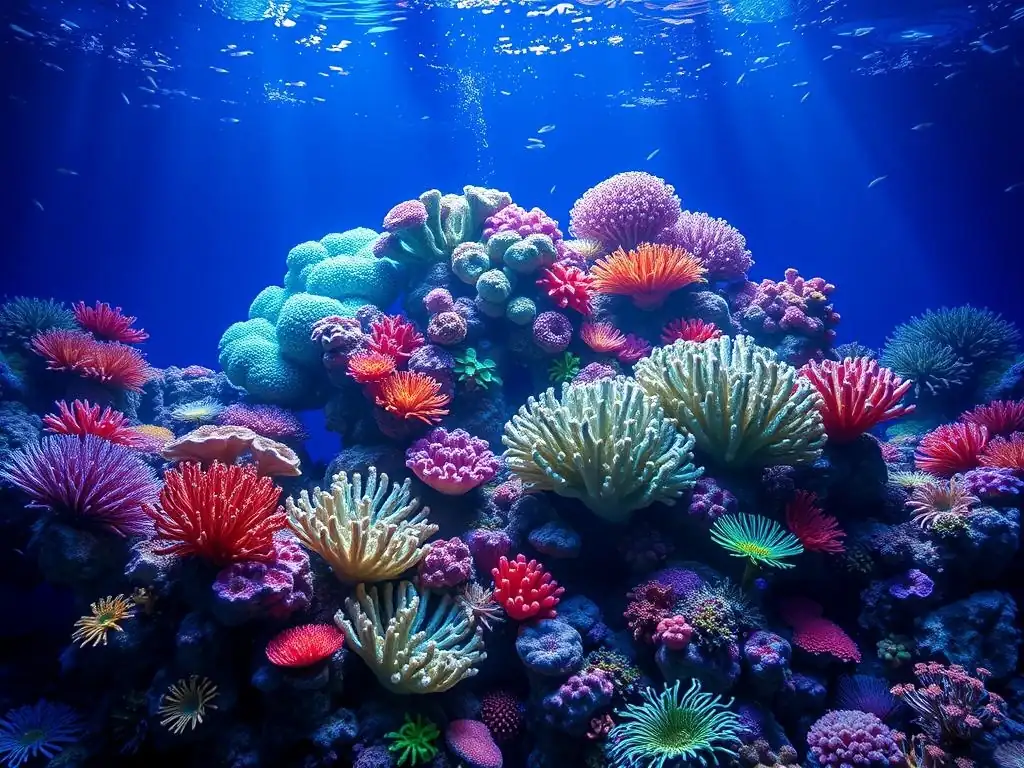
Ever wondered how to unlock the vibrant beauty of Montipora corals in your reef tank? This Montipora Coral Care Guide offers a deep dive into these fascinating SPS corals, covering everything from the iconic Capricornis to the delicate Setosa. Discover the secrets to successfully keeping these colorful additions thriving, and unlock a world of reefing possibilities. Ready to explore? Let's get started!
- Montipora Species Deep Dive: Capricornis, Digitata, Setosa & Undata – Tailored Care Guides
- Introduction to Montipora Corals: A Comprehensive Care Guide
- Montipora Species Profiles: Identifying and Caring for Different Varieties
- Essential Montipora Coral Care Parameters: Water Chemistry and Stability
- Lighting and Flow Requirements for Thriving Montipora Corals
- Feeding Montipora Corals: Supplementing Nutrients for Enhanced Growth
- Maintaining a Healthy Montipora Coral: Preventing and Treating Common Issues
- Fragging Montipora Corals: Propagating for Growth and Sharing
- Montipora Coral Compatibility: Tank Mates and Competition
- Troubleshooting Montipora Coral Issues: A Diagnostic Guide
- Advanced Montipora Coral Care Techniques: Achieving Exceptional Results
- Conclusion: Mastering Montipora Coral Care for a Vibrant Reef Aquarium
-
Frequently Asked Questions
- What are the key differences between different Montipora species?
- What are the most important water parameters for Montipora coral health?
- What kind of lighting is best for Montipora corals?
- How often should I feed my Montipora corals?
- What are some common signs of stress in Montipora corals, and how can I address them?
- Final Reflection: The Enduring Allure of Montipora
- Unleash Your Reef Tank's True Potential!
Montipora Species Deep Dive: Capricornis, Digitata, Setosa & Undata – Tailored Care Guides
Introduction to Montipora Corals: A Comprehensive Care Guide
What are Montipora Corals? Understanding SPS Corals
Montipora corals belong to a diverse genus of small polyp stony (SPS) corals, renowned for their intricate structures and vibrant colors. These corals are widespread across the Indo-Pacific region, inhabiting various reef environments from shallow, sun-drenched waters to deeper, more shaded areas. Their growth forms are remarkably varied, encompassing delicate branching structures, broad plating formations, undulating foliose shapes, and even encrusting mats. This morphological diversity allows them to occupy different ecological niches and contribute significantly to the structural complexity of coral reefs, providing essential habitat for countless marine species.
As SPS corals, Montipora species are characterized by their microscopic polyps and a robust calcium carbonate skeleton. Like most reef-building corals, they form a symbiotic relationship with zooxanthellae, photosynthetic algae that live within their tissues and provide the majority of their nutritional needs. However, maintaining these corals successfully in a home aquarium demands specific and stable environmental conditions, including pristine water chemistry, appropriate lighting, and adequate water flow. Understanding these fundamental requirements is the first step in mastering the Montipora coral care guide.
Why Choose Montipora for Your Reef Aquarium? Benefits and Considerations
Choosing Montipora corals for a reef aquarium offers numerous benefits, making them a popular selection for aquarists. Aesthetically, their wide spectrum of colors—ranging from brilliant greens, fiery oranges, and deep reds to striking purples and blues—combined with their unique growth patterns, can transform a tank into a breathtaking underwater landscape. Many Montipora species exhibit relatively fast growth rates compared to other SPS corals, providing a rewarding experience as aquarists witness their rapid development and expansion within the system. This growth also helps to quickly fill out an aquascape, creating a more mature and established look in a shorter timeframe.
Beyond their visual appeal, Montipora corals are often more accessible and, in many cases, more affordable than some of the rarer or more demanding Acropora species. Their various growth forms allow for versatile aquascaping, from creating layered plateaus with Montipora capricornis to dense, branching thickets with Montipora digitata. They can effectively utilize vertical and horizontal spaces, providing both visual interest and additional habitat for small reef inhabitants. For those looking to venture into SPS keeping, Montipora offers a slightly more forgiving entry point, making a detailed Montipora coral care guide particularly valuable.
Montipora Coral: A Beginner-Friendly SPS Option? Evaluating Difficulty
The perception of Montipora corals as "beginner-friendly" SPS options is nuanced but largely accurate, especially when compared to the notoriously demanding Acropora genus. Many common Montipora species, such as M. digitata and M. capricornis, are indeed more resilient and tolerant of minor fluctuations in water parameters than their Acropora counterparts.
They tend to be less prone to rapid tissue necrosis (RTN) or slow tissue necrosis (STN) in response to slight environmental shifts, offering a greater margin for error for aquarists who are still refining their reef-keeping practices. This inherent hardiness makes them an excellent choice for those transitioning from soft corals or LPS corals to the more advanced SPS world.
However, labeling them as "beginner-friendly" does not imply they are undemanding. Successful Montipora coral care still necessitates a mature and stable reef aquarium environment. This includes consistent water quality, appropriate lighting intensity, and adequate water flow—parameters that are crucial for all SPS corals. A tank that has been running for at least six months to a year, with stable alkalinity, calcium, and magnesium levels, is ideal. For a truly successful Montipora coral care guide experience, beginners should prioritize common, robust species and dedicate themselves to consistent monitoring and maintenance.
Montipora Species Profiles: Identifying and Caring for Different Varieties
Montipora Capricornis: The Vase Coral - Care and Placement
Montipora capricornis, commonly known as the Vase Coral or Plate Montipora, is one of the most recognizable and widely kept Montipora species in the hobby. Its characteristic growth form is typically plating or whorled, creating layered shelves or structures that resemble a stack of plates or an inverted vase. These corals exhibit a wide array of colors, including various shades of brown, vibrant green, brilliant orange, and deep purple, often with contrasting polyp colors that enhance their visual appeal. Their relatively robust nature and distinctive morphology make them a staple for aquarists building a diverse SPS display.
For optimal Montipora capricornis care, moderate to high water flow is crucial. This helps prevent detritus from settling on their broad, flat surfaces, which can lead to tissue irritation and necrosis. Strong, turbulent flow also ensures efficient nutrient delivery to the coral polyps and aids in waste removal.
In terms of lighting, M. capricornis thrives under moderate to high PAR (Photosynthetically Active Radiation) values, typically ranging from 200 to 350 PAR, depending on the specific color morph and desired coloration. Placement in the aquarium should allow ample space for its outward growth, ensuring it does not shade out other corals as it expands. This species is a cornerstone for any comprehensive Montipora coral care guide.
Montipora Digitata: The Branching Coral - Maintaining Growth and Color
Montipora digitata is a fast-growing and highly popular Montipora species, easily identified by its distinctive branching, finger-like growth form. These corals can develop into dense, intricate thickets, adding significant structural complexity to a reef tank. Common color variations include striking greens, vibrant oranges, rich reds, and delicate purples, often with polyps that contrast with the main body color. Its rapid growth and visually appealing structure make it a favorite for aquarists looking to quickly establish a vibrant SPS colony.
Maintaining the health and vibrant coloration of Montipora digitata requires specific environmental conditions. Moderate to strong, turbulent water flow is essential to flush detritus from between its branches and ensure consistent nutrient delivery to all polyps. Inadequate flow can lead to "dead spots" within the colony, potentially causing tissue loss.
High lighting intensity is also preferred for M. digitata, with PAR values typically ranging from 250 to over 400. Higher PAR levels generally promote more vibrant coloration and tighter, more compact growth. Due to its rapid growth, regular fragging may be necessary to manage its size and prevent it from shading or outcompeting neighboring corals, a key aspect of advanced Montipora coral care guide strategies.
Montipora Setosa: The Encrusting Coral - Achieving Vibrant Orange Hues
Montipora setosa is perhaps one of the most visually striking Montipora species, primarily known for its incredibly intense, often neon orange or fiery red coloration. Unlike the plating or branching forms, M. setosa typically exhibits an encrusting growth habit, forming a relatively thin crust over rockwork, sometimes developing small, textured bumps or nubs on its surface. Its brilliant hue makes it a highly sought-after coral for adding a dramatic splash of color to a reef aquarium, instantly drawing the eye and enhancing the overall aesthetic.
To achieve and maintain the signature vibrant orange hues of Montipora setosa, strong lighting is paramount. This species generally thrives under high PAR values, often exceeding 300-450 PAR, as its coloration is heavily dependent on the light spectrum and intensity it receives.
Alongside strong lighting, moderate to strong, turbulent water flow is beneficial, helping to keep its encrusting surface free of detritus and ensuring efficient gas exchange and nutrient uptake. While it can be a slower grower compared to M. digitata or M. capricornis, M. setosa is quite hardy once established, making its specific needs a crucial part of any detailed Montipora coral care guide.
Montipora Undata: The Plate Coral - Achieving Unique Growth Patterns
Montipora undata is another captivating plating Montipora species, distinguished by its unique undulating or wavy plate formations. Unlike the more uniform, stacked plates of M. capricornis, M. undata often displays a more irregular or textured surface, creating a dynamic and visually interesting structure. Its colors can vary, including shades of green, brown, and purple, often with subtle variations that highlight its distinctive morphology. This species adds a unique architectural element to a reef tank, providing depth and visual complexity.
Care requirements for Montipora undata are generally consistent with other plating Montipora species. It thrives under moderate to high lighting conditions, with PAR values typically ranging from 250 to 400. Proper light intensity is essential for maintaining its health and promoting its characteristic growth patterns.
Strong, indirect water flow is also crucial, ensuring that detritus does not accumulate on its undulating surfaces and that all parts of the colony receive adequate nutrient delivery. Providing ample space for its plating growth is important to prevent it from shading or encroaching upon neighboring corals. Consistent water parameters are key to ensuring this species develops its full, unique potential, making it an important consideration in a comprehensive Montipora coral care guide.
Essential Montipora Coral Care Parameters: Water Chemistry and Stability
Maintaining Optimal Alkalinity for Montipora Health
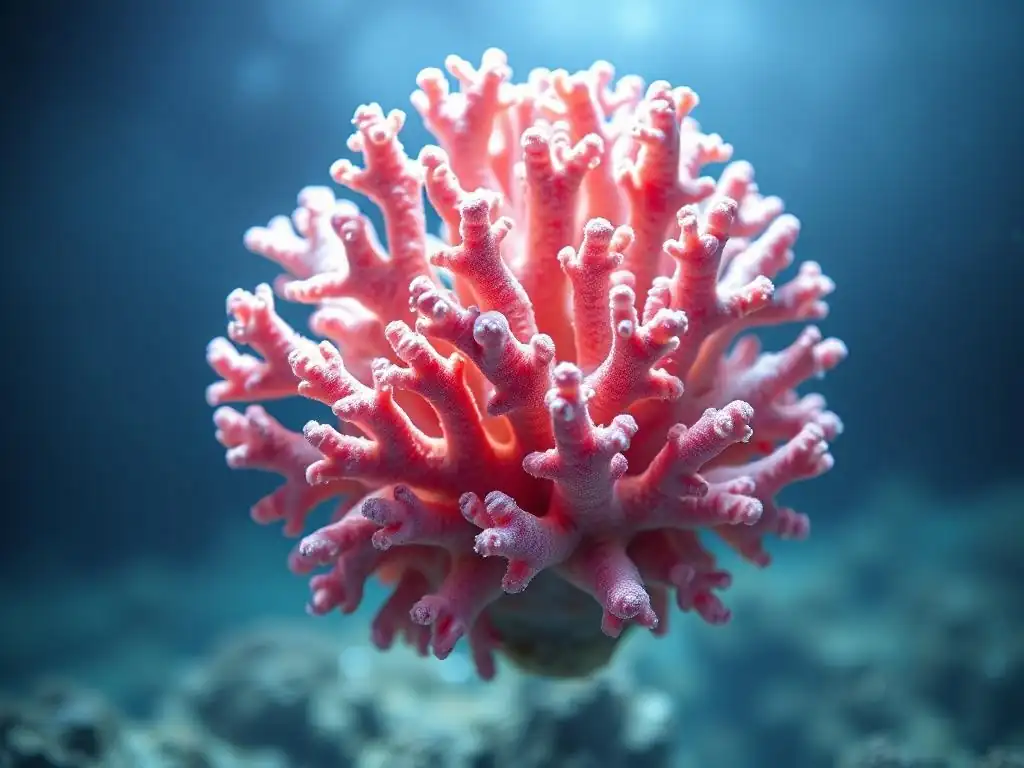
Alkalinity, often measured as dKH (degrees of carbonate hardness), is arguably the most critical water parameter for all SPS corals, including Montipora species. It represents the concentration of bicarbonate, carbonate, and borate ions in the water, which are essential building blocks for coral skeletal growth. For Montipora corals, maintaining a stable alkalinity level within a narrow range is paramount for robust growth and vibrant coloration. The ideal range for most Montipora species is typically between 7.5 and 8.5 dKH. Fluctuations, even by 0.5 dKH within a 24-hour period, can stress corals and lead to tissue recession or growth stagnation.
To maintain optimal alkalinity, regular testing is essential, ideally daily or every other day, especially in heavily stocked SPS tanks. Dosing solutions, such as two-part alkalinity supplements (e.g., sodium bicarbonate or sodium carbonate solutions) or a calcium reactor, are commonly employed. For instance, a 100-gallon heavily stocked SPS tank might consume 1.0-1.5 dKH per day, necessitating precise daily dosing to replenish the consumed carbonates. Understanding and managing alkalinity is a cornerstone of any effective Montipora coral care guide.
Calcium and Magnesium Levels: Crucial for Skeletal Growth
Calcium and magnesium are two other vital macronutrients for Montipora coral health and skeletal development. Calcium, specifically calcium ions (Ca2+), is the primary component of the coral's calcium carbonate skeleton. An optimal calcium level for Montipora corals typically ranges from 400 to 450 ppm (parts per million). Levels below 380 ppm can inhibit growth, while levels above 480 ppm can cause precipitation of other elements and reduce overall stability.
Magnesium plays a crucial role in preventing the precipitation of calcium carbonate, thereby allowing calcium to remain bioavailable for the corals. It acts as a buffer, helping to maintain the correct ionic balance in the water. The recommended magnesium level for Montipora corals is generally between 1250 and 1350 ppm.
If magnesium levels are too low (e.g., below 1100 ppm), corals may struggle to absorb calcium effectively, even if calcium levels are optimal. Regular testing and supplementation of both calcium and magnesium are critical components of a successful Montipora coral care guide, ensuring the framework for strong, healthy coral growth.
Nitrate and Phosphate Control: Preventing Algae and Promoting Color
While Montipora corals primarily derive energy from their symbiotic zooxanthellae, certain levels of nitrates and phosphates are beneficial, acting as essential micronutrients. However, excessive levels of these nutrients can be detrimental. High nitrates (e.g., above 10-20 ppm) and phosphates (e.g., above 0.1-0.2 ppm) can lead to nuisance algae outbreaks, which compete with corals for light and space. More critically for SPS corals, chronically high nutrient levels can cause browning out, where the zooxanthellae proliferate excessively, masking the coral's natural pigmentation and reducing its vibrant colors.
For optimal coloration and health in Montipora corals, maintaining ultra-low nutrient levels is often recommended, but not absolute zero. Ideal nitrate levels are typically between 0.2 and 5 ppm, and phosphate levels between 0.02 and 0.08 ppm. Many successful aquarists aim for nitrates around 2-3 ppm and phosphates around 0.03-0.05 ppm. Achieving this balance involves regular water changes, effective mechanical filtration, biological filtration, and potentially the use of nutrient export methods like refugiums, biopellets, or granular ferric oxide (GFO). Fine-tuning nutrient control is a nuanced but vital aspect of any detailed Montipora coral care guide.
Importance of Stable Water Parameters for SPS Corals
Stability is arguably the most critical factor for the long-term success of Montipora corals and all SPS corals. While ideal target ranges for alkalinity, calcium, and magnesium are important, maintaining those parameters with minimal daily fluctuation is even more vital. SPS corals are highly sensitive to rapid changes in their environment, which can induce significant stress, leading to tissue loss, bleaching, or growth cessation. For example, a sudden drop in alkalinity from 8.0 dKH to 6.0 dKH due to equipment malfunction or inconsistent dosing can cause irreversible damage within hours.
To achieve this stability, consistent testing, automated dosing systems, and a well-planned maintenance schedule are invaluable. Many successful reef keepers use automated dosing pumps to deliver alkalinity, calcium, and magnesium solutions multiple times throughout the day, minimizing daily swings. Regular, small water changes (e.g., 10% weekly) rather than large, infrequent ones (e.g., 50% monthly) also contribute to overall stability. A mature biological filtration system and stable temperature (25.0-26.5°C or 77-79°F) are also fundamental. Emphasizing stability is a core tenet of every effective Montipora coral care guide.
Lighting and Flow Requirements for Thriving Montipora Corals
Choosing the Right Lighting for Montipora Growth: PAR and Spectrum
Lighting is a cornerstone of successful Montipora coral care, directly influencing their growth rate, coloration, and overall health. As photosynthetic organisms, Montipora corals rely heavily on light to fuel their symbiotic zooxanthellae. The quality of light is defined by two main factors: intensity, measured in PAR (Photosynthetically Active Radiation), and spectrum, the specific wavelengths of light provided. For most Montipora species, moderate to high PAR levels are optimal, typically ranging from 200 PAR for lower-lying colonies to over 450 PAR for those placed higher in the tank or for species like Montipora setosa known for demanding higher light.
The spectral quality of light is equally important. Full-spectrum lighting with a strong blue component (around 450-470nm) is highly beneficial, as these wavelengths are efficiently absorbed by zooxanthellae. White light (daylight spectrum) also plays a role, contributing to overall PAR and allowing for better visual appreciation of coral colors.
Many aquarists find success with a combination of blue and white LEDs, or hybrid systems combining LEDs with T5 fluorescent bulbs. The specific light fixture and its placement will dictate the PAR levels at different depths and positions within the tank, requiring careful monitoring with a PAR meter to ensure optimal conditions without causing light shock or bleaching.
Optimizing Water Flow for Nutrient Delivery and Waste Removal
Water flow is another critical environmental factor for Montipora corals, playing a multifaceted role in their health and vitality. Adequate flow ensures that essential nutrients, such as calcium, alkalinity, and trace elements, are constantly delivered to the coral polyps. Simultaneously, it helps to remove metabolic waste products from the coral's surface, preventing the buildup of harmful compounds. Beyond nutrient exchange, strong and turbulent flow helps to keep the coral's surface free of detritus, which can otherwise settle on polyps and lead to irritation, tissue recession, or even bacterial infections, particularly on plating species like Montipora capricornis.
For most Montipora species, moderate to strong, turbulent, and varied water flow is ideal. This can be achieved using multiple powerheads or wavemakers strategically placed throughout the aquarium. Aim for flow that creates random, chaotic patterns rather than a constant, unidirectional stream, as this mimics natural reef conditions and prevents dead spots.
For example, a 100-gallon SPS tank might benefit from a total flow turnover of 20-30 times the tank volume per hour, distributed by two to four powerheads. Observing polyp extension and the absence of detritus accumulation on the coral's surface are good indicators of appropriate flow. Optimizing water flow is an indispensable part of any comprehensive Montipora coral care guide.
Placement Considerations: Maximizing Light Exposure and Flow
Strategic placement within the aquarium is crucial for the long-term success of Montipora corals, directly influencing their access to optimal lighting and water flow. When planning placement, consider the specific growth form of the Montipora species and its light and flow requirements. Plating Montipora like M. capricornis or M. undata should be placed where their broad surfaces can receive ample light without being shaded by rockwork or other corals, and where strong, laminar flow can sweep across their plates to prevent detritus buildup. They often do well in the mid-to-upper regions of the tank.
Branching Montipora such as M. digitata can tolerate slightly higher flow and benefit from placement that allows for good water movement around all their branches, preventing dead spots within the colony. They are often placed in mid-to-upper tank regions to maximize light exposure for vibrant coloration and tight growth.
Encrusting species like M. setosa should typically be placed higher in the tank, directly under strong lighting, as their intense coloration is highly dependent on high PAR levels. Always ensure adequate spacing between Montipora colonies and other corals to prevent chemical warfare or physical stinging as they grow, a vital consideration in any Montipora coral care guide.
Feeding Montipora Corals: Supplementing Nutrients for Enhanced Growth
The Role of Coral Foods in Montipora Care
While Montipora corals derive the vast majority of their energy requirements (typically 70-90%) from their symbiotic zooxanthellae through photosynthesis, supplemental feeding plays a significant role in enhancing their growth rates, coloration, and overall vitality. Zooxanthellae provide carbohydrates, but corals also require external sources of proteins, fats, and other essential nutrients for tissue growth and repair. These include amino acids, fatty acids, and various trace elements that are not always sufficiently available from photosynthesis or standard water column parameters.
Providing a diverse diet of coral-specific foods can bridge these nutritional gaps. These foods, typically composed of finely ground marine proteins, phytoplankton, zooplankton, and various enrichments, offer a direct source of nutrition that can lead to visibly improved polyp extension, faster growth, and more vibrant colors. For instance, a well-fed Montipora digitata might exhibit significantly faster linear growth and denser branching compared to one relying solely on photosynthesis. Incorporating supplemental feeding is an advanced but beneficial aspect of a comprehensive Montipora coral care guide.
Best Practices for Feeding SPS Corals: Frequency and Methods
When feeding Montipora and other SPS corals, precision and moderation are key to avoid overfeeding, which can lead to nutrient spikes and nuisance algae. For a typical reef tank with Montipora, feeding 2-3 times per week is often sufficient.
It's generally best to feed at night or during the evening hours when coral polyps are more extended and actively feeding, though Montipora polyps are often extended during the day as well. Before feeding, it's advisable to turn off return pumps and wavemakers for 15-30 minutes to allow the food to remain suspended around the corals and prevent it from being immediately drawn into mechanical filtration.
Various methods can be employed for feeding. Broadcast feeding, where food is dispersed throughout the tank, works well for Montipora, as their small polyps can capture particles from the water column. Alternatively, target feeding using a coral feeder or pipette can deliver food directly to specific colonies, ensuring they receive a concentrated dose.
For example, a small pinch of a high-quality coral food like "Reef Roids" or "Polyp Lab Polyp-Booster" mixed with tank water can be slowly dispersed over the coral colonies. Always start with small amounts and observe the coral's response and the tank's nutrient levels to fine-tune the feeding regimen, a crucial part of any detailed Montipora coral care guide.
Supplementing with Amino Acids and Trace Elements
Beyond traditional coral foods, supplementing with high-quality amino acid solutions and trace elements can significantly benefit Montipora corals. Amino acids are the building blocks of proteins, essential for tissue growth and repair, and can enhance the coral's ability to utilize light and maintain vibrant coloration. Many aquarists report noticeable improvements in coral health, polyp extension, and color intensity within weeks of consistent amino acid dosing. For example, dosing 1-2 ml of a concentrated amino acid solution per 100 gallons, 2-3 times per week, can yield positive results.
Trace elements, such as iodine, strontium, potassium, and iron, are consumed by corals and other invertebrates and are vital for various biological processes, including skeletal formation and enzyme function. While some trace elements are replenished through regular water changes, specific supplementation can be beneficial, especially in heavily stocked SPS tanks. For instance, iodine is important for coral health and disease resistance, while strontium contributes to skeletal density.
However, caution is advised: trace elements should be dosed according to manufacturer instructions, as overdosing can be harmful. Regular testing for specific trace elements is not typically practical for hobbyists, so relying on quality salt mixes and targeted, measured supplements is key for advanced Montipora coral care guide practices.
Maintaining a Healthy Montipora Coral: Preventing and Treating Common Issues
Recognizing Signs of Stress in Montipora Corals
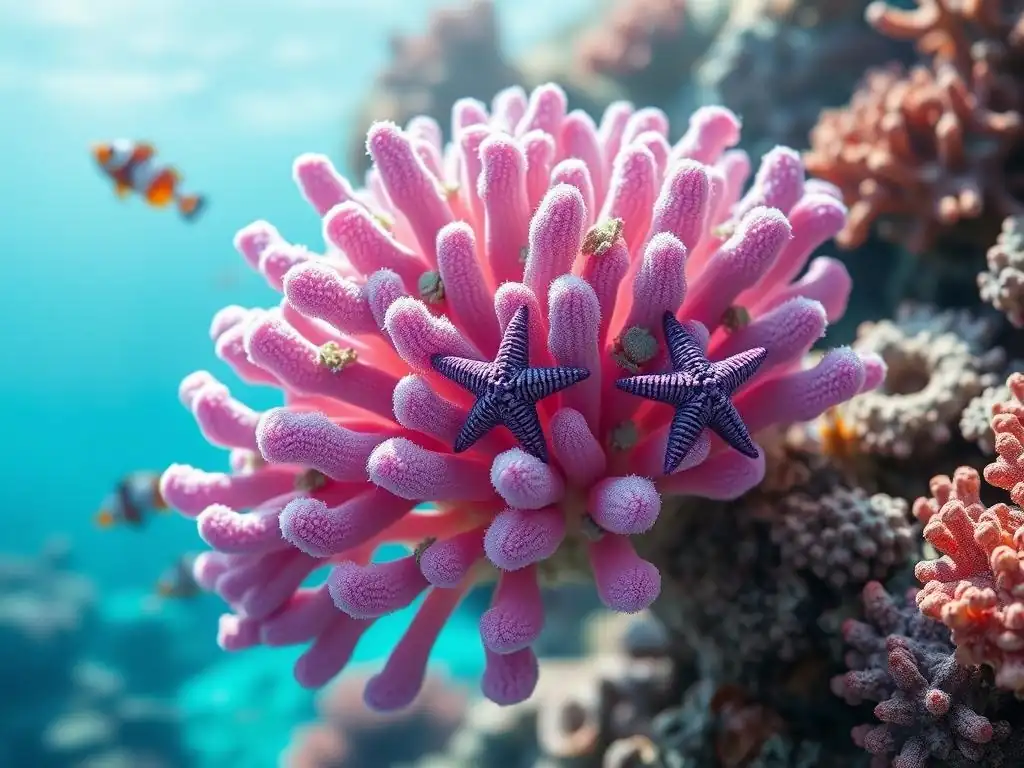
Early recognition of stress in Montipora corals is crucial for timely intervention and successful recovery. One of the most common indicators of stress is a change in coloration. A vibrant green Montipora might turn pale green or even white, indicating bleaching due to excessive light or heat stress. Conversely, a loss of vibrancy or a "browning out" can suggest high nutrient levels or insufficient light. Another key sign is reduced polyp extension; healthy Montipora polyps are typically extended and actively feeding, while stressed corals may retract their polyps or appear "balled up."
Tissue recession, where the coral tissue pulls back from the skeleton, often starting from the base or edges, is a severe sign of stress or disease. This can appear as bare white skeleton exposed beneath the living tissue. Slow growth or complete cessation of growth is another indicator that conditions are not optimal. Observing these subtle changes in your Montipora colonies daily can provide critical insights into their well-being. Regular, attentive observation is a fundamental practice in any effective Montipora coral care guide.
Addressing Common Problems: Coral Bleaching, Tissue Necrosis
Coral bleaching, a common problem, occurs when corals expel their symbiotic zooxanthellae, often due to environmental stressors like high water temperatures (e.g., above 28°C or 82.4°F) or excessive light intensity (e.g., sudden increase in PAR over 500). If a Montipora begins to bleach, immediate action is required: check and stabilize temperature, reduce light intensity by raising the light fixture or dimming it, and ensure stable water parameters. Recovery is possible if the stressor is removed quickly, and the coral can regain its zooxanthellae over several weeks.
Tissue necrosis, including Rapid Tissue Necrosis (RTN) and Slow Tissue Necrosis (STN), is a more severe and often fatal condition where the coral tissue rapidly or slowly dies off, exposing the white skeleton. RTN can wipe out an entire colony overnight, often triggered by severe parameter swings, bacterial infections, or extreme stress. STN progresses more slowly, typically over days or weeks, and can be caused by chronic stress, poor water quality, or pests.
If necrosis is observed, fragging healthy tissue from the affected colony can sometimes save a portion. Maintaining pristine and stable water parameters is the best preventative measure against these devastating issues, a key tenet of any Montipora coral care guide.
Pest Control: Identifying and Eliminating Nuisance Organisms
Montipora corals, like other SPS, can be susceptible to various pests that can cause significant damage if left unchecked. Two of the most common and destructive Montipora pests are Montipora-eating Nudibranchs (Phestilla melanobrachia) and Montipora-eating Flatworms (AEFW - Acropora Eating Flatworms, though they will consume Montipora). Montipora-eating Nudibranchs are small, cryptic, and often mimic the coral's coloration, making them difficult to spot.
They leave characteristic crescent-shaped bite marks on the coral tissue. Flatworms are also tiny and can be found on the coral's surface or in crevices. Signs of their presence include tissue recession, reduced polyp extension, and sometimes visible eggs.
Regular inspection of your Montipora colonies, especially new additions, is crucial. If pests are identified, various treatment methods can be employed. Coral dips (e.g., with solutions containing iodine or specialized pest treatments) can be effective for removing nudibranchs and flatworms, though multiple dips over several weeks may be necessary to target eggs.
Manual removal with tweezers or a baster can also help reduce populations. For severe infestations, a freshwater dip (short, 30-60 seconds, with pH and temperature matched to tank water) can sometimes dislodge pests. Quarantine procedures for all new corals are the best preventative measure against introducing these destructive organisms, a critical aspect of a responsible Montipora coral care guide.
Quarantine Procedures: Protecting Your Reef from Disease
Implementing a strict quarantine procedure for all new coral additions, including Montipora frags, is the single most effective way to prevent the introduction of pests, diseases, and unwanted hitchhikers into your established reef aquarium. A dedicated quarantine tank (QT) does not need to be large or elaborate, but it should have stable parameters, basic lighting, and flow. The typical quarantine period for new corals is 4-8 weeks.
During this period, the new Montipora frag should be closely observed for any signs of pests (like nudibranchs or flatworms), diseases (like tissue necrosis), or parasites. Regular prophylactic dips with coral pest treatments are highly recommended, often performed multiple times over the quarantine period (e.g., weekly for 3-4 weeks). For instance, a 10-minute dip in a commercially available coral dip solution can dislodge many external pests.
This isolated environment allows for treatment without risking the health of your main display tank. Although it requires an initial investment of time and resources, a robust quarantine protocol is an invaluable practice for any serious aquarist and a non-negotiable step in an advanced Montipora coral care guide.
Fragging Montipora Corals: Propagating for Growth and Sharing
Preparing Your Montipora for Fragging
Fragging Montipora corals is a rewarding aspect of reef keeping, allowing aquarists to propagate their colonies, manage growth, and share with others. Before beginning the fragging process, it's essential to prepare both the coral and your tools. Select a healthy, well-established colony that shows no signs of stress, disease, or pests.
Ensure the coral has been thriving for several months. Gather your fragging tools, which should be clean and sharp; for Montipora, bone cutters, heavy-duty coral clippers, or a Dremel with a diamond cutting wheel are often used. For plating species like M. capricornis, bone cutters work well, while a Dremel is better for thicker branches or encrusting forms.
It's advisable to perform fragging outside the main display tank to prevent coral slime and bone dust from polluting the water. Prepare a separate container with clean, temperature and salinity-matched tank water. This allows the coral to remain submerged and minimizes stress during the cutting process.
Having a supply of coral glue (cyanoacrylate gel) and frag plugs or small pieces of live rock ready is also crucial for the next steps. Proper preparation minimizes stress on the parent colony and maximizes the success rate of the new frags, a key part of any Montipora coral care guide that includes propagation.
Step-by-Step Guide to Fragging Montipora Corals
The specific method for fragging Montipora depends on its growth form. For branching species like Montipora digitata, use sharp bone cutters to snip off a branch that is at least 1-2 inches long. Make a clean cut to minimize damage to the parent colony.
For plating species such as Montipora capricornis, use bone cutters or heavy-duty shears to carefully snap off a piece of the plate, ensuring it includes a healthy leading edge or a small section of the original attachment point. For encrusting species like Montipora setosa, a Dremel tool with a diamond cutting wheel is often necessary to cut a small section of the encrusted colony from the rock.
Once the frag is separated, briefly dip it in a coral dip solution for 5-10 minutes if you suspect any pests or to help prevent bacterial infections at the cut site. After dipping, rinse the frag gently in clean tank water. Allow the cut end to air-dry for a minute or two until it becomes slightly tacky; this helps the coral glue adhere better. Handle the frag minimally to avoid excessive slime production, which can inhibit glue adhesion. This precise, step-by-step approach is vital for successful propagation and is a practical application within a Montipora coral care guide.
Attaching Frags to Plugs or Rocks: Ensuring Successful Growth
After the Montipora frag is prepared, the next step is to securely attach it to a frag plug or a small piece of live rock. This provides a stable base for the frag to encrust and grow from. Apply a small amount of high-quality, thick gel-type cyanoacrylate glue to the base of the frag plug or the chosen piece of rock.
Then, firmly press the cut end of the Montipora frag onto the glued surface for 10-20 seconds. Ensure good contact between the coral tissue and the plug/rock. For larger or heavier frags, a small amount of epoxy putty can be used in conjunction with the super glue for a more secure bond.
Once attached, place the newly fragged Montipora in a lower flow, lower light area of your quarantine tank or main display for a few days. This allows the frag to recover from the stress of fragging and securely attach itself before being moved to its final, optimal placement. Monitor the frag closely for any signs of stress or tissue loss.
After a week or two, if the frag appears stable and healthy, it can be moved to a location with appropriate light and flow for its specific species, as outlined in the Montipora coral care guide. Successful attachment is crucial for the long-term health and growth of the new colony.
Montipora Coral Compatibility: Tank Mates and Competition
Choosing Compatible Fish and Invertebrates for a Montipora Reef
Selecting appropriate tank mates is crucial for the peaceful coexistence and long-term health of Montipora corals in a reef aquarium. The primary concern is to avoid fish and invertebrates that are known coral nippers or outright coralivores. For instance, certain angelfish species (e.g., French Angelfish, Queen Angelfish) are notorious for picking at SPS corals, including Montipora, often causing irreparable damage.
Similarly, some butterflyfish species can also pose a threat. Ideal fish tank mates for a Montipora-dominant reef include most tangs (e.g., Yellow Tang, Blue Tang), clownfish, gobies, blennies, and certain wrasses (e.g., Fairy Wrasses, Leopard Wrasses), which are generally reef-safe and contribute to the ecosystem without harming corals.
In terms of invertebrates, most clean-up crew members like snails (e.g., Trochus, Turbo, Nassarius), hermit crabs (e.g., Blue Leg, Scarlet Reef), and various shrimp (e.g., Peppermint, Skunk Cleaner) are beneficial and pose no threat to Montipora. However, certain crabs, like emerald crabs, while generally considered reef-safe, can occasionally nip at corals if not adequately fed or if they become too large.
Starfish, such as the Blue Linckia, are generally safe, but predatory species like Crown-of-Thorns starfish are devastating. Careful research into each potential tank mate's behavior and dietary habits is an essential part of a successful Montipora coral care guide.
Preventing Coral Warfare: Maintaining Adequate Spacing
Coral warfare, a common occurrence in mixed reef tanks, refers to the aggressive interactions between different coral species as they compete for space, light, and nutrients. Montipora corals, while generally less aggressive than some LPS corals (e.g., Euphyllia, Favia), can still be negatively impacted by more potent stingers or fast-growing competitors. Many corals possess sweeper tentacles, mesenterial filaments, or release allelopathic chemicals to defend their territory. For example, an Euphyllia species can extend long sweeper tentacles several inches at night, capable of stinging and damaging nearby Montipora tissue.
To prevent coral warfare, maintaining adequate spacing between different coral colonies is paramount. As Montipora species grow, especially plating or branching forms, they will expand their footprint. Plan your aquascape with future growth in mind, allowing several inches of clear space around each Montipora colony, particularly between SPS and LPS corals.
For instance, a Montipora capricornis frag might seem small initially, but it can grow into a foot-wide plate within a year or two. Regular trimming or fragging can also help manage growth and prevent encroachment. Strategic placement and foresight are vital in any comprehensive Montipora coral care guide to ensure peaceful coexistence.
Understanding Allelopathy in Reef Aquariums
Allelopathy refers to the chemical warfare employed by some corals, where they release toxic or inhibitory compounds into the water to suppress the growth or health of competing organisms. While certain soft corals (e.g., Sarcophyton, Sinularia) and some LPS corals are more notorious for allelopathic exudates, even SPS corals can engage in subtle chemical competition. These chemicals can stress nearby corals, leading to reduced growth, faded coloration, or even tissue necrosis, even without direct physical contact.
Mitigating the effects of allelopathy is an important consideration for a healthy Montipora reef. The most effective strategies include:
- Regular Water Changes: Performing weekly or bi-weekly water changes (e.g., 10-20% of tank volume) helps dilute accumulated allelopathic compounds, reducing their concentration in the water column.
- Activated Carbon Usage: Running high-quality activated carbon in a reactor or media bag is highly effective at adsorbing dissolved organic compounds, including allelopathic chemicals. Replace carbon regularly (e.g., every 2-4 weeks) for optimal performance.
- Good Water Flow: Robust water flow helps to disperse chemicals, preventing localized concentrations around sensitive corals.
- Adequate Spacing: As mentioned, physical separation also reduces the likelihood of chemical interactions.
By actively managing these aspects, aquarists can create a more harmonious environment for their Montipora colonies, an advanced but crucial part of a detailed Montipora coral care guide.
Troubleshooting Montipora Coral Issues: A Diagnostic Guide
Montipora Color Loss: Identifying the Cause and Implementing Solutions
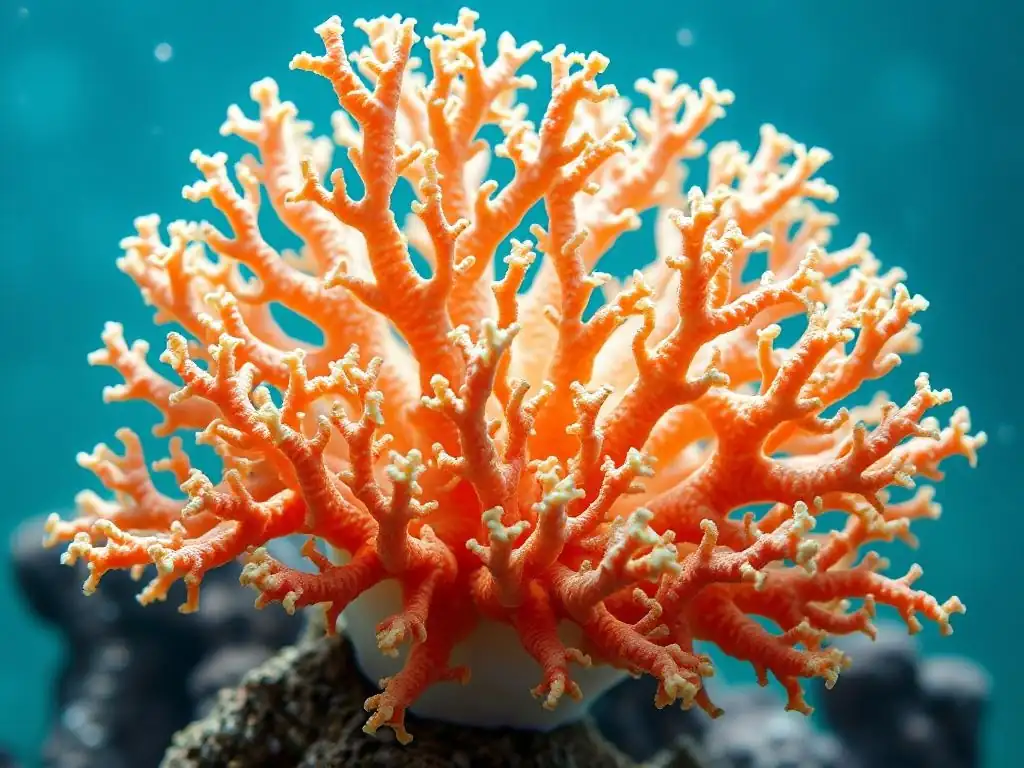
Color loss in Montipora corals, manifesting as fading, paling, or turning white (bleaching), is a common issue that often signals environmental stress. The primary cause of paling or bleaching is typically excessive light intensity or duration. If a vibrant green Montipora digitata starts to look washed out or white, it might be receiving too much PAR, especially if recently moved to a brighter spot or if lighting was upgraded.
Solutions include dimming the lights, raising the light fixture, or moving the coral to a lower-light area of the tank. Conversely, insufficient light can also lead to paleness as zooxanthellae are expelled in an attempt to find more light, or the coral simply wastes away.
Another significant cause of color loss is nutrient deficiency, particularly ultra-low nutrient systems (ULNS) where nitrates and phosphates become undetectable. While Montipora thrive in low nutrient environments, extreme starvation can cause them to lose color and eventually bleach. A slight increase in feeding or introducing a very small amount of a nitrate or phosphate source can help.
Conversely, "browning out" – where bright colors are masked by a dull brown hue – is usually caused by excessively high nitrates and phosphates, leading to an overabundance of zooxanthellae. This requires increased nutrient export (water changes, GFO, carbon dosing). Diagnosing the specific cause is the first step in implementing effective solutions for Montipora coral care guide troubleshooting.
Slow Growth in Montipora: Optimizing Conditions for Accelerated Growth
Slow growth or a complete halt in growth is a clear indicator that a Montipora colony is not thriving optimally. While Montipora species are generally fast growers for SPS, persistent slow growth points to underlying environmental issues. The most common culprits are unstable or insufficient water parameters. Inadequate calcium (below 400 ppm), low alkalinity (below 7.5 dKH), or low magnesium (below 1200 ppm) directly impede skeletal deposition, leading to stunted growth. Regular testing and consistent supplementation are crucial. For example, if alkalinity swings from 8.5 dKH to 7.0 dKH daily, the coral spends energy recovering rather than growing.
Beyond water chemistry, sub-optimal lighting and water flow can also hinder growth. Insufficient PAR (e.g., below 150-200 PAR for most Montipora) will limit photosynthesis, thereby reducing energy available for growth. Similarly, weak or inconsistent water flow prevents efficient nutrient delivery and waste removal, stressing the coral. Ensuring moderate to high, turbulent flow is essential. Lastly, chronic low-level stress from pests, competition, or even subtle water quality issues (e.g., high dissolved organics) can divert energy from growth to survival. A holistic review of all Montipora coral care guide parameters is necessary to optimize conditions for accelerated growth.
Addressing Algae Overgrowth on Montipora Corals
Algae overgrowth on Montipora corals is a frustrating and potentially damaging issue. Nuisance algae, such as hair algae, film algae, or even cyanobacteria, can smother coral tissue, block light, and compete for nutrients, ultimately leading to tissue loss and decline. The primary cause of algae overgrowth is elevated nutrient levels, specifically nitrates (e.g., above 5-10 ppm) and phosphates (e.g., above 0.08 ppm). Even if test kits show "zero," phosphates bound to rockwork or sand can fuel algae blooms.
Addressing algae overgrowth requires a multi-pronged approach focused on nutrient control. Increase the frequency and volume of water changes (e.g., 20% weekly). Enhance mechanical filtration by cleaning filter socks or sponges regularly (daily or every other day). Implement nutrient export methods like GFO (Granular Ferric Oxide) for phosphates, carbon dosing (e.g., vodka, vinegar, or commercial carbon sources) for nitrates and phosphates, or a well-established refugium with macroalgae.
Increasing the clean-up crew (e.g., more snails or herbivorous crabs) can help consume algae directly. For persistent algae on coral tissue, gently siphoning or brushing off the algae (outside the tank) can provide temporary relief while addressing the root cause. Consistent nutrient management is a critical aspect of any effective Montipora coral care guide to prevent and resolve algae issues.
Advanced Montipora Coral Care Techniques: Achieving Exceptional Results
Utilizing Balling Methods for Precise Water Chemistry Control
For aquarists aiming to achieve exceptional results with Montipora corals, precise and stable water chemistry is paramount. While two-part dosing systems are effective for maintaining alkalinity and calcium, advanced hobbyists often turn to the Balling method or Balling Light method for more comprehensive and fine-tuned control. The traditional Balling method involves dosing three separate solutions: calcium chloride, sodium bicarbonate, and a magnesium/trace element mix, along with a "salt-free" salt mix to compensate for ionic imbalances. This method allows for individual adjustment of each major parameter.
The Balling Light method, a popular variation, simplifies this by using pre-mixed solutions of calcium, alkalinity, and magnesium, often with integrated trace elements, and relies on regular water changes with a high-quality salt mix to maintain ionic balance. For example, a hobbyist might dose 50ml of Balling A (alkalinity) and 50ml of Balling B (calcium) daily, adjusting based on test results, and then dose Balling C (magnesium/trace) every few days.
This approach provides granular control, allowing for precise adjustments to match the specific uptake rates of a heavily stocked Montipora tank, leading to optimized growth and coloration. Implementing a Balling method signifies a commitment to advanced Montipora coral care guide practices.
Implementing Automated Dosing Systems for Stability
Manual dosing of alkalinity, calcium, and magnesium can be inconsistent and lead to undesirable parameter swings, especially in tanks with high coral demand. Implementing an automated dosing system is a significant step towards achieving the unparalleled stability that Montipora corals thrive on. Dosing pumps, typically with 3-4 heads, allow for the precise and regular delivery of supplements throughout the day, mimicking the natural, continuous uptake of these elements by corals. Instead of one large dose daily, an automated system can administer multiple small doses every few hours.
For example, if a tank consumes 1.0 dKH per day, a dosing pump can be programmed to deliver 0.1 dKH every 2.4 hours (10 doses per day). This minimizes the daily fluctuation of parameters, keeping them within a very tight range (e.g., ±0.05 dKH). This consistency reduces stress on Montipora corals, allowing them to allocate more energy to growth and coloration rather than adapting to swings.
Modern dosing pumps are reliable and programmable, often with smartphone connectivity, making precise chemical management accessible. Automating dosing is a hallmark of advanced Montipora coral care guide strategies, providing a foundation for exceptional coral health.
Experimenting with Different Lighting and Flow Regimes
Once basic parameters are mastered, advanced Montipora coral care involves experimenting with lighting and flow regimes to truly optimize growth and coloration. While general PAR ranges are provided, individual Montipora colonies may respond differently based on their specific genetics, acclimatization history, and surrounding tank conditions. Aquarists might experiment with slightly higher or lower PAR levels (e.g., increasing PAR from 300 to 350 for a Montipora setosa to intensify orange hues) or adjusting the light spectrum (e.g., increasing blue light for better fluorescence). Observing the coral's response over several weeks is key.
Similarly, fine-tuning water flow can yield dramatic results. While strong, turbulent flow is generally recommended, the exact pattern and intensity can be adjusted. Some aquarists might use gyre pumps or multiple random flow generators to create highly dynamic and chaotic flow patterns, mimicking natural reef surges.
For example, a Montipora digitata might exhibit tighter, more compact growth under stronger, more varied flow compared to constant, moderate flow. Experimentation, coupled with careful observation and measurement, allows aquarists to unlock the full potential of their Montipora colonies, pushing the boundaries of what's possible in a home reef aquarium and demonstrating mastery of the Montipora coral care guide.
Conclusion: Mastering Montipora Coral Care for a Vibrant Reef Aquarium
Key Takeaways for Successful Montipora Keeping
Mastering Montipora coral care is a journey that combines scientific understanding with diligent observation and consistent practice. The key takeaways for successful Montipora keeping revolve around establishing and maintaining an exceptionally stable and pristine reef environment. This includes rigorous control over water chemistry, specifically maintaining consistent alkalinity (7.5-8.5 dKH), calcium (400-450 ppm), and magnesium (1250-1350 ppm) levels with minimal daily fluctuations. Automated dosing systems are highly recommended to achieve this stability.
Equally vital are optimized lighting and water flow. Montipora corals generally thrive under moderate to high PAR levels (200-450 PAR, depending on species and desired coloration) and strong, turbulent, and varied water flow that prevents detritus buildup and ensures efficient nutrient delivery. Strategic placement within the aquarium to maximize light exposure and flow, while allowing for future growth and preventing coral warfare, is also crucial.
Lastly, proactive pest control, careful quarantine procedures for new additions, and a balanced approach to supplemental feeding are essential for long-term health and vibrant coloration. By adhering to these principles, aquarists can cultivate a thriving and visually stunning Montipora display.
Resources for Further Learning and Support
For those looking to deepen their knowledge and troubleshoot specific challenges in their Montipora coral care journey, a wealth of resources is available. Online reef keeping forums and communities are invaluable platforms where aquarists can share experiences, ask questions, and receive advice from seasoned hobbyists. Websites dedicated to marine aquaria, often with extensive articles and species profiles, provide detailed information on various aspects of coral husbandry.
Beyond online resources, local fish stores specializing in saltwater aquariums can offer personalized advice and often have experienced staff who can diagnose issues or recommend suitable products. Joining local reef clubs provides opportunities for in-on-one mentorship, frag swaps, and educational presentations. While this article provides a comprehensive Montipora coral care guide, continuous learning, active participation in the reef community, and consistent observation of your own aquarium are the ultimate tools for achieving exceptional results and ensuring the long-term vibrancy of your Montipora corals.
Frequently Asked Questions
What are the key differences between different Montipora species?
Montipora corals have diverse growth forms like encrusting, plating, and branching. The key differences lie in their skeleton structure, color variations, and specific water flow needs. Montipora capricornis, digitata, and setosa represent different growth patterns.
What are the most important water parameters for Montipora coral health?
Maintaining stable water parameters is crucial. Key parameters include alkalinity (8-11 dKH), calcium (400-450 ppm), and magnesium (1250-1350 ppm). Regular testing and adjustments are essential for Montipora health.
What kind of lighting is best for Montipora corals?
Montipora corals generally require moderate to high lighting. Metal halide, LED, and T5 lighting systems can be used, but it's important to acclimate them slowly to avoid bleaching. Observe your coral's response to adjust intensity.
How often should I feed my Montipora corals?
While Montipora corals are photosynthetic, supplemental feeding can enhance growth and coloration. Target feeding with small particle foods like coral foods or phytoplankton 1-2 times per week is beneficial.
What are some common signs of stress in Montipora corals, and how can I address them?
Common signs of stress include bleaching, tissue recession, and slow growth. Addressing these issues involves checking water parameters, ensuring proper flow, and correcting any imbalances in the aquarium environment.
Final Reflection: The Enduring Allure of Montipora
The journey into the vibrant world of Montipora corals, as explored in this guide, underscores the enduring fascination humans have with replicating the beauty and complexity of marine ecosystems within our own homes. This isn't just about keeping a pet; it's about cultivating a miniature ocean, and the success of that endeavor hinges on understanding the specific needs of each unique species, like the Capricornis, Digitata, and Setosa.
The dedication required to properly care for these corals reflects a broader societal shift towards mindful consumption and a deeper appreciation for the delicate balance of nature. My own experience with these corals has instilled a profound respect for the interconnectedness of life and the responsibility we bear as stewards of our planet. In the end, we will conserve only what we love; we will love only what we understand; and we will understand only what we are taught.
- Baba Dioum. This quote perfectly encapsulates the spirit of this guide: to foster understanding, inspire love, and ultimately, promote conservation.
Now, armed with this knowledge, I invite you to reflect on your own role in the reef-keeping community and the broader environmental landscape. Consider the impact of your choices, the knowledge you can share, and the beauty you can cultivate. Embrace the challenge of nurturing these magnificent corals, and in doing so, contribute to the preservation of the real reefs they represent. Let the vibrant colors and intricate forms of your Montipora serve as a constant reminder of the preciousness and fragility of our oceans, inspiring you to act as a champion for their protection.
Unleash Your Reef Tank's True Potential!
Thanks for diving into the fascinating world of Montipora corals! We hope you’ve gained valuable insights into caring for these captivating species. Now, it's time to put that knowledge into action and witness the vibrant transformation of your reef tank.
Here are a few ways to get started:
- Identify the Montipora in your tank and fine-tune your parameters based on its specific needs. Don't know the specific type? Post a picture on a reef forum and ask for help!
- Join the Aquarium Mastery community! Share your Montipora growth experiences, ask questions, and learn from fellow reef enthusiasts.
- Surprise your Montipora with a targeted feeding of coral snow or amino acids this week. A happy Montipora is a colorful Montipora!
Ready to see your Montipora thrive like never before? What specific parameter are you going to focus on tweaking this week?