
Beyond Visuals: Advanced Disease Diagnosis Techniques for the Dedicated Aquarist

Welcome to Aquarium Mastery, where we dive deep into the art and science of keeping thriving aquatic ecosystems!
Ever wondered if you're truly seeing the whole picture when it comes to your saltwater fish's health? This is crucial. In this article, we'll guide you Beyond Visuals and into the realm of advanced techniques for saltwater fish disease diagnosis. Discover how to identify subtle signs, understand the underlying causes, and take proactive steps to protect your aquatic companions. Ready to unlock the secrets to a healthier, happier aquarium? Let's get started!
- Introduction: Elevating Saltwater Fish Disease Diagnosis in Home Aquariums
- I. Understanding the Foundations of Saltwater Fish Disease
-
II. Advanced Diagnostic Techniques for Saltwater Fish Diseases
- A. Microscopic Examination: A Window into the Microscopic World
- B. Water Quality Analysis: Unveiling Hidden Stressors
- C. Skin and Gill Biopsies: Direct Examination of Affected Tissues
- D. Blood Analysis: Assessing Internal Organ Function and Immune Response
- E. PCR (Polymerase Chain Reaction) Testing: Detecting Specific Pathogens
- III. Integrating Diagnostic Information for Accurate Identification
- IV. Case Studies: Real-World Applications of Advanced Diagnostic Techniques
- V. Prevention is Key: Maintaining a Healthy Aquarium Environment
- Conclusion: Empowering Aquarists with Advanced Diagnostic Skills
-
Frequently Asked Questions
- How can I go beyond just looking at my fish to diagnose potential diseases?
- What role does water chemistry play in diagnosing saltwater fish diseases?
- Where can I find reliable information on identifying specific saltwater fish diseases?
- Are there specific tools recommended for advanced disease diagnosis in saltwater aquariums?
- When should I seek professional help for diagnosing and treating my saltwater fish?
- Final Reflection: Embracing Proactive Aquatic Health
- Unveil the Secrets to a Thriving Aquarium!
Introduction: Elevating Saltwater Fish Disease Diagnosis in Home Aquariums
The Limitations of Visual Inspection for Fish Health
For many aquarists, the first sign of a problem in their saltwater tank is a visible change in their fish – perhaps clamped fins, white spots, or labored breathing. However, relying solely on visual inspection often means the disease is already advanced. By the time symptoms like severe fin rot, widespread Cryptocaryon irritans (marine ich) spots, or noticeable cloudy eyes become apparent, the pathogen load can be extensive, and the fish's health significantly compromised. Many internal infections or early-stage diseases present no external signs, making definitive saltwater fish disease diagnosis challenging without deeper investigation.
Furthermore, superficial symptoms can be misleading. Stress from poor water quality, bullying, or even simple environmental changes can manifest with signs similar to those of a parasitic or bacterial infection, such as lethargy or hiding. Without a more precise approach, this can lead to misdiagnosis and the application of incorrect or unnecessary treatments, which can further stress the fish and disrupt the delicate balance of a reef or fish-only system. A comprehensive saltwater fish disease diagnosis strategy moves beyond guesswork.
Why Early and Accurate Diagnosis Matters for Your Saltwater Tank
Early intervention is paramount in mitigating the impact of fish diseases. Pathogens like Amyloodinium ocellatum (marine velvet) can proliferate at an astonishing rate, potentially leading to significant fish loss across an entire tank within 24 to 72 hours if not identified and addressed promptly. An accurate saltwater fish disease diagnosis at the earliest possible stage allows for targeted treatment before the disease becomes systemic or overwhelms the fish's immune system, drastically increasing the chances of recovery.
Beyond saving individual fish, precise and early diagnosis protects the entire aquatic ecosystem. Treating an entire display tank for a condition that affects only one or two fish, or using a broad-spectrum medication without a confirmed diagnosis, can harm sensitive invertebrates, beneficial bacteria in the biological filter, and even corals. A rapid, accurate saltwater fish disease diagnosis minimizes the need for drastic measures, preserves the stability of the aquarium, and reduces overall stress on both the fish and the aquarist.
I. Understanding the Foundations of Saltwater Fish Disease
Understanding the fundamental types of fish diseases is the first step toward effective saltwater fish disease diagnosis. Parasitic infections are typically caused by protozoa (like Cryptocaryon irritans, Amyloodinium ocellatum, Brooklynella hostilis) or metazoans (like monogenean trematodes, or flukes, and copepods). These often manifest as external lesions, white spots, velvet-like dust, or excessive mucus, and many are visible under a microscope. Bacterial infections, on the other hand, can be primary or secondary, often linked to poor water quality, stress, or injury. Common bacterial pathogens include Vibrio species, Aeromonas, and Mycobacterium marinum, leading to fin rot, ulcers, systemic infections, or internal organ damage.
Fungal infections are less common as primary pathogens in saltwater aquariums compared to freshwater systems, often appearing as secondary infections on existing wounds or areas damaged by other pathogens. They typically present as cottony growths on the skin or fins. Viral infections, such as Lymphocystis (a benign, warty growth), Marine Pox, or Viral Encephalopathy and Retinopathy (VNN), are often the most challenging to diagnose and treat, as there are generally no effective antiviral medications for fish. Their diagnosis often relies on advanced laboratory tests like PCR due to their microscopic nature and the lack of specific external symptoms for many viral diseases. A precise saltwater fish disease diagnosis differentiates these types, guiding appropriate treatment.
Key Indicators of Ill Health: Beyond the Obvious Symptoms
Subtle Behavioral Changes: Early Warning Signs
Long before physical symptoms become apparent, fish often exhibit subtle behavioral changes that serve as crucial early warning signs of illness. These can include a sudden loss of appetite or refusal to eat, a marked increase in lethargy, or an unusual tendency to hide more than usual. Other indicators are rapid gilling (increased respiration rate), flashing (rubbing against rocks or substrate to scratch an itch), erratic swimming patterns, or remaining constantly at the surface or bottom of the tank.
These deviations from typical behavior are critical for early saltwater fish disease diagnosis. A healthy fish should be active, responsive, and eagerly accept food. For example, a normally bold tang that suddenly shies away from food or hides behind rockwork for prolonged periods warrants immediate attention. Observing these subtle shifts can provide precious time to intervene before the disease progresses to a more severe and less treatable stage, making early observation a powerful diagnostic tool.
Physiological Changes: Recognizing Abnormalities
Beyond behavior, physiological changes offer further clues about a fish's health status. These can include alterations in coloration, such as darkening (often a stress response or sign of internal infection) or fading (sometimes indicative of severe stress or certain parasitic burdens). Clamped fins, where the fins are held tightly against the body, are a general sign of discomfort or illness. More specific signs might include a sunken belly, suggesting internal parasites or chronic starvation, or bulging eyes (pop-eye), which can indicate bacterial infection, gas bubble disease, or internal pressure issues.
Other physiological abnormalities include swollen or red gills, excessive mucus production, visible lesions, sores, or abnormal growths on the body. For instance, excessive mucus might be a response to external parasites like Amyloodinium or a bacterial infection, while a persistent red blotch could signal a bacterial skin infection. Recognizing these physiological markers, often in conjunction with behavioral changes, provides essential data for initiating a targeted saltwater fish disease diagnosis.
II. Advanced Diagnostic Techniques for Saltwater Fish Diseases
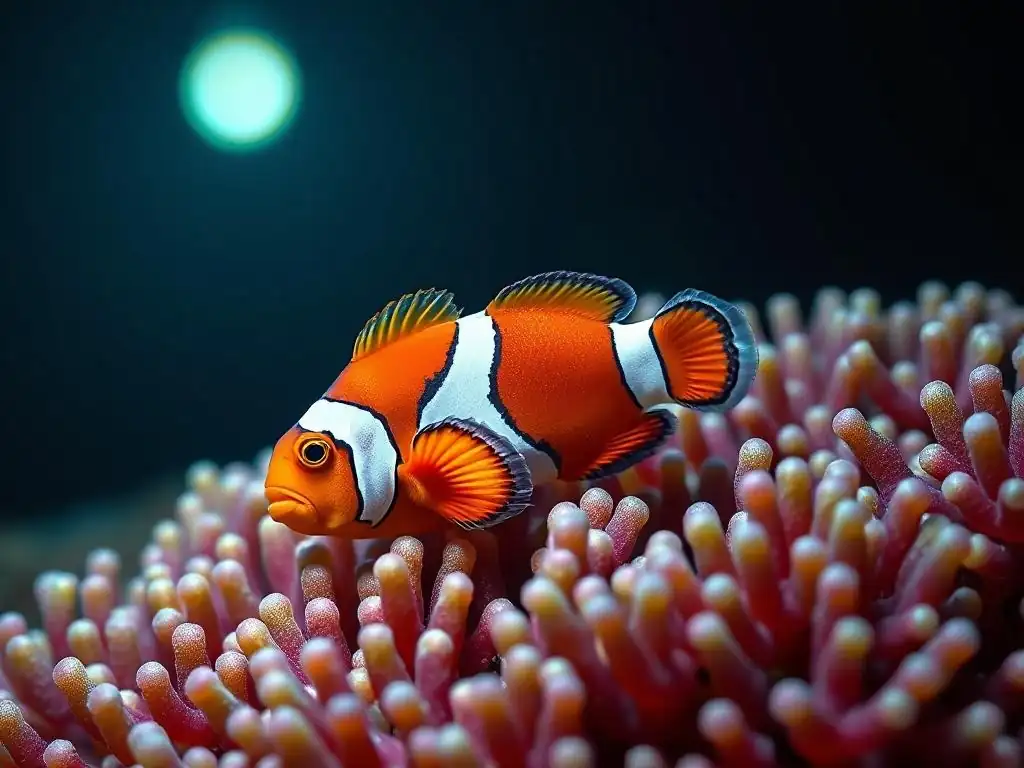
A. Microscopic Examination: A Window into the Microscopic World
Preparing Wet Mounts: Identifying Parasites and Pathogens
Microscopic examination is a cornerstone of advanced saltwater fish disease diagnosis for the dedicated aquarist. A "wet mount" is a quick and effective way to directly visualize external parasites and some bacteria. This involves gently scraping a small amount of mucus from the fish's skin, fins, or gills using a sterile microscope slide or a very blunt instrument like a credit card edge. The sample is then placed on a clean slide with a drop of tank water or saline and covered with a coverslip.
When viewed under a compound microscope, typically at magnifications ranging from 40x to 400x, this wet mount can reveal the presence of various pathogens. For example, Cryptocaryon irritans trophonts appear as relatively large (up to 1mm), spherical, ciliated organisms slowly rolling across the field of view. Amyloodinium ocellatum are smaller (10-100 µm), pear-shaped, and possess a distinct flagellum, often rapidly darting. Monogenean trematodes (flukes) are typically elongated worms with a characteristic haptor (attachment organ) at one end. This immediate visualization allows for rapid and precise saltwater fish disease diagnosis of many common external afflictions.
Staining Techniques: Enhancing Visibility of Microscopic Organisms
While a basic wet mount is highly useful, staining techniques can significantly enhance the visibility and identification of microscopic organisms, making saltwater fish disease diagnosis more precise. Simple stains like Methylene Blue or Lugol's Iodine can be added directly to a wet mount, highlighting cellular structures of protozoa or making bacterial cells more distinct. For example, Methylene Blue can stain the nuclei and cytoplasm of certain parasites, making them easier to differentiate from debris.
For bacterial infections, Gram staining is a more advanced technique that differentiates bacteria based on their cell wall composition (Gram-positive vs. Gram-negative). This involves preparing a bacterial smear on a slide, heat-fixing it, and then applying a series of stains (crystal violet, iodine, decolorizer, and safranin). Gram-positive bacteria stain purple, while Gram-negative bacteria stain pink/red. Knowing whether a bacterial pathogen is Gram-positive (e.g., Streptococcus) or Gram-negative (e.g., Vibrio) is crucial for selecting the most effective antibiotic treatment, providing a targeted approach to saltwater fish disease diagnosis and therapy.
Comprehensive Water Testing: Ammonia, Nitrite, Nitrate, pH, Alkalinity, and Salinity
Water quality is the foundation of fish health, and comprehensive testing is an indispensable part of saltwater fish disease diagnosis. Elevated ammonia (ideally 0 ppm) and nitrite (ideally 0 ppm) are acutely toxic, directly damaging gills and leading to severe stress and secondary infections. High nitrate levels (typically aiming for below 20-40 ppm in reef tanks, lower in fish-only) indicate poor long-term maintenance and can cause chronic stress, leading to fin erosion and susceptibility to disease.
Beyond nitrogenous compounds, pH (ideal 8.1-8.4), alkalinity (7-12 dKH), and salinity (1.024-1.026 specific gravity for most marine tanks) are equally critical. Stable parameters are key; rapid fluctuations in pH or salinity can cause osmotic shock, severely compromising a fish's immune system. Regular testing with accurate test kits or digital checkers (e.g., Hanna Checkers for alkalinity and calcium, or a reliable master test kit for the nitrogen cycle) provides vital data, helping to identify environmental stressors that may be the root cause or a contributing factor to a disease outbreak, thereby guiding saltwater fish disease diagnosis.
Identifying Water Parameters Contributing to Disease Outbreaks
Connecting specific water parameter deviations to observed disease symptoms is a critical step in effective saltwater fish disease diagnosis. For instance, if fish show signs of respiratory distress and a bacterial bloom, a sudden spike in ammonia or nitrite could indicate a compromised biological filter, which is directly contributing to gill damage and bacterial proliferation. Similarly, if fish are flashing and exhibiting signs of irritation without clear external parasites, a check of the salinity might reveal a recent, unnoticed drop or fluctuation, causing osmotic stress.
Chronic issues like fin erosion or persistent lethargy, even without acute signs, could be linked to consistently high nitrate levels, indicating chronic stress that suppresses the fish's immune response. Understanding these connections allows the aquarist to address the underlying environmental issues, not just the symptoms, making the treatment more effective and preventing future outbreaks. This holistic approach, combining clinical signs with comprehensive water analysis, is essential for a complete saltwater fish disease diagnosis.
C. Skin and Gill Biopsies: Direct Examination of Affected Tissues
Performing Safe and Effective Biopsies [Requires Professional Expertise - Caveat]
Skin and gill biopsies are advanced diagnostic techniques that provide direct access to affected tissues, offering invaluable insights for saltwater fish disease diagnosis. However, performing these procedures safely and effectively requires professional expertise, typically from an aquatic veterinarian or a highly experienced fish health specialist. The fish must be properly anesthetized (e.g., using tricaine methanesulfonate, MS-222, at a dosage of 50-100 mg/L) and meticulously monitored throughout the process to minimize stress and risk.
A small, representative tissue sample is carefully removed using sterile instruments, such as fine-tipped scissors or a scalpel blade. For a skin biopsy, a tiny piece of skin from a lesion or an affected area is taken. For a gill biopsy, a minute portion of a gill filament is clipped. The goal is to obtain sufficient tissue for analysis without causing undue harm or compromising the fish's recovery. This invasive procedure is reserved for cases where less invasive methods have been inconclusive or when specific tissue-level saltwater fish disease diagnosis is absolutely necessary.
Histopathological Analysis: Identifying Pathological Changes at the Cellular Level
Once collected, the biopsied tissue undergoes histopathological analysis, a detailed examination of its cellular structure. The tissue is preserved (e.g., in 10% buffered formalin), processed, embedded in paraffin wax, cut into incredibly thin sections (typically 5-7 micrometers), and then stained (commonly with Hematoxylin and Eosin, H&E). These stained sections are then examined under a high-power microscope by a veterinary pathologist.
Histopathology can reveal a wealth of information crucial for saltwater fish disease diagnosis. It can identify specific types of cellular damage, inflammation, the presence of pathogens within the tissues (e.g., bacterial colonies, parasitic cysts, viral inclusions), and even neoplastic (cancerous) changes. For example, it can definitively confirm Mycobacteriosis by revealing characteristic granulomas in internal organs, or distinguish between various types of gill disease based on the specific cellular necrosis and inflammatory responses observed. This level of detail provides a definitive saltwater fish disease diagnosis that cannot be achieved through visual inspection or basic microscopy.
D. Blood Analysis: Assessing Internal Organ Function and Immune Response
Collecting Blood Samples from Saltwater Fish [Requires Professional Expertise - Caveat]
Blood analysis is a powerful advanced diagnostic tool for saltwater fish disease diagnosis, offering a window into systemic health, internal organ function, and immune response. However, collecting blood samples from fish is an extremely delicate and technically demanding procedure that requires professional expertise, typically performed by a trained aquatic veterinarian. The fish must be properly anesthetized to minimize stress and movement.
Blood is typically drawn from a major vessel, most commonly the caudal vein, which runs along the ventral aspect of the spine near the tail. A fine-gauge needle (e.g., 27-30 gauge) and syringe are used to carefully aspirate a small volume of blood. The amount of blood collected must be minimal, generally less than 0.5% of the fish's body weight (e.g., 0.1-0.2 mL for a 100g fish) to avoid causing severe anemia or undue stress. Due to the inherent risks involved, this method is usually considered when other diagnostic approaches have failed, and a comprehensive understanding of the fish's internal physiological state is critical for saltwater fish disease diagnosis.
Interpreting Blood Test Results: Indicators of Infection and Organ Damage
Once collected, fish blood samples can be analyzed similarly to those of other animals, providing a wealth of diagnostic information. A Complete Blood Count (CBC) can reveal changes in red blood cell count (indicating anemia), white blood cell count (leukocytosis often signals infection, while leukopenia can suggest immune suppression), and differential white cell counts (e.g., elevated neutrophils for acute inflammation, increased lymphocytes for chronic conditions).
Blood chemistry panels can assess the function of vital organs. Elevated liver enzymes (such as AST or ALT) can indicate liver damage, while abnormal kidney parameters (like creatinine or BUN) might point to kidney dysfunction. Glucose levels can be indicative of stress. By interpreting these blood parameters in conjunction with clinical signs, a veterinarian can gain a comprehensive understanding of the fish's internal health status, identify systemic infections, assess organ damage, and guide a precise saltwater fish disease diagnosis that would otherwise be impossible to obtain.
E. PCR (Polymerase Chain Reaction) Testing: Detecting Specific Pathogens
Understanding PCR Technology for Fish Disease Diagnosis
PCR, or Polymerase Chain Reaction, is a molecular diagnostic technique that has revolutionized saltwater fish disease diagnosis, particularly for viral and difficult-to-culture bacterial infections. PCR works by amplifying minute quantities of specific DNA or RNA sequences unique to a particular pathogen. Even if only a few copies of the pathogen's genetic material are present in a sample, PCR can create millions of copies, making detection highly sensitive and specific.
Unlike microscopy, PCR does not require the pathogen to be alive or even intact; it only needs its genetic blueprint. This makes it invaluable for diagnosing diseases where the causative agent is rare, difficult to culture in a lab, or invisible even under high magnification. Samples for PCR can include tissue biopsies, fin clips, gill swabs, or even water samples for certain environmental pathogens. This technology allows for saltwater fish disease diagnosis with unprecedented accuracy and speed, often before clinical signs are even apparent.
Identifying Viral and Bacterial Infections with High Accuracy
PCR testing is considered the gold standard for diagnosing many viral diseases in fish, which are notoriously difficult to confirm by other means. For example, viruses like Lymphocystis Virus, Viral Nervous Necrosis (VNN/VER), or Koi Herpesvirus (though more common in freshwater, marine equivalents exist) can be definitively identified using PCR, providing a clear saltwater fish disease diagnosis when only vague symptoms are present. This is crucial as there are typically no treatments for viral infections, allowing aquarists to make informed decisions about managing the disease or preventing its spread.
Furthermore, PCR can accurately identify specific bacterial strains, such as Mycobacterium marinum, the causative agent of Mycobacteriosis (fish tuberculosis), which is notoriously slow-growing and difficult to culture in a laboratory. The high sensitivity and specificity of PCR mean it can detect pathogens even at very low infection levels, enabling early intervention or confirming the absence of specific pathogens in a quarantine setting. Sending samples to specialized diagnostic laboratories for PCR analysis provides definitive saltwater fish disease diagnosis for some of the most challenging fish ailments.
III. Integrating Diagnostic Information for Accurate Identification
Combining Visual Observations with Advanced Test Results
Effective saltwater fish disease diagnosis rarely relies on a single piece of information. Instead, it's a synergistic process of combining all available data points. Initial visual observations (e.g., lethargy, flashing, clamped fins) provide the first clues, prompting further investigation. A microscopic examination of a wet mount might then confirm the presence of external parasites like Cryptocaryon. Simultaneously, comprehensive water quality testing can rule out environmental stressors or identify them as contributing factors.
For example, if a fish is flashing (visual observation) and a wet mount reveals Cryptocaryon irritans (microscopic diagnosis), but water quality tests show normal parameters, the diagnosis points directly to a parasitic infection. However, if the water tests reveal high ammonia, it suggests that the poor water quality likely weakened the fish's immune system, making it susceptible to the parasite. This integrated approach, where visual cues guide deeper investigation with advanced tools, leads to a more precise saltwater fish disease diagnosis and a comprehensive treatment plan addressing both the pathogen and any underlying stressors.
Building a Differential Diagnosis: Considering Multiple Possibilities
Building a differential diagnosis is a systematic and crucial step in saltwater fish disease diagnosis. It involves creating a list of all potential diseases that could explain the observed symptoms, then progressively narrowing down that list through the application of various diagnostic tests. For instance, if a fish exhibits "white spots," the initial differential might include Cryptocaryon irritans (marine ich), Amyloodinium ocellatum (marine velvet, which can look like fine white dust), Lymphocystis (warty growths), or even simply excess mucus production due to stress.
The process then involves using diagnostic tools to differentiate. A wet mount examination would quickly distinguish between Cryptocaryon (large, ciliated trophonts) and Amyloodinium (smaller, pear-shaped, flagellated trophonts), or rule out both if neither is present. If the spots are irregular and warty, a skin biopsy for histopathology or PCR might be needed to confirm Lymphocystis. This methodical approach ensures that all possibilities are considered and that the most appropriate diagnostic tests are performed, preventing misdiagnosis and ensuring the most effective treatment for the confirmed saltwater fish disease diagnosis.
Consulting with a Veterinary Professional: When to Seek Expert Advice
While dedicated aquarists can master many advanced diagnostic techniques, there are clear limitations to DIY saltwater fish disease diagnosis. Procedures such as performing safe and effective biopsies, collecting blood samples, or interpreting complex histopathology and PCR results require specialized training, equipment, and laboratory access that most hobbyists do not possess. When multiple fish are affected, symptoms are unusual, or initial well-researched treatments fail, professional help becomes invaluable.
An aquatic veterinarian or a fish pathologist can perform the more invasive diagnostic procedures with minimal stress to the fish, interpret nuanced test results (e.g., blood chemistry, specific bacterial cultures with antibiotic sensitivity testing), and provide precise, evidence-based treatment protocols. They can also offer insights into systemic issues, identify rare pathogens, or confirm emerging diseases that might otherwise go undiagnosed. Establishing a relationship with an aquatic vet before an emergency strikes can be a critical resource for complex saltwater fish disease diagnosis challenges, significantly improving the chances of a positive outcome.
IV. Case Studies: Real-World Applications of Advanced Diagnostic Techniques
Case Study 1: Identifying and Treating Uronema marinum in a Reef Tank
A dedicated reef tank owner noticed several fish, including a vibrant Regal Tang and a cherished Clownfish, exhibiting a rapid onset of severe lethargy, significant skin lesions that looked like sloughing skin, and extremely rapid breathing. The symptoms progressed alarmingly fast, with some fish succumbing within 24-48 hours. Initial thoughts leaned towards Brooklynella hostilis or Amyloodinium ocellatum due to the rapid progression, but the lesions were more pronounced and widespread than typically seen with these common parasites. Visual inspection alone was insufficient for a definitive saltwater fish disease diagnosis.
The aquarist, equipped with a microscope, performed a gentle skin scrape wet mount from an affected fish. Under 100x and 400x magnification, numerous rapidly moving, pear-shaped ciliated protozoans, approximately 10-30 µm in size, were observed. These protozoans exhibited a characteristic single, prominent posterior cilium and internal vacuoles, consistent with Uronema marinum. Water quality tests were stable, ruling out environmental stress as the primary trigger. This immediate microscopic saltwater fish disease diagnosis allowed for prompt isolation of affected fish into a hospital tank and treatment with formalin or chloroquine phosphate. The rapid and accurate identification prevented further widespread loss in the main display, highlighting the power of microscopic examination.
Case Study 2: Diagnosing Mycobacteriosis in a Fish-Only System
In a long-established fish-only system, the owner observed a gradual decline in several long-term residents, including a large Lionfish and a robust Volitan Tang, over several months. Symptoms included chronic wasting despite regular feeding, a progressively sunken belly, occasional mild fin erosion, and intermittent lethargy. There were no acute signs of external parasites or bacterial lesions, and standard water quality tests consistently showed optimal parameters. The chronic, non-specific nature of the symptoms made saltwater fish disease diagnosis challenging through visual observation alone.
Due to the persistent and debilitating nature of the illness, and after a Lionfish succumbed, the owner submitted the deceased fish to an aquatic veterinary diagnostic laboratory for necropsy and histopathology. The pathologist's report revealed the definitive saltwater fish disease diagnosis: Mycobacterium marinum infection. Microscopic examination of tissue sections from the liver, kidney, and spleen showed widespread granulomas—small, organized inflammatory nodules characteristic of mycobacterial infections. Acid-fast staining of these tissues further confirmed the presence of the rod-shaped bacteria within the granulomas. This advanced diagnostic confirmation, impossible through home methods, informed the aquarist about the incurable and potentially zoonotic nature of the disease, guiding difficult decisions regarding system management and future stocking.
V. Prevention is Key: Maintaining a Healthy Aquarium Environment
Quarantine Protocols: Preventing the Introduction of Disease
The most effective strategy against saltwater fish disease diagnosis and treatment is prevention, and a robust quarantine protocol is its cornerstone. A dedicated quarantine tank (QT) should be established for all new fish and invertebrates, ideally for a minimum of 4-6 weeks. During this period, new arrivals can be closely observed for any signs of illness, allowed to acclimate to captivity without the added stress of an established display tank, and treated prophylactically for common parasites (e.g., copper for Cryptocaryon and Amyloodinium, praziquantel for flukes) if deemed necessary.
Utilizing a QT prevents the introduction of pathogens into the main display tank, which often houses sensitive corals and beneficial bacteria that can be harmed by broad-spectrum medications. It allows for advanced saltwater fish disease diagnosis and targeted treatment in a controlled, isolated environment, significantly reducing the risk of a devastating outbreak that could decimate an entire established system. Studies suggest that a vast majority of new tank syndrome failures or disease outbreaks in established systems can be attributed to skipping proper quarantine.
Proactive Water Management: Minimizing Stressors
Consistent and proactive water management is paramount in minimizing stressors that compromise fish immune systems and lead to disease. This involves maintaining stable and optimal water parameters: salinity between 1.024 and 1.026 specific gravity, temperature typically between 76-80°F, pH stable between 8.1-8.4, and alkalinity maintained between 7-12 dKH. Crucially, ammonia and nitrite levels must always be at 0 ppm, and nitrates should be kept as low as possible, ideally below 20-40 ppm depending on the system type.
Regular partial water changes (e.g., 10-20% bi-weekly or weekly for heavily stocked tanks) are essential to replenish trace elements and reduce accumulated pollutants. Robust mechanical, biological, and chemical filtration (e.g., protein skimmers, sumps, refugiums, activated carbon) further contribute to water purity. Poor or fluctuating water quality creates chronic stress, directly suppressing a fish's immune response and making them highly susceptible to opportunistic pathogens. By diligently maintaining pristine water conditions, the need for saltwater fish disease diagnosis arising from environmental stress is significantly reduced.
Nutritional Support: Boosting Fish Immune Systems
A varied, high-quality, and nutritionally complete diet is a fundamental component of maintaining robust fish health and a strong immune system, thereby reducing the likelihood of requiring saltwater fish disease diagnosis. Fish require a balanced intake of proteins, lipids, carbohydrates, vitamins, and minerals specific to their species. Offer a diverse range of foods, including high-quality frozen foods (e.g., Mysis shrimp, brine shrimp, various marine formulas), nutrient-rich pellets, and flakes.
Ensuring adequate vitamin intake is particularly important. For instance, Vitamin C is crucial for immune function and tissue repair; feeding Vitamin C-enriched foods has been shown to enhance disease resistance in many fish species. Similarly, a diet rich in essential fatty acids (like Omega-3s) supports overall health and energy reserves vital for immune responses. Malnourished fish are often the first to succumb to disease, even when exposed to low pathogen loads. Proactive nutritional support builds a resilient fish population, making them less susceptible to illness and reducing the need for intensive saltwater fish disease diagnosis.
Conclusion: Empowering Aquarists with Advanced Diagnostic Skills
The Future of Saltwater Fish Health Management
The landscape of saltwater fish disease diagnosis is continuously evolving, moving beyond simple visual checks to embrace more scientific and precise methodologies. The increasing accessibility of advanced tools, coupled with a growing body of knowledge, empowers dedicated aquarists to adopt a proactive and sophisticated approach to maintaining fish health. This shift signifies a maturation of the hobby, where guesswork is replaced by evidence-based practices, leading to healthier, more stable, and ultimately more rewarding aquarium ecosystems.
Looking ahead, the future of saltwater fish disease diagnosis promises even greater accessibility to advanced techniques. Advances in home-based molecular diagnostics, improved portable microscopic equipment, and the expansion of telehealth consultations with aquatic veterinarians will further bridge the gap between hobbyist capabilities and professional expertise. This progression will make advanced diagnostic capabilities more commonplace, enabling aquarists to tackle complex health challenges with confidence and precision, ensuring the long-term well-being of their aquatic inhabitants.
Resources for Further Learning and Professional Consultation
For the dedicated aquarist committed to mastering saltwater fish disease diagnosis, continuous learning is key. Reputable online forums and communities, peer-reviewed academic papers on fish pathology, and comprehensive books by aquatic veterinarians (such as "Fish Disease: Diagnosis and Treatment" by Edward J. Noga) offer invaluable resources. Participating in workshops or online courses focused on fish health can also significantly enhance practical diagnostic skills. Building a network of knowledgeable peers and mentors within the hobby can provide informal support and shared experiences.
Crucially, it is essential for every serious aquarist to identify and establish contact with a local aquatic veterinarian or a specialized fish diagnostic laboratory before an emergency arises. These professionals possess the expertise and equipment for highly advanced procedures like complex histopathology, bacterial culturing with antibiotic sensitivity testing, and PCR analysis. Having these professional contacts readily available can be the deciding factor in successfully navigating complex saltwater fish disease diagnosis challenges and ensuring the best possible outcomes for your cherished saltwater fish.
Frequently Asked Questions
How can I go beyond just looking at my fish to diagnose potential diseases?
Beyond visual inspection, advanced disease diagnosis involves water testing, microscopic examination of samples, and sometimes even consulting with a veterinary professional specialized in aquatic animals.
What role does water chemistry play in diagnosing saltwater fish diseases?
Water parameters like pH, ammonia, nitrite, and nitrate can significantly impact fish health. Imbalances can weaken fish, making them more susceptible to disease, and some diseases manifest differently based on water quality.
Where can I find reliable information on identifying specific saltwater fish diseases?
AquariumMastery.com offers detailed species profiles and troubleshooting guides with information on common saltwater fish diseases, their symptoms, and recommended treatment approaches.
Are there specific tools recommended for advanced disease diagnosis in saltwater aquariums?
Essential tools include a reliable water testing kit, a microscope for examining skin scrapes, and a quarantine tank for isolating potentially infected fish to prevent disease spread.
When should I seek professional help for diagnosing and treating my saltwater fish?
If you are unable to identify the disease, if the fish's condition deteriorates rapidly, or if treatment is ineffective, consulting with a qualified aquatic veterinarian is highly recommended.
Final Reflection: Embracing Proactive Aquatic Health
The journey through advanced saltwater fish disease diagnosis techniques reveals a crucial truth: proactive care is paramount to thriving aquatic ecosystems. We've explored methods beyond simple visual inspection, delving into microscopic analysis, water parameter monitoring, and behavioral observation. This deeper understanding isn't just about identifying illness; it's about fostering resilience and preventing disease before it takes hold, ensuring the longevity and vitality of our cherished marine companions.
This exploration has profoundly impacted how we perceive the delicate balance within our aquariums. It's no longer enough to simply admire the beauty of our fish; we must become active stewards of their health, embracing a holistic approach that considers every aspect of their environment. As Jacques Cousteau eloquently stated, The sea, once it casts its spell, holds one in its net of wonder forever.
This wonder demands responsibility, a commitment to understanding and safeguarding the lives entrusted to our care.
Now, armed with this knowledge, I invite you to reflect on your own aquariums. Are you truly seeing beyond the visuals? Are you actively monitoring the subtle signs that indicate the health and well-being of your fish? Let this article be a catalyst for change, inspiring you to embrace advanced diagnostic techniques and become a more informed, compassionate, and effective aquarist. The health of your saltwater ecosystem, and the joy it brings, depends on it.
Unveil the Secrets to a Thriving Aquarium!
Thank you for delving into the advanced techniques for diagnosing aquarium diseases. Your commitment to the well-being of your aquatic companions is truly commendable. Now, let's put this knowledge into action:
- Master the Microscope: Don't just read about it; Dedicate one hour this week to practicing microscopic analysis of a water sample from your aquarium. Identify at least three different microorganisms.
- Share Your Findings: Post a picture of your microscopic observation on the Aquarium Mastery forum and discuss your findings with fellow aquarists.
- Try a creative solution:Create a small "sick bay" in your aquarium by quarantining at-risk fish and applying appropriate treatments as needed.
What unconventional technique will you implement in your aquarium this week to proactively combat disease?