
Invertebrate Health Unveiled: Decoding Distress Signals in Shrimp, Snails & Crabs

Welcome to Aquarium Mastery, aquarist!
Ever wondered if your shrimp are really happy, or just politely tolerating their tank mates? Dive into our Shrimp Health Troubleshooting Guide and unlock the secrets to a thriving invertebrate community. Are those unusual spots cause for concern? Is that sluggish behavior a sign of something more serious? We'll help you decode the distress signals and ensure your crustaceans, mollusks, and other fascinating creatures live their best aquatic lives. Let's get started!
- Invertebrate Health in Aquariums: Shrimp, Snails & Crabs
- Understanding Invertebrate Health
- Shrimp Health: A Troubleshooting Guide
- Snail Health: Diagnosing and Resolving Issues
- Crab Health: Recognizing and Addressing Problems
- Preventing Invertebrate Ailments: A Holistic Approach
- Advanced Diagnosis: When to Seek Expert Help
- Conclusion: Promoting Invertebrate Wellness.
-
Frequently Asked Questions
- What are some common signs that my shrimp might be unwell?
- How important is water quality for shrimp health, and what parameters should I monitor?
- What are some common diseases that affect shrimp in aquariums?
- My shrimp are molting frequently. Is this a sign of a problem?
- What should I do if I suspect my shrimp have a bacterial infection?
- Final Reflection: The Silent Symphony of Invertebrate Wellbeing
- Ignite Your Invertebrate Expertise!
Invertebrate Health in Aquariums: Shrimp, Snails & Crabs
Understanding Invertebrate Health
Observing Behavior for Early Disease Detection
Observing the subtle shifts in invertebrate behavior is often the first and most critical step in early disease detection. Unlike fish, which might display obvious physical symptoms relatively quickly, many invertebrates, such as shrimp, snails, and crabs, tend to mask their distress until an ailment is advanced.
Therefore, diligent daily observation of their typical movements, feeding patterns, and interactions is paramount. A normally active shrimp suddenly remaining motionless for hours, a snail retracting into its shell for unusually long periods, or a crab excessively hiding when it typically forages are all significant red flags that warrant immediate investigation into water parameters and potential stressors.
These behavioral changes serve as crucial early warning signals, enabling aquarists to intervene before a minor issue escalates into a major health crisis. For instance, a sudden lack of appetite in a snail could indicate poor water quality or a dietary deficiency, while a shrimp struggling during a molt points directly to mineral deficiencies. Recognizing these deviations from normal behavior allows for prompt adjustments to the environment, targeted treatments, or isolation of the affected individual, significantly increasing the chances of recovery and preventing the spread of potential pathogens to other inhabitants.
Key Indicators of a Healthy Invertebrate Aquarium
A healthy invertebrate aquarium is characterized by several key indicators, reflecting both the well-being of the inhabitants and the stability of their environment. Visually, healthy invertebrates display vibrant, consistent coloration appropriate to their species, clear and intact exoskeletons (for shrimp and crabs), and robust shells (for snails) free from pitting or erosion.
Behaviorally, they should be active foragers, regularly interacting with their surroundings, and exhibiting species-specific behaviors such as consistent grazing for snails, constant sifting for shrimp, or active exploration for crabs. Regular, successful molting in shrimp and crabs, without individuals getting stuck or dying during the process, is also a strong sign of optimal conditions.
Beyond the visible signs, the most fundamental indicator of a healthy invertebrate aquarium lies in stable and optimal water chemistry. For most freshwater invertebrates, this typically means maintaining a pH between 6.5 and 7.5, a General Hardness (GH) of 6-10 dGH, and a Carbonate Hardness (KH) of 3-8 dKH. Ammonia and nitrite levels must consistently remain at 0 ppm, with nitrates ideally below 20 ppm. Fluctuations in these parameters are a significant source of stress and can quickly compromise invertebrate health, making consistent monitoring and maintenance through regular water changes and proper filtration indispensable.
Shrimp Health: A Troubleshooting Guide
Recognizing Signs of Illness in Shrimp
Lethargy and Reduced Activity
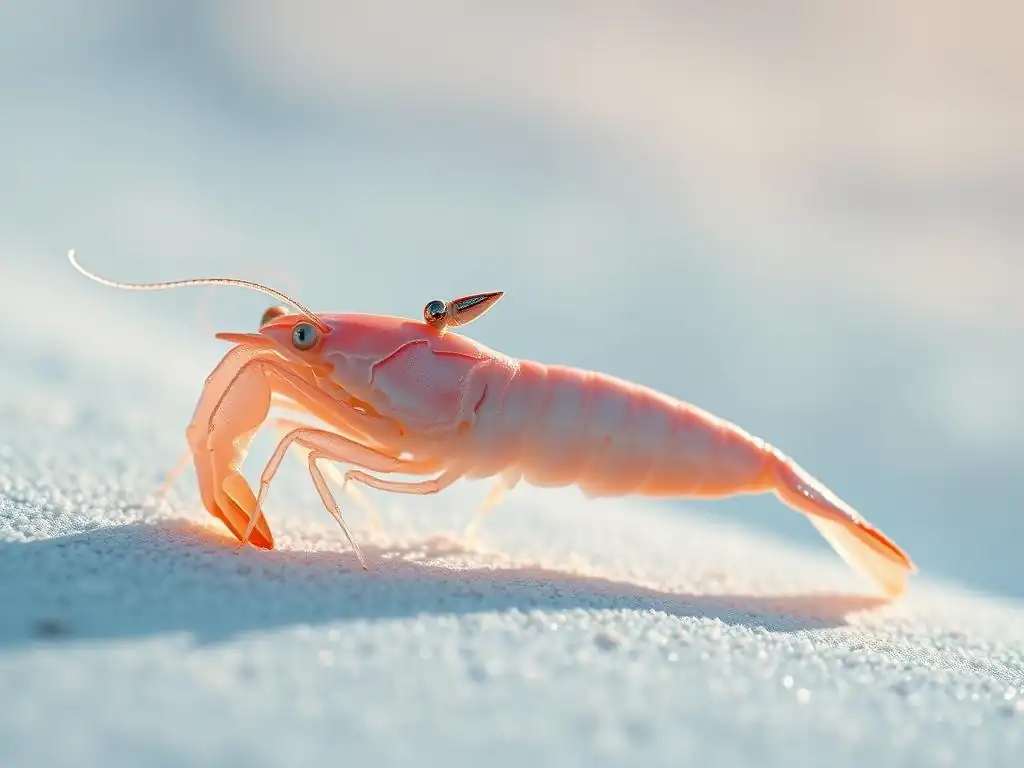
Lethargy and significantly reduced activity are among the most common and earliest indicators of distress in aquarium shrimp, serving as a critical alert in any shrimp health troubleshooting guide. Healthy shrimp are typically active, constantly grazing on surfaces, sifting through substrate, or darting around the tank. When a shrimp becomes lethargic, it may lie motionless on the substrate for extended periods, exhibit slow or uncoordinated movements, or show a delayed response to stimuli such as food or gentle water currents. This behavior contrasts sharply with their usual busy nature and should prompt immediate investigation.
The underlying causes of lethargy can vary widely, ranging from acute stressors like poor water quality (e.g., elevated ammonia or nitrite levels, sudden temperature swings) to the onset of bacterial, fungal, or parasitic infections. Nutritional deficiencies, stress from aggressive tank mates, or even the initial stages of a difficult molt can also manifest as reduced activity. Identifying and rectifying the root cause promptly, whether it involves a partial water change to improve parameters or isolating the shrimp for observation, is crucial for improving the shrimp's chances of recovery.
Changes in Coloration
Changes in coloration are a prominent visual cue indicating potential health issues in shrimp and are an important aspect of any shrimp health troubleshooting guide. Healthy shrimp exhibit vibrant, consistent colors characteristic of their species – for instance, a bright red for Cherry Shrimp or a translucent, mottled appearance for Amano Shrimp. When shrimp experience distress or illness, their coloration can fade significantly, become patchy, or develop unusual blotches. A typically red shrimp turning pale or almost white, or a clear Amano developing cloudy or opaque areas, are strong indicators of underlying problems.
These color changes are often linked to specific conditions. Fading coloration commonly signals general stress, poor diet, or suboptimal water parameters. A cloudy or milky appearance, particularly in the muscles, can be indicative of a severe bacterial infection or muscle necrosis, often a fatal condition. Black spots or patches on the exoskeleton might point to chitin rot, a bacterial degradation of the shell, while unusually dark or mottled patterns can sometimes suggest internal parasites or a severe stress response to environmental toxins.
Molting Problems
Molting, the process by which shrimp shed their old exoskeleton to grow, is a critical and vulnerable stage in their life cycle, and problems during this process are a frequent focus of a shrimp health troubleshooting guide. A common and often fatal issue is the "ring of death," where the shrimp gets stuck halfway out of its old shell, typically with a distinct white ring appearing around its body, preventing full egress. Other molting problems include incomplete molts, where parts of the old shell remain attached, or shrimp dying shortly after a seemingly successful molt.
These molting difficulties are predominantly caused by insufficient mineral content in the water, particularly calcium and magnesium, which are vital for forming the new exoskeleton. A General Hardness (GH) below 6 dGH or rapid, significant fluctuations in water parameters can severely impede the molting process. Stress from tank mates, poor nutrition, or underlying infections can also weaken a shrimp, making molting an insurmountable challenge. Ensuring stable water parameters, providing adequate mineral supplementation, and offering a high-quality, varied diet are essential preventative measures.
Unusual Growths or Lesions
Unusual growths or visible lesions on a shrimp's body are clear indicators of specific health problems and require immediate attention within a shrimp health troubleshooting guide. These can manifest in various forms, such as fuzzy, cotton-like patches, small white dots, or eroded areas on the exoskeleton. For example, a shrimp developing a white, cottony growth, often on its gills or legs, is a classic sign of a fungal infection, like Saprolegnia.
Conversely, small, pinhead-sized white dots that appear to be attached to the shrimp's body, especially around the mouthparts or gills, often point to external protozoan parasites such as Vorticella or Scutariella japonica. Black spots or eroded patches on the exoskeleton are frequently symptomatic of "chitin rot," a bacterial infection that degrades the shrimp's outer shell. Identifying the specific type of growth or lesion is crucial for selecting the appropriate treatment, which might involve targeted medications or specialized dips, always mindful of the shrimp's sensitivity to chemicals.
Common Shrimp Ailments and Treatments
Bacterial Infections
Bacterial infections are a prevalent and serious concern for shrimp keepers, often leading to rapid decline and mortality if not addressed promptly. Symptoms typically include lethargy, opaque or milky white muscles, particularly in the tail, red discoloration of the body (septicemia), and sudden, unexplained deaths. Common bacterial culprits can include Vibrio or Aeromonas species, which often capitalize on weakened immune systems or poor water conditions. These infections can be internal, affecting organs, or external, manifesting as chitin rot.
Treatment for bacterial infections begins with immediate and rigorous improvement of water quality, including large, frequent water changes and thorough substrate cleaning to reduce bacterial load. For more severe or systemic infections, broad-spectrum antibacterial medications like Furan-2 or Kanaplex, often administered in a quarantine tank, may be necessary. It is crucial to note that shrimp are highly sensitive to medications, so dosages are typically reduced to half or even a quarter of the recommended fish dose, and careful observation is paramount throughout the treatment period.
Fungal Infections
Fungal infections in shrimp usually appear as fuzzy, cotton-like growths on the shrimp's body, gills, or limbs. The most common type is Saprolegnia, which often affects shrimp that are stressed, injured, or living in tanks with poor water circulation or high organic loads. While often secondary to other issues, severe fungal infections can impede movement, respiration, and eventually lead to death if left untreated.
Treatment involves isolating the affected shrimp in a quarantine tank. Mild cases might respond to improved water quality and increased aeration. For more persistent infections, antifungal medications like methylene blue can be effective when used in a diluted bath or dip, typically for 10-15 minutes at a concentration of 1-2 ppm. Salt dips (e.g., 1-2 teaspoons of aquarium salt per gallon of water for up to 10 minutes) can also sometimes help for external fungal issues, but extreme caution is advised due to shrimp's sensitivity to salinity changes.
Parasitic Infestations
Shrimp can suffer from various parasitic infestations, which manifest in different ways and require specific treatments. Visible parasites might include small, white, stalked protozoans like Vorticella attached to the shrimp's exoskeleton, particularly around the head or gills, or flatworms like Planaria that can directly prey on or irritate shrimp. Less visible internal parasites can cause emaciation, lethargy, and unexplained deaths.
Treatments depend heavily on the specific parasite. For external protozoans like Vorticella, salt dips (1-2 tablespoons per gallon for 5-10 minutes) or low doses of methylene blue can be effective. For flatworms or internal parasites, medications containing Fenbendazole or Praziquantel are sometimes used, but extreme caution is necessary as some dewormers can be highly toxic to snails and other invertebrates. Always research the specific medication's safety profile for shrimp and tank mates before administration, as not all antiparasitics are invertebrate-safe. This detailed approach is vital for a comprehensive shrimp health troubleshooting guide.
Preventing Shrimp Ailments
Maintaining Optimal Water Parameters
Maintaining optimal and stable water parameters is the cornerstone of preventing shrimp ailments and is a critical component of any effective shrimp health troubleshooting guide. Shrimp are highly sensitive to fluctuations and poor water quality, making consistent conditions paramount. Ideal parameters typically include a pH range of 6.5-7.5, a General Hardness (GH) of 6-10 dGH for proper molting, a Carbonate Hardness (KH) of 3-8 dKH for pH stability, and absolute zero (0 ppm) for ammonia and nitrites. Nitrates should be kept below 20 ppm, ideally much lower for sensitive species.
To achieve and maintain these parameters, regular and consistent water changes (e.g., 10-20% weekly) are essential. Utilizing reverse osmosis (RO) or deionized (DI) water remineralized with shrimp-specific products ensures precise control over mineral content, which is vital for successful molting. Daily monitoring with reliable liquid test kits for ammonia, nitrite, and nitrate, alongside weekly checks for pH, GH, and KH, allows for early detection of any deviations, enabling corrective action before shrimp health is compromised.
Proper Nutrition
Proper nutrition plays a fundamental role in bolstering shrimp immunity, promoting healthy molting, and preventing a wide array of ailments. A varied and balanced diet ensures shrimp receive all necessary vitamins, minerals, and trace elements. High-quality commercial shrimp-specific foods, often formulated with spirulina, various algae, and essential minerals, should form the basis of their diet. Supplementing with blanched vegetables like spinach, zucchini, or kale provides additional fiber and nutrients.
Crucially, shrimp require sufficient calcium and other trace minerals for the development and strengthening of their exoskeleton, which is vital for successful molting. Dietary sources can be supplemented with mineral-rich additives like montmorillonite clay or specialized liquid mineral solutions designed for shrimp aquariums. Overfeeding should be avoided as it leads to poor water quality, but consistent, appropriate feeding ensures shrimp have the resources to grow, molt, and resist disease effectively.
Quarantine Procedures
Implementing strict quarantine procedures for all new shrimp is an indispensable preventative measure that significantly reduces the risk of introducing diseases, parasites, and unwanted pests into an established display tank. Even seemingly healthy shrimp can carry pathogens that may be harmless to them but devastating to your existing colony, especially under the stress of a new environment. A quarantine period of at least 2-4 weeks is highly recommended for all new aquatic invertebrates.
A basic quarantine setup involves a separate, small, cycled tank (e.g., 5-10 gallons) equipped with a sponge filter, a heater to maintain stable temperatures, and some simple hiding places like PVC pipes or small caves. During this period, new arrivals should be observed daily for any signs of illness, unusual behavior, or external parasites. Any identified issues can then be treated in the isolated environment, preventing potential contamination of the main aquarium and protecting your existing shrimp colony from unnecessary exposure to stress and disease, making it a critical step in any shrimp health troubleshooting guide.
Snail Health: Diagnosing and Resolving Issues
Identifying Signs of Illness in Snails
Shell Degradation and Erosion
Shell degradation and erosion are among the most common and visible signs of distress in aquarium snails. A healthy snail's shell should be smooth, hard, and free from significant pitting, thinning, or holes, particularly at the apex (the oldest part of the shell). When a snail's shell begins to appear rough, chalky, or develops visible pits and cracks, it is a clear indicator of an underlying problem that compromises the snail's protective outer layer.
The primary cause of shell degradation is often insufficient calcium in the water or diet, coupled with low pH levels (acidic water). Acidic conditions can directly dissolve the calcium carbonate that forms the snail's shell, especially if the water's carbonate hardness (KH) is too low to buffer the pH effectively. Prolonged exposure to soft water, even with a neutral pH, can also contribute to shell erosion over time due to the lack of available minerals. Addressing these water chemistry issues and supplementing calcium is crucial for preventing further damage and promoting shell repair.
Unusual Behavior
Unusual behavior in snails can be a strong indicator of illness or environmental stress. Healthy snails are typically active, constantly grazing on surfaces, moving throughout the tank, and reacting to food or light changes. Signs of distress include prolonged inactivity, where the snail remains in one spot for an extended period, often retracted deep into its shell without emerging for days. Another common sign is the inability to attach properly to tank surfaces, leading to the snail falling off walls or plants and remaining upside down on the substrate.
These behavioral anomalies can stem from various issues, including sudden fluctuations in water parameters (e.g., ammonia or nitrite spikes, rapid temperature changes), extreme temperatures (too hot or too cold), or the presence of harmful chemicals like copper-based medications. Stress from aggressive tank mates, a lack of suitable food, or the onset of an internal infection can also lead to lethargy and abnormal movement. Careful observation of these behavioral changes, alongside water parameter testing, is essential for diagnosing the problem.
Foot Problems
Foot problems in snails, though less commonly discussed than shell issues, can significantly impair a snail's ability to move, feed, and survive. The snail's muscular foot is vital for locomotion and clinging to surfaces. When a snail experiences foot issues, it may appear swollen, discolored (e.g., pale or unusually dark), shriveled, or develop lesions. Affected snails will struggle to move across the substrate or climb tank walls, often remaining stationary or appearing to drag themselves with difficulty.
These problems can be attributed to several factors. Bacterial infections are a common cause, leading to inflammation and tissue damage in the foot. Physical injury, perhaps from being crushed or nipped by aggressive tank mates, can also result in localized foot damage. Severe nutritional deficiencies, particularly a lack of essential vitamins and minerals, can weaken the snail's overall musculature, making the foot more susceptible to problems. Addressing water quality, ensuring a balanced diet, and removing sources of physical harm are key to resolving and preventing these issues.
Common Snail Ailments and Treatments
Parasitic Infections
Snails can host various parasitic infections, although many are less visible than those affecting fish or shrimp. Symptoms of parasitic infestations might include unexplained weight loss despite feeding, lethargy, or the presence of visible worms on the snail's body or within its shell. For instance, flatworms like Planaria, while often free-living, can sometimes irritate or prey on snails, leading to stress and decline. Leeches, though less common, can also attach to snails and feed on their hemolymph.
Treatments for parasitic infections in snails require careful consideration due to their sensitivity to many medications. For external parasites, brief salt dips (e.g., 1 tablespoon of aquarium salt per gallon for 5-10 minutes, with careful monitoring) can sometimes dislodge or kill parasites, but this must be done with extreme caution as prolonged exposure can harm the snail. Certain dewormers, like Fenbendazole, can be effective against specific internal parasites, but their use in a snail tank must be approached with great care, as some formulations are lethal to snails. Always research the specific medication's safety profile for snails before use.
Bacterial Infections
Bacterial infections in snails can be challenging to diagnose and treat, as symptoms are often vague and internal. Common signs include extreme lethargy, prolonged retraction into the shell, swelling of the foot or other tissues, a foul odor emanating from the shell (indicating death), or sudden, unexplained demise. These infections often arise when snails are stressed by poor water quality, sudden parameter changes, or physical injury, which compromises their immune system.
Treatment primarily focuses on immediate and significant improvement of water quality, which often helps the snail's natural defenses. Large, frequent water changes, thorough substrate cleaning, and ensuring stable parameters (ammonia, nitrite 0 ppm, low nitrates) are crucial. In severe cases, broad-spectrum antibiotics might be considered in a quarantine tank, but success rates vary, and finding invertebrate-safe dosages is difficult. For instance, while some antibiotics like Furan-2 might be used at extremely low doses, the risk of harm to the snail is high. Prevention through optimal husbandry is by far the most effective strategy.
Maintaining Snail Health
Providing Adequate Calcium
Providing adequate calcium is paramount for maintaining robust snail health, as calcium is the primary building block for their shells. A snail's shell is constantly growing and undergoing repair, a process that demands a consistent supply of available calcium in the water column and through their diet. Insufficient calcium leads directly to shell degradation, characterized by pitting, thinning, and erosion, making the snail vulnerable to injury and infection.
To ensure sufficient calcium, aquarists should aim for a General Hardness (GH) of at least 6 dGH and a Carbonate Hardness (KH) of 4-8 dKH for most common aquarium snails, as these parameters indicate sufficient mineral content and buffering capacity. Calcium can be supplemented through calcium-rich foods like cuttlebone (placed directly in the tank), specialized snail foods, or blanched leafy greens. Additionally, incorporating calcium-rich substrates like crushed coral or aragonite into the tank can slowly release minerals, helping to maintain stable water parameters conducive to healthy shell growth.
Avoiding Harmful Chemicals
Avoiding harmful chemicals is a critical aspect of maintaining snail health, as many common aquarium medications and additives are highly toxic to invertebrates. Snails, like other invertebrates, are particularly sensitive to heavy metals and certain active ingredients that are safe for fish. The most notorious culprit is copper-based medication, often used to treat parasitic infections in fish; even trace amounts of copper can be lethal to snails, causing rapid decline and death.
Beyond copper, some antiparasitic medications (e.g., certain formulations containing metronidazole or praziquantel in high doses) and even certain plant fertilizers containing high levels of copper or other metals can be detrimental. It is imperative for aquarists to meticulously read the labels of all products before adding them to a tank containing snails. If fish in a snail-inhabited tank require treatment with a snail-toxic medication, the snails must be safely removed to a separate, chemical-free holding tank for the duration of the treatment and until the medication has been thoroughly removed from the main tank's water.
Crab Health: Recognizing and Addressing Problems
Recognizing Signs of Illness in Crabs
Lethargy and Reduced Appetite
Lethargy and a significantly reduced appetite are key indicators of distress or illness in aquarium crabs. Healthy crabs are typically active and curious, foraging for food, exploring their environment, and displaying species-specific behaviors such as burrowing or climbing. A crab that exhibits prolonged inactivity, hides excessively for days without emerging, or shows no interest in food offerings when it typically would be eager to eat, is likely experiencing a health issue.
These behavioral changes can stem from a variety of causes, including poor water quality (e.g., elevated ammonia, nitrite, or nitrate levels), sudden or extreme temperature fluctuations, or high stress levels from aggressive tank mates or an unsuitable environment lacking adequate hiding places. Lethargy and appetite loss can also be early symptoms of bacterial or fungal infections, or internal parasitic infestations. Prompt investigation of environmental conditions and observation of other symptoms are crucial for identifying the underlying problem.
Shell Problems
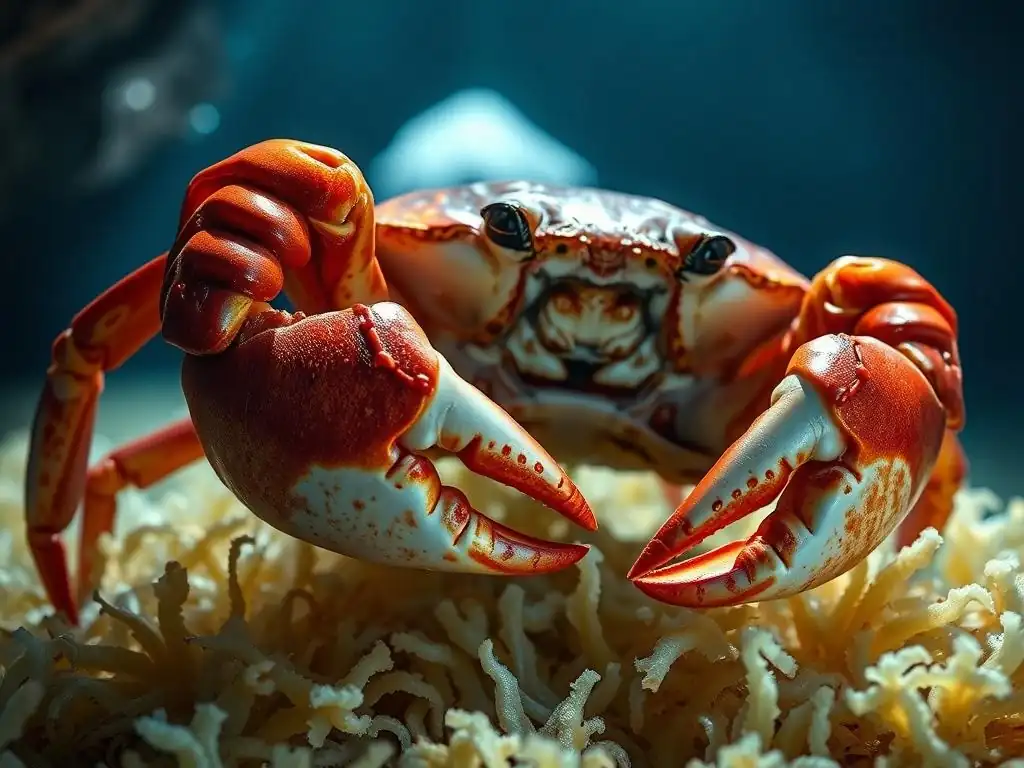
Shell problems in crabs are significant indicators of health issues, similar to those seen in snails. A healthy crab's exoskeleton should be intact, firm, and free from unusual discoloration, pitting, or erosion. When a crab develops issues such as black spots, unusually pale or discolored patches, or a soft shell that persists long after molting, it signals a problem. Black spots, in particular, often point to chitin rot, a bacterial infection that degrades the crab's shell.
Molting difficulties are another critical shell-related issue. Crabs must successfully shed their old, restrictive exoskeleton to grow, and failure to do so, or getting stuck during the process, is often fatal. Molting problems can arise from insufficient calcium and other minerals in the water, leading to a weak new shell or difficulty shedding the old one. High stress levels, poor nutrition, or underlying infections can also weaken the crab, making molting a perilous event. Ensuring optimal water parameters and a mineral-rich diet are essential preventative measures.
Limb Loss and Regeneration
Limb loss in crabs can be a normal physiological response or a sign of distress, requiring careful interpretation. Crabs possess the ability of autotomy, where they can voluntarily shed a limb (e.g., a claw or leg) as a defense mechanism when stressed, threatened, or injured. In healthy crabs, lost limbs will regenerate over subsequent molts, gradually growing back to full size. Observing this regeneration process is a good sign of overall health.
However, excessive or frequent limb loss without a clear cause (such as a fight or physical trauma) can indicate chronic stress, poor water quality, or an underlying health problem. Similarly, a crab that consistently fails to regenerate lost limbs after several molts may be suffering from severe nutritional deficiencies, chronic illness, or an unsuitable environment that prevents proper healing and growth. Monitoring the frequency of limb loss and the success of regeneration provides valuable insights into a crab's well-being and the suitability of its habitat.
Common Crab Ailments and Treatments
Bacterial Infections
Bacterial infections are a common and serious threat to aquarium crabs, often manifesting as lethargy, reduced appetite, and visible physical symptoms. These can include opaque or milky areas on the limbs or body, red blotches due to internal bleeding or septicemia, or localized chitin rot, which appears as black spots or eroded areas on the exoskeleton. Infections often take hold when a crab is stressed by poor water quality, improper temperatures, or injuries that compromise its protective shell.
Treatment for bacterial infections begins with immediate and rigorous improvement of water quality through large, frequent water changes and thorough cleaning of the tank. For more advanced cases, broad-spectrum antibacterial medications like Furan-2 or Kanaplex may be administered in a quarantine tank. However, crabs are highly sensitive to medications, so dosages must be significantly reduced (often to half or less of the fish dose), and the crab must be carefully monitored for adverse reactions. Prevention through pristine water conditions and a stress-free environment is paramount.
Fungal Infections
Fungal infections in crabs typically appear as fuzzy, cotton-like growths on the shell, limbs, or joints, often developing in areas of injury or stress. These infections, commonly caused by species like Saprolegnia, thrive in tanks with high organic loads, poor water circulation, or fluctuating temperatures. While often secondary to other issues, severe fungal infections can impede a crab's movement, compromise its exoskeleton, and ultimately lead to mortality.
Treatment involves isolating the affected crab in a quarantine tank. Mild cases may improve with significant water quality enhancements and increased aeration. For more persistent infections, antifungal medications such as methylene blue can be effective when used as a short-term bath or dip (e.g., 1-2 ppm for 10-15 minutes). Brief salt baths (e.g., 1-2 teaspoons of aquarium salt per gallon for up to 10 minutes) can also sometimes help for external fungal issues, but careful observation is crucial due to the crab's sensitivity to salinity changes.
Maintaining Crab Health
Providing Adequate Hiding Places
Providing adequate hiding places is a critical aspect of maintaining crab health and reducing stress in an aquarium environment. Crabs are naturally secretive creatures that require secure retreats for various reasons: to escape perceived threats, to rest, and most importantly, to find safety and solitude during the vulnerable molting process. Without sufficient hiding spots, crabs can become highly stressed, leading to suppressed immune systems, aggression towards tank mates, and increased susceptibility to disease.
It is essential to offer a variety of hiding options, such as ceramic caves, driftwood with crevices, or dense arrangements of live or artificial plants. For communal crab setups, ensure there are more hiding places than there are crabs, providing ample individual territories and escape routes. During molting, a crab will seek out a secluded, safe spot where it can shed its old shell and allow its new, soft exoskeleton to harden without disturbance or predation, making plentiful hiding spots indispensable for their survival and well-being.
Ensuring Proper Water Parameters
Ensuring proper and stable water parameters is fundamental to maintaining optimal crab health, as these invertebrates are highly sensitive to environmental fluctuations and poor water quality. For most freshwater aquarium crabs, maintaining parameters similar to shrimp is crucial: a pH between 6.5 and 7.5, a General Hardness (GH) of 6-10 dGH, and a Carbonate Hardness (KH) of 3-8 dKH. Ammonia and nitrite levels must always be at 0 ppm, and nitrates should be kept below 20 ppm to prevent stress and illness.
Consistent monitoring of these parameters with reliable liquid test kits is essential, alongside a routine of regular partial water changes (e.g., 10-25% weekly) to dilute accumulated nitrates and replenish essential minerals. Sudden or drastic changes in temperature or water chemistry must be avoided, as they can induce severe stress and lead to molting problems, illness, or even death. A stable and pristine aquatic environment is the most powerful preventative measure against crab ailments.
Preventing Invertebrate Ailments: A Holistic Approach
The Importance of Water Quality
Regular Water Testing and Maintenance
Regular water testing and consistent maintenance are the cornerstones of preventing invertebrate ailments, forming the foundation of any comprehensive shrimp health troubleshooting guide. Invertebrates are exceptionally sensitive to poor water quality and rapid parameter fluctuations. Therefore, diligent monitoring of key parameters—ammonia, nitrite, nitrate, pH, General Hardness (GH), and Carbonate Hardness (KH)—is non-negotiable. Ammonia and nitrite must always be at 0 ppm, while nitrates should be kept below 20 ppm, ideally much lower for sensitive species. pH, GH, and KH should remain within species-appropriate ranges and, critically, be stable.
A robust maintenance schedule complements testing. This typically involves weekly partial water changes of 10-25% to dilute pollutants and replenish essential minerals. Filter media should be rinsed periodically in old tank water to preserve beneficial bacteria, and substrate should be gently vacuumed to remove decaying organic matter. Avoiding overfeeding and overstocking also significantly contributes to maintaining pristine water conditions, thereby reducing stress and the likelihood of disease outbreaks among your invertebrates.
The Role of Diet and Nutrition
Providing a Varied and Nutritious Diet
Providing a varied and nutritious diet is paramount for strengthening the immune systems of shrimp, snails, and crabs, and preventing a wide range of ailments. A balanced diet ensures they receive all the necessary vitamins, minerals, and trace elements crucial for growth, molting, and overall vitality. Relying solely on one type of food can lead to nutritional deficiencies over time, making invertebrates more susceptible to disease and stress.
For shrimp, this means high-quality commercial shrimp-specific foods rich in spirulina, algae, and essential minerals, supplemented with blanched vegetables like spinach or zucchini. Snails benefit from calcium-rich foods such as cuttlebone, specialized snail wafers, and leafy greens to support strong shell growth. Crabs require a diverse diet including high-quality sinking pellets, occasional protein sources like bloodworms or brine shrimp, and blanched vegetables. Crucially, ensure that calcium and magnesium are readily available, either through diet or water column supplementation, as these minerals are vital for successful molting and exoskeleton integrity across all three invertebrate groups.
Quarantine Procedures
Setting Up a Quarantine Tank
Setting up and consistently using a dedicated quarantine tank is one of the most effective preventative measures against introducing diseases and parasites into an established invertebrate aquarium. This practice is absolutely vital for any shrimp health troubleshooting guide, as it isolates new arrivals and allows for observation and treatment without risking the health of your existing, healthy colony. A typical quarantine period for invertebrates should last at least 2-4 weeks, or longer if any signs of illness appear.
A basic quarantine tank does not need to be elaborate; a 5-10 gallon tank is often sufficient for most invertebrates. It should be equipped with a cycled sponge filter (to provide biological filtration without strong currents), a heater to maintain stable temperatures, and simple hiding places like PVC pipes or small ceramic caves to reduce stress. The tank should be bare-bottomed or have minimal substrate to facilitate cleaning and observation. During quarantine, observe the new invertebrates daily for any unusual behavior, physical symptoms, or external parasites before considering their introduction to the main display tank.
Advanced Diagnosis: When to Seek Expert Help
Identifying Complex Health Problems
Identifying complex health problems in invertebrates often goes beyond the scope of a standard shrimp health troubleshooting guide and requires a deeper understanding or specialized diagnostic tools. These are situations where symptoms are ambiguous, multiple species are affected simultaneously, or initial treatments based on common ailments prove ineffective.
For instance, widespread, rapid deaths across an entire shrimp colony without obvious water parameter issues, or chronic lethargy and wasting in snails despite optimal care, may indicate more intricate underlying conditions such as systemic bacterial infections, internal parasites not visible to the naked eye, or even viral infections for which there are no easy remedies.
Such complex scenarios demand a more thorough investigation than can be performed at home. This might involve microscopic examination of affected individuals, tissue analysis, or advanced water chemistry tests that detect subtle toxins. When home remedies and standard diagnostic practices fail to yield results or when the health crisis is severe and widespread, it signals that the problem is likely beyond the average aquarist's ability to accurately diagnose and effectively treat.
Consulting with a Veterinarian or Aquarium Specialist
When faced with complex or persistent invertebrate health problems, consulting with a qualified aquatic veterinarian or an experienced aquarium specialist becomes essential. These professionals possess the expertise and diagnostic equipment to accurately identify elusive pathogens or environmental stressors that are otherwise undetectable. An aquatic veterinarian, for example, can perform necropsies, conduct microscopic examinations of tissues or parasites, and advise on specific, often prescription-only, medications that are safe and effective for invertebrates.
To facilitate an accurate diagnosis, be prepared to provide detailed information: precise water parameters (including recent history), the exact symptoms observed, the timeline of the illness, the diet provided, and any treatments already attempted. Bringing a water sample and, if possible, a live affected invertebrate specimen (or even a recently deceased one, if immediate analysis is possible) can greatly assist the specialist in pinpointing the issue. Their guidance can prove invaluable in saving your invertebrate collection and preventing future outbreaks, going far beyond what a general shrimp health troubleshooting guide can offer.
Conclusion: Promoting Invertebrate Wellness.
The journey to promoting invertebrate wellness in your aquarium is one of diligent observation, proactive care, and a commitment to maintaining a stable, healthy environment. By understanding the subtle cues of distress in shrimp, snails, and crabs, and by consistently providing optimal water parameters, a varied and nutritious diet, and robust quarantine protocols, aquarists can significantly mitigate the risk of common ailments. This proactive approach not only safeguards the health of these fascinating creatures but also enriches the entire aquarium ecosystem.
Ultimately, a thriving invertebrate collection is a testament to the aquarist's dedication and knowledge. While challenges may arise, armed with resources like a comprehensive shrimp health troubleshooting guide and a willingness to seek expert advice for complex issues, you can cultivate a vibrant and resilient underwater world. The reward is a visually stunning and ecologically balanced aquarium, where shrimp, snails, and crabs flourish, bringing unique beauty and intrigue to your aquatic sanctuary.
Frequently Asked Questions
What are some common signs that my shrimp might be unwell?
Common signs include loss of color, erratic swimming, and refusal to eat. These can indicate a variety of issues, from poor water quality to disease.
How important is water quality for shrimp health, and what parameters should I monitor?
Water quality is critical for shrimp. You should monitor ammonia, nitrite, nitrate, and pH levels. Maintaining stable and optimal parameters is essential for their survival.
What are some common diseases that affect shrimp in aquariums?
Common shrimp diseases include bacterial infections, fungal infections, and parasitic infestations. Early detection and treatment are crucial for recovery.
My shrimp are molting frequently. Is this a sign of a problem?
Frequent molting can indicate stress, often due to unstable water parameters or lack of essential minerals. Ensure your shrimp have access to a balanced diet and a stable environment.
What should I do if I suspect my shrimp have a bacterial infection?
Isolate the affected shrimp immediately and consider using antibiotic medications specifically formulated for aquariums. Also, improve water quality and oxygenation in the tank.
Final Reflection: The Silent Symphony of Invertebrate Wellbeing
The insights shared in this article, particularly regarding early detection of distress in shrimp, snails, and crabs, are more crucial now than ever. As aquaculture and the pet trade continue to expand, understanding the subtle cues of invertebrate health is paramount to ensuring responsible care and sustainable practices. Ignoring these silent signals can lead to devastating consequences, impacting both the well-being of individual creatures and the delicate balance of aquatic ecosystems.
This journey into the world of invertebrate health has profoundly underscored the interconnectedness of all living things. Recognizing the sentience and sensitivity of these often-overlooked creatures challenges us to broaden our definition of compassion and responsibility. The greatness of a nation and its moral progress can be judged by the way its animals are treated.
- Mahatma Gandhi. This quote resonates deeply when considering the care we extend to even the smallest inhabitants of our planet.
Now, armed with this knowledge, I invite you to reflect on your own relationship with the natural world. Consider how you can apply these principles of observation and proactive care, not only to shrimp, snails, and crabs, but to all living beings around you. Let us strive to become more attuned to the silent symphony of invertebrate wellbeing, fostering a future where their health and happiness are valued and protected.
Ignite Your Invertebrate Expertise!
Thank you for diving deep into the fascinating world of invertebrate health! We hope you've gained valuable insights into understanding and responding to their unique distress signals. Now, it's time to put your newfound knowledge into action and become a true invertebrate advocate.
Here are a few ways to continue your journey:
- Proactively Observe! Spend dedicated time each day observing your invertebrate's behaviour; noting any subtle changes.
- Document Your Discoveries: Create a simple journal—either digital or physical—to track your invertebrate's daily activities, shedding patterns, and feeding habits. It’s the small details that often make all the difference when something goes amiss.
- Share Your Experiences: Engage with fellow invertebrate enthusiasts on forums or social media platforms. By swapping observations and learning from each other, we strengthen the aquatic community as a whole!
What's one specific observation you will be focusing on this week to better understand your invertebrates?