
Freshwater Fish Disease ID: From Common Culprits to Cryptic Conditions

Welcome to Aquarium Mastery!
Ever wondered why your freshwater fish isn't quite its usual self? Dive into our comprehensive guide, " Freshwater Fish Disease ID: From Common Culprits to Cryptic Conditions," where we unlock the secrets to diagnosing and treating common and not-so-common ailments. Ready to become a true master of your freshwater aquarium's health? Let's explore the world of fish diseases together and ensure a vibrant, thriving aquatic environment! Read on to learn more...
- Understanding Freshwater Fish Disease Diagnosis
-
Common Freshwater Fish Diseases and Their Identification
- Ich (White Spot Disease): Identification and Treatment
- Fin Rot: Causes, Symptoms, and Prevention Strategies
- Dropsy: Recognizing the Signs and Understanding the Underlying Causes
- Velvet Disease (Oodinium): Diagnosing and Managing This Parasitic Infection
- Fungus Infections: Identifying and Treating Fungal Growth on Fish
- Columnaris: Symptoms, Diagnosis, and Treatment Options
- Diagnosing Less Common Freshwater Fish Diseases
- Advanced Techniques for Freshwater Fish Disease Diagnosis
- Treatment Strategies for Freshwater Fish Diseases
-
Preventing Freshwater Fish Diseases: Proactive Aquarium Management
- Maintaining Optimal Water Quality: The Foundation of Fish Health
- Proper Nutrition: Feeding Your Fish a Balanced Diet
- Quarantine New Arrivals: Preventing the Introduction of Pathogens
- Regular Observation: Monitoring Your Fish for Early Signs of Disease
- Minimizing Stress: Reducing Stressors That Weaken Immunity
- Case Studies: Real-World Examples of Freshwater Fish Disease Diagnosis and Treatment
- Resources for Further Learning About Freshwater Fish Disease Identification
-
Frequently Asked Questions
- What are some of the most common freshwater fish diseases that aquarists should be aware of?
- How can I improve my chances of early freshwater fish disease diagnosis in my aquarium?
- What water parameters are critical for preventing freshwater fish diseases?
- If I suspect my fish has a disease, what are the first steps I should take to confirm and treat it?
- Where can I find detailed information on specific freshwater fish diseases, including symptoms, causes, and treatment options?
- Final Reflection: Unveiling the Underwater Ills
- Diagnose & Defend: Save Your Fish Now!
Understanding Freshwater Fish Disease Diagnosis
Importance of Early Disease Detection in Freshwater Aquariums
Early detection of illness in freshwater aquariums is paramount to the health and survival of your aquatic inhabitants. Diseases can spread with alarming speed in a confined environment; for instance, a highly contagious pathogen like Ich can manifest and begin to affect multiple fish in a 50-gallon tank in less than 24 hours if initial symptoms are missed. Swift identification and action can prevent a localized issue from escalating into a full-blown epidemic that devastates an entire fish population.
The benefits of prompt freshwater fish disease diagnosis extend beyond preventing widespread fatalities. Early intervention often leads to higher treatment success rates, reduces the need for aggressive medications, and minimizes stress on the fish, which aids in their recovery. A delay of even 12-24 hours in recognizing and addressing certain aggressive bacterial infections, such as Columnaris, can drastically reduce the efficacy of treatment and increase the likelihood of irreversible organ damage or death.
Key Indicators: Recognizing Symptoms of Illness in Your Fish
Recognizing the subtle signs of illness in your freshwater fish is a critical skill for any aquarist. Behavioral changes are often the first indicators. Healthy fish are typically active, curious, and responsive to feeding. Signs of distress can include lethargy, hiding more than usual, rubbing or "flashing" against decor, erratic or uncoordinated swimming, or gasping for air at the surface despite adequate aeration. A fish that refuses food for more than 24 hours, especially if it was previously a voracious eater, is a strong indicator of an underlying issue.
Beyond behavior, physical signs provide direct clues for freshwater fish disease diagnosis. Look for changes in appearance such as clamped fins (held close to the body), discoloration (darkening or fading), the appearance of spots (white, black, or fuzzy), lesions, ulcers, or frayed fins. Swelling of the body, bulging eyes (pop-eye), or changes in the slime coat (excessive, cloudy, or patchy) are also red flags. A healthy fish should have a smooth, clear slime coat, vibrant coloration, and intact fins.
Common Freshwater Fish Diseases and Their Identification
Ich (White Spot Disease): Identification and Treatment
Ich, caused by the parasite Ichthyophthirius multifiliis, is arguably the most common freshwater fish disease, affecting an estimated 70% of new aquarists at some point. Its primary symptom is the appearance of small, distinct white spots resembling grains of salt scattered across the fish's body, fins, and sometimes gills. Affected fish may also exhibit flashing behavior, rapid gill movements indicating respiratory distress, or clamped fins. The parasite has a complex life cycle, involving a free-swimming stage that seeks out a host.
Diagnosis of Ich is primarily visual due to its distinctive appearance. Treatment typically involves a combination of environmental adjustments and medication. Raising the aquarium temperature slowly to 82-84°F (28-29°C), if compatible with all tank inhabitants, accelerates the parasite's life cycle, making it more vulnerable to medication. Medications containing malachite green or formalin are highly effective. A full treatment cycle, often lasting 7-10 days, is crucial to eliminate all stages of the parasite.
Fin Rot: Causes, Symptoms, and Prevention Strategies
Fin rot is a common bacterial infection, frequently caused by opportunistic bacteria such as Aeromonas or Pseudomonas species. The most recognizable symptoms are the fraying, ragged, or disintegrating edges of the fins and tail, which may also appear inflamed with red or white borders. In severe cases, the infection can spread to the body, leading to secondary complications. This condition is often a secondary issue, preying on fish weakened by poor water quality (e.g., ammonia spikes above 0.25 ppm), stress, overcrowding, or fin nipping by aggressive tank mates.
Prevention of fin rot hinges on maintaining pristine water quality, with zero ammonia and nitrite, and nitrates consistently below 20 ppm. Providing a balanced diet and avoiding overstocking also strengthen fish immunity. Treatment involves large, frequent water changes (e.g., 25-50% daily), adding aquarium salt (1-3 tablespoons per 5 gallons), and, for severe cases, the use of broad-spectrum antibiotics like Furan-2 or Maracyn. Recovery can take 1-2 weeks, with visible fin regrowth occurring over time.
Dropsy: Recognizing the Signs and Understanding the Underlying Causes
Dropsy is not a disease in itself but a symptom of underlying internal organ failure, most commonly related to kidney or liver dysfunction. The hallmark sign is a severely bloated body, accompanied by the distinctive "pinecone" appearance where the scales protrude outwards due to fluid accumulation. Affected fish often display lethargy, loss of appetite, and may isolate themselves. It's frequently a manifestation of an internal bacterial infection, though viral infections or chronic organ damage can also be culprits.
The underlying causes of dropsy can be diverse, including prolonged exposure to poor water quality, chronic stress, an improper diet leading to nutritional deficiencies, or pre-existing internal infections. Unfortunately, by the time dropsy manifests with the "pinecone" symptom, the prognosis is often poor due to the advanced stage of organ damage. However, early freshwater fish disease diagnosis and immediate treatment with broad-spectrum antibiotics (such as Kanamycin) in a hospital tank, combined with Epsom salt baths (1 tablespoon per 5 gallons), can sometimes offer a chance for recovery, though success rates are generally low.
Velvet Disease (Oodinium): Diagnosing and Managing This Parasitic Infection
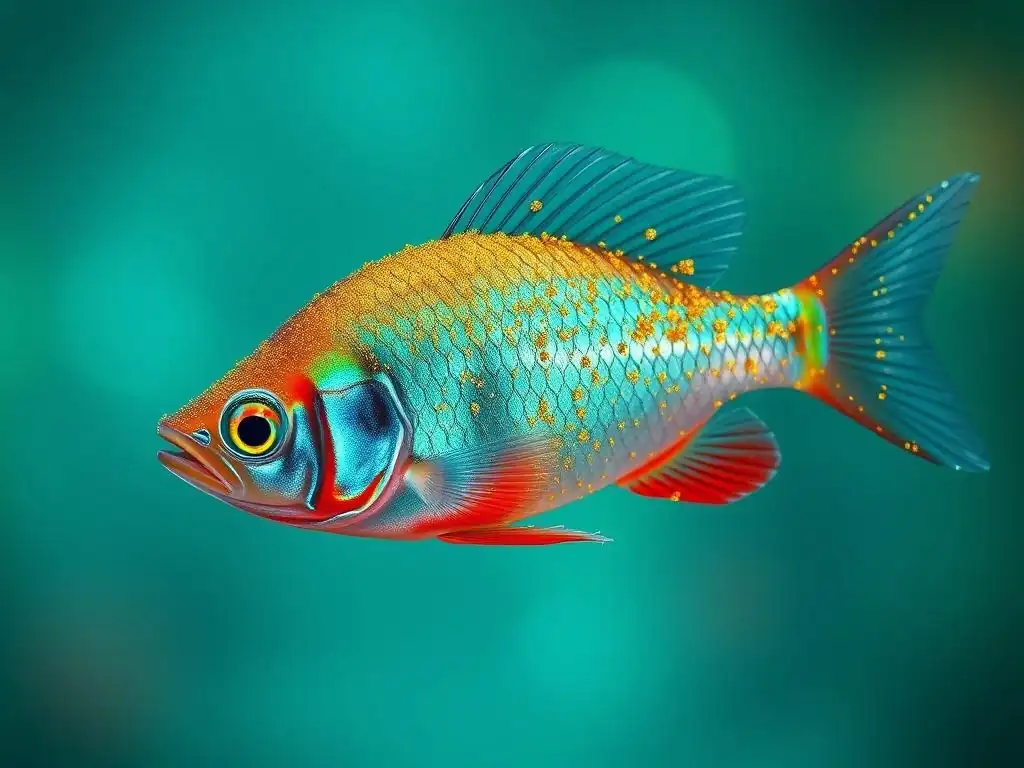
Velvet disease, caused by Oodinium parasites (dinoflagellates), is another highly contagious and potentially fatal freshwater fish disease. Its symptoms are often subtle and can be easily missed: a fine, dusty, yellowish or brownish coating on the fish's skin, which may resemble gold dust. This "dust" is often best observed by shining a flashlight directly onto the fish in a darkened room. Fish with velvet may also exhibit rapid gill movements, flashing, clamped fins, and general lethargy.
Due to the microscopic size of the parasites, diagnosis requires close visual inspection, sometimes aided by a strong light. Treatment for velvet involves turning off aquarium lights for several days (as the parasite is photosynthetic), slowly raising the water temperature if appropriate for the species, and using copper-based medications or acriflavine. A typical treatment course lasts 5-7 days, with careful monitoring of copper levels if using copper-based treatments, as it can be toxic in high concentrations.
Fungus Infections: Identifying and Treating Fungal Growth on Fish
Fungal infections in freshwater fish are commonly caused by species like Saprolegnia or Achlya. These infections typically manifest as distinctive white, cotton-like growths on the fish's body, fins, or mouth. The fuzzy patches can spread rapidly and may appear slimy. Fungal infections are often secondary, meaning they take advantage of fish that are already weakened by stress, poor water quality, injury, or other primary diseases.
Identification of fungal infections is generally visual due to their characteristic appearance. Treatment involves addressing the underlying stressors, such as improving water quality through significant water changes, and then applying appropriate antifungal medications. Aquarium salt (1 teaspoon per gallon for short dips, or 1 tablespoon per 5 gallons in the tank) can be helpful, as can medications containing methylene blue or phenoxyethanol. Recovery can take several days to a week, depending on the severity and the fish's overall health.
Columnaris: Symptoms, Diagnosis, and Treatment Options
Columnaris, caused by the bacterium Flavobacterium columnare, is a highly aggressive freshwater fish disease often mistaken for a fungal infection. Its symptoms vary but commonly include white or gray patches that can appear on the mouth (often called "mouth rot"), fins (resembling severe fin rot), or body, sometimes forming saddleback lesions behind the dorsal fin. Fish may also exhibit rapid breathing, lethargy, and cotton-like growths that are often more structured and yellowish-white than true fungal growths. This bacterium thrives in warmer water and can lead to rapid death, sometimes within 24-48 hours.
Accurate freshwater fish disease diagnosis is crucial to differentiate Columnaris from fungus, as treatments differ significantly. While macroscopic observation provides clues, microscopic examination of a skin scrape can definitively identify the rod-shaped bacteria. Treatment requires immediate and aggressive action with strong antibiotics such as Kanamycin or Furan-2, often combined with salt baths. Maintaining water temperatures below 75°F (24°C) can help slow the progression of the disease, as the bacteria's activity is reduced in cooler conditions.
Diagnosing Less Common Freshwater Fish Diseases
Fish Tuberculosis (Mycobacteriosis): Identifying and Managing a Chronic Condition
Fish Tuberculosis, or Mycobacteriosis, is a chronic and progressive freshwater fish disease caused by various Mycobacterium species. Its symptoms are highly varied and often non-specific, making freshwater fish disease diagnosis challenging. Affected fish may exhibit chronic emaciation, spinal deformities (e.g., bent spines), lethargy, skin lesions, loss of scales, dropsy-like swelling, or even sudden, unexplained death. The disease typically progresses slowly over weeks or months.
This condition is often triggered by prolonged periods of poor water quality, chronic stress, or compromised immune systems. It is also zoonotic, meaning it can be transmitted to humans, typically causing skin lesions if open wounds come into contact with infected water or fish. There is currently no reliable cure for affected fish, and humane euthanasia is often recommended to prevent further spread within the aquarium. Prevention relies heavily on meticulous husbandry and strict quarantine protocols for all new fish.
Hexamita: Diagnosis and Treatment in Cichlids and Other Species
Hexamita is an internal parasitic infection, most commonly associated with "Hole-in-the-Head" disease, particularly in cichlids like Discus and Oscars. The infection is caused by flagellates, primarily Hexamita or Spironucleus species. Key symptoms include white, stringy feces, loss of appetite, lethargy, darkening of coloration, and in advanced stages, pitting lesions or erosions on the head and lateral line. These lesions are thought to be secondary bacterial infections stemming from the compromised immune system due to the internal parasites.
Freshwater fish disease diagnosis often involves observing the characteristic stringy white feces, which indicate internal inflammation and parasite presence. Definitive diagnosis can be achieved through microscopic examination of a fresh fecal smear to identify the flagellates. Treatment typically involves metronidazole, administered either through medicated food (which is more effective for internal parasites) or as a water additive. A common dosage for metronidazole is 250 mg per 10 gallons daily for 3-5 days.
Lymphocystis is a viral infection that causes the formation of distinct, cauliflower-like growths on the fins, skin, or mouth of freshwater fish. These growths are typically white, gray, or pinkish and consist of enlarged cells. While visually alarming, Lymphocystis is generally considered a benign condition and is not typically fatal unless the growths become so extensive that they impede the fish's ability to swim, eat, or breathe. It primarily affects stressed fish or those with compromised immune systems.
There is currently no specific antiviral treatment for Lymphocystis. The most effective management strategy involves improving the fish's overall health and environment. This includes ensuring excellent water quality, reducing all forms of stress, and providing a highly nutritious diet to boost the fish's immune system. The growths usually recede on their own over several weeks or months as the fish's immune system combats the virus. Surgical removal of growths is generally not recommended due to the potential for stress and secondary bacterial infections.
Gill Flukes: Identifying and Treating Parasitic Gill Infestations
Gill flukes are external parasitic flatworms (monogeneans) that attach themselves to the gills of freshwater fish. These parasites can cause significant respiratory distress and are a serious threat if left untreated. Symptoms include rapid gill movements (gasping at the surface or near filters), rubbing the gill covers on objects, lethargy, loss of appetite, pale or inflamed gills, and sometimes an excess of mucous production around the gills. Severe infestations can lead to suffocation and death.
Freshwater fish disease diagnosis for gill flukes often requires microscopic examination of a gill biopsy or a gill swab, as the flukes themselves are tiny and difficult to see with the naked eye. Treatment usually involves medications effective against flatworms, such as praziquantel (commonly found in products like PraziPro). Formalin dips or potassium permanganate can also be used in severe cases, but require careful dosing. A typical treatment regimen might involve 2-3 doses of medication over a week to target the various life stages of the parasite.
Advanced Techniques for Freshwater Fish Disease Diagnosis
Microscopic Examination: Identifying Parasites and Pathogens
Microscopic examination is an indispensable tool for definitive freshwater fish disease diagnosis, especially when dealing with internal parasites or subtle external pathogens that are invisible to the naked eye. This technique involves carefully taking samples such as skin scrapes, fin clips, or gill biopsies from affected fish and examining them under a compound microscope, typically at 100x to 400x magnification. This allows for the direct observation and identification of specific pathogens, including Ich tomites, Oodinium dinospores, various types of flukes, or bacterial aggregations.
Performing microscopic examinations requires basic microscopy skills and familiarity with the morphology of common fish pathogens. A simple setup including a quality compound microscope, glass slides, cover slips, and a small, blunt instrument for gentle tissue sampling is often sufficient for hobbyists. This advanced diagnostic method is crucial for differentiating between bacterial, fungal, and parasitic infections, which can present with similar macroscopic symptoms but require vastly different and specific treatments for effective resolution.
Water Quality Testing: Identifying Stressors Contributing to Disease
Comprehensive water quality testing is a fundamental component of freshwater fish disease diagnosis, as poor environmental conditions are a leading cause of stress and weakened immunity in fish. Regular and accurate testing for critical parameters such as ammonia (which should always be 0 ppm), nitrite (also 0 ppm), nitrate (ideally below 20 ppm), pH (stable and species-appropriate), and temperature is essential. High levels of ammonia and nitrite are acutely toxic, while consistently elevated nitrates indicate insufficient maintenance and can cause chronic stress.
For instance, a sudden pH swing of more than 0.5 units within 24 hours can cause severe osmotic stress to fish, making them highly susceptible to secondary infections. Utilizing reliable liquid reagent test kits, which are generally more accurate than test strips, allows for precise monitoring. Documenting these parameters over time helps identify trends and pinpoint underlying environmental stressors that contribute to recurring illnesses, thereby guiding corrective actions to prevent future outbreaks.
Quarantine Protocols: Preventing Disease Spread in Your Aquarium
Implementing strict quarantine protocols is one of the most effective advanced techniques for preventing the introduction and spread of freshwater fish disease in an established aquarium. A dedicated quarantine tank (QT) should be used for all new fish, even those appearing healthy, for a minimum period of 2 to 4 weeks. This isolation period allows sufficient time for any latent diseases to manifest, providing an opportunity for diagnosis and treatment without risking the health of your main display tank inhabitants.
During the quarantine period, new fish should be observed meticulously for any signs of illness, and proactive treatments (e.g., for common parasites or bacteria) can be administered if desired. Maintaining optimal water parameters in the QT is also crucial. A 10-gallon tank equipped with a heater, filter, and hiding spots is often sufficient for most new arrivals. This simple preventative measure can dramatically reduce the risk of devastating disease outbreaks, potentially saving an entire established community that could be worth hundreds or thousands of dollars.
Treatment Strategies for Freshwater Fish Diseases
Medication Options: Choosing the Right Treatment for Specific Diseases
Selecting the correct medication is a critical step in effective freshwater fish disease diagnosis and treatment. For parasitic infections like Ich, medications containing malachite green or formalin are commonly used. Bacterial infections, such as fin rot or Columnaris, often require broad-spectrum antibiotics like Kanamycin, Furan-2, or Erythromycin. Internal parasitic infections, like Hexamita, are best treated with metronidazole. It is vital to accurately identify the disease before administering any medication to ensure efficacy and prevent harm.
Always adhere strictly to the dosage instructions provided by the medication manufacturer. Overdosing can be fatal to fish, while underdosing may render the treatment ineffective and contribute to antibiotic resistance. Medications are available in various forms, including liquid, powder, and medicated food. For instance, a typical Kanamycin dosage might be 250 mg per 10 gallons of water every 24-48 hours. Remember to remove activated carbon from filters during treatment, as it will absorb the medication, rendering it useless.
Natural Remedies: Exploring Alternative Treatment Approaches
While not always sufficient for severe cases, certain natural remedies can support fish health and aid in the treatment of mild conditions. Aquarium salt (sodium chloride), at doses of 1-3 tablespoons per 5 gallons, can help reduce stress, improve osmoregulation, and act as a mild antiseptic for external bacterial or parasitic issues. Indian Almond Leaves (catappa leaves) release tannins into the water, which possess mild antibacterial and antifungal properties, and are often used to promote healing and reduce stress, especially in species like Bettas.
It is important to understand that natural remedies generally serve as supportive treatments or preventative measures for mild ailments. They are typically not potent enough to cure advanced or aggressive freshwater fish disease cases. However, when used in conjunction with improved water quality and appropriate medications, they can significantly contribute to the fish's recovery by reducing stress and promoting a healthier environment. For example, adding 2-3 medium-sized Indian Almond Leaves to a 10-gallon tank can offer beneficial tannins.
Improving Water Quality: A Crucial Step in Disease Treatment and Prevention
Poor water quality is a primary stressor and a leading cause of compromised immune systems in freshwater fish, making them highly susceptible to disease. During an active outbreak, performing large, frequent water changes (e.g., 25-50% daily or every other day) is a crucial step in treatment. This dilutes the concentration of pathogens, removes harmful toxins like ammonia and nitrite, and reduces the overall bioload, thereby lessening stress on the fish.
Beyond immediate treatment, maintaining consistently high water quality is the cornerstone of disease prevention. This includes ensuring efficient mechanical, biological, and chemical filtration, avoiding overfeeding, and performing regular maintenance. For instance, reducing nitrate levels from 80 ppm to below 20 ppm through diligent water changes can dramatically reduce chronic stress on fish, allowing their immune systems to function optimally and fight off potential infections more effectively.
Adjusting Aquarium Parameters: Temperature and pH
Careful adjustment of aquarium parameters like temperature and pH can play a significant role in freshwater fish disease diagnosis and treatment. For parasitic infections like Ich, slowly raising the water temperature (e.g., to 82-84°F or 28-29°C) can accelerate the parasite's life cycle, forcing it into a vulnerable free-swimming stage more quickly, thus making medications more effective. However, temperature adjustments must be gradual (no more than 1-2°F per hour) and suitable for all tank inhabitants.
Maintaining a stable and species-appropriate pH level is equally vital. Fluctuations in pH cause severe stress to fish, weakening their immune systems and making them more prone to illness. Some medications also have optimal effectiveness within a specific pH range. For example, a sudden pH drop from 7.0 to 6.0 can cause severe osmotic shock in fish adapted to neutral water, leading to gill damage and a compromised ability to fight off pathogens.
Preventing Freshwater Fish Diseases: Proactive Aquarium Management
Maintaining Optimal Water Quality: The Foundation of Fish Health
Consistent and optimal water quality is the absolute cornerstone of preventing freshwater fish disease. A healthy aquarium environment begins with maintaining zero levels of ammonia and nitrite, and keeping nitrates below 20 ppm through regular water changes (e.g., 25% weekly for a moderately stocked tank). Proper filtration – mechanical for debris, biological for converting toxins, and chemical for removing impurities – is essential. Furthermore, avoiding overstocking ensures that the biological filter can adequately handle the bioload, preventing toxin buildup.
Regularly testing your water parameters with a reliable liquid test kit allows for proactive identification of any issues before they become problematic. For example, in a 55-gallon community tank, a weekly 25% water change is typically sufficient to keep nitrates below 20 ppm, given a moderate number of fish. This diligent approach significantly reduces the environmental stressors that can weaken fish immunity, thereby drastically lowering the likelihood of needing a freshwater fish disease diagnosis.
Proper Nutrition: Feeding Your Fish a Balanced Diet
A varied and high-quality diet is crucial for building and maintaining a robust immune system in your freshwater fish, making them more resilient to disease. Relying solely on one type of food can lead to nutritional deficiencies over time. Instead, offer a diverse mix of flakes, pellets, frozen foods (such as bloodworms or brine shrimp), and appropriate live foods. Overfeeding should be avoided, as it pollutes the water; feed only what your fish can consume completely within 2-3 minutes, 1-2 times daily.
For instance, a Betta fed exclusively on low-quality flakes may develop vitamin deficiencies, making it more susceptible to bacterial infections. Supplementing with frozen daphnia or high-protein pellets ensures a broader spectrum of essential nutrients. A well-nourished fish possesses a stronger innate ability to resist and recover from pathogens that might otherwise cause severe illness, reducing the need for aggressive freshwater fish disease diagnosis and treatment.
Quarantine New Arrivals: Preventing the Introduction of Pathogens
Quarantining all new fish before introducing them to your main display tank is perhaps the single most effective preventative measure against widespread disease outbreaks. A dedicated quarantine tank allows new fish to be isolated for at least 2-4 weeks. During this period, any latent diseases they might carry can manifest and be treated without exposing your established, healthy fish to potential pathogens.
This crucial step gives you time to observe the new arrivals for any signs of illness, perform preventative treatments (e.g., for common parasites) if desired, and ensure they are eating well and adapting. A 10-gallon tank with a heater, filter, and some hiding spots is often sufficient for this purpose. By consistently employing this practice, you can prevent over 80% of disease introductions into your main aquarium, saving countless fish and significant frustration.
Regular Observation: Monitoring Your Fish for Early Signs of Disease
Daily, consistent observation of your freshwater fish is the simplest yet most powerful tool in early freshwater fish disease diagnosis and prevention. Taking a few minutes each day to watch your fish's behavior and appearance allows you to spot subtle changes that might indicate the onset of illness. Look for deviations from their normal swimming patterns, breathing rate, feeding habits, and interactions with tank mates.
Pay close attention to any physical changes, no matter how small – a single white spot, slightly clamped fins, or a faint discoloration can be the first sign of a problem. Early detection dramatically increases the success rate of treatment. For example, noticing just one or two white spots on a Tetra's fin can prompt immediate Ich treatment, preventing the entire 75-gallon community tank from becoming heavily infested and requiring more aggressive intervention.
Minimizing Stress: Reducing Stressors That Weaken Immunity
Stress is a major contributor to weakened immune systems in freshwater fish, making them highly vulnerable to disease. Common stressors include poor water quality, overcrowding (e.g., exceeding the general guideline of 1 inch of fish per gallon for smaller species), incompatible tank mates that cause harassment, sudden fluctuations in temperature or pH, and a lack of adequate hiding spots.
To minimize stress, ensure your aquarium is appropriately sized for its inhabitants, provide stable water parameters, research compatible species before adding them, and offer plenty of decor and plants for security and territory definition. For instance, a stressed Gourami constantly harassed by a dominant Cichlid will likely have a compromised immune system, making it more susceptible to opportunistic bacterial infections. Creating a calm, stable, and species-appropriate environment significantly strengthens fish's natural defenses.
Case Studies: Real-World Examples of Freshwater Fish Disease Diagnosis and Treatment
Case Study 1: Identifying and Treating Ich in a Community Tank
A hobbyist noticed tiny, salt-grain-sized white spots appearing on a few of their Neon Tetras in a 40-gallon community tank, which also housed Mollies and Corydoras. The Tetras were also observed flashing against decor and exhibiting slightly increased respiration. Water parameters were checked and found to be stable (Ammonia 0, Nitrite 0, Nitrate 15 ppm, pH 7.2). This classic presentation, combined with the recent introduction of a new fish (which had not been quarantined), strongly indicated an Ich infestation.
Treatment was initiated promptly. The owner slowly raised the tank temperature from 76°F to 82°F (24.4°C to 28°C) over 24 hours, removed the activated carbon from the filter, and began dosing with a malachite green and formalin combination medication according to the manufacturer's instructions. Daily 25% water changes were performed before each redose. After 7 days, all visible Ich spots were gone, and the fish's behavior returned to normal. The tank was monitored for an additional week to ensure the parasite's life cycle was completely broken, preventing recurrence.
Case Study 2: Managing Fin Rot in a Betta Aquarium
The owner of a 5-gallon Betta tank observed that their Betta's fins were severely clamped and appeared ragged and frayed, with some opaque discoloration along the edges. The Betta was also less active than usual. Upon questioning, the owner admitted to infrequent water changes (once every three weeks). A quick water test revealed elevated nitrates (40 ppm) and a slight ammonia presence (0.25 ppm). This pointed to bacterial fin rot, primarily caused by poor water quality.
Immediate action involved a 50% water change to reduce toxins. The owner then committed to daily 25% water changes, added 1 teaspoon of aquarium salt per gallon to the tank to aid osmoregulation and act as a mild antiseptic, and began treating with a broad-spectrum antibiotic (Furan-2) for 5 days. Within a week, the fin edges showed clear signs of healing and regrowth, and the Betta's activity level improved significantly. Full fin regeneration took approximately 3 weeks, reinforcing the importance of consistent water quality.
Case Study 3: Diagnosing and Treating Dropsy in a Goldfish
A Comet Goldfish in a 20-gallon tank developed a severely bloated body, with its scales protruding outwards, giving it a distinct "pinecone" appearance. The fish was lethargic, sitting at the bottom of the tank, and had stopped eating. This classic "pinecone" symptom confirmed dropsy, indicating severe internal organ failure, most likely due to an underlying bacterial infection or chronic stress from previous suboptimal conditions.
Given the advanced stage, the goldfish was immediately moved to a hospital tank. The owner administered Epsom salt baths (1 tablespoon per 5 gallons for 30 minutes daily) to help reduce swelling. Since the fish was still willing to eat small amounts, Kanamycin-medicated food was also offered. Despite these efforts, the goldfish's condition continued to deteriorate over 3 days, and humane euthanasia was performed. This case highlights that while early freshwater fish disease diagnosis is crucial, advanced dropsy often has a poor prognosis due to the irreversible organ damage already present.
Resources for Further Learning About Freshwater Fish Disease Identification
Online Forums and Communities: Connecting with Experienced Aquarists
Online forums and social media groups dedicated to aquarists serve as invaluable resources for peer support and advice on freshwater fish disease diagnosis. Platforms such as "Fishlore.com" or subreddits like "r/Aquariums" boast large, active communities where members share their experiences, post photos of ailing fish, and offer practical treatment suggestions. These communities often contain a wealth of archived information covering a vast array of common and uncommon fish ailments.
While not a substitute for professional veterinary consultation, these online platforms can provide rapid initial guidance and help identify common issues based on collective experience. Many seasoned hobbyists have encountered a wide range of diseases and can offer insights and practical tips based on their real-world success rates. These communities foster a collaborative environment where aquarists can learn from each other's challenges and triumphs.
Books and Articles: Expanding Your Knowledge of Fish Health
For those seeking a more in-depth and structured understanding of freshwater fish disease diagnosis and treatment, comprehensive books and scientific articles are indispensable resources. Titles such as "The Manual of Fish Health" by Chris Andrews, or "Handbook of Fish Diseases" by Dieter Untergasser, offer detailed information on fish pathology, specific treatment protocols, and even guidance on microscopic examination techniques. These texts often include extensive photographs and diagrams to aid in identification.
Beyond physical books, reputable websites like Aquarium Mastery, along with university extension sites focused on aquaculture, frequently publish peer-reviewed articles and detailed guides. These resources provide a scientifically accurate and thoroughly researched understanding of fish anatomy, physiology, and specific pathogens, enabling aquarists to develop a more informed and effective approach to disease management and prevention.
Veterinary Professionals: Seeking Expert Advice for Complex Cases
For complex, persistent, or undiagnosed freshwater fish disease cases, consulting an aquatic veterinarian is the most reliable and definitive option. These specialized professionals possess advanced training in fish pathology, physiology, and pharmacology. They can perform advanced diagnostic tests, such as necropsies, bacterial cultures, parasite identification via microscopy, and even PCR tests, to pinpoint the exact cause of an illness.
While the cost associated with veterinary care for fish can be higher than over-the-counter remedies, a vet can provide a definitive freshwater fish disease diagnosis and tailor a precise treatment plan, including prescribing medications not available to the general public. This expert advice is particularly valuable for high-value fish, severe outbreaks affecting large collections, or when previous treatments have failed, ensuring the safest and most effective course of action.
Frequently Asked Questions
What are some of the most common freshwater fish diseases that aquarists should be aware of?
Many diseases plague freshwater aquariums. Some of the most prevalent include Ich (white spot disease), fin rot, and fungal infections. Early disease diagnosis is crucial for successful treatment.
How can I improve my chances of early freshwater fish disease diagnosis in my aquarium?
Regular observation is key! Watch for changes in behavior, appetite, or physical appearance. A well-maintained aquarium with stable water parameters also minimizes stress and disease susceptibility.
What water parameters are critical for preventing freshwater fish diseases?
Maintaining proper water chemistry is essential. This includes stable pH, ammonia levels at zero, appropriate nitrite and nitrate levels, and a consistent water temperature suitable for your fish species.
If I suspect my fish has a disease, what are the first steps I should take to confirm and treat it?
Quarantine the affected fish immediately to prevent spreading the disease. Then, research the specific symptoms and consult reliable resources like AquariumMastery.com for guidance on diagnosis and treatment.
Where can I find detailed information on specific freshwater fish diseases, including symptoms, causes, and treatment options?
AquariumMastery.com offers comprehensive articles on freshwater fish disease identification and management. We provide detailed profiles of common and cryptic conditions along with recommended treatment protocols.
Okay, here's a final reflection designed to close your article "Freshwater Fish Disease ID: From Common Culprits to Cryptic Conditions," optimized for the keyword "Freshwater fish disease diagnosis," and adhering to the structure you provided.
Final Reflection: Unveiling the Underwater Ills
The journey through the world of freshwater fish disease diagnosis, as we've explored, underscores a critical reality: the health of our aquatic ecosystems is inextricably linked to our own well-being. The ability to accurately identify and address these ailments is not merely an academic exercise; it's a vital step in preserving biodiversity, ensuring food security, and safeguarding the recreational enjoyment of our waterways. The challenges are significant, but the potential rewards are immeasurable.
This exploration has highlighted how the complexities of freshwater fish diseases influence the broader ecological landscape. Understanding these nuances is paramount, not just for aquaculturists and hobbyists, but for anyone who cares about the health of our planet. The cure for anything is salt water: sweat, tears, or the sea.
- Isak Dinesen. This quote, while not directly about fish, reminds us of the interconnectedness of all life and the vital role water plays in its sustenance and healing, emphasizing the urgency of protecting our freshwater resources.
Now, armed with this knowledge, I invite you to reflect on your own role in this ongoing narrative. Whether you're a seasoned aquarist, a budding scientist, or simply a curious observer, consider how you can contribute to the advancement of freshwater fish disease diagnosis. By embracing responsible practices, supporting research initiatives, and sharing your knowledge with others, you can become a steward of these delicate ecosystems and help ensure a healthier future for all.
Diagnose & Defend: Save Your Fish Now!
Thank you for exploring the world of freshwater fish diseases with us! We hope this guide has equipped you with the knowledge to recognize and address common and less obvious ailments in your aquatic friends. Now, let's put that knowledge to work:
- Immediately assess your aquarium's water parameters. Use a reliable test kit to check ammonia, nitrite, nitrate, and pH levels. This crucial step can often reveal the root cause of many fish diseases.
- Start a "Disease Diary": Document any unusual fish behaviors or physical symptoms. Include photos or videos if possible. This detailed record will be invaluable when seeking further assistance or tracking treatment progress.
- Share your newfound knowledge! Discuss potential fish diseases and preventative measures with fellow aquarists in online forums or local aquarium clubs.
What's the first sign of illness you'll be looking for in your aquarium tonight?