
Advanced Lighting Schedules for Simulating Tetra Breeding Cycles via Aquarium Mastery

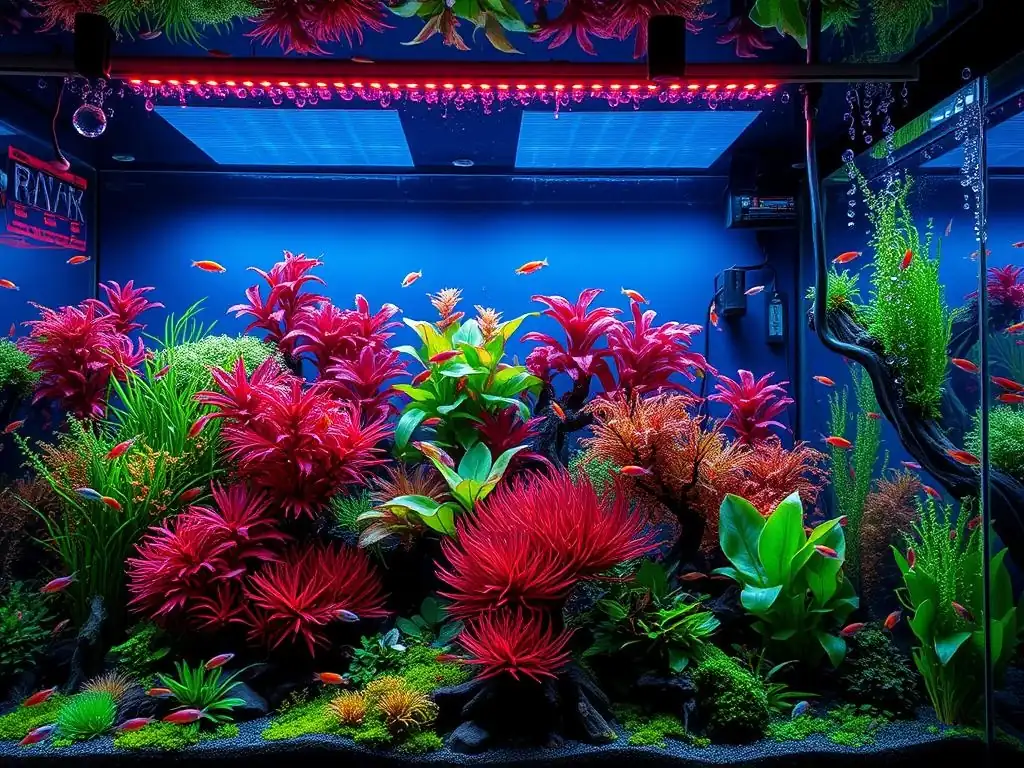
Welcome to Aquarium Mastery!
Ever wondered how to truly unlock the breeding potential of your Tetras? We've got the details you need. Dive into the secrets of simulating tetra breeding lighting and discover how to create the perfect environment for successful spawning. Ready to take your freshwater aquarium skills to the next level and witness the magic of tetra reproduction? Let's get started!
- Advanced Lighting Schedules for Simulating Tetra Breeding Cycles
- Understanding Tetra Breeding Triggers and the Role of Light
- Designing an Effective Lighting Schedule for Tetra Breeding
- Advanced Lighting Techniques to Encourage Tetra Spawning
- Monitoring and Adjusting Your Lighting Schedule
- Case Studies: Successful Tetra Breeding Using Optimized Lighting Schedules
- Maintaining a Consistent Lighting Schedule
-
Frequently Asked Questions
- What is the primary goal of simulating tetra breeding lighting?
- Why is simulating tetra breeding lighting important for aquarium keepers?
- What are the key components of an advanced lighting schedule for tetra breeding?
- How does water chemistry relate to successful tetra breeding via simulating tetra breeding lighting?
- What are some common troubleshooting tips for simulating tetra breeding lighting?
- Final Reflection: Illuminating the Path to Tetra Procreation
- Ignite Tetra Breeding Success!
Advanced Lighting Schedules for Simulating Tetra Breeding Cycles
Understanding Tetra Breeding Triggers and the Role of Light
The Importance of Photoperiod for Tetra Reproduction
Photoperiod, the duration of light and dark exposure over a 24-hour cycle, is a fundamental environmental cue that profoundly influences the reproductive cycles of many fish species, including the diverse group of tetras. In their natural habitats, seasonal changes in day length signal favorable conditions for breeding, such as increased food availability or optimal water parameters. For aquarists aiming to master simulating tetra breeding lighting, understanding and manipulating this critical factor is paramount. A stable and consistent photoperiod is also vital for general fish health, reducing stress and supporting robust immune systems, which are prerequisites for successful reproduction.
By carefully adjusting the photoperiod, aquarists can mimic the environmental shifts that trigger spawning in wild tetras. For instance, a gradual increase in light duration can simulate the onset of a rainy season, a period often associated with abundant resources and ideal water chemistry in the Amazon basin, home to many popular tetra species like the Neon Tetra (Paracheirodon innesi) and Cardinal Tetra (Paracheirodon axelrodi).
While a typical baseline photoperiod for a community tank might be 10-12 hours of light, specific breeding protocols might involve short periods of reduced light (e.g., 8-10 hours) followed by a rapid increase to a longer duration (e.g., 14-16 hours) to induce spawning, as practiced by experienced breeders for species like the Lemon Tetra.
Light Spectrum and its Impact on Tetra Spawning
Beyond the duration of light, the quality or spectrum of light plays a significant role in influencing fish physiology and reproductive readiness. Different wavelengths of light penetrate water at varying depths and are perceived distinctly by fish, affecting their hormonal responses. While a full-spectrum light that closely mimics natural sunlight is generally beneficial for overall health and plant growth, specific spectral components, particularly blue and red light, are thought to have direct impacts on simulating tetra breeding lighting and spawning success.
Research and anecdotal evidence suggest that blue light, typically in the 450-480 nanometer range, can stimulate the pituitary gland in fish, leading to the release of hormones crucial for gonad development and spawning. For this reason, many advanced aquarium lighting systems offer adjustable blue channels.
Red light (around 620-700 nm), while often associated with photosynthetic processes in plants, also contributes to a natural light environment and can indirectly support breeding efforts. When designing a tetra breeding lighting schedule, utilizing a full-spectrum LED fixture with granular control over individual color channels allows for precise manipulation, potentially enhancing the effectiveness of your aquarium lighting for tetra spawning efforts.
Natural Tetra Habitats and Light Conditions
To effectively implement simulating tetra breeding lighting, it's crucial to understand the natural light conditions of their native habitats. Many popular tetra species originate from the blackwater rivers and clearwater tributaries of the Amazon and Orinoco basins. These environments are often characterized by dense overhead canopy cover and/or tannin-stained water, which filters sunlight, resulting in relatively dim and diffused light conditions compared to open-water environments.
Replicating these subdued light conditions is key to reducing stress and encouraging natural behavior, including breeding, for many tetra species. The light intensity in their natural environment might be significantly lower than that found in a brightly lit display tank, often ranging from 10-20 PAR (Photosynthetically Active Radiation) at the substrate level, even lower in some shaded areas.
When simulating tetra breeding lighting, aquarists often aim for lower overall intensities, especially during the conditioning or "off-cycle" phases, and ensure that any brighter periods for spawning are carefully managed to avoid overwhelming these light-sensitive fish. Providing periods of darkness or very dim light, mimicking the deep shade or nighttime in their native rivers, is just as important as the illuminated periods.
Designing an Effective Lighting Schedule for Tetra Breeding
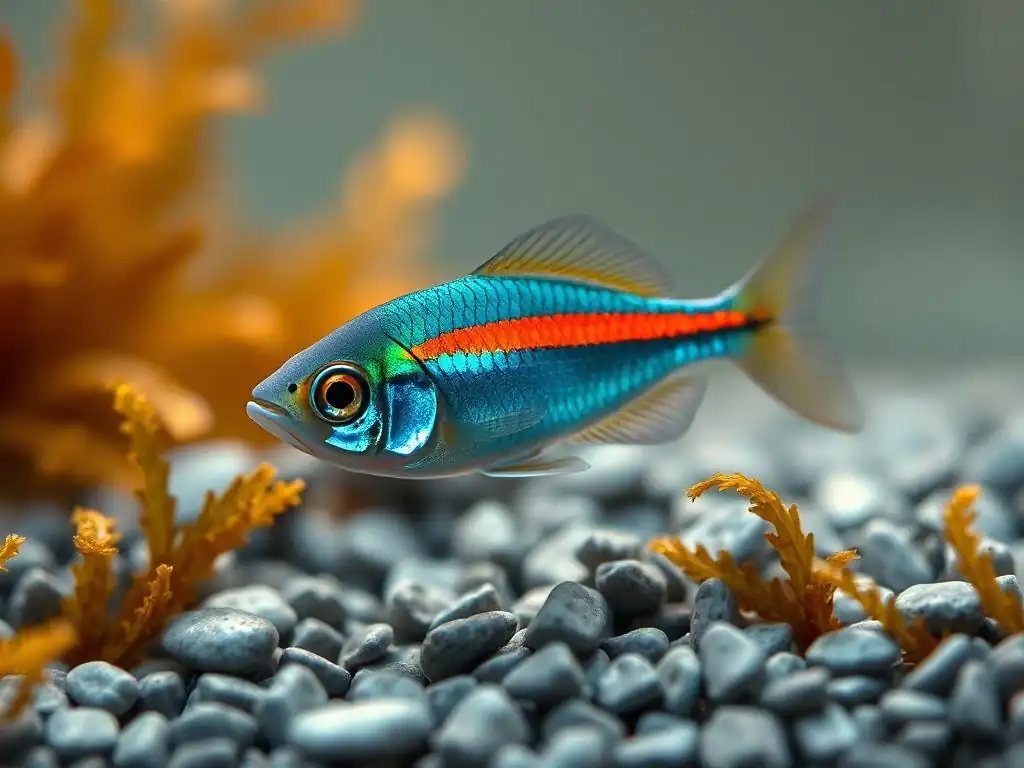
Step 1: Researching Specific Tetra Species' Lighting Needs
The term "tetra" encompasses a vast array of species, each with unique environmental preferences and breeding triggers. Therefore, a generic simulating tetra breeding lighting schedule is unlikely to yield consistent results across all types. Thorough, species-specific research is the foundational step for success.
While many smaller tetras from the Amazon basin share broad similarities, subtle differences in preferred light intensity, photoperiod, and even spectral preferences can significantly impact their willingness to spawn. For example, the breeding requirements for a Glowlight Tetra (Hemigrammus erythrozonus) might differ from those of a Congo Tetra (Phenacogrammus interruptus), which originates from African rivers and typically tolerates brighter conditions.
Your research should focus on the specific native habitat of your chosen tetra species, paying close attention to typical water parameters (temperature, pH, hardness), seasonal variations in rainfall (which affect water chemistry and depth), and crucially, the natural light cycles. Some tetras, like the popular Neon Tetra, prefer dimmer, tannin-stained water, suggesting a need for lower light intensities during breeding attempts, perhaps peaking at 20-30 PAR.
Others might be more tolerant of brighter conditions or respond better to specific changes in light duration. Consulting reputable breeding logs, scientific papers, and experienced aquarist forums can provide invaluable insights into the specific light cycles for tetra breeding that have proven effective for your target species.
Step 2: Selecting the Right Aquarium Lighting System
The effectiveness of simulating tetra breeding lighting hinges on the capabilities of your chosen lighting system. Modern LED fixtures are generally the preferred choice for advanced breeding setups due to their superior control, energy efficiency, and longer lifespan compared to older fluorescent or incandescent technologies. LEDs allow for precise adjustments in intensity, spectrum (color), and duration, making them ideal for mimicking complex natural light patterns.
When selecting a system, look for LED fixtures that offer full-spectrum output, with individually controllable red, green, and blue (RGB) channels. This allows you to fine-tune the light quality to match the needs of your specific tetra species and even emphasize certain wavelengths during critical breeding phases. Crucially, the system must be fully dimmable and ideally come with an integrated or external programmable controller.
These controllers enable the creation of custom tetra breeding lighting schedules that include gradual sunrise and sunset simulations, ensuring smooth transitions that reduce stress on the fish. Many high-quality LED systems, such as those from Chihiros, Twinstar, or Fluval Plant 3.0 series, offer these advanced features, providing the flexibility needed for sophisticated light manipulation.
Step 3: Implementing Sunrise and Sunset Simulation
Abrupt changes in light, such as a sudden switch from complete darkness to full illumination or vice versa, can be highly stressful for fish. In their natural environment, light levels change gradually over hours during dawn and dusk. Implementing sunrise and sunset simulations in your simulating tetra breeding lighting schedule is therefore crucial for mitigating stress, promoting natural behavior, and ultimately, increasing the likelihood of successful spawning. These gradual transitions allow tetras to acclimate slowly to changing light conditions, mirroring their natural circadian rhythms.
Modern programmable LED lighting systems are designed to facilitate these gradual changes. Typically, a sunrise simulation will involve a slow ramp-up of light intensity, starting from zero and gradually increasing to the desired peak intensity over a period of 30 to 60 minutes.
Similarly, a sunset simulation will reverse this process, slowly dimming the lights over an equivalent duration until complete darkness is reached. For example, a 12-hour photoperiod might start with a 45-minute sunrise from 6:00 AM to 6:45 AM, maintain peak intensity until 6:15 PM, and then undergo a 45-minute sunset until 7:00 PM, providing a naturalistic and stress-free environment for your tetras.
Using Dimmers and Controllers
Dimmers and controllers are the backbone of any advanced simulating tetra breeding lighting setup. These sophisticated devices allow aquarists to precisely manage the intensity of their aquarium lights throughout the day, moving far beyond simple on/off timers. They are essential for creating the nuanced, dynamic light profiles that effectively mimic natural conditions and trigger specific physiological responses in tetras, including those related to reproduction.
Many contemporary LED fixtures come with integrated smart controllers, often accessible via smartphone apps (Bluetooth or Wi-Fi connectivity). These apps typically offer intuitive interfaces where users can program multiple intensity points across the daily cycle.
For example, you can set a very low blue light for a "moonlight" period, followed by a gradual increase in warm white and red for dawn, a full-spectrum peak during the day, and then a reverse sequence for dusk. This level of control allows for highly customized aquarium lighting for tetra spawning, enabling aquarists to experiment with different patterns and find the optimal schedule for their specific tetra species.
Step 4: Adjusting Light Intensity and Duration
The adjustment of light intensity and duration is a dynamic process when simulating tetra breeding lighting. These parameters are not static but should be fine-tuned based on the specific tetra species, their current conditioning stage, and observed behavior. Overly bright light can be a significant stressor for many tetras, especially those from naturally dim, blackwater environments, potentially inhibiting spawning. Conversely, insufficient light might not provide the necessary environmental cues to trigger reproductive activity.
For the conditioning phase, a stable photoperiod of around 12-14 hours at a moderate intensity (e.g., 20-25 PAR) often prepares the fish for breeding. To trigger spawning, more specific adjustments are often made. Some breeders might briefly reduce the photoperiod to 8-10 hours for a few days, followed by an abrupt increase to 14-16 hours, coupled with a slight intensity boost.
Others might maintain a consistent photoperiod but slightly increase the intensity during the expected spawning window. The goal is to carefully mimic the natural environmental shifts that signal optimal breeding conditions, making these tetra breeding lighting schedules a crucial part of the overall strategy.
Simulating Seasonal Changes
Mimicking seasonal changes, particularly the onset of the rainy season, is one of the most powerful techniques for simulating tetra breeding lighting and inducing spawning in many tetra species. In their natural habitats, increased rainfall often brings changes in water parameters (e.g., softer, more acidic water) and an abundance of food, signaling a prime breeding window. Light changes are an integral part of this broader environmental shift, acting as a key cue.
Implementing this involves a gradual alteration of both the photoperiod and potentially light intensity over several weeks. For example, an aquarist might begin with a "dry season" simulation, maintaining a shorter photoperiod of 10 hours of light for 2-3 weeks. During this period, conditioning foods are fed.
Following this, the photoperiod is gradually increased over the next week or two, reaching 12-14 hours of light, mimicking the "wet season." This progressive increase in day length, often combined with large, cool water changes to simulate rainfall and adjust water parameters, can significantly enhance breeding success for species like the Serpae Tetra (Hyphessobrycon eques) and other characins.
Advanced Lighting Techniques to Encourage Tetra Spawning
Utilizing Moonlight Simulation
Moonlight simulation, while not a direct spawning trigger itself, can be a valuable component in a comprehensive simulating tetra breeding lighting strategy. By providing a very dim, typically blue-tinted light during the night hours, it aims to replicate the subtle illumination of a moonlit night in a natural environment. This gentle light (often less than 5% of peak intensity, usually in the 450-480 nm blue range) can reduce stress by preventing abrupt transitions from light to complete darkness, allowing fish to navigate their environment and potentially influencing their circadian rhythms, which indirectly supports breeding readiness.
To implement moonlight simulation, programmable LED fixtures are ideal. These systems allow for setting an extremely low intensity blue light to turn on after the main lights have fully dimmed. The duration of this moonlight period can vary, but typically it runs for 6-8 hours during the natural nighttime. For sensitive species, this subtle light can prevent "night fright," where fish suddenly dart around in complete darkness, potentially injuring themselves. By fostering a more natural and stress-free environment around the clock, moonlight simulation contributes to the overall well-being of the tetras, making them more receptive to spawning cues.
Implementing Short Day/Long Day Cycles
The implementation of short day/long day cycles is an advanced and highly effective technique for simulating tetra breeding lighting, directly mimicking the seasonal changes that trigger reproduction in many wild fish. The principle involves conditioning the fish under a "short day" photoperiod for a specific duration, followed by an abrupt transition to a "long day" photoperiod. This sudden increase in day length acts as a powerful environmental signal, indicating the onset of favorable breeding conditions, such as increased food availability and warmer temperatures in their natural habitats.
For many characin species, including various tetras, a common approach involves maintaining a short day (e.g., 8-10 hours of light, 14-16 hours of darkness) for a period of 2-3 weeks. During this phase, fish are typically fed high-quality, protein-rich conditioning foods.
Following this conditioning, the photoperiod is dramatically extended to a long day (e.g., 14-16 hours of light, 8-10 hours of darkness). This sharp shift, often combined with a large, cool water change (mimicking rainfall), can induce spawning within a few days for species like the Rosy Tetra (Hyphessobrycon rosaceus) or the Glass Bloodfin Tetra (Prionobrama filigera), demonstrating the potency of precise light cycles for tetra breeding.
Blue Light's Role in Spawning Stimulation
While full-spectrum lighting is essential for overall health, the specific role of blue light (wavelengths predominantly between 450-480 nanometers) in simulating tetra breeding lighting warrants particular attention. Research indicates that blue light penetrates water most effectively and is perceived uniquely by fish, influencing their endocrine systems and circadian rhythms. It is believed to directly stimulate the hypothalamus-pituitary-gonad (HPG) axis, leading to the release of gonadotropin-releasing hormone (GnRH) and subsequent gonadotropins, which are critical for gamete maturation and spawning.
Advanced aquarists sometimes leverage this specific effect by subtly manipulating the blue light component of their LED fixtures during critical breeding phases. For instance, during the "long day" phase of a breeding cycle, the intensity of the blue channel might be slightly increased (e.g., from 50% to 70% of its maximum) or extended for an additional hour at dawn and dusk, while maintaining the overall photoperiod.
This targeted manipulation of the blue spectrum can provide an additional, finely tuned cue for species like the Bleeding Heart Tetra (Hyphessobrycon erythrostigma), potentially enhancing the effectiveness of the aquarium lighting for tetra spawning strategy.
Monitoring and Adjusting Your Lighting Schedule
Observing Tetra Behavior
When simulating tetra breeding lighting, meticulous observation of your tetras' behavior is the ultimate gauge of your success. Fish behavior serves as a direct indicator of their comfort, stress levels, and readiness to spawn. Changes in their schooling patterns, increased interaction between individuals, heightened aggression (especially among males), pairing off, or the initiation of specific courtship rituals are all vital signs that your lighting schedule, in conjunction with other environmental factors, is having the desired effect.
Specific behavioral cues can include males exhibiting more vibrant coloration and engaging in elaborate fin displays to attract females. Females, in turn, may appear noticeably fuller, indicating the development of eggs. For species like Neon Tetras, a characteristic "shimmy" or "dance" by the male often precedes spawning. Conversely, if your fish appear stressed—exhibiting clamped fins, hiding excessively, rapid breathing, or unusual lethargy—it may indicate that the light intensity is too high, the duration is too long, or the transitions are too abrupt. Continuous, attentive observation allows for real-time adjustments to optimize your tetra breeding lighting schedules.
Water Parameter Considerations
While simulating tetra breeding lighting is a pivotal component, it's crucial to understand that it operates within a larger, interconnected aquatic ecosystem. Optimal water parameters—including temperature, pH, and hardness—are equally vital and must be meticulously maintained and often adjusted in conjunction with your lighting schedule. Light alone will not trigger spawning if the water chemistry does not align with the specific requirements of the tetra species you are attempting to breed.
For many tetras, particularly those originating from the Amazon basin, soft (0-5 dH GH), acidic (pH 5.5-6.5) water at a stable temperature (24-27°C or 75-80°F) is essential for successful reproduction. Beyond these core parameters, consistently clean water with minimal nitrates (ideally below 10 ppm) is also critical.
A common and highly effective strategy involves performing a large (e.g., 25-50%) water change with cooler (2-3°C lower than tank temp), very soft, and slightly acidic water after a period of conditioning. This "rainy season" simulation, when combined with the transition to a "long day" light cycle for tetra breeding, often provides the final, powerful trigger for spawning.
Despite careful planning, aquarists may encounter issues when simulating tetra breeding lighting. If your tetras are not spawning as expected, the problem might stem directly from an incorrect light intensity, an inappropriate spectrum, or an ineffective photoperiod. It's essential to approach troubleshooting systematically, reviewing each aspect of your lighting setup and its interaction with other environmental factors.
Here are some troubleshooting steps for your tetra breeding lighting schedules:
- Intensity Check: Is the light too bright or too dim for your specific tetra species? Many tetras prefer subdued lighting. Try reducing or increasing the PAR levels by 5-10 units, observing fish behavior closely.
- Spectrum Review: Is your lighting system providing a full spectrum? Are the blue and red channels adequately represented, or could a slight increase in blue light during key periods provide an additional stimulus?
- Photoperiod Accuracy: Is your timer working correctly? Is the "short day/long day" transition dramatic enough? Ensure the daily photoperiod is consistent and precisely follows your planned schedule.
- Stress Indicators: Are fish showing any signs of stress (e.g., clamped fins, hiding, erratic swimming)? Abrupt light changes or excessive reflections can cause stress. Ensure gradual sunrise/sunset simulations are correctly implemented.
- Equipment Functionality: Verify that your LED fixture or fluorescent bulbs are performing optimally. LEDs can degrade over time, and fluorescents lose spectrum. Check for any flickering or inconsistencies in light output. Sometimes, simply recalibrating your controller or replacing aging bulbs can resolve the issue.
Case Studies: Successful Tetra Breeding Using Optimized Lighting Schedules
Case Study 1: Breeding Neon Tetras with Simulated Seasonal Lighting
A successful breeding attempt for Neon Tetras (Paracheirodon innesi) in a 10-gallon bare-bottom breeding tank with a spawning mop and sponge filter utilized a meticulously planned simulating tetra breeding lighting schedule. The lighting was provided by a programmable LED fixture.
The initial phase, mimicking a "dry season," lasted three weeks, with a photoperiod of 9 hours light (at a moderate intensity of 20 PAR) followed by 15 hours of darkness. During this time, the water temperature was maintained at 24°C, pH at 6.5, and GH at 3 dH, with the fish being conditioned on a diet of live foods like Daphnia and microworms.
The spawning trigger phase, designed to simulate the "rainy season," involved an abrupt increase in the photoperiod to 14 hours of light (at 25 PAR, with a slight increase in the blue spectrum), followed by 10 hours of darkness. Concurrently, a 50% water change was performed with cooler (22°C), softer (pH 6.0, GH 1 dH) RO water.
Within 24-48 hours of this combined environmental shift, a conditioned pair of Neon Tetras was observed spawning over the mop, laying an estimated 100-150 eggs. The fry hatched successfully within 24-36 hours, demonstrating the effectiveness of precise tetra breeding lighting schedules in conjunction with water parameter adjustments.
Case Study 2: Breeding Cardinal Tetras through Photoperiod Manipulation
Breeding Cardinal Tetras (Paracheirodon axelrodi) in a 15-gallon breeding tank, equipped with dark substrate, low-light plants, and a sponge filter, showcased the power of specific photoperiod manipulation. An advanced LED system with granular dimming capabilities was used for simulating tetra breeding lighting. The conditioning phase spanned four weeks, maintaining a photoperiod of 10 hours of light (at 15 PAR) and 14 hours of darkness. Water parameters were kept at 26°C, pH 5.8, and GH 2 dH, with fish fed a varied diet including frozen bloodworms and live brine shrimp.
To trigger spawning, the photoperiod was extended to 13 hours of light (at 20 PAR, with a noticeable increase in the blue spectrum) and 11 hours of darkness. This was complemented by a 30% water change with very soft, acidic RO water (pH 5.5, GH 0 dH, temp 25°C) performed daily for three consecutive days.
On the third day of this extended photoperiod and daily water changes, a group of six conditioned Cardinal Tetras began spawning, yielding an estimated 200 eggs. This case study highlights how precise aquarium lighting for tetra spawning, combined with meticulous water chemistry management, can successfully induce breeding in sensitive species.
Case Study 3: Breeding Black Skirt Tetras with a Gradual Light Increase
A breeding project involving Black Skirt Tetras (Gymnocorymbus ternetzi) in a 20-gallon long tank, heavily planted with fine-leaved plants and utilizing a sponge filter, demonstrated the efficacy of a gradual light increase. A standard LED light connected to a smart plug timer was used for simulating tetra breeding lighting.
The conditioning phase lasted three weeks, with a consistent photoperiod of 11 hours light (at a moderate intensity of 25 PAR) and 13 hours dark. Water parameters were maintained at 25°C, pH 7.0, and GH 6 dH (reflecting this species' broader tolerance), with a diet of high-protein flakes and frozen daphnia.
To trigger spawning, the photoperiod was gradually increased by 30 minutes each day over the course of one week, ultimately reaching 14 hours of light. Light intensity was also subtly ramped up throughout this period. Additionally, a 20% water change with slightly cooler water (23°C) was performed every other day.
On the final day of the gradual light increase, a pair of Black Skirt Tetras was observed actively spawning among the plants, scattering several hundred adhesive eggs. This case illustrates that for certain tetra species, a gradual adjustment in light cycles for tetra breeding can be as effective as abrupt changes, providing a less stressful transition.
Maintaining a Consistent Lighting Schedule
Preventing Stress and Disease
The consistency of your simulating tetra breeding lighting schedule extends far beyond just triggering spawning; it is fundamental to preventing stress and disease in your tetras. Erratic or inappropriate lighting, such as sudden changes in intensity or duration, can lead to chronic stress. Stress, in turn, suppresses the fish's immune system, making them highly susceptible to common aquarium ailments like Ich (white spot disease), fungal infections, or bacterial issues. A stable and predictable environment, including a consistent light cycle, is paramount for maintaining robust fish health.
To prevent these issues, ensure that your timers are reliable and accurately programmed. Avoid manual intervention that could disrupt the established schedule unless it's part of a carefully controlled breeding trigger. Provide adequate dark periods (at least 8-10 hours) for fish to rest, as this is crucial for their physiological recovery and metabolic processes. Consistent tetra breeding lighting schedules help maintain stable circadian rhythms, which are essential for overall well-being, proper digestion, and a strong immune response, ultimately leading to healthier, more resilient fish less prone to disease.
Replacing Aquarium Bulbs and Maintaining Equipment
Even with the most meticulously planned simulating tetra breeding lighting schedule, the effectiveness of your setup can diminish over time due to equipment degradation. While modern LED fixtures boast impressive lifespans, their light intensity and spectral output can gradually decrease after several years of continuous use, typically after 3-5 years. Older fluorescent bulbs degrade much faster, with their spectrum shifting and intensity dropping significantly within 6-12 months, even if they still appear to be producing light. This subtle degradation can unknowingly alter your carefully calibrated light parameters, making your breeding efforts less successful.
Regular maintenance and timely replacement of lighting components are therefore crucial. Periodically clean light fixtures to remove any dust, mineral deposits, or water spots that can block light output. For LED systems, monitor their performance for any noticeable dimming or color shifts. For fluorescent tubes, it's a good practice to replace them annually, regardless of whether they still "work," to ensure that the full spectrum and intensity required for optimal plant growth and aquarium lighting for tetra spawning are consistently maintained. Regularly checking and calibrating your timers also ensures that your programmed light cycles are executed precisely.
The Long-Term Benefits of a Well-Planned Lighting Schedule
The advantages of a meticulously planned and consistently maintained simulating tetra breeding lighting schedule extend far beyond the immediate goal of triggering spawning. Such a schedule contributes significantly to the overall health, vibrancy, and natural behavioral expression of your tetras. It supports robust plant growth (if your breeding tank is planted), helps maintain a stable and balanced aquatic ecosystem, and ultimately enhances the aesthetic appeal and enjoyment of your aquarium as a whole.
Over time, a consistent and appropriate tetra breeding lighting schedule actively reduces stress on your fish, thereby boosting their immune systems and making them more resilient to disease. It encourages natural behaviors such as schooling, feeding, and courtship, leading to a more dynamic and engaging display. Most importantly, it fosters a thriving, balanced aquatic environment that is conducive to successful and sustainable reproduction, making the aquarium a more rewarding experience for the aquarist and a healthier, more natural home for the tetras in the long run.
Frequently Asked Questions
What is the primary goal of simulating tetra breeding lighting?
The main goal is to mimic natural light conditions that trigger spawning behavior in tetras. This often involves specific light intensity and duration changes.
Why is simulating tetra breeding lighting important for aquarium keepers?
It allows for controlled breeding of tetras in a captive environment. Without it, breeding may be infrequent or unsuccessful, hindering the aquarium keeper's goals.
What are the key components of an advanced lighting schedule for tetra breeding?
Typically, it involves a period of gradual dimming followed by a period of complete darkness, mimicking seasonal changes. The schedule may also include specific sunrise and sunset simulations.
How does water chemistry relate to successful tetra breeding via simulating tetra breeding lighting?
While lighting is crucial, water parameters like pH and temperature are also vital. Optimal water conditions combined with proper lighting greatly increase breeding success.
What are some common troubleshooting tips for simulating tetra breeding lighting?
Ensure your light is dimmable and controllable. Also, monitor your tetras for signs of stress and adjust the schedule accordingly.
Final Reflection: Illuminating the Path to Tetra Procreation
The intricacies of simulating tetra breeding lighting extend far beyond mere illumination; they represent a profound understanding of the delicate dance between environment and life. Today, as we face increasing challenges in preserving biodiversity and understanding the nuances of animal behavior, the application of advanced lighting schedules in aquarium mastery becomes not just a hobby, but a crucial tool for conservation and scientific exploration. The ability to replicate natural cycles within a controlled environment offers unprecedented opportunities to study and support vulnerable species.
This journey into the world of tetra breeding has deeply resonated with me, highlighting the interconnectedness of all living things. It underscores the importance of responsible aquarium keeping and the potential for even the smallest actions to contribute to a larger ecological understanding. In the end, we will conserve only what we love; we will love only what we understand; and we will understand only what we are taught.
- Baba Dioum's words serve as a constant reminder of the power of education and engagement in fostering a deeper appreciation for the natural world.
Now, I invite you to consider the lessons learned from this exploration of simulating tetra breeding lighting. How can you apply this understanding of environmental control and the delicate balance of life to other aspects of your life? Perhaps it's in creating a more sustainable home, advocating for responsible environmental practices, or simply taking a moment to appreciate the intricate beauty of the natural world around you. Let the light of knowledge illuminate your path, guiding you towards a future where we live in greater harmony with all living creatures.
Ignite Tetra Breeding Success!
Thanks for exploring advanced lighting strategies to boost your tetra breeding success. Now, let's put that knowledge to work!
Here are a few ways to continue your journey to becoming a tetra breeding master:
- Implement Your Tailored Schedule: The most crucial step is to begin testing a lighting schedule based on the guidelines in this article. Observe your tetras closely for signs of spawning readiness!
- Delve deeper into specialized feeds to complement your lighting adjustments. Consider researching live food culturing techniques to enhance breeding conditions.
- Share your lighting experiments and insights! Connect with fellow aquarists on forums or social media and discuss your progress and challenges using #TetraBreedingMastery.
What specific challenges are you anticipating as you implement your new lighting schedule, and what initial adjustments do you think you might need to make?