
Neon vs. Cardinal Tetra Breeding: Aquarium Mastery Compares Advanced Challenges & Solutions

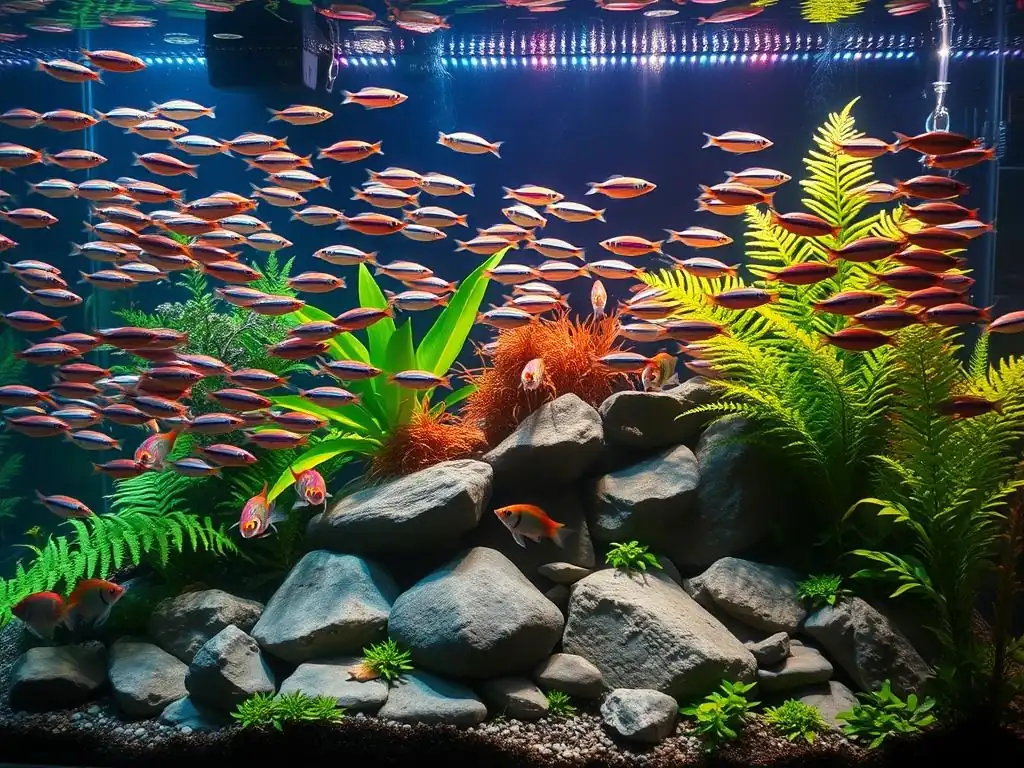
Welcome to Aquarium Mastery!
Ever wondered if you could unlock the secrets of breeding those shimmering Neon and Cardinal Tetras? This article dives deep into the advanced challenges and solutions surrounding their propagation, going beyond the basics to offer insights you won't find anywhere else. Discover our comprehensive comparison, and prepare to master the art of Neon cardinal tetra breeding. Intrigued? Let's explore the fascinating world of tetra reproduction together!
- Breeding Black Skirt Tetras vs. Glowlight Tetras: An In-Depth Comparison
- Introduction to Tetra Breeding: Black Skirt vs. Glowlight - A Comparative Guide
-
Black Skirt Tetra Breeding: A Step-by-Step Guide
- Black Skirt Tetra Breeding Requirements: Creating a Suitable Environment
- Water Parameters for Black Skirt Tetra Spawning: Achieving Optimal Conditions
- Setting Up a Black Skirt Tetra Breeding Tank: Essential Considerations
- Black Skirt Tetra Breeding Problems and Solutions: Troubleshooting Common Issues
- Glowlight Tetra Breeding: A Detailed Approach
- Comparing Black Skirt and Glowlight Tetra Breeding: Key Differences and Similarities
- Advanced Tetra Breeding Tips for Black Skirt and Glowlight Tetras
- Conclusion: Mastering Black Skirt and Glowlight Tetra Breeding
-
Frequently Asked Questions
- How difficult is it to breed Neon and Cardinal Tetras in a home aquarium?
- What are the key differences in breeding requirements between Neon and Cardinal Tetras?
- What specific water parameters are crucial for breeding Neon and Cardinal Tetras?
- What type of spawning setup is recommended for these Tetras?
- What are some common challenges and solutions when attempting to breed Neon or Cardinal Tetras?
- Final Reflection: Illuminating the Path to Breeding Success
- Unlock the Secrets of Tetra Breeding Success!
Breeding Black Skirt Tetras vs. Glowlight Tetras: An In-Depth Comparison
Introduction to Tetra Breeding: Black Skirt vs. Glowlight - A Comparative Guide
Understanding the Popularity and Differences in Breeding Tetras
Tetras are among the most beloved freshwater fish in the aquarium hobby, cherished for their vibrant colors, peaceful schooling behavior, and relatively hardy nature. Species like the Black Skirt Tetra ( Gymnocorymbus ternetzi) and the Glowlight Tetra ( Hemigrammus erythrozonus) are staples in community tanks worldwide. While both originate from the slow-moving, tannin-stained waters of South America, primarily the Paraguay and Essequibo River basins respectively, their popularity extends beyond their visual appeal to their potential for home breeding. Many aquarists find the challenge and reward of successfully breeding these small characins highly satisfying.
However, despite their widespread availability, breeding tetras, particularly specific species, presents unique challenges that distinguish the experience for each. The success rate in breeding Black Skirt Tetras tends to be higher for novices due to their robust nature and slightly more forgiving parameters, whereas Glowlight Tetras, with their delicate nature and specific environmental needs, often require a more precise approach. This article delves into the intricacies of breeding both species, offering a comparative guide to help aquarists navigate the distinct requirements and overcome common obstacles for successful Black Skirt Tetra breeding and Glowlight Tetra breeding.
Why Black Skirt and Glowlight Tetras Offer Distinct Breeding Experiences
The breeding experiences offered by Black Skirt and Glowlight Tetras are distinct due to fundamental differences in their natural habitats, physiological needs, and spawning behaviors. Black Skirt Tetras, being larger and generally more adaptable, often spawn readily in slightly varied conditions, making them a good entry point for aspiring tetra breeders. They are known for their somewhat boisterous schooling behavior even during spawning, and a group approach to Black Skirt Tetra breeding often yields better results. Their eggs are also marginally larger and slightly more robust, which can contribute to a higher initial survival rate for eggs and fry.
Conversely, Glowlight Tetras are smaller, more delicate, and exhibit a shyer disposition, particularly during the breeding phase. Their natural habitat is typically characterized by very soft, acidic water with dense vegetation and subdued lighting, conditions that must be meticulously replicated for successful Glowlight Tetra breeding. They are typically pair-spawners and require a highly tranquil environment to encourage spawning. The eggs and subsequent fry of Glowlight Tetras are remarkably small, demanding a higher level of precision in water chemistry, feeding, and overall care, making their breeding a more advanced endeavor for aquarists.
Black Skirt Tetra Breeding: A Step-by-Step Guide
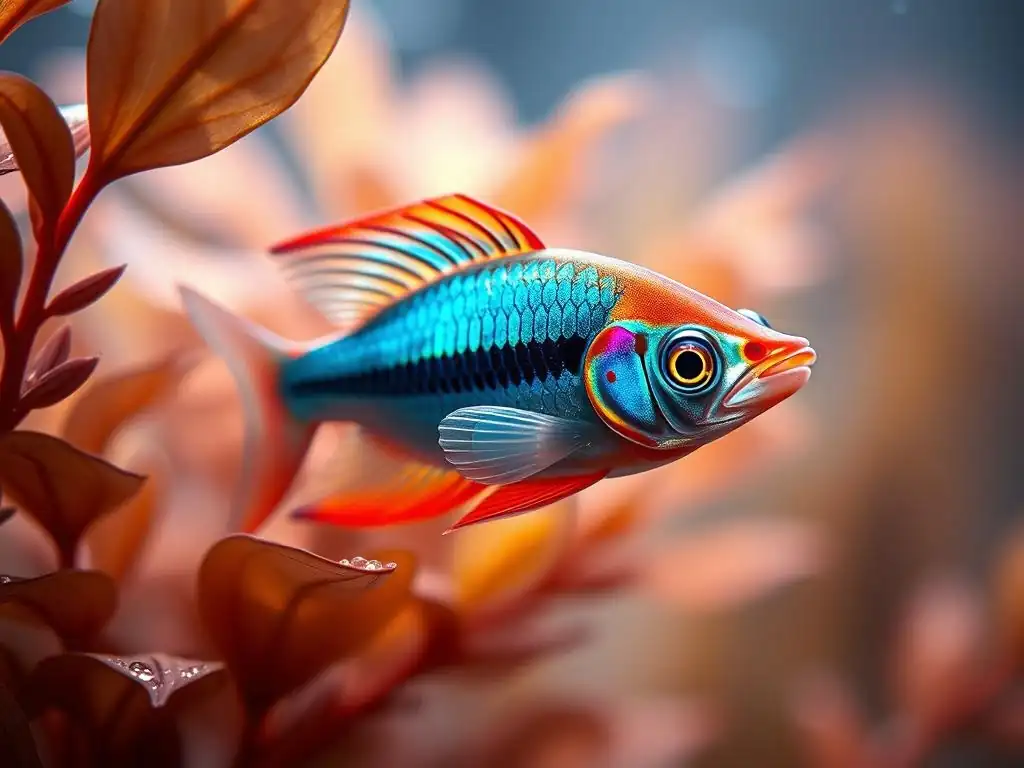
Black Skirt Tetra Breeding Requirements: Creating a Suitable Environment
Successful Black Skirt Tetra breeding begins with the careful selection and conditioning of healthy, mature breeding stock. Ideally, select fish that are at least 8 to 12 months old, as they will be sexually mature and more robust. Look for males that are typically slimmer and more active, and females that appear plumper, especially around the belly, indicating the presence of eggs.
To prepare them for spawning, condition the chosen breeders for one to two weeks with a high-quality, varied diet rich in protein. This diet should include live or frozen foods such as bloodworms, brine shrimp, daphnia, and high-quality flake or pellet food. Consistent feeding of these nutritious items helps to build up their energy reserves and encourages egg development in females.
A crucial aspect of Black Skirt Tetra breeding is providing a dedicated spawning tank. This separate environment is essential for several reasons, primarily to prevent the adult fish from consuming their own eggs or fry, which is a common behavior among egg-scattering species. The isolation also allows for precise control over water parameters and reduces stress from other tank inhabitants. Without a separate breeding setup, the chances of successful egg hatching and fry survival diminish significantly, as eggs are often consumed within hours of being laid in a community aquarium.
Water Parameters for Black Skirt Tetra Spawning: Achieving Optimal Conditions
Achieving the precise water parameters is paramount for inducing Black Skirt Tetra spawning and ensuring the viability of their eggs. Black Skirt Tetras prefer soft to moderately soft, slightly acidic water for breeding. The ideal pH range is typically between 6.0 and 7.0, with a general hardness (GH) of 4 to 8 dGH (degrees of general hardness). Water that is too hard or too alkaline can inhibit spawning or lead to unfertilized eggs. The temperature should be maintained consistently between 75-79°F (24-26°C); a slight increase within this range can often trigger spawning behavior.
To achieve these specific conditions, many breeders utilize a mix of reverse osmosis (RO) water with small amounts of conditioned tap water, or they filter tap water through peat moss. Regular testing of the water parameters using reliable test kits is essential to ensure stability. Fluctuations in pH or hardness can stress the fish and prevent spawning. Furthermore, excellent water quality, characterized by zero ammonia and nitrite, and very low nitrates (below 10 ppm), is critical. Frequent small water changes with aged, properly conditioned water will help maintain these pristine conditions throughout the Black Skirt Tetra breeding process.
Setting Up a Black Skirt Tetra Breeding Tank: Essential Considerations
When setting up a Black Skirt Tetra breeding tank, a size of 10 to 20 gallons is generally sufficient for a pair or a small group (e.g., two males and one female). The tank should be kept dimly lit to reduce stress on the fish and protect light-sensitive eggs. A bare bottom tank is often preferred, or a very fine mesh placed slightly above the bottom can be used.
This allows the eggs, once scattered, to fall through and remain out of reach of the parents, preventing immediate predation. Without this protective measure, the majority of the eggs will likely be consumed shortly after spawning.
For egg deposition, provide ample spawning material such as fine-leaved plants like Java moss ( Taxiphyllum barbieri), water sprite ( Ceratopteris thalictroides), or artificial spawning mops made from nylon yarn. These materials give the female places to scatter her adhesive eggs. Filtration should be extremely gentle; a small, air-driven sponge filter is ideal. It provides necessary aeration and biological filtration without creating strong currents that could harm delicate eggs or newly hatched fry. Avoid power filters or hang-on-back filters with strong intakes, as they can easily suck up eggs and fry.
Black Skirt Tetra Breeding Problems and Solutions: Troubleshooting Common Issues
Even with careful planning, Black Skirt Tetra breeding can present challenges. One common issue is the failure of fish to spawn. This can often be attributed to improper conditioning, unsuitable water parameters, or excessive disturbance. To address this, ensure breeders are fed a high-protein diet for at least two weeks, meticulously check and adjust water parameters to the optimal ranges (pH 6.0-7.0, GH 4-8 dGH, Temp 75-79°F), and minimize external disturbances to the breeding tank. Dim lighting and a quiet location can significantly encourage shy spawners.
Another frequent problem is the predation of eggs by the parents, even in a dedicated breeding tank. Black Skirt Tetras are notorious egg eaters. The solution lies in removing the adult fish immediately after spawning is observed. Spawning typically occurs in the early morning hours, often signaled by vigorous chasing and nudging. Once eggs are seen scattered among the spawning mop or on the tank bottom, the parents should be carefully transferred back to their main aquarium. This swift action is crucial for maximizing the number of viable eggs that hatch.
Black Skirt Tetra Eggs Fungus: Identifying the Causes and Solutions
Fungus on Black Skirt Tetra eggs is a disheartening but common problem that can decimate an entire spawn. The primary cause of fungal growth is often the presence of unfertilized eggs or dead eggs within the clutch. These eggs quickly decompose and provide a substrate for fungal spores to colonize, which then spread to healthy, viable eggs. Poor water quality in the breeding tank can also contribute significantly to fungal outbreaks, as high levels of organic waste provide nutrients for fungal growth. Insufficient water circulation around the eggs can also create stagnant areas where fungus thrives.
To combat Black Skirt Tetra egg fungus, several preventative and reactive measures can be employed. Firstly, remove any visible unfertilized or fungused eggs as soon as they are spotted, typically using a pipette or small baster. Adding a very mild antifungal agent, such as a few drops of methylene blue, to the breeding tank water can help inhibit fungal growth, though care must be taken as some chemicals can harm sensitive eggs.
Another natural remedy is to add a small piece of Indian almond leaf, which releases tannins that have mild antifungal and antibacterial properties. Ensuring gentle aeration around the spawning material without disturbing the eggs can also improve circulation and reduce fungal opportunities.
Fry Mortality: Improving Survival Rates of Black Skirt Tetra Fry
High fry mortality rates are a significant challenge in Black Skirt Tetra breeding, often occurring within the first few days post-hatch. The most common causes include starvation due to lack of appropriate food, poor water quality, and sudden changes in water parameters. Black Skirt Tetra fry are tiny upon hatching and require microscopic food sources. If they are not fed the correct size and type of food immediately after absorbing their yolk sacs (typically within 24-48 hours), they will quickly perish.
To improve fry survival rates, feeding is paramount. For the first few days, infusoria or commercially available liquid fry food are essential as initial food sources. After approximately three to five days, when they have grown slightly, they can be transitioned to larger foods such as newly hatched brine shrimp nauplii or microworms. These live foods provide vital nutrition and are readily accepted.
Maintaining pristine water quality is equally important; perform small, daily water changes (e.g., 10-15%) using aged, temperature-matched water. Siphon any uneaten food or debris from the tank bottom carefully to prevent ammonia spikes. Consistent water parameters and a stable temperature are crucial to prevent stress and disease in the delicate fry.
Glowlight Tetra Breeding: A Detailed Approach
Glowlight Tetra Breeding Habitat: Replicating Natural Conditions
Successful Glowlight Tetra breeding hinges on replicating the specific, soft, and acidic water conditions found in their natural habitat. Unlike the more adaptable Black Skirts, Glowlights are quite sensitive to water parameters and require a highly stable, pristine environment to feel secure enough to spawn. Selecting healthy, well-conditioned adult Glowlight Tetras is the first step. Males are typically more slender, while females are plumper, particularly when gravid. It's often beneficial to condition the chosen pair or a small group (two males to one female for better chances) in a separate conditioning tank for a week or two.
During this conditioning period, feed them a rich, varied diet consisting of live foods like daphnia, mosquito larvae, and brine shrimp, supplemented with high-quality frozen and dry foods. This high-protein diet enhances their health, boosts fertility, and signals readiness for spawning. The breeding tank itself should be set up in a quiet location, away from high traffic or sudden movements, as Glowlight Tetras are easily startled. Their shy nature means that any disturbance can prevent them from spawning, making a peaceful environment critical for Glowlight Tetra breeding success.
Glowlight Tetra Water Chemistry: Achieving the Right Balance for Spawning
Glowlight Tetras are more demanding than Black Skirts when it comes to water chemistry for spawning. They absolutely thrive in very soft, acidic water, closely mimicking their native South American blackwater streams. The ideal pH range for Glowlight Tetra spawning is between 5.5 and 6.5, with a general hardness (GH) of 2 to 6 dGH. Water that is harder or more alkaline will significantly reduce the chances of spawning and can lead to unfertilized eggs. The temperature should be maintained consistently between 75-78°F (24-25.5°C).
To achieve these precise parameters, the use of reverse osmosis (RO) or deionized (DI) water is highly recommended, often re-mineralized slightly to the desired GH. Adding peat moss to the filter or using peat extract can help lower pH and provide beneficial humic substances, mimicking their natural blackwater environment. Regular and meticulous testing of pH, GH, and temperature is non-negotiable. Even slight fluctuations can stress these sensitive fish and deter spawning. Maintaining zero ammonia and nitrite, and very low nitrates, is also critical for overall fish health and successful Glowlight Tetra breeding.
The Glowlight Tetra Breeding Tank Setup: Key Elements for Success
For Glowlight Tetra breeding, a smaller tank size, typically 5 to 10 gallons, is often sufficient for a single breeding pair. The tank should be kept very dimly lit, perhaps even with the sides covered to create a sense of security and reduce light intensity, which is preferred by these shy fish. Unlike Black Skirts, Glowlights benefit immensely from a densely planted setup, particularly with fine-leaved plants like Java moss, hornwort ( Ceratophyllum demersum), or a spawning mop. These plants provide ideal surfaces for the fish to scatter their tiny, adhesive eggs.
Similar to other egg-scattering species, a bare bottom tank or a spawning grate placed just above the substrate is highly recommended. This allows the eggs to fall through, protecting them from immediate predation by the parents. Filtration should be minimal and very gentle; a small, air-driven sponge filter is the best choice. Strong currents can disturb the delicate eggs and fry. It's also advisable to include a small air stone with a gentle flow for aeration without creating turbulence. The overall aim is to create a serene, undisturbed environment that encourages the Glowlight Tetras to spawn naturally.
Glowlight Tetra Breeding Challenges and Solutions: Overcoming Obstacles
Glowlight Tetra breeding, while rewarding, presents several distinct challenges that require careful attention. One of the primary difficulties is their reluctance to spawn if conditions are not absolutely perfect, or if they are disturbed. This shyness means that patience is key, and maintaining a consistently quiet, dimly lit environment is paramount. Another significant challenge is the extreme smallness of their eggs and fry, which necessitates very specific care strategies for survival.
Furthermore, Glowlight Tetras, like many other tetra species, are prolific egg eaters. This inherent behavior means that unless preventative measures are taken, a successful spawn can be consumed by the parents within hours. Ensuring the immediate removal of the parents after spawning or providing ample protection for the eggs is critical for maximizing the yield from Glowlight Tetra breeding efforts.
Glowlight Tetra Egg Predation: Protecting the Eggs
Glowlight Tetras are highly prone to egg predation, and parents will often consume their own eggs shortly after spawning. This is a major hurdle in Glowlight Tetra breeding. The tiny, transparent eggs are easily missed by the human eye but quickly spotted by hungry adult fish. Without adequate protection, the vast majority, if not all, of the eggs will be eaten, leading to a failed breeding attempt. This makes the post-spawning phase as critical as the spawning itself.
To effectively protect Glowlight Tetra eggs, immediate action is required. The most common and effective method is to remove the adult fish from the breeding tank as soon as spawning is observed. Spawning usually occurs in the early morning. If observing the tank closely, you'll see the pair quivering and darting among the spawning media, scattering eggs.
Once eggs are visible, or if you suspect spawning has occurred, carefully net the parents and return them to their main aquarium. Alternatively, a spawning grate placed a few inches above the bottom of the tank allows eggs to fall through to safety. Dense spawning mops or a thick layer of Java moss can also provide some refuge for the eggs, but removing the parents is the most reliable solution.
Raising Glowlight Tetra Fry: Feeding and Care Strategies
Raising Glowlight Tetra fry is arguably the most challenging aspect of their breeding, primarily due to their minuscule size upon hatching. They are considerably smaller than Black Skirt Tetra fry and require an even more specialized feeding regimen. For the first 3-5 days after hatching, Glowlight Tetra fry are so tiny that they can only consume infusoria or commercially prepared liquid fry food. These microscopic organisms or finely ground nutrients are the only food sources small enough for their developing mouths. Without this initial appropriate food, fry mortality will be extremely high.
After the initial few days, as the fry grow slightly, they can be transitioned to larger, but still very small, live foods such as microworms and newly hatched brine shrimp nauplii. These live foods provide essential protein and nutrients for rapid growth. Feeding should be frequent, typically 4-6 times a day, in small amounts to prevent fouling the water.
Maintaining pristine water quality is paramount; daily, small (10-15%) water changes are crucial, using aged, temperature-matched water. Siphon any uneaten food or waste carefully to avoid ammonia and nitrite spikes, which are lethal to delicate Glowlight Tetra fry. Consistency in feeding, water changes, and temperature is the cornerstone of successful fry rearing.
Comparing Black Skirt and Glowlight Tetra Breeding: Key Differences and Similarities
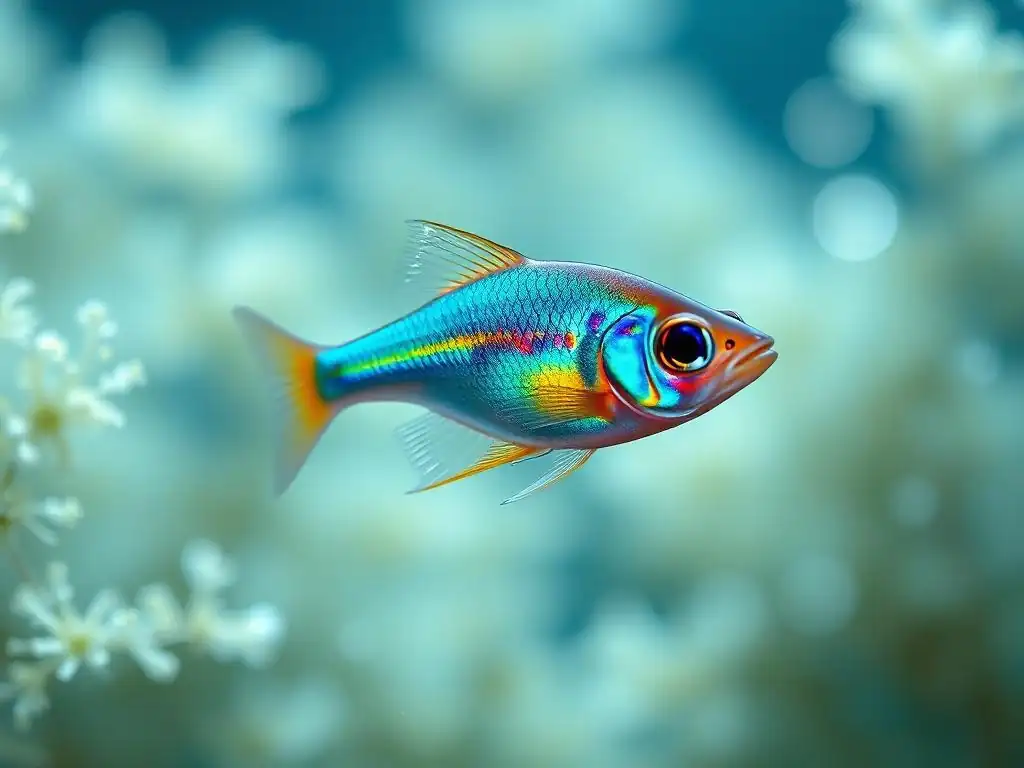
Water Parameter Differences: A Side-by-Side Comparison
When comparing Black Skirt Tetra breeding and Glowlight Tetra breeding, the nuances in their preferred water parameters are significant. Black Skirt Tetras are more tolerant, typically spawning in water with a pH of 6.0-7.0 and a general hardness (GH) of 4-8 dGH. Their temperature preference for spawning is slightly warmer, ranging from 75-79°F (24-26°C). This broader range makes them somewhat more forgiving for breeders who may not have access to highly purified water or precise control systems.
In contrast, Glowlight Tetras demand much softer and more acidic conditions for successful spawning. Their ideal pH range is narrower, typically 5.5-6.5, and they require very soft water with a GH of 2-6 dGH. The spawning temperature for Glowlights is generally 75-78°F (24-25.5°C), which is a slightly tighter band. This preference for very soft, acidic water often necessitates the use of reverse osmosis (RO) water, peat filtration, or specialized water conditioners to accurately replicate their blackwater natural habitat. The precision required for Glowlight Tetra breeding parameters is a key differentiating factor.
Tank Setup Considerations: Black Skirt vs. Glowlight
The tank setup for Black Skirt Tetra breeding and Glowlight Tetra breeding shares some fundamental similarities but diverges in critical details. Both require a dedicated breeding tank to protect eggs and fry from parental predation and to allow for precise environmental control. Both also benefit from gentle sponge filtration and bare bottoms or spawning grates to prevent egg consumption. However, the size and internal layout differ.
For Black Skirt Tetras, a 10-20 gallon tank is usually sufficient for a pair or a small group, with ample spawning mops or fine-leaved plants like Java moss. The lighting can be dim but doesn't need to be as intensely subdued as for Glowlights. Glowlight Tetras, being smaller and shyer, often do well in a 5-10 gallon tank for a single pair.
Their breeding tank benefits greatly from very dense planting with fine-leaved species, providing numerous hiding spots and spawning surfaces. Crucially, Glowlight Tetra breeding tanks should be kept very dimly lit, possibly even with the sides covered, to minimize stress and encourage spawning behavior.
Breeding Behavior and Strategies: Contrasting Approaches
The breeding behaviors and strategies employed by Black Skirt and Glowlight Tetras exhibit notable contrasts, influencing the breeder's approach. Black Skirt Tetras are often group spawners, meaning that a small group of fish (e.g., two males and one female, or three males and two females) can be introduced to the breeding tank to encourage spawning. They tend to be less shy during the spawning process, engaging in vigorous chasing and scattering eggs relatively openly among spawning mops or plants. Their spawning activity is often quite visible, occurring primarily in the early morning hours.
Glowlight Tetras, on the other hand, are typically pair spawners and are considerably shyer. They require a much calmer and more undisturbed environment to feel secure enough to engage in spawning behavior. The male will often gently nudge the female, leading her into dense vegetation where the tiny, transparent eggs are scattered.
Their spawning can be more discreet and harder to observe, often occurring in the dim light of dawn. The success of Glowlight Tetra breeding relies heavily on creating an exceptionally tranquil and private space, free from external disturbances, which contrasts with the more robust and communal spawning of Black Skirts.
Fry Care: Unique Needs of Black Skirt and Glowlight Tetra Fry
While both Black Skirt and Glowlight Tetra fry require meticulous care for high survival rates, their unique needs, primarily dictated by their initial size, necessitate different approaches to feeding. Black Skirt Tetra fry are relatively larger upon hatching, typically absorbing their yolk sac within 24-48 hours. After this, they can often immediately accept infusoria, liquid fry food, and within a few days, transition to microworms or newly hatched brine shrimp nauplii. Their slightly larger size makes them a bit less sensitive to minor fluctuations in food availability during their initial growth phase.
Glowlight Tetra fry are considerably smaller and more delicate than Black Skirt fry. Upon hatching, they are almost microscopic and demand an exclusive diet of infusoria or very fine liquid fry food for the first 3-5 days. Microworms and newly hatched brine shrimp are generally too large for them during this initial period.
This extended requirement for microscopic food sources means breeders must have a reliable culture of infusoria ready. Both species' fry, however, share the critical need for pristine water quality, necessitating frequent, small daily water changes to remove waste and maintain stable parameters essential for their rapid growth and development.
Advanced Tetra Breeding Tips for Black Skirt and Glowlight Tetras
Optimizing Water Quality: The Cornerstone of Tetra Breeding Success
Optimizing water quality is arguably the most critical factor for success in both Black Skirt Tetra breeding and Glowlight Tetra breeding. Pristine water conditions are essential not only for inducing spawning but, more importantly, for the survival and healthy development of eggs and fry. This involves meticulous attention to dissolved organic compounds, ammonia, nitrite, and nitrate levels. Regular testing with reliable liquid test kits is non-negotiable; ammonia and nitrite should always be at zero, and nitrates kept below 10 ppm, ideally even lower for fry tanks.
Beyond chemical parameters, physical water quality, such as clarity and lack of particulate matter, is also important. Utilizing gentle sponge filters provides excellent biological filtration without creating strong currents that could harm delicate fry. For species like Glowlight Tetras that demand very soft, acidic water, using reverse osmosis (RO) or deionized (DI) water and then carefully remineralizing it to the desired parameters offers unparalleled control. Regular, small water changes (10-15% daily for fry tanks) using aged, temperature-matched water are crucial to dilute waste products and replenish essential trace elements, ensuring a stable and healthy environment for growth.
Implementing a Strict Feeding Schedule: Ensuring Fry Growth and Survival
A strict and precise feeding schedule is absolutely vital for ensuring the rapid growth and high survival rates of both Black Skirt and Glowlight Tetra fry. Due to their fast metabolism and rapid developmental needs, fry require constant access to appropriate food sources. This means feeding them multiple times a day, typically 4-6 small meals, rather than one or two large ones. Overfeeding should be avoided, as uneaten food quickly fouls the water, leading to dangerous ammonia spikes.
For newly hatched fry, the food must be appropriately sized. As discussed, infusoria and liquid fry foods are essential for the first few days, especially for the tiny Glowlight Tetra fry. As they grow, transitioning to microworms and newly hatched brine shrimp nauplii provides the necessary protein and fat for robust development. Culturing these live foods in advance is a key advanced tetra breeding tip. For the adult breeders, a varied diet of high-quality live, frozen, and flake foods during conditioning ensures they are in peak health and ready to spawn, producing viable eggs.
Managing Lighting and Temperature: Crucial Environmental Factors
Managing lighting and temperature are crucial environmental factors that significantly influence spawning behavior and fry development in both Black Skirt and Glowlight Tetra breeding. For spawning, a dimly lit environment is generally preferred by both species, as it reduces stress and mimics the subdued lighting of their natural habitats. For Glowlight Tetras in particular, very low light levels or even covering the sides of the breeding tank can be instrumental in encouraging a shy pair to spawn.
Temperature plays a dual role: it can induce spawning and also dictate the speed of egg incubation and fry development. A slight increase in temperature (e.g., from 74°F to 78°F) within the recommended breeding range can often trigger spawning in conditioned adults. Once eggs are laid, maintaining a consistent temperature is vital for incubation. For the fry, stable temperatures prevent stress and ensure consistent metabolic rates, supporting healthy growth. Sudden temperature fluctuations are highly detrimental to both eggs and delicate fry, potentially leading to deformities or death.
Preventing and Treating Diseases: Protecting Your Tetra Brood
Preventing and treating diseases is a critical, albeit often overlooked, aspect of advanced Black Skirt Tetra breeding and Glowlight Tetra breeding. Maintaining optimal water quality is the first line of defense, as stress from poor water conditions significantly weakens fish immune systems, making them susceptible to pathogens. Quarantining any new fish for several weeks before introducing them to your main or breeding tanks is an essential preventative measure, preventing the introduction of diseases.
Even with the best care, diseases can occasionally occur. Recognizing the early signs of common freshwater diseases such as Ich (white spots), fin rot, or bacterial infections is vital for prompt treatment. However, extreme caution must be exercised when treating fish in a breeding tank, especially if eggs or fry are present. Many common fish medications are toxic to eggs and delicate fry.
Therefore, it's often best to treat adult breeders in a separate hospital tank before or after spawning. For fry, maintaining impeccable water quality and providing optimal nutrition are the best defenses. If medication is absolutely necessary, research fish-safe options specifically for fry, or consider natural remedies like Indian almond leaves which have mild antiseptic properties.
Conclusion: Mastering Black Skirt and Glowlight Tetra Breeding
The Rewards of Breeding These Popular Species
Mastering Black Skirt Tetra breeding and Glowlight Tetra breeding offers profound rewards that extend far beyond simply producing new fish. For many aquarists, the process itself is deeply fulfilling, providing an intimate glimpse into the natural life cycles and complex behaviors of these fascinating characins. Successfully navigating the challenges, from conditioning adult fish to raising delicate fry, instills a significant sense of accomplishment and enhances one's overall aquatic husbandry skills. Witnessing the transformation from a tiny egg to a vibrant, schooling fish is a unique and captivating experience.
Beyond personal satisfaction, breeding these popular species contributes positively to the aquarium hobby. Home-bred fish are often hardier and better adapted to aquarium life than wild-caught specimens, and they reduce the demand on wild populations. It also provides an opportunity to observe natural behaviors that might not be evident in a typical community tank, such as courtship rituals and parental instincts (even if fleeting). The journey through Black Skirt Tetra breeding and Glowlight Tetra breeding is an educational adventure, deepening one's appreciation and understanding of the aquatic world.
Further Resources for Advanced Tetra Breeders
For advanced aquarists looking to delve deeper into Black Skirt Tetra breeding and Glowlight Tetra breeding, or to explore other tetra species, a wealth of resources can further enhance your knowledge and success. Online aquarium forums and specialized breeding communities offer invaluable platforms for sharing experiences, troubleshooting problems, and learning from seasoned breeders. These communities often provide real-time advice and insights into specific challenges.
Additionally, investing in comprehensive books on freshwater fish breeding and specific tetra species can provide detailed scientific information on genetics, water chemistry, nutrition, and disease management tailored for breeding success. While this article provides a solid foundation, continuous learning through these resources, coupled with practical experience, will refine your techniques and elevate your status as an advanced tetra breeder. Embrace the journey of discovery, and your efforts in Black Skirt Tetra breeding and Glowlight Tetra breeding will undoubtedly be met with rewarding success.
Frequently Asked Questions
How difficult is it to breed Neon and Cardinal Tetras in a home aquarium?
Breeding Neon and Cardinal Tetras is considered very challenging due to their specific water parameter requirements and sensitivity. They require soft, acidic water and a dimly lit environment to spawn successfully.
What are the key differences in breeding requirements between Neon and Cardinal Tetras?
While both need similar conditions, Cardinal Tetras are often considered more difficult to breed than Neons. This is because they are even more sensitive to water parameters and require an even more pristine environment.
What specific water parameters are crucial for breeding Neon and Cardinal Tetras?
Essential parameters include a very low pH (around 5.5-6.5), extremely soft water (GH and KH near zero), and a temperature around 78-82°F. Maintaining these consistently is crucial for success.
What type of spawning setup is recommended for these Tetras?
A separate, dimly lit spawning tank is recommended. It should be filled with soft, acidic water, and contain fine-leaved plants or spawning mops for the fish to lay their eggs on.
What are some common challenges and solutions when attempting to breed Neon or Cardinal Tetras?
Common challenges include fungal infections of the eggs and failure to trigger spawning. Solutions include using anti-fungal treatments and carefully replicating their natural spawning conditions with specific water chemistry and lighting.
Final Reflection: Illuminating the Path to Breeding Success
The journey into breeding Neon and Cardinal Tetras, as we've explored, is not merely a technical exercise, but a testament to dedication and understanding of delicate ecosystems. The challenges highlighted throughout this article underscore the importance of meticulous planning and unwavering patience in the pursuit of aquarium mastery. These vibrant fish, with their captivating colors, demand a level of commitment that extends beyond simple fishkeeping, pushing aquarists to become true stewards of their aquatic environments.
This intricate dance between science and art has profoundly shaped the aquarium hobby, elevating it from a simple pastime to a sophisticated pursuit. The dedication required to successfully breed these species fosters a deeper appreciation for the fragility and beauty of the natural world, and reinforces our responsibility to protect it. In the end, we will conserve only what we love; we will love only what we understand; and we will understand only what we are taught.
- Baba Dioum. This quote perfectly encapsulates the journey of a breeder, from initial curiosity to profound understanding and ultimately, a deep love for these creatures.
Now, armed with these insights and "Neon cardinal tetra breeding tips," I invite you to reflect on your own relationship with the natural world. Consider how you can apply the principles of patience, observation, and meticulous care, not only to your aquarium, but also to other aspects of your life. Embrace the challenge, celebrate the small victories, and remember that every step you take towards understanding and nurturing life, no matter how small, contributes to a brighter, more vibrant future for all.
Unlock the Secrets of Tetra Breeding Success!
Thank you for exploring the nuances of Neon and Cardinal Tetra breeding with us! We hope this article has provided you with valuable insights and a deeper understanding of the challenges and rewards involved. Now, let's turn that knowledge into action!
- Dive into the primary challenge: Prepare a dedicated breeding tank with optimal water parameters and spawning media tailored to the specific tetra species you wish to breed.
- Share your newfound knowledge: Spread the love! Share this article with fellow aquarium enthusiasts who might benefit from these breeding tips.
- Delve Deeper: Research & explore the unique dietary needs of tetra fry to ensure healthy growth and vibrant coloration.
What specific challenge are you most excited to tackle first, and how will you adjust your aquarium setup to meet the needs of your chosen tetra species?