
The Allure of the Lace Gourami: Another Name for the Stunning Pearl

Welcome to Aquarium Mastery!
Ever wondered about the shimmering, ethereal beauty that graces many freshwater aquariums? Dive into the fascinating world of Pearl Gouramis – often called Lace Gouramis – and discover why they're a favorite among aquarists. But are you sure you're getting the full story? This article unveils everything you need to know about these captivating fish, from their ideal tank conditions to their unique breeding behaviors. Ready to unravel the secrets to keeping these aquatic jewels thriving? Let's explore!
- Understanding the Pearl Gourami: An Introduction to Trichogaster leerii
- The Lace Gourami: A Closer Look at Appearance and Behavior
- Pearl Gourami Care: Creating the Ideal Aquarium Environment
- Pearl Gourami Tank Mates: Compatible Fish and Invertebrates
- Breeding Pearl Gouramis: A Step-by-Step Guide
- Common Pearl Gourami Health Issues and Prevention
- Pearl Gourami vs. Other Gourami Species: A Comparison
- The Pearl Gourami: A Gem for Any Freshwater Aquarium
- Frequently Asked Questions
- Final Reflection: Embracing the Subtle Pearl
- Dive Deeper: Uncover Your Own Aquarium Adventure!
Understanding the Pearl Gourami: An Introduction to Trichogaster leerii
What Makes the Pearl Gourami So Appealing to Aquarists?
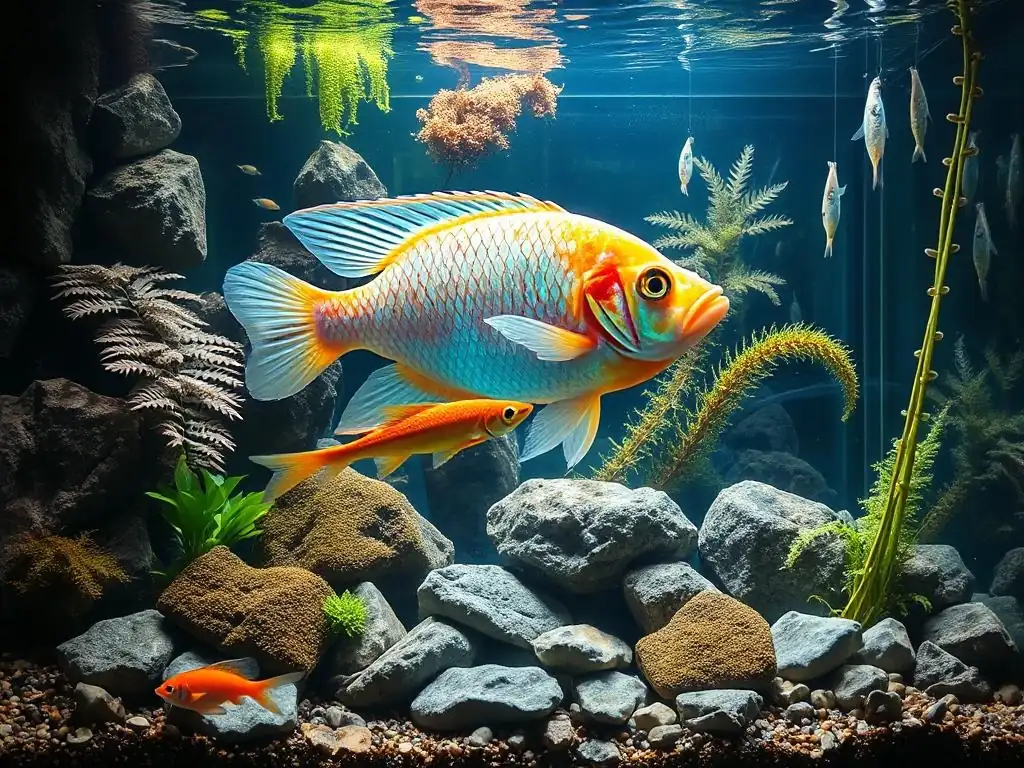
The Pearl Gourami, scientifically known as Trichogaster leerii, captivates aquarists with its extraordinary beauty and serene disposition. Its body is adorned with a myriad of iridescent, pearl-like spots that shimmer under aquarium lighting, creating a captivating display. This unique pattern, often described as a delicate "lace" network, is what gives it the alternative name "Lace Gourami." Beyond its striking visual appeal, the pearl's peaceful nature makes it an ideal inhabitant for a wide range of community aquariums, drawing in both novice and experienced hobbyists seeking a tranquil yet vibrant addition.
Furthermore, the appeal of the pearl extends to its relatively straightforward care requirements, positioning it as an excellent choice for those transitioning from beginner to intermediate fish keeping. Hailing from the slow-moving waters of Southeast Asia, specifically Malaysia, Thailand, and Sumatra, this species adapts well to typical home aquarium conditions. With proper care, a healthy pearl gourami can live for an impressive 4 to 5 years, providing long-term enjoyment and becoming a cherished centerpiece in a well-maintained freshwater setup.
Distinguishing Features: Identifying a Healthy Pearl Gourami
A healthy Pearl Gourami is easily identifiable by its vibrant coloration and characteristic physical traits. These elegant fish typically reach a size of about 4.7 inches (12 cm) in length, featuring a slender, elongated body. Their most prominent feature is the dense covering of iridescent, white or silver spots that resemble tiny pearls, distributed across a brownish-orange or reddish-brown body.
A distinct dark horizontal line often runs from the snout to the base of the caudal fin, subtly breaking the pearl pattern. Their long, thread-like pelvic fins, which they use to explore their surroundings, are also a key identifying feature.
Beyond physical appearance, a healthy pearl gourami exhibits specific behavioral cues. They typically swim gracefully and calmly, often exploring the middle to upper water columns of the tank. Their eyes should be clear and bright, and their fins should be fully extended without any signs of clamping or fraying. A robust appetite and a responsive demeanor when approached for feeding are also indicators of good health. Conversely, faded colors, erratic swimming, labored breathing, or visible lesions are clear signs that a pearl may be experiencing stress or illness.
The Lace Gourami: A Closer Look at Appearance and Behavior
The "Lace" Pattern: Intricate Markings of the Pearl Gourami
The moniker "Lace Gourami" perfectly describes the intricate reticulated pattern that overlays the body of Trichogaster leerii. This unique design is formed by the arrangement of the countless iridescent pearl-like spots, which are often bordered by a fine, darker network, creating a visual effect akin to delicate lace. This "lace" is most prominent on the flanks and fins, giving the fish a shimmering, almost ethereal quality, especially when viewed under soft, diffused lighting. The intensity and clarity of this pattern can vary slightly among individual pearl gouramis, with some specimens displaying a more pronounced and intricate lace-like appearance.
This complex pattern not only contributes to the pearl's aesthetic appeal but also serves a practical purpose in its natural habitat. The intricate markings provide a degree of camouflage amidst the dense vegetation and murky waters of its native swamps and slow-moving rivers. As the pearl matures, particularly during breeding periods, the "lace" pattern and overall coloration can become even more vibrant, with males often developing a striking reddish-orange throat and belly, further enhancing the visual splendor of this beloved gourami.
Pearl Gourami Temperament: Peaceful Nature and Tank Compatibility
The Pearl Gourami is widely celebrated for its remarkably peaceful and somewhat shy temperament, making it an excellent candidate for diverse community aquariums. Unlike some of its more boisterous gourami relatives, the pearl rarely exhibits aggression towards tank mates, preferring to glide gracefully through the water. They are known for their calm demeanor and their tendency to occupy the upper and middle sections of the aquarium, often interacting gently with other similarly sized, non-aggressive species.
While generally placid, male pearl gouramis can display mild territoriality towards each other, especially in smaller tanks. To mitigate this, it is often recommended to keep a single male with multiple females (e.g., one male and two or three females) or to provide ample space and visual breaks through dense planting if housing more than one male. Their gentle nature means they thrive best with other peaceful fish that won't outcompete them for food or stress them with overly boisterous behavior, ensuring the pearl remains a tranquil and thriving member of the aquatic community.
Pearl Gourami Care: Creating the Ideal Aquarium Environment
Tank Size and Setup for Pearl Gouramis: Replicating Their Natural Habitat
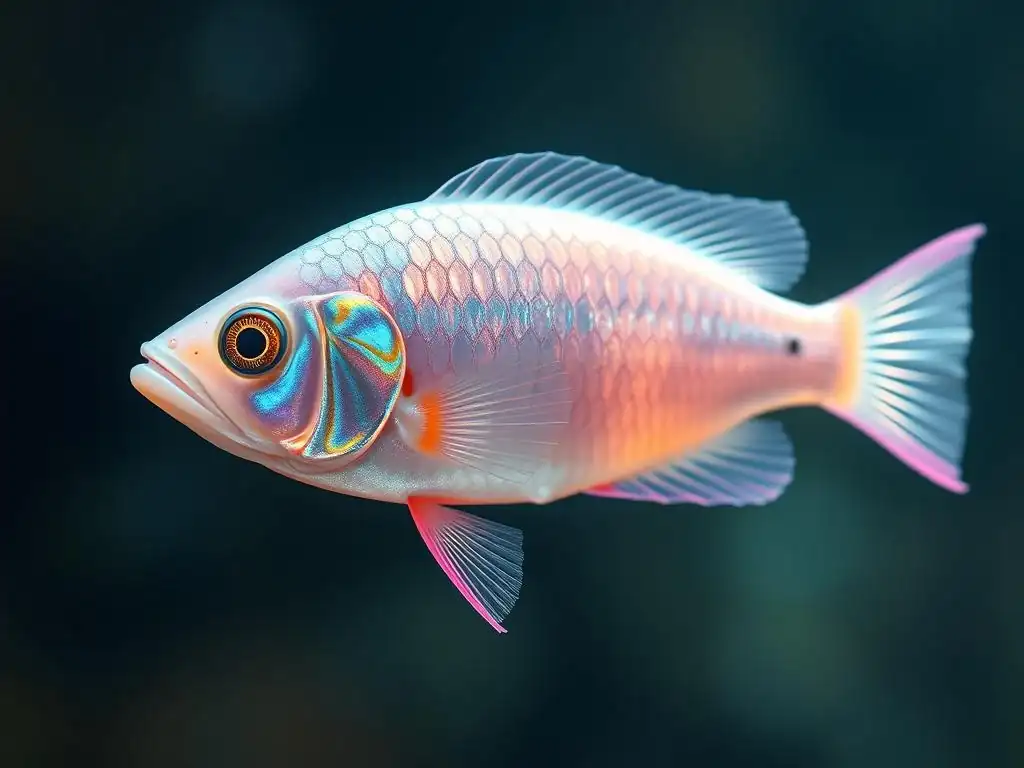
To ensure the well-being and vibrant display of the Pearl Gourami, providing an appropriately sized and thoughtfully decorated aquarium is crucial. A minimum tank size of 20 gallons (approximately 75 liters) is recommended for a single pearl or a pair, allowing ample swimming space and contributing to stable water parameters. For a small group of pearl gouramis, a 30-gallon (113-liter) tank or larger is preferable, as it helps diffuse any potential territorial disputes and provides more room for exploration.
The ideal setup for a pearl gourami tank closely mimics their natural, densely vegetated habitats. This includes abundant live plants, particularly tall species like Amazon Swords, Cryptocorynes, or Java Ferns, which provide cover and security. Floating plants such as Salvinia or Water Lettuce are highly beneficial, as they diffuse overhead light and offer sites for bubble nest construction if breeding is desired.
Incorporate driftwood, smooth rocks, and caves to create additional hiding spots and visual barriers. A dark substrate will also help to enhance the pearl's iridescent colors and reduce stress. Filtration should be gentle, as these fish prefer calm waters, avoiding strong currents.
Water Parameters for Pearl Gouramis: Maintaining Optimal Conditions
Maintaining stable and appropriate water parameters is paramount for the health and longevity of your Pearl Gourami. These fish thrive in warm, slightly acidic to neutral water. The ideal temperature range is between 75-82°F (24-28°C). The pH level should be kept between 6.0 and 7.5, and water hardness should fall within 5-15 dGH (degrees of General Hardness). Consistency in these parameters is more important than hitting exact numbers, as sudden fluctuations can cause significant stress to the pearl.
Regular water testing using a reliable kit is essential to monitor ammonia, nitrite, and nitrate levels. Weekly water changes of 25-30% are highly recommended to prevent the buildup of harmful nitrates and replenish essential minerals. Poor water quality is a leading cause of stress and disease in aquarium fish, including the pearl. Ensuring consistently clean, well-conditioned water directly contributes to the vibrant coloration, active behavior, and overall robust health of your pearl gourami, allowing its "lace" pattern to truly shine.
Diet and Feeding: Ensuring Proper Nutrition for Your Pearl Gourami
Pearl Gouramis are omnivores with a varied diet in their natural environment, consuming small insects, larvae, and plant matter. To ensure optimal health and coloration in the aquarium, their diet should be diverse and nutritious. A high-quality flake food or small sinking pellets designed for omnivorous tropical fish should form the staple of their diet, providing essential vitamins and minerals.
Supplementing their dry food with live or frozen options is crucial for their well-being and to bring out the full splendor of their pearl-like spots. Excellent choices include brine shrimp, bloodworms, daphnia, and mosquito larvae. Vegetable matter, such as spirulina flakes or blanched zucchini, can also be offered periodically.
Feed small amounts two to three times a day, only what the fish can consume within a few minutes, to prevent overfeeding and maintain pristine water quality. A varied diet not only boosts their immune system but also encourages natural foraging behaviors, making your pearl a more active and engaging inhabitant.
Pearl Gourami Tank Mates: Compatible Fish and Invertebrates
Best Tank Mates for Pearl Gouramis: Peaceful Community Fish
Selecting appropriate tank mates is crucial for the peaceful coexistence of your Pearl Gourami within a community aquarium. Given their calm and somewhat shy nature, the best companions are other similarly sized, peaceful fish that won't outcompete them for food or display aggressive behaviors. Ideal choices include many species of peaceful tetras, such as Neon Tetras, Cardinal Tetras, and Rummy Nose Tetras, which school gracefully and occupy different parts of the tank.
Other excellent tank mates for the pearl include various species of Rasboras (e.g., Harlequin Rasboras, Chili Rasboras), small, peaceful barbs like Cherry Barbs, and bottom-dwelling fish such as Corydoras catfish. Peaceful loaches, like Kuhli Loaches, can also coexist harmoniously. The key is to choose species with similar water parameter requirements and a non-aggressive temperament, ensuring that the pearl gourami feels secure and can thrive without stress, allowing its beautiful "lace" pattern to be admired.
Fish to Avoid: Incompatible Tank Mates for Pearl Gouramis
While the Pearl Gourami is generally peaceful, certain fish species are entirely unsuitable as tank mates due to their aggressive nature, fin-nipping tendencies, or size. Aggressive cichlids, such as many Mbuna species or larger South American cichlids, should be strictly avoided, as they will undoubtedly bully, injure, or even kill the placid pearl. Large or predatory fish that could view the gourami as a food source are also out of the question.
Furthermore, fish known for fin-nipping, such as Tiger Barbs or some larger, boisterous barb species, can cause significant stress and damage to the pearl's delicate, flowing fins. Even some other gourami species, particularly the more territorial Three Spot Gouramis or dominant male Dwarf Gouramis, might prove too aggressive for the gentle pearl in smaller tanks. It's also wise to avoid extremely small or slow-moving fish that might be intimidated by the pearl's size or outcompeted for food, ensuring all inhabitants thrive.
Breeding Pearl Gouramis: A Step-by-Step Guide
Setting Up a Breeding Tank for Pearl Gouramis
Breeding Pearl Gouramis can be a rewarding experience, showcasing their fascinating anabantoid behaviors. To maximize success, a dedicated breeding tank is highly recommended. A 10 to 15-gallon (38-57 liter) aquarium is sufficient, filled with relatively shallow water, typically 6-8 inches (15-20 cm) deep. This shallow depth makes it easier for the fry to reach the surface for air. The tank should be equipped with a gentle sponge filter to prevent strong currents and a heater to maintain a stable temperature.
Crucially, the breeding tank must include ample floating plants, such as Salvinia, Water Lettuce, or even simply a raft of Java Moss. These plants provide anchorage for the male to construct his bubble nest, a vital part of the pearl's breeding process. Conditioning the chosen breeding pair with a high-protein diet of live or frozen foods for several weeks prior to introduction will significantly increase their readiness to spawn.
Encouraging Spawning: Conditions and Triggers
Once the breeding tank is set up and the pair has been conditioned, specific environmental conditions can trigger spawning in the Pearl Gourami. Gradually raising the water temperature to the upper end of their preferred range, around 80-82°F (27-28°C), often encourages breeding activity. The water should be soft (4-8 dGH) and slightly acidic to neutral (pH 6.5-7.0), mimicking their natural breeding grounds. A consistent routine of small, daily water changes (e.g., 10%) can also act as a trigger, simulating the onset of the rainy season in their native habitats.
The male pearl will typically begin constructing a large, elaborate bubble nest among the floating plants. Once the nest is complete, he will court the female, often displaying his most vibrant "lace" patterns and colors. Spawning occurs under the nest, with the male embracing the female to release eggs, which are lighter than water and float up into the bubble nest. A single spawning can yield anywhere from 200 to 500 eggs. After spawning, it's advisable to remove the female, as the male will become territorial while guarding the nest.
Caring for Pearl Gourami Fry: Raising Healthy Young
Caring for Pearl Gourami fry requires diligence and specific attention to detail. The eggs typically hatch within 24 to 36 hours. The newly hatched fry will remain in the bubble nest, nourished by their yolk sacs, for another 3 to 5 days. Once they become free-swimming and their yolk sacs are absorbed, it is imperative to remove the male parent from the breeding tank, as he may view the fry as food.
The initial feeding of the tiny pearl fry is critical. For the first few days, they require infusoria or a high-quality liquid fry food, as they are too small to consume newly hatched brine shrimp. After about a week, they can graduate to newly hatched brine shrimp or micro-worms. Maintaining pristine water quality for the delicate fry is paramount; perform very small, gentle daily water changes (e.g., 10%) using an air line tube to avoid disturbing them. Consistent feeding and clean water are key to raising healthy young pearl gouramis.
Common Pearl Gourami Health Issues and Prevention
Recognizing Signs of Illness in Pearl Gouramis
Early detection of illness is crucial for the successful treatment of Pearl Gouramis. Familiarity with their normal behavior and appearance allows aquarists to quickly identify deviations that may indicate a health problem. Common signs of illness include clamped fins, where the fins are held close to the body, a loss of appetite, and unusual lethargy or hiding. A healthy pearl displays vibrant coloration; therefore, faded colors or a dulling of the pearl-like spots can be a significant indicator of stress or disease.
Other red flags include visible white spots (suggesting Ich, a common parasitic infection), fuzzy growths (often a sign of fungal infections), or labored breathing, where the fish appears to gasp at the surface or has rapid gill movements. Swelling, abnormal growths, or open sores on the body also warrant immediate attention. Observing your pearl gourami daily for these subtle changes can make a profound difference in successful intervention and recovery, helping to preserve the beauty of your "lace" patterned fish.
Preventing Common Diseases: Maintaining Water Quality and Hygiene
Prevention is always the best approach to maintaining the health of your Pearl Gourami. The cornerstone of disease prevention is consistently pristine water quality. Regular weekly water changes of 25-30% are essential to dilute nitrates and other waste products that can accumulate and stress fish. Paired with a robust, yet gentle, filtration system, this ensures a healthy aquatic environment. Avoiding overfeeding is also critical, as uneaten food quickly degrades and fouls the water.
Beyond water parameters, strict hygiene practices are vital. Quarantining new fish for 2-4 weeks in a separate tank before introducing them to your main aquarium is a highly effective way to prevent the introduction of diseases. Maintaining stable water parameters and avoiding sudden fluctuations in temperature or pH will minimize stress on your pearl, bolstering its immune system. A well-maintained, stable environment significantly reduces the likelihood of your pearl gourami succumbing to common ailments, allowing it to thrive and display its full, healthy luster.
Treating Sick Pearl Gouramis: Medications and Quarantine
When a Pearl Gourami shows signs of illness, prompt action can often lead to a full recovery. The first step should always be to move the sick fish to a dedicated hospital or quarantine tank. This prevents the potential spread of disease to other tank inhabitants and allows for targeted treatment without affecting the main aquarium's ecosystem. The hospital tank should have a heater to maintain stable temperatures and an air stone for adequate aeration, but typically no substrate or elaborate decorations to simplify cleaning and observation.
Treatment protocols depend on the specific ailment. For common parasitic infections like Ich (white spot disease), raising the water temperature slowly (to 82-86°F or 28-30°C, if compatible with other fish in the quarantine tank) in conjunction with appropriate Ich medication is often effective. For bacterial infections, broad-spectrum antibiotics designed for aquarium use may be necessary.
Always follow medication instructions carefully, ensure adequate aeration, and remove activated carbon from the filter during treatment, as it will absorb the medication. For severe or undiagnosed conditions, consulting an aquatic veterinarian or an experienced fish specialist is highly recommended to ensure the best possible outcome for your precious pearl.
Pearl Gourami vs. Other Gourami Species: A Comparison
Pearl Gourami vs. Dwarf Gourami: Key Differences
While both the Pearl Gourami ( Trichogaster leerii) and the Dwarf Gourami ( Colisa lalia) are popular labyrinth fish, they exhibit distinct differences in size, coloration, and overall hardiness. The Pearl Gourami is significantly larger, typically reaching up to 4.7 inches (12 cm) in length, making it a more substantial presence in the aquarium. In contrast, the Dwarf Gourami is much smaller, usually growing to only 2 to 2.5 inches (5-6 cm).
Their coloration patterns are also markedly different. The Pearl Gourami is renowned for its iridescent, pearl-like spots and the intricate "lace" pattern covering its body.
Dwarf Gouramis, on the other hand, are characterized by vibrant horizontal stripes of blue and red or orange and blue, depending on the specific morph. In terms of health, while both are susceptible to common fish diseases, Dwarf Gouramis have unfortunately gained a reputation for being more prone to Dwarf Gourami Disease (iridovirus), making the Pearl Gourami often considered the hardier and longer-lived choice, often living 4-5 years compared to the Dwarf's typical 2-3 years.
Pearl Gourami vs. Three Spot Gourami: Understanding Variations
Comparing the Pearl Gourami to the Three Spot Gourami ( Trichopodus trichopterus) reveals notable differences in both appearance and temperament, influencing their suitability for various aquarium setups. The Three Spot Gourami, which includes popular morphs like the Blue Gourami, Opaline Gourami, and Gold Gourami, is generally larger than the pearl, often reaching up to 6 inches (15 cm).
Its defining characteristic is the presence of two distinct dark spots on its body (one mid-body, one near the caudal fin) plus its eye, which acts as a third "spot." The Pearl Gourami, by contrast, is known for its intricate "lace" pattern and numerous, scattered pearl-like spots.
Temperamentally, the Pearl Gourami is almost universally regarded as more peaceful and less territorial than the Three Spot Gourami. While Three Spots can be kept in community tanks, males, especially, can be quite aggressive towards each other and sometimes other tank mates, particularly in smaller aquariums. The pearl, with its calm and gentle disposition, is generally a safer choice for a serene community tank, making tank mate selection less challenging. This difference in temperament is a key factor for aquarists deciding between these two beautiful gourami species.
The Pearl Gourami: A Gem for Any Freshwater Aquarium
Why Choose a Pearl Gourami for Your Aquarium?
Choosing a Pearl Gourami for your freshwater aquarium is an excellent decision for numerous reasons, making it a true gem among tropical fish. Its unparalleled beauty, characterized by the mesmerizing "lace" pattern and countless iridescent pearl-like spots, provides a stunning visual focal point in any tank. Beyond its aesthetic appeal, the pearl's inherently peaceful and calm temperament makes it an ideal inhabitant for a wide array of community setups, coexisting harmoniously with other non-aggressive species.
Furthermore, the Pearl Gourami is relatively easy to care for, requiring standard tropical fish parameters and a varied diet, making it accessible to aquarists of varying experience levels. Its interesting anabantoid behaviors, such as the male's diligent bubble nest building during breeding, add an engaging dimension to the aquarium. With a potential lifespan of 4-5 years, this species offers long-term enjoyment and becomes a cherished, graceful presence in a well-maintained home aquarium, truly living up to its name as a "pearl" of the aquatic world.
Tips for Successfully Keeping Pearl Gouramis
Successfully keeping Pearl Gouramis involves a few key practices that ensure their health, vibrancy, and longevity. Firstly, always provide ample hiding spots and dense vegetation, including floating plants, which mimic their natural habitat and make the pearl feel secure. Secondly, maintaining stable and pristine water parameters through regular testing and consistent weekly water changes (25-30%) is paramount; sudden fluctuations can stress this sensitive labyrinth fish.
Thirdly, offer a varied and high-quality diet, supplementing staple flakes or pellets with live or frozen foods like brine shrimp and bloodworms to enhance their coloration and overall vitality. Lastly, exercise careful consideration when selecting tank mates, choosing only peaceful, similarly sized fish that will not harass or outcompete your pearl. By adhering to these tips, you can ensure your Pearl Gourami thrives, displaying its full "lace" and "pearl" splendor for years to come.
Frequently Asked Questions
### Is the Lace Gourami the same as the Pearl Gourami?
Yes, the Lace Gourami is indeed another name for the Pearl Gourami. They are the same species, scientifically known as Trichopodus leerii, and this alternative name highlights their intricate pattern.
### What are the ideal water parameters for a Pearl Gourami?
Pearl Gouramis thrive in slightly acidic to neutral water, typically a pH of 6.0-7.5. The water temperature should be maintained between 77-82°F (25-28°C) for optimal health.
### What do Pearl Gouramis eat?
Pearl Gouramis are omnivores and accept a wide variety of foods. A balanced diet should include high-quality flake food, frozen foods like bloodworms, and live foods occasionally.
### Are Pearl Gouramis peaceful fish?
Yes, Pearl Gouramis are generally considered peaceful fish, making them suitable for community aquariums. However, avoid housing them with aggressive or fin-nipping species.
### What size tank is needed for Pearl Gouramis?
A minimum tank size of 20 gallons is recommended for a single Pearl Gourami. For a pair or small group, a 30-gallon or larger tank is ideal to provide ample swimming space.
Final Reflection: Embracing the Subtle Pearl
The journey through the world of the Lace Gourami, a creature often overshadowed yet intrinsically linked to the concept of the pearl-like beauty it embodies, reveals a deeper truth about appreciation. Just as a pearl's value lies not only in its immediate brilliance but also in its formation and rarity, so too does the Lace Gourami offer a unique and often overlooked elegance in the aquatic world, demanding a closer look and a renewed sense of wonder.
This exploration has highlighted how easily we can overlook the subtle and nuanced beauty that surrounds us. The Lace Gourami, like a hidden pearl, reminds us to value the unique qualities that make each creature, each experience, and each moment precious. The world is full of magic things, patiently waiting for our senses to grow sharper.
- W.B. Yeats. This quote perfectly encapsulates the essence of seeking out the hidden gems, the "pearls," that enrich our lives.
Now, I invite you to reflect on the "pearls" in your own life. What subtle beauties have you overlooked in your pursuit of the grand and obvious? Take a moment to appreciate the understated elegance, the quiet strength, and the unique charm that exists all around you. Embrace the allure of the Lace Gourami, and let it inspire you to seek out and cherish the hidden pearls that make life truly extraordinary.
Dive Deeper: Uncover Your Own Aquarium Adventure!
Thanks for exploring the captivating world of the Lace Gourami with us. We hope you’ve discovered the beauty and potential this stunning fish can bring to your aquarium. Ready to take the next step?
- Introduce a Lace Gourami to Your Community Tank: Observe how this peaceful fish interacts with its tank mates and appreciate its unique charm!
- Research complementary tank mates to enhance the aquarium's ecosystem and aesthetic.
- Share your Lace Gourami insights with fellow aquarists on social media, inspiring others to appreciate these captivating creatures.
What fascinating fish will you research and perhaps introduce to your tank next?