
White Clouds: The Unsung Heroes of Unheated Desktop Aquariums

Welcome to Aquarium Mastery!
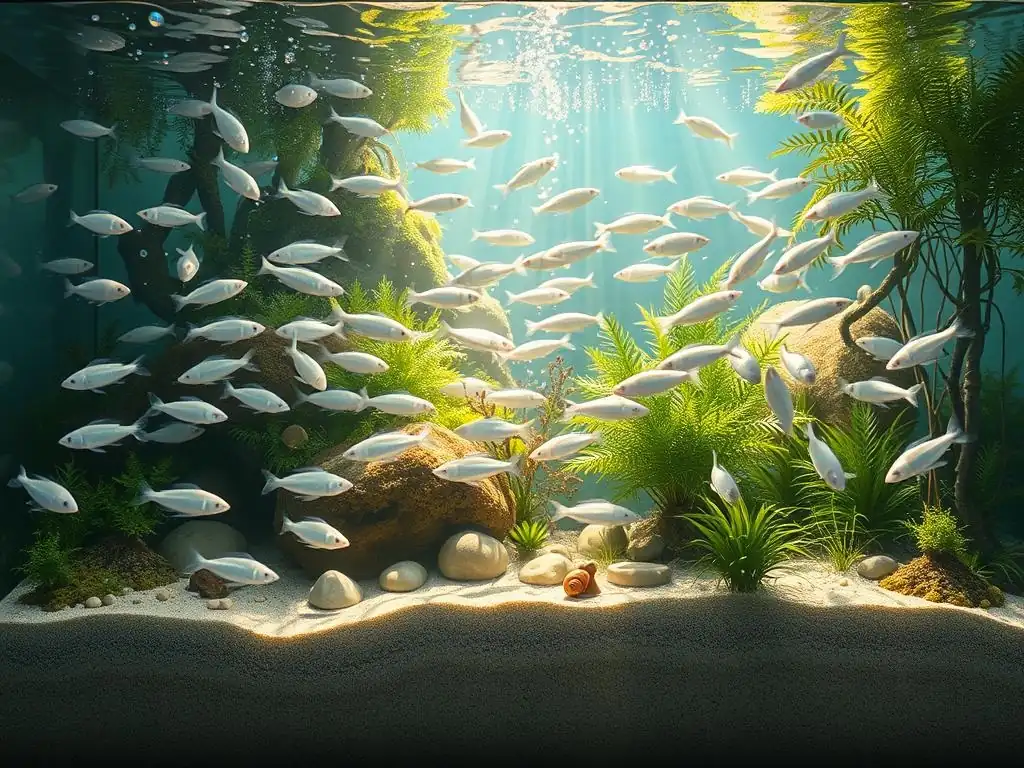
Intrigued by the vibrant world of freshwater aquariums? Discover the secrets to keeping these aquatic ecosystems thriving, starting with the often-overlooked, yet remarkably hardy, White Cloud Mountain Minnow. Are you ready to unlock the full potential of these dazzling little fish and learn everything about White cloud fish care? Dive in and prepare to be amazed!
- White Cloud Mountain Minnows: Perfect for Unheated Desktop Aquariums
- Understanding White Cloud Mountain Minnows: An Introduction to Tanichthys albonubes
- White Cloud Mountain Minnow Care: Essential Guidelines for a Thriving Aquarium
- White Cloud Mountain Minnow Compatibility and Tank Mates: Choosing the Right Companions
- White Cloud Mountain Minnow Breeding: A Natural and Rewarding Experience
- Common White Cloud Mountain Minnow Diseases and Prevention: Keeping Your Fish Healthy
- The Benefits of White Clouds in Desktop Aquariums: Why Choose Them?
- White Cloud Mountain Minnow Varieties: Exploring Different Color Morphs
- Troubleshooting Common Issues with White Cloud Mountain Minnow Care
-
Frequently Asked Questions
- What are the ideal water parameters for White Cloud Mountain Minnows?
- Do White Cloud Mountain Minnows require a heated aquarium?
- What should I feed my White Cloud Mountain Minnows?
- How many White Cloud Mountain Minnows should I keep together?
- What are some common health problems affecting White Cloud Mountain Minnows, and how can I prevent them?
- Final Reflection: Embracing Simplicity in Aquatic Harmony
- Embrace the Chill: Start Your Thriving Cold-Water Ecosystem!
White Cloud Mountain Minnows: Perfect for Unheated Desktop Aquariums
Understanding White Cloud Mountain Minnows: An Introduction to Tanichthys albonubes
The Appeal of White Clouds for Beginners and Experienced Aquarists
White Cloud Mountain Minnows ( Tanichthys albonubes) are often celebrated as an ideal choice for both novice and seasoned aquarists due to their remarkable hardiness and peaceful demeanor. Their small size, typically reaching an adult length of 1 to 1.5 inches (2.5-4 cm), makes them perfectly suited for smaller desktop aquariums, including those as compact as 5-10 gallons. Beyond their adaptability, their active schooling behavior provides a constant source of fascination, as they dart and weave together in a synchronized display, adding dynamic movement to any setup.
For experienced aquarists, White Clouds offer unique opportunities for specialized setups, such as meticulously crafted nano tanks or coldwater biotope aquariums that mimic their natural stream habitats. Their ease of breeding also makes them a rewarding project for those interested in aquaculture without requiring extensive specialized equipment. The relatively straightforward white cloud fish care regimen, coupled with their resilience, allows enthusiasts to focus on aquascaping and observing natural behaviors rather than constantly battling water parameter fluctuations.
White Cloud Mountain Minnows: A Hardy Coldwater Fish
Native to the White Cloud Mountain region of China, Tanichthys albonubes evolved in cool, clear mountain streams, which inherently shaped their robust tolerance for colder water temperatures. Unlike many popular tropical aquarium fish that require consistent temperatures above 75°F (24°C), White Clouds thrive comfortably in a range of 64-72°F (18-22°C), and can even tolerate temperatures as low as 60°F (15°C) for short periods. This coldwater preference is a key attribute, allowing them to flourish in unheated desktop aquariums in typical room temperature environments.
Their inherent resilience extends beyond temperature, making white cloud fish care notably forgiving. They are less susceptible to stress from minor fluctuations in water chemistry compared to more delicate species, contributing to their reputation as a "bulletproof" fish. With proper white cloud fish care, including a stable environment and appropriate diet, these minnows can live for an impressive 3 to 5 years, offering long-term enjoyment to their keepers.
White Cloud Mountain Minnow Care: Essential Guidelines for a Thriving Aquarium
Optimal Water Parameters for White Cloud Mountain Minnows
Temperature Tolerance: Flourishing in Unheated Aquariums
As their natural habitat suggests, White Cloud Mountain Minnows are true coldwater fish, thriving in temperatures that are often too cool for common tropical species. The ideal temperature range for their long-term health and activity is between 64-72°F (18-22°C). This specific thermal preference means that in most homes, an aquarium heater is entirely unnecessary, significantly simplifying the setup and reducing electricity consumption for a desktop tank. Exposing White Clouds to consistently higher temperatures, especially above 75°F (24°C), can stress them, shorten their lifespan, and make them more susceptible to disease.
While remarkably adaptable, it's important to ensure that the room temperature where the unheated aquarium is placed doesn't consistently drop below 60°F (15°C) or rise above 75°F (24°C). Extreme or rapid temperature swings should be avoided, as even hardy fish can be stressed by sudden changes. Maintaining a stable temperature within their preferred range, even without a heater, is a cornerstone of effective white cloud fish care, ensuring their metabolism and immune system function optimally.
pH and Water Hardness: Maintaining a Stable Environment
White Cloud Mountain Minnows are quite adaptable regarding pH and water hardness, making white cloud fish care accessible for many aquarists. They generally thrive in a pH range of 6.0 to 8.0, with an optimal target of 6.5-7.5, which is typical for most municipal tap water. For water hardness, a range of 5-20 dGH (degrees of General Hardness) is suitable. While they can tolerate a broad spectrum, the most crucial aspect is stability; sudden or drastic shifts in these parameters can be more detrimental than slightly off but consistent readings.
Regular testing of your aquarium water with a reliable test kit is recommended to monitor pH and hardness, alongside ammonia, nitrite, and nitrate levels. If your tap water falls outside the optimal range, minor adjustments can be made, such as using a mix of reverse osmosis (RO) water with tap water to lower hardness, or adding a small amount of crushed coral to gently raise pH and hardness if too low. However, often, simply using dechlorinated tap water and performing routine water changes will suffice for maintaining appropriate conditions for white cloud fish care.
White Cloud Mountain Minnow Tank Size and Setup: Creating the Ideal Environment
Minimum Tank Size for a School of White Clouds
Despite their small stature, White Cloud Mountain Minnows are active schooling fish that require adequate space to thrive. For a healthy school of 6-8 individuals, a minimum tank size of 5 gallons (approximately 19 liters) is recommended. While a 5-gallon tank can house a small group, providing enough horizontal swimming room for their energetic dashes, a 10-gallon (38 liters) or even 20-gallon (76 liters) tank is always preferable. Larger tanks offer more stability in water parameters, dilute waste more effectively, and allow for a larger school, which further reduces stress and encourages more natural behaviors.
The schooling instinct is deeply ingrained in White Clouds; they feel more secure and display more vibrant colors and interesting behaviors when kept in groups of at least six. Keeping fewer than this minimum can lead to shyness, stress, and a lack of activity, undermining the very appeal of these fish. Therefore, when planning your white cloud fish care, prioritize starting with an appropriately sized school in a tank that offers ample space for their collective well-being.
Substrate, Decor, and Plant Recommendations for White Cloud Aquariums
When setting up an aquarium for White Cloud Mountain Minnows, selecting the right substrate, decor, and plants is crucial for their comfort and health. A fine gravel or sand substrate is ideal, as it protects their delicate barbels, which they use for foraging. Smooth river rocks and small pieces of driftwood can be incorporated to create natural-looking hiding spots and visual interest. While they appreciate areas to explore, ensure there is still ample open swimming space, particularly in the mid-to-upper levels of the tank where they primarily reside.
Densely planted areas are highly beneficial for White Cloud aquariums. Plants provide essential cover, reduce stress, and contribute to improved water quality by absorbing nitrates. Excellent choices for unheated tanks include hardy, low-light plants like Java Moss ( Taxiphyllum barbieri), Anubias species ( Anubias barteri), Cryptocoryne species ( Cryptocoryne wendtii), and various stem plants such as Water Sprite ( Ceratopteris thalictroides). Floating plants like Salvinia or Dwarf Water Lettuce can also be added to diffuse light, mimicking the dappled light of their natural stream habitats and further enhancing their sense of security.
White Cloud Mountain Minnow Diet and Feeding: Ensuring Nutritional Needs are Met
What to Feed White Cloud Mountain Minnows: A Varied Diet
White Cloud Mountain Minnows are omnivores with a hearty appetite, making their dietary needs relatively simple to meet. A high-quality flake food or micro pellets specifically formulated for small omnivorous fish should form the staple of their diet. Look for brands that list fish meal, spirulina, and various vitamins as primary ingredients. While flakes are convenient, a varied diet is paramount for optimal white cloud fish care and long-term health.
Supplementing their staple diet with live or frozen foods once or twice a week significantly boosts their nutrition and encourages natural foraging behaviors. Excellent choices include brine shrimp, daphnia, bloodworms (chopped into smaller pieces if necessary), and microworms. These protein-rich foods provide essential nutrients and help in conditioning them for breeding. Occasionally, offering blanched spirulina flakes or tiny pieces of blanched zucchini can also provide beneficial vegetable matter, ensuring a well-rounded diet that supports their vibrant colors and overall vitality.
Feeding Frequency and Portion Control for Optimal Health
When feeding White Cloud Mountain Minnows, the principle of "less is more" is crucial for maintaining excellent water quality and preventing health issues. They should be fed small amounts 1-2 times per day. The key is to provide only what they can consume completely within 2-3 minutes. Overfeeding is a common mistake in white cloud fish care, leading to a build-up of uneaten food that decomposes, pollutes the water, and can cause ammonia and nitrite spikes, ultimately leading to algae blooms and stressing the fish.
Observing your fish during feeding time allows you to fine-tune the portion sizes. If any food remains on the substrate after a few minutes, reduce the amount offered during the next feeding. Consistent, small feedings are far better for their digestive system and overall tank health than infrequent, large meals. This careful approach to feeding not only keeps your White Clouds healthy but also significantly contributes to the stability and cleanliness of their unheated desktop aquarium.
White Cloud Mountain Minnow Compatibility and Tank Mates: Choosing the Right Companions
Best Tank Mates for White Cloud Mountain Minnows in Coldwater Setups
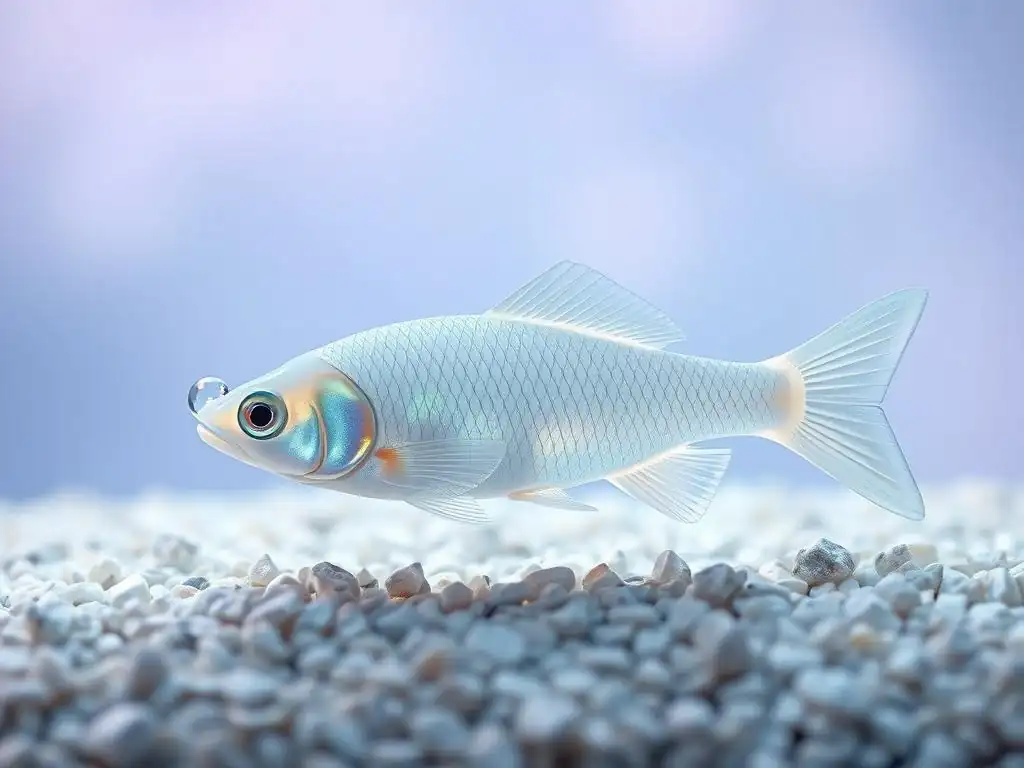
Choosing appropriate tank mates is a critical aspect of white cloud fish care, ensuring a harmonious and stress-free environment. The best companions for White Cloud Mountain Minnows are other small, peaceful fish that thrive in similar coldwater conditions and have comparable activity levels. Excellent choices include other varieties of White Clouds (such as Gold or Longfin), various species of Danios (e.g., Zebra Danios, Leopard Danios), and some smaller, peaceful species of Loaches like Kuhli Loaches, provided the temperature range is suitable for both. Small, non-aggressive gobies that prefer cooler water can also be considered.
Invertebrates are also fantastic additions to a White Cloud setup. Amano shrimp and various species of Nerite snails are highly beneficial, as they help with algae control and detritus consumption without posing any threat to the fish. Cherry shrimp can also be housed with White Clouds, though it's worth noting that very young shrimp fry might occasionally be predated upon. These invertebrates add diversity and contribute to the overall cleanliness of the aquarium, making them ideal partners in a well-managed coldwater community tank.
Fish to Avoid Keeping with White Clouds
To ensure the well-being of your White Cloud Mountain Minnows, it's equally important to know which fish to avoid. Any large, aggressive, or fin-nipping species should be excluded from their tank. This includes most Cichlids, even smaller dwarf varieties, as their territorial nature can stress or harm the peaceful White Clouds. Larger Barbs, some Gouramis, and any predatory fish that could view the small minnows as food are also unsuitable.
Furthermore, avoid fish that require significantly different water parameters, especially those that need high tropical temperatures (above 75°F/24°C) or extremely soft and acidic water if your White Clouds are housed in harder, neutral conditions. Pairing them with very timid or slow-moving fish that might be outcompetied for food is also not advisable, as the active White Clouds can easily dominate feeding times. Prioritizing compatibility in terms of size, temperament, and water requirements is fundamental to successful white cloud fish care.
White Cloud Mountain Minnow Breeding: A Natural and Rewarding Experience
Setting Up a Breeding Tank for White Clouds
White Cloud Mountain Minnows are continuous spawners and are relatively easy to breed, making them a rewarding experience for aquarists. To maximize the survival rate of eggs and fry, a separate breeding tank is highly recommended, typically a 2-5 gallon (7.5-19 liter) setup. This tank should be equipped with fine-leaved plants like Java Moss ( Taxiphyllum barbieri), spawning mops made from yarn, or even a plastic spawning grid at the bottom, which provide surfaces for the eggs to adhere to and offer protection from being eaten by the parent fish.
The breeding tank should use mature water from the main aquarium to ensure stable parameters, and a gentle sponge filter is ideal for filtration, as it won't suck up tiny fry. To condition the fish for spawning, feed the breeding group (a ratio of 2-3 males to 3-4 females is often effective) with a high-protein diet of live or frozen foods for several days. Spawning typically occurs in the early morning, with eggs scattered among the plants. Once eggs are observed, the adult fish should be removed to prevent predation.
White Cloud Fry Care: Raising Healthy Young Minnows
Once White Cloud Mountain Minnow eggs are laid, they are typically small, clear, and slightly adhesive. Depending on the water temperature, they will hatch within 36 to 72 hours. The newly hatched fry are tiny and will initially survive on their yolk sacs for the first few days, remaining mostly stationary or clinging to surfaces. After their yolk sacs are absorbed, they will become free-swimming and begin actively seeking food.
At this stage, providing appropriate food is crucial for their survival and growth. For the first week or two, infusoria, liquid fry food, or finely crushed spirulina powder are excellent choices. As they grow slightly larger, they can be transitioned to newly hatched brine shrimp or microworms, which provide essential protein for rapid development.
Frequent, small water changes (10-15% daily or every other day) are paramount to maintain pristine water quality, as fry are extremely sensitive to ammonia and nitrite. Consistent and careful white cloud fish care during this delicate stage will ensure a high survival rate for your new generation of minnows.
Common White Cloud Mountain Minnow Diseases and Prevention: Keeping Your Fish Healthy
Identifying Common White Cloud Ailments
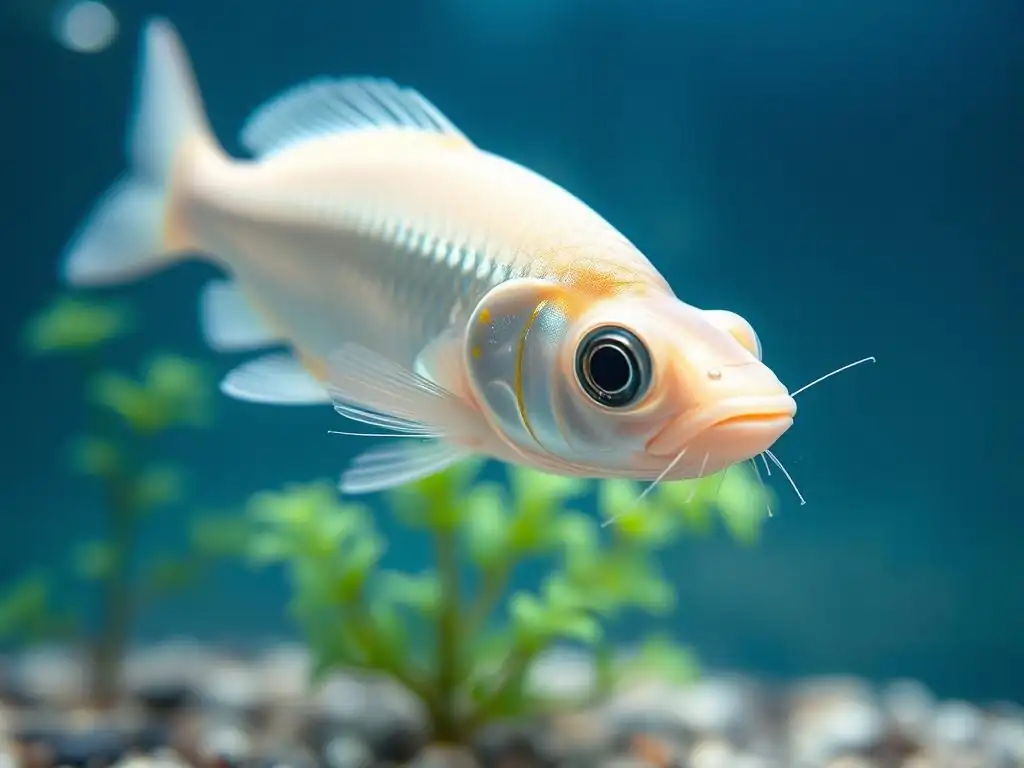
While White Cloud Mountain Minnows are known for their hardiness, they are not entirely immune to common fish diseases, particularly if their white cloud fish care is neglected or conditions become suboptimal. Aquarists should be vigilant for signs of common ailments such as Ich (White Spot Disease), characterized by small, salt-grain-like white spots on the body and fins, often caused by sudden temperature fluctuations or stress. Fin Rot, appearing as frayed, discolored, or disintegrating fins, is typically a bacterial infection stemming from poor water quality.
Other potential issues include Dropsy, where the fish's body swells and scales protrude, indicating internal organ failure, and Velvet, a parasitic infection that presents as a fine, gold or rust-colored dust on the fish's skin. Behavioral changes like lethargy, clamped fins, loss of appetite, or rubbing against tank decor can also signal illness. Early detection is vital; if possible, isolate affected fish in a quarantine tank to prevent disease spread and administer appropriate treatments based on diagnosis.
Preventing Disease: Maintaining Optimal Conditions
The most effective strategy for managing White Cloud Mountain Minnow diseases is prevention through diligent white cloud fish care. Maintaining stable and optimal water parameters is fundamental: consistently monitoring temperature, pH, ammonia, nitrite, and nitrate levels. Regular partial water changes, typically 25-30% weekly, are crucial for removing accumulated nitrates and replenishing essential minerals, thereby keeping the water clean and healthy. Providing a varied, high-quality diet also strengthens their immune system, making them more resilient to pathogens.
Avoiding overstocking your aquarium is another key preventive measure, as too many fish in a limited space lead to increased waste production, degraded water quality, and heightened stress levels, all of which compromise fish health. Furthermore, always quarantine new fish for at least 2-4 weeks in a separate tank before introducing them to your main aquarium. This practice helps prevent the introduction of diseases from new arrivals, safeguarding your existing fish population and ensuring long-term success in white cloud fish care.
The Benefits of White Clouds in Desktop Aquariums: Why Choose Them?
Low Maintenance Appeal: Ideal for Small Spaces and Beginners
White Cloud Mountain Minnows are arguably one of the most low-maintenance fish available, making them an excellent choice for desktop aquariums and for those new to the hobby. Their natural preference for cooler water means that in most average room temperatures (64-72°F or 18-22°C), a heater is completely unnecessary. This simplifies the initial setup, reduces energy consumption, and eliminates one common point of equipment failure. Their small adult size, typically 1 to 1.5 inches, also means they thrive in smaller tanks, with a 5-gallon aquarium being sufficient for a small school, making them ideal for limited spaces.
Beyond equipment simplicity, their inherent hardiness and tolerance for minor fluctuations in water chemistry reduce the steep learning curve often associated with aquarium keeping. While diligent white cloud fish care is always recommended, they are more forgiving of occasional oversight compared to more delicate tropical species. This resilience allows beginners to confidently learn about water chemistry, filtration, and feeding without the immediate stress of highly sensitive fish, providing a positive and encouraging entry into the world of aquaristics.
White Clouds: Adding Color and Activity to Your Desktop Aquarium
Despite their modest size, White Cloud Mountain Minnows bring a surprising amount of color and activity to any desktop aquarium. They are incredibly active swimmers, constantly darting and weaving through the water, especially when kept in a proper school of six or more. This lively, synchronized schooling behavior is captivating to watch and provides dynamic movement that transforms a static tank into a vibrant, living ecosystem.
Their natural coloration, featuring iridescent flanks that can shimmer with hints of green or blue, contrasted with their signature red-tipped fins, adds a subtle yet distinct beauty to the aquarium. The availability of different color morphs, such as the striking Gold White Cloud or the elegant Longfin variety, further enhances their aesthetic appeal, allowing aquarists to create visually diverse groups within the same species. White Clouds truly exemplify how small fish can make a big impact, bringing life, movement, and understated beauty to even the most compact aquatic environments.
White Cloud Mountain Minnow Varieties: Exploring Different Color Morphs
Gold White Cloud Mountain Minnows
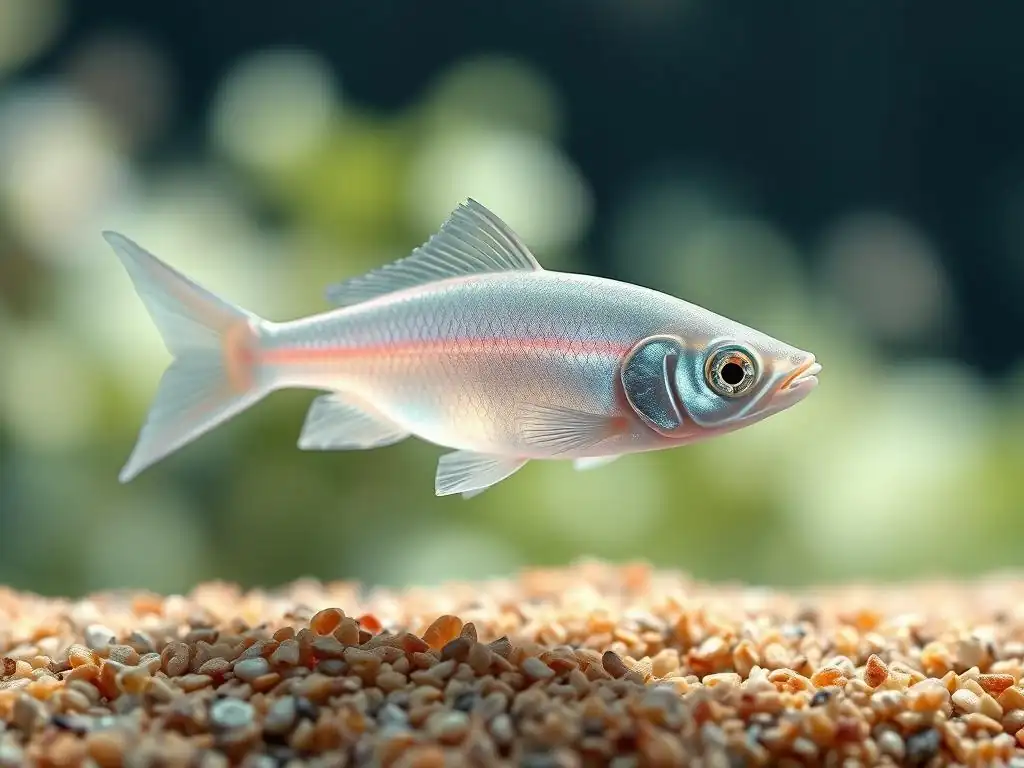
The Gold White Cloud Mountain Minnow is a popular selectively bred variety of the standard wild-type Tanichthys albonubes. Its most distinctive feature is a more pronounced golden or yellowish hue across its entire body, which glows beautifully under aquarium lighting, especially when contrasted with green plants. This golden coloration is often accompanied by even brighter red coloration on their fins, making them a vibrant addition to any unheated desktop aquarium.
In terms of white cloud fish care, the Gold variety shares the exact same hardy nature and specific requirements as the standard White Cloud. They thrive in the same cool water temperatures, exhibit the same active schooling behaviors, and accept the same varied diet. They readily school with the regular short-finned White Clouds, offering an attractive visual contrast within the group and providing aquarists with an option for a warmer color palette in their coldwater setup.
Longfin White Cloud Mountain Minnows
The Longfin White Cloud Mountain Minnow is another captivating selectively bred variant, celebrated for its elongated and flowing fins. The dorsal, anal, and caudal (tail) fins are particularly noticeable, extending gracefully and giving the fish a more elegant and ethereal appearance as it glides through the water. This enhanced finnage adds a unique sense of movement and sophistication to the White Cloud's already active swimming style.
While undeniably beautiful, their longer fins can make them slightly more vulnerable to fin nipping from overly aggressive tank mates (though rare with other White Clouds) or more susceptible to fin rot if water quality is not meticulously maintained. However, with proper white cloud fish care, including pristine water conditions and appropriate tank mates, the Longfin variety is just as hardy and easy to care for as its short-finned counterparts, making it a stunning choice for those looking to add a touch of grace to their coldwater aquarium.
Troubleshooting Common Issues with White Cloud Mountain Minnow Care
Addressing Common Problems: Ich and Fin Rot
Even with diligent white cloud fish care, common aquarium ailments like Ich and Fin Rot can occasionally surface, usually signaling an underlying stressor or water quality issue. Ich, or White Spot Disease, manifests as small, white, salt-grain-like spots scattered across the fish's body and fins. It's often triggered by sudden temperature fluctuations or the introduction of new, unquarantined fish. Treatment typically involves slowly raising the tank temperature (if compatible with other inhabitants, otherwise in a quarantine tank) to accelerate the parasite's life cycle, combined with the use of an appropriate Ich medication available at pet stores.
Fin Rot, on the other hand, presents as frayed, ragged, or discolored fins, sometimes accompanied by a red or inflamed base. This bacterial infection is almost always a direct result of poor water quality, specifically high ammonia or nitrite levels, or can be secondary to injury. Immediate treatment involves performing a large water change (30-50%), ensuring proper filtration, removing any stressors, and potentially administering a broad-spectrum antibiotic or antifungal medication. Maintaining pristine water conditions is paramount for both recovery and prevention.
Dealing with Algae Blooms in White Cloud Mountain Minnow Aquariums
Algae blooms are a common nuisance in many aquariums, including those housing White Cloud Mountain Minnows, and typically indicate an imbalance in the tank's ecosystem. Brown diatom algae or green spot algae are frequently observed, usually stemming from an excess of nutrients (nitrates and phosphates) and/or too much light. While White Clouds themselves don't directly cause algae, their waste contributes to nutrient levels if not managed.
Effective white cloud fish care includes strategies to combat algae. The primary solutions involve reducing the duration of tank lighting (e.g., to 8-10 hours per day), performing more frequent or larger water changes to physically remove excess nutrients, and ensuring your filtration system is adequate and well-maintained. Introducing natural algae eaters like Nerite snails or Amano shrimp can also significantly help in controlling algae growth without resorting to chemical treatments, which can be harmful to fish and beneficial bacteria. Addressing the root cause—nutrient imbalance and light exposure—is key to long-term algae control.
Frequently Asked Questions
What are the ideal water parameters for White Cloud Mountain Minnows?
White Clouds thrive in cooler water temperatures (64-72°F) and a slightly acidic to neutral pH (6.0-7.5). They are very adaptable to various water conditions, but stable water quality is key.
Do White Cloud Mountain Minnows require a heated aquarium?
No, White Clouds are coldwater fish and do not need a heater in most environments. This makes them perfect for unheated desktop aquariums or cooler rooms.
What should I feed my White Cloud Mountain Minnows?
Feed them a varied diet of small foods like flake food, frozen daphnia, and brine shrimp. Offer food in small portions that they can consume within a few minutes.
How many White Cloud Mountain Minnows should I keep together?
White Clouds are social fish and should be kept in groups of at least six. A larger school will make them feel more secure and display their natural schooling behavior.
What are some common health problems affecting White Cloud Mountain Minnows, and how can I prevent them?
White Clouds are generally hardy but can be susceptible to diseases like ich if water quality is poor. Maintain clean water through regular water changes to prevent illness.
Final Reflection: Embracing Simplicity in Aquatic Harmony
The journey into the world of unheated desktop aquariums, particularly with the resilient and beautiful White Cloud Mountain Minnow, reveals a profound truth: complexity isn't always necessary for thriving ecosystems. These often-overlooked fish, capable of flourishing in cooler temperatures, offer a compelling alternative to the energy-intensive and demanding nature of traditional tropical tanks, proving that beauty and sustainability can coexist in the smallest of spaces.
This exploration of White Cloud fish care has not only provided practical guidance but also highlighted the ongoing appeal of simplicity and natural balance in our lives. The ability to create a thriving aquatic environment with minimal intervention speaks to a deeper desire for connection with nature and a rejection of unnecessary complexity. The best things in life are free. The second best are very expensive.
- Coco Chanel, while not directly about aquariums, captures the essence of how we often overcomplicate things when simple, elegant solutions are readily available.
As you consider the possibilities of a White Cloud Mountain Minnow aquarium, I invite you to reflect on the lessons learned. Embrace the beauty of simplicity, appreciate the resilience of nature, and consider how you can incorporate more sustainable practices into your own life. Let the gentle dance of these unsung heroes inspire you to create a more harmonious and balanced world, one unheated aquarium at a time.
Embrace the Chill: Start Your Thriving Cold-Water Ecosystem!
Thank you for exploring the captivating world of unheated desktop aquariums! We hope you’ve discovered the surprising potential and unique charm these ecosystems offer. Now, it's time to dive in and bring your own miniature world to life!
Ready to get started? Here's how:
- Boldly begin with three White Cloud Mountain Minnows. They're hardy, beautiful, and perfect for establishing a thriving cold-water environment.
- Share your journey! Post a photo of your new aquarium on social media using #AquariumMasteryColdWater and inspire others.
- Explore local aquatic plant nurseries for native, cold-tolerant plants – you might be surprised at what hidden gems you uncover!
What fascinating native plants will you discover to enrich your unheated aquarium?