
My Dwarf Cichlid Won't Eat: Troubleshooting Feeding Problems

Welcome to Aquarium Mastery!
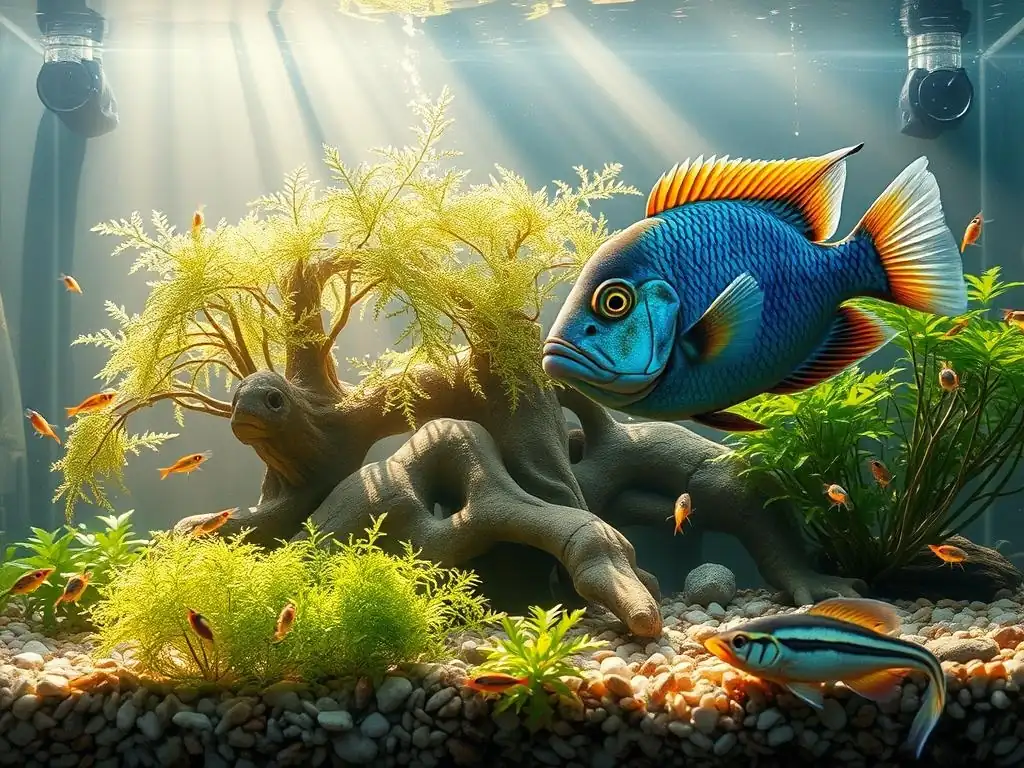
Is your dwarf cichlid suddenly turning its nose up at dinner? Don't panic! It's a common problem, and we're here to help you understand why. Dive into our guide, " My Dwarf Cichlid Won't Eat: Troubleshooting Feeding Problems," and discover the secrets to getting your little friend back on track. Could it be water quality, tank mates, or something else entirely? Let's explore the possibilities and find the solution together!
- Understanding Why Your Dwarf Cichlid Refuses Food
- Diagnosing the Problem: Identifying the Cause of Feeding Issues
- Solutions: Getting Your Dwarf Cichlid to Eat Again
- Dietary Needs of Dwarf Cichlids: A Quick Guide
- Preventing Future Feeding Problems
- When to Seek Professional Help
- Frequently Asked Questions
- Final Reflection: The Delicate Dance of Care
- Ignite Your Cichlid's Appetite!
Understanding Why Your Dwarf Cichlid Refuses Food
Common Reasons for Appetite Loss in Dwarf Cichlids
When a dwarf cichlid won't eat, it's often an indicator of underlying stress or health issues rather than simply being picky. These sensitive fish, including popular species like Apistogramma cacatuoides, Mikrogeophagus ramirezi (Ram Cichlids), and Pelvicachromis pulcher (Kribensis), are highly susceptible to changes in their environment. Common culprits range from poor water quality and inadequate diet to more serious concerns like disease, bullying from tank mates, or simply the stress of acclimation to a new home. Observing your fish's overall behavior alongside its refusal to eat is crucial for accurate diagnosis.
A sudden change in appetite from a previously healthy dwarf cichlid should prompt immediate investigation. For instance, an Apistogramma that usually eagerly greets you at the glass during feeding time but now hides and ignores food flakes is signaling distress. Even subtle shifts in tank parameters or the introduction of a new, aggressive fish can be enough to cause a dwarf cichlid won't eat situation, as their innate survival instincts prioritize safety over feeding when threatened or unwell.
Stress and Acclimation: Why New Cichlids May Not Eat
Newly acquired dwarf cichlids frequently exhibit a reluctance to eat, primarily due to the intense stress of capture, transport, and introduction to a new environment. This acclimation period can last from a few days to over a week, during which the fish prioritizes settling into its new surroundings and feeling secure. They may appear shy, hide frequently, and ignore food, which is a normal response as they adjust to new water parameters, tank mates, and lighting conditions.
Proper acclimation techniques, such as drip acclimation over 30-60 minutes, are vital to minimize this initial shock and reduce the likelihood that a dwarf cichlid won't eat. Providing a dimly lit tank with plenty of hiding spots during the first few days can significantly aid their adjustment. For example, a new pair of Bolivian Rams ( Mikrogeophagus altispinosus) might take 3-5 days to emerge confidently and begin feeding, especially if they are placed in a bustling community tank without adequate cover.
Water Quality Issues Affecting Dwarf Cichlid Feeding Habits
Suboptimal water quality is a leading cause of appetite loss in dwarf cichlids. High levels of ammonia, nitrite, or nitrate are toxic and can quickly lead to lethargy, clamped fins, and a complete refusal to eat. Ammonia and nitrite should always be at 0 parts per million (ppm), while nitrates should ideally be kept below 20 ppm for most dwarf cichlid species, although some can tolerate up to 40 ppm. Even slight elevations can induce stress and compromise their immune system.
Beyond nitrogenous waste, unstable pH levels or rapid temperature fluctuations can also profoundly impact a dwarf cichlid's well-being and appetite. Many dwarf cichlids, such as the popular German Blue Rams, prefer soft, acidic water with a pH range of 6.0-7.0 and stable temperatures between 25-29°C (77-84°F). A sudden drop in temperature by even a few degrees or a pH swing from 7.0 to 8.0 can cause metabolic shock, resulting in a dwarf cichlid won't eat scenario as their bodily functions are disrupted.
Illness and Disease: Ruling Out Sickness as a Cause
When a dwarf cichlid won't eat, especially if accompanied by other symptoms, illness or disease is a strong possibility. Internal parasites, such as Hexamita (often linked to "Hole-in-the-Head" disease), are common culprits, leading to emaciation and a lack of appetite. Bacterial infections, fungal growths, or even external parasites like Ich (white spot disease) can also cause fish to stop eating due to discomfort or systemic illness.
Early detection of disease is critical for successful treatment. Beyond refusing food, look for signs like stringy white feces (indicative of internal parasites), clamped fins, labored breathing, visible spots or lesions on the body, cloudy eyes, or abnormal swimming patterns. For example, a Kribensis cichlid ( Pelvicachromis pulcher) that is refusing food and also exhibiting rapid gilling and rubbing against decor might be suffering from gill flukes or external parasites, requiring immediate attention.
Bullying and Competition: Food Aggression in the Aquarium
Dwarf cichlids, despite their size, are territorial and can exhibit significant aggression, particularly during feeding times or when establishing breeding territories. In a community tank, a dominant dwarf cichlid or even an overly boisterous tank mate can intimidate shyer or more submissive individuals, preventing them from accessing food. This constant stress and lack of nutritional intake can quickly lead to a dwarf cichlid won't eat and subsequent decline in health.
Observe the dynamics during feeding. Is one fish consistently chasing others away from the food? Are the bullied fish hiding when food is introduced and only emerging when the dominant fish is elsewhere? In tanks smaller than 20 gallons (approximately 75 liters), or with insufficient hiding spots, bullying can be particularly pronounced. For instance, a dominant male Apistogramma agassizii might aggressively guard the feeding zone, leaving smaller females or subdominant males unable to eat adequately, leading to their refusal of food over time.
Diagnosing the Problem: Identifying the Cause of Feeding Issues
Observing Your Dwarf Cichlid's Behavior
Thorough observation is the first and most critical step in diagnosing why your dwarf cichlid won't eat. Spend at least 10-15 minutes, several times a day, watching your fish without disturbing them. Note any deviations from their normal behavior: Are they hiding more than usual? Are their fins clamped against their body? Is their breathing rapid or labored? Do they try to eat but spit the food out, or do they completely ignore it?
A healthy dwarf cichlid is typically active, displays vibrant coloration, and shows curiosity towards its surroundings, especially at feeding time. For example, a normally outgoing German Blue Ram that suddenly becomes lethargic, stays at the bottom of the tank, and exhibits dull coloration, coupled with a refusal to eat, indicates a serious problem. Conversely, a newly introduced Apistogramma that is simply shy and hiding but otherwise looks healthy might just need more time to acclimate.
Testing Your Aquarium Water Parameters
Accurate water testing is indispensable when a dwarf cichlid won't eat. Use a reliable liquid test kit (not test strips, which are often less accurate) to measure ammonia, nitrite, nitrate, pH, and temperature. Ammonia and nitrite levels should always read 0 ppm. Nitrates should ideally be below 20 ppm, though some species can tolerate up to 40 ppm. Record these readings to identify any trends or sudden spikes.
For instance, if your ammonia or nitrite levels are elevated to even 0.25 ppm, it strongly suggests a problem with the nitrogen cycle or overfeeding, directly impacting your fish's health and appetite. Similarly, if your pH has unexpectedly dropped from 7.0 to 5.5, it could be causing severe stress to a species that prefers neutral water, explaining why your dwarf cichlid won't eat. Consistency in these parameters is often more important than hitting an exact "perfect" number.
Checking for Signs of Disease or Injury
A close visual inspection of your dwarf cichlid is necessary to rule out physical ailments or disease. Look for any unusual spots (white, black, or red), cottony growths, frayed or torn fins, bloating, sunken belly, cloudy eyes, or open sores. Examine the gills for any redness or swelling. Also, observe your fish's feces; stringy, white, or clear feces can be a strong indicator of internal parasites.
For example, if your Apistogramma is refusing food and you notice small white spots resembling grains of salt on its body and fins, it's highly likely suffering from Ichthyophthirius multifiliis (Ich). If its stomach appears bloated and it's not eating, it could be dropsy or an internal bacterial infection. Early identification of these specific symptoms will guide you towards the correct treatment and help get your dwarf cichlid eating again.
Assessing Tank Mates and Potential Aggression
Observe the interactions between your dwarf cichlid and its tank mates, especially during feeding times. Aggression can be subtle; sometimes it's not outright chasing but rather a dominant fish simply positioning itself to block access to food or constantly darting at a submissive fish. Consider the species compatibility; while dwarf cichlids are generally peaceful for cichlids, some species are more territorial than others, and certain tank mates can be too boisterous or nippy.
Even seemingly peaceful fish like certain tetras can stress a shy dwarf cichlid if they are too fast or numerous, causing the cichlid to remain hidden and not eat. In a 29-gallon tank with a pair of Rams and a school of speedy high-fin tetras, the Rams might be too intimidated to come out and feed unless the food is offered directly or the tetras are momentarily distracted. If you notice constant chasing, fin nipping, or one fish always hiding, aggression is a likely reason why your dwarf cichlid won't eat.
Solutions: Getting Your Dwarf Cichlid to Eat Again
Improving Water Quality for Healthier Cichlids
Performing Water Changes and Maintaining Filtration
If water parameters are off, immediate action is required to improve the environment for your dwarf cichlid. Perform a significant water change, typically 25-50%, using dechlorinated water that matches the tank's temperature as closely as possible. For instance, if your nitrates are at 80 ppm, a 50% water change will reduce them to approximately 40 ppm, which is a much safer level. Regular, smaller water changes (e.g., 25% weekly) are essential for long-term maintenance.
Beyond water changes, ensuring your filtration system is functioning optimally is crucial. Clean your filter media regularly, rinsing sponges and mechanical media in old tank water to avoid killing beneficial bacteria. A clogged filter cannot effectively remove waste, leading to a buildup of toxins that can cause a dwarf cichlid won't eat situation. For example, a canister filter on a 30-gallon tank should have its mechanical media rinsed monthly, and chemical media (like carbon) replaced every 3-4 weeks.
Adjusting Temperature and pH Levels
If your aquarium's temperature or pH is outside the optimal range for your dwarf cichlid, make gradual adjustments to avoid shocking the fish. For temperature, use a reliable heater and adjust settings slowly, increasing or decreasing by no more than 1-2°F (0.5-1°C) per hour. A stable temperature between 25-29°C (77-84°F) is ideal for most dwarf cichlids like Rams.
For pH, changes should be even slower, over several days, using methods like peat filtration for lowering pH or crushed coral for raising it. Rapid pH shifts can be more detrimental than slightly suboptimal but stable pH. For Apistogramma species that prefer acidic water (pH 6.0-6.8), consistent stability within this range is key. Avoid using chemical pH adjusters unless absolutely necessary, as they can cause rapid and dangerous fluctuations.
Reducing Stress in the Aquarium Environment
Providing Hiding Places and Decorations
A secure environment significantly reduces stress, encouraging a dwarf cichlid to eat. Incorporate plenty of natural decor like driftwood, rocks, and dense live plants (e.g., Java Fern, Anubias, Amazon Swords). Dwarf cichlids thrive with visual breaks and shaded areas. For species like Apistogramma, overturned terracotta pots or specifically designed cichlid caves are excellent for providing secure breeding and hiding spots.
Ensure there are enough hiding places for all fish, especially if you have multiple dwarf cichlids or a mixed-species tank. This allows submissive or shy individuals to retreat and feel safe, reducing stress and increasing their confidence to come out and feed. For example, a 20-gallon long tank with a pair of Kribensis should ideally have at least 2-3 distinct caves or dense plant clumps to minimize territorial disputes and stress.
Minimizing Disturbances and Loud Noises
Dwarf cichlids are sensitive to external disturbances. Place your aquarium in a relatively quiet area of your home, away from direct sunlight, slamming doors, or excessively loud televisions. Sudden movements or vibrations near the tank can startle them, causing them to hide and refuse food. For instance, a tank placed near a frequently used doorway might constantly stress its inhabitants.
When performing tank maintenance, move slowly and gently to avoid startling your fish. Avoid tapping on the glass, as this can be a significant stressor. A calm and predictable environment will make your dwarf cichlid feel more secure, leading to a more natural and confident feeding response.
Treating Potential Diseases or Infections
Identifying Symptoms and Choosing Appropriate Medications
Accurate diagnosis is paramount before beginning any disease treatment. Research the specific symptoms your dwarf cichlid is exhibiting to identify the most likely illness. For example, if your dwarf cichlid won't eat and has a bloated appearance with scales sticking out, it's likely dropsy, which requires a different approach than white spots (Ich). Consult reputable online resources or an experienced aquarist for guidance.
Once diagnosed, select an appropriate medication and follow the manufacturer's instructions precisely. Overdosing can be more harmful than the disease itself. Always remove activated carbon from your filter during medication, as it will absorb the treatment. For instance, if internal parasites are suspected due to stringy white feces, a medication containing Metronidazole is often effective and typically administered for 5-7 days.
Quarantine Procedures for Sick Cichlids
If possible, move the sick dwarf cichlid to a separate quarantine tank (a simple 10-20 gallon tank with a heater, filter, and airstone) for treatment. This prevents the spread of disease to other fish in the main tank and allows for more targeted medication without harming beneficial bacteria or sensitive invertebrates in your display tank. A quarantine tank also allows for closer observation of the sick fish.
While in quarantine, continue to monitor the fish's symptoms and appetite closely. Perform small, frequent water changes in the quarantine tank to maintain water quality, especially if medications are taxing on the biological filter. For example, treating a single Ram Cichlid for a bacterial infection in a 10-gallon quarantine tank allows you to precisely dose medication without affecting a larger, planted community tank.
Addressing Bullying and Competition for Food
Separating Aggressive Fish
If bullying is the primary reason your dwarf cichlid won't eat, you may need to separate the aggressive fish. Temporarily removing the aggressor to a separate tank for a few days can sometimes "reset" the hierarchy upon reintroduction. If the aggression persists or is severe, permanent separation may be necessary, either by rehoming the aggressor or the bullied fish.
Consider the long-term compatibility of your chosen species and the tank size. A 20-gallon tank might be suitable for a single pair of Apistogramma, but adding another territorial cichlid could lead to constant aggression. Sometimes, adding more hiding spots or rearranging the tank decor can break up territories and reduce conflict, but if a dwarf cichlid is consistently stressed to the point it won't eat, physical separation is the most humane solution.
Providing Multiple Feeding Locations
To ensure all fish get enough food, especially in tanks with aggressive eaters or shy individuals, disperse food across multiple locations in the aquarium. Instead of dropping all the food in one spot, scatter flakes or pellets over the entire surface. For frozen or live foods, you can use a turkey baster to deliver small portions to different areas, or even directly near the hiding spot of a shy dwarf cichlid.
This strategy allows more timid fish, which might otherwise be outcompeted, to access food without direct confrontation. For example, when feeding frozen bloodworms, squirt small amounts into a dense plant cluster on one side of the tank and another portion near a rock formation on the other side. This increases the chances that your dwarf cichlid won't eat due to bullying will find a meal.
Optimizing Your Dwarf Cichlid's Diet
Offering a Variety of Foods: Live, Frozen, and Flake
Dwarf cichlids are omnivores with a strong preference for meaty foods. A varied diet is crucial for their health and can often entice a dwarf cichlid won't eat to start feeding again. Offer a high-quality staple flake or pellet food, but regularly supplement with frozen foods like bloodworms, brine shrimp, daphnia, or mysis shrimp. Live foods such as blackworms, grindal worms, or even newly hatched brine shrimp are excellent for stimulating appetite.
For instance, while a good quality flake food provides basic nutrition, the rich protein content and natural movement of frozen or live bloodworms can be irresistible to a listless Apistogramma. Varying the diet ensures your fish receives a full spectrum of nutrients, from proteins and fats to vitamins and minerals, promoting overall vitality and a strong feeding drive.
Ensuring Food Size is Appropriate for Dwarf Cichlids
Dwarf cichlids have relatively small mouths, so the size of the food offered is critical. Large pellets, whole frozen bloodworms, or oversized flakes may be ignored or attempted to be eaten only to be spit out. This can lead to frustration and a lack of proper nutrition, contributing to why a dwarf cichlid won't eat.
Always ensure that food items are small enough for your dwarf cichlid to consume comfortably. Crush flakes or pellets into smaller pieces if necessary. Frozen foods like bloodworms should be thawed and then cut into smaller, manageable portions before feeding. For example, a single frozen bloodworm might be too large for a small Mikrogeophagus ramirezi, but cutting it into 2-3 pieces makes it easily consumable.
Soaking Food in Garlic Juice to Stimulate Appetite
Garlic is a well-known appetite stimulant for fish and can be incredibly effective in encouraging a dwarf cichlid won't eat to resume feeding. Many commercial fish foods are infused with garlic, or you can purchase liquid garlic supplements specifically designed for aquariums. The strong aroma and flavor of garlic can make even unappetizing food more appealing to finicky or stressed fish.
To use garlic, simply soak dry flakes or pellets in a few drops of liquid garlic supplement for 5-10 minutes before feeding. This imbues the food with the enticing scent and flavor. For example, if your Apistogramma is refusing its usual pellets, soaking them in garlic guard might make them irresistible, helping to kickstart its appetite.
Dietary Needs of Dwarf Cichlids: A Quick Guide
Recommended Food Types for Dwarf Cichlids
Dwarf cichlids thrive on a diverse diet that mimics their natural omnivorous preferences, leaning towards meaty foods. High-quality flake or small pellet foods formulated for cichlids should form the staple of their diet, providing essential vitamins and minerals. These should be supplemented regularly with frozen options such as bloodworms, brine shrimp, daphnia, and mysis shrimp, which offer rich protein and fat content.
Live foods like grindal worms, blackworms, or even newly hatched brine shrimp are excellent for stimulating natural hunting behaviors and providing superior nutrition, especially for a dwarf cichlid won't eat. For instance, while a Kribensis will readily accept spirulina-enriched flakes, a German Blue Ram often shows a stronger preference for frozen bloodworms and brine shrimp due to their higher protein needs.
Feeding Frequency and Portion Sizes
The general rule for feeding dwarf cichlids is to offer small amounts 1-2 times per day. The key is to provide only what they can consume entirely within 2-3 minutes. Overfeeding is a common mistake that leads to uneaten food decaying, fouling the water, and causing dangerous spikes in ammonia and nitrite, which in turn can lead to a dwarf cichlid won't eat.
Observe your fish during feeding to gauge the correct portion size. If there's food left floating after 3 minutes, you're feeding too much. If all the food is gone instantly and the fish are still eagerly searching, you might need to slightly increase the portion. For an adult dwarf cichlid, this might translate to just 3-5 small flakes or a small pinch of frozen food per meal, depending on the food type and fish size.
Supplementing with Vitamins and Minerals
While a varied diet is crucial, occasional supplementation with vitamins and minerals can significantly enhance the health, color, and immune system of your dwarf cichlids, especially during periods of stress or recovery. Liquid vitamin supplements specifically designed for aquarium fish can be added to the water or, more effectively, soaked into their food.
For example, Vitamin C is vital for fish immune function and stress resistance, often found in high-quality fish foods or as a standalone supplement. Regular, but not excessive, supplementation can help prevent nutritional deficiencies that might otherwise lead to a dwarf cichlid won't eat. Trace minerals also play a critical role in metabolic processes and can be replenished through specialized water conditioners or mineral supplements.
Preventing Future Feeding Problems
Maintaining Optimal Water Quality Long-Term
Consistent and proactive water quality management is the single most important factor in preventing future feeding problems and ensuring the long-term health of your dwarf cichlids. Establish a regular schedule for water testing (e.g., weekly) and water changes (e.g., 25% weekly or 50% bi-weekly, depending on stocking density). This prevents the accumulation of harmful nitrates and ensures stable parameters.
Beyond routine changes, ensure your filtration system is adequately sized for your tank and regularly maintained. Clean filter media by rinsing it in old tank water to preserve beneficial bacteria. Avoid sudden, large water changes that can shock your fish. A stable, clean environment minimizes stress, which is a primary reason why a dwarf cichlid won't eat.
Regularly Observing Your Fish for Signs of Illness
Make it a habit to spend a few minutes each day observing your dwarf cichlids. Look for any subtle changes in their behavior, coloration, swimming patterns, or physical appearance. Early detection of symptoms like clamped fins, lethargy, or unusual spots can allow for prompt intervention before an illness becomes severe and causes your dwarf cichlid to stop eating.
For example, noticing slight dulling of color or a slight increase in hiding behavior might be the first subtle signs of stress or impending illness. If you catch these indicators early, you can address the root cause (e.g., water quality) before the fish becomes too sick to eat, making recovery much more challenging.
Providing a Balanced and Varied Diet
To prevent future appetite issues and ensure robust health, always provide a balanced and varied diet. Do not rely solely on one type of food. Rotate between high-quality flakes or pellets, various frozen foods (bloodworms, brine shrimp, daphnia), and occasional live treats. This ensures your dwarf cichlids receive all necessary nutrients, vitamins, and minerals.
Avoid overfeeding, as this not only pollutes the water but can also lead to digestive issues and obesity in fish. Feed small portions that can be consumed within 2-3 minutes. A dwarf cichlid that is consistently well-fed with a diverse diet is far less likely to face nutritional deficiencies or refuse food unexpectedly.
Creating a Stress-Free Environment
A calm and secure environment is paramount for preventing stress-related feeding issues. Choose tank mates carefully, opting for peaceful, non-aggressive species that won't compete excessively for food or territory. Ensure your tank is adequately sized for your chosen dwarf cichlid species, providing ample swimming space and reducing territorial disputes.
Crucially, provide plenty of hiding spots and visual breaks using driftwood, rocks, and dense live plants. This allows shy or submissive fish to retreat and feel safe, reducing overall stress levels. A secure dwarf cichlid that feels safe in its environment is more likely to exhibit natural feeding behaviors and maintain a healthy appetite, preventing a dwarf cichlid won't eat scenario.
When to Seek Professional Help
Recognizing Serious Symptoms
While many feeding problems can be resolved with diligent home care, there are instances when a dwarf cichlid won't eat due to serious, persistent issues that warrant professional intervention. If your dwarf cichlid has refused food for more than 3-5 days despite addressing common causes like water quality and stress, or if it exhibits severe physical symptoms such as extreme bloating, open sores, rapid and labored breathing, or complete listlessness, it's time to seek expert advice.
Additionally, if multiple fish in your aquarium are showing similar symptoms or are also refusing food, this could indicate a rapidly spreading and serious disease that requires specialized diagnosis and treatment beyond typical over-the-counter remedies. For example, a whole tank of Apistogramma refusing food and showing signs of rapid weight loss might be experiencing a systemic parasitic infection.
Consulting with an Experienced Aquarist or Veterinarian
For complex or persistent issues, especially when disease is suspected, consulting an experienced aquarist or an aquatic veterinarian is highly recommended. Many reputable local fish stores employ knowledgeable staff who can offer valuable advice based on your specific observations and water test results. Online aquarium forums with experienced members can also provide guidance, though they cannot physically examine your fish.
For definitive diagnosis and treatment, particularly for internal parasites or bacterial infections, an aquatic veterinarian is the best resource. They can perform diagnostic tests such as skin scrapes, fin biopsies, or fecal examinations to precisely identify the pathogen. They can then prescribe targeted medications that may not be available to the general public, significantly increasing the chances of recovery for your dwarf cichlid won't eat.
Frequently Asked Questions
Why might my dwarf cichlid suddenly stop eating?
Sudden loss of appetite in dwarf cichlids can be due to several factors, including poor water quality, stress, or the onset of a disease. Check your water parameters immediately.
What are some common signs of stress in dwarf cichlids?
Besides refusing food, stressed dwarf cichlids may exhibit clamped fins, erratic swimming, or increased hiding. These are all indicators of a problem.
What kind of food should I be offering my dwarf cichlid?
Dwarf cichlids are generally omnivores, so offer a varied diet of high-quality flakes, frozen foods (like bloodworms and brine shrimp), and small sinking pellets. Variety is key!
How often should I be feeding my dwarf cichlid?
Feed your dwarf cichlid small portions once or twice daily, only as much as they can consume in a few minutes. Overfeeding can lead to water quality issues.
Could a new tank mate be causing my dwarf cichlid to not eat?
Yes, introducing a new fish could cause stress and competition, leading to your dwarf cichlid refusing food. Observe the tank for signs of aggression or bullying.
Final Reflection: The Delicate Dance of Care
The intricacies of aquarium keeping, particularly when dealing with sensitive species like dwarf cichlids, highlight the profound responsibility we undertake when bringing these creatures into our care. The challenges of a dwarf cichlid refusing to eat, as we've explored, are not merely technical problems to be solved, but rather signals demanding our attention, patience, and a deeper understanding of their needs.
This journey into troubleshooting feeding problems underscores how observational skills and a commitment to creating a thriving environment are paramount to success. The well-being of these delicate fish is inextricably linked to our ability to decipher their subtle cues and adapt our practices accordingly. The best aquarium is not just a container for fish, but a miniature ecosystem where life thrives in harmony.
This quote reminds us that our role extends beyond simply providing food; it requires fostering a balanced and enriching habitat.
Now, consider the lessons learned. Have you truly examined your own aquarium setup with the critical eye of a caretaker dedicated to understanding the specific needs of your dwarf cichlids? Take a moment to reflect on the environment you've created and the subtle signals your fish may be sending. By embracing a proactive and empathetic approach, you can transform potential feeding problems into opportunities for deeper connection and a healthier, more vibrant aquatic world.
Ignite Your Cichlid's Appetite!
Thanks for diving into the world of dwarf cichlids and their feeding habits! Hopefully, you've gained some valuable insights into how to get your picky eater back on track. Now, let's turn that knowledge into action!
Here are a few things you can do right now:
- Re-evaluate your cichlid's diet based on the tips shared above. This is the most crucial step to ensuring a healthy and happy fish.
- Explore different food types mentioned in the article – try a new live food or a premium pellet brand that caters to cichlids.
- Share this article with fellow cichlid enthusiasts! Help them troubleshoot their own feeding challenges and build a thriving aquarium community.
What’s the first new food you're going to introduce to your cichlid, and why do you think it will make a difference?