
Betta Smaragdina: The Emerald Jewel of Wild Bettas

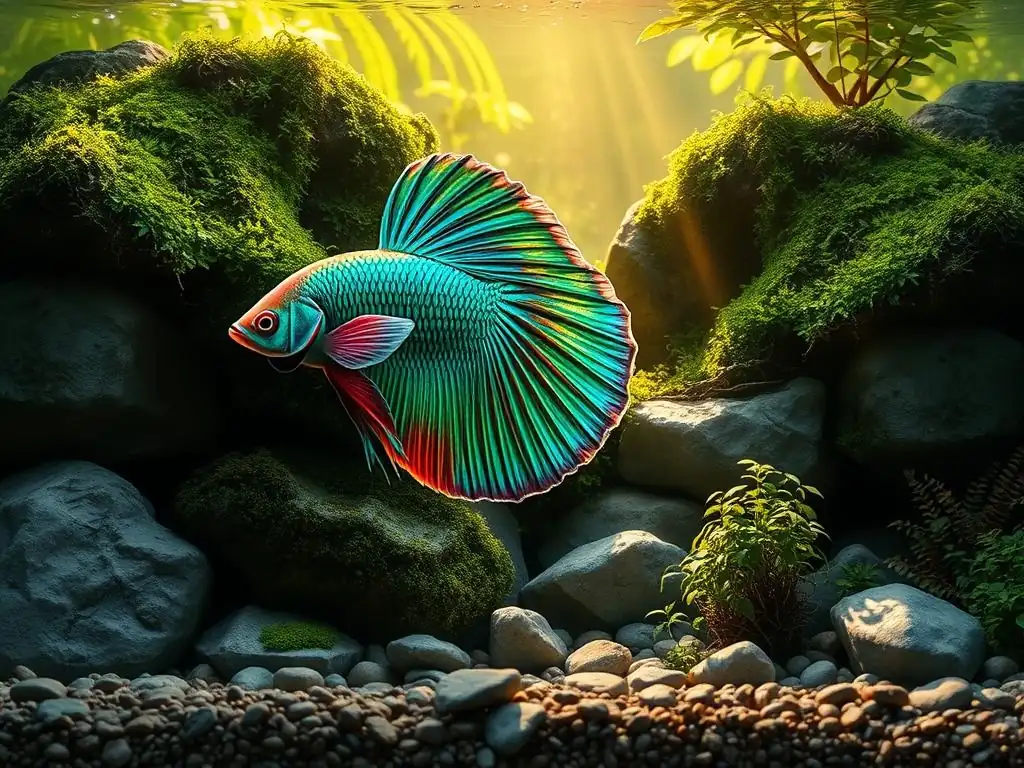
Welcome to Aquarium Mastery!
Ever wondered what it takes to truly unlock the secrets of keeping wild bettas, those shimmering jewels of the freshwater world? Prepare to dive deep! In this article, we'll explore the specific nuances of Wild Betta Care Requirements, going beyond the basics to help you successfully nurture and admire these fascinating fish. Think you know bettas? Think again! Let's uncover the emerald secrets together...
- Understanding Betta Smaragdina: An Introduction to Emerald Bettas
- Wild Betta Care Requirements Guide: Creating the Ideal Environment
- Betta Smaragdina Diet and Feeding: Ensuring Proper Nutrition
- Social Behavior and Tank Mates for Betta Smaragdina
- Breeding Betta Smaragdina: A Comprehensive Guide
- Common Health Issues in Betta Smaragdina and Their Prevention
- Where to Find and Purchase Betta Smaragdina
- The Allure of Betta Smaragdina: Why Keep Emerald Bettas?
-
Frequently Asked Questions
- What are the key differences between Betta smaragdina and common domestic bettas?
- What are the ideal water parameters for a Betta smaragdina aquarium?
- What type of food should I feed my Betta smaragdina?
- What tank size is recommended for keeping Betta smaragdina?
- How can I encourage Betta smaragdina to breed in my aquarium?
- Final Reflection: Appreciating the Untamed Beauty
- Unveil Your Emerald Betta Adventure Now!
Understanding Betta Smaragdina: An Introduction to Emerald Bettas
Distinguishing Betta Smaragdina from Common Betta Splendens
Betta smaragdina, often referred to as the Emerald Betta, stands apart from the widely recognized Betta splendens, or the common Siamese fighting fish. While both are labyrinth fish, B. smaragdina exhibits a more streamlined body shape and less exaggerated finnage compared to the heavily line-bred B. splendens show varieties. Their coloration typically features iridescent greens, blues, and coppers, giving them their "emerald" moniker, often more subtle and natural than the vibrant, often solid, colors of many B. splendens strains.
Beyond physical appearance, their behavior also differs. Betta smaragdina generally displays a less intense level of aggression than the highly territorial show Betta splendens males, especially towards conspecifics in appropriately sized and furnished tanks. This allows for more varied keeping options, though individual temperament can still vary. Understanding these distinctions is crucial for anyone considering a wild betta care requirements guide for this fascinating species.
The Natural Habitat of Betta Smaragdina: Origins and Ecosystem
Betta smaragdina originates from the northeastern regions of Thailand, primarily found in provinces such as Udon Thani, Nong Khai, and Sakon Nakhon. These areas are characterized by extensive rice paddies, shallow ditches, slow-moving streams, and swamps. The water bodies are typically shallow, often only a few inches deep, and are densely vegetated with aquatic plants and submerged grasses.
The natural ecosystem of the Emerald Betta is often subject to seasonal fluctuations, including periods of drought and heavy rainfall. The water is generally soft to moderately hard, with a pH ranging from slightly acidic to neutral, often around 6.5 to 7.5. The presence of leaf litter from surrounding vegetation contributes to humic substances, giving the water a tea-stained appearance and providing natural antibacterial properties, which is a key aspect of understanding the wild betta care requirements guide.
Wild Betta Care Requirements Guide: Creating the Ideal Environment
Tank Size and Setup for Betta Smaragdina: Mimicking Their Natural Habitat
For a single Betta smaragdina, a minimum tank size of 5 to 10 gallons is recommended, though a 10-gallon tank provides more stable parameters and swimming space. If considering a pair or a small group (such as a trio of one male and two females), a tank of 20 gallons or larger is essential to provide adequate territory and reduce aggression. The tank should ideally be wider than it is tall, mimicking the shallow, expansive nature of their natural rice paddy habitats.
A secure lid is paramount, as Betta smaragdina are excellent jumpers, especially when startled or exploring. The base of a successful wild betta care requirements guide involves replicating their environment. A dark substrate, such as fine sand or smooth, dark gravel, helps bring out their vibrant colors and reduces stress.
Water Parameters for Optimal Emerald Betta Health: Temperature, pH, and Hardness
Maintaining stable and appropriate water parameters is critical for the health and longevity of Betta smaragdina. The water temperature should be kept between 24-28°C (75-82°F), ideally at the higher end of this range for optimal activity and metabolism. A reliable heater with a thermostat is necessary to prevent temperature fluctuations.
The pH level should range from 6.0 to 7.5, with slightly acidic to neutral conditions being preferred, mirroring their wild origins. Water hardness should be soft to moderately hard, typically between 5 and 12 dGH (general hardness). Regular water testing for ammonia, nitrite, and nitrate, along with pH and temperature, is essential to ensure these parameters remain stable and within the optimal range, forming a core part of any comprehensive wild betta care requirements guide.
Substrate, Decor, and Plants for a Thriving Betta Smaragdina Tank
The choice of substrate and decor greatly influences the well-being of Betta smaragdina. A fine, dark sand substrate or smooth, small gravel is ideal, as it is gentle on their delicate fins and allows for natural foraging behavior. Adding leaf litter, such as Indian almond leaves (catappa leaves), is highly beneficial. These leaves release tannins, which tint the water a light amber, lower the pH slightly, and provide mild antibacterial and antifungal properties, replicating the conditions of their natural habitat.
Dense planting is crucial for these fish, offering security, hiding spots, and visual barriers. Suitable plants include floating species like Hornwort ( Ceratophyllum demersum), Salvinia, or Water Lettuce ( Pistia stratiotes), which provide cover and dim the light. Rooted plants such as various Cryptocoryne species, Anubias barteri, and Java Fern ( Microsorum pteropus) can be attached to driftwood or rocks. Driftwood and smooth rocks can also be incorporated to create additional hiding places and break up lines of sight, which is an important consideration in a wild betta care requirements guide for their semi-territorial nature.
Betta Smaragdina Diet and Feeding: Ensuring Proper Nutrition
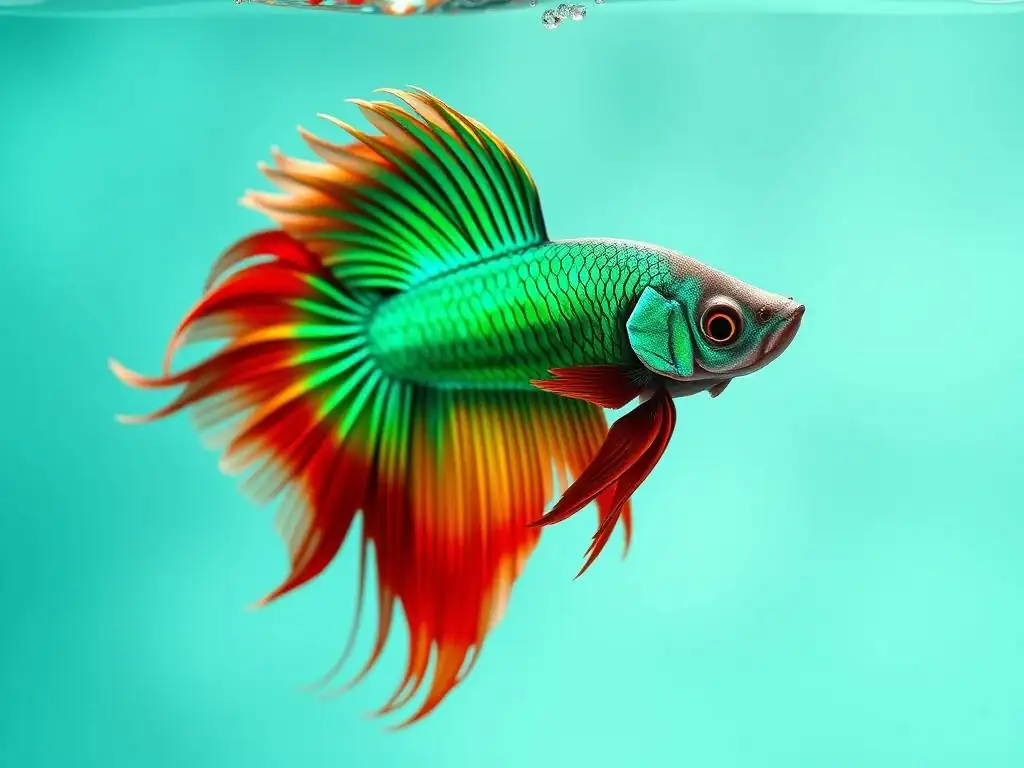
What Do Emerald Bettas Eat in the Wild? Understanding Their Natural Diet
In their natural habitat, Betta smaragdina are primarily micro-predators, exhibiting an insectivorous and carnivorous diet. They actively hunt and consume a variety of small invertebrates. Their diet typically consists of mosquito larvae, daphnia, copepods, small worms, and other aquatic insect larvae found in the shallow waters of rice paddies and ditches.
They are opportunistic feeders and will also consume small crustaceans and zooplankton. This natural diet provides them with the essential proteins, fats, and micronutrients necessary for their vibrant coloration and overall health. Understanding these natural feeding habits is fundamental to developing an effective wild betta care requirements guide for their captive diet.
Recommended Foods for Captive Betta Smaragdina: Live, Frozen, and Prepared Options
To replicate their natural diet in captivity, a varied feeding regimen is crucial. Live foods are highly recommended and include blackworms, grindal worms, daphnia, and newly hatched brine shrimp. These options not only provide excellent nutrition but also stimulate their natural hunting instincts.
Frozen alternatives such as frozen bloodworms, brine shrimp, and daphnia are also excellent choices and are more readily available. High-quality prepared foods, specifically formulated for bettas, can serve as a staple but should always be supplemented. Look for pellets or flakes with a high protein content (typically over 40%) and minimal fillers. For instance, some premium betta pellets contain ingredients like whole fish meal, spirulina, and various vitamins, ensuring a balanced diet.
Feeding Schedule and Portion Control for Healthy Emerald Bettas
Consistency in feeding is important for Betta smaragdina. It is generally recommended to feed them 1-2 times per day. The key is portion control: offer only what they can consume within 2-3 minutes. Overfeeding is a common mistake that can lead to various health issues, including digestive problems and poor water quality due to uneaten food decaying.
For example, a typical feeding might involve 3-5 high-quality pellets or a small pinch of flakes, supplemented a few times a week with a portion of live or frozen food equivalent to about 5-7 bloodworms. Incorporating a fasting day once a week can also be beneficial, allowing their digestive system to rest and preventing issues like bloat. Observing your fish's body condition and activity levels will help you fine-tune the feeding schedule and portion sizes.
Betta Smaragdina Temperament: Understanding Their Interactions
The temperament of Betta smaragdina is generally less aggressive than that of the highly inbred show Betta splendens, particularly when it comes to interactions with their own kind. While males can still be territorial and aggressive towards other males, they are often more tolerant of females and, in appropriately sized and furnished tanks, can sometimes be kept in pairs or trios (one male with two females).
However, individual variations exist, and some males may be more aggressive than others. It's crucial to observe their behavior closely when introducing any new tank inhabitants or when attempting to keep them in groups. Adequate hiding spots and visual breaks are essential to mitigate potential aggression and stress, aligning with a thorough wild betta care requirements guide.
Suitable Tank Mates for Emerald Bettas: Compatibility Considerations
When selecting tank mates for Betta smaragdina, the primary considerations are peacefulness, size, and fin-nipping tendencies. Ideal tank mates are small, peaceful, and do not possess long, flowing fins that could tempt the betta to nip. They should also prefer similar water parameters.
Excellent choices include small schooling fish such as Neon Tetras ( Paracheirodon innesi), Ember Tetras ( Hyphessobrycon amandae), Chili Rasboras ( Boraras brigittae), or Harlequin Rasboras ( Trigonostigma heteromorpha). Bottom dwellers like Corydoras catfish (e.g., Corydoras habrosus, Corydoras pygmaeus) and Otocinclus catfish are also generally compatible, as they occupy different parts of the water column and are peaceful. Avoid larger, boisterous fish or known fin-nippers like Tiger Barbs.
Avoiding Aggression: Creating a Peaceful Community Tank
Creating a peaceful community tank with Betta smaragdina requires thoughtful planning and setup. Firstly, ensure the tank is sufficiently large (20 gallons minimum for a community setup) to provide ample space for all inhabitants and reduce territorial disputes. Secondly, provide plenty of hiding spots and visual barriers using live plants, driftwood, and rocks. This allows fish to retreat and break line of sight, minimizing stress.
Introduce tank mates before or at the same time as the betta to allow them to establish their territories without the betta feeling like its space is being invaded. Monitor the tank closely, especially during the first few days and weeks, for any signs of aggression, stress, or fin damage. Be prepared to separate fish if sustained aggression occurs. A well-planned environment is a cornerstone of any effective wild betta care requirements guide for cohabitation.
Breeding Betta Smaragdina: A Comprehensive Guide
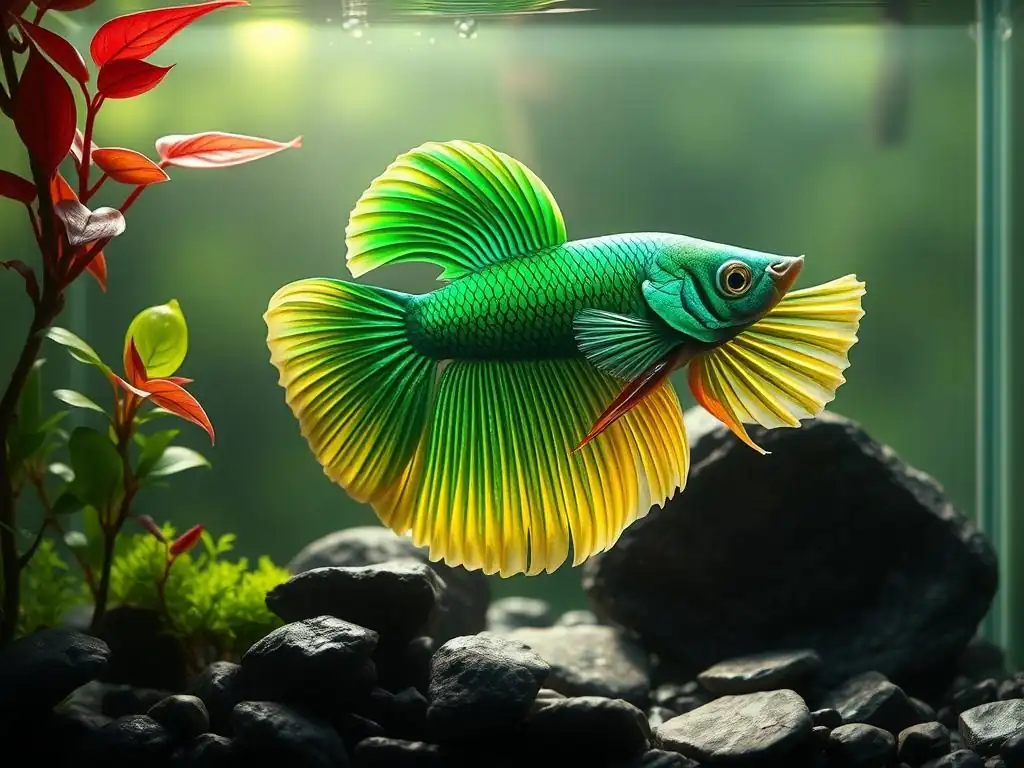
Setting Up a Breeding Tank for Emerald Bettas
To successfully breed Betta smaragdina, a dedicated breeding tank is essential. A 10 to 20-gallon tank is suitable, with the water level kept shallow, typically 6-8 inches deep. This reduced depth makes it easier for the male to collect eggs and for the fry to reach the surface for air.
The tank should be equipped with a gentle sponge filter to maintain water quality without creating strong currents that could disrupt the bubble nest or harm fry. A heater is necessary to maintain a stable temperature of around 26-28°C (79-82°F). Provide plenty of floating plants, such as Indian almond leaves, water sprite, or plastic leaves, to give the male anchor points for his bubble nest. A bare bottom or very fine sand substrate is preferred for easy cleaning and fry collection.
Conditioning Betta Smaragdina for Breeding: Preparing the Pair
Successful breeding begins with conditioning the male and female. Both fish should be mature, healthy, and well-fed. Condition them for 1-2 weeks on a high-protein diet consisting of live and frozen foods such as bloodworms, brine shrimp, daphnia, and blackworms. This will encourage egg development in the female and stimulate the male's breeding instincts.
As the male becomes ready, he will typically start building a bubble nest, often under a floating leaf or a piece of decor. The female will appear plump with eggs and may display vertical bars, indicating her readiness to spawn. Introduce the pair carefully, perhaps by initially placing the female in a clear container within the male's tank for a day or two, allowing them to acclimate to each other's presence without direct contact, thus reducing aggression during the initial introduction.
The Breeding Process: Spawning and Fry Care
Once introduced, the male will typically begin to court the female, flaring his fins and attempting to entice her under his bubble nest. Spawning usually occurs in a characteristic embrace, where the male wraps around the female, and she releases eggs, which he then fertilizes. The male meticulously collects the eggs in his mouth and places them into the bubble nest. This process can last for several hours, with hundreds of eggs potentially laid.
After spawning is complete, the female should be carefully removed from the breeding tank, as the male may become aggressive towards her while guarding the nest. The male will diligently tend to the eggs, ensuring they remain in the nest and removing any infertile ones. Eggs typically hatch within 24-48 hours, depending on temperature. The newly hatched fry will remain in the nest for another 3-5 days, absorbing their yolk sacs, before becoming free-swimming.
Raising Betta Smaragdina Fry: From Hatching to Juvenile
Once the Betta smaragdina fry become free-swimming, the male should be removed from the tank to prevent him from potentially eating them. The initial food for the tiny fry must be microscopic. Infusoria, a culture of microscopic organisms, is ideal for the first 3-5 days. Liquid fry food can also be used as an alternative.
After this initial period, the fry will be large enough to consume newly hatched brine shrimp or microworms. Feed them small amounts frequently, 3-4 times a day, to support their rapid growth. Perform small, daily water changes (around 10-15%) to maintain pristine water quality, as fry are highly sensitive to pollutants. As they grow, gradually increase the water depth and transition them to larger foods like crushed flakes and small pellets. Be prepared to separate males once they start showing aggression, usually around 2-3 months of age, to prevent fighting.
Common Health Issues in Betta Smaragdina and Their Prevention
Recognizing Signs of Illness in Emerald Bettas
Early detection of illness is crucial for successful treatment in Betta smaragdina. Aquarists should observe their fish daily for any changes in behavior or physical appearance. Signs of illness can include lethargy, spending an unusual amount of time at the surface or bottom, clamped fins (fins held close to the body), loss of appetite, or refusal to eat.
Physical symptoms might include changes in color (fading or darkening), visible spots (white, fuzzy, or velvety), frayed or rotting fins, bloating, or difficulty swimming normally. For example, a healthy B. smaragdina is typically active and inquisitive, swimming gracefully with fins spread. Any deviation from this normal behavior warrants immediate investigation.
Common Diseases Affecting Betta Smaragdina: Identification and Treatment
Betta smaragdina can be susceptible to common freshwater fish diseases, often stemming from poor water quality, stress, or introduction of infected fish. Fin rot, a bacterial infection often characterized by frayed or disintegrating fins, is frequently seen in tanks with high ammonia or nitrite levels. Treatment often involves improving water quality and using broad-spectrum antibacterial medications.
Ich (Ichthyophthirius multifiliis), a parasitic infection, presents as small white spots resembling salt grains on the body and fins. It requires specific anti-parasitic treatments and often an increase in water temperature. Velvet disease, caused by Oodinium parasites, appears as a dusty, golden or rust-colored film on the fish.
Dropsy, characterized by a swollen body and scales protruding like a pinecone, is often a symptom of severe internal organ failure and can be difficult to treat. Always quarantine new fish for at least 2-4 weeks to prevent introducing diseases to your main tank, a key aspect of any wild betta care requirements guide.
Maintaining Optimal Water Quality to Prevent Disease
The cornerstone of disease prevention in Betta smaragdina is maintaining consistently excellent water quality. Regular partial water changes are paramount; a 25-30% weekly water change is a good general guideline, but the frequency and volume may need adjustment based on tank size, stocking levels, and filtration. Use a reliable water conditioner to neutralize chlorine and chloramines in tap water.
A robust filtration system, such as a sponge filter or a gentle hang-on-back filter, is essential for mechanical and biological filtration, removing waste and converting harmful ammonia and nitrite into less toxic nitrate. Avoid overfeeding, as uneaten food quickly degrades and fouls the water. Regularly test water parameters (ammonia, nitrite, nitrate, pH, temperature) to catch imbalances before they become problematic. Providing a stress-free environment, with ample hiding spots and appropriate tank mates, also significantly boosts their immune system, making them more resilient against illness. This holistic approach is central to a successful wild betta care requirements guide.
Where to Find and Purchase Betta Smaragdina
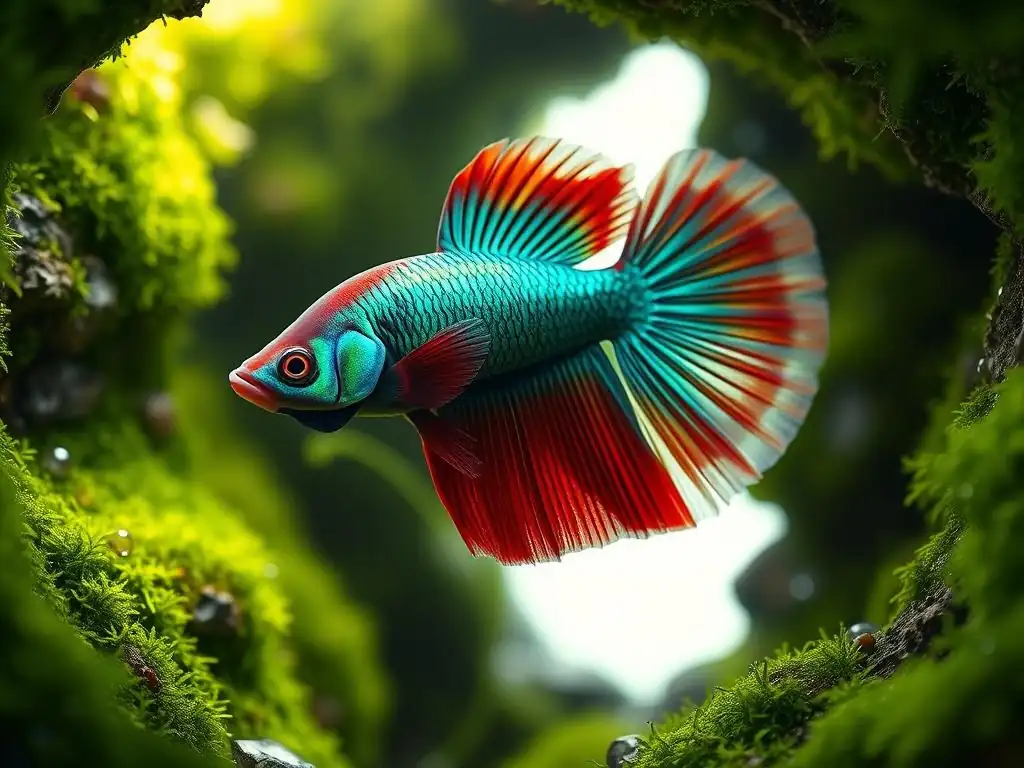
Ethical Considerations When Buying Wild Bettas
When seeking to acquire Betta smaragdina, it's crucial to consider the ethical implications, especially given their wild origins. Prioritize sources that practice sustainable collection methods if purchasing wild-caught specimens. Ideally, support breeders who specialize in captive-bred B. smaragdina. This reduces pressure on wild populations and often results in healthier, more adaptable fish that are already accustomed to aquarium life.
Avoid purchasing from sources that cannot provide information on their fish's origin or practices, as this may indicate unethical collection or poor husbandry. Supporting responsible trade contributes to the long-term health of both the species and its natural habitats. Your choice as an aquarist plays a role in conservation efforts.
Selecting Healthy Betta Smaragdina: What to Look For
Selecting a healthy Betta smaragdina is paramount for a successful keeping experience. When inspecting fish, look for active and alert individuals that are swimming gracefully and not clamped or hiding excessively. Their fins should be fully intact, without any tears, rot, or nips. The body should appear full and free of any visible spots, growths, or abnormalities.
Observe their breathing; it should be calm and unlabored. Their eyes should be clear and bright. Ask about their feeding habits; a healthy fish will typically have a good appetite. Avoid fish that are housed in dirty or overcrowded tanks, as these conditions often predispose them to stress and disease. A thorough inspection ensures you're starting your wild betta care requirements guide journey with a robust specimen.
Reputable Breeders and Suppliers of Emerald Bettas
Finding reputable sources for Betta smaragdina can be a bit more challenging than for common Betta splendens, as they are specialty fish. Online forums and dedicated social media groups for wild betta enthusiasts are excellent resources for recommendations on breeders and suppliers. These communities often share experiences and can point you towards reliable sources known for healthy, well-cared-for fish.
Several specialized online retailers focus on wild bettas and other less common labyrinth fish. These suppliers often have robust shipping methods and a deeper understanding of the specific wild betta care requirements guide for each species. While some local fish stores might occasionally carry them, specialty online vendors or direct breeders are often the best bet for a wider selection and higher quality specimens. Always research reviews and ask questions about their breeding practices or collection methods before making a purchase.
The Allure of Betta Smaragdina: Why Keep Emerald Bettas?
The Beauty and Uniqueness of Emerald Bettas
The allure of Betta smaragdina lies in their understated yet captivating beauty and their distinct uniqueness compared to their more common cousins. Their iridescent scales shimmer with a spectrum of greens, blues, and coppery hues, especially under appropriate lighting, earning them the moniker "Emerald Jewel." Unlike the often exaggerated finnage of show bettas, B. smaragdina possesses more natural, flowing fins that contribute to their elegant and agile swimming.
Their less flamboyant appearance belies a vibrant personality and intricate natural behaviors. The subtle shifts in their coloration as light catches their scales or as they interact with their environment are truly mesmerizing. For many aquarists, this natural elegance is far more appealing than the artificial extremes of selective breeding.
Contributing to Conservation Through Responsible Keeping
Keeping Betta smaragdina can be a meaningful way to contribute to conservation efforts. By choosing captive-bred specimens from ethical breeders, aquarists help reduce the demand for wild-caught fish, thereby alleviating pressure on natural populations and their ecosystems. Supporting breeders who focus on these species also encourages the development of sustainable aquaculture practices.
Furthermore, by successfully maintaining and potentially breeding B. smaragdina in captivity, aquarists help preserve the genetic diversity of the species outside of its natural, often threatened, habitats. Sharing knowledge and passion for these wild forms also raises awareness about the importance of aquatic conservation and the fragility of freshwater ecosystems, making your wild betta care requirements guide a part of a larger mission.
Betta Smaragdina: A Rewarding Challenge for the Experienced Aquarist
While not exceptionally difficult to keep, Betta smaragdina presents a rewarding challenge that often appeals to more experienced aquarists or those committed to learning precise care. Their specific needs regarding water parameters, tank setup, and diet, as outlined in this wild betta care requirements guide, require attention to detail and consistency.
The satisfaction derived from providing an environment that allows these wild bettas to thrive, exhibiting their natural behaviors and displaying their full, vibrant coloration, is immense. They offer a unique opportunity to connect with the natural world within your home aquarium, providing a glimpse into the beauty and complexity of Southeast Asian freshwater ecosystems. Their resilience and adaptability, when provided with optimal conditions, make them a truly captivating and fulfilling species to keep.
Frequently Asked Questions
What are the key differences between Betta smaragdina and common domestic bettas?
Betta smaragdina, a wild betta species, has more specific needs. Unlike their domestic counterparts, they require lower pH levels and are generally more sensitive to water quality changes. They also exhibit different behaviors and breeding requirements.
What are the ideal water parameters for a Betta smaragdina aquarium?
Maintaining pristine water is crucial. The ideal parameters are a pH between 6.0 and 7.0, a temperature of 78-82°F (25-28°C), and very low levels of ammonia, nitrite, and nitrate. Regular water changes are essential.
What type of food should I feed my Betta smaragdina?
These bettas have a preference for live or frozen foods such as daphnia, bloodworms, and brine shrimp. While they may accept high-quality betta pellets, a varied diet is essential for optimal health and coloration.
What tank size is recommended for keeping Betta smaragdina?
A minimum of 10 gallons is recommended for a single Betta smaragdina, but a 20-gallon tank is preferable, especially if you plan to keep a pair or small group. Ample space allows for territory establishment and reduces stress.
How can I encourage Betta smaragdina to breed in my aquarium?
To trigger breeding, provide a densely planted tank with soft, acidic water and floating plants. Mimicking their natural habitat is key. Slowly raise the temperature and offer plenty of live food to stimulate spawning.
Okay, here's a final reflection designed to fit your article "Betta Smaragdina: The Emerald Jewel of Wild Bettas," optimized for the keyword "Wild betta care requirements guide," and following the structure you provided:
Final Reflection: Appreciating the Untamed Beauty
The journey into understanding the Betta smaragdina and its specific needs underscores a crucial point: responsible fishkeeping begins with respecting the natural world. This isn't just about keeping a beautiful fish alive; it's about acknowledging the delicate ecosystems from which these creatures originate and striving to replicate those conditions in our homes.
This exploration of wild betta care has profoundly influenced my perspective on the aquarium hobby. It's a reminder that each fish is more than just a pet; it's a tiny ambassador from a complex and fragile environment. In the end, we will conserve only what we love; we will love only what we understand; and we will understand only what we are taught.
- Baba Dioum. This quote encapsulates the importance of education and understanding in conservation efforts, and it applies directly to our responsibility as keepers of these emerald jewels.
Now, I invite you to reflect on your own role in the aquarium hobby. Consider how you can contribute to the well-being of these magnificent creatures, not just through proper care, but also through supporting sustainable practices and spreading awareness. Let's strive to be more than just hobbyists; let's be stewards of these wild bettas and their precious habitats, ensuring their beauty continues to grace our world for generations to come.
Unveil Your Emerald Betta Adventure Now!
Thank you for diving into the fascinating world of Betta Smaragdina! We hope you've discovered a newfound appreciation for these emerald jewels and their unique needs. Now, let's turn that knowledge into action!
Here's how you can take your passion further:
- Take the Plunge: Research Reputable Breeders and Plan Your Betta Smaragdina Biotope Aquarium.: This is your first and most crucial step towards responsible ownership.
- Share Your Knowledge: Start a discussion on your favorite aquarium forum sharing your new found knowledge of the Betta Smaragdina.
- Expand Your Learning: Read other articles on AquariumMastery.com to discover even more about responsible aquarium keeping.
What unique plant combination are you envisioning for your Betta Smaragdina's new home?