
LongTerm Betta Care: Ensuring a Quality Life for Years to Come

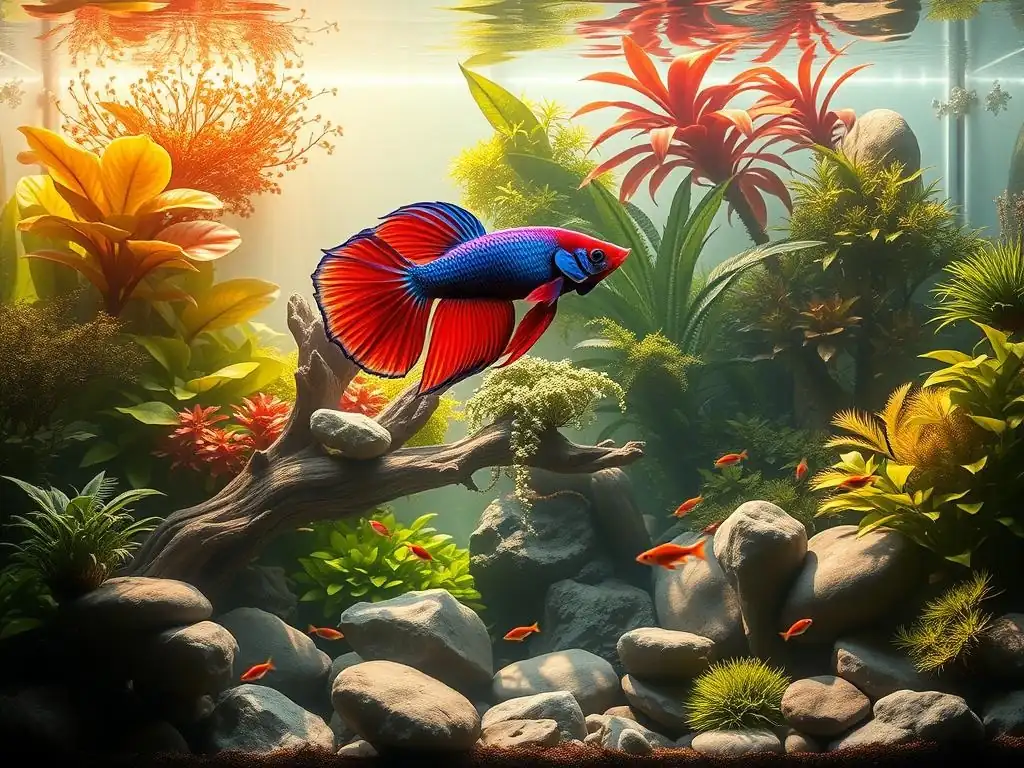
Welcome to Aquarium Mastery! Ever wondered how to truly unlock the secrets to long-term betta care and see your vibrant friend thrive for years to come? Dive in and discover the essential strategies for creating the perfect environment, understanding their unique needs, and ensuring a happy, healthy life for your finned companion. What are the most common mistakes that shorten a betta's lifespan, and how can you avoid them? Let's explore!
- Understanding Long-Term Betta Fish Needs
- Creating the Ideal Betta Habitat for a Long Life
- Nutrition for a Long-Lived Betta: Feeding Strategies
- Maintaining Optimal Water Quality for Betta Longevity
- Betta Health Management: Preventing and Treating Diseases
- Social Interactions and Tank Mates for Betta Fish (Optional)
- Promoting Betta Enrichment and Well-being
- Long-Term Betta Care Checklist: A Summary of Essential Practices
- Common Mistakes to Avoid in Long-Term Betta Care
- Conclusion: Ensuring a Happy and Healthy Life for Your Betta.
-
Frequently Asked Questions
- What are the key factors in long-term betta care?
- How large of a tank is recommended for a betta to thrive in the long term?
- What kind of diet promotes long-term betta health?
- How often should I perform water changes to ensure long-term water quality for my betta?
- What are some common health problems that can affect bettas in the long run, and how can I prevent them?
- Final Reflection: Cultivating Lifelong Companionship
- Unlock a Thriving Future for Your Betta!
Understanding Long-Term Betta Fish Needs
The Lifespan of a Betta: What to Expect
Betta fish, commonly known as Siamese Fighting Fish, typically live between 2 to 5 years in captivity when provided with optimal conditions. This range is significantly influenced by genetics, the initial health of the fish from the breeder or store, and crucially, the quality of ongoing care they receive. Many new aquarists are surprised by this lifespan, often expecting less, which underscores the importance of understanding what constitutes comprehensive long-term betta care.
While bettas in the wild might face harsher conditions and shorter lifespans due to predation, fluctuating water parameters, and limited food sources, a well-maintained home aquarium offers a controlled and stable environment. With diligent husbandry, including consistent water quality, appropriate nutrition, and a stress-free habitat, bettas can often exceed the 3-year mark, with some exceptional cases reported to live 5 to 7 years. This extended longevity is a direct result of dedicated long-term betta care.
Key Factors Influencing Betta Longevity
Several critical factors directly influence a betta's lifespan. These include consistent water quality, a balanced and nutritious diet, appropriate tank size, genetic predisposition, and the absence of chronic stress. Each of these elements plays a pivotal role in supporting the fish's immune system, preventing disease, and promoting overall vitality.
For instance, consistent exposure to even low levels of ammonia or nitrite, or prolonged periods of incorrect temperature, can significantly reduce a betta's expected lifespan. Studies and observations within the aquarist community indicate that bettas kept in tanks with fluctuating temperatures (e.g., below 75°F or above 84°F consistently) or elevated nitrate levels (e.g., consistently above 40 ppm) often show signs of chronic stress, leading to weakened immunity and susceptibility to common ailments like fin rot or dropsy. A robust long-term betta care regimen meticulously addresses all these potential stressors, aiming for stability and optimal health.
Creating the Ideal Betta Habitat for a Long Life
Tank Size Matters: Choosing the Right Aquarium for Long-Term Health
The minimum recommended tank size for a single betta fish is 5 gallons (approximately 19 liters). While smaller "betta bowls" or 1-3 gallon tanks are often marketed, they are highly detrimental to a betta's long-term health. These smaller volumes lead to rapid fluctuations in water temperature and chemistry, making it nearly impossible to maintain stable, healthy conditions for a prolonged period. Ammonia and nitrite can spike dangerously within hours in such confined spaces.
Opting for a larger tank, such as a 10-gallon (38-liter) or even 20-gallon (76-liter) aquarium, offers significant advantages for long-term betta care. Larger water volumes provide greater stability in temperature and water parameters, dilute waste products more effectively, and offer ample swimming space. A 10-gallon tank, for example, offers double the water volume of a 5-gallon, which translates to approximately 200% more stable water parameters and significantly more room for the betta to explore and exhibit natural behaviors, leading to a less stressed and longer-lived fish.
Water Parameters for Betta Health: Maintaining Optimal Conditions
Maintaining precise and stable water parameters is paramount for ensuring a betta's long-term health. The ideal temperature range for bettas is 78-82°F (25.5-27.8°C). The pH level should be kept between 6.5 and 7.5, with a neutral pH of 7.0 often being ideal. Crucially, ammonia and nitrite levels must always be 0 parts per million (ppm), and nitrate levels should be kept below 20 ppm, ideally closer to 10 ppm.
Any deviation from these optimal parameters can induce stress, weaken the betta's immune system, and make them highly susceptible to various diseases. For instance, even a slight ammonia spike to 0.25 ppm, if prolonged, can cause irreversible gill damage and internal organ stress, significantly shortening a betta's life. Similarly, consistent temperatures outside the optimal range can lead to lethargy, poor digestion, and susceptibility to conditions like Ich. Therefore, diligent monitoring and adjustment of these parameters are non-negotiable aspects of effective long-term betta care.
Essential Aquarium Equipment for a Thriving Betta
The Importance of Filtration for Long-Term Water Quality
A proper filtration system is indispensable for maintaining the pristine water quality required for long-term betta care. Filters perform three crucial functions: mechanical filtration (removing physical debris), chemical filtration (removing dissolved impurities and odors), and biological filtration (converting toxic ammonia and nitrite into less harmful nitrates). For bettas, a gentle filter, such as a sponge filter or a hang-on-back filter with baffled output to reduce flow, is ideal, as they prefer calm waters.
Without adequate filtration, waste products from food and fish excretions rapidly accumulate, leading to dangerous spikes in ammonia and nitrite. Even with regular water changes, a robust biological filter provides the necessary environment for beneficial bacteria to thrive, continuously neutralizing toxins. This steady purification process significantly reduces stress on the fish and contributes to a healthier environment, ensuring the sustained well-being vital for a betta to live a long and healthy life.
Heaters and Thermometers: Maintaining Consistent Water Temperature
As tropical fish, bettas require a stable, warm water environment. A submersible aquarium heater equipped with a thermostat is essential to maintain the optimal temperature range of 78-82°F (25.5-27.8°C). The heater should be appropriately sized for the tank volume; for example, a 25-watt heater is typically sufficient for a 5-gallon tank, while a 50-watt heater is suitable for a 10-gallon tank.
Temperature fluctuations are a major source of stress for bettas, weakening their immune systems and making them vulnerable to diseases like Ich. A reliable thermometer, placed at the opposite end of the tank from the heater, allows for daily monitoring to ensure consistency. Maintaining this precise and stable temperature is paramount for the betta's metabolism, digestion, and overall activity levels, directly contributing to their long-term health and vitality.
Lighting for Betta Health and Well-being
Appropriate lighting is an important component of a healthy betta habitat, contributing to both the fish's well-being and the overall ecosystem of the aquarium. For tanks with live plants, LED lighting designed for plant growth is beneficial, typically running for 8-10 hours per day. Even without live plants, a consistent lighting schedule helps establish a natural day and night cycle for the betta, which reduces stress and promotes regular activity and rest patterns.
However, excessive or constant lighting can be detrimental. Overexposure to light can lead to rapid algae growth, which, while not directly harmful to the fish, indicates an imbalance in the tank and can make maintenance more challenging. More importantly, continuous bright light can stress bettas, as they appreciate shaded areas and a clear distinction between day and night. Providing a consistent 8-10 hour light cycle, followed by complete darkness, is key to supporting their natural rhythms and contributing to their long-term betta care.
Aquascaping for a Healthy and Happy Betta: Providing Enrichment and Shelter
Thoughtful aquascaping is crucial for a betta's mental and physical well-being, providing both enrichment and necessary shelter. Bettas are naturally curious and appreciate a varied environment with plenty of hiding spots. These can include small caves, driftwood, smooth rocks, and dense plant cover. Such elements provide security, reduce stress, and allow the betta to establish territories or retreat when needed.
When selecting plants and decor, prioritize soft, smooth materials to protect the betta's delicate fins. Live plants like Anubias, Java Fern, and Amazon Sword are excellent choices as they also help absorb nitrates and oxygenate the water, further enhancing water quality for long-term betta care. If using artificial plants, opt for silk rather than plastic, as plastic plants often have sharp edges that can tear fins. A well-designed environment mimics their natural habitat, encouraging natural behaviors and fostering a happy, healthy betta.
Nutrition for a Long-Lived Betta: Feeding Strategies
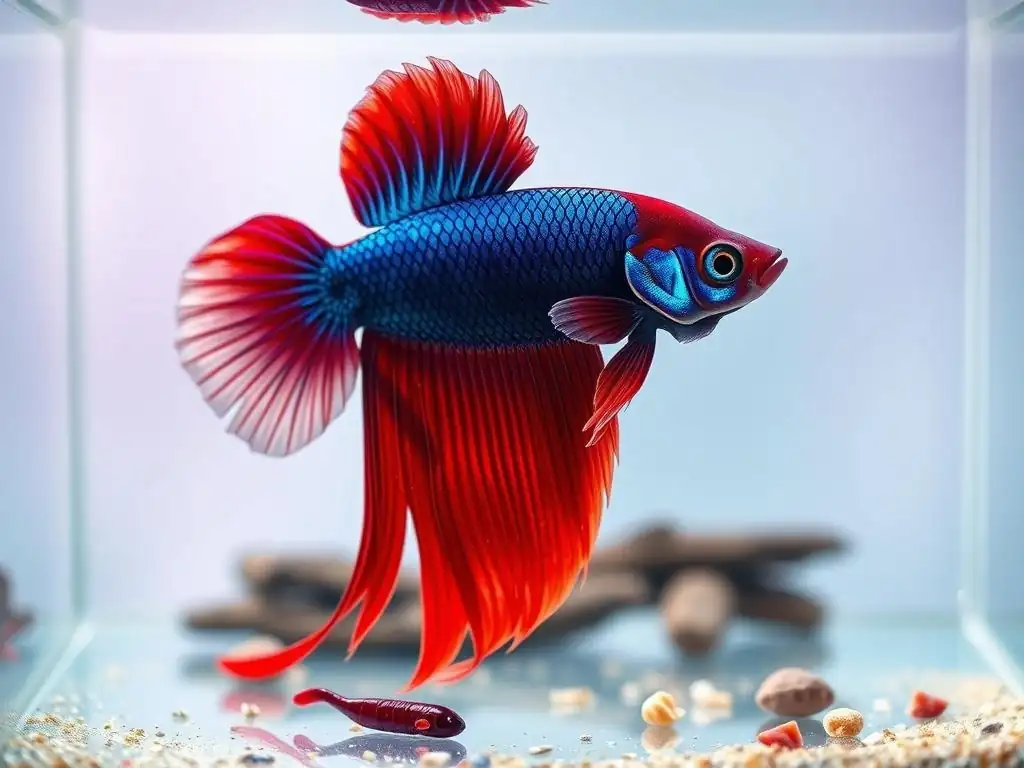
Choosing the Right Betta Food for Optimal Health
Selecting the right food is foundational for a betta's long-term health and vibrant coloration. Bettas are carnivores, and their diet should reflect this. High-quality betta pellets or flakes specifically formulated for bettas should form the staple of their diet. Look for foods that list fish meal, shrimp meal, or other animal proteins as the first few ingredients, indicating a high protein content, ideally between 35-45%.
Avoid generic tropical fish flakes, as these often contain a high percentage of plant-based fillers that bettas cannot properly digest, leading to digestive issues and nutritional deficiencies over time. Reputable brands formulate their betta foods to provide essential vitamins, minerals, and amino acids necessary for strong immunity, vibrant colors, and sustained energy. A consistent diet of appropriate, high-quality food is a cornerstone of effective long-term betta care.
Feeding Schedule and Portion Control: Preventing Overfeeding
Overfeeding is one of the most common mistakes in betta care and can lead to severe health issues and poor water quality. Bettas should be fed 2-3 small meals per day, providing only what they can consume entirely within 2-3 minutes. For most bettas, this typically amounts to 2-4 pellets per feeding, depending on the pellet size. It is better to underfeed slightly than to overfeed.
Uneaten food rapidly decays in the aquarium, releasing ammonia and nitrite into the water, which are highly toxic to fish. This directly compromises water quality, leading to ammonia spikes, bacterial blooms, and increased stress on the betta's organs. Chronic overfeeding can also cause swim bladder disease, constipation, and obesity, significantly shortening a betta's lifespan. Strict portion control is therefore critical for maintaining optimal water parameters and ensuring a betta's long-term health.
Supplementing Your Betta's Diet for Enhanced Vitality
While high-quality pellets form the core diet, supplementing with live or frozen foods 2-3 times a week can significantly enhance a betta's vitality and provide a wider range of nutrients. Excellent choices include bloodworms, brine shrimp, and daphnia. These supplements offer natural proteins and fats that contribute to improved coloration, increased activity levels, and a stronger immune system.
Daphnia, in particular, can also act as a natural laxative, helping to prevent constipation, a common issue in bettas. Frozen foods should be thawed in a small amount of tank water before feeding. Live foods, while highly nutritious, should be sourced from reliable suppliers to avoid introducing parasites or diseases. A varied diet, including these supplements, mimics their natural feeding habits and is crucial for providing the comprehensive nutrition needed for long-term betta care.
Maintaining Optimal Water Quality for Betta Longevity
Regular Water Changes: A Crucial Aspect of Long-Term Betta Care
Regular water changes are arguably the single most important aspect of maintaining optimal water quality and ensuring a betta's long-term health. For a 5-10 gallon tank, a 25-50% water change should be performed weekly. For larger tanks (e.g., 20 gallons), 25% bi-weekly might suffice, but consistency is key. Always use a dechlorinator to treat tap water before adding it to the tank, as chlorine and chloramines are toxic to fish.
Water changes accomplish several vital tasks: they remove accumulated nitrates (the end product of the nitrogen cycle), replenish essential minerals that are depleted over time, and remove dissolved organic compounds that can build up and stress fish. Neglecting regular water changes leads to a buildup of toxins and a decline in overall water quality, which is a primary cause of chronic stress, weakened immunity, and premature death in bettas. This consistent maintenance is the backbone of successful long-term betta care.
Monitoring Water Parameters: Testing for Ammonia, Nitrite, and Nitrate
Consistent monitoring of water parameters is essential for early detection of potential issues and for maintaining a healthy environment for your betta. A liquid-based test kit (such as the API Freshwater Master Test Kit) is highly recommended over test strips, as liquid kits provide more accurate readings. Test for ammonia, nitrite, and nitrate weekly, especially in newly established tanks or if any signs of fish distress are observed.
Ammonia and nitrite are highly toxic to fish and should always read 0 ppm. Any detectable level indicates a problem with the nitrogen cycle or overfeeding. Nitrate, while less toxic, should be kept below 20 ppm. High nitrate levels, even if not immediately lethal, can cause chronic stress, suppress the immune system, and lead to poor growth and faded colors over time. Regular testing allows you to take corrective action promptly, preventing minor issues from escalating and ensuring the stability crucial for long-term betta care.
Preventing Algae Blooms: Maintaining a Clean Aquarium Environment
Algae blooms are often an indicator of an imbalance in the aquarium environment, typically caused by excessive light exposure coupled with an abundance of nutrients (from overfeeding or insufficient water changes). While algae itself is generally not directly harmful to bettas, a severe bloom can deplete oxygen levels at night and signifies underlying issues that compromise water quality, impacting long-term betta care.
Strategies to prevent algae include limiting lighting to 8-10 hours per day, avoiding direct sunlight on the tank, adhering to strict feeding schedules to prevent excess nutrients, and performing regular water changes and tank cleaning. Manual removal of algae with an aquarium scraper or magnet also helps. Maintaining a clean, balanced environment not only keeps the tank aesthetically pleasing but also contributes significantly to the overall health and well-being of your betta.
Betta Health Management: Preventing and Treating Diseases
Recognizing Signs of Illness in Betta Fish
Early recognition of illness is crucial for successful treatment and ensuring a betta's long-term health. Aquarists should observe their betta daily for any changes in behavior or physical appearance. Behavioral indicators of distress or illness include lethargy, hiding more than usual, clamped fins (fins held close to the body), loss of appetite, rapid breathing, or "flashing" (rubbing against tank decor).
Physical signs can include discolored patches, white spots (Ich), a dusty gold coating (Velvet), frayed or decaying fins (fin rot), bloating, protruding scales (dropsy), or cloudy eyes. Any deviation from their normal vibrant color, active swimming, and eager feeding should prompt closer investigation. Consistent daily observation is the most effective tool in preventative long-term betta care, allowing for immediate intervention at the first sign of trouble.
Common Betta Diseases and Their Treatments
Fin Rot: Causes, Symptoms, and Treatment
Fin rot is a common bacterial infection in bettas, primarily caused by poor water quality, stress, or physical injury to the fins. Symptoms include the edges of the fins appearing ragged, frayed, or decaying, often with a white, black, or red inflamed margin. In severe cases, the rot can progress to the body, leading to secondary infections.
Treatment for fin rot primarily involves immediate and significant improvement of water quality. This means performing daily 25-50% water changes, ensuring ammonia and nitrite are at 0 ppm, and nitrates are below 20 ppm. Increasing the water temperature slightly to 80-82°F (26.7-27.8°C) can also aid recovery. Mild cases often resolve with pristine water and aquarium salt (1 teaspoon per gallon). More severe or persistent cases may require a broad-spectrum antibacterial medication, but always ensure water quality is addressed first for effective long-term betta care.
Ich (White Spot Disease): Identification and Management
Ichthyophthirius multifiliis, commonly known as Ich or White Spot Disease, is a highly contagious parasitic infection. It manifests as small, white spots resembling grains of salt on the betta's body and fins. Other symptoms include flashing (rubbing against tank surfaces), clamped fins, lethargy, and loss of appetite. The parasite embeds itself in the fish's skin, feeding on its tissues.
Treatment involves gradually raising the tank temperature to 82-84°F (27.8-28.9°C) over 24 hours, as this accelerates the parasite's life cycle, making it vulnerable in its free-swimming stage. Do not exceed 86°F. Concurrently, use an Ich-specific medication containing malachite green or formaldehyde (following manufacturer instructions) and increase aeration, as warmer water holds less oxygen. Continue treatment for at least 7-10 days after the last spot disappears to ensure all parasites are eradicated, crucial for preventing recurrence in long-term betta care.
Velvet Disease: Recognizing and Addressing the Infection
Velvet disease is another common parasitic infection caused by Oodinium pillularis. It is characterized by a fine, dusty, gold or rust-colored coating on the betta's skin, which can be difficult to see without direct light. Other symptoms include rapid gill movement (due to gill damage), flashing, clamped fins, and lethargy. Velvet is highly contagious and can be fatal if not treated promptly.
Treatment typically involves using copper-based medications or acriflavine, combined with increasing the water temperature to 82-84°F (27.8-28.9°C). It is also highly beneficial to dim the tank lights or keep the tank in darkness for several days, as the Oodinium parasite is photosynthetic. As with Ich, it's vital to treat the entire tank, as the parasite is free-swimming. Early detection and aggressive treatment are critical due to velvet's rapid progression and severe impact on a betta's long-term health.
Quarantine Procedures: Protecting Your Betta from Disease
Implementing a quarantine procedure for all new fish, plants, or invertebrates is a fundamental practice in responsible long-term betta care. A separate, fully cycled quarantine tank (a 5-gallon tank is often sufficient) should be set up and maintained with the same care as the main tank. New additions should be quarantined for a minimum of 2-4 weeks.
During the quarantine period, observe the new fish closely for any signs of illness, parasites, or unusual behavior. This allows you to treat any potential issues in isolation without risking the health of your established betta or the entire main tank ecosystem. Prophylactic treatments for common parasites might be considered. This preventative measure significantly reduces the risk of introducing pathogens into your main display tank, safeguarding your betta's long-term health and preventing widespread outbreaks.
Understanding Betta Temperament and Compatibility
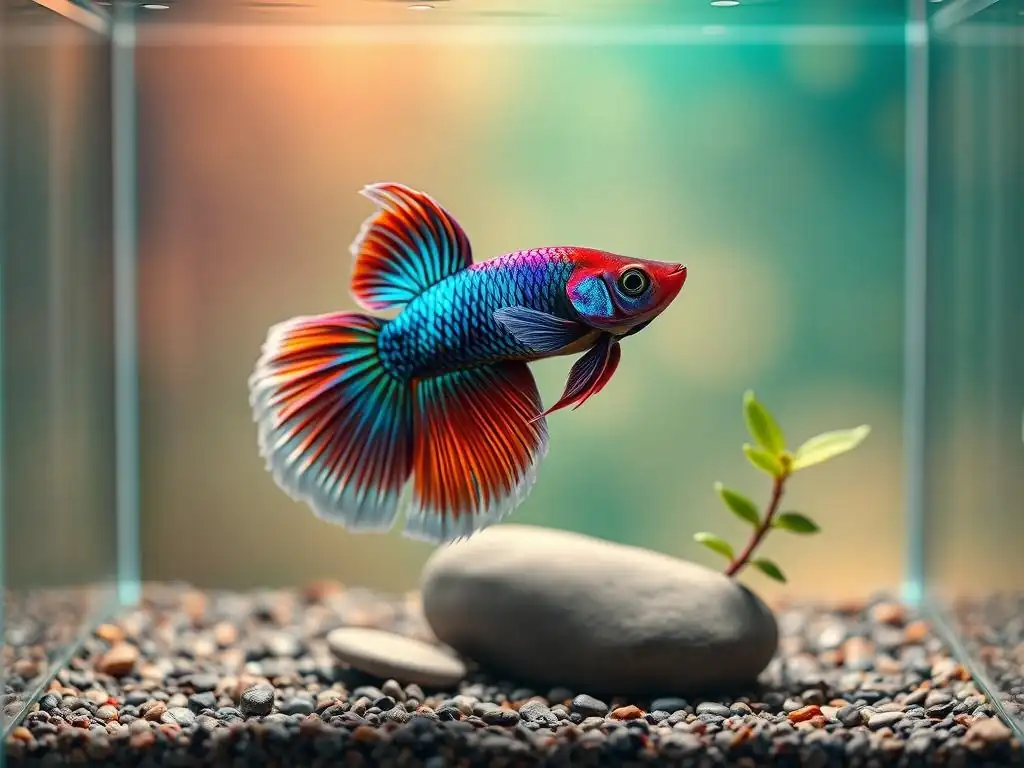
Betta fish are renowned for their aggressive temperament, particularly males towards other males, which is why they are often kept alone. However, individual bettas can exhibit a wide range of personalities, from highly aggressive to relatively docile. While some bettas may tolerate certain tank mates, others prefer complete solitude and can become stressed or aggressive when housed with other fish.
Before considering any tank mates, it is crucial to understand your individual betta's temperament. Signs of aggression include flaring, chasing, or nipping at other fish. Introducing tank mates is always a risk and should only be attempted in larger tanks (10 gallons or more) with ample hiding spots. For a truly stress-free environment and optimal long-term betta care, keeping a betta in a solitary setup is often the safest and most recommended option.
Choosing Suitable Tank Mates (If Applicable)
If you choose to attempt a community tank for your betta, select peaceful, non-fin-nipping species that prefer similar water parameters and occupy different parts of the water column. Good candidates for a 10-gallon or larger tank include Nerite snails or Mystery snails, Otocinclus catfish (small, peaceful algae eaters), or small schooling fish like Harlequin Rasboras or Ember Tetras. Avoid brightly colored, fin-nipping, or overly active fish.
Always introduce new tank mates cautiously and have a backup plan (a separate tank) if aggression occurs. Provide plenty of hiding spots and visual breaks within the aquascape to minimize confrontations. Even with suitable species, constant monitoring is necessary to ensure the betta remains unstressed and healthy. If the betta shows persistent signs of aggression or stress, tank mates should be removed to prioritize the betta's long-term well-being.
Monitoring Betta Interactions: Ensuring a Peaceful Environment
When a betta is housed with tank mates, continuous monitoring of their interactions is essential to ensure a peaceful and healthy environment. Observe your betta daily for any signs of stress or aggression, such as clamped fins, faded colors, hiding excessively, or chasing and nipping at other fish. Also, inspect the tank mates for any signs of injury, such as torn fins or missing scales.
A peaceful environment is paramount for a betta's long-term health. Chronic stress from aggressive interactions can suppress the immune system, leading to disease and a shortened lifespan. If aggression persists despite providing ample space and hiding spots, it is advisable to remove the tank mates and house the betta alone. Prioritizing the betta's comfort and well-being over the desire for a community tank is a hallmark of responsible long-term betta care.
Promoting Betta Enrichment and Well-being
Providing Enrichment Activities: Preventing Boredom
Betta fish are intelligent and can become bored or lethargic in a barren environment. Providing enrichment activities helps stimulate their minds, promotes natural behaviors, and contributes to their overall well-being. This can include introducing floating logs or leaves for resting near the surface, or even a clean ping-pong ball for them to nudge. Some bettas enjoy interacting with their owners, following fingers along the glass.
Enrichment helps prevent chronic stress and lethargy, which can otherwise lead to a weakened immune system and a shorter lifespan. A stimulated betta is more active, displays more vibrant colors, and generally exhibits healthier behaviors. Integrating varied decor and occasional new elements into their environment, while ensuring cleanliness, is a simple yet effective way to enhance long-term betta care.
Creating a Stress-Free Environment for Your Betta
A stress-free environment is fundamental to a betta's long-term health and longevity. This involves minimizing external stressors such as loud noises, sudden movements near the tank, and direct, harsh lighting. Ensure the tank is placed in a quiet area away from high-traffic zones or direct sunlight. Consistency in routine, including feeding times and lighting schedules, also contributes significantly to a sense of security.
Chronic stress can severely compromise a betta's immune system, making them highly susceptible to diseases. By providing a stable, predictable, and calm habitat, you reduce the physiological burden on your fish. This allows their energy to be directed towards growth, vibrant coloration, and fighting off potential pathogens, rather than constantly reacting to environmental threats. A calm environment is a cornerstone of effective long-term betta care.
Regular Observation: Monitoring Behavior and Health
Regular, daily observation of your betta is a simple yet powerful tool for promoting their long-term health. Dedicate a few minutes each day to watch their swimming patterns, appetite, fin condition, and overall coloration. Pay attention to how they interact with their environment and whether they are exhibiting their usual behaviors.
Subtle changes in behavior or appearance can be the first indicators of an underlying health issue or environmental problem. For example, a slight decrease in appetite or a tendency to hide more could signal the onset of illness or stress from poor water quality. Early detection allows for prompt intervention, often preventing minor issues from escalating into serious, life-threatening conditions, thereby significantly contributing to successful long-term betta care.
Long-Term Betta Care Checklist: A Summary of Essential Practices
Daily Checklist
- Check Water Temperature: Ensure the heater is functioning correctly and the temperature is within the optimal 78-82°F range.
- Observe Betta Behavior: Look for signs of illness, stress, or unusual activity (e.g., lethargy, clamped fins, loss of appetite, flashing).
- Feed Small Meals: Provide 2-3 small portions that can be consumed within 2-3 minutes, removing any uneaten food.
- Ensure Filter is Running: Confirm that the filter is operating quietly and efficiently, with adequate water flow.
Weekly Checklist
- Perform Water Change: Conduct a 25-50% water change, ensuring to use a dechlorinator and match the new water's temperature.
- Test Water Parameters: Use a liquid test kit to check ammonia, nitrite, and nitrate levels, aiming for 0 ppm for the first two and below 20 ppm for nitrate.
- Clean Tank Glass: Wipe down the inside of the tank glass to remove any algae buildup, improving visibility and aesthetics.
- Check Equipment Functionality: Inspect the heater, filter, and thermometer for proper operation and any signs of wear or damage.
Monthly Checklist
- Rinse Filter Media: Gently rinse mechanical filter media (sponges, floss) in old tank water removed during a water change to preserve beneficial bacteria. Avoid tap water.
- Deep Clean Substrate: Use an aquarium gravel vacuum to siphon waste and debris from the substrate, preventing the buildup of toxins.
- Prune Live Plants: Trim any overgrown or decaying live plants to maintain tank aesthetics and prevent plant decay from impacting water quality.
- Inspect Equipment for Wear: Check all equipment for frayed cords, cracks, or other damage that could indicate a need for replacement.
Common Mistakes to Avoid in Long-Term Betta Care
Overfeeding and Poor Water Quality
One of the most detrimental mistakes in long-term betta care is overfeeding, which directly leads to poor water quality. Excess food decays, rapidly spiking ammonia and nitrite levels, both highly toxic to bettas. This creates a vicious cycle where the fish is constantly exposed to harmful substances, leading to chronic stress, weakened immunity, and a host of diseases such as fin rot, bacterial infections, and swim bladder issues.
Consistent exposure to even low levels of these toxins can cause irreversible organ damage and significantly shorten a betta's lifespan. For example, nitrate levels consistently above 40 ppm, often a result of overfeeding and insufficient water changes, can cause lethargy, faded colors, and reduced appetite over time. Preventing overfeeding and maintaining pristine water quality are paramount for a betta's sustained health.
Neglecting Tank Maintenance
Skipping regular tank maintenance, particularly water changes and substrate cleaning, is a grave error that undermines all other efforts in long-term betta care. Infrequent water changes allow nitrates and other dissolved organic compounds to accumulate to dangerous levels, stressing the fish and creating an environment conducive to disease. Similarly, decaying food and waste in the substrate contribute to poor water quality and can harbor harmful bacteria.
A lack of consistent maintenance leads to an unstable environment, where water parameters can fluctuate wildly. This constant stress suppresses the betta's immune system, making it highly susceptible to infections and illnesses that a healthy fish could easily fight off. Adherence to a strict, regular maintenance schedule is non-negotiable for ensuring the stable and healthy habitat required for a betta to thrive for years.
Inadequate Tank Size and Environment
Housing bettas in tanks smaller than the recommended 5 gallons, such as bowls or tiny cubes, is a common but severe mistake. These small volumes lack the stability necessary for consistent water parameters, leading to rapid temperature swings and dangerous accumulations of ammonia and nitrite. A 1-gallon tank, for instance, can see ammonia levels rise to toxic levels within 24-48 hours if not meticulously maintained, which is unsustainable for long-term betta care.
Furthermore, a cramped, barren environment without adequate hiding spots or stimulation leads to chronic stress. This stress can manifest as lethargy, self-inflicted fin nipping, and a general decline in health. A proper tank size with appropriate aquascaping is crucial for providing the physical and mental space a betta needs to live a full, healthy, and long life.
Conclusion: Ensuring a Happy and Healthy Life for Your Betta.
Long-term betta care is an ongoing commitment, but one that is incredibly rewarding. By understanding their specific needs and adhering to best practices, you can provide an environment where your betta not only survives but truly thrives for years to come. The core pillars of this dedicated care involve providing an appropriately sized and enriched habitat, offering a balanced and nutritious diet, maintaining impeccable water quality through regular maintenance and testing, and diligently monitoring for and addressing any health concerns.
The effort invested in creating an optimal home for your betta—from choosing a 5-gallon tank or larger, ensuring stable water parameters, to offering varied enrichment—directly translates into a vibrant, active, and healthy companion. With consistent dedication to these fundamental aspects of long-term betta care, you will be rewarded with the beauty and unique personality of your betta for a significantly extended and joyful lifespan.
Frequently Asked Questions
What are the key factors in long-term betta care?
The most important factors are maintaining stable water parameters, providing a varied diet to prevent nutritional deficiencies, and ensuring a stress-free environment with appropriate tank size and hiding places.
How large of a tank is recommended for a betta to thrive in the long term?
While bettas can survive in small spaces, a 5-gallon tank is the minimum recommended for their long-term health and well-being. Larger tanks, like 10 gallons or more, are even better as they allow for more enrichment.
What kind of diet promotes long-term betta health?
A diet consisting of high-quality betta pellets or flakes should be supplemented with live or frozen foods like brine shrimp, daphnia, and bloodworms. Avoid overfeeding, as this can lead to health problems.
How often should I perform water changes to ensure long-term water quality for my betta?
Regular partial water changes (25-50%) are essential. Aim for at least once a week, but the frequency might need to increase depending on your tank size and the bioload.
What are some common health problems that can affect bettas in the long run, and how can I prevent them?
Common issues include fin rot, ich, and constipation. These can often be prevented by maintaining excellent water quality, providing a balanced diet, and avoiding stress.
Final Reflection: Cultivating Lifelong Companionship
The journey of betta keeping, as we've explored, is far more than a fleeting hobby; it's a commitment to providing a thriving and enriching environment for a living creature. Understanding and implementing the principles of long-term betta care transforms the experience from mere ownership to a profound partnership built on responsibility and respect. This shift in perspective is crucial, especially in a world where instant gratification often overshadows the dedication required for truly responsible pet ownership.
The impact of informed betta care extends beyond the individual aquarium. It fosters a culture of empathy and mindful interaction with the natural world, reminding us that even the smallest creatures deserve our utmost care and attention. This commitment resonates deeply within the broader context of animal welfare and sustainable practices. The greatness of a nation and its moral progress can be judged by the way its animals are treated.
- Mahatma Gandhi. This quote underscores the significance of our actions, highlighting how our treatment of animals reflects our values as individuals and as a society.
As you embark on, or continue, your betta keeping journey, I encourage you to reflect on the principles we've discussed. Consider how you can further enhance your betta's life, not just in the short term, but for years to come. Let's strive to be not just betta owners, but true custodians of their well-being, ensuring that these vibrant and captivating creatures live long, healthy, and fulfilling lives under our care.
Unlock a Thriving Future for Your Betta!
Thank you for diving into the world of long-term Betta care! We hope you've gained valuable insights into ensuring a happy and healthy life for your finned friend. Now, let's turn that knowledge into action.
Here's how you can further enhance your Betta's well-being:
- Commit to a Deep Clean: Schedule a complete tank overhaul this weekend, focusing on substrate vacuuming and plant health to eliminate potential build-up.
- Document your Betta's Journey: Start a photo journal of your Betta's progression through the years and share it on social media or aquarist forums.
- Consider a Betta Buddy System: Research compatible tank mates (snails, shrimp) that could enrich your Betta's environment, but proceed cautiously.
What surprising new behaviour will you observe in your Betta after implementing these changes in its care routine?