
Best Tank Mates for Shy Otocinclus Catfish: Peaceful Companions Only

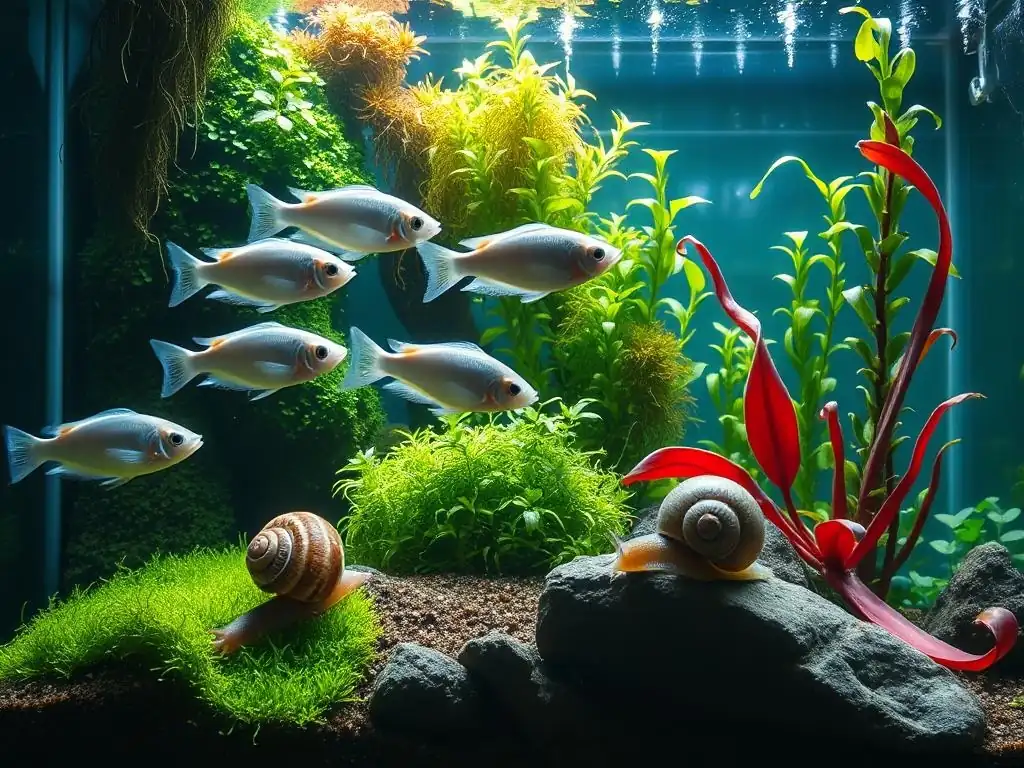
Welcome to Aquarium Mastery!
Ever wondered if your shy Otocinclus catfish could use a friend? You're in the right place! Dive in to discover the best tank mates for Otocinclus catfish, ensuring a peaceful and thriving community aquarium. This guide will unlock the secrets to compatible companions, transforming your tank into a harmonious underwater haven. Get ready to explore the world of Otocinclus and their perfect partners!
- Understanding the Needs of Otocinclus Catfish
- Ideal Peaceful Tank Mates for Otocinclus Catfish
- Tank Mates to Avoid with Otocinclus Catfish
- Setting Up a Peaceful Aquarium for Otocinclus and Their Companions
- Introducing New Tank Mates to an Established Otocinclus Tank
- Monitoring and Adjusting Your Otocinclus Community Tank
- Ensuring a Harmonious Community Tank for Your Otocinclus Catfish: Key Takeaways
-
Frequently Asked Questions
- What are the best tank mates for Otocinclus catfish?
- Why is it important to choose peaceful tank mates for Otocinclus?
- Are there any specific types of fish that should never be kept with Otocinclus?
- How many Otocinclus should be kept together in a tank?
- What size tank is appropriate for keeping Otocinclus with other peaceful tank mates?
- Final Reflection: Cultivating Harmony in the Aquarium
- Unleash a Thriving Otocinclus Community!
Understanding the Needs of Otocinclus Catfish
The Peaceful Nature of Otocinclus: A Gentle Algae Eater
Otocinclus catfish, often affectionately called "Otos," are among the smallest and most peaceful of the catfish species commonly kept in freshwater aquariums. These diminutive fish, typically reaching a maximum size of 1.5 to 2 inches (approximately 3.8 to 5 cm), are renowned for their diligent algae-eating habits.
Unlike some larger pleco species, Otos are not known to damage live plants; instead, they meticulously graze on diatoms and soft green algae that accumulate on tank surfaces, leaves, and décor. Their gentle nature makes them an invaluable part of the aquarium cleanup crew, contributing to a pristine environment without disturbing other inhabitants.
Their shyness is a defining characteristic, making them susceptible to stress from boisterous or aggressive tank mates. Otocinclus thrive when kept in groups, ideally six or more individuals, as this schooling behavior provides them with a sense of security and encourages more natural activity. They are primarily bottom and mid-level dwellers, often seen clinging to surfaces with their specialized suckermouths. Due to their small size and placid temperament, selecting appropriate "Otocinclus catfish peaceful tank mates" is paramount to their long-term health and well-being in a community aquarium.
Water Parameters and Tank Conditions Ideal for Otocinclus
Creating an optimal environment is crucial for Otocinclus catfish, as they are sensitive to fluctuating water conditions. They prefer stable, well-oxygenated water with a temperature range of 72-79°F (22-26°C). The ideal pH range for these fish is slightly acidic to neutral, typically between 6.0 and 7.5, and water hardness should be soft to moderately hard, ranging from 2 to 15 dGH. Sudden changes in these parameters can cause significant stress, leading to weakened immune systems and susceptibility to diseases.
Furthermore, Otocinclus thrive in mature aquariums that have established biofilm and algae growth for them to graze upon. A minimum tank size of 10 gallons (approximately 38 liters) is often cited for a small school of Otos, but larger tanks (20 gallons or more) are highly recommended, especially for community setups, as they offer greater water stability and more surface area for algae growth. Ample live plants, driftwood, and smooth rocks provide essential grazing surfaces, hiding spots, and a sense of security, contributing significantly to their overall health and longevity.
Why Choosing the Right Tank Mates Matters for Otocinclus Health
The delicate nature of Otocinclus catfish makes careful tank mate selection a critical factor for their survival and thriving. When housed with aggressive or overly boisterous fish, Otos can become severely stressed, leading to a suppressed immune system and an increased risk of illness. For instance, constant chasing or nipping from incompatible species can cause physical injury, fin damage, and persistent fear, often resulting in Otos hiding continuously and refusing to feed properly. Studies on fish stress responses show that chronic stress can reduce lifespan significantly, sometimes by as much as 30-50%.
Beyond aggression, competition for food is another significant concern. Otocinclus primarily subsist on biofilm and soft algae, and while they will accept supplemental foods like algae wafers, faster or larger fish can easily outcompete them for these resources.
If their primary food sources are depleted by other tank inhabitants or if they are too intimidated to feed, Otos can slowly starve. Therefore, ensuring that their "Otocinclus catfish peaceful tank mates" are non-competitive and allow them ample access to food is just as vital as preventing direct aggression, guaranteeing these gentle algae eaters can lead a healthy, productive life in your aquarium.
Ideal Peaceful Tank Mates for Otocinclus Catfish
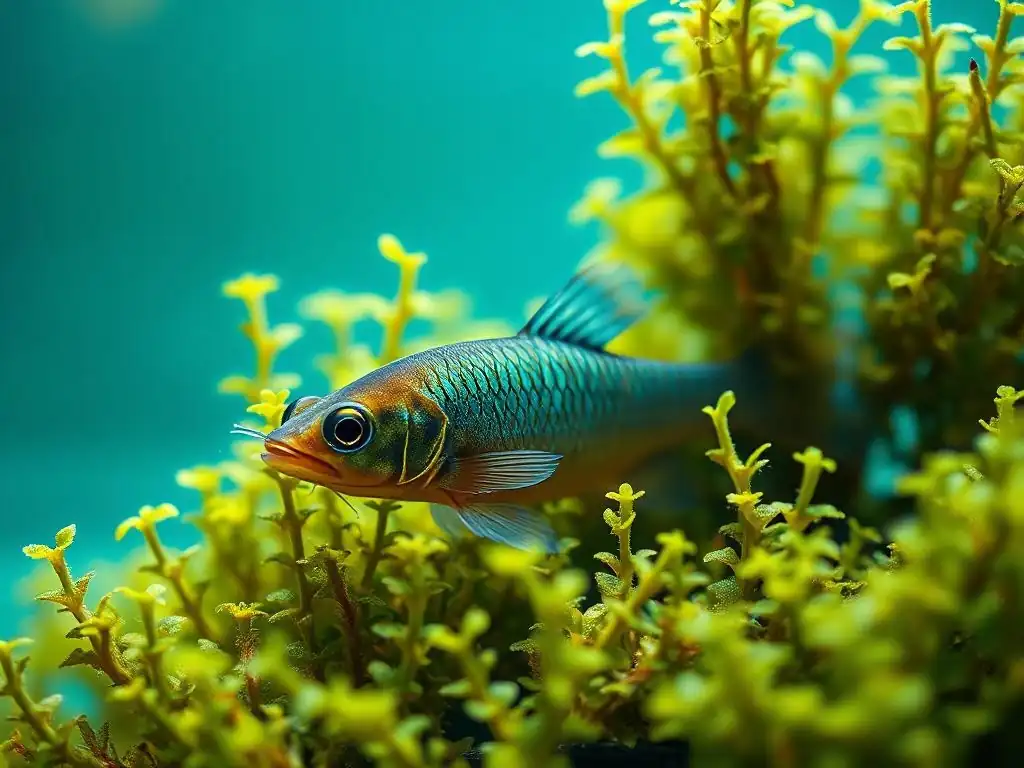
Small, Non-Aggressive Fish as Otocinclus Companions
When selecting "Otocinclus catfish peaceful tank mates," the primary criteria are small size, a non-aggressive temperament, and a preference for different swimming levels to minimize competition. Fish that are calm, school-oriented, and don't pose a threat to the Otos' delicate fins or food supply are ideal. These species generally occupy the mid to upper water columns, leaving the bottom undisturbed for the Otocinclus to graze.
Neon Tetras: A Classic and Compatible Choice
Neon Tetras (Paracheirodon innesi) are a quintessential community fish and one of the most popular choices for "Otocinclus catfish peaceful tank mates." These vibrant fish typically reach about 1.5 inches (3.8 cm) in length and are well-known for their peaceful disposition and schooling behavior. They prefer similar water parameters to Otos, including temperatures between 72-78°F (22-26°C) and a pH of 6.0-7.0, making them highly compatible.
Kept in schools of at least six individuals, Neon Tetras mostly inhabit the middle and upper regions of the aquarium, ensuring they do not directly compete with Otocinclus for space or food at the bottom. Their calm demeanor means they won't harass the shy Otos, allowing both species to thrive in a harmonious environment. Many aquarists report successful long-term cohabitation, with Neons providing movement and color without stressing the bottom-dwelling Otos.
Ember Tetras: Peaceful and Visually Appealing
Ember Tetras (Hyphessobrycon amandae) are another excellent option for those seeking "Otocinclus catfish peaceful tank mates," particularly for smaller community tanks. These tiny tetras, growing to just about 0.8 inches (2 cm), are incredibly peaceful and their fiery orange coloration adds a beautiful contrast to any planted aquarium. Like other schooling tetras, they should be kept in groups of at least six to ten individuals to feel secure and display their natural behaviors.
Their diminutive size and gentle nature mean they pose absolutely no threat to Otocinclus catfish. Ember Tetras primarily swim in the mid-water column, leaving the bottom free for Otos to graze without interruption. They also share similar water parameter preferences, thriving in soft, slightly acidic water with temperatures around 73-79°F (23-26°C). Their low bioload and non-competitive feeding habits make them a perfect, stress-free companion for sensitive Otocinclus.
Harlequin Rasboras: Schooling Fish That Won't Bother Otos
Harlequin Rasboras (Trigonostigma heteromorpha) are highly regarded for their peaceful temperament and attractive, wedge-shaped bodies adorned with a distinctive black triangle. Growing to approximately 1.75 inches (4.4 cm), these schooling fish are active but calm, making them ideal "Otocinclus catfish peaceful tank mates." They prefer to swim in the middle to upper parts of the water column, rarely venturing to the bottom in a way that would disturb Otocinclus.
They thrive in schools of eight or more and appreciate densely planted aquariums, which also benefits Otos by providing ample grazing surfaces and hiding spots. Harlequin Rasboras are adaptable to a range of water conditions, typically preferring temperatures of 72-79°F (22-26°C) and a pH of 6.0-7.0, aligning well with Otocinclus requirements. Their non-aggressive nature ensures that Otos can graze without fear, contributing to a tranquil and visually appealing community tank.
Bottom-Dwelling Tank Mates That Complement Otocinclus
While Otocinclus are bottom-dwellers, certain other bottom-dwelling species can coexist peacefully by having different foraging habits or being non-competitive for the specific biofilm and algae that Otos consume. The key is to select species that are not aggressive, do not grow excessively large, and have distinct dietary needs.
Corydoras Catfish: Scavengers That Share the Bottom Peacefully
Corydoras catfish are arguably the quintessential "Otocinclus catfish peaceful tank mates" for the bottom layer. There are numerous species of Corydoras, ranging in size from the tiny Pygmy Corydoras (about 1 inch / 2.5 cm) to the larger Bronze Corydoras (up to 2.5 inches / 6.4 cm). All Corydoras are highly peaceful, social, and should be kept in groups of at least six, ideally more, to exhibit their natural schooling behaviors.
Unlike Otocinclus, which primarily graze on algae and biofilm, Corydoras are scavengers that sift through the substrate for leftover food particles. This distinct feeding habit means they rarely compete directly with Otos for their primary food source. They share similar water parameter preferences (72-78°F / 22-26°C, pH 6.0-7.5) and enjoy a soft, sandy substrate, which is gentle on their delicate barbels. Their calm, industrious nature makes them perfect companions, as they busy themselves without bothering the shy Otos.
Kuhli Loaches: Peaceful and Interesting Bottom Dwellers
Kuhli Loaches (Pangio kuhlii) offer a unique and fascinating addition to an Otocinclus community tank, serving as excellent "Otocinclus catfish peaceful tank mates." These eel-like fish, typically growing up to 4 inches (10 cm), are nocturnal and incredibly shy, spending much of their day burrowing in soft substrate or hiding among décor. Their slender bodies and peaceful demeanor ensure they pose no threat to Otocinclus.
Kuhli Loaches are primarily detritivores and opportunistic omnivores, feeding on sinking pellets, bloodworms, and any small food particles they find in the substrate. They do not actively graze on algae or biofilm in the same manner as Otos, thus eliminating direct food competition. They thrive in tanks with fine sand substrate and plenty of hiding spots like driftwood and caves. Their preferred water parameters (73-82°F / 23-28°C, pH 6.0-7.0) largely overlap with Otos, making them a compatible and intriguing choice for the bottom of the aquarium.
Invertebrates as Otocinclus Tank Mates
Invertebrates, particularly certain species of snails and shrimp, can be exceptionally beneficial as "Otocinclus catfish peaceful tank mates." They contribute to algae control and tank cleanliness without adding significant bioload or aggression. Their distinct behaviors and diets often complement those of Otocinclus, creating a more robust and efficient cleanup crew.
Nerite Snails: Efficient Algae Eaters and Peaceful Neighbors
Nerite Snails (Neritina natalensis, various species) are widely regarded as one of the best algae eaters for freshwater aquariums, and they make perfect "Otocinclus catfish peaceful tank mates." These snails are highly efficient at consuming various types of algae, including green spot algae and diatoms, from tank glass, rocks, and plant leaves. They typically grow to about 1 inch (2.5 cm) in diameter and come in attractive patterns.
A significant advantage of Nerite Snails is that they do not reproduce in freshwater, meaning you won't face an uncontrolled snail population explosion. They are completely non-aggressive, slow-moving, and do not compete with Otocinclus for territory or primary food sources. Their continuous grazing action benefits the overall tank health, and their peaceful nature ensures they will never bother the shy Otos, making them an ideal, low-maintenance companion.
Amano Shrimp: Another Great Algae Eating Option
Amano Shrimp (Caridina multidentata) are powerful algae eaters and another fantastic choice for "Otocinclus catfish peaceful tank mates." These industrious invertebrates, growing up to 2 inches (5 cm) long, are famous for their ability to consume a wide range of algae, including stubborn hair algae, which Otos might not touch. They are highly active scavengers, constantly picking at surfaces and detritus.
Amano Shrimp are known for their peaceful disposition and will not bother any fish, including the small Otocinclus. They primarily feed on algae and biofilm, but also enjoy leftover fish food and blanched vegetables, meaning their diet largely overlaps with Otos but they are generally more efficient at consuming larger quantities of various algae types. They require stable water conditions similar to Otos (70-78°F / 21-26°C, pH 6.5-7.5) and contribute minimally to the bioload, making them a highly compatible and beneficial addition to a community tank.
Tank Mates to Avoid with Otocinclus Catfish
When planning a community tank, it's just as important to know which species to avoid as it is to know which ones are compatible. Certain fish pose significant threats to the well-being of Otocinclus catfish due to their aggressive nature, large size, or competitive feeding habits. Housing Otos with unsuitable tank mates can lead to chronic stress, injury, starvation, or even death, undermining the entire purpose of creating a peaceful aquarium.
Aggressive Fish That Can Stress Otocinclus
Aggressive fish are a definitive no-go for Otocinclus tanks. Their territorial behavior, chasing, and fin-nipping can cause immense stress to the small, timid Otos, often leading them to hide constantly, refuse to eat, and eventually succumb to stress-related illnesses. The constant threat of aggression can deplete their energy reserves and compromise their immune system, making them vulnerable to common diseases.
Cichlids: Known for Aggressive Behavior
Most cichlid species are entirely unsuitable as "Otocinclus catfish peaceful tank mates" due to their inherent territorial and often aggressive nature. Large cichlids like Oscars (Astronotus ocellatus) or Jack Dempseys (Rocio octofasciata) can view Otos as potential prey, easily swallowing them whole. Even smaller, seemingly more peaceful cichlids, such as some dwarf cichlid species like German Blue Rams (Mikrogeophagus ramirezi), can become territorial, especially during breeding, and harass or chase smaller, non-aggressive fish like Otos.
Their dominance over tank space and potential for direct aggression means that Otocinclus would be in a constant state of fear, leading to severe stress and likely premature death. The risk of injury from nips or outright predation is simply too high. Therefore, it is strongly advised to keep Otocinclus in separate aquariums from any cichlid species, regardless of their purported "peacefulness" or size, to ensure the Otos' safety and well-being.
Betta Fish: Can Be Aggressive Towards Similar-Looking Fish
While some Betta fish (Betta splendens) can be surprisingly docile in community settings, many individuals exhibit unpredictable aggression, especially towards fish that are slow-moving, have long fins, or are perceived as competitors. Otocinclus catfish, with their small size and relatively slow movements, can sometimes become targets for a territorial Betta. A Betta might nip at their fins, chase them away from food, or simply stress them out with constant presence and territorial displays.
The primary concern is the individual temperament of the Betta; there's no guarantee of peaceful coexistence. Given the Otocinclus' extreme sensitivity to stress, even sporadic aggression can be detrimental. To ensure a truly peaceful environment for your Otocinclus, it is generally safer to avoid housing them with Betta fish. While some aquarists have success, the risk of an aggressive Betta causing harm or chronic stress to the delicate Otos is significant and not worth taking.
Large or Boisterous Fish That Outcompete Otocinclus for Food
Even if a fish isn't overtly aggressive, large or highly active species can pose a threat to Otocinclus by simply outcompeting them for food. Otos are slow, methodical grazers that rely on a steady supply of biofilm and algae. Fish that consume food quickly, produce a lot of waste, or are voracious eaters can inadvertently starve Otos by leaving insufficient resources or by fouling the water quality.
Goldfish: Heavy Waste Producers and Fast Eaters
Goldfish (Carassius auratus) are fundamentally incompatible with Otocinclus catfish for several reasons, making them unsuitable as "Otocinclus catfish peaceful tank mates." Firstly, Goldfish are notoriously heavy waste producers, significantly increasing the bioload and leading to rapid deterioration of water quality. Otocinclus are highly sensitive to poor water conditions, and the ammonia and nitrite spikes common in Goldfish tanks can be lethal.
Secondly, Goldfish are voracious and fast eaters. They will quickly consume any supplemental food, such as algae wafers or blanched vegetables, leaving nothing for the slower-feeding Otos. They also tend to uproot plants and disturb the substrate, further disrupting the environment where Otos graze. Lastly, Goldfish prefer cooler water temperatures (typically 65-72°F / 18-22°C) than Otocinclus, making it impossible to meet the optimal temperature requirements for both species simultaneously.
Silver Dollars: Voracious Eaters
Silver Dollars (Metynnis argenteus) are large, active, schooling fish that can grow up to 6 inches (15 cm) or more. While generally peaceful towards fish too large to be considered prey, their dietary habits and activity levels make them highly unsuitable as "Otocinclus catfish peaceful tank mates." Silver Dollars are primarily herbivorous and are known for their voracious appetite for plant matter and algae.
In an aquarium with Silver Dollars, any algae or soft plant growth that Otocinclus rely on for grazing would be rapidly consumed by the larger, faster Silver Dollars. This direct competition for food would inevitably lead to the starvation of the Otos. Their large size and fast movements can also intimidate and stress the small, shy Otocinclus. Therefore, despite their non-aggressive nature towards other fish, their dietary overlap and competitive feeding style render them incompatible with Otocinclus catfish.
Fin-Nipping Fish: A Threat to Otocinclus' Well-being
Fin-nipping fish are a significant concern for Otocinclus catfish. While Otos do not have long, flowing fins like some other species, their small size and relatively slow movement make them easy targets for fin-nippers. Constant nipping causes stress, open wounds that can lead to infection, and prevents the Otos from resting or feeding peacefully. Even minor nips can escalate into serious health issues for these delicate fish.
Tiger Barbs: Known Fin-Nippers
Tiger Barbs (Puntigrus tetrazona) are famous, or infamous, for their vibrant colors and highly active, often aggressive, fin-nipping behavior. While keeping them in large schools (10+) can sometimes mitigate their aggression towards their own kind, they frequently target slower-moving fish or those with delicate fins, and Otocinclus catfish fit this description perfectly. Their constant darting movements and tendency to harass other tank mates would subject the timid Otos to relentless stress.
The constant nipping would not only cause physical injury to the Otos' fins and bodies but also prevent them from grazing peacefully. This chronic stress would lead to a weakened immune system, making them highly susceptible to diseases like Ich or bacterial infections. Therefore, Tiger Barbs are definitively not "Otocinclus catfish peaceful tank mates" and should be avoided entirely in any tank housing Otos.
Serpae Tetras: Potential Fin-Nippers
Serpae Tetras (Hyphessobrycon eques) are another species that, while visually appealing, can exhibit fin-nipping tendencies, making them a risky choice for "Otocinclus catfish peaceful tank mates." Although not as notorious as Tiger Barbs, Serpae Tetras are known for their semi-aggressive and boisterous nature, especially if not kept in sufficiently large schools (e.g., 10 or more individuals) or if housed in tanks that are too small.
Their quick movements and occasional nipping can easily stress and injure the small, shy Otocinclus. Even if direct fin-nipping is rare, their general boisterousness can intimidate Otos, causing them to hide excessively and impacting their ability to feed. The potential for stress and injury outweighs any aesthetic benefit, making Serpae Tetras an unsuitable companion for the delicate and peace-loving Otocinclus catfish.
Setting Up a Peaceful Aquarium for Otocinclus and Their Companions
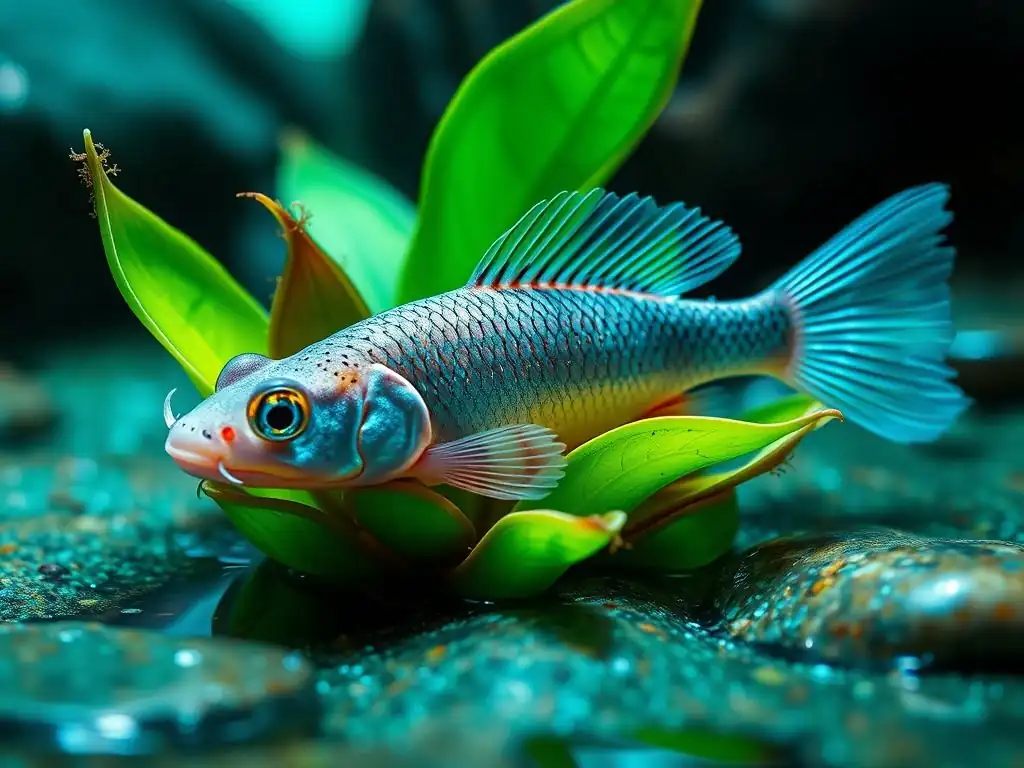
Beyond selecting the right "Otocinclus catfish peaceful tank mates," the physical setup and ongoing maintenance of the aquarium play a crucial role in ensuring a harmonious environment. A well-designed tank provides adequate space, essential hiding places, and stable water conditions, all of which are vital for the health and well-being of Otocinclus and their companions. Thoughtful aquascaping and diligent water quality management contribute significantly to reducing stress and promoting natural behaviors.
Tank Size Considerations for a Community Aquarium with Otocinclus
While a 10-gallon (38-liter) tank can house a small school of 6-8 Otocinclus, a community aquarium housing "Otocinclus catfish peaceful tank mates" requires a larger volume to provide ample space and stability. For a community setup including Otos and other small, peaceful species like Neon Tetras or Corydoras, a minimum of a 20-gallon (75-liter) long tank is highly recommended. A 20-gallon long tank, for example, offers a footprint of approximately 30 inches by 12 inches (76 cm x 30 cm), providing more horizontal swimming space and surface area for grazing than a standard 20-gallon high.
For a more diverse community, a 29-gallon (110-liter) or even a 40-gallon (150-liter) breeder tank would be even better. Larger tanks offer increased water volume, which helps dilute waste products, leading to more stable water parameters and reducing the frequency of drastic fluctuations that can stress sensitive fish like Otos. This extra space also allows for more diverse aquascaping, providing ample hiding spots and territories for all inhabitants, thereby minimizing potential stress or territorial disputes.
Aquascaping for Otocinclus: Providing Hiding Places and Grazing Areas
Effective aquascaping is paramount for creating a stress-free environment for Otocinclus and their "Otocinclus catfish peaceful tank mates." Otos are shy and benefit immensely from plenty of cover and surfaces to graze upon. Densely planted areas are crucial; plants like Java Fern (Microsorum pteropus), Anubias (Anubias barteri), and Amazon Swords (Echinodorus amazonicus) provide broad leaves that accumulate biofilm and algae for grazing, as well as offering excellent hiding spots. These plants are also hardy and relatively easy to maintain.
In addition to live plants, incorporating driftwood and smooth, non-porous rocks offers further grazing surfaces and essential refuges. Driftwood, in particular, often grows beneficial biofilm that Otos will graze on. Arranging these elements to create broken lines of sight and numerous nooks and crannies allows Otos to retreat when they feel threatened, reducing their overall stress levels. A dark substrate, such as fine sand, can also help Otos feel more secure and display their natural coloration more vibrantly.
Maintaining Water Quality in a Community Tank with Otocinclus
Maintaining impeccable water quality is non-negotiable for the health of Otocinclus catfish and their community tank mates. Otos are particularly sensitive to nitrates and ammonia, making regular water changes and robust filtration essential. A reliable filtration system, such as a hang-on-back filter with adequate media for mechanical and biological filtration or a canister filter for larger tanks, is vital to process waste efficiently. Sponge filters are also excellent for smaller tanks as they provide gentle flow and additional surface area for beneficial bacteria.
Routine water testing, at least once a week, for ammonia (should be 0 ppm), nitrite (should be 0 ppm), and nitrate (ideally below 20 ppm) is crucial for monitoring the tank's health. Weekly partial water changes of 25-30% are generally recommended to keep nitrates in check and replenish essential minerals. Using a gravel vacuum to remove detritus and uneaten food from the substrate during water changes helps prevent the buildup of harmful compounds. Stable water parameters, achieved through consistent maintenance, are the cornerstone of a thriving community aquarium for "Otocinclus catfish peaceful tank mates."
Introducing New Tank Mates to an Established Otocinclus Tank
Introducing new fish or invertebrates into an existing aquarium, especially one housing sensitive Otocinclus catfish, requires careful planning and execution. Improper introduction can lead to stress, disease outbreaks, and even fatalities, disrupting the carefully balanced ecosystem you've worked to establish. Following proper quarantine and acclimation procedures is paramount to minimizing risks and ensuring a smooth transition for all inhabitants.
Quarantine Procedures for New Fish and Invertebrates
The single most important step when introducing any new aquatic life is a proper quarantine period. New fish or invertebrates, even those from reputable sources, can carry diseases (e.g., Ich, Velvet, bacterial infections) or parasites that may not be immediately apparent but could devastate an established tank, particularly affecting sensitive Otocinclus. A separate quarantine tank, typically 5-10 gallons (19-38 liters), with its own filter and heater, should be set up for this purpose.
New arrivals should be housed in the quarantine tank for a minimum of 2-4 weeks. During this period, observe them closely for any signs of illness, unusual behavior, or parasites. If any issues arise, they can be treated in the quarantine tank without exposing your main display tank. This preventive measure significantly reduces the risk of introducing pathogens that could stress or kill your "Otocinclus catfish peaceful tank mates" and the Otos themselves, safeguarding the health of your entire aquatic community.
Acclimation Methods to Minimize Stress on Otocinclus
Once new tank mates have successfully completed their quarantine period, proper acclimation is crucial to minimize stress from changes in water parameters (temperature, pH, hardness). A sudden shift can shock fish, weakening their immune systems and making them susceptible to illness. For Otocinclus, which are already sensitive, this step is even more vital. The drip acclimation method is highly recommended for its gradual approach.
To perform drip acclimation, place the new fish in a clean bucket or container with their original bag water. Use airline tubing with a knot or valve to create a slow drip of water from your main display tank into the container. Aim for a drip rate of about 1-2 drops per second.
Allow the water volume in the container to slowly double over a period of 45-60 minutes. Once the volume has doubled, carefully net the fish and gently release them into the main tank, discarding the old water. Turning off the main tank lights for a few hours after introduction can also help reduce stress on both the new arrivals and the established "Otocinclus catfish peaceful tank mates."
Monitoring and Adjusting Your Otocinclus Community Tank
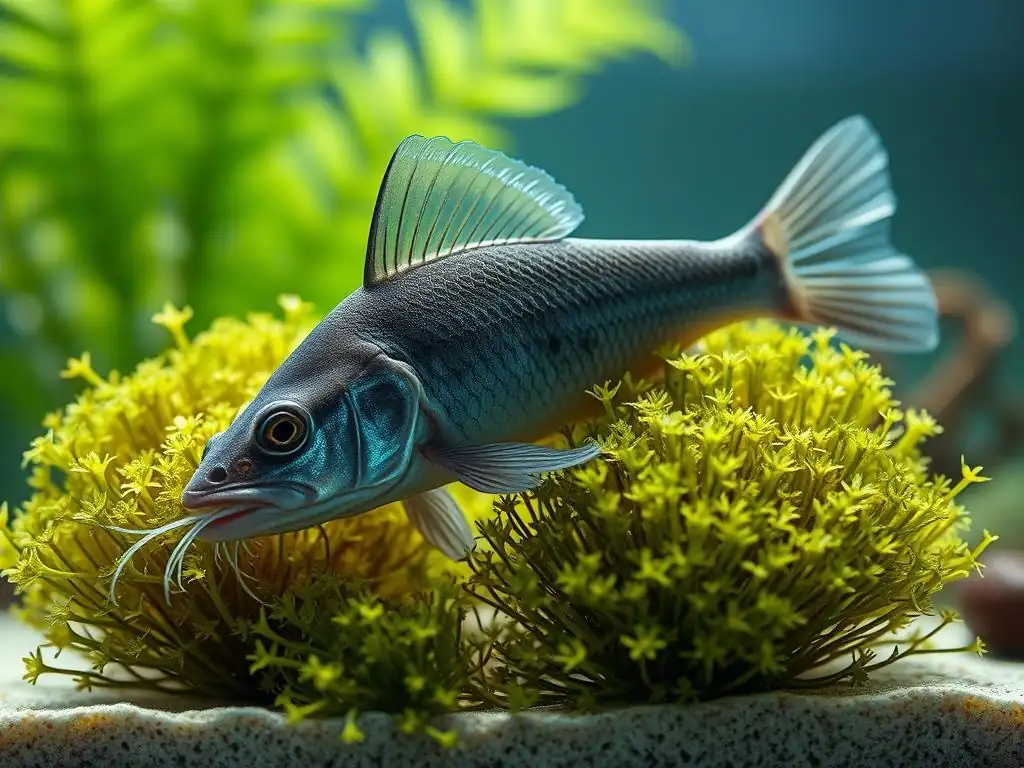
Once your Otocinclus and their "Otocinclus catfish peaceful tank mates" are coexisting, ongoing monitoring and timely adjustments are essential for long-term success. A healthy aquarium is a dynamic ecosystem, and the behaviors of your fish, their feeding habits, and the water parameters can all signal the need for intervention. Proactive observation and maintenance ensure the continued well-being of all inhabitants.
Observing Fish Behavior for Signs of Stress or Aggression
Regularly observing the behavior of your Otocinclus and their tank mates is a critical aspect of tank management. Look for signs of stress in Otos, such as clamped fins, rapid breathing, excessive hiding (more than usual), loss of color, or darting movements. These could indicate poor water quality, bullying from other fish, or insufficient food. For example, if your normally active Otos are constantly clinging to the filter intake or hiding behind the heater, it might signal an issue with their "Otocinclus catfish peaceful tank mates" or the environment.
Conversely, observe the other fish for any signs of aggression towards the Otos, such as chasing, nipping, or monopolizing feeding areas. Even subtle forms of intimidation can cause chronic stress. If such behaviors are noted, immediate action is required, which might involve re-evaluating the compatibility of specific species or enhancing hiding spots. Early detection of behavioral issues allows for timely intervention, preventing minor problems from escalating into serious health crises for your sensitive Otocinclus.
Adjusting Feeding Strategies to Ensure Otocinclus Get Enough Food
While Otocinclus are primarily algae eaters, in a community tank with "Otocinclus catfish peaceful tank mates," supplemental feeding is almost always necessary, especially if the tank is well-maintained and natural algae growth is limited. It's crucial to ensure the shy Otos get enough food without being outcompeted by faster or more aggressive eaters. A common mistake is assuming there's enough natural algae, leading to Otos slowly starving.
A good strategy is to offer algae wafers, spirulina tabs, or blanched vegetables (like zucchini or cucumber slices) after the main tank lights have been turned off for the night. This allows the nocturnal or shy Otos to graze without competition from more assertive daytime feeders. Observe their bellies; a healthy Otocinclus should have a slightly rounded, not sunken, belly. If their bellies appear concave, it's a clear sign they are not getting enough to eat, and feeding frequency or quantity for the Otos needs to be increased.
Regular Water Testing and Maintenance for a Healthy Ecosystem
Consistent water testing and maintenance are the bedrock of a healthy aquarium and paramount for the longevity of Otocinclus and their "Otocinclus catfish peaceful tank mates." Otos are particularly sensitive to fluctuations in water chemistry, especially ammonia and nitrite spikes, and high nitrate levels. Weekly water tests for ammonia, nitrite (both should be 0 ppm), and nitrate (ideally below 20 ppm) provide vital insights into the tank's stability.
Beyond testing, adhering to a strict maintenance schedule is crucial. This includes performing weekly partial water changes (e.g., 25-30% of the tank volume) to dilute nitrates and replenish essential minerals. Regular filter maintenance, such as rinsing filter media in old tank water (never tap water, which can kill beneficial bacteria), ensures optimal filtration. Siphoning the substrate to remove uneaten food and detritus also prevents the buildup of harmful compounds. A clean, stable environment directly translates to healthier, less stressed Otocinclus and a thriving community.
Ensuring a Harmonious Community Tank for Your Otocinclus Catfish: Key Takeaways
Creating a thriving and harmonious community tank for your shy Otocinclus catfish revolves around a few core principles. Foremost, the selection of "Otocinclus catfish peaceful tank mates" is paramount; prioritize small, non-aggressive species that occupy different water columns and do not directly compete for the Otos' essential algae and biofilm diet. Excellent companions include Neon Tetras, Ember Tetras, Harlequin Rasboras, Corydoras catfish, Kuhli Loaches, Nerite Snails, and Amano Shrimp, all known for their peaceful demeanor and compatibility.
Equally important is the provision of an ideal environment. This includes a sufficiently sized aquarium, preferably 20 gallons or larger, with dense planting, driftwood, and rocks to offer ample hiding places and grazing surfaces. Maintaining pristine and stable water quality through consistent filtration, regular water testing, and routine partial water changes is non-negotiable for these sensitive fish. Lastly, diligent monitoring of fish behavior and feeding habits, coupled with proper quarantine and acclimation procedures for new inhabitants, ensures that your Otocinclus can live a long, stress-free life, diligently grazing and contributing to the beauty and balance of your freshwater aquarium.
Frequently Asked Questions
What are the best tank mates for Otocinclus catfish?
The best tank mates are peaceful and non-aggressive fish that won't compete for food or harass the Otocinclus. Good choices include small rasboras, tetras, and Corydoras catfish. Avoid aggressive or boisterous species.
Why is it important to choose peaceful tank mates for Otocinclus?
Otocinclus catfish are shy and easily stressed. Aggressive tank mates can cause them to hide, refuse to eat, and ultimately lead to illness or death. Maintaining a calm and peaceful environment is crucial.
Are there any specific types of fish that should never be kept with Otocinclus?
Yes, avoid any fish known for being aggressive or territorial. This includes, but is not limited to, cichlids, larger barbs, and any fish that might see the Otocinclus as a potential food source. Predatory fish are a definite no-go.
How many Otocinclus should be kept together in a tank?
Otocinclus are social fish and thrive in groups. It's best to keep them in groups of at least 6 individuals. This helps them feel more secure and encourages natural foraging behavior.
What size tank is appropriate for keeping Otocinclus with other peaceful tank mates?
The tank size depends on the other fish you want to keep. However, a minimum of a 10-gallon tank is recommended for a small group of Otocinclus and a few small, peaceful tank mates. Consider a larger tank for larger groups.
Final Reflection: Cultivating Harmony in the Aquarium
The delicate balance of a thriving aquarium ecosystem hinges on understanding the needs of each inhabitant, and as we've explored, selecting the right tank mates for Otocinclus catfish is paramount to their well-being. The principles of peaceful coexistence and mindful species selection resonate far beyond the glass walls of our aquariums, reflecting a broader need for empathy and understanding in all our interactions. Ignoring these principles can lead to stress, illness, and ultimately, the demise of these gentle algae eaters.
This exploration of compatible companions for Otocinclus has underscored the importance of creating a harmonious environment, not just for our aquatic friends, but for ourselves as well. The act of curating a peaceful aquarium becomes a microcosm of our desire for tranquility and balance in a chaotic world. Peace is not merely the absence of war, but the presence of justice, of law, of order – in short, of government.
- Albert Einstein. This quote reminds us that true peace requires careful planning and consideration, just like selecting the right tank mates.
Now, as you consider your own aquarium, or even the broader "aquarium" of your life, I invite you to reflect on the principles we've discussed. Are you fostering environments of peace and understanding? Are you mindful of the needs of those around you? Let the gentle Otocinclus and their peaceful companions serve as a constant reminder to cultivate harmony, to choose kindness, and to create spaces where all can thrive.
Unleash a Thriving Otocinclus Community!
Thank you for diving deep into the world of Otocinclus catfish and their perfect tank mates! We hope you’ve discovered some amazing options for creating a harmonious and peaceful aquarium. Now, let's put that knowledge into action!
- Prioritize Peace: Begin by assessing your existing tank inhabitants for any potential bullying behavior before introducing new tank mates. Otos thrive in calm environments!
- Expand Your Knowledge: Explore the Aquarium Mastery website for more species profiles and compatibility guides to fine-tune your community tank.
- Share the Harmony: Spread the word! Share this article with fellow aquarists who are looking to enhance their Otocinclus' lives.
What's the first step you'll take to create a more peaceful environment for your Otocinclus?