
Heater Selection for African Cichlid Aquariums: Maintaining Stable Temps

Welcome to Aquarium Mastery!
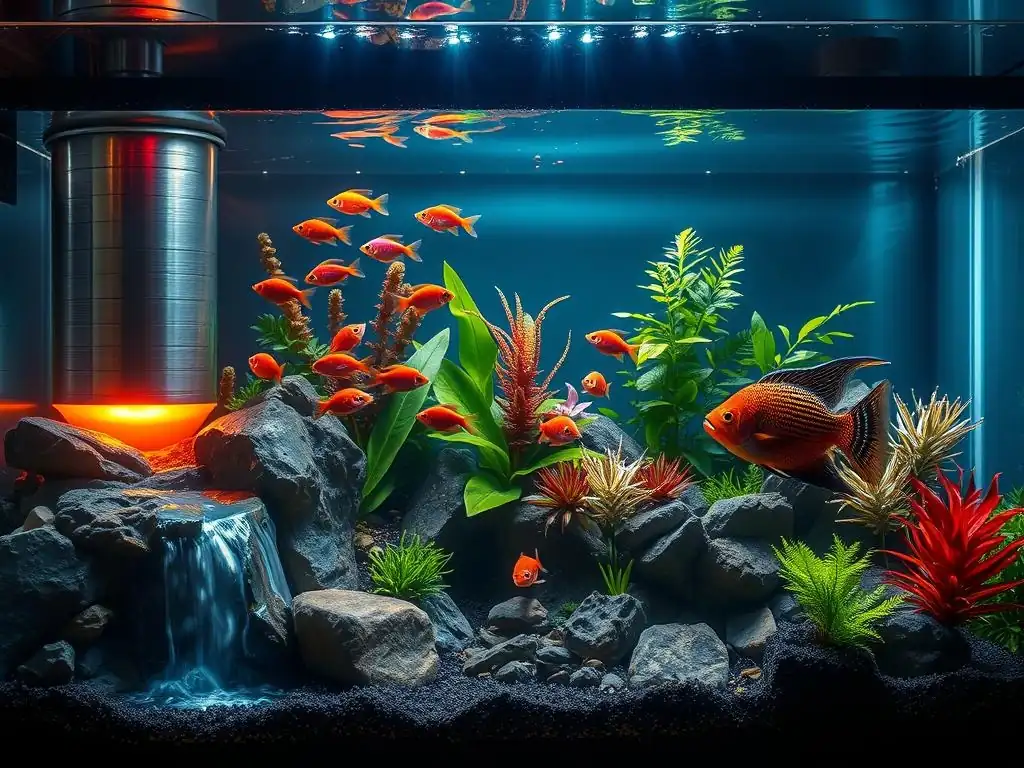
Ever wondered how to keep your vibrant African cichlids thriving in a perfectly balanced environment? Maintaining the ideal temperature is crucial, and choosing the right heater is paramount. Dive into our comprehensive guide to discovering the best cichlid aquarium heater for your specific setup and unlock the secrets to a happy, healthy, and stunning cichlid tank. Ready to learn more?
- Heater Selection for African Cichlid Aquariums: Maintaining Stable Temperatures
- Understanding the Temperature Needs of African Cichlids
- Choosing the Best Cichlid Aquarium Heater: A Comprehensive Guide
- Top Heater Recommendations for African Cichlid Tanks
- Proper Heater Installation and Placement in Cichlid Aquariums
- Monitoring and Maintaining Stable Temperatures in Your Cichlid Tank
- Maintaining Stable Temps: Preventing Overheating and Underheating
- Conclusion: Ensuring a Thermally Stable Environment for Thriving African Cichlids
-
Frequently Asked Questions
- How crucial is a heater for an African Cichlid aquarium?
- What temperature range should I aim for in my African Cichlid tank?
- What wattage heater do I need for my specific African Cichlid aquarium size?
- Are there any heater features particularly beneficial for African Cichlid tanks?
- How often should I check my aquarium heater and the water temperature?
- Final Reflection: The Warmth of a Thriving Ecosystem
- Ignite Your Cichlid's Paradise!
Heater Selection for African Cichlid Aquariums: Maintaining Stable Temperatures
Understanding the Temperature Needs of African Cichlids
Why Consistent Water Temperature is Crucial for Cichlid Health
Consistent water temperature is paramount for the overall health and well-being of African cichlids. These vibrant fish, originating from the stable thermal environments of the African Rift Lakes (Malawi, Tanganyika, and Victoria), are highly sensitive to temperature fluctuations. A stable temperature directly impacts their metabolic rate, immune system efficiency, and stress levels. For instance, a sudden drop in temperature can significantly weaken a cichlid's immune response, making it highly susceptible to common aquarium diseases like Ich (white spot disease) or bacterial infections, which can spread rapidly through a community tank.
Furthermore, maintaining a steady temperature reduces physiological stress on the fish, promoting natural behaviors such as active swimming, robust feeding, and successful breeding. Inconsistent temperatures can lead to lethargy, loss of appetite, and even organ damage over time, severely compromising the lifespan and vitality of your African cichlids. A well-chosen and properly functioning best cichlid aquarium heater is therefore a foundational component for a thriving cichlid habitat.
Ideal Temperature Range for African Rift Lake Cichlids (Mbuna & Peacocks)
For most African Rift Lake cichlids, including the popular Mbuna and Peacock species, the ideal water temperature range is between 78°F and 82°F (approximately 25.5°C to 27.8°C). This range closely mimics the stable thermal conditions found in their natural habitats, where water temperatures typically remain consistent throughout the year due to the vastness and depth of the lakes. For example, Lake Malawi's surface temperature rarely deviates more than a few degrees from 78-80°F.
Maintaining this specific temperature range is critical for optimizing their metabolic functions, ensuring proper digestion, and supporting their vibrant coloration and active behavior. Temperatures below 78°F can slow down their metabolism, leading to sluggishness and increased susceptibility to disease, while prolonged exposure to temperatures above 82°F can reduce oxygen levels in the water and increase stress, potentially leading to organ damage or even death. Therefore, selecting the best cichlid aquarium heater capable of maintaining this precise range is essential.
The Risks of Temperature Fluctuations in Cichlid Tanks
Temperature fluctuations pose significant risks to African cichlids, often more so than a slightly off but stable temperature. Even minor, rapid changes—such as a 2-3°F drop or rise within a few hours—can induce severe stress in these sensitive fish. This stress manifests as a weakened immune system, leaving them vulnerable to parasitic infestations like Ichthyophthirius multifiliis (Ich), bacterial infections, and fungal growths. Anecdotal evidence from experienced aquarists often links sudden temperature swings, perhaps due to a failing heater or an uninsulated tank in a cold room, directly to outbreaks of disease within days.
Beyond disease susceptibility, temperature swings can cause a range of physiological issues. Cichlids may exhibit lethargy, clamped fins, rapid breathing, or refusal to eat. Long-term exposure to fluctuating temperatures can stunt their growth, impair their reproductive capabilities, and significantly reduce their lifespan. For instance, a cichlid kept in a tank with daily temperature swings of 5°F might only live half as long as one kept in a thermally stable environment. Investing in a reliable and precise cichlid tank heater is the primary defense against these detrimental fluctuations.
Choosing the Best Cichlid Aquarium Heater: A Comprehensive Guide
Factors to Consider When Selecting a Heater
Aquarium Size and Wattage Calculation for Heaters
The size of your aquarium is the primary factor in determining the appropriate wattage for your heater. A general rule of thumb for maintaining tropical temperatures (like those required for African cichlids) in a room with an ambient temperature of around 70°F (21°C) is to provide 3 to 5 watts per gallon of water. For example, a 20-gallon African cichlid tank typically needs a 50-75 watt heater, a 55-gallon tank would require a 150-200 watt heater, and a large 125-gallon setup might need a 300-400 watt heater, possibly split between two units for better distribution and redundancy.
However, this calculation needs adjustment based on your specific environmental conditions. If your aquarium is in a particularly cold room, or if you aim for the higher end of the cichlid temperature range (e.g., 82°F), you might need to lean towards the higher end of the wattage recommendation, or even exceed it slightly.
Conversely, in a very warm room, less wattage might suffice. It's always better to have a slightly overpowered heater that cycles less frequently than an underpowered one that struggles to maintain the desired temperature, making proper wattage selection a critical step in choosing the best cichlid aquarium heater.
Types of Aquarium Heaters Suitable for Cichlids
Submersible Heaters: A Reliable Choice for Cichlid Tanks
Submersible heaters are by far the most popular and reliable choice for the vast majority of cichlid aquariums. Designed to be fully immersed in water, they offer excellent heat transfer efficiency and can be placed vertically or horizontally, allowing for flexible positioning to optimize heat distribution. Their sealed design ensures safety, and many models come with integrated thermostats and protective guards, which are particularly beneficial in a cichlid tank where aggressive species like Mbuna might bump into equipment.
Their widespread availability and range of wattages make them suitable for tanks from 10 gallons up to 200 gallons or more, often used in multiples for larger setups. For instance, a 75-gallon cichlid tank might effectively use two 150-watt submersible heaters placed at opposite ends to ensure uniform temperature throughout. This versatility, combined with their proven track record, makes them a top contender when searching for the best cichlid aquarium heater.
In-Line Heaters: An Option for Larger Cichlid Aquariums
In-line heaters represent a more sophisticated heating solution, typically integrated into the filtration system's return line, outside the aquarium itself. This design offers several advantages, particularly for larger cichlid aquariums (e.g., 100 gallons and above) or those where aesthetics are a priority, as they keep the heater out of sight within the display tank. They work by heating the water as it passes through the filter, ensuring that only heated water is returned to the tank, promoting excellent heat distribution throughout the entire system.
While generally more expensive and requiring an external canister filter setup, in-line heaters offer precise temperature control and eliminate the risk of the heater breaking inside the tank from aggressive cichlid activity. For example, a 180-gallon cichlid display could benefit immensely from a 500-watt in-line heater, ensuring consistent temperatures without any in-tank clutter. Their robust design and external placement make them a premium, albeit less common, choice for the best cichlid aquarium heater in specialized setups.
Substrate Heaters: Considerations for Cichlid Setups
Substrate heaters, also known as heating cables, are typically placed beneath the substrate layer of an aquarium. Their primary purpose is to create gentle convection currents within the substrate, promoting nutrient circulation for planted aquariums and providing a subtle, even warmth to the root zone of plants. While they do contribute a minor amount of heat to the overall water column, they are generally not designed to be the sole or primary heating source for a cichlid tank, especially given the specific and relatively high temperature requirements of African cichlids (78-82°F).
For a dedicated cichlid aquarium, which often features minimal live plants and relies heavily on robust filtration and water circulation, a substrate heater offers minimal benefit as a heating solution. Their wattage output is usually very low compared to the volume of water, meaning they cannot effectively raise or maintain the necessary temperature for cichlids. Therefore, while suitable for certain planted tank styles, they are not a viable option as the main cichlid tank heater and should not be considered when selecting the best cichlid aquarium heater for temperature stability.
Key Features to Look for in a Quality Cichlid Aquarium Heater
Temperature Control and Accuracy
Precise temperature control and accuracy are paramount when selecting a cichlid aquarium heater. A high-quality heater should feature an accurate thermostat, ideally capable of maintaining the set temperature within a +/- 1°F (0.5°C) variance. Many modern heaters offer digital temperature displays and external controls, allowing for fine-tuning without immersing your hands in the water. This level of accuracy ensures that your African cichlids are consistently kept within their optimal temperature range of 78-82°F, minimizing stress and preventing disease.
Heaters with an easily adjustable dial or digital interface provide convenience and precision. For instance, some advanced models allow you to set the temperature to a specific decimal point, like 79.5°F, which can be beneficial for sensitive species or breeding projects. Always cross-reference the heater's internal thermostat reading with an independent, reliable aquarium thermometer to confirm its accuracy, as even the best cichlid aquarium heater can have slight discrepancies.
Durability and Safety Features
The durability and safety features of a heater are crucial, especially in a tank housing active and sometimes aggressive African cichlids. Look for heaters constructed with shatter-resistant materials, such as thick borosilicate glass or titanium, which can withstand accidental bumps or the occasional investigative peck from a curious cichlid. Many quality heaters also come with plastic protective guards or cages that enclose the heating element, preventing fish from directly touching the hot surface or damaging the glass. This is vital for preventing burns to your fish and prolonging the life of the heater.
Beyond physical robustness, safety features like waterproofing and sealed caps are essential to prevent electrical hazards. Ensure the heater is rated for full submersion if it's a submersible type. Investing in a heater with robust construction and protective elements is a wise decision to safeguard both your fish and your home, solidifying its status as a reliable cichlid tank heater.
Automatic Shut-Off and Overheat Protection
Automatic shut-off and overheat protection are critical safety features that every best cichlid aquarium heater should possess. Overheat protection ensures that if the heater malfunctions or the water temperature rises dangerously high (e.g., due to external heat sources or a stuck thermostat), the heater will automatically power down to prevent cooking your fish. This is a life-saving feature, especially in scenarios where a heater could stick in the "on" position.
Similarly, an automatic shut-off feature, often triggered by low water levels, protects the heater itself from damage and prevents potential fire hazards. If the water level drops during a water change or due to evaporation, exposing the heating element to air, this feature will cut power. This prevents the heater from cracking or overheating outside of water, which could be catastrophic. These intelligent safety mechanisms provide peace of mind and are non-negotiable for any heater intended for a valuable cichlid setup.
Top Heater Recommendations for African Cichlid Tanks
Aqueon Pro Adjustable Heater: Review and Performance
The Aqueon Pro Adjustable Heater is widely regarded as a robust and reliable choice for African cichlid aquariums, known for its shatter-resistant design and consistent performance. This fully submersible heater features an electronic thermostat that maintains water temperature within approximately 1°F of the set point, a crucial factor for the sensitive cichlids. Its durable, non-shatterable outer casing makes it particularly suitable for tanks with boisterous Mbuna or Peacock cichlids that might otherwise damage standard glass heaters.
Available in a range of wattages from 50W up to 300W, the Aqueon Pro can accommodate most common cichlid tank sizes, from 20-gallon breeder tanks to 90-gallon community setups. Users frequently praise its longevity and the ease of adjusting the temperature dial. For example, a 75-gallon cichlid tank often performs well with a single 200W Aqueon Pro, maintaining a steady 79°F even in a cooler room. Its consistent performance and durability make it a strong contender for the best cichlid aquarium heater.
Fluval E Series Electronic Heater: Review and Performance
The Fluval E Series Electronic Heater stands out with its advanced features and precise temperature control, making it a premium choice for African cichlid enthusiasts. This submersible heater boasts an LCD display that provides real-time water temperature readings and a dual temperature sensor for enhanced accuracy, often within 0.5°F of the target. It also includes an integrated fish guard to protect curious cichlids from direct contact with the heating element, a significant safety benefit in an active tank.
A key feature of the Fluval E Series is its low-water shut-off, which automatically turns off the heater if it's exposed to air during water changes or due to evaporation, preventing overheating and damage. Available in wattages from 50W to 300W, it can effectively heat tanks up to 100 gallons. Many aquarists with high-value cichlid collections opt for the Fluval E Series due to its precise control and comprehensive safety features, ensuring a stable environment for prized African cichlids.
Finnex Hang-On Aquarium Heater: Review and Performance
The Finnex Hang-On Aquarium Heater offers a unique solution for aquarists seeking to keep heating equipment out of the main display tank, an increasingly popular choice for larger or aesthetically focused African cichlid setups. This heater features a titanium heating element, renowned for its corrosion resistance and durability, making it virtually indestructible in an aquarium environment. Its hang-on design allows it to be placed externally, with the heating element submerged in the water but the controls remaining outside, typically on the back or side of the tank.
Equipped with an external temperature controller, the Finnex Hang-On heater provides easy and precise temperature adjustments without needing to reach into the tank. It is available in higher wattages, such as 300W and 500W, making it particularly effective for large cichlid aquariums, often 75 gallons or more, where multiple submersible heaters might be required. For instance, a 125-gallon African cichlid tank could utilize a 500W Finnex Hang-On heater to maintain stable temperatures, freeing up valuable space inside the tank for rockwork and fish.
Proper Heater Installation and Placement in Cichlid Aquariums
Best Practices for Installing Your New Aquarium Heater
Proper installation of your new cichlid aquarium heater is crucial for its longevity, efficiency, and the safety of your fish. Before plugging in the heater, it's essential to allow it to acclimate to the tank's water temperature for at least 15 to 30 minutes. This prevents thermal shock to the heating element, which can cause cracking or premature failure, especially with glass heaters. Once acclimated, secure the heater firmly to the tank glass using its suction cups. Ensure it is fully submerged according to the manufacturer's instructions; most modern heaters are designed for complete submersion.
For larger cichlid tanks (e.g., 75 gallons or more), it's often beneficial to use two smaller heaters rather than one large one. For instance, instead of a single 300W heater in a 75-gallon tank, two 150W heaters placed at opposite ends provide more uniform heat distribution and offer a layer of redundancy should one unit fail. Always ensure the heater is plugged into a GFCI (Ground Fault Circuit Interrupter) outlet for maximum electrical safety.
Optimizing Heater Placement for Even Heat Distribution
Optimizing heater placement is key to maintaining a stable and uniform temperature throughout your African cichlid aquarium, preventing cold spots that can stress fish. The ideal location for a submersible heater is in an area with strong water flow, such as near the filter intake or output, or close to a powerhead. This allows the newly heated water to be rapidly dispersed throughout the tank, ensuring that all areas receive consistent warmth. For example, placing a cichlid tank heater directly in the path of a canister filter's outflow nozzle will significantly improve heat circulation.
If using multiple heaters, position them at opposite ends of the tank, still within areas of good water movement, to create a balanced heating system. For instance, in a 120-gallon tank, placing a 200W heater near the left filter intake and another 200W heater near the right filter output will ensure comprehensive temperature regulation. Avoid placing heaters too close to the substrate or directly against the glass, as this can create localized hot spots or inefficient heat transfer.
Avoiding Common Heater Placement Mistakes
Several common mistakes in heater placement can compromise temperature stability and even endanger your African cichlids. One frequent error is placing the heater horizontally at the very bottom of the tank, especially in substrates that impede water flow. This can lead to inefficient heating and localized hot spots directly above the heater, while the rest of the tank remains cooler. Similarly, placing a heater too close to the water surface is problematic, as evaporation can expose the heating element to air, potentially leading to overheating and damage, even with auto-shutoff features.
Another mistake is positioning the heater in an area of stagnant water with poor circulation. Without adequate water flow, the heat will not disperse effectively, resulting in significant temperature stratification within the tank. For instance, placing a heater in a back corner behind dense rockwork or decor will likely lead to a warm spot in that corner and cooler temperatures elsewhere. Always ensure your cichlid tank heater is in a location where water can freely circulate around it to guarantee uniform heat distribution for your robust cichlid population.
Monitoring and Maintaining Stable Temperatures in Your Cichlid Tank
The Importance of a Reliable Aquarium Thermometer
While most modern cichlid aquarium heaters come with built-in thermostats, relying solely on their internal readings can be a significant oversight. The accuracy of these integrated thermostats can vary, often by 1-2°F, which can be critical for the sensitive African cichlids. Therefore, the importance of an independent, reliable aquarium thermometer cannot be overstated. A separate thermometer provides an unbiased and accurate reading of the actual water temperature, allowing you to fine-tune your heater's settings to achieve the precise 78-82°F range required for your cichlids.
Digital thermometers, often with external probes, are generally considered the most accurate, frequently providing readings within 0.1°F. Glass thermometers with suction cups are also a good option. It's best practice to place the thermometer at the opposite end of the tank from your heater to get a representative average temperature reading. Checking the thermometer daily, ideally at different times of the day, helps you quickly identify any temperature drifts or heater malfunctions before they negatively impact your fish.
Recognizing Signs of Heater Malfunction
Recognizing the signs of heater malfunction early can prevent severe consequences for your African cichlids. The most obvious indicator is a deviation from the desired temperature range in your independent thermometer. If the tank is consistently too cold despite the heater being on, or if it's overheating, the heater is likely failing. Visually inspect the heater: a pilot light that is always on (indicating constant heating) or never on (indicating no heating) suggests a problem. For glass heaters, look for cracks, cloudiness, or discolored spots inside the tube, which can signify water ingress or element failure.
Other subtle signs include unusual noises coming from the heater, or if your fish exhibit stress behaviors such as lethargy, clamped fins, or rapid breathing, which can be direct responses to temperature instability. If any of these signs appear, it's crucial to immediately unplug the heater and begin troubleshooting or consider replacement. A malfunctioning best cichlid aquarium heater can quickly turn a thriving environment into a hazardous one.
Troubleshooting Temperature Issues in Cichlid Aquariums
When faced with temperature issues in your African cichlid aquarium, a systematic troubleshooting approach is essential. First, verify your independent thermometer's accuracy; test it in a known temperature source if possible. Next, check the heater's power supply: ensure it's securely plugged in and the outlet is functional (test with another appliance). Inspect the heater for any visible damage, such as cracks, loose wires, or tripped internal safety switches if applicable. For instance, if a Fluval E Series heater shows an error code, consult its manual for specific troubleshooting steps.
If the tank is too cold, confirm the heater's wattage is appropriate for your tank size and ambient room temperature. An underpowered heater will struggle to maintain the set temperature. Ensure there's adequate water flow around the heater to distribute heat efficiently; poor circulation can lead to cold spots. If the tank is too hot, consider external factors like direct sunlight or a room temperature spike. If these are ruled out, the heater's thermostat may be stuck in the "on" position, indicating a need for immediate replacement to prevent a catastrophic temperature rise.
Maintaining Stable Temps: Preventing Overheating and Underheating
Strategies to Prevent Overheating in Warmer Climates
Preventing overheating is as crucial as ensuring adequate heating, especially for African cichlids in warmer climates or during summer months. Even the best cichlid aquarium heater can contribute to overheating if external factors are not managed. One effective strategy is using aquarium cooling fans, which sit on the tank rim and blow air across the water surface, increasing evaporative cooling. This method can typically lower water temperatures by 3-5°F (1.5-3°C) and is a cost-effective solution for moderate cooling needs.
For more extreme cases, such as ambient room temperatures consistently above 85°F (29°C), an aquarium chiller may be necessary. Chillers actively cool the water and can maintain precise temperatures regardless of external conditions, though they are a significant investment. Additionally, avoid placing your cichlid tank in direct sunlight or near heat-emitting appliances. During heat waves, reducing the duration of tank lights can also help, as lights contribute to water temperature.
Insulating Your Aquarium to Conserve Heat
Insulating your African cichlid aquarium is an effective strategy to conserve heat, reduce energy consumption, and maintain more stable temperatures, particularly in cooler environments or during winter months. Covering the back and sides of the tank with foam insulation boards (such as rigid polystyrene foam, commonly available at hardware stores) can significantly reduce heat loss through the glass. This simple modification can reduce the workload on your cichlid tank heater, potentially cutting electricity costs by 10-15% and minimizing temperature fluctuations caused by changes in room temperature.
For example, a 75-gallon tank in a room that drops to 65°F at night could see its temperature drop by several degrees without insulation, forcing the heater to work overtime. With insulation, the temperature drop would be minimized, and the heater would cycle less frequently, leading to a more stable environment for the fish. Even insulating the stand can help. While the front glass needs to remain clear for viewing, the benefits of insulating the other surfaces are substantial for maintaining thermal stability for your African cichlids.
Conclusion: Ensuring a Thermally Stable Environment for Thriving African Cichlids
Maintaining a thermally stable environment is not merely a recommendation but a fundamental requirement for the health and longevity of African cichlids. These magnificent fish, adapted to the consistent temperatures of the Rift Valley lakes, thrive when their aquarium environment closely mimics their natural habitat's thermal stability of 78-82°F. Fluctuating temperatures or prolonged periods outside this optimal range can severely compromise their immune systems, leading to stress, disease, and reduced lifespan.
Selecting the best cichlid aquarium heater involves careful consideration of wattage based on tank size, choosing between reliable submersible or advanced in-line options, and prioritizing features like accurate temperature control, robust durability, and essential safety mechanisms such as automatic shut-off. Proper installation and strategic placement, ideally in areas with good water flow, are equally crucial to ensure uniform heat distribution.
Finally, consistent monitoring with an independent thermometer and proactive troubleshooting of any issues will safeguard your aquatic investment. By prioritizing a stable thermal environment, you empower your African cichlids to display their vibrant colors, natural behaviors, and overall vitality, ensuring a thriving and captivating display for years to come.
Frequently Asked Questions
How crucial is a heater for an African Cichlid aquarium?
A heater is absolutely crucial for maintaining the stable, warm water temperatures African Cichlids need to thrive. These fish are sensitive to temperature fluctuations, which can lead to stress and disease. Consistent temperatures are essential for their health and well-being.
What temperature range should I aim for in my African Cichlid tank?
Generally, aim for a temperature range of 78-82°F (25.5-28°C). This range mimics their natural habitat and supports their metabolism and immune system. Regular monitoring using a reliable aquarium thermometer is recommended.
What wattage heater do I need for my specific African Cichlid aquarium size?
As a general rule, use 5 watts per gallon of water. For example, a 50-gallon tank will require a 250-watt heater. However, consider your room temperature; colder environments might require a slightly higher wattage.
Are there any heater features particularly beneficial for African Cichlid tanks?
Look for heaters with accurate thermostats and automatic shut-off features for safety. A heater with a protective guard can prevent cichlids from damaging it. Some prefer submersible heaters for their efficiency and placement flexibility.
How often should I check my aquarium heater and the water temperature?
Check your heater's functionality and the water temperature daily. Regular monitoring ensures the heater is working correctly and that the temperature remains within the optimal range. This is vital for preventing temperature-related issues.
Final Reflection: The Warmth of a Thriving Ecosystem
The journey to selecting the best cichlid aquarium heater extends far beyond simply maintaining a specific temperature. It’s about fostering a stable and healthy environment where these vibrant fish can truly thrive, mirroring the delicate balance of their natural African habitats. The information presented here underscores the critical role temperature plays in the overall well-being of cichlids, highlighting the importance of informed decision-making for any aquarist dedicated to their care.
This exploration into heater selection has profoundly influenced my understanding of the intricate relationship between technology and nature within the aquarium hobby. It's a constant reminder that responsible fishkeeping is not just about aesthetics, but about creating a sustainable and enriching environment for these fascinating creatures. As Carl Safina eloquently stated, We need another and a wiser and perhaps a more mystical concept of animals.
This quote resonates deeply, urging us to move beyond mere ownership and embrace a deeper connection with the living beings under our care.
Now, as you consider the information shared, I invite you to reflect on your own role in creating a thriving aquatic ecosystem. Choose your heater wisely, not just for its wattage or brand, but for the peace of mind it brings knowing you've provided the best possible environment for your cichlids to flourish. Let's all strive to be more than just keepers of fish; let's be stewards of their well-being, ensuring their vibrant colors and captivating behaviors continue to grace our homes for years to come.
Ignite Your Cichlid's Paradise!
Thanks for diving deep into the art of maintaining the perfect aquatic temperature for your African Cichlids! We hope you’ve gained some valuable insights into creating a stable and thriving environment. Now, it's time to put that knowledge into action.
- Calculate the precise wattage you need for your specific tank size and climate. Don't guess; measure twice, heat once!
- Share your newfound temperature wisdom! Inspire fellow cichlid enthusiasts by posting your heater setup tips and tricks in the comments below.
- Experiment with creating a dynamic temperature zone! Introduce a cooler rock feature on one side of the tank and see how your cichlids respond to the choice.
What innovative heating solution are you implementing this week to ensure your cichlids are swimming in a perfectly temperate paradise?