
Giant Bettas: SuperSized Personalities and How to Care for Them

Welcome to Aquarium Mastery!
Ever wondered if a betta could be even more captivating? Prepare to be amazed! We're diving deep into the world of Giant Bettas, those impressively sized personalities that bring a whole new dimension to the aquarium hobby. Ready to learn everything you need to know about providing the perfect home for these magnificent fish? Our comprehensive guide to Giant Betta care instructions is just the beginning... let's explore!
- Understanding the Giant Betta: An Introduction to King Bettas
- Setting Up the Ideal Giant Betta Tank: Creating a King-Sized Kingdom
- Giant Betta Care Instructions: Diet, Water Parameters, and Health
- Giant Betta Temperament and Tank Mates: Companionship or Isolation?
- Breeding Giant Bettas: A Challenging Endeavor
- Where to Buy Giant Bettas: Finding Reputable Breeders
- Giant Betta Care Instructions: A Summary of Key Points
- Frequently Asked Questions
- Final Reflection: Appreciating the Gentle Giants
- Unleash the Giant Betta Keeper in You!
Understanding the Giant Betta: An Introduction to King Bettas
What Makes a Betta "Giant"? Size and Characteristics
Giant Bettas, often referred to as King Bettas or Titan Bettas, are a selectively bred variant of the common Betta splendens distinguished primarily by their impressive size. While a standard Betta typically reaches an adult length of 2-3 inches (5-7.5 cm) from snout to tail, Giant Bettas can grow significantly larger, commonly attaining lengths of 4-7 inches (10-18 cm) and sometimes even exceeding this range. Their robust build, often thicker bodies, and larger heads give them a powerful and imposing presence in the aquarium.
Beyond their sheer size, Giant Bettas retain the distinctive characteristics of their species, including the labyrinth organ that allows them to breathe atmospheric air directly from the surface. Their fins, while still flowing and beautiful, may sometimes appear slightly less elaborate than those of highly specialized show Bettas, emphasizing their overall bulk. Coloration varies widely, encompassing the full spectrum seen in standard Bettas, from vibrant reds and blues to iridescent greens and multi-color patterns.
Giant Betta Origins and History
The lineage of the Giant Betta traces back to dedicated selective breeding programs primarily in Thailand, the native country of Betta splendens. Breeders meticulously selected and interbred the largest individuals from successive generations, aiming to enhance growth rate and overall body size. This intensive breeding effort has been ongoing for several decades, leading to the stable and distinct Giant Betta lines available in the aquarium hobby today.
Initially, the motivation behind breeding larger Bettas was often for their use in traditional Betta fighting, where larger size offered an advantage. However, their striking appearance and majestic presence quickly made them highly sought-after display fish for aquarists worldwide. They are sometimes affectionately called "Thai Giants" in recognition of their specific origin and development within the Thai breeding community.
Distinguishing Giant Bettas from Standard Betta Varieties
The most obvious and defining characteristic distinguishing Giant Bettas from standard varieties is their size. An adult male standard Betta might weigh approximately 5-7 grams, whereas a mature Giant Betta can easily weigh 20-30 grams or more, representing a substantial difference in mass and overall footprint in the tank. This size difference is immediately apparent upon observation, with Giant Bettas appearing much more substantial and muscular.
Beyond size, subtle differences can be noted in their physical proportions; Giant Bettas tend to have a broader body and head relative to their length compared to their standard counterparts. While both exhibit territorial aggression, the sheer size of a Giant Betta can make its aggressive displays more impactful and potentially more dangerous to smaller tank mates. Understanding these distinctions is fundamental to providing proper Giant betta care instructions.
Setting Up the Ideal Giant Betta Tank: Creating a King-Sized Kingdom
Tank Size Requirements for Giant Bettas: More Space is Key
Due to their significantly larger size and bioload, Giant Bettas require substantially more space than standard Bettas. While a 5-gallon (19-liter) tank is often considered a minimum for a standard Betta, a single Giant Betta needs at least a 10-gallon (38-liter) aquarium. However, for optimal health and to truly thrive, a 15-20 gallon (57-76 liter) tank is highly recommended for one adult Giant Betta.
The increased water volume in a larger tank provides crucial benefits for Giant Bettas. It helps to dilute waste products more effectively, preventing rapid spikes in ammonia and nitrite. Furthermore, a larger tank offers ample swimming space, reducing stress and allowing the Betta to exhibit natural behaviors. When choosing a tank, prioritize horizontal swimming space over vertical height, as Bettas primarily swim back and forth.
Essential Equipment for a Giant Betta Aquarium: Filters, Heaters, and Lighting
A gentle yet effective filtration system is paramount for maintaining pristine water quality in a Giant Betta tank. Sponge filters are an excellent choice, providing biological and mechanical filtration with minimal current, which is ideal for a Betta's long fins. Hang-on-back (HOB) filters can also be used, but ensure the outflow is baffled or diffused to reduce strong currents, perhaps with a pre-filter sponge on the intake to protect fins.
A reliable heater is absolutely essential, as Giant Bettas are tropical fish that thrive in stable temperatures between 78-82°F (25.5-27.8°C). An adjustable heater with a thermostat is recommended to maintain a consistent temperature. For lighting, standard LED aquarium lights are sufficient for viewing and supporting live plants. A consistent photoperiod of 8-10 hours, ideally controlled by a timer, mimics natural day-night cycles and prevents algae overgrowth.
Aquascaping for Giant Bettas: Providing Enrichment and Hiding Places
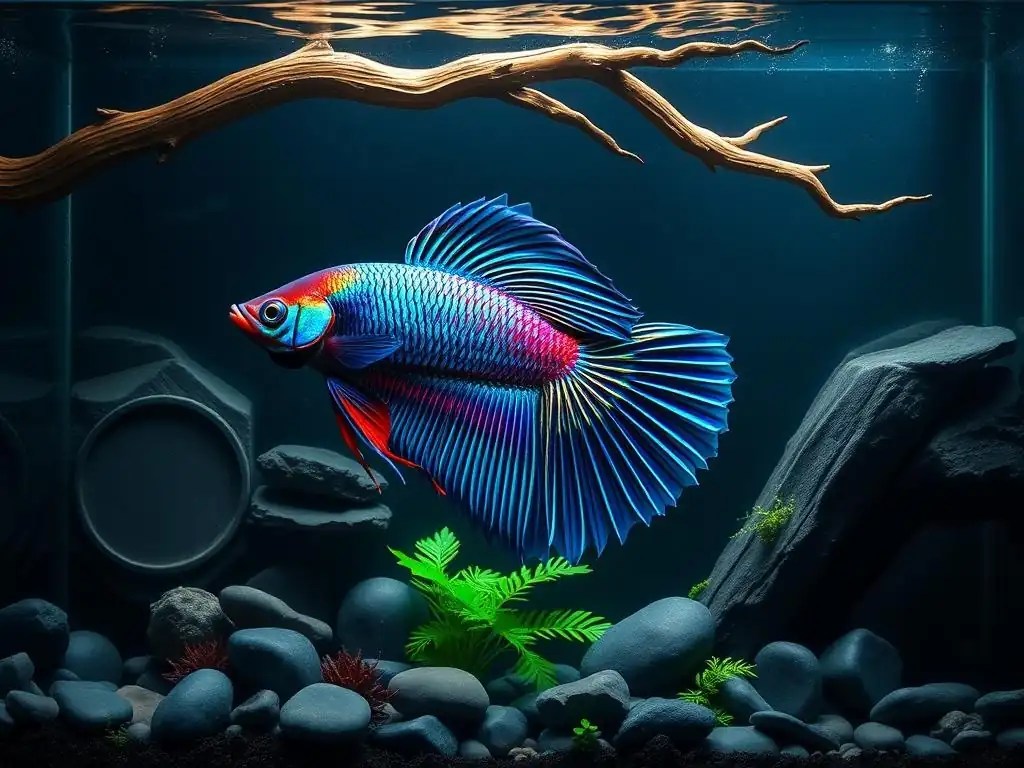
Even with their imposing size, Giant Bettas appreciate a well-structured and thoughtfully aquascaped environment that offers both open swimming areas and plenty of hiding spots. Incorporate live or silk plants, driftwood, and smooth-edged caves or decor. Live plants like Anubias, Java Fern, Cryptocoryne, and floating plants such as Amazon Frogbit or Water Lettuce are excellent choices, providing natural cover and contributing to water quality.
Ensure that all decorations are free of sharp edges or rough textures that could snag or tear a Betta's delicate fins. A "Betta leaf hammock" or broad-leafed plants positioned near the surface can provide a comfortable resting spot, mimicking their natural tendency to rest near the water's surface. The substrate can be fine gravel or sand, but it should be easy to clean to prevent the buildup of detritus, which is a key part of effective Giant betta care instructions.
Giant Betta Care Instructions: Diet, Water Parameters, and Health
Giant Betta Diet and Feeding: Meeting Their Nutritional Needs
Giant Bettas have a higher metabolic rate and a larger body mass compared to standard Bettas, necessitating a diet rich in protein to support their growth and overall vitality. A varied diet is crucial for providing all necessary nutrients, enhancing coloration, and bolstering their immune system. Their natural diet in the wild consists primarily of insects and their larvae, so their captive diet should reflect this carnivorous preference.
While they require more food than standard Bettas, overfeeding is a common mistake that can lead to digestive issues, bloat, and poor water quality. Feed small amounts 1-2 times daily, only what your Betta can consume within 2-3 minutes. Observe your Betta's abdomen after feeding; it should appear slightly rounded, not distended. Promptly remove any uneaten food to prevent it from decaying and polluting the tank water.
Recommended Foods for Giant Bettas: Live, Frozen, and Pellet Options
High-quality Betta pellets should form the staple of a Giant Betta's diet. Look for pellets specifically formulated for Bettas with a high protein content, ideally 35% or more. Some brands offer larger pellet sizes better suited for the mouths of Giant Bettas. Avoid generic fish flakes, as they often lack the concentrated protein and specific nutrients Bettas require.
Supplementing pellets with frozen or live foods a few times a week is highly beneficial. Excellent choices include frozen bloodworms, brine shrimp, daphnia, and mysis shrimp, which provide essential fatty acids and stimulate natural hunting behaviors. Live foods, such as blackworms or small feeder insects, can also be offered but should be sourced from reputable suppliers to minimize the risk of introducing parasites or diseases.
Feeding Schedule and Portion Control for Giant Bettas
For adult Giant Bettas, feeding once or twice a day is generally sufficient. A common schedule involves a small feeding in the morning and another in the evening. As a guideline, an adult Giant Betta might consume approximately 3-5 high-quality pellets per feeding, supplemented with a few frozen items every other day. The key is to provide just enough food that it is consumed quickly without any left over.
Portion control is vital for preventing digestive problems and maintaining water quality. An average adult Giant Betta might consume about 0.5-1 gram of food per day, depending on its size, activity level, and the caloric density of the food. Fasting your Betta one day a week can aid in digestion and prevent issues like bloat. This precise approach to feeding is a core aspect of effective Giant betta care instructions.
Maintaining Optimal Water Parameters for Giant Bettas: Testing and Adjustments
Consistent and stable water parameters are critical for the long-term health and well-being of Giant Bettas. Regular testing using a reliable liquid test kit is non-negotiable. Key parameters to monitor include ammonia, nitrite, nitrate, and pH. Ideal conditions for Giant Bettas are: Ammonia 0 ppm, Nitrite 0 ppm, Nitrate below 20 ppm (ideally below 10 ppm), and a pH range of 6.5-7.5.
Deviations from these optimal parameters can quickly lead to stress, weakened immune systems, and increased susceptibility to disease. For instance, even low levels of ammonia or nitrite are highly toxic, while consistently high nitrate levels, though less acutely toxic, can cause chronic stress and health issues. Regular monitoring allows for proactive adjustments, preventing problems before they escalate.
Water Change Frequency and Volume for Giant Betta Tanks
Due to their larger size and higher bioload, Giant Betta tanks require more frequent and substantial water changes than those housing standard Bettas. For a 15-20 gallon tank, a weekly water change of 25-30% is a good starting point. For smaller tanks (e.g., 10 gallons), or if nitrate levels consistently creep up, performing 30-50% water changes twice a week might be necessary.
Always use a gravel vacuum to thoroughly clean the substrate during water changes, removing accumulated detritus and uneaten food. Ensure that any new water added to the tank is dechlorinated with a quality water conditioner and temperature-matched to the tank water to prevent thermal shock. Consistent water changes are a cornerstone of comprehensive Giant betta care instructions.
The Importance of Water Chemistry: pH, Ammonia, Nitrite, and Nitrate
While a specific pH value within the 6.5-7.5 range is less important than pH stability, sudden and drastic pH swings are highly detrimental and stressful to Giant Bettas. Ammonia and nitrite are extremely toxic compounds that indicate an immature nitrogen cycle or overfeeding. Even small concentrations can cause gill damage, organ failure, and death.
Nitrate is the end product of the nitrogen cycle and is less toxic than ammonia or nitrite, but it still accumulates over time. High nitrate levels (above 20 ppm) can lead to lethargy, fin clamping, faded colors, and increased vulnerability to infections. Regular partial water changes are the most effective method to keep nitrate levels in check and maintain a healthy environment for your Giant Betta.
Giant Betta Health and Disease Prevention: Common Ailments and Treatments
Prevention is the most effective approach to maintaining the health of your Giant Betta. Providing a clean, stable environment with pristine water quality, a balanced and nutritious diet, and minimizing stress factors are the best defenses against disease. A well-maintained aquarium environment significantly reduces the likelihood of illness, allowing your Betta to thrive.
Daily observation of your Giant Betta is crucial for early detection of potential health issues. Pay attention to any changes in behavior, appetite, swimming patterns, or physical appearance. Early recognition of symptoms allows for prompt intervention, which can often prevent an illness from becoming severe or spreading to other inhabitants if you have a community tank (though generally not recommended for male Giant Bettas).
Recognizing Signs of Illness in Giant Bettas
Several signs can indicate that your Giant Betta is unwell. These include clamped fins (held close to the body), lethargy or unusual inactivity, loss of appetite, flashing (rubbing against tank decorations or substrate), rapid gill movement or labored breathing, and visible changes to the body or fins. Such changes might include white spots, fuzzy growths, discolored patches, or fin fraying/decay (fin rot).
More severe symptoms include swelling of the abdomen (dropsy), cloudy or bulging eyes (pop-eye), and difficulty swimming or maintaining buoyancy. Any deviation from your Betta's normal vibrant color or active behavior should prompt an immediate check of water parameters and a closer inspection of the fish for physical symptoms.
Common Betta Diseases: Fin Rot, Ich, and Velvet
Fin Rot is a common bacterial infection, often caused by poor water quality or injury, where the fins appear frayed, ragged, or discolored and seem to be dissolving. Ich (White Spot Disease) is a highly contagious parasitic infection caused by Ichthyophthirius multifiliis, characterized by small, white, salt-grain-like spots on the body and fins, often accompanied by scratching.
Velvet, caused by a dinoflagellate parasite ( Oodinium), manifests as a fine, dusty, yellowish-gold coating on the fish's body, which is best seen under direct light. Affected fish may also exhibit rapid breathing and darting movements. Each of these diseases requires specific treatment protocols, and accurate diagnosis is key to successful recovery.
Treating and Preventing Diseases in Giant Bettas: Medication and Quarantine
For minor issues like mild fin rot, often improving water quality through increased water changes (e.g., daily 25% changes) can be sufficient. For more advanced bacterial infections, broad-spectrum antibiotics or antibacterial treatments may be necessary. Ich and Velvet typically require specific antiparasitic medications available at pet stores. Always follow medication instructions precisely and remove carbon from your filter during treatment.
A quarantine tank is an invaluable tool for disease prevention and treatment. Any new fish or plant should be quarantined for 2-4 weeks before being introduced to your main Giant Betta tank to prevent the spread of pathogens. If your Betta shows signs of illness, moving it to a separate hospital tank for treatment prevents medication from harming beneficial bacteria in the main tank and allows for more focused care and observation.
Giant Betta Temperament and Tank Mates: Companionship or Isolation?
Understanding Giant Betta Behavior: Aggression and Interaction
Giant Bettas, like their standard counterparts, are known for their territorial and aggressive nature, particularly the males. Their scientific name, Betta splendens, meaning "beautiful warrior," aptly describes their disposition. Their larger size can sometimes amplify their aggressive tendencies, making them even more formidable to perceived rivals. They will often flare their gills and fins at their own reflection or other fish that intrude on their perceived territory.
While some individual Giant Bettas may exhibit slightly less aggression, it is generally safest and most recommended to house male Giant Bettas in solitary tanks. Introducing another male Betta is almost always a recipe for severe fighting and potential death. Female Giant Bettas can sometimes be kept in sororities, but this requires a very large, heavily planted tank (e.g., 50+ gallons for 5-7 females) and constant monitoring, as aggression can still occur within the group.
Choosing Suitable Tank Mates for Giant Bettas: Compatibility Considerations
If you are considering tank mates for a Giant Betta, choose with extreme caution and only for very large aquariums (20+ gallons). Select species that are fast-moving, not fin-nippers, not brightly colored (especially red or blue, which can trigger aggression), and not small enough to be viewed as food. Bottom dwellers are generally safer choices as they occupy a different water column.
Good potential tank mates for a carefully selected Giant Betta (and only if the Betta's personality allows) might include peaceful corydoras catfish (e.g., Panda Corys or Pygmy Corys), Otocinclus catfish, or perhaps a small school of fast-moving, non-flashy tetras like Neon Tetras (though some Bettas may still prey on them). Avoid other labyrinth fish, long-finned fish that might be mistaken for rival Bettas, or any aggressive or nippy species.
Introducing Tank Mates to a Giant Betta Aquarium: A Gradual Approach
If you decide to attempt tank mates, a gradual and cautious approach is essential. One strategy is to introduce the tank mates to the aquarium first, allowing them to establish their territories before the Giant Betta is added. Alternatively, if the Betta is already in the tank, significantly rearrange the existing decor when introducing new tank mates to disrupt any established territories.
Monitor all interactions closely for the first few days and weeks. Be prepared to remove any fish immediately if aggression becomes a serious issue, such as sustained chasing, nipping, or signs of stress. Even with careful planning and ideal choices, success is never guaranteed, as each Giant Betta has a unique personality, and some simply prefer solitary living.
Breeding Giant Bettas: A Challenging Endeavor
Preparing for Giant Betta Breeding: Setting Up a Breeding Tank
Breeding Giant Bettas is a rewarding but challenging endeavor that requires significant dedication and a specialized setup. A dedicated breeding tank, separate from the main display tank, is essential. A size of at least 15-20 gallons (57-76 liters) is recommended, with a shallow water level of approximately 4-6 inches (10-15 cm) to make it easier for the male to retrieve eggs and for the fry to reach the surface for air.
The breeding tank should be equipped with a reliable heater to maintain a stable temperature of 80-82°F (26.7-27.8°C), and a gentle sponge filter to provide biological filtration without creating strong currents. Provide floating plants (like Anacharis, water lettuce, or even a Styrofoam cup) as a site for the male to build his bubble nest. A clear glass divider is also crucial for conditioning the breeding pair before introduction.
The Giant Betta Breeding Process: Courtship, Spawning, and Fry Care
Before attempting to breed, condition the male and female Giant Bettas separately for 1-2 weeks with a high-protein diet of live and frozen foods. Introduce them to the breeding tank, separated by a clear divider, allowing them to see each other. Once the male constructs a robust bubble nest and the female displays vertical breeding stripes (indicating readiness), remove the divider. Courtship can involve flaring, chasing, and can last for several hours.
Spawning occurs beneath the bubble nest, with the male wrapping his body around the female to gently squeeze out eggs. The female can release anywhere from 100 to 500 eggs during a spawning session. The male meticulously collects the eggs and places them into the bubble nest. Once spawning is complete, the female must be removed immediately, as the male will become highly aggressive while guarding the eggs. The male will care for the eggs until they hatch (typically 24-48 hours). Once the fry are free-swimming, the male should also be removed to prevent him from eating them.
Caring for Giant Betta Fry: Feeding and Water Quality
Giant Betta fry are incredibly tiny and require microscopic food during their initial stages of life. For the first 2-3 days after becoming free-swimming, they will primarily feed on their yolk sacs. After this, infusoria (microscopic organisms) are essential. As they grow, typically after 4-7 days, they can transition to newly hatched brine shrimp or micro-worms for the next few weeks.
Maintaining pristine water quality is paramount for fry survival. Perform small, frequent water changes (10-20% daily or every other day) using a pipette or airline tubing to gently siphon out waste without disturbing the fry. Maintain a consistent temperature and avoid strong water currents. As the fry grow, they will need to be separated by sex to prevent fighting, especially once they begin to mature and show signs of aggression, typically around 8-12 weeks.
Where to Buy Giant Bettas: Finding Reputable Breeders
Selecting Healthy Giant Bettas: What to Look For
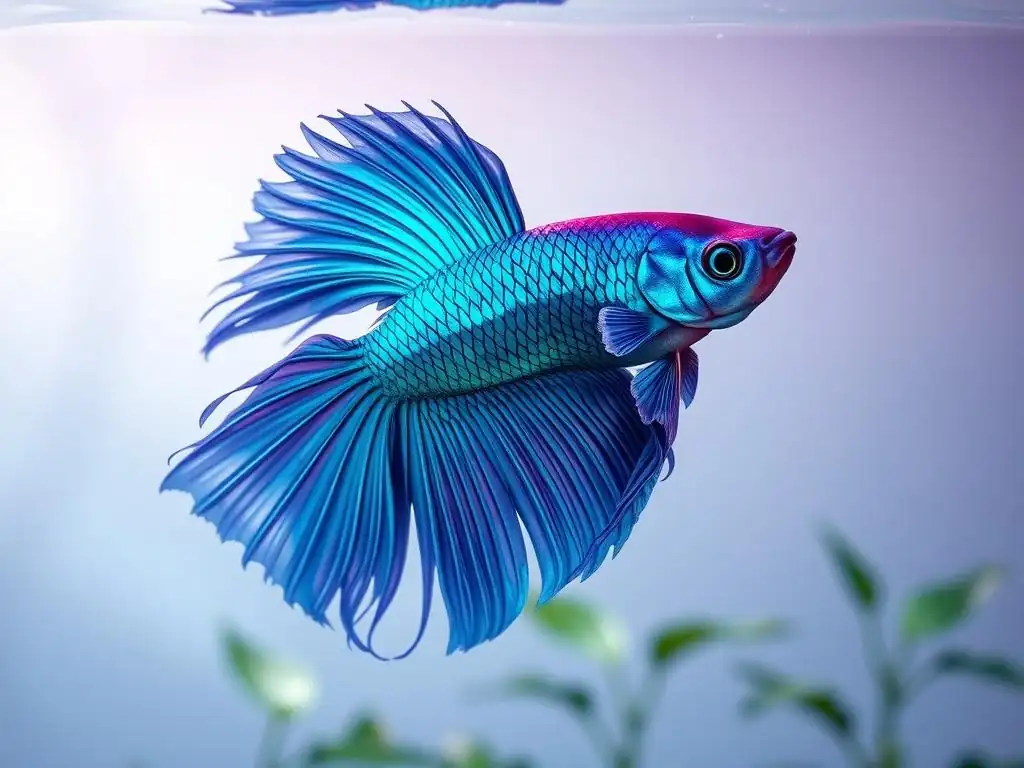
When purchasing a Giant Betta, careful observation is key to selecting a healthy specimen. A healthy Giant Betta should be active, alert, and curious, swimming freely and exploring its surroundings. Its fins should be fully spread, without any signs of clamping, tears, or fraying, and its colors should be vibrant and well-defined. Avoid fish that appear lethargic, have faded colors, visible spots, or any physical deformities.
Additionally, observe the water quality in the tank where the Betta is housed. Clear, clean water indicates good husbandry practices from the seller. Don't hesitate to ask the breeder or store staff about the fish's diet, current water parameters, and any specific care requirements. A reputable source will be knowledgeable, transparent, and prioritize the health of their fish.
The Cost of Giant Bettas: Factors Affecting Price
Giant Bettas typically command a higher price than standard Betta varieties, reflecting the specialized selective breeding involved in their development and their larger size. Prices can vary significantly, ranging from $25 to $100 USD or more per fish, depending on several factors. These factors include the fish's size, fin type (e.g., Halfmoon, Plakat), specific coloration (e.g., rare colors or patterns), and the lineage or reputation of the breeder.
If purchasing online from a distant breeder, shipping costs for live fish, which often include specialized packaging and expedited delivery, can add substantially to the overall price. While the initial cost may be higher, investing in a healthy, well-bred Giant Betta from a reputable source is crucial for ensuring a better chance of success and minimizing future health issues, which can save money and heartache in the long run.
Giant Betta Care Instructions: A Summary of Key Points
Ensuring a Long and Healthy Life for Your Giant Betta
To ensure a long and healthy life for your impressive Giant Betta, the cornerstone of Giant betta care instructions involves providing a spacious, well-maintained aquarium. A minimum of 15-20 gallons (57-76 liters) for a single specimen is crucial, coupled with stable water parameters: temperature between 78-82°F (25.5-27.8°C), pH 6.5-7.5, and undetectable levels of ammonia and nitrite, with nitrates kept below 20 ppm. Regular water changes of 25-30% weekly are essential to manage their larger bioload effectively.
A high-protein, varied diet consisting of quality pellets supplemented with frozen and occasional live foods will support their robust growth and vibrant health. Provide ample hiding spots and enrichment through appropriate aquascaping with live or silk plants and smooth decor. Always prioritize solitary housing for male Giant Bettas to prevent aggression, and consistently monitor their behavior and appearance for any signs of illness, allowing for prompt intervention.
Common Mistakes to Avoid When Caring for Giant Bettas
One of the most common mistakes in Giant betta care instructions is housing them in tanks that are too small. Placing a Giant Betta in anything less than 10 gallons, or ideally 15-20 gallons, leads to stunted growth, chronic stress, and rapid degradation of water quality. Another frequent error is overfeeding, which not only causes digestive issues and bloat but also contributes significantly to tank pollution and poor water parameters.
Neglecting regular water testing and consistent water changes is a critical oversight that can lead to toxic ammonia and nitrite spikes or dangerously high nitrate levels. Introducing incompatible tank mates, particularly other aggressive or fin-nipping species, is another mistake that often results in injury or death. Failing to provide a consistent tropical temperature and adequate hiding spots also contributes to stress. Adhering to comprehensive Giant betta care instructions will help circumvent these pitfalls and ensure your magnificent fish thrives.
Frequently Asked Questions
How much larger do Giant Bettas get compared to regular Bettas?
Giant Bettas, also known as King Bettas, can grow significantly larger than regular Bettas. They typically reach sizes of up to 4 inches or more, while standard Bettas usually only reach around 2-2.5 inches.
What size tank is recommended for a Giant Betta?
Due to their larger size, Giant Bettas require more space than regular Bettas. A minimum tank size of 10 gallons is recommended, but a 15 or 20-gallon tank is even better to allow for ample swimming room.
Are Giant Bettas more aggressive than regular Bettas?
While individual personalities vary, Giant Bettas can be just as aggressive as regular Bettas. It's crucial to provide them with their own tank or choose tankmates very carefully, avoiding other Bettas or brightly colored, long-finned fish.
What type of diet is best for a Giant Betta?
Giant Bettas require a diet rich in protein to thrive. Offer them a variety of foods, including high-quality betta pellets, frozen or live foods like bloodworms, brine shrimp, and daphnia.
What specific water parameters are essential for Giant Betta health?
Maintaining stable and appropriate water parameters is vital. Keep the temperature between 78-82°F, the pH between 6.5-7.5, and ensure the water is well-filtered and regularly changed to minimize ammonia and nitrite levels.
Final Reflection: Appreciating the Gentle Giants
The journey into the world of Giant Bettas, as we've explored, reveals not only their impressive size but also the nuanced care they require. Understanding these unique needs is more crucial than ever, as the popularity of these magnificent fish continues to rise, potentially leading to uninformed care practices and compromised well-being.
This fascination with Giant Bettas highlights a deeper connection we seek with the natural world, even within the confines of our homes. My own experience researching these fish has underscored the responsibility we bear when bringing any animal into our lives, regardless of size. The greatness of a nation and its moral progress can be judged by the way its animals are treated.
- Mahatma Gandhi. This quote resonates deeply, reminding us that our compassion and knowledge directly impact the lives of these captivating creatures.
Now, armed with a deeper understanding of Giant Betta care, I invite you to reflect on your own role in promoting responsible pet ownership. Consider how you can share this knowledge, ensuring that these "gentle giants" thrive in environments that meet their specific needs. Let's strive to create a future where every Giant Betta receives the attentive and informed care it deserves, allowing its supersized personality to truly shine.
Unleash the Giant Betta Keeper in You!
Thanks for diving into the captivating world of Giant Bettas! We hope you've gained valuable insights into these majestic fish and their unique needs. Now, it's time to turn that knowledge into action.
- Boldly embark on a Giant Betta setup plan! Research compatible tank mates, finalize your tank specifications, and start sourcing the right equipment this week.
- Share your newfound Giant Betta passion! Connect with fellow enthusiasts on social media, sharing insights or asking questions within online communities.
- Explore responsible sourcing! Investigate reputable Giant Betta breeders and prioritize ethical aquarist practices for future fish acquisitions.
What's one small step you'll take this week to bring you closer to the awe-inspiring world of Giant Bettas?