
Black Swordtail Enigma: Care and Breeding for This Striking Beauty

Welcome to Aquarium Mastery!
Intrigued by the striking beauty of the Black Swordtail? Unravel the mystery behind successfully raising these captivating fish. Dive in to discover essential Black Swordtail breeding care tips and unlock the secrets to a thriving aquarium. Get ready to transform your tank into a vibrant haven!
- Black Swordtail (Xiphophorus hellerii): Care and Breeding for This Striking Beauty
- Understanding the Allure of Black Swordtails
-
Optimal Black Swordtail Care: Creating the Perfect Environment
- Setting Up the Ideal Black Swordtail Tank: Size and Essentials
- Water Parameters for Black Swordtail Health: Temperature, pH, and Hardness
- Black Swordtail Tank Mates: Choosing Compatible Species
- Black Swordtail Diet and Feeding: Ensuring Proper Nutrition
- Maintaining a Healthy Black Swordtail Aquarium: Water Changes and Filtration
-
Unlocking the Secrets of Black Swordtail Breeding
- Black Swordtail Breeding Basics: Identifying Males and Females
- Setting Up a Black Swordtail Breeding Tank: Creating a Safe Haven
- The Black Swordtail Breeding Process: Courtship and Fertilization
- Caring for Black Swordtail Fry: Raising Healthy Offspring
- Black Swordtail Fry Diet: What to Feed Your Baby Swordtails
- Preventing Common Black Swordtail Fry Diseases
- Black Swordtail Health and Disease Prevention
- Black Swordtail Color Variations and Genetics
- Black Swordtail: A Beginner-Friendly Fish with Rewarding Results
- Frequently Asked Questions
- Final Reflection: Unveiling the Black Swordtail's Secrets
- Unleash the Black Swordtail Breeder Within!
Black Swordtail (Xiphophorus hellerii): Care and Breeding for This Striking Beauty
Understanding the Allure of Black Swordtails
Introducing the Black Swordtail: A Striking Aquarium Fish
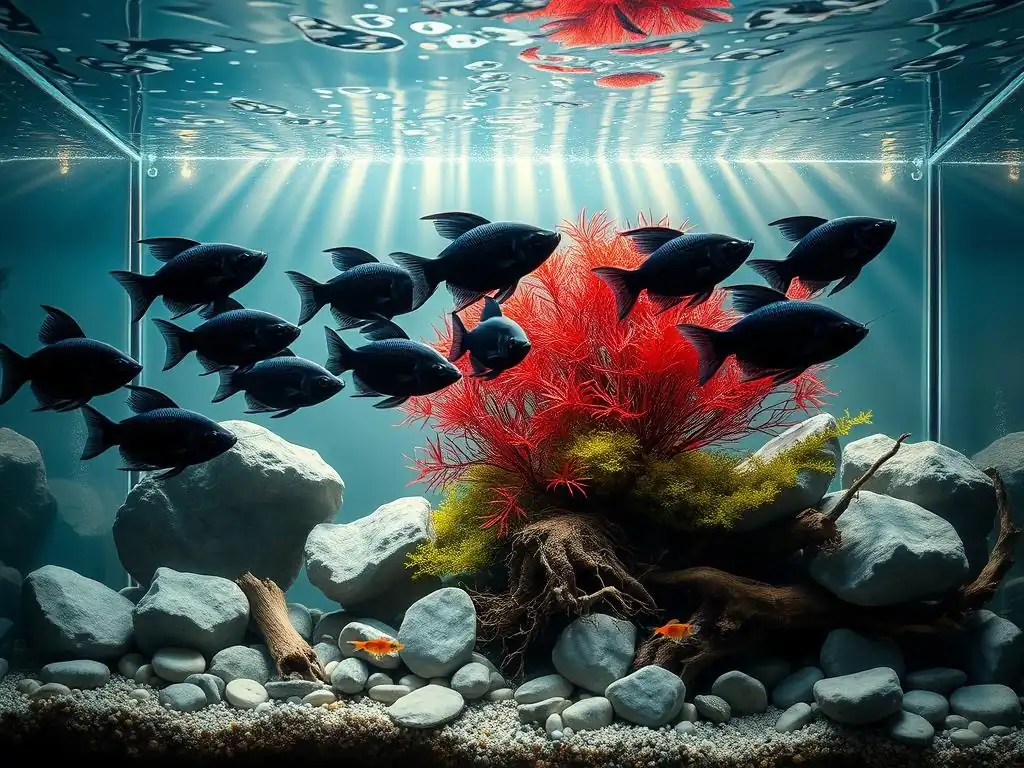
The Black Swordtail, a captivating variant of the Xiphophorus hellerii species, is celebrated for its deep, velvety black coloration that makes it stand out vividly in any freshwater aquarium. Originating from the vibrant waterways of Central America, particularly Mexico and Guatemala, these livebearing fish have become a staple in the aquarium hobby due to their hardiness, active nature, and unique aesthetic appeal. Unlike their more common green or red counterparts, the distinct melanistic pigmentation of the Black Swordtail offers a dramatic contrast, drawing the eye and adding a touch of elegance to community tanks.
Their robust nature and adaptability to a range of water conditions make them an excellent choice for both novice and experienced aquarists looking to expand their collection with a visually impactful species. Understanding the specific needs for Black swordtail breeding care tips is crucial for maintaining their health and ensuring successful propagation, which is a rewarding aspect of keeping these fascinating fish. Their active swimming patterns and peaceful demeanor, when kept in appropriate conditions, contribute to a dynamic and engaging aquarium environment.
Black Swordtail Appearance and Unique Characteristics
The most defining characteristic of the Black Swordtail is its intense, uniform black color, which can sometimes have a subtle iridescent sheen under proper lighting. Males are easily identified by their elongated caudal fin extension, resembling a sword, which can reach up to 4 inches (10 cm) in length on a body typically growing to 5.5 inches (14 cm). Females, while lacking the sword, are generally larger and more robust, reaching sizes of up to 6 inches (15 cm), making them visually distinct from their male counterparts.
Beyond their striking coloration, Black Swordtails exhibit a streamlined body shape, indicative of their active swimming habits. They possess a dorsal fin that can display a hint of red or orange along its edge in some strains, adding a subtle splash of color to their otherwise monochrome appearance. Their robust build and moderate size allow them to be a prominent feature in mid-to-large community aquariums, and their distinct sexual dimorphism simplifies the process for those interested in Black swordtail breeding care tips, as identifying mature pairs is straightforward.
Natural Habitat and Behavior of Black Swordtails
In their native Central American habitats, Black Swordtails, like other Xiphophorus hellerii variants, thrive in fast-flowing rivers, streams, and canals, often found among dense aquatic vegetation. These environments provide ample cover from predators, offer rich feeding grounds, and are characterized by clear, well-oxygenated water. This preference for flowing water explains their active swimming behavior in captivity, where they appreciate tanks with good filtration and some water movement.
Their social structure in the wild involves loose schooling, though males can exhibit territorial behavior, especially when competing for females. In an aquarium setting, it's advisable to keep Black Swordtails in groups with a higher ratio of females to males (e.g., 2-3 females per male) to disperse male attention and reduce aggression. This setup is particularly important when considering Black swordtail breeding care tips, as it minimizes stress on the females and promotes a more harmonious environment for successful reproduction.
Optimal Black Swordtail Care: Creating the Perfect Environment
Setting Up the Ideal Black Swordtail Tank: Size and Essentials
Creating an optimal environment is paramount for the health and vibrancy of Black Swordtails. Due to their active nature and potential size, a minimum tank size of 20 gallons (approximately 75 liters) is recommended for a small group, with larger tanks (30 gallons or more) being ideal for a community setup or for those focused on Black swordtail breeding care tips. These fish are jumpers, so a secure lid is essential to prevent escapes.
The tank should be well-planted, mimicking their natural habitat. Dense vegetation, particularly along the back and sides, provides hiding spots and a sense of security, which is crucial for fry survival during breeding. Open swimming areas in the front are also important to accommodate their energetic movements. Substrate can be fine gravel or sand, and driftwood or smooth rocks can be added for aesthetic appeal and additional hiding places. A reliable filtration system is necessary to maintain pristine water quality, as Black Swordtails, like most livebearers, thrive in clean, well-oxygenated water.
Water Parameters for Black Swordtail Health: Temperature, pH, and Hardness
Maintaining stable and appropriate water parameters is fundamental to the long-term health of Black Swordtails. They are relatively adaptable but flourish within specific ranges. The ideal water temperature for Black Swordtails ranges from 72°F to 79°F (22°C to 26°C), which can be maintained with a submersible heater. Consistency in temperature is more important than hitting an exact number, as sudden fluctuations can cause stress.
Regarding pH, Black Swordtails prefer slightly alkaline water, with an ideal range of 7.0 to 8.0. While they can tolerate a slightly wider range, maintaining stability within this bracket is key. Water hardness (GH) should be moderate to hard, typically between 10 to 25 dGH. Regularly testing water parameters with a reliable kit is a critical Black swordtail breeding care tip, allowing aquarists to make timely adjustments and prevent issues before they impact the fish's well-being or reproductive success.
Black Swordtail Tank Mates: Choosing Compatible Species
Black Swordtails are generally peaceful and can be excellent additions to a community aquarium, provided their tank mates are chosen carefully. Ideal companions include other peaceful, similarly sized community fish that thrive in comparable water parameters. Good choices often include mollies, platies, other non-aggressive livebearers, larger tetras (like Black Skirt Tetras or Congo Tetras), rasboras, and certain peaceful bottom dwellers such as Corydoras catfish.
It is advisable to avoid overly aggressive or fin-nipping species, as the male swordtail's elongated fin can be a target. Similarly, very small or timid fish might be stressed by the swordtail's active nature. When considering Black swordtail breeding care tips, remember that while adult swordtails are generally peaceful, they will readily consume their own fry. Therefore, if breeding is a primary goal, a separate breeding tank or ample hiding places for fry are essential to ensure their survival from potential predation by tank mates, including their parents.
Black Swordtail Diet and Feeding: Ensuring Proper Nutrition
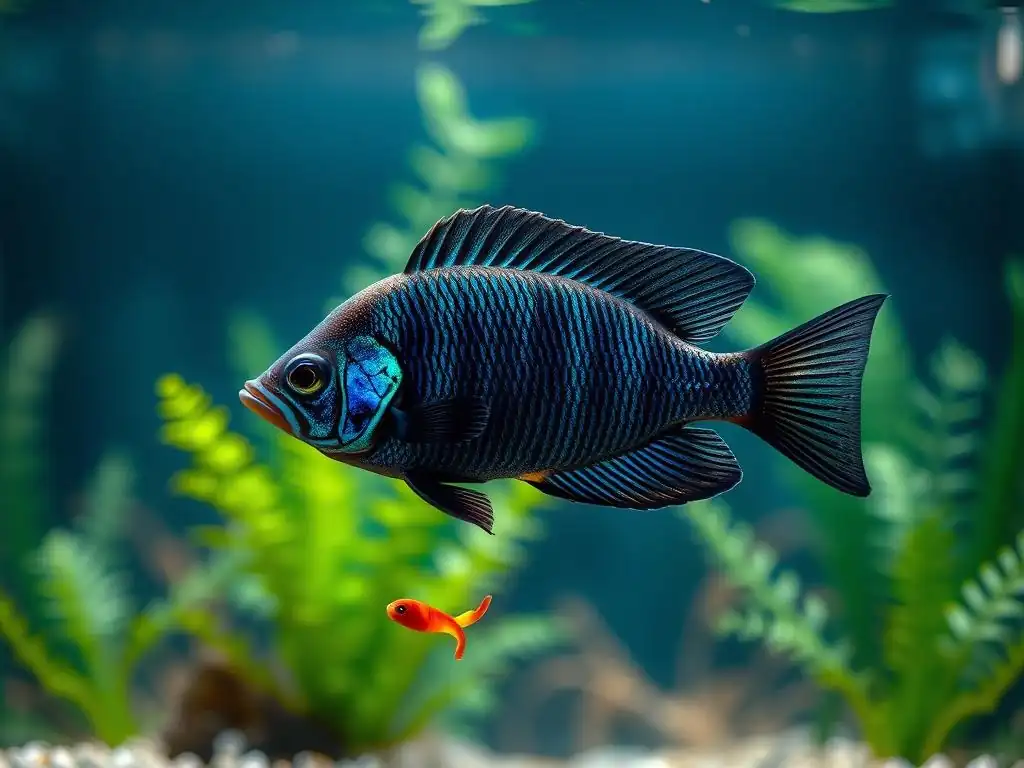
A varied and balanced diet is crucial for the vibrant health and strong coloration of Black Swordtails. As omnivores, they readily accept a wide range of foods. High-quality flake or pellet food formulated for tropical fish should form the staple of their diet, providing essential vitamins and minerals. Supplementing this with live or frozen foods significantly enhances their health and vitality.
Excellent supplementary foods include bloodworms, brine shrimp, daphnia, and mosquito larvae, all of which provide vital protein and nutrients. Incorporating vegetable matter is also important; blanched spirulina flakes, algae wafers, or even finely chopped blanched spinach or zucchini can be offered. Feeding small amounts two to three times a day is generally recommended, as opposed to one large feeding, to prevent overfeeding and maintain water quality, which are vital Black swordtail breeding care tips.
Maintaining a Healthy Black Swordtail Aquarium: Water Changes and Filtration
Consistent aquarium maintenance is the cornerstone of a healthy environment for Black Swordtails. Regular partial water changes are essential to remove nitrates, phosphates, and other accumulated toxins, and to replenish vital minerals. A weekly water change of 25-30% is a good general guideline, though the frequency and volume may vary depending on tank size, fish load, and filtration efficiency. Always use a dechlorinator when adding new tap water to remove harmful chlorine and chloramines.
A robust filtration system, such as an external canister filter or a powerful hang-on-back filter, is highly recommended to provide both mechanical and biological filtration. Mechanical filtration removes particulate matter, while biological filtration converts harmful ammonia and nitrites into less toxic nitrates. Regular cleaning of filter media, as per the manufacturer's instructions, ensures optimal performance. These diligent practices are critical Black swordtail breeding care tips, as clean, stable water directly impacts the fish's stress levels, disease resistance, and reproductive capabilities.
Unlocking the Secrets of Black Swordtail Breeding
Black Swordtail Breeding Basics: Identifying Males and Females
Understanding the sexual dimorphism in Black Swordtails is the first step in successful breeding. Males are easily identified by the presence of a gonopodium, a modified anal fin that is elongated and pointed, used for internal fertilization. This distinct feature is absent in females, whose anal fin remains fan-shaped. Additionally, males possess the characteristic "sword" extension on their caudal fin, which is not present in females.
Females are generally larger and have a rounder body shape, especially when gravid (pregnant). A gravid spot, a dark area near the anal fin, becomes more pronounced in pregnant females as the fry develop internally. Observing these clear distinctions makes identifying breeding pairs straightforward, which is a fundamental aspect of Black swordtail breeding care tips and crucial for setting up a successful breeding program.
Setting Up a Black Swordtail Breeding Tank: Creating a Safe Haven
For dedicated Black swordtail breeding, setting up a separate breeding tank significantly increases fry survival rates. A 10-gallon (approximately 38-liter) tank is typically sufficient for a single pregnant female. The breeding tank should be well-planted with dense floating vegetation like hornwort or guppy grass, and fine-leafed plants, which provide essential hiding places for the newborn fry immediately after birth.
Alternatively, a breeding box or net can be used inside the main tank, though these can be stressful for the female and offer less space. The water parameters in the breeding tank should mirror those of the main tank to avoid shocking the female. A gentle sponge filter is ideal, as it provides adequate filtration without posing a risk to delicate fry. These provisions for a safe haven are among the most important Black swordtail breeding care tips, as they directly address the issue of parental predation.
The Black Swordtail Breeding Process: Courtship and Fertilization
Black Swordtails are livebearers, meaning they give birth to free-swimming fry rather than laying eggs. The breeding process begins with the male pursuing the female, often displaying his sword and swimming vigorously around her. Fertilization is internal, with the male using his gonopodium to transfer sperm packets to the female. Females can store sperm for several months, allowing them to produce multiple batches of fry from a single fertilization.
The gestation period typically lasts between 28 to 35 days, though this can vary slightly based on water temperature and the female's overall health. As the female approaches birth, her abdomen will become noticeably distended, and the gravid spot will darken. Providing a peaceful, stress-free environment during this period is a key Black swordtail breeding care tip, ensuring the female can deliver her offspring without complications.
Caring for Black Swordtail Fry: Raising Healthy Offspring
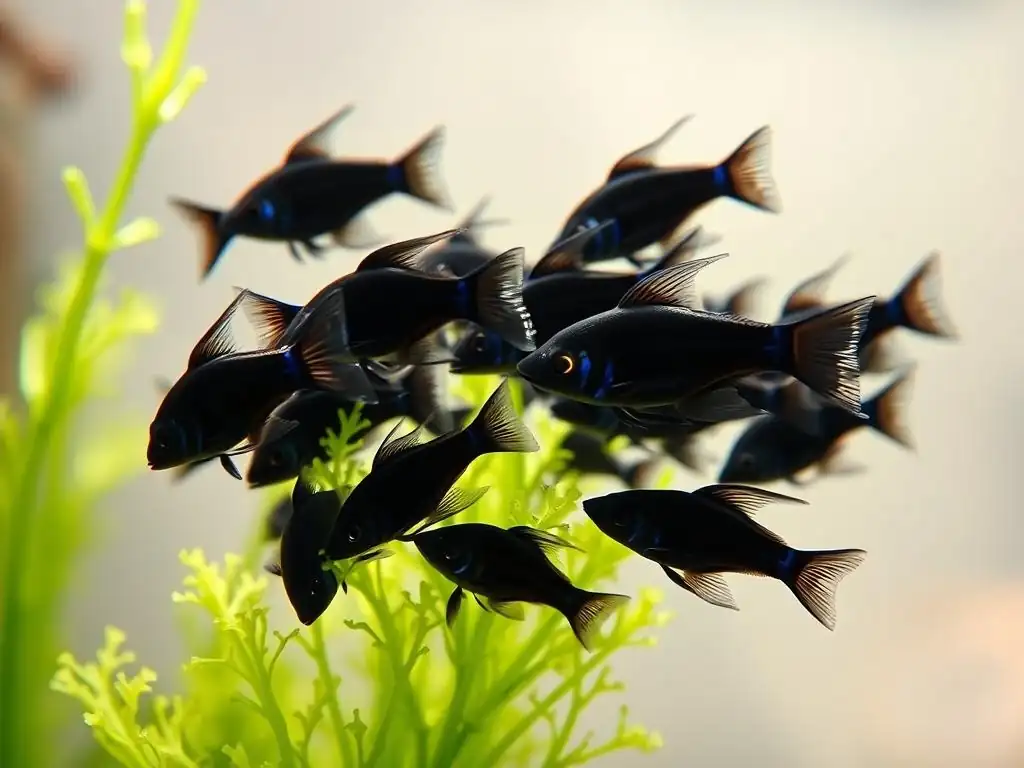
Once the female gives birth, the fry emerge as miniature versions of the adults, capable of swimming and feeding immediately. As mentioned, adult swordtails, including the parents, will prey on the fry. Therefore, promptly moving the female back to the main tank after birth, or providing ample hiding places in a dedicated breeding tank, is crucial for the fry's survival. A typical brood can range from 20 to over 100 fry, depending on the female's size and age.
The fry are delicate and require stable water conditions. Small, frequent water changes (e.g., 10% every other day) using dechlorinated water are more beneficial than large, infrequent changes, as they minimize stress and maintain water quality without drastic shifts. Keeping the water clean and well-oxygenated is paramount for their rapid growth and development, reinforcing the importance of meticulous Black swordtail breeding care tips.
Black Swordtail Fry Diet: What to Feed Your Baby Swordtails
Proper nutrition is vital for the rapid growth and development of Black Swordtail fry. Due to their small size, they require microscopic or very fine foods. Infusoria is an excellent first food for newly hatched fry, followed by newly hatched brine shrimp nauplii, which are highly nutritious and readily accepted. Micro-worms are another good option for their initial weeks.
As the fry grow, typically after a week or two, they can be transitioned to finely crushed high-quality flake food or specialized fry foods. Feeding should be done multiple times a day (3-5 times) in very small amounts to ensure they always have access to food without fouling the water. Overfeeding should be avoided, as uneaten food quickly degrades water quality, posing a significant threat to the vulnerable fry. Consistent feeding and water quality management are essential Black swordtail breeding care tips for successful fry rearing.
Preventing Common Black Swordtail Fry Diseases
Black Swordtail fry are particularly susceptible to diseases due to their underdeveloped immune systems and small size. The most effective prevention strategy is maintaining impeccable water quality. Ammonia and nitrite spikes are deadly to fry, so regular testing and frequent small water changes are non-negotiable. Overcrowding the fry tank should also be avoided, as it leads to increased waste production and stress.
A stable water temperature within the optimal range helps reduce stress and promotes healthy growth. Introducing new fish or plants to the fry tank without proper quarantine can also introduce pathogens. If disease does occur, identifying it early is critical. However, treating fry can be challenging as many medications are too strong for them. Prevention through excellent husbandry, including diligent Black swordtail breeding care tips like consistent water changes and appropriate feeding, remains the best defense against common fry ailments.
Black Swordtail Health and Disease Prevention
Common Black Swordtail Diseases: Identification and Treatment
Like all aquarium fish, Black Swordtails can be susceptible to common freshwater diseases if their environment is not maintained properly. Ich (White Spot Disease), caused by the parasite Ichthyophthirius multifiliis, is characterized by small white spots resembling salt grains on the body and fins. Fin Rot, often caused by bacterial infections, manifests as frayed or decaying fins. Fungal infections appear as cotton-like growths.
Bloat, often a symptom of internal bacterial infection or poor diet, results in a swollen abdomen. Early detection is crucial for successful treatment. Isolating affected fish in a hospital tank prevents spread and allows for targeted medication. Many over-the-counter aquarium medications are effective against these common ailments, but always follow dosage instructions carefully. Understanding these potential issues is part of comprehensive Black swordtail breeding care tips, as healthy adults are essential for successful propagation.
Preventing Illness in Black Swordtails: Proactive Care Strategies
Prevention is always better than cure when it comes to fish health. The cornerstone of disease prevention for Black Swordtails lies in maintaining excellent water quality. Regular partial water changes (25-30% weekly) and a robust filtration system are paramount to keep nitrate levels low and water parameters stable. Overfeeding should be avoided, as excess food decomposes and contributes to poor water conditions.
A varied and nutritious diet strengthens the fish's immune system, making them more resilient to pathogens. Quarantining new fish for at least two weeks before introducing them to the main tank is a crucial step to prevent the introduction of diseases. Minimizing stress by providing adequate space, appropriate tank mates, and plenty of hiding spots also significantly reduces the likelihood of illness. These proactive Black swordtail breeding care tips ensure a thriving and disease-resistant population.
Recognizing Signs of Stress in Black Swordtails
Recognizing signs of stress in Black Swordtails allows aquarists to intervene before minor issues escalate into full-blown diseases. Stressed fish may exhibit clamped fins, where the fins are held close to the body rather than fanned out. Lethargy or unusual hiding behavior, where the fish becomes unusually inactive or constantly seeks cover, can also indicate stress. Conversely, frantic swimming or gasping at the surface suggests poor water quality or low oxygen.
Changes in coloration, such as fading or dullness in their normally vibrant black, can also be a sign of discomfort or illness. Loss of appetite, rapid gill movement, or rubbing against tank decorations are further indicators. Promptly identifying these signs and investigating potential causes—such as incorrect water parameters, aggression from tank mates, or inadequate feeding—is crucial for maintaining the health and longevity of your Black Swordtails, and for ensuring their readiness for Black swordtail breeding.
Black Swordtail Color Variations and Genetics
Exploring Different Black Swordtail Strains
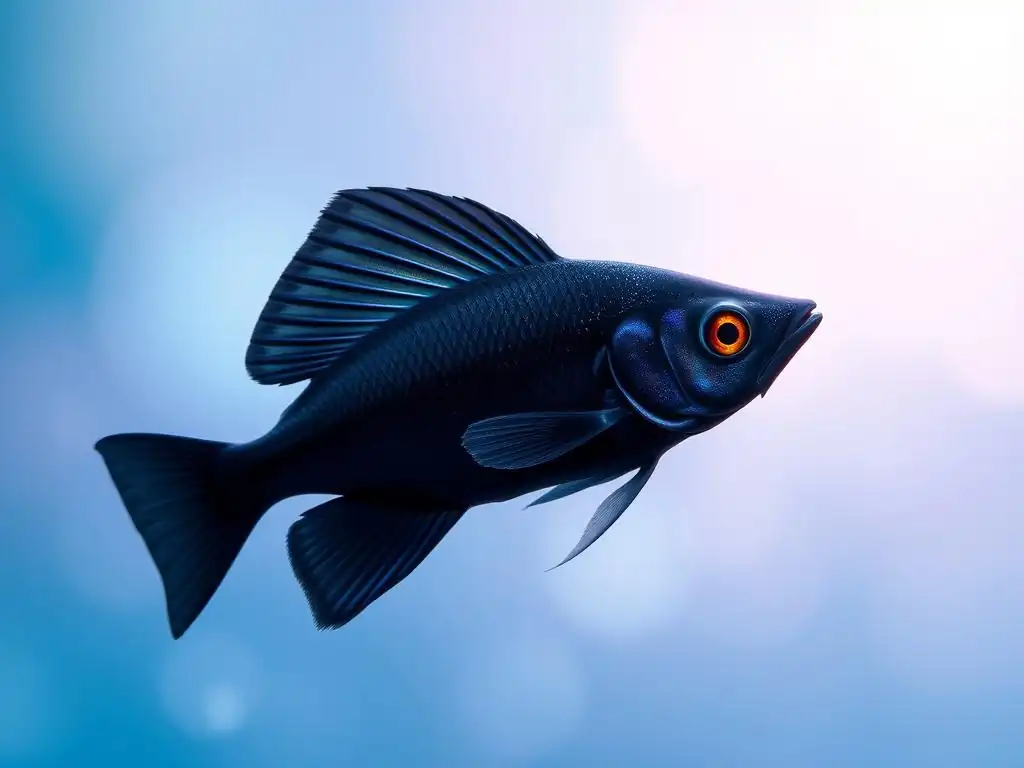
While the uniform black coloration is the defining trait of the Black Swordtail, selective breeding has led to the development of various strains that exhibit subtle differences or combine the black pigmentation with other swordtail characteristics. For instance, some strains may have longer swords, more pronounced dorsal fins, or even slight variations in the intensity or sheen of their black scales. There are also strains where the black is combined with red fins or other colored markings, though the classic Black Swordtail is prized for its solid, deep hue.
Understanding these strains can be particularly interesting for those delving into advanced Black swordtail breeding care tips, as it allows for the possibility of line breeding to enhance specific desired traits, such as an even deeper black or a particularly impressive sword length. Aquarists often specialize in maintaining the purity of the Black Swordtail strain, focusing on selective breeding to ensure the offspring retain the characteristic intense black color without reverting to other swordtail variations.
Understanding the Genetics of Black Swordtail Coloration
The intense black coloration of the Black Swordtail is primarily due to a genetic mutation that causes an overabundance of melanophores, the pigment cells responsible for black coloration, a phenomenon known as melanism. This trait is typically inherited in a dominant or co-dominant fashion, meaning that when a Black Swordtail is bred with another Black Swordtail, a high percentage of the offspring will also display the black coloration. However, it's not always a simple Mendelian inheritance.
The genetics of Xiphophorus hellerii are complex, with multiple genes influencing color, fin shape, and body size. In some cases, the black gene can be linked to a predisposition for certain health issues, such as melanoma, though responsible selective breeding practices aim to minimize these risks. For aquarists interested in Black swordtail breeding care tips with a focus on genetics, understanding the parentage and observing the traits of successive generations can help in predicting and controlling the color and form of the fry, ensuring the propagation of healthy, striking black individuals.
Black Swordtail: A Beginner-Friendly Fish with Rewarding Results
Black Swordtail: A Great Choice for New Aquarists
The Black Swordtail's hardiness, adaptability, and striking appearance make it an excellent choice for new aquarists looking to venture beyond the most common beginner fish. Their ability to tolerate a range of water conditions, combined with their active and engaging behavior, provides a rewarding experience without requiring overly specialized care. They are relatively forgiving of minor fluctuations in water parameters, making them more resilient than some other delicate species.
Furthermore, their livebearing nature offers a straightforward introduction to fish breeding, providing a visible and exciting outcome for those interested in experiencing the full life cycle of their aquatic pets. The clear sexual dimorphism simplifies pairing, and the relatively large fry are easier to care for than the microscopic fry of egg-laying species. Overall, mastering Black swordtail breeding care tips can be a fulfilling journey for any budding aquarist.
Black Swordtail: Adding Elegance and Beauty to Your Aquarium
Beyond their ease of care, Black Swordtails contribute significant aesthetic value to any freshwater aquarium. Their deep, uniform black color provides a dramatic contrast to green plants and lighter-colored tank mates, making them a focal point in the aquatic landscape. The male's elegant sword fin adds a unique silhouette and dynamic movement to the tank, enhancing visual interest.
Whether kept as a small group to highlight their schooling behavior or as part of a diverse community tank, the Black Swordtail brings a touch of sophistication and vibrancy. For those who successfully implement Black swordtail breeding care tips, the joy of watching new generations of these stunning fish emerge is an unparalleled reward, truly adding elegance and beauty that transcends the ordinary aquarium experience.
Frequently Asked Questions
What are the ideal water parameters for breeding Black Swordtails?
Black Swordtails thrive in slightly alkaline water, generally with a pH of 7.0-7.8, and a temperature range of 72-78°F. Maintaining stable water chemistry is crucial for successful breeding.
How can I tell if my female Black Swordtail is pregnant?
A pregnant female will develop a noticeable gravid spot, a dark area near her anal fin. Her abdomen will also become visibly larger as the fry develop.
What should I feed Black Swordtail fry?
Newly hatched fry require small, easily digestible foods such as baby brine shrimp, microworms, or commercially available fry food. Feed them multiple times a day in small quantities.
What size tank is recommended for breeding Black Swordtails?
A minimum of a 20-gallon tank is recommended for breeding, providing ample space for the adults and the fry. A larger tank will help maintain water quality and reduce stress.
How can I protect Black Swordtail fry from being eaten by the adults?
Provide plenty of hiding places for the fry, such as dense plants like Java moss or a breeding trap. Separating the fry from the adults is the most effective method.
Final Reflection: Unveiling the Black Swordtail's Secrets
The journey into understanding the Black Swordtail, as we've explored, is more than just mastering breeding care tips; it's about appreciating the delicate balance of an ecosystem within our own aquariums. The knowledge shared here, from water parameters to fry rearing, resonates deeply with the growing movement towards responsible fishkeeping and the preservation of aquatic biodiversity. This understanding empowers us to not only keep these striking fish thriving but also to contribute to their long-term survival in a world facing increasing environmental challenges.
The allure of the Black Swordtail, with its velvety black scales and elegant sword, extends beyond its aesthetic appeal. It's a reminder of the beauty and complexity hidden within the aquatic world, a world we have a responsibility to protect. The dedication required to successfully breed and care for these fish fosters a deeper connection with nature and a greater appreciation for the intricate web of life. In the end, we will conserve only what we love; we will love only what we understand; and we will understand only what we are taught.
- Baba Dioum. This quote perfectly encapsulates the importance of sharing knowledge and fostering a love for these creatures.
Now, armed with the knowledge of Black Swordtail breeding care, I invite you to reflect on your role as a steward of these captivating creatures. Consider how you can apply these principles to other aspects of your life, fostering a greater sense of responsibility and connection with the natural world. Let the Black Swordtail's enigma inspire you to delve deeper, learn more, and contribute to a future where these striking beauties continue to thrive, captivating generations to come.
Unleash the Black Swordtail Breeder Within!
Thank you for diving into the world of Black Swordtails! We hope you've gained valuable insights into caring for and breeding these captivating fish. Now, it's time to put that knowledge into action and truly connect with these aquatic gems.
Here are some ways to continue your Black Swordtail journey:
- Boldly embark on your first breeding project! Start small with a dedicated breeding tank and observe the fascinating courtship behaviors.
- Share your Black Swordtail photos and experiences with fellow enthusiasts on the Aquarium Mastery community forum.
- Discover a local aquarium club and learn hands-on from other experienced Black Swordtail keepers - you might even find a new rare variant to add to your collection!
What unique Black Swordtail care tip will you try first, and how will you document your progress?