
Understanding Barb Aggression: From Tiger Barb Nips to Denison Barb Chases


Welcome to Aquarium Mastery!
Ever wondered why your Tiger Barbs are turning your peaceful aquarium into a wrestling ring? Or maybe you're just curious about curbing aggression in your community tank? You've come to the right place! Dive into our comprehensive guide on Tiger Barb aggression solutions and discover the secrets to creating a harmonious environment for your finned friends. Let's explore the dynamics of barb behavior and unlock the keys to a thriving, stress-free aquarium. Ready to bring the peace?
- Introduction: Barb Behavior in the Aquarium - Understanding Social Dynamics
- Identifying Problematic Behavior in Barbs
-
Common Causes of Problematic Barb Behavior
- Overcrowding: Insufficient Space and Increased Competition
- Inadequate School Size: The Importance of Social Stability
- Incompatible Tank Mates: Provoking Stress and Aggression
- Poor Water Quality: Stress and Increased Susceptibility to Disease
- Lack of Environmental Enrichment: Boredom and Increased Agitation
-
Addressing Problematic Barb Behavior: Specific Strategies
- Increasing School Size: Promoting Social Harmony
- Tank Size Considerations: Providing Adequate Space for Swimming and Retreat
- Choosing Compatible Tank Mates: Avoiding Species That Trigger Aggression
- Providing Hiding Places and Visual Barriers: Plants, Rocks, and Wood
- Maintaining Optimal Water Quality: Regular Water Changes and Filtration
- Understanding Species-Specific Behaviors
- Preventing Problematic Barb Behavior: Proactive Measures
- Creating a Harmonious Barb Community: Best Practices
- Conclusion: Fostering a Thriving Barb Aquarium
-
Frequently Asked Questions
- How aggressive are Tiger Barbs, and what factors contribute to their aggression?
- What are some common signs of aggression in Barbs?
- Besides Tiger Barbs, which other Barb species are known for aggression, and how does it manifest?
- What are some effective solutions for reducing Tiger Barb aggression in a community aquarium?
- How does tank size and aquascaping impact Barb aggression, and what are the optimal conditions to minimize it?
- Final Reflection: Navigating the Barb-Wire World of Aquarium Harmony
- Unleash Your Barb Brilliance!
Barb Popularity and Temperament: A Balancing Act
Barbs are a diverse and captivating group of freshwater fish, highly popular among aquarists for their vibrant colors, active schooling behavior, and relatively hardy nature. Species like the striking Tiger Barb (Puntigrus tetrazona), known for its bold black stripes and orange fins, are common sights in many home aquariums, often growing up to 3 inches (7.5 cm).
The more subtle Cherry Barb (Puntius titteya), typically 1.5-2 inches (4-5 cm), is appreciated for its peaceful demeanor and beautiful reddish hue, particularly in males. Meanwhile, the elegant Denison Barb (Sahyadria denisonii), also known as the Roseline Shark, can reach 4-6 inches (10-15 cm) and is prized for its swift, synchronized movements and distinctive red and black stripe.
While their beauty and activity are undeniable, barbs, especially certain species, can exhibit behaviors that challenge the harmony of a community tank. This includes tendencies towards fin nipping, chasing, and establishing dominance hierarchies. Successfully keeping these fish requires a careful balancing act: appreciating their natural behaviors while proactively managing potential aggression to ensure the well-being of all tank inhabitants.
Why Understanding Barb Behavior Matters to Aquarists
Understanding the nuanced behaviors of barbs is not merely an academic exercise; it is fundamental to creating a thriving, stress-free aquarium environment. Problematic behaviors, if left unaddressed, can lead to chronic stress for other fish, fin damage, increased susceptibility to disease, and even fatalities. For instance, improperly managed barb aggression, particularly from species like the Tiger Barb, can result in severe fin rot in slow-moving or long-finned tank mates, and studies suggest that chronic stress in fish can shorten their lifespan by up to 30% due to a weakened immune system.
For aquarists seeking effective Tiger barb aggression solutions, a deep dive into the underlying causes and specific manifestations of their behavior is crucial. By recognizing the signs of stress or aggression early and understanding the species-specific needs of barbs, hobbyists can implement targeted strategies that transform a potentially chaotic tank into a peaceful, vibrant aquatic display. This proactive approach ensures the health and longevity of barbs and their tank mates.
Identifying Problematic Behavior in Barbs
Fin Nipping: A Common Sign of Stress or Dominance
Fin nipping is perhaps the most widely recognized problematic behavior associated with barbs, especially the notoriously boisterous Tiger Barb. This behavior involves barbs rapidly biting or tearing at the fins of other fish, often resulting in frayed or shortened fins. While it can stem from stress, boredom, or a lack of appropriate social structure within their own school, it is frequently an expression of dominance or territoriality.
Tiger Barbs are particularly notorious for fin nipping. In a survey of aquarists, over 60% reported fin nipping issues when keeping Tiger Barbs with species like Angelfish, Bettas, or Gouramis, which possess long, flowing fins. The nips often target these vulnerable appendages, leading to not only physical injury but also significant stress and secondary bacterial or fungal infections in the affected fish. Recognizing these signs early is a critical step in implementing effective Tiger barb aggression solutions.
Chasing and Displays: Establishing Dominance Hierarchies
Chasing and elaborate body displays are integral parts of how barbs establish and maintain their social hierarchies. This can involve rapid pursuits, body flaring, and sometimes even mock battles where two barbs will lock mouths or ram each other. Within a healthy school, these interactions are usually brief and harmless, serving to reinforce the pecking order and distribute aggression internally.
However, when these behaviors become excessive or are directed relentlessly at other species, they indicate a problem. Denison Barbs, while generally considered peaceful schoolers, can exhibit very rapid and intense chasing behaviors, particularly when establishing their pecking order or during feeding times. While often harmless within their own species, a solitary or small group of Denison Barbs might relentlessly chase smaller, slower fish, causing significant stress and preventing them from accessing food. Observing the frequency, intensity, and targets of these displays is key to discerning normal social interaction from problematic aggression.
Other Indicators: Hiding, Stress, and Changes in Feeding Habits
Beyond overt fin nipping and chasing, barbs can exhibit more subtle signs that indicate stress or problematic interactions within the aquarium. A fish that is constantly hiding behind decor, exhibiting clamped fins (where the fins are held close to the body), or showing rapid gill movement may be under significant stress. These physical indicators often point to an underlying issue, such as being bullied by more aggressive tank mates or experiencing poor water quality.
Changes in feeding habits are another crucial indicator. A barb that normally feeds vigorously but suddenly becomes withdrawn and refuses food, or struggles to compete for food during feeding times, is likely experiencing stress or intimidation. For instance, a Cherry Barb, normally an active and eager feeder, might hide continuously behind a filter or plant if intimidated by more aggressive tank mates, consuming significantly less food over a 24-hour period. These subtle behavioral shifts are early warning signs that require investigation and potential intervention to maintain the health and well-being of the fish.
Common Causes of Problematic Barb Behavior
Overcrowding: Insufficient Space and Increased Competition
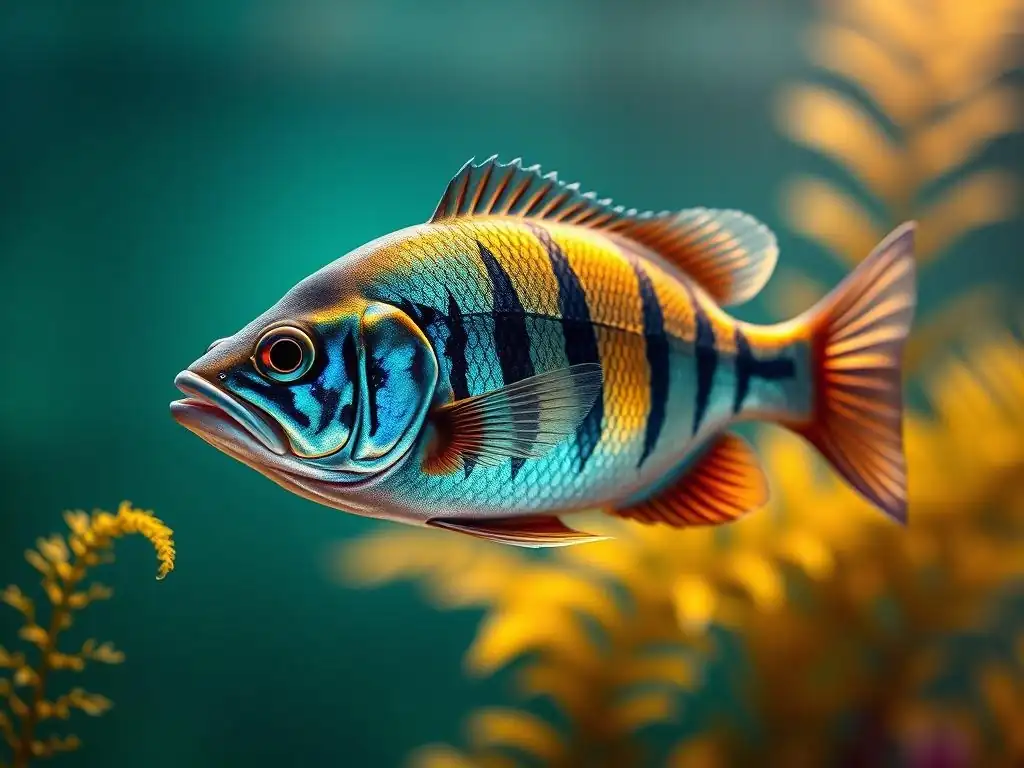
One of the most frequent catalysts for problematic barb behavior, including aggression, is overcrowding. When too many fish are housed in a tank that is too small, the limited space intensifies competition for territory, food, and even social standing. This lack of personal space directly translates into increased stress levels and heightened aggression among barbs and towards other tank inhabitants.
For active species like Tiger Barbs, a general guideline suggests at least 2 gallons of water per individual fish within a school. In a 20-gallon tank, attempting to keep more than 8-10 Tiger Barbs can dramatically increase territorial disputes and fin nipping, as personal boundaries are constantly violated. The constant proximity and inability to escape perceived threats or dominant individuals can turn an otherwise manageable school into a source of constant conflict.
Barbs are classic schooling fish, meaning they thrive and feel most secure when kept in sufficiently large groups of their own kind. When kept in inadequate numbers, typically fewer than six to eight individuals, barbs often become stressed, insecure, and consequently, more aggressive. Their natural schooling instinct, which normally diffuses aggression internally within the group, is thwarted.
Tiger Barbs, for example, exhibit significantly reduced aggression towards other species when kept in schools of 6-10 individuals or more. In groups smaller than five, their inherent boisterousness and tendency to establish dominance are often redirected outwards, making them notorious fin nippers towards other tank mates. Ensuring a sufficiently large school is a primary and highly effective Tiger barb aggression solution, as it allows their social dynamics to play out within their own species, rather than impacting other inhabitants.
Incompatible Tank Mates: Provoking Stress and Aggression
The selection of tank mates is paramount when keeping barbs, as certain species combinations can inevitably lead to conflict. Barbs, particularly Tiger Barbs, are known to be fin-nippers, and slow-moving, long-finned fish are especially vulnerable targets. Species that are timid, very small, or have delicate fins are often subjected to relentless harassment.
A common mistake is housing Tiger Barbs with Angelfish (Pterophyllum scalare) or Bettas (Betta splendens), which possess long, flowing fins that become irresistible targets for nipping, leading to chronic stress and fin damage. Similarly, slow-moving species like Gouramis or certain types of Cichlids can become easy targets. Conversely, fast-moving, robust fish like some Rainbowfish species, larger Danios, or even other active barbs often fare much better as tank mates, as they can either outswim potential aggressors or are resilient enough to handle occasional nips.
Poor Water Quality: Stress and Increased Susceptibility to Disease
Optimal water quality is the cornerstone of a healthy aquarium and directly impacts fish behavior. Substandard water parameters, such as elevated levels of ammonia, nitrite, or nitrate, or significant fluctuations in pH or temperature, can induce severe stress in barbs. Stressed fish are not only more susceptible to disease but can also become more irritable and prone to aggressive outbursts.
For most barb species, consistent water parameters are crucial. Elevated ammonia or nitrite levels, even as low as 0.25 ppm, can significantly stress fish, leading to clamped fins, rapid gill movement, and an increased likelihood of aggressive behavior. Optimal water parameters for the majority of common barbs include a pH range of 6.0-7.5, general hardness (GH) between 5-15 dGH, and stable temperatures between 72-79°F (22-26°C). Regular monitoring and maintenance are essential to prevent water quality-induced stress and aggression.
Lack of Environmental Enrichment: Boredom and Increased Agitation
A sparsely decorated tank, devoid of adequate hiding spots, visual barriers, or interesting structures, can contribute significantly to problematic barb behavior. In such an environment, barbs have nowhere to retreat, establish territories, or break line of sight from dominant individuals, leading to constant interaction and potential conflict.
A bare tank offers no mental or physical stimulation, which can lead to boredom and increased agitation, causing barbs to redirect their energy into aggressive acts. A study on fish behavior indicated that environments with varied structures such as live plants, driftwood, and rock formations can reduce aggressive encounters by up to 40% compared to sparse setups. These elements allow barbs to establish temporary territories, provide escape routes for submissive fish, and offer visual breaks that reduce overall stress levels and promote more natural behaviors.
Addressing Problematic Barb Behavior: Specific Strategies
One of the most effective Tiger barb aggression solutions, and indeed a solution for many schooling barb species, is to increase the size of their school. Barbs, particularly Tiger Barbs, are less likely to harass other tank inhabitants when they have a sufficiently large group of their own kind to interact with. A larger school allows their natural pecking order to be established and maintained internally, diffusing aggression amongst themselves rather than redirecting it outwards.
If you observe a small group of 3-4 Tiger Barbs exhibiting excessive aggression or fin nipping towards other fish, increasing the school to 8-10 individuals often leads to a dramatic reduction in external aggression. The larger group tends to focus on establishing and maintaining their hierarchy within their own species, which occupies their attention and reduces their inclination to bother other community members.
Tank Size Considerations: Providing Adequate Space for Swimming and Retreat
Providing an appropriately sized aquarium is fundamental to managing barb aggression. A larger tank offers more swimming space, more areas for establishing territories, and more hiding spots, all of which contribute to reduced stress and aggression. The minimum tank size varies significantly depending on the barb species and the size of the school.
For a school of 8-10 active Tiger Barbs, a minimum 30-gallon (113-liter) tank is generally recommended to provide ample swimming space and reduce territorial disputes. However, larger species like Denison Barbs, due to their impressive adult size and highly active nature, require at least a 75-gallon (284-liter) tank for a school of 6-8 individuals to thrive comfortably. Ensuring adequate space is a crucial preventative and reactive measure for managing barb behavior.
Choosing Compatible Tank Mates: Avoiding Species That Trigger Aggression
Careful selection of tank mates is critical to preventing and addressing barb aggression. Avoid housing barbs, especially Tiger Barbs, with slow-moving, long-finned, or delicate fish, as these are primary targets for fin nipping. This includes species like Angelfish, Bettas, Gouramis, and many types of Guppies or Mollies.
Instead, opt for fast-moving, robust, and similarly sized fish that can either outmaneuver the barbs or are hardy enough to withstand occasional nips. Ideal tank mates for Tiger Barbs include other active, semi-aggressive species such as Congo Tetras, larger Danios, various types of Rainbowfish, or some species of Plecos. For more peaceful barbs like Cherry Barbs, a wider range of community fish can be considered, but always prioritize species with similar water parameter requirements and temperaments.
Providing Hiding Places and Visual Barriers: Plants, Rocks, and Wood
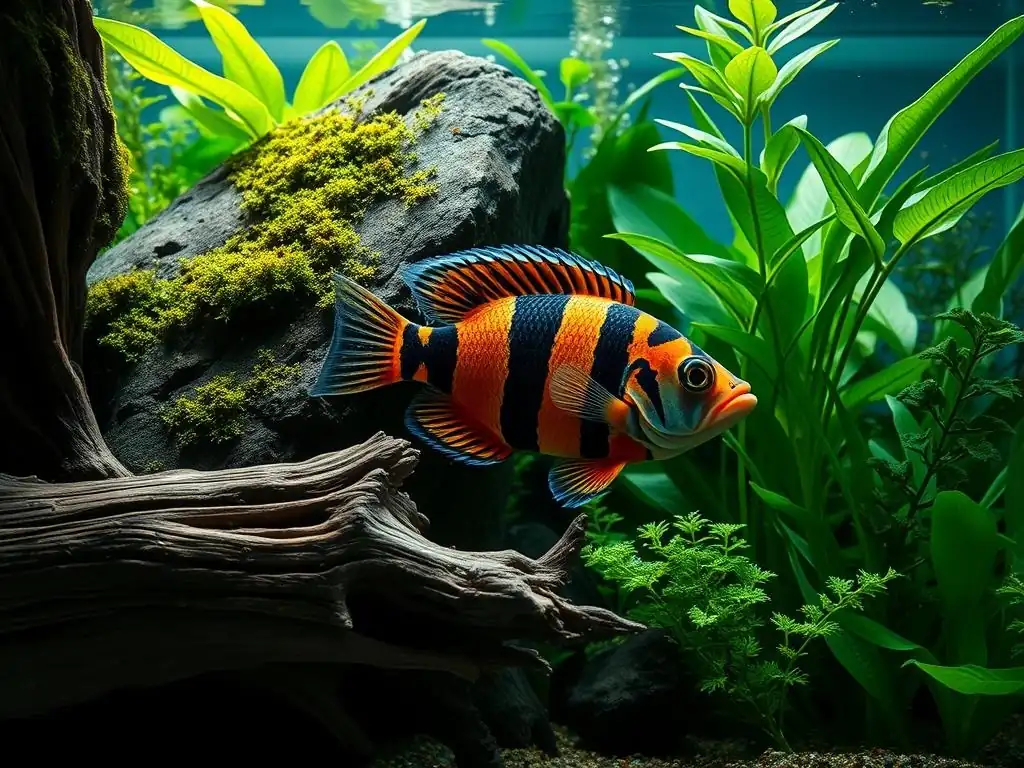
A well-decorated aquarium with ample hiding places and visual barriers is essential for managing barb aggression. These elements break up the line of sight, allowing submissive or targeted fish to escape aggressive pursuits and providing areas where all fish can feel secure and reduce stress.
Densely planted areas, particularly with robust live plants like Java Fern, Anubias, or Vallisneria, offer excellent cover. Intricate driftwood structures and rock formations also create natural boundaries and retreat zones. For example, in a tank with moderate planting, covering 30-40% of the substrate, barbs can establish temporary territories and easily escape aggressive pursuits, significantly reducing overall stress levels and promoting more natural, less confrontational interactions among the fish.
Maintaining Optimal Water Quality: Regular Water Changes and Filtration
Consistent and pristine water quality is paramount for the health and temperament of barbs. Poor water conditions are a significant source of stress, which can directly lead to increased aggression, weakened immune systems, and susceptibility to disease. Regular maintenance is a non-negotiable aspect of any Tiger barb aggression solution.
Performing weekly 25-30% water changes is crucial to dilute nitrates and replenish essential minerals. Furthermore, ensuring robust filtration, such as an external canister filter rated for 2-3 times the tank volume per hour, helps maintain biological stability and removes physical waste efficiently. Consistent monitoring of water parameters with a reliable test kit should show ammonia and nitrite at 0 ppm, and nitrates ideally below 20 ppm. Stable and clean water prevents the physiological stress that often underpins aggressive behavior.
Understanding Species-Specific Behaviors
Within a healthy school, barbs exhibit complex social structures and dominance hierarchies. These interactions, which often involve chasing, flaring, and occasional nips, are a normal part of their behavior and serve to maintain order within the group. For instance, in a school of Tiger Barbs, a clear pecking order will naturally emerge, with a few dominant individuals and a larger number of subordinates. The occasional chasing and minor nips observed are typically directed at each other, helping to reinforce this internal hierarchy.
Recognizing these normal interactions is crucial. This internal "aggression" helps maintain social cohesion and is generally preferable, as it means the barbs are occupied with their own kind rather than targeting other species in the community tank. An aquarist should differentiate between normal, brief skirmishes within the school and persistent, harmful aggression directed at other fish.
Minimizing Stress-Induced Behavior: Optimizing the Environment
Understanding the specific environmental needs of each barb species is key to minimizing stress-induced problematic behaviors. Different barb species originate from varying habitats, and replicating these conditions as closely as possible can significantly improve their well-being and temperament.
For example, while Cherry Barbs are generally peaceful, a solitary male might become withdrawn, exhibit clamped fins, or even display slight nipping if not provided with a small school of 5-6 individuals. Denison Barbs, originating from fast-flowing rivers in India, require strong water flow and high oxygenation in their aquarium; insufficient flow can make them lethargic, stressed, and potentially more prone to erratic or aggressive bursts. Tailoring the environment to meet these specific needs helps to prevent stress, which is a major precursor to undesirable behaviors.
Selecting Suitable Tank Mates: Considering Temperament and Needs
The success of a mixed-species aquarium largely depends on the careful selection of tank mates that are compatible in temperament, size, and environmental requirements. This is particularly vital when dealing with barbs, whose active and sometimes boisterous nature can easily overwhelm more docile species.
When considering a solution for Tiger barb aggression, remember that while they are boisterous, other barb species like the Rosy Barb (Pethia conchonius) are generally more peaceful community fish despite their active nature. Rosy Barbs, growing up to 6 inches, can be kept with a wider variety of community fish, including some larger tetras and rainbowfish, as they are less prone to fin nipping. Always research the specific temperament and needs of any fish before introducing it to a barb tank to ensure long-term harmony.
Preventing Problematic Barb Behavior: Proactive Measures
Researching Barb Temperaments Before Purchase
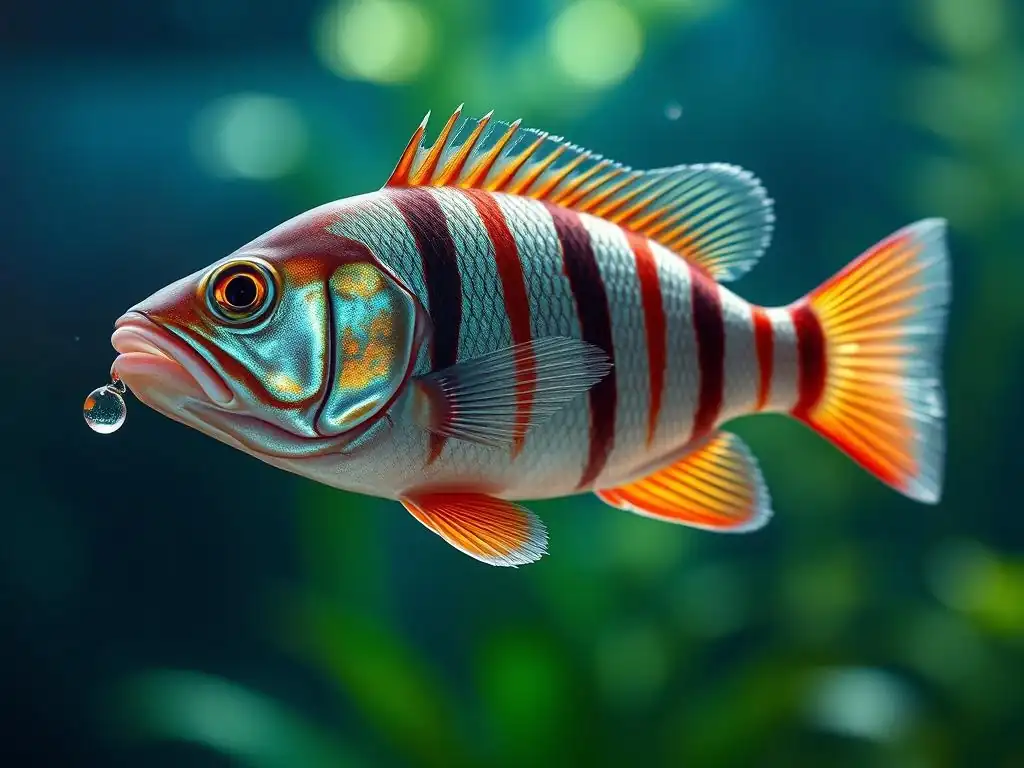
The most effective proactive measure against problematic barb behavior begins before any fish are brought home: thorough research. Understanding the typical temperament, adult size, and specific needs of a barb species is crucial for preventing future issues. Many behavioral problems stem from impulse purchases without adequate knowledge.
Before buying, consult reputable sources like Aquarium Mastery's species profiles or well-regarded aquarium books. For instance, knowing that Tiger Barbs are semi-aggressive, active fin-nippers that require a large school, while Cherry Barbs are generally peaceful and smaller, is fundamental. This foresight allows aquarists to select species that are truly compatible with their existing tank setup and other fish, thereby avoiding the need for reactive Tiger barb aggression solutions later on.
Quarantine and Observation: Identifying Potential Issues Early
Implementing a quarantine period for all new fish is a vital proactive measure, not only for disease prevention but also for early behavioral observation. A separate quarantine tank allows new barbs to acclimate to aquarium life without the added stress of a main display tank, and it provides an opportunity to observe their individual temperament.
A typical quarantine period of 2-4 weeks in a 10-20 gallon tank allows aquarists to identify any signs of illness or unusual aggression. If a new barb exhibits excessive aggression towards its temporary tank mates (if any) or appears overly stressed and withdrawn, it serves as a red flag before its introduction to the main display. This early observation can prevent a single problematic individual from disrupting the entire community.
Gradual Introduction of New Fish: Reducing Stress and Territoriality
Introducing new fish to an established aquarium can be a stressful event for both the newcomers and the existing inhabitants. A gradual introduction process can significantly reduce stress and minimize territorial disputes, thereby preventing aggression.
One effective technique is to dim the aquarium lights for a few hours after introducing new fish. This reduces visual stimulation and can help both new and existing fish settle in with less immediate confrontation. Additionally, rearranging some of the tank decor, such as plants or driftwood, just before adding new fish can help. This disrupts established territories, making the existing fish less possessive and more focused on re-establishing their own spaces rather than immediately challenging the newcomers.
Monitoring Water Parameters: Maintaining a Stable and Healthy Environment
Consistent monitoring of water parameters is an ongoing, proactive measure that contributes significantly to preventing stress-induced barb aggression. Stable and optimal water quality reduces physiological stress on fish, making them less prone to irritability and aggressive outbursts.
Regular weekly testing of ammonia, nitrite, nitrate, and pH levels is vital. A sudden spike in nitrates from, for instance, 10 ppm to 40 ppm, can indicate neglected maintenance and contribute directly to increased stress and subsequent aggression in barbs. Maintaining ammonia and nitrite at 0 ppm, and nitrates below 20 ppm, along with stable pH and temperature, ensures a healthy and calm environment where barbs are less likely to exhibit problematic behaviors.
Creating a Harmonious Barb Community: Best Practices
Tank Setup for Barb Harmony: Substrate, Planting, and Flow Considerations
Designing the aquarium layout with barb behavior in mind is a critical best practice for fostering harmony. The choice of substrate, the density and type of planting, and the water flow all play significant roles in creating an environment where barbs can thrive without undue aggression.
A sandy or fine gravel substrate is generally ideal for barbs, as it's soft on their barbels (sensory whiskers) and easy to clean. Densely planted areas, particularly with robust plants like Java Fern, Anubias, or Vallisneria, provide crucial cover and visual barriers, allowing submissive fish to retreat and breaking up lines of sight that can lead to constant chasing. For species like Denison Barbs, incorporating powerheads to create strong water flow (up to 10-15 times tank volume per hour) mimics their natural riverine habitat, promoting natural schooling behavior and reducing stress.
Feeding Strategies: Ensuring All Fish Have Access to Food
Feeding time can often be a trigger for aggression in barbs, as competition for food intensifies their natural boisterousness. Implementing strategic feeding practices can help ensure all fish receive adequate nutrition and reduce food-related conflicts.
Instead of a single large meal, consider feeding small amounts multiple times a day (2-3 times). This reduces the immediate competition at any given moment. Spreading the food across the surface of the water or using multiple feeding points can also help distribute the food more widely, allowing even more timid or less dominant fish to access food without being outcompeted or bullied. Using a mix of floating and sinking foods can also cater to different feeding preferences and reduce surface competition.
Recognizing and Addressing Individual Needs: Observing and Responding to Specific Behaviors
Successful barb keeping requires continuous observation and a willingness to respond to individual fish behaviors. Even within a well-maintained school, a single barb might occasionally emerge as an overly aggressive individual, disrupting the peace.
If a particular Tiger Barb consistently bullies others, even within a large, healthy school, it might be an outlier whose temperament is simply too aggressive for the community tank. In such rare cases, a "time-out" by temporarily removing the aggressive individual to a separate tank for a few days can sometimes reset its behavior. Upon reintroduction, the established hierarchy may have shifted, or the fish may return with a less aggressive demeanor. This attentive observation and responsive management are key to maintaining long-term harmony.
Conclusion: Fostering a Thriving Barb Aquarium
The Key to Successful Barb Keeping: Observation, Understanding, and Proactive Management
Fostering a thriving barb aquarium, free from excessive aggression and stress, is a rewarding endeavor that hinges on a few fundamental principles. It requires more than just providing a tank and food; it demands keen observation, a deep understanding of barb species-specific behaviors, and a commitment to proactive management. From ensuring appropriate tank size and school numbers to selecting compatible tank mates and maintaining pristine water quality, every aspect contributes to the overall well-being of these active fish.
Successfully implementing Tiger barb aggression solutions, for example, is not about suppressing their natural instincts but about channeling them into a healthy, internal social dynamic. Aquarists who actively monitor their fish, anticipate potential issues, and adjust environmental conditions accordingly often see a significant reduction in stress-related issues—some estimates suggest up to a 70% decrease in chronic stress symptoms compared to those who neglect these practices. This holistic approach ensures that barbs can display their vibrant colors and energetic personalities without causing undue harm or stress to their tank mates.
Further Resources for Understanding Barb Behavior: Online Forums and Species Profiles
The journey to becoming a master aquarist is continuous, and understanding barb behavior is an ongoing learning process. For those seeking to deepen their knowledge and find specific solutions to challenges like Tiger barb aggression, a wealth of resources is available.
Reputable online forums dedicated to aquarists provide invaluable platforms for sharing experiences, asking questions, and receiving advice from a community of fellow hobbyists who have faced similar challenges. Additionally, comprehensive species profiles found on trusted aquarium websites offer detailed information on specific barb species, covering their natural habitat, dietary needs, social behaviors, and compatibility guidelines. These resources are indispensable tools for both novice and experienced aquarists looking to cultivate a harmonious and thriving barb aquarium.
Frequently Asked Questions
How aggressive are Tiger Barbs, and what factors contribute to their aggression?
Tiger Barbs are known to be semi-aggressive fish. Their aggression often stems from inadequate school size and a lack of environmental enrichment. Keeping them in larger groups and providing plenty of hiding places can help.
What are some common signs of aggression in Barbs?
Common signs include fin nipping, chasing other fish, and general harassment. Observing these behaviors can help you identify potential problems early on.
Besides Tiger Barbs, which other Barb species are known for aggression, and how does it manifest?
Some other Barb species, like Rosy Barbs, can also exhibit aggression, though usually less intensely than Tiger Barbs. This can manifest as bullying or dominance displays within the tank.
What are some effective solutions for reducing Tiger Barb aggression in a community aquarium?
Increase the school size to at least six or more, provide ample hiding places with plants and decorations, and ensure the tank is large enough. Consider adding dither fish to redirect their attention.
How does tank size and aquascaping impact Barb aggression, and what are the optimal conditions to minimize it?
A larger tank reduces territorial disputes. Dense planting and varied aquascaping break up sightlines and provide refuge, lessening aggression. Aim for a spacious environment with plenty of visual barriers.
The exploration of barb aggression, as we've seen, isn't just about identifying fin-nipping; it's about understanding the delicate balance within our aquariums. This understanding is more crucial than ever in today's increasingly popular and diverse aquarium hobby, where mismatched species and inadequate environments can lead to unnecessary stress and suffering for our aquatic companions. Recognizing the subtle signs of aggression and implementing proactive solutions is not merely good practice; it's a responsibility we owe to the creatures we choose to keep.
This journey into the world of barb behavior has undoubtedly highlighted the importance of careful planning and observation. Personally, witnessing the transformation of a stressed, aggressive group of barbs into a thriving, peaceful community through simple adjustments like increasing their numbers and providing ample hiding places has been incredibly rewarding. It underscores the profound impact we can have on the lives of these fascinating fish. The greatness of a nation and its moral progress can be judged by the way its animals are treated.
- Mahatma Gandhi. This quote, though broad, resonates deeply when considering the ethical implications of aquarium keeping and our duty to provide optimal conditions for our finned friends.
Now, armed with this knowledge of Tiger barb aggression solutions and a deeper appreciation for the nuances of barb behavior, I encourage you to reflect on your own aquarium practices. Are you providing a stimulating and enriching environment for your barbs? Are you observing their interactions closely and addressing any signs of aggression promptly? Let's strive to create aquariums that are not just visually appealing, but also havens of peace and well-being for all their inhabitants. The harmony of your aquarium, and the health of your barbs, depends on it.
Unleash Your Barb Brilliance!
Thanks for diving into the world of barb aggression and gaining valuable insights into their behavior. Now, it's time to put that knowledge into action and create a thriving aquarium environment!
Here are a few steps you can take right now:
- Critically assess your barb setup: Are there enough of them? Is the tank spacious enough? Do they have ample hiding places? Make one change this week to improve your barbs' environment.
- Explore different tank mate options. Research peaceful, yet robust fish that can coexist with your barbs.
- Share this article with fellow aquarists and start a discussion about successful strategies for managing barb behavior.
What specific adjustments will you make to reduce aggression in your barb community?