
Bloat in Barbs: Identifying Symptoms and Emergency Care Measures


Welcome to Aquarium Mastery!
Is your Barb suddenly looking a little… puffy? Don't panic! This article dives deep into Barbs bloat emergency treatment, providing you with the essential knowledge to identify symptoms and take swift action. Learn how to diagnose bloat, implement effective treatments, and get your finned friend back to their vibrant, healthy self. Curious about the best course of action? Let's get started!
- Bloat in Barbs: Identifying Symptoms and Emergency Care Measures for Active Cyprinid Schools
- Understanding Bloat in Barbs: A Comprehensive Guide
- Identifying Bloat Symptoms in Barbs: Early Detection is Key
- Barbs Bloat Emergency Treatment: A Step-by-Step Guide
- Preventing Bloat in Barbs: Proactive Care for a Healthy School
- Long-Term Care and Recovery After Barbs Bloat Emergency Treatment
- Frequently Asked Questions
- Final Reflection: Navigating the Swollen Seas of Fishkeeping
- Unleash Your Barb-Care Superpowers!
Bloat in Barbs: Identifying Symptoms and Emergency Care Measures for Active Cyprinid Schools
Understanding Bloat in Barbs: A Comprehensive Guide
What is Bloat in Barbs and Why is it a Concern for Aquarium Keepers?
Bloat in barbs refers to the abnormal swelling of a fish's abdomen, typically due to an accumulation of fluid, gas, or internal organ enlargement. This condition is not a disease in itself but rather a symptom of an underlying health issue, often indicating severe internal distress. For popular barb species like Tiger Barbs, Cherry Barbs, and Denison Barbs, bloat can rapidly progress from a subtle physical change to a life-threatening condition, making prompt identification and Barbs bloat emergency treatment crucial for their survival.
The concern for aquarium keepers stems from the fact that bloat often signals serious internal problems, such as kidney failure, severe bacterial infections, or parasitic infestations, which can be highly contagious and potentially fatal if left untreated. Recognizing bloat early and understanding its potential causes is paramount to initiating effective intervention and preventing the spread of illness to other fish in the aquarium. Without timely Barbs bloat emergency treatment, the mortality rate for affected barbs can be alarmingly high, often exceeding 70-80% in severe cases where pineconing scales are present.
Common Causes of Bloat in Barbs: Identifying the Root Problem
Overfeeding and Poor Diet: A Major Contributor to Barb Bloat
One of the most frequent causes of bloat in barbs is improper feeding practices, specifically overfeeding and providing an unbalanced diet. Barbs, being active omnivores, require a varied diet that includes both protein and vegetable matter. When barbs are consistently fed too much food, or food that is high in fat and low in fiber (e.g., excessive amounts of bloodworms or poor-quality flakes), their digestive systems can become overwhelmed. This leads to constipation, internal blockages, and the accumulation of undigested food, contributing directly to abdominal swelling.
For instance, Tiger Barbs are particularly prone to digestive issues if their diet consists solely of high-protein foods without sufficient vegetable matter. A diet lacking in fiber can slow digestion, leading to bacterial imbalances in the gut and subsequent gas production, which manifests as bloat. Overfeeding also contributes to fatty liver disease, where the liver becomes enlarged and compromised, further impeding digestion and overall barb health.
Water Quality Issues and Their Impact on Barb Health
Suboptimal water quality is a significant stressor that can weaken a barb's immune system, making it highly susceptible to various illnesses, including those that manifest as bloat. High levels of ammonia, nitrite, and nitrate, as well as fluctuating pH and temperature, create a toxic environment that directly impacts a fish's internal organs. For example, ammonia levels above 0.25 ppm can cause gill damage, reduce oxygen absorption, and stress the kidneys, leading to fluid retention and abdominal swelling.
Consistently poor water parameters force a barb's body to work harder to maintain internal balance, diverting energy from immune functions and making them vulnerable to opportunistic infections. A stable environment with ammonia and nitrite at 0 ppm, nitrates below 20 ppm, and a consistent pH (e.g., 6.5-7.5 for most barbs) and temperature (e.g., 23-28°C) is essential for preventing stress-induced bloat and maintaining robust barb health. Regular water changes, typically 25-30% weekly, are critical in preventing these issues.
Internal Parasites and Bacterial Infections Leading to Abdominal Swelling
Bloat can also be a symptom of internal parasitic infestations or bacterial infections. Parasites such as Hexamita (a protozoan) or Capillaria (a nematode worm) can colonize a barb's digestive tract, causing severe inflammation, nutrient malabsorption, and fluid accumulation in the abdominal cavity. These parasites often lead to emaciation despite continued feeding, followed by a bloated appearance as the infection progresses and causes organ damage.
Similarly, systemic bacterial infections, often caused by opportunistic pathogens like Aeromonas or Pseudomonas species, can lead to internal organ failure, particularly kidney failure. When kidneys fail, they can no longer properly regulate fluid balance, resulting in a condition known as dropsy, where fluid accumulates in the body tissues and causes the scales to stand out (pineconing) in addition to abdominal swelling. This advanced stage of bloat, often linked to internal bacterial infections, requires immediate Barbs bloat emergency treatment, though the prognosis is often poor.
Identifying Bloat Symptoms in Barbs: Early Detection is Key
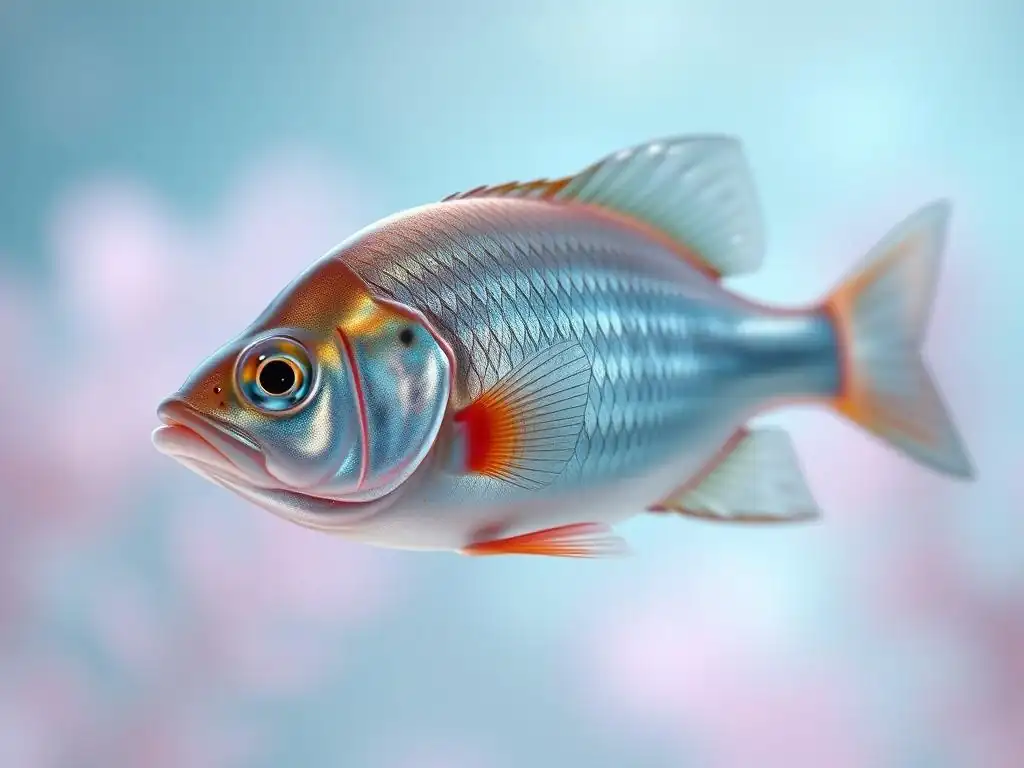
Recognizing the Physical Signs of Bloat in Barbs
Distended Abdomen: A Clear Indicator of Barb Bloat
The most obvious and primary physical sign of bloat in barbs is a noticeable swelling or distension of the abdomen. Initially, this might appear as a slight roundness that is atypical for the barb's normally sleek, torpedo-shaped body. As the condition progresses, the belly can become significantly enlarged, appearing taut and sometimes lopsided, depending on the underlying cause. Observing your barbs from above can provide a clearer view of any abnormal bulging compared to their healthy tank mates.
This abdominal distension is a critical indicator that something is amiss internally, whether it's fluid buildup, gas, or organ enlargement. Unlike the symmetrical, often subtle swelling seen in a healthy, egg-laden female barb, bloat typically presents as a more pronounced and often asymmetrical expansion of the abdomen, sometimes accompanied by other concerning symptoms. Early detection of this distension is vital for successful Barbs bloat emergency treatment.
Scales Standing Out (Pineconing): A Sign of Dropsy in Barbs
When bloat advances to a severe stage, it often manifests as "pineconing," a condition where the scales of the barb stand out from its body, resembling a pinecone. This is a clear and alarming sign of dropsy, which is not a disease itself but a symptom of severe internal organ failure, most commonly kidney failure. The inability of the kidneys to properly excrete fluids leads to a widespread accumulation of fluid under the skin and within the body cavities, causing the scales to lift.
Pineconing is a critical symptom, indicating that the barb's internal systems are shutting down. While Barbs bloat emergency treatment should be initiated immediately upon recognizing this, the prognosis for barbs exhibiting pineconing scales is often very poor, with survival rates typically below 10-20%, even with aggressive intervention. It signifies a systemic failure that is difficult to reverse.
Lethargy and Loss of Appetite: Behavioral Changes to Watch For
Beyond physical changes, barbs suffering from bloat often exhibit significant behavioral alterations. Healthy barbs are typically very active, constantly schooling, foraging, and displaying vibrant curiosity. A bloated barb, however, may become noticeably lethargic, spending more time hiding, resting at the bottom of the tank, or lingering near the surface, showing little interest in its surroundings or tank mates. Their fin movements may become sluggish and labored.
Coupled with lethargy, a loss of appetite is a common behavioral symptom. Affected barbs may refuse food entirely, spit out food after attempting to eat it, or show no interest during feeding times. This refusal to eat, combined with a distended abdomen, provides strong evidence of an internal issue. These behavioral cues, though general signs of illness, are powerful indicators when observed alongside physical swelling, prompting the need for Barbs bloat emergency treatment.
Difficulty Swimming or Maintaining Buoyancy: How Bloat Affects Movement
The internal pressure caused by accumulated fluid or gas in a bloated barb can significantly impair its ability to swim and maintain proper buoyancy. Barbs may struggle to swim straight, often listing to one side, or find themselves unable to control their vertical position in the water column. They might float uncontrollably to the surface, sink to the bottom, or swim in an uncoordinated, erratic manner, sometimes with their head up or tail up.
This difficulty in maintaining buoyancy is directly related to the pressure exerted on the swim bladder, the organ responsible for controlling a fish's position in the water. As internal pressure increases, the swim bladder's function is compromised, leading to noticeable swimming difficulties. Observing such impaired movement in conjunction with abdominal swelling is a strong signal that the barb requires immediate Barbs bloat emergency treatment.
Differentiating Bloat from Other Barb Illnesses
Ruling Out Pregnancy in Female Barbs: A Common Misconception
A common misconception among aquarists is confusing bloat with pregnancy in female barbs. Female barbs, especially species like Cherry Barbs or Rosy Barbs, can develop a noticeably rounded abdomen when they are "gravid" or full of eggs. However, there are key differences. A gravid female barb typically shows a symmetrical, smooth swelling that develops gradually over days or weeks, and she remains active, alert, and continues to feed normally. Her scales will lie flat against her body.
In contrast, bloat often presents with a more sudden, sometimes asymmetrical, and often more pronounced swelling. Crucially, bloat is almost always accompanied by other symptoms such as lethargy, loss of appetite, labored breathing, or pineconing scales, which are absent in a healthy, egg-laden female. Observing these accompanying symptoms is vital for differentiating a natural reproductive state from a serious health concern requiring Barbs bloat emergency treatment.
Distinguishing Bloat from Tumors or Cysts
While both tumors/cysts and bloat can cause abdominal swelling, their characteristics differ significantly. Tumors and cysts are typically localized, firm or semi-firm lumps that grow slowly over weeks or even months. They are often confined to a specific area of the body, and in their early stages, the affected barb may otherwise appear healthy, active, and continue to feed normally. These growths are generally not accompanied by systemic symptoms like lethargy, loss of appetite, or pineconing in their initial phases.
Bloat, on the other hand, typically involves a more generalized and often rapid swelling of the entire abdomen. It is usually softer to the touch due to fluid or gas accumulation and is almost always accompanied by other acute symptoms such as severe lethargy, refusal to eat, difficulty swimming, or the dreaded pineconing scales. The rapid onset and accompanying systemic distress are strong indicators of bloat rather than a benign growth, highlighting the urgency for Barbs bloat emergency treatment.
Barbs Bloat Emergency Treatment: A Step-by-Step Guide
Immediate Actions Upon Detecting Bloat in Barbs
Isolating the Affected Barb: Quarantine Procedures
Upon observing signs of bloat in a barb, the immediate first step is to isolate the affected fish in a separate hospital or quarantine tank. This measure is crucial for several reasons: it prevents the potential spread of infectious diseases to other tank inhabitants, allows for targeted Barbs bloat emergency treatment without affecting the main tank's parameters or other fish, and provides a controlled environment for close observation.
A 5-10 gallon tank with a heater, air stone, and minimal decor (no substrate to ease cleaning) is ideal for this purpose. It is recommended to fill the hospital tank with water from the main aquarium initially to minimize stress from water parameter changes.
Maintaining pristine conditions in the quarantine tank is paramount. This includes daily partial water changes (e.g., 25-50%) using dechlorinated, temperature-matched water, and monitoring the water parameters closely. Any uneaten food should be promptly removed to prevent ammonia spikes. This isolated environment significantly improves the chances of successful Barbs bloat emergency treatment by reducing stress and providing a clean, stable healing space.
Testing and Adjusting Water Parameters: Ensuring Optimal Conditions
Simultaneously with isolation, it is imperative to test the water parameters in both the main aquarium and the hospital tank. High levels of ammonia (>0 ppm), nitrite (>0 ppm), or nitrate (>20 ppm), as well as unstable pH or temperature, can severely stress barbs and either cause bloat or exacerbate an existing condition. Use a reliable liquid test kit to measure ammonia, nitrite, nitrate, and pH.
If any parameters are found to be suboptimal, immediate corrective action is necessary. For the main tank, perform a significant partial water change (e.g., 30-50%) to dilute toxins. For the hospital tank, ensure daily water changes are performed as needed to maintain pristine conditions. Aim for ammonia and nitrite at zero, nitrates below 20 ppm, a stable pH within the barb's preferred range (e.g., 6.5-7.5), and a consistent temperature (e.g., 24-27°C). Optimal water quality is foundational for any Barbs bloat emergency treatment to be effective.
Medication Options for Treating Bloat in Barbs
Epsom Salt Baths for Reducing Swelling and Relieving Constipation
Epsom salt (magnesium sulfate) is a highly effective initial Barbs bloat emergency treatment, particularly if the bloat is suspected to be caused by constipation or general fluid retention. Epsom salt acts as a mild laxative, helping to clear the digestive tract, and also works as a diuretic, drawing out excess fluid from the fish's body through osmosis. This can help reduce swelling and alleviate internal pressure.
For a general bath in the hospital tank, a common dosage is 1-3 teaspoons of pure Epsom salt per 5 gallons of water. Dissolve the salt thoroughly before adding it to the tank. The barb can remain in this solution for several days, with daily partial water changes (replacing the Epsom salt accordingly).
For severe cases, a short-term dip can be administered at a higher concentration, such as 1 tablespoon per gallon for 15-30 minutes in a separate container, though this should be done with extreme caution and constant observation. This treatment is generally safe and often provides relief for bloat not yet accompanied by pineconing.
Antibiotics for Bacterial Infections: When and How to Use Them
If bloat is accompanied by symptoms suggestive of a bacterial infection, such as red streaks on the body, ulcers, ragged fins, or rapid deterioration, a broad-spectrum antibiotic is often required as part of the Barbs bloat emergency treatment. Internal bacterial infections can lead to severe organ damage, including kidney failure, which results in dropsy. Common antibiotics used in aquaria include Kanamycin, Metronidazole (often used in combination with other antibiotics), or Furan-2.
These medications are typically added directly to the water in the hospital tank, following the manufacturer's precise dosing instructions. A typical treatment course lasts 7 to 10 days, with partial water changes before re-dosing. It is crucial to complete the full course of antibiotics, even if the barb appears to recover, to prevent a relapse and the development of antibiotic-resistant bacteria. Always remove activated carbon from the filter during medication, as it will absorb the treatment.
Anti-Parasitic Medications: Addressing Internal Parasites
When bloat is suspected to be caused by internal parasites, particularly if symptoms like stringy white feces, emaciation despite feeding, or a history of new fish introductions without quarantine are present, anti-parasitic medications are necessary. Hexamita (often linked to Hole-in-the-Head disease in other fish but can cause bloat in barbs) responds well to Metronidazole, which can be dosed into the water or, more effectively, mixed into medicated food. Nematode worms like Capillaria may require treatments containing Fenbendazole.
Medicated food is often more effective for internal parasites as it ensures the medication reaches the digestive tract directly. If medicated food is not available or the fish is refusing to eat, water treatments can be used, though their efficacy for deep-seated internal parasites might be lower. Always follow the specific product instructions carefully, including dosage and duration. Combining anti-parasitic Barbs bloat emergency treatment with improved diet and water quality significantly enhances recovery prospects.
Dietary Adjustments and Long-Term Prevention of Bloat in Barbs
Feeding a Balanced and Varied Diet to Prevent Future Bloat Issues
A key component of both recovery and long-term prevention of bloat in barbs is providing a balanced and varied diet. Barbs thrive on a diet that includes high-quality flakes or small pellets as a staple, supplemented with a variety of frozen or live foods and vegetable matter. Incorporate frozen brine shrimp, daphnia, or bloodworms (sparingly, as they are rich) for protein, and spirulina flakes or blanched, deshelled peas for essential fiber and vitamins.
For instance, feeding blanched peas once or twice a week can act as a natural laxative, helping to prevent constipation and digestive blockages. Ensure the food is appropriately sized for your barbs' mouths to prevent gulping too much air. A varied diet not only prevents bloat but also boosts the barb's immune system, making them more resilient to other health challenges.
Proper Feeding Techniques: Avoiding Overfeeding
Overfeeding is a primary cause of bloat. To prevent this, adopt proper feeding techniques. Feed your barbs small amounts of food two to three times a day, only what they can consume completely within 2-3 minutes. This ensures that all food is eaten and does not decompose in the tank, which would degrade water quality. Observing your barbs during feeding helps you gauge the correct amount.
It is also beneficial to include a "fasting day" once a week for adult barbs. This allows their digestive systems to clear out and rest, significantly reducing the risk of bloat from digestive overload. For example, if you typically feed twice a day, consider skipping one or both feedings on a designated day. This simple practice is highly effective in preventing a recurrence of bloat after Barbs bloat emergency treatment.
Maintaining Optimal Water Quality: Regular Water Changes and Filtration
Consistent and meticulous maintenance of optimal water quality is fundamental to preventing bloat and ensuring the overall health of your barbs. Regular partial water changes are non-negotiable; for most barb tanks, a weekly 25-30% water change is recommended to dilute nitrates and replenish essential minerals. Always use a dechlorinator and ensure the new water is temperature-matched.
Adequate filtration is equally important. Ensure your aquarium has a robust filtration system (mechanical for debris removal, biological for ammonia/nitrite conversion, and chemical like activated carbon for clarity and toxin removal). Clean filter media regularly (in old tank water to preserve beneficial bacteria) and replace chemical media as per manufacturer guidelines. Regular testing of water parameters (ammonia, nitrite, nitrate, pH) should be done weekly or bi-weekly to catch any deviations early, preventing stress that could lead to bloat.
Preventing Bloat in Barbs: Proactive Care for a Healthy School
Regular Observation and Early Intervention: The Best Defense Against Bloat
The most effective strategy for preventing severe bloat and ensuring the long-term health of your barbs is consistent, daily observation and the willingness to intervene at the earliest signs of distress. Spend a few minutes each day watching your barbs' behavior, appearance, and feeding habits. Look for any subtle changes: a slightly distended belly, unusual lethargy, refusal to eat, or labored breathing. Knowing the "normal" activity and appearance of your specific barb species (e.g., the energetic schooling of Tiger Barbs) will help you quickly identify deviations.
Early detection allows for prompt action, such as isolating the fish and adjusting diet or water parameters, which can prevent bloat from escalating into a life-threatening condition. The success rate of Barbs bloat emergency treatment dramatically increases when symptoms are caught in their initial stages, potentially saving your fish from prolonged suffering and costly, intensive interventions.
Choosing the Right Food for Your Barbs: Quality Matters
The quality of the food you provide is paramount in preventing bloat in barbs. Invest in high-quality, reputable brands of fish food that are formulated specifically for omnivorous fish like barbs. Read the ingredient list: look for a balanced mix of proteins, fats, vitamins, and importantly, fiber. Avoid overly cheap or generic foods that may contain excessive fillers or low-quality ingredients that are difficult for barbs to digest.
Ensure the food is fresh and stored properly in a cool, dry place to prevent spoilage and nutrient degradation. Expired or poorly stored food can lose nutritional value and even grow mold, contributing to digestive issues. Supplementing dry foods with occasional live or frozen options like daphnia or spirulina-enriched brine shrimp can provide additional variety and essential nutrients, further reducing the risk of bloat.
Maintaining a Clean and Stable Aquarium Environment: Essential for Barb Health
A clean and stable aquarium environment is the cornerstone of robust barb health and the most effective preventive measure against bloat. This involves more than just regular water changes; it encompasses consistent gravel vacuuming to remove uneaten food and waste, regular cleaning of filter media, and ensuring proper water circulation. Overcrowding should also be avoided; a school of 6-8 Tiger Barbs, for example, thrives in a 30-gallon tank, but a 55-gallon tank is even better for a larger school of 10-12, providing ample swimming space and reducing bioload stress.
Consistency in water parameters (temperature, pH, hardness) is crucial. Sudden fluctuations can stress fish, compromising their immune systems and making them susceptible to bloat and other diseases. Use a reliable heater to maintain a steady temperature (e.g., 24-27°C) and ensure that new water added during changes is temperature-matched and dechlorinated. A stable, pristine environment minimizes stress and promotes strong barb health, significantly lowering the likelihood of bloat.
Best Practices for Introducing New Barbs to Your Aquarium: Quarantine and Acclimation
Introducing new barbs without proper quarantine is a major risk factor for bringing diseases, including those that cause bloat, into your established aquarium. Always quarantine new fish in a separate, dedicated tank for a minimum of 2-4 weeks. During this period, observe them closely for any signs of illness, such as bloat, lethargy, or unusual spots. This allows you to treat any potential issues in isolation, preventing the spread of pathogens to your main display tank.
Proper acclimation is also vital when transferring new barbs to either the quarantine tank or the main aquarium. Use the drip acclimation method, slowly adding water from the destination tank to the bag containing the new fish over an hour or more. This gradual process minimizes stress from sudden changes in water parameters (temperature, pH, hardness), which can weaken a fish's immune system and make it vulnerable to bloat and other stress-related illnesses.
Long-Term Care and Recovery After Barbs Bloat Emergency Treatment
Monitoring the Recovering Barb: Continued Observation and Care
After a barb has undergone Barbs bloat emergency treatment and appears to be recovering, continued diligent observation and care are essential to ensure a full and lasting recovery. Do not rush to reintroduce the fish to the main tank. Maintain the barb in the hospital tank for at least another week or two after all symptoms have completely subsided. During this period, closely monitor its appetite, activity levels, swimming ability, and overall appearance.
Ensure the hospital tank's water quality remains impeccable, with daily water changes and regular parameter testing. Gradually reintroduce a balanced diet, starting with small, easily digestible portions. Full recovery means the barb is eating normally, swimming actively, and shows no residual signs of swelling or distress. This extended recovery period in isolation minimizes stress and allows the barb's internal systems to fully recuperate.
Gradual Reintroduction to the Main Tank: Avoiding Stress
Once the barb has fully recovered and shown no symptoms for at least a week, the process of reintroducing it to the main tank must be done gradually to avoid undue stress or a relapse. Before transferring, ensure the water parameters in the hospital tank closely match those of the main aquarium. Consider performing a small water change in the main tank using water from the hospital tank, or vice versa, to help equalize chemistry.
A strategic time to reintroduce the barb is often after the main tank lights have been off for a while or just before they come on, allowing the fish to explore its old environment without immediate attention from tank mates. Observe the reintroduction carefully for any signs of aggression from established barbs or stress in the returning fish. If possible, rearrange some decor in the main tank to disrupt established territories and reduce aggression towards the newcomer.
Preventing Recurrence: Long-Term Management Strategies
To prevent the recurrence of bloat, implement comprehensive long-term management strategies. Firstly, permanently adjust feeding habits: consistently feed high-quality, varied foods in small portions, and maintain a weekly fasting day. Secondly, adhere strictly to a regular water change schedule (e.g., 25-30% weekly) and monitor water parameters diligently with a test kit. Maintaining pristine and stable water quality is paramount for barb health.
Consider incorporating beneficial bacteria supplements into your routine to support the biological filter. If internal parasites were a confirmed cause of bloat, discuss with a fish veterinarian about a preventative deworming schedule, if appropriate. Finally, ensure the aquarium remains a low-stress environment: avoid overcrowding, provide adequate hiding spots, and ensure tank mates are compatible. A thriving, stress-free environment is the best defense against bloat and ensures the long-term well-being of your active barb school.
Frequently Asked Questions
What are the most common symptoms of bloat in Barbs?
Common symptoms include a swollen abdomen, scales that stick out (pineconing), lethargy, and loss of appetite. These signs often indicate a serious internal issue requiring immediate attention.
What are the primary causes of bloat in Barbs?
Bloat in Barbs can be caused by a variety of factors, including overfeeding, poor water quality leading to bacterial infections, and internal parasites. Identifying the underlying cause is crucial for effective treatment.
What are the first emergency steps to take if my Barb shows signs of bloat?
Immediately quarantine the affected Barb in a separate hospital tank. Perform a partial water change in the main tank to improve water quality and reduce stress.
What are some treatment options available for bloat in Barbs?
Treatment options may include antibiotic medications specifically designed for fish, Epsom salt baths to help reduce swelling, and adjusting the Barb's diet to prevent future occurrences. Consult a veterinarian for the best course of action.
How can I prevent bloat in my Barbs in the future?
Preventative measures include maintaining excellent water quality through regular water changes, feeding a balanced diet in appropriate portions, and observing your Barbs for any early signs of illness. Proactive care is crucial.
The insights shared throughout this article on identifying and addressing bloat in Barbs are not merely theoretical; they are vital tools for responsible fishkeepers facing real-time emergencies. The ability to recognize the subtle signs of bloat and implement effective emergency treatment can be the difference between life and death for these vibrant members of our aquatic ecosystems. This knowledge empowers us to act decisively and compassionately when our finned companions are most vulnerable.
This topic has profoundly influenced, and continues to influence, the ethical landscape of fishkeeping. It underscores the responsibility we assume when bringing these creatures into our care, demanding that we become informed advocates for their well-being. The greatness of a nation and its moral progress can be judged by the way its animals are treated.
- Mahatma Gandhi. This quote, though broad, resonates deeply within the context of aquarium care, reminding us that our actions, however small, reflect our values.
As you navigate the often-turbulent waters of fishkeeping, remember the lessons learned here. Let the knowledge of Barb bloat emergency treatment not only inform your actions but also inspire a deeper connection with the aquatic life under your care. Consider this: What small change can you make today to improve the lives of your Barbs, ensuring they thrive in a healthy and balanced environment? The answer, I believe, lies within each of us, waiting to be discovered and acted upon.
Unleash Your Barb-Care Superpowers!
Thanks for diving into the world of Barb health! Now that you're armed with the knowledge to spot bloat and provide initial care, let's put that expertise into action. Here's how you can further ensure the well-being of your Barbs:
- Immediately implement the quarantine protocol you learned about if you suspect any of your Barbs are showing signs of bloat. Time is of the essence!
- Explore different Barb diets to ensure you're providing optimal nutrition and preventing future bloat issues. Consider researching live food options!
- Share this guide with other aquarium enthusiasts! Spreading knowledge helps everyone become better fishkeepers.
What unique preventative measure have you found most effective in keeping your Barbs healthy and bloat-free? Share your tips in the comments below!