
Breeding Red Phantom Tetras: Intensifying Their Fiery Colors Through Diet & Care

Welcome to Aquarium Mastery!
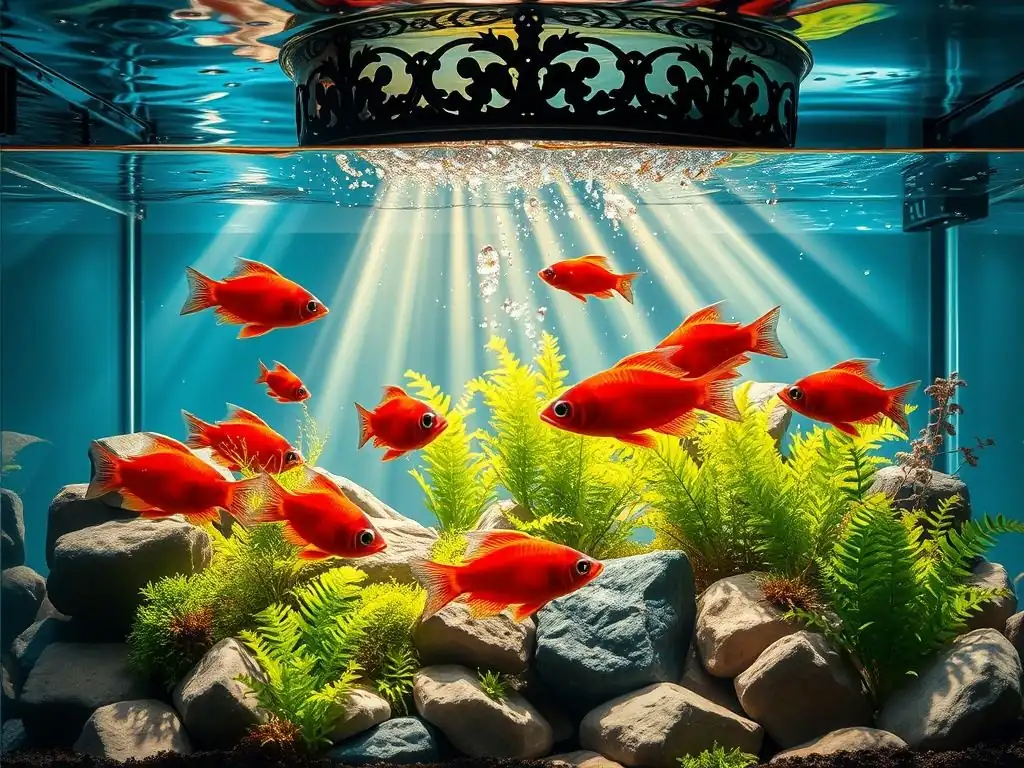
Ever wondered how to unlock the full, fiery potential of your Red Phantom Tetras and even encourage them to breed? We're diving deep into the secrets of Red Phantom Tetra breeding care, from optimizing their environment to crafting the perfect diet. Get ready to witness the vibrant transformation of your fish and discover the rewarding experience of raising your own little phantoms! Let's explore how to bring out their best.
- Understanding Red Phantom Tetra Breeding
- Preparing for Red Phantom Tetra Spawning
- Selecting Breeding Stock: Identifying Healthy Red Phantom Tetras
- Inducing Spawning in Red Phantom Tetras
- Red Phantom Tetra Egg Care and Hatching
- Raising Red Phantom Tetra Fry
- Intensifying Red Phantom Tetra Colors Through Diet
- Maintaining Optimal Care for Healthy Red Phantom Tetras
- Troubleshooting Common Red Phantom Tetra Breeding Issues
- Conclusion: Mastering Red Phantom Tetra Breeding and Color Enhancement
- Frequently Asked Questions
- Final Reflection: Igniting the Spark of Life
- Ignite Your Tetra's Brilliance!
Understanding Red Phantom Tetra Breeding
Red Phantom Tetra Natural Habitat and Breeding Challenges
Red Phantom Tetras ( Hyphessobrycon sweglesi) originate from the upper Amazon basin, specifically in clearwater and blackwater tributaries in countries like Colombia and Brazil. In their natural environment, these fish inhabit areas with dense vegetation, slow-moving water, and often a substrate of leaf litter. This environment typically features soft, acidic water, which is crucial for their successful reproduction. Replicating these specific conditions in an aquarium presents the primary challenge for hobbyists aiming to breed them, as deviations in water chemistry or tank setup can significantly hinder spawning and fry survival.
The inherent shyness of Red Phantom Tetras also contributes to breeding difficulties. They thrive in a calm, stable environment and can be easily stressed by aggressive tank mates or sudden changes. Successful Red phantom tetra breeding care requires meticulous attention to detail, from selecting healthy breeding stock to providing a stress-free spawning environment. Without mimicking their natural parameters, including the specific water hardness and pH, the fish may not feel secure enough to engage in reproductive behaviors, leading to failed breeding attempts.
Key Factors Influencing Red Phantom Tetra Breeding Success
Several critical factors directly influence the success rate of Red phantom tetra breeding care. Water quality is paramount; these egg-scattering tetras require pristine, stable conditions to encourage spawning and ensure egg viability. Parameters such as temperature, pH, and hardness must be carefully maintained within their optimal breeding range. For Red Phantom Tetras, this typically means a temperature between 75-78°F (24-26°C), a pH of 6.0-6.5, and very soft water with a general hardness (GH) of 1-5 dGH.
Beyond water chemistry, diet plays a significant role in conditioning the parent fish for breeding. A varied, high-quality diet rich in protein and vitamins is essential to ensure the fish are in peak health and capable of producing viable eggs and sperm. Furthermore, the breeding environment itself must be conducive to spawning. This includes providing appropriate spawning sites, such as fine-leaved plants or spawning mops, and ensuring a calm, dimly lit atmosphere that mimics their natural, shaded habitats. Without these elements, even well-conditioned fish may fail to spawn effectively.
The Importance of Soft, Acidic Water for Red Phantom Tetra Reproduction
Soft, acidic water is not merely preferred by Red Phantom Tetras; it is a fundamental requirement for successful reproduction. In their native blackwater environments, the water is characterized by low mineral content (softness) and a lower pH due to the presence of humic acids from decaying organic matter. This specific water chemistry is vital for the viability of their eggs. Red Phantom Tetra eggs are extremely delicate and possess a permeable membrane that is sensitive to high mineral concentrations.
In harder, more alkaline water, the egg membrane can become overly rigid, preventing proper fertilization or leading to the desiccation of the egg. Additionally, the specific ionic balance found in soft, acidic water is believed to optimize sperm motility and egg development. Achieving these conditions often involves using reverse osmosis (RO) water, distilled water, or rainwater, buffered with peat or specialized aquarium products to lower pH and hardness. Without these precise water parameters, the chances of successful Red phantom tetra breeding care are significantly diminished, with many eggs failing to hatch or developing fungal infections.
Preparing for Red Phantom Tetra Spawning
Setting Up a Dedicated Red Phantom Tetra Breeding Tank
For successful Red phantom tetra breeding care, a dedicated breeding tank is highly recommended, separate from the main display aquarium. This setup allows for precise control over water parameters and provides a safe environment for eggs and fry, free from predation by adult fish or other tank inhabitants. A small aquarium, typically 5-10 gallons (19-38 liters), is ideal for a single pair or a small group of Red Phantom Tetras. The tank should be thoroughly cleaned and disinfected before use to minimize the risk of disease or unwanted pathogens affecting the delicate eggs and fry.
The substrate, if any, should be minimal or absent to facilitate easy removal of eggs and maintain cleanliness. A bare bottom tank is often preferred, or a thin layer of marbles can be used to allow eggs to fall through, protecting them from the parents. Filtration should be gentle, such as an air-driven sponge filter, to prevent strong currents that could harm fry or suck in eggs. Heating is essential to maintain a stable breeding temperature, typically around 75-78°F (24-26°C), which encourages spawning and supports fry development.
Choosing Spawning Mops and Dim Lighting for Spawning
Red Phantom Tetras are egg scatterers, and in their natural habitat, they deposit their adhesive eggs among fine-leaved vegetation. To replicate this in a breeding tank, artificial spawning mops or live fine-leaved plants are crucial. Java moss ( Taxiphyllum barbieri), spawning mops made from synthetic yarn, or even bundled strands of Indian Almond leaves can provide excellent surfaces for egg deposition.
The texture and density of these materials allow the small, sticky eggs to adhere securely while providing some protection from the parents. It is advisable to have several mops or plants to offer multiple spawning sites, increasing the chances of successful egg laying.
Dim lighting is another vital element in creating an optimal breeding environment for Red Phantom Tetras. In their natural blackwater habitats, light penetration is often limited, creating a subdued atmosphere. Replicating this low-light condition in the breeding tank helps reduce stress on the fish and encourages them to spawn. Bright lighting can make them feel exposed and inhibit natural breeding behaviors. Covering the tank with a dark cloth or placing it in a dimly lit room can achieve the desired effect, fostering a sense of security that promotes spawning activity in these often-shy fish.
Maintaining Optimal Water Conditions for Breeding Red Phantom Tetras
Maintaining precise and stable water conditions is paramount for inducing spawning in Red Phantom Tetras and ensuring the viability of their eggs. As discussed, these fish require very soft and acidic water for successful reproduction. The ideal pH range for breeding is typically 6.0 to 6.5, with a general hardness (GH) of 1 to 5 dGH.
To achieve these parameters, hobbyists often use reverse osmosis (RO) water or distilled water, which are virtually free of minerals, and then re-mineralize them slightly to the desired GH. Peat filtration or the addition of humic acid extracts can help lower the pH and mimic their natural blackwater environment.
Temperature control is equally important, with a stable range of 75-78°F (24-26°C) being optimal for spawning. Fluctuations in temperature can stress the fish and deter breeding. Regular monitoring of these parameters with reliable test kits is essential throughout the conditioning and spawning process. Even slight deviations can negatively impact egg development or prevent spawning altogether. Pristine water quality, achieved through gentle filtration and careful maintenance, minimizes the risk of bacterial or fungal infections that can devastate a batch of delicate Red Phantom Tetra eggs.
Selecting Breeding Stock: Identifying Healthy Red Phantom Tetras
Distinguishing Male and Female Red Phantom Tetras
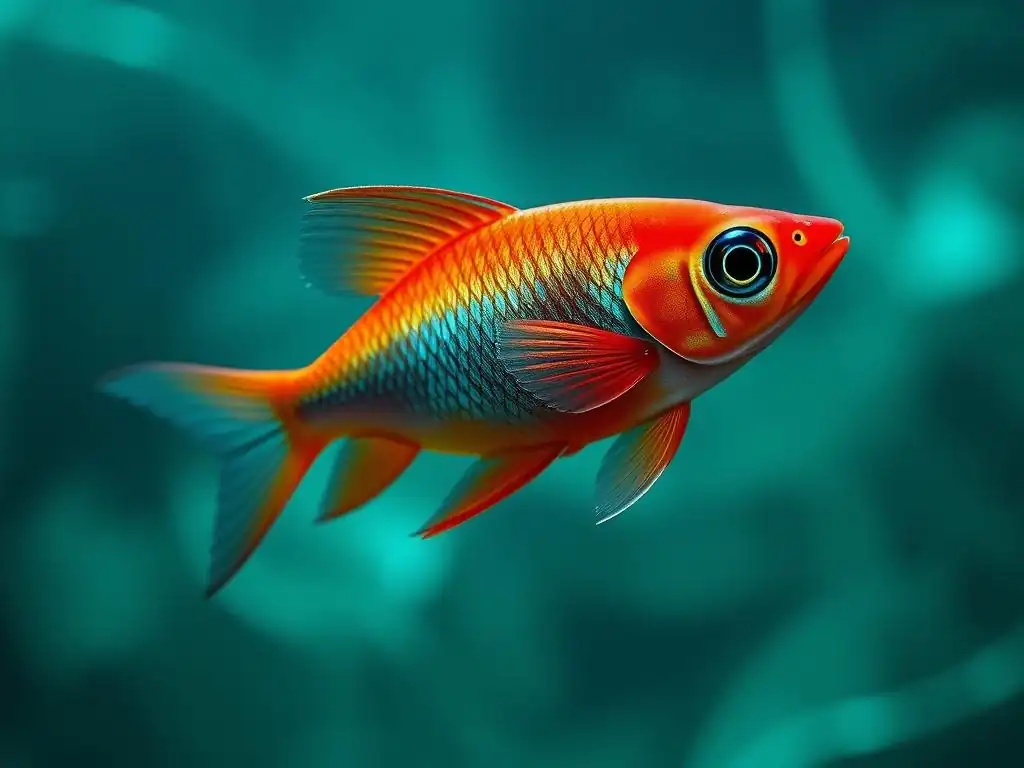
Distinguishing between male and female Red Phantom Tetras ( Hyphessobrycon sweglesi) is crucial for successful Red phantom tetra breeding care, though it can be subtle. Males typically exhibit more vibrant and intense red coloration, especially when in breeding condition or displaying. Their fins, particularly the dorsal and anal fins, are often more elongated and pointed than those of females. A key identifying feature for males is often a more pronounced, slightly elongated dorsal fin that can appear almost sail-like. Males tend to be more slender and streamlined in body shape.
Females, in contrast, are generally rounder and fuller-bodied, particularly when gravid (carrying eggs). Their red coloration might be less intense than the males', and their fins are usually shorter and more rounded. The black spot on their side might also appear slightly larger or more distinct. Observing the fish from above can help identify the fuller abdomen of a gravid female. While these distinctions are generally reliable, individual variations exist, and observing a group of healthy adults over time will help discern the differences more clearly.
Choosing Mature and Healthy Red Phantom Tetra Breeders
Selecting mature and healthy Red Phantom Tetra breeders is a cornerstone of successful Red phantom tetra breeding care. Fish should be at least 8-12 months old, as they reach sexual maturity around this age. Younger fish may not be fully developed for breeding, leading to fewer or less viable eggs. Health is paramount: choose individuals that exhibit vibrant coloration, active swimming behavior, and a good appetite. Avoid any fish showing signs of disease, such as clamped fins, faded colors, lethargy, white spots, or unusual growths.
A healthy breeding pair or group should have full, well-rounded bodies, indicating they are well-fed and free from internal parasites. Inspect their fins for any tears or nips, as these can be signs of stress or aggression, which are detrimental to breeding. Ideally, select fish that have been in your care for some time, allowing you to monitor their health and ensure they are acclimatized to your water conditions. Starting with strong, healthy individuals significantly increases the chances of successful spawning and robust fry.
Quarantine and Conditioning Red Phantom Tetras Before Breeding
Quarantine and conditioning are indispensable steps for optimal Red phantom tetra breeding care. Before introducing potential breeders to a dedicated spawning tank, they should be quarantined in a separate holding tank for at least two to four weeks. This period allows you to observe them for any signs of disease without risking the health of your main aquarium or the delicate breeding environment. During quarantine, maintain pristine water quality and monitor their behavior closely. If any signs of illness appear, treat them promptly and extend the quarantine period.
Simultaneously, this period serves as a conditioning phase. Feed the selected breeders a high-quality, varied diet several times a day. This diet should include live foods like bloodworms, brine shrimp, daphnia, and mosquito larvae, alongside high-quality frozen and flake foods. Live foods are particularly effective as they are rich in nutrients and stimulate natural hunting behaviors, promoting excellent physical condition and encouraging egg development in females and sperm production in males. A well-conditioned pair will be more likely to spawn and produce a larger number of viable eggs, leading to a higher fry survival rate.
Inducing Spawning in Red Phantom Tetras
Simulating Rainy Season Conditions to Trigger Spawning
To successfully induce spawning in Red Phantom Tetras, simulating the environmental cues of their natural rainy season is often key. In their native habitats, a drop in barometric pressure, combined with cooler temperatures and an influx of fresh, soft water, signals the onset of the breeding season. Hobbyists can replicate these conditions by performing a significant water change (50-70%) with cooler, very soft, and acidic water. For instance, using water that is 2-3°F (1-2°C) cooler than the current tank temperature, with a pH of 6.0-6.5 and a GH of 1-3 dGH, can effectively mimic the influx of rainwater.
Repeating these cooler, soft water changes over a few days can further encourage spawning. The introduction of tannins from Indian almond leaves or peat extract can also contribute to the "blackwater" effect, which is known to stimulate breeding in many Amazonian species.
Dimming the lights or covering the tank to reduce ambient light can enhance the feeling of security, making the fish more comfortable to engage in reproductive behaviors. This combination of environmental triggers often provides the final push needed for Red Phantom Tetras to begin their spawning ritual, making it a critical aspect of Red phantom tetra breeding care.
Monitoring Red Phantom Tetra Behavior for Spawning Signs
Careful observation of Red Phantom Tetra behavior is essential for successful Red phantom tetra breeding care, as it provides crucial clues that spawning is imminent or underway. Prior to spawning, males will typically become more vibrant in color and engage in courtship displays, often chasing females playfully and flaring their fins to attract attention. Females, when gravid, will appear noticeably plumper and rounder in the abdomen. Both sexes may exhibit increased activity, swimming together more frequently, and exploring potential spawning sites like fine-leaved plants or spawning mops.
During the actual spawning process, which usually occurs in the early morning hours, the male will typically nudge the female into the spawning material. The pair will then engage in a "clasping" embrace, where the male wraps his body around the female, and eggs and milt are released simultaneously. The eggs are small, clear, and adhesive, sticking to the plants or mops.
After spawning, the parents may attempt to eat the eggs, so it's vital to remove them promptly. Observing these specific behaviors ensures that you can intervene at the right time to protect the precious eggs and maximize fry survival.
What to Do if Red Phantom Tetras Don't Spawn [Troubleshooting Tips]
If your Red Phantom Tetras are not spawning despite your best efforts, several troubleshooting steps can be taken to adjust your Red phantom tetra breeding care strategy. First, re-evaluate your water parameters. Even slight deviations from the ideal soft (1-5 dGH) and acidic (pH 6.0-6.5) conditions can inhibit spawning. Test the water thoroughly and make small, gradual adjustments if necessary using RO water or peat filtration. Ensure the temperature is consistently within the optimal range of 75-78°F (24-26°C).
Second, assess the conditioning diet. Are the fish receiving a diverse diet rich in live and high-quality frozen foods? Insufficient nutrition is a common reason for a lack of spawning. Increase the frequency and variety of feeding, focusing on protein-rich options. Third, consider the breeding setup.
Is the tank too bright or too small? Does it offer enough suitable spawning sites? Sometimes, simply adding more spawning mops or dimming the lights further can make a difference. Fourth, if using a single pair, try introducing a small group (e.g., two males and three females) to encourage competition and natural schooling behavior, which can stimulate spawning. Lastly, patience is key; sometimes fish just need more time to adjust and feel secure enough to breed.
Red Phantom Tetra Egg Care and Hatching
Protecting Red Phantom Tetra Eggs from Parents and Light
Once Red Phantom Tetras have spawned, immediate action is required to protect the delicate eggs, which are highly susceptible to predation by the parents themselves. Red Phantom Tetras, like many other tetras, are notorious egg-eaters. As soon as spawning is observed or suspected, carefully remove the adult fish from the breeding tank. If using marbles as a substrate, the eggs will fall through the gaps, offering some protection. If using spawning mops or plants, gently remove them and transfer them to a separate, egg-rearing tank filled with water matching the breeding tank's parameters.
In addition to parental predation, Red Phantom Tetra eggs are also sensitive to light. Exposure to bright light can inhibit their development and increase the risk of fungal infections. After transferring the eggs, it is crucial to keep the egg-rearing tank in complete or near-complete darkness.
Covering the tank with a dark cloth or placing it in a dimly lit area will suffice. This dark environment mimics the shaded conditions where eggs would naturally be laid in their native habitat, promoting healthy development and increasing the hatching rate, which is a vital component of successful Red phantom tetra breeding care.
Maintaining Water Quality During Incubation
Maintaining pristine water quality is absolutely critical during the incubation period of Red Phantom Tetra eggs. The eggs are extremely delicate and highly susceptible to fungal growth and bacterial infections, which can quickly decimate an entire batch. The water in the egg-rearing tank must be kept consistently soft and acidic, mirroring the conditions in which the eggs were laid (pH 6.0-6.5, GH 1-5 dGH). Sudden fluctuations in water parameters can be detrimental to egg viability.
Gentle aeration using an air stone or a very small sponge filter is recommended to ensure adequate oxygen levels and provide slight water movement, which helps prevent stagnant areas where fungus can thrive. However, the flow must be minimal to avoid damaging the fragile eggs. Daily small water changes (10-20%) using aged, temperature-matched, and parameter-identical water are advisable to remove any unfertilized eggs or debris that could foul the water.
Some hobbyists also add a very small amount of methylene blue or an anti-fungal agent as a preventative measure against fungus, though this should be used cautiously. Consistent monitoring of pH, temperature, and ammonia levels is key to successful Red phantom tetra breeding care during this sensitive stage.
Recognizing and Addressing Common Egg Fungus Issues
Egg fungus is one of the most common and frustrating issues encountered during Red Phantom Tetra egg incubation, often leading to significant losses if not addressed promptly. Fungus typically appears as a white, fuzzy growth on the surface of the eggs. It primarily targets unfertilized eggs, which lack the protective membrane of viable eggs and quickly become a breeding ground for fungal spores. However, if left unchecked, fungus can spread rapidly to healthy, viable eggs, suffocating them and preventing hatching.
To address egg fungus, the first step in Red phantom tetra breeding care is prevention through optimal water quality and temperature control, as well as maintaining darkness. If fungus appears, immediately remove any visibly infected eggs using a pipette or small baster to prevent its spread. Some aquarists add a very mild anti-fungal medication, such as methylene blue, to the water as a prophylactic measure or at the first sign of fungus.
However, be aware that some medications can be harmful to sensitive eggs. Ensuring good water circulation with gentle aeration also helps by preventing spores from settling and by providing oxygen. Regular, small water changes are also crucial for diluting any fungal spores and maintaining overall water health, giving the healthy eggs the best chance to hatch.
Raising Red Phantom Tetra Fry
First Foods for Red Phantom Tetra Fry: Infusoria and Paramecium
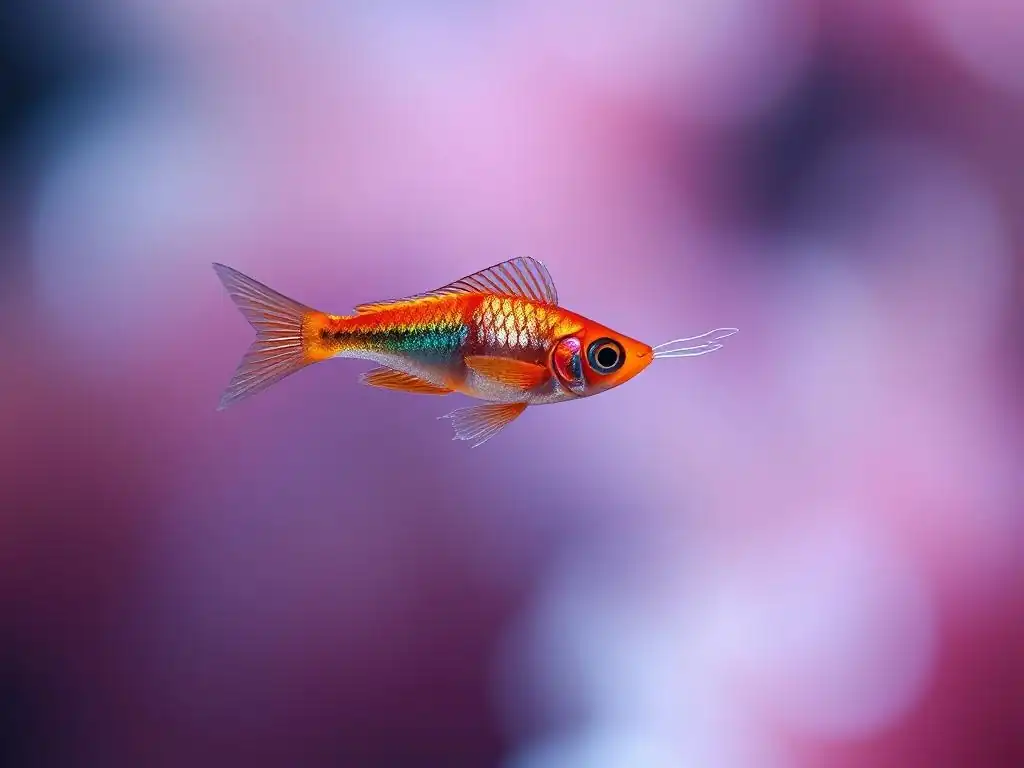
Red Phantom Tetra fry are incredibly tiny upon hatching, typically within 24-48 hours after spawning. Their mouths are microscopic, meaning they require exceptionally small food sources during their initial days. Infusoria, which are microscopic protozoa and other single-celled organisms, are the perfect first food for these delicate fry. Infusoria can be naturally present in mature aquarium water or easily cultured at home by steeping decaying plant matter (like banana peels or lettuce leaves) in water for several days.
Paramecium, another type of infusoria, are also an excellent choice due to their ideal size and nutritional value. These can be purchased as starter cultures or cultivated. For the first 3-5 days post-hatching, feeding the fry infusoria or paramecium multiple times a day (every 2-3 hours if possible) is crucial for their survival and initial growth. Without these microscopic food sources, the fry will quickly starve. Ensuring a consistent supply of these first foods is a critical, albeit often overlooked, aspect of successful Red phantom tetra breeding care during the fry stage.
Culturing Live Foods for Optimal Growth
As Red Phantom Tetra fry grow, their dietary needs evolve, and they quickly outgrow infusoria. To ensure optimal growth and development, culturing larger live foods becomes essential. Within 5-7 days, the fry will be large enough to consume newly hatched brine shrimp nauplii ( Artemia salina). Brine shrimp eggs are readily available and can be hatched in a simple setup using saltwater and aeration. Feeding newly hatched brine shrimp is highly beneficial due to their high protein content and natural swimming motion, which stimulates the fry's feeding response.
As the fry continue to grow, typically after two weeks, their diet can be supplemented with microworms ( Panagrellus redivivus) and eventually grindal worms ( Enchytraeus buchholzi). These small nematodes are easy to culture at home on simple substrates like oatmeal or bread. Culturing these live foods ensures a continuous supply of highly nutritious, fresh food that promotes rapid growth, vibrant coloration, and overall health in young Red Phantom Tetras. Relying solely on powdered fry foods can lead to slower growth and higher mortality rates, making live food cultures a cornerstone of advanced Red phantom tetra breeding care.
Maintaining Water Quality in the Fry Tank
Maintaining pristine water quality in the fry tank is arguably the most challenging and critical aspect of raising Red Phantom Tetra fry. Due to their small size and the high frequency of feeding with live foods, ammonia and nitrite can quickly accumulate to toxic levels. Regular, small water changes are absolutely essential, often daily or every other day, depending on tank size and feeding regimen. These water changes should be very gentle, using an airline tube to siphon out debris from the bottom without disturbing the fry, and replacing with aged, temperature-matched, soft, and acidic water.
A gentle air-driven sponge filter is the ideal filtration for a fry tank. It provides biological filtration without creating strong currents that could harm the delicate fry. The sponge also acts as a surface for beneficial bacteria and can be a source of infusoria for the smallest fry. Monitoring water parameters, especially ammonia and nitrite, is paramount. Any detectable levels should prompt an immediate water change. A clean environment minimizes stress, prevents disease, and maximizes the survival rate of the fragile Red Phantom Tetra fry, forming a central pillar of effective Red phantom tetra breeding care.
Gradual Acclimation of Fry to Adult Tank Conditions
Once Red Phantom Tetra fry have grown to a sufficient size, typically around 0.5 to 0.75 inches (1.2-1.9 cm) in length, they can be gradually acclimated to the conditions of a larger grow-out tank or even the main display aquarium if it's suitable. This transition should be done slowly and carefully to avoid shocking the young fish, which are still sensitive to sudden changes in water parameters.
The grow-out tank should ideally have water parameters very similar to those of the fry tank initially, and then gradually adjusted to match the adult tank over a period of days or weeks.
One effective method for acclimation is to slowly drip water from the target tank into the fry tank over several hours, allowing the fry to adjust to the new temperature, pH, and hardness incrementally. Once the parameters are closely matched, the fry can be gently netted and released into their new home. Ensuring the grow-out tank has plenty of hiding spots and is free from aggressive tank mates is crucial. This gradual acclimation minimizes stress and reduces the risk of illness or mortality during the transition, completing a successful cycle of Red phantom tetra breeding care.
Intensifying Red Phantom Tetra Colors Through Diet
The Role of Astaxanthin in Red Phantom Tetra Coloration
Astaxanthin is a powerful carotenoid pigment that plays a pivotal role in intensifying the fiery red and subtle blue coloration of Red Phantom Tetras. Like many other fish, Red Phantom Tetras cannot synthesize astaxanthin on their own; they must obtain it through their diet. When ingested, astaxanthin is absorbed and deposited in specialized cells called chromatophores, particularly in the skin and fins, where it contributes directly to the vibrancy and depth of their red hues. A diet deficient in this crucial pigment will result in duller, less impressive coloration, even in otherwise healthy fish.
Beyond its aesthetic benefits, astaxanthin also acts as a potent antioxidant, protecting fish cells from oxidative damage and boosting their immune system. This dual benefit means that a diet rich in astaxanthin not only enhances the visual appeal of Red Phantom Tetras but also contributes to their overall health and vitality. Understanding and leveraging the role of astaxanthin is a key aspect of advanced Red phantom tetra breeding care that extends beyond just reproduction to the long-term well-being and beauty of the fish.
Best Foods for Enhancing Red and Blue Color in Red Phantom Tetras
To truly intensify the red and blue colors of Red Phantom Tetras, their diet must be rich in natural sources of carotenoids, particularly astaxanthin. High-quality commercial fish foods specifically formulated for color enhancement often contain spirulina, krill, and other ingredients known for their pigment-boosting properties. Look for flakes or pellets that list these ingredients high on their list. For example, a premium flake food might list "krill meal" or "spirulina" as one of the top three ingredients, indicating a significant concentration.
Supplementing their diet with live and frozen foods known to be rich in carotenoids is even more effective. Bloodworms, brine shrimp (especially those gut-loaded with spirulina), and daphnia are excellent choices. Red-colored frozen foods like cyclops or mysis shrimp also contribute.
For instance, feeding frozen bloodworms 2-3 times a week, alongside a high-quality spirulina-enhanced flake, can visibly deepen their red tones within a few weeks. The key is consistency and variety, ensuring the fish receive a continuous supply of these vital pigments to maintain and enhance their fiery hues, making it an integral part of comprehensive Red phantom tetra breeding care.
Supplementing Diet with Natural Color Enhancers Like Spirulina
Spirulina, a blue-green algae, is an exceptionally effective natural color enhancer and a valuable supplement for any Red phantom tetra breeding care regimen focused on intensifying their coloration. It is packed with carotenoids, including astaxanthin, as well as essential vitamins, minerals, and proteins. Incorporating spirulina into their diet can significantly deepen the red and blue pigments in Red Phantom Tetras, giving them a more vibrant and striking appearance. Many high-quality commercial fish foods already include spirulina, but direct supplementation can yield even better results.
Spirulina can be fed in various forms: as a primary ingredient in flakes or pellets, or as a pure powder. If using spirulina powder, a tiny pinch can be mixed with frozen foods before feeding, or it can be lightly dusted over flake food. For example, adding a small amount of spirulina powder to frozen brine shrimp before thawing and feeding can dramatically increase the carotenoid intake. The consistent inclusion of spirulina, 3-4 times a week, ensures a steady supply of color-enhancing pigments, leading to more intensely colored and healthier Red Phantom Tetras over time.
Maintaining Optimal Care for Healthy Red Phantom Tetras
Regular Water Changes and Tank Maintenance
Regular water changes and diligent tank maintenance are foundational to the overall health and vibrant coloration of Red Phantom Tetras, extending beyond just Red phantom tetra breeding care. Consistent water changes remove accumulated nitrates, phosphates, and other pollutants that can build up over time, leading to poor water quality. For a typical Red Phantom Tetra community tank, a weekly water change of 25-30% is generally recommended. In heavily stocked tanks or those with a higher bioload, more frequent or larger changes may be necessary to maintain pristine conditions.
Beyond water changes, routine tank maintenance includes vacuuming the substrate to remove uneaten food and fish waste, cleaning algae from tank walls, and rinsing filter media in old tank water to preserve beneficial bacteria. Checking and maintaining optimal water parameters—temperature (72-82°F or 22-28°C), pH (6.0-7.5), and general hardness (5-12 dGH for general care, softer for breeding)—is also crucial. A clean, stable environment reduces stress on the fish, boosts their immune system, and allows them to display their most brilliant colors.
Preventing and Treating Neon Tetra Disease and Other Ailments
While Red Phantom Tetras are generally hardy, they can be susceptible to certain ailments, with Neon Tetra Disease (NTD) being a significant concern, although less common than in their Neon Tetra cousins. NTD is a parasitic infection (caused by Pleistophora hyphessobryconis) that has no cure and is highly contagious, leading to symptoms like loss of color, erratic swimming, and cysts. The best prevention for NTD and other diseases lies in stringent quarantine procedures for all new fish (2-4 weeks minimum), maintaining excellent water quality, and providing a balanced, nutritious diet. Stress is a major contributing factor to disease susceptibility.
Beyond NTD, Red Phantom Tetras can also suffer from common freshwater fish diseases like Ich (white spot disease), fin rot, and bacterial infections, often brought on by poor water quality or stress. For Ich, raising the temperature slightly (to 82-84°F or 28-29°C) and using an appropriate medication can be effective. Fin rot and bacterial infections typically respond to broad-spectrum antibiotics or antibacterial treatments, combined with immediate improvements in water quality. Early detection and prompt treatment are key to successful outcomes, and understanding these risks is part of comprehensive Red phantom tetra breeding care and general husbandry.
Choosing Compatible Tank Mates for Red Phantom Tetras
Choosing compatible tank mates is vital for the well-being and vibrant display of Red Phantom Tetras in a community aquarium. Red Phantoms are peaceful, schooling fish that thrive in groups of at least six, preferably ten or more. Keeping them in insufficient numbers can lead to shyness, stress, and faded coloration.
Ideal tank mates are other small, peaceful, and similarly sized fish that prefer similar water parameters. Good choices include other small tetra species (e.g., Ember Tetras, Lemon Tetras, Black Neon Tetras), Rasboras (e.g., Harlequin Rasboras), peaceful dwarf cichlids (e.g., German Blue Rams), Corydoras catfish, and peaceful species of Otocinclus catfish.
Avoid housing Red Phantom Tetras with large, aggressive, or fin-nipping fish. Barbs, some larger cichlids, and aggressive gouramis can stress or injure Red Phantoms, leading to clamped fins, hiding behavior, and ultimately, poor health. Similarly, very boisterous fish can make Red Phantoms feel insecure. A peaceful, well-planted environment with plenty of hiding spots will allow Red Phantom Tetras to feel secure and display their best colors and natural schooling behaviors, contributing to their overall health and longevity, and complementing any Red phantom tetra breeding care efforts.
Troubleshooting Common Red Phantom Tetra Breeding Issues
Addressing Low Fertility Rates in Red Phantom Tetras
Low fertility rates are a common issue in Red phantom tetra breeding care, often resulting in many unfertilized eggs or a low hatch rate. Several factors can contribute to this problem. Firstly, the age and conditioning of the breeding stock are critical. If fish are too young, too old, or poorly conditioned, their reproductive capabilities may be compromised. Ensure breeders are mature (8-12 months old) and have been fed a high-quality, varied diet rich in live foods for several weeks prior to spawning attempts.
Secondly, water parameters during spawning are paramount. Red Phantom Tetra eggs require very soft (1-5 dGH) and acidic (pH 6.0-6.5) water for optimal fertilization and development. Water that is too hard or too alkaline can hinder sperm motility and egg viability. Test your water rigorously and adjust with RO water or peat filtration if necessary.
Thirdly, ensure the male-to-female ratio is appropriate. Sometimes, a single male may not be sufficient, or he may not be mature enough. Introducing a group of 2-3 males to 3-4 females can increase competition and stimulate more effective spawning and fertilization. Lastly, stress from bright lights or noisy environments can also inhibit successful spawning and fertilization; ensure the breeding tank is calm and dimly lit.
Preventing Egg and Fry Predation
Preventing egg and fry predation is a crucial, non-negotiable step in successful Red phantom tetra breeding care, as both parents and other tank inhabitants will readily consume eggs and newly hatched fry. The primary method of prevention is to remove the adult fish immediately after spawning. Red Phantom Tetras are notorious egg-eaters, and even a few minutes of delay can result in significant losses. If you observe spawning, gently net out the parents and return them to the main tank.
To further protect the eggs during spawning, use a bare-bottom tank with a layer of marbles or a mesh screen above the bottom. This allows the adhesive eggs to fall through the gaps, making them inaccessible to the parents. Alternatively, dense clumps of fine-leaved plants like Java moss or spawning mops provide surfaces for eggs to adhere to, and then these plant materials can be carefully transferred to a separate egg-rearing tank.
Once fry hatch, ensure they are in a dedicated fry tank free from any other fish, as even small snails or detritus worms can pose a threat to the microscopic fry. A very gentle sponge filter will keep the water clean without sucking up the tiny fry.
Managing Water Quality Problems During Breeding
Managing water quality problems is a continuous challenge during Red phantom tetra breeding care, from egg incubation through fry rearing. Poor water quality, characterized by elevated ammonia, nitrite, or nitrate levels, can quickly lead to egg fungus, fry mortality, and overall breeding failure. During egg incubation, unfertilized eggs can quickly decompose and foul the water, promoting fungal growth that spreads to viable eggs. Regularly siphoning out any white, opaque (unfertilized) eggs with a pipette is essential.
For fry, the high frequency of feeding with live foods contributes significantly to the bioload, making water changes critical. Small, daily water changes (10-20%) using aged, temperature-matched, and parameter-identical water are often necessary. A gentle air-driven sponge filter is vital for biological filtration, but it must be kept clean by rinsing it gently in old tank water during water changes.
Monitoring water parameters with accurate test kits, especially ammonia and nitrite, is paramount. Any detectable levels indicate an immediate need for a water change. Proactive and consistent water quality management is the single most important factor in maximizing the survival rate of delicate Red Phantom Tetra eggs and fry.
Conclusion: Mastering Red Phantom Tetra Breeding and Color Enhancement
Frequently Asked Questions
How difficult is it to breed Red Phantom Tetras?
Breeding Red Phantom Tetras can be challenging but rewarding. It requires a dedicated breeding tank and careful attention to water parameters. Success hinges on replicating their natural environment.
What are the optimal water conditions for breeding Red Phantom Tetras?
Ideal breeding conditions include soft, acidic water with a pH of around 6.0-6.5 and a temperature of 78-82°F. Extremely clean water is also crucial for egg survival.
What type of diet promotes successful Red Phantom Tetra breeding?
A diet rich in live and frozen foods, such as daphnia and brine shrimp, is essential. This provides the necessary nutrients for egg development and spawning readiness.
How can I encourage Red Phantom Tetras to spawn?
Gradually lower the water level in the breeding tank and perform small, frequent water changes with soft, aged water. Mimicking a rainy season can trigger spawning behavior.
What should I do after the Red Phantom Tetras have spawned?
Remove the parent fish immediately after spawning to prevent them from eating the eggs. The fry will hatch in 24-36 hours and require infusoria or liquid fry food.
Final Reflection: Igniting the Spark of Life
The journey of breeding Red Phantom Tetras, as we've explored, is more than just a technical process; it's a testament to the power of attentive care and understanding the delicate balance of life. The vibrant colors we strive to unlock are not merely aesthetic goals, but reflections of the fish's health, environment, and the dedication of the aquarist. In a world increasingly disconnected from nature, the act of nurturing these miniature ecosystems becomes a powerful reminder of our interconnectedness with the natural world.
This pursuit of vibrant color and successful breeding resonates deeply because it mirrors our own aspirations for growth and well-being. The dedication required to provide optimal conditions for these fish – the careful attention to water parameters, the meticulous selection of food, the patient observation of their behavior – reflects a broader commitment to fostering life and beauty in all its forms. The best and most beautiful things in the world cannot be seen or even touched - they must be felt with the heart.
- Helen Keller. This quote encapsulates the essence of aquascaping and fish keeping, where the true rewards lie in the emotional connection and the sense of fulfillment derived from nurturing life.
Now, as you close this article, consider how you can apply these principles of attentive care and dedication to other aspects of your life. Whether it's nurturing your own well-being, fostering meaningful relationships, or pursuing your passions, remember that the key to unlocking vibrant potential lies in understanding the delicate balance of needs and providing the optimal environment for growth. Embrace the challenge, ignite your own spark of life, and watch as your own colors begin to shine.
Ignite Your Tetra's Brilliance!
Thank you for diving into the vibrant world of Red Phantom Tetras! Now that you've discovered the secrets to unlocking their dazzling colors, let's take that knowledge and turn it into action. It's time to enhance your aquarium and watch your tetras truly shine!
- Commit to a specialized feeding plan using high-quality, color-enhancing foods rich in astaxanthin to see the most dramatic improvement in your Red Phantom Tetra's coloration. This is the key to unlocking their full potential!
- Share this article with fellow aquarium enthusiasts and start a discussion about best practices for maintaining vibrant tetra colors. Let's learn from each other!
- Experiment with different aquarium lighting setups to see which best showcases your Red Phantom Tetras' fiery hues. Don't be afraid to get creative!
What specific color-enhancing food will you try first to bring out the best in your Red Phantom Tetras?