
Dwarf Cichlid Longevity: How to Maximize Their Lifespan

Welcome to Aquarium Mastery!
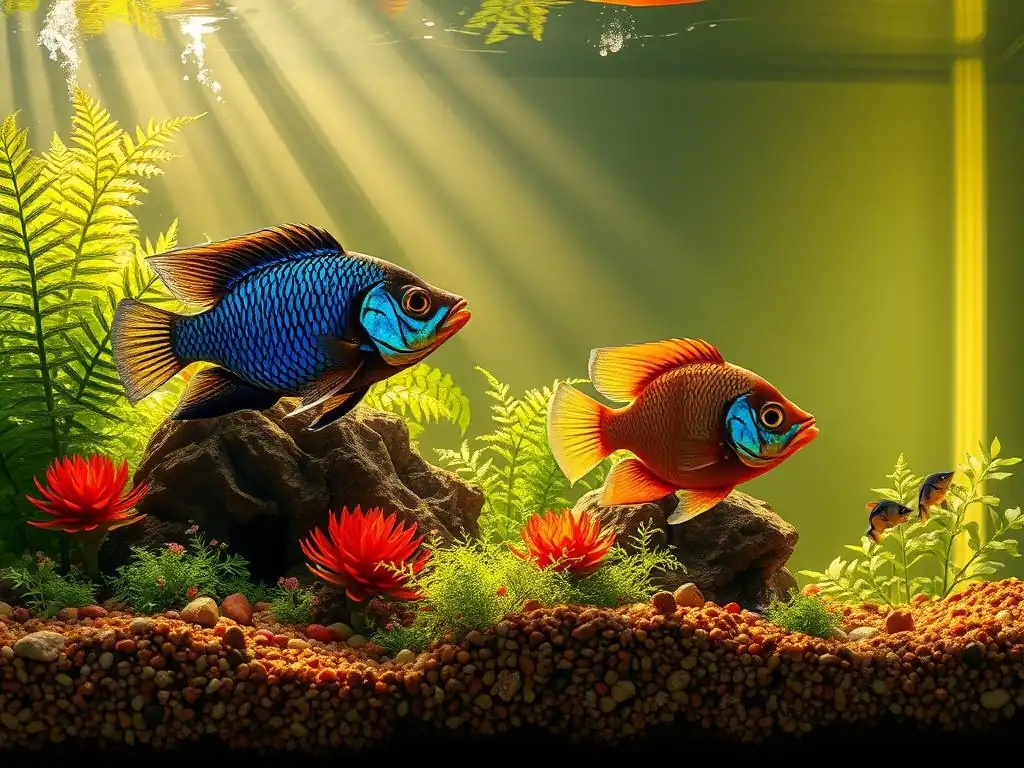
Curious about unlocking the secrets to a long and vibrant life for your Dwarf Cichlids? Dive into our comprehensive guide on Dwarf Cichlid lifespan care and discover everything you need to know to ensure your colorful companions thrive for years to come. Get ready to explore essential tips on habitat, diet, and preventative measures - all designed to maximize their longevity. Let's get started and create a thriving underwater world for your finned friends!
- Understanding Dwarf Cichlid Lifespan and Factors Affecting It
- Essential Dwarf Cichlid Care: Creating the Ideal Environment
- Promoting Health and Preventing Disease
- Minimizing Stress
- Optimizing Water Quality
- Advanced Care Techniques
- Conclusion: Ensuring a Long and Healthy Life
-
Frequently Asked Questions
- How long do dwarf cichlids typically live?
- What are the most important factors in maximizing a dwarf cichlid's lifespan?
- What are some common diseases that can shorten a dwarf cichlid's life?
- How does diet impact the lifespan of a dwarf cichlid?
- How can I reduce stress in my dwarf cichlid's aquarium to improve its lifespan?
- Final Reflection: Nurturing Miniature Wonders
- Nurture a Thriving Dwarf Cichlid Haven!
Understanding Dwarf Cichlid Lifespan and Factors Affecting It
Average Lifespan of Popular Dwarf Cichlid Species
The lifespan of dwarf cichlids varies significantly across species, with some living merely a couple of years while others can thrive for half a decade or more. These figures represent average lifespans under typical aquarium conditions, but they are not fixed limits. With optimal dwarf cichlid lifespan care, it's often possible to extend these averages considerably, providing a more rewarding experience for the aquarist.
Understanding the specific needs and sensitivities of each species is paramount. Factors such as genetics, initial health upon purchase, and the environment they are kept in all play a critical role in determining how long a dwarf cichlid will live. The goal of dedicated dwarf cichlid lifespan care is to provide conditions that allow these fish to reach their maximum genetic potential.
Apistogramma cacatuoides Lifespan and Care
Apistogramma cacatuoides, commonly known as the Cockatoo Dwarf Cichlid, typically has an average lifespan of 3 to 5 years in a well-maintained aquarium. These beautiful fish prefer slightly acidic to neutral water with a pH range of 6.0-7.0 and soft to moderately soft water (dGH 2-10). They are considered one of the hardier Apistogramma species, making them a good choice for aquarists looking for a relatively robust dwarf cichlid.
To maximize their lifespan, consistent water parameters are crucial. A varied diet including high-quality flakes or pellets supplemented with frozen foods like bloodworms, brine shrimp, and daphnia will boost their immune system. Providing ample hiding spots with driftwood, caves, and dense plant cover significantly reduces stress, contributing directly to their overall health and extended dwarf cichlid lifespan.
Mikrogeophagus ramirezi Lifespan and Care
Mikrogeophagus ramirezi, or the Ram Cichlid (including German Blue Rams, Electric Blue Rams, and Gold Rams), are known for their stunning colors but also for their relatively shorter and more delicate lifespan, typically ranging from 2 to 3 years. In exceptionally pristine conditions with expert dwarf cichlid lifespan care, some individuals might reach 4 to 5 years. They require very soft (dGH 1-5) and acidic water (pH 5.0-7.0), along with stable, higher temperatures, ideally between 80-86°F (27-30°C).
Their sensitivity to water quality cannot be overstated; even minor fluctuations or elevated nitrates can quickly lead to stress and illness. Regular small water changes, a highly varied diet rich in live and frozen foods, and a stress-free environment free from aggressive tank mates are essential for promoting the longest possible dwarf cichlid lifespan for Rams. They are particularly susceptible to internal parasites if not fed properly or if water quality is compromised.
Laetacara curviceps Lifespan and Care
Laetacara curviceps, often called the Flag Acara, generally boasts a longer average lifespan compared to many Apistogramma or Ram species, typically living for 4 to 6 years, and sometimes even longer with excellent care. They are more adaptable to a wider range of water parameters, tolerating pH levels from 6.0-7.5 and soft to moderately hard water (dGH 5-15), which contributes to their robustness.
These cichlids thrive in well-planted tanks with open swimming areas and plenty of hiding spots. A balanced diet of high-quality flakes, pellets, and various frozen foods will keep them healthy. Their more forgiving nature regarding water chemistry makes them a good option for aquarists seeking a durable dwarf cichlid, and consistent dwarf cichlid lifespan care can ensure they live out their full potential.
Key Factors Influencing Dwarf Cichlid Lifespan: A Comprehensive Overview
Several interconnected factors profoundly influence the lifespan of dwarf cichlids, extending beyond just their species' average. These include genetic predisposition, the quality and stability of their aquatic environment, the nutritional value of their diet, their stress levels, and the proactive prevention and treatment of diseases. A deficiency in any one of these areas can significantly shorten a dwarf cichlid's life.
For instance, consistently poor water quality, characterized by fluctuating pH, elevated ammonia or nitrite, and high nitrate levels (e.g., consistently above 20 ppm), can chronically stress fish, compromise their immune systems, and make them highly susceptible to infections. Similarly, a diet lacking essential nutrients can lead to deficiencies, stunted growth, and organ failure. Chronic stress, whether from overcrowding, aggressive tank mates, or insufficient hiding places, suppresses natural behaviors and metabolic functions, ultimately reducing the dwarf cichlid lifespan.
Essential Dwarf Cichlid Care: Creating the Ideal Environment
Setting Up the Perfect Tank: Water Parameters for Optimal Health and Longevity
Creating an optimal aquatic environment is the cornerstone of effective dwarf cichlid lifespan care. This involves not only selecting the right equipment but also meticulously managing water chemistry to replicate their natural habitats as closely as possible. Stable and appropriate water parameters are far more critical than any single factor for their long-term health.
A suitable tank size is also vital; while many dwarf cichlids are small, a 20-gallon long tank is often considered a minimum for a pair, providing enough territory and stable water volume. Larger tanks, such as 30-40 gallons, are even better for community setups or multiple pairs, offering more space for exploration and less competition, which directly contributes to a longer dwarf cichlid lifespan.
Maintaining Ideal Water Chemistry: pH, Ammonia, Nitrite, and Nitrate Levels
Maintaining stable water chemistry is paramount for dwarf cichlid longevity. Most dwarf cichlids, particularly popular Apistogramma and Ram species, thrive in soft, acidic to neutral water, typically with a pH range of 6.0-7.0. Sudden or drastic swings in pH can cause severe stress and even death. Ammonia and nitrite must always be at 0 ppm, as even trace amounts are highly toxic and will quickly lead to organ damage and premature demise.
While less acutely toxic, nitrates should be kept as low as possible, ideally below 10 ppm for sensitive species like Rams, and certainly no higher than 20 ppm for others. High nitrate levels cause chronic stress, suppress the immune system, and can lead to conditions like fin erosion and general malaise. Regular monitoring with a reliable liquid test kit is essential to ensure these parameters remain within safe and stable limits, which is a fundamental aspect of dwarf cichlid lifespan care.
Choosing the Right Substrate, Decor, and Plants
The choice of substrate and decor plays a significant role in creating a comfortable and secure environment for dwarf cichlids. A fine sand substrate is highly recommended as these fish are natural sifters, often sifting through the substrate in search of food. Coarse gravel can injure their delicate mouths and gills.
Providing ample hiding places and visual barriers is crucial for reducing stress and establishing territories. This includes driftwood, ceramic caves, coconut shells, and strategically placed rocks. Live plants, such as Java Fern, Anubias, Cryptocoryne, and various stem plants, are invaluable. They absorb nitrates, provide additional cover, and create a natural, enriching environment that promotes well-being and directly contributes to a healthy dwarf cichlid lifespan.
Diet and Nutrition: Feeding Strategies to Prolong Life
Proper nutrition is a cornerstone of dwarf cichlid lifespan care, directly impacting their growth, coloration, immune system, and overall vitality. A varied and high-quality diet prevents nutritional deficiencies and strengthens their resilience against disease.
Dwarf cichlids are primarily carnivorous, with a strong preference for protein-rich foods. While a high-quality flake or pellet food can form the base of their diet, it should always be supplemented with a variety of frozen and live foods. This not only provides essential nutrients but also stimulates their natural foraging behaviors.
Selecting High-Quality Food: Meeting Their Nutritional Needs
To ensure optimal health and a long dwarf cichlid lifespan, select foods specifically formulated for carnivorous or omnivorous cichlids. High-quality flakes or small pellets that sink slowly are good staples. However, the true key lies in supplementing these with a diverse array of frozen foods such as bloodworms, brine shrimp, daphnia, Mysis shrimp, and cyclops.
Live foods, like grindal worms, microworms, or newly hatched brine shrimp, are excellent for conditioning and providing essential fatty acids and proteins. For example, feeding Apistogramma species a diet rich in astaxanthin-containing foods (like krill or color-enhancing pellets) not only intensifies their vibrant hues but also provides antioxidants that support cellular health, contributing to a robust immune system and longer dwarf cichlid lifespan.
Feeding Frequency and Portion Control: Preventing Overfeeding
Overfeeding is a common mistake that can significantly shorten a dwarf cichlid's life. It leads to several problems: excess waste that fouls the water, digestive issues, and the accumulation of fat in internal organs, such as fatty liver disease. Instead, feed small amounts 2-3 times a day, providing only what the fish can consume entirely within 1-2 minutes.
Any uneaten food should be promptly removed from the tank to prevent decomposition, which rapidly contributes to ammonia and nitrite spikes. Consistent, measured feeding not only maintains pristine water quality but also ensures the fish receive adequate nutrition without the detrimental effects of overconsumption, safeguarding their dwarf cichlid lifespan.
Promoting Health and Preventing Disease
Recognizing Early Signs of Illness
Early detection of illness is critical for successful treatment and for preserving a long dwarf cichlid lifespan. Aquarists should observe their fish daily for any changes in behavior or physical appearance. Signs of illness can include lethargy, hiding more than usual, erratic swimming, loss of appetite, or refusal to eat.
Physical manifestations might include clamped fins, frayed or ragged fins, discolored patches, white spots (Ich), cotton-like growths (fungus), bloating, or emaciation. For example, a healthy Mikrogeophagus ramirezi is typically active and curious; if it becomes listless, darkens in color, or its fins appear clamped, it's a strong indicator of stress or disease requiring immediate attention to protect its dwarf cichlid lifespan.
Common Diseases and Treatments
Preventing Parasitic Infections
Parasitic infections are common ailments in aquariums, with Ich (white spot disease caused by Ichthyophthirius multifiliis) and velvet ( Oodinium) being among the most prevalent. Internal parasites like Hexamita (which can cause "hole-in-the-head" disease) are also a concern, especially in sensitive species like Rams. Prevention is key: always quarantine new fish, maintain impeccable water quality, and provide a varied, nutritious diet to boost their immune system.
If an outbreak occurs, prompt treatment is necessary. For Ich, a common approach involves gradually raising the tank temperature to 82-84°F (28-29°C) for several days (if safe for the specific species) and using medications containing malachite green or formalin. Internal parasites often require medicated foods containing metronidazole or praziquantel. Addressing these issues swiftly is crucial for the health and dwarf cichlid lifespan of your fish.
Addressing Bacterial and Fungal Infections
Bacterial infections, such as fin rot, columnaris (cottonmouth disease), and dropsy, often manifest as secondary infections when fish are stressed or exposed to poor water conditions. Fungal infections typically appear as white, cotton-like growths on the body or fins, often targeting areas of injury or existing bacterial infections. The best prevention for both is maintaining pristine water quality and avoiding physical injury to the fish.
Treatment for bacterial infections often involves broad-spectrum antibiotics, either dosed into the water or mixed with food, depending on the specific illness. For instance, fin rot might respond to frequent water changes and antibiotics like Furan-2, while dropsy is often a sign of advanced internal bacterial infection and difficult to treat. Fungal infections are usually treated with antifungal medications or salt baths. Swift and accurate diagnosis and treatment are vital to prevent these infections from becoming fatal, thereby safeguarding the dwarf cichlid lifespan.
Quarantine Procedures
Implementing a strict quarantine procedure for all new fish is arguably the most effective preventative measure against introducing diseases into your main display tank. A dedicated quarantine tank, typically 10-20 gallons, bare-bottomed, with a heater and a mature sponge filter, should be set up. New arrivals should spend 2-4 weeks in this tank.
During quarantine, observe the fish closely for any signs of illness. Many aquarists opt for prophylactic treatment during this period, for example, a short course of an anti-parasitic medication, to address common latent infections. This simple, yet often overlooked, step significantly reduces the risk of disease outbreaks in your established aquarium, protecting your existing fish and ensuring their long dwarf cichlid lifespan.
Minimizing Stress
Choosing Compatible Tank Mates
Incompatible tank mates are a major source of chronic stress for dwarf cichlids, directly impacting their health and lifespan. Dwarf cichlids, particularly males and breeding pairs, are territorial. Introducing overly aggressive or significantly larger fish can lead to constant harassment, fin nipping, and suppressed feeding behavior. Equally, very boisterous or fin-nipping species (e.g., some barb varieties) can cause physical injury and anxiety.
Ideal tank mates are peaceful, non-aggressive, and occupy different levels of the water column. Good choices include small schooling tetras (like Neon, Cardinal, or Rummy-nose Tetras), peaceful rasboras, small catfish such as Corydoras species, and Otocinclus catfish. Always ensure the tank is adequately sized to prevent overcrowding, which inherently increases stress and competition for resources, thereby shortening the dwarf cichlid lifespan.
Providing Adequate Hiding Places and Territory
A lack of sufficient hiding places and established territories can lead to significant stress among dwarf cichlids. These fish, especially Apistogramma and Rams, are naturally shy and require secure retreats where they can escape perceived threats, rest, and establish their personal space. Without these, they remain constantly on edge, which suppresses their immune system and can lead to illness.
Providing a variety of decor such as ceramic caves (e.g., cichlid caves, coconut shells), intricate driftwood, and dense thickets of live plants (like Java Ferns or Cryptocorynes) allows each fish to claim a territory and feel secure. For instance, a male Apistogramma will often claim a specific cave, defending it from rivals but providing a safe haven for himself and his mate. This secure environment is vital for reducing stress and promoting a long dwarf cichlid lifespan.
Maintaining a Stable Tank Environment
Consistency in water parameters, temperature, and lighting cycles is paramount for minimizing stress and promoting a long dwarf cichlid lifespan. Sudden or drastic fluctuations in pH, temperature, or hardness can shock fish, weakening their immune systems and making them highly susceptible to disease. For example, a temperature swing of more than 3-5°F (1.5-2.5°C) within a short period can be detrimental.
Use reliable heaters appropriately sized for your tank to maintain a consistent temperature. Avoid placing the tank in direct sunlight or near drafts, which can cause temperature instability. A consistent lighting schedule (e.g., 8-10 hours per day) also helps regulate the fish's natural circadian rhythms, contributing to a stress-free environment crucial for their long-term health and vitality.
Optimizing Water Quality
Regular Water Changes
Regular water changes are the single most impactful routine for maintaining optimal water quality and extending dwarf cichlid longevity. Over time, nitrates, phosphates, and other dissolved organic compounds accumulate in the aquarium water, even with efficient filtration. These substances can become toxic at high concentrations and cause chronic stress, weakening the fish's immune system.
A typical regimen involves performing 20-30% water changes weekly. However, for sensitive species like Mikrogeophagus ramirezi or heavily stocked tanks, more frequent, smaller changes (e.g., 10-15% twice a week) might be beneficial. Always use a high-quality water conditioner that neutralizes chlorine, chloramines, and heavy metals, and ensure the new water's temperature is closely matched to the tank water to prevent thermal shock. Consistent water changes are the bedrock of effective dwarf cichlid lifespan care.
Effective Filtration Systems
A robust and well-maintained filtration system is indispensable for keeping dwarf cichlid tank water pristine. A comprehensive filter setup should include mechanical filtration (to remove particulate matter), chemical filtration (e.g., activated carbon to remove odors and discoloration, or specialized resins for nitrates/phosphates), and biological filtration (the most critical component, converting toxic ammonia and nitrite into less harmful nitrate).
Sponge filters are excellent for smaller dwarf cichlid tanks and breeding setups due to their gentle flow and extensive biological surface area. Hang-on-back (HOB) filters and canister filters are also highly effective, particularly for larger tanks, providing powerful mechanical and biological filtration. Regular, gentle cleaning of filter media (rinsing in old tank water) prevents the destruction of beneficial bacterial colonies, ensuring stable water parameters vital for a long dwarf cichlid lifespan.
The Importance of Water Testing and Monitoring
Regularly testing your aquarium water parameters is not merely a recommendation; it is a critical component of proactive dwarf cichlid lifespan care. Consistent monitoring provides invaluable insights into the tank's health and allows aquarists to identify and address potential issues before they escalate into crises. A high-quality liquid test kit, which offers more accurate results than test strips, should be used weekly or bi-weekly.
Key parameters to test include pH, ammonia, nitrite, and nitrate. For example, if nitrate levels consistently creep above 20 ppm despite regular water changes, it signals a need for larger water changes, increased plant density, or perhaps a review of stocking levels. Monitoring also includes checking general hardness (GH) and carbonate hardness (KH), especially for species like Rams that require very soft, stable water. Proactive adjustments based on test results are fundamental to preventing stress and disease, thereby contributing significantly to dwarf cichlid lifespan.
Advanced Care Techniques
Breeding Considerations
While not directly related to the individual lifespan of a single fish, successful breeding of dwarf cichlids is a strong indicator that their environmental conditions are at or near optimal. Species like Apistogramma and Mikrogeophagus ramirezi often require very specific water parameters (e.g., extremely soft and acidic water, often with a pH below 6.0 and GH below 5 dGH) to induce spawning and ensure fry survival.
The act of breeding can be physically demanding for the fish, particularly for frequently spawning females who might experience a shortened lifespan due to the constant stress and energy expenditure. However, providing the precise conditions necessary for successful breeding demonstrates an advanced level of dwarf cichlid lifespan care, as these conditions are inherently conducive to the overall well-being and vitality of the entire population.
As dwarf cichlids approach the upper end of their natural lifespan, they may begin to exhibit signs of aging, similar to other living organisms. These can include reduced activity levels, fading coloration, a decrease in appetite, and an increased susceptibility to common infections due to a naturally weakening immune system. Their metabolism may slow, and their ability to cope with environmental stressors diminishes.
To support them in their senior years, maintaining impeccable water quality becomes even more critical, as does providing a high-quality, easily digestible diet. For example, offering smaller, more frequent meals of soft, nutritious frozen foods might be beneficial. Minimizing any sources of stress and providing a calm, stable environment can help manage these age-related issues, allowing the fish to live out their full potential dwarf cichlid lifespan in comfort.
Conclusion: Ensuring a Long and Healthy Life
Maximizing the dwarf cichlid lifespan is a rewarding endeavor that hinges on a comprehensive and consistent approach to their care. It requires a deep understanding of their specific needs, from maintaining stable and pristine water parameters to providing a highly nutritious and varied diet. Attention to detail in tank setup, including appropriate substrate, ample hiding places, and live plants, significantly reduces stress and promotes natural behaviors.
Ultimately, dwarf cichlid longevity is a testament to the aquarist's dedication. While average lifespans provide a baseline, truly optimal dwarf cichlid lifespan care can push these beautiful fish to live years beyond the typical expectations. By prioritizing water quality, nutritional excellence, disease prevention, and stress reduction, aquarists can enjoy these vibrant and fascinating inhabitants for many years, witnessing them thrive in a healthy and stable environment.
Frequently Asked Questions
How long do dwarf cichlids typically live?
The average lifespan of a dwarf cichlid varies depending on the species, but most live between 3 to 5 years. Some species, with proper care, may even reach 7 years or more.
What are the most important factors in maximizing a dwarf cichlid's lifespan?
Providing optimal water parameters is crucial. This includes maintaining stable temperature, pH levels, and water cleanliness through regular water changes. A healthy diet and minimizing stress are also essential.
What are some common diseases that can shorten a dwarf cichlid's life?
Common diseases include Ich (white spot disease), bacterial infections, and parasitic infestations. Early detection and treatment are vital for preventing fatalities.
How does diet impact the lifespan of a dwarf cichlid?
A varied and nutritious diet is essential. Offer high-quality flake food, frozen foods like bloodworms and brine shrimp, and live foods to provide a balanced intake of necessary vitamins and minerals.
How can I reduce stress in my dwarf cichlid's aquarium to improve its lifespan?
Provide plenty of hiding places using plants, rocks, and driftwood. Avoid overcrowding the tank and choose compatible tank mates to minimize aggression and stress.
Final Reflection: Nurturing Miniature Wonders
The journey of understanding and extending the lives of dwarf cichlids, as explored in this article, is not merely about aquarium maintenance; it's about embracing the responsibility of custodianship over these miniature ecosystems. The principles of pristine water quality, balanced diets, and carefully chosen tank mates are not just guidelines, but a testament to our commitment to providing these vibrant creatures with the best possible chance to thrive.
The delicate dance of creating a suitable environment for dwarf cichlids has profoundly influenced my perspective on the interconnectedness of life within an aquarium. Witnessing their complex social behaviors and vibrant personalities underscores the importance of mindful observation and continuous learning. The greatness of a nation and its moral progress can be judged by the way its animals are treated.
- Mahatma Gandhi. This quote, though often applied to larger animals, resonates deeply with the care we extend to these smaller inhabitants of our aquatic worlds.
As you reflect on the insights shared in this article, I encourage you to consider the profound impact you can have on the lives of these fascinating fish. Let the knowledge gained inspire you to create not just a tank, but a sanctuary where dwarf cichlids can flourish, showcasing their beauty and enriching our understanding of the natural world. Embrace the challenge, and you will be rewarded with the vibrant presence of these miniature wonders for years to come.
Nurture a Thriving Dwarf Cichlid Haven!
Thank you for exploring the world of dwarf cichlids with us. We hope this article provided valuable insights into extending the lives of these captivating fish. Now, let's transform knowledge into action!
- Commit to a Consistent, High-Quality Feeding Schedule: Tailor your cichlids' diet with precision – experiment with live foods and observe their impact on vibrancy and activity levels.
- Dive deeper! Research the specific requirements of your chosen dwarf cichlid species and uncover their unique needs beyond general guidelines.
- Share your newfound knowledge and passion! Invite fellow hobbyists to Aquarium Mastery and spark enriching discussions about dwarf cichlid care.
What unique trick have you discovered that keeps your dwarf cichlids thriving?